Are you holding back on restoration because you’re afraid of an eyebrow hair transplant gone wrong? Many patients worry about the “spiky” look when eyebrow transplant hair sticks out or panic when they see eyebrow transplant hair falling out during the first month.
While you may wonder if eyebrow hair transplant surgery is painful. The real key to success lies in distinguishing between normal healing and genuine eyebrow hair transplant side effects.
This guide by Prof Clinic cuts through the noise to explain the reality of the “ugly duckling” phase and technical risks. We cover everything from managing the shedding cycle to preventing unnatural growth angles, ensuring you have a clear roadmap to a safe, natural-looking result.
The most common eyebrow hair transplant side effects
Most eyebrow hair transplant side effects are temporary physiological responses to the procedure—not indicators of failure. The most common ones include swelling, redness/tenderness, pin-sized scabbing, temporary shedding (shock loss), and mild sensory changes like itching or numbness. Understanding when each of these typically appears can prevent unnecessary anxiety.
The most common side effects and when they happen
- Swelling (around the brows/eyes), redness, and tenderness — Days 1–5:
Mild swelling, tenderness, and redness are among the most frequent early side effects. - Pin-sized scabs at the implant sites — Days 1–5:
Small “pin-sized” scabs forming at the implant sites are a normal protective seal as the skin heals. - Temporary shedding (shock loss) — Weeks 2–3:
Seeing eyebrow transplant hair fall out is one of the most misunderstood but common side effects. The hair shaft sheds while the follicle enters a resting phase. - Flaking/scab loosening — Weeks 3–4:
Scabs naturally loosen and flake off as healing progresses. Critical Warning: Picking them can increase the risk of scarring or graft displacement. - Itching or mild numbness (temporary sensory changes) — Months 3–6:
During the maturation period, mild itching or temporary sensory changes usually resolve as nerves and skin stabilize.
Also read: Best DHI Hair Transplant in Turkey: Everything You Want to Know
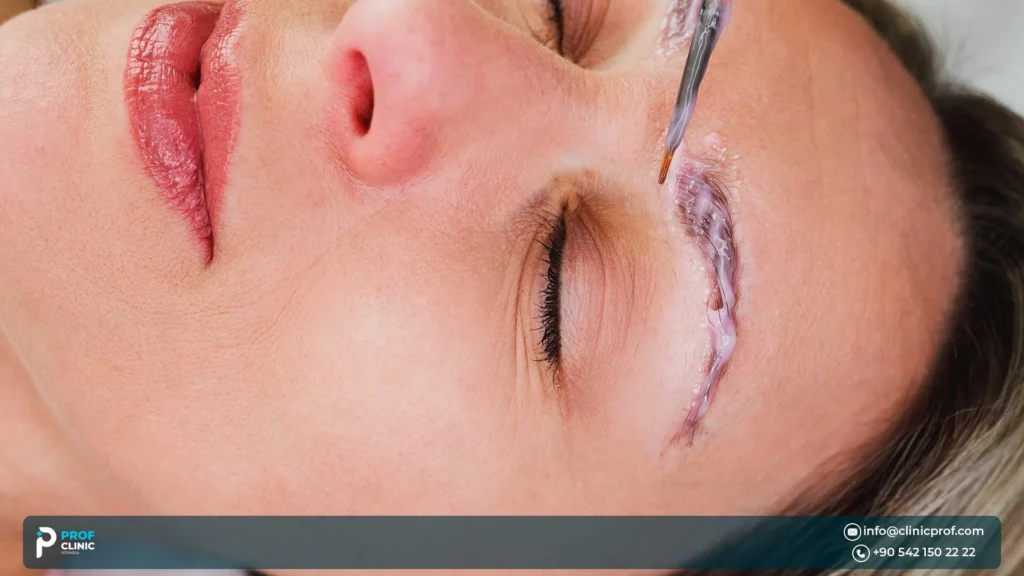
Normal vs Warning Signs and What to Do
| What You Notice | Usually Normal (Early Healing) | Warning Sign | What to Do |
| Swelling & Bruising | Mild puffiness around eyes/brows. | Swelling that rapidly worsens or is paired with fever. | Contact clinic promptly; seek urgent care if severe. |
| Redness & Scabs | Expected tiny crusting in the first weeks. | Spreading redness, warmth, or foul smell. | Contact clinic—could be infection or inflammation. |
| Itching & Tightness | Common as the skin heals and hydrates. | Intense itching plus a rash or facial swelling. | Seek medical advice—possible allergic reaction. |
| Pain & Soreness | Mild discomfort as anesthesia wears off. | Severe pain or pus/fluid leaking from sites. | Contact clinic urgently for medical review. |
| Hair Shedding | Eyebrow transplant hair falling out after weeks. | Sudden bald patches with active inflammation. | Contact clinic; may need evaluation for folliculitis. |
If you want reassurance about whether your symptoms are “normal healing” or a warning sign, contact our experts to help you
Also read: Eyebrow Hair Transplant Recovery: Timeline, Aftercare & Hair Growth Explained
Cosmetic problems patient report
When patients refer to an eyebrow hair transplant gone wrong, they are usually describing aesthetic dissatisfaction rather than medical emergencies.
Most cosmetic issues trace back to the initial planning or the surgical technique—specifically the angle and direction of the grafts, as eyebrow hairs must lie flatter and change direction more dynamically than scalp hair.
Common Cosmetic Complaints & Solutions
| Cosmetic Problem | Likely Cause | What Can Help (Next Step) |
| Patchy Density / “Thin Spots” | Uneven graft placement or variable survival rates. | Give it time; follow up for an assessment and consider a touch-up once fully healed. |
| Asymmetry / Poor Face Matching | Design not aligned with facial proportions. | In-person review with photos; design refinement is often possible with patience. |
| Bumpy Texture / “Cobbelstoning” | Placement depth or angle issues; skin traits. | Clinical evaluation; may improve with healing or require targeted correction. |
| Unnatural Direction / “Messy” Look | Incorrect angulation of the grafts. | Grooming and training; if severe, discuss corrective options with a specialist. |
| Hair Texture Mismatch | Donor hair differs from native brow hair. | Trimming, styling, and time; proper donor selection in planning is key. |
Success in eyebrow restoration depends heavily on donor selection and the exact angle, direction, and alignment of each graft. This is why eyebrow cases must be treated with a different technical approach than routine scalp restoration.
If you’re worried your results are heading toward an eyebrow hair transplant gone wrong outcome, it is vital to have an experienced team review your progress. Consult Profclinic’s Medical Team to evaluate your design goals and healing stage.
Also read: Is Eyebrow Hair Transplant Permanent? Longevity, Success Rate & Maintenance
Why eyebrow transplant hair sticks out and what to do
One of the most frequent cosmetic concerns is seeing eyebrow transplant hair sticks out rather than laying flat against the skin.
This spiky appearance is usually caused by one of three factors:
- Incorrect Angulation: Unlike scalp hair, eyebrow hairs must be implanted at a very shallow, almost flush angle to the skin. If grafts are placed too upright, the hair stands away from the face.
- Scalp Hair Behavior: Because the follicles are harvested from your head, they retain their original growth characteristics. This contributes to eyebrow hair transplant long hair that may lift if not trimmed or groomed regularly.
- Texture & Curl Mismatch: Donor hair is often thicker or curvier than native brow hair. During the early maturation phase, this difference in caliber can cause certain hairs to resist the natural brow curve.
How to Manage Sticking Out
If you are noticing misdirected growth, you can take these low-risk steps once your clinic clears you for grooming:
- Regular Trimming: Since eyebrow hair transplant long hair continues to grow at a scalp-like rate, trimming every 7–10 days is essential to keep the weight of the hair from causing it to lift.
- Directional Training: Use a clean spoolie or brow brush daily to gently “train” the hairs to lay in the desired direction.
- Light Styling: Once fully healed, a small amount of brow gel or wax can hold eyebrow transplant curly hair or stubborn strands in a sleek, horizontal position.
- Professional Assessment: If the misdirection is severe or persistent after the 6-month mark, consult your surgeon about corrective options. However, avoid rushing into a revision while the skin is still remodeling.
Expectation-setting is key. Most texture issues soften over time as the hair cycles repeat and the follicles adapt to their new location.
Are your results not laying as flat as you expected? Browsing our Before & After gallery can help you see how different hair textures settle over time, or you can message our team for a personalized styling guide.
Also read: Everything to Know About a FUE Hair Transplant
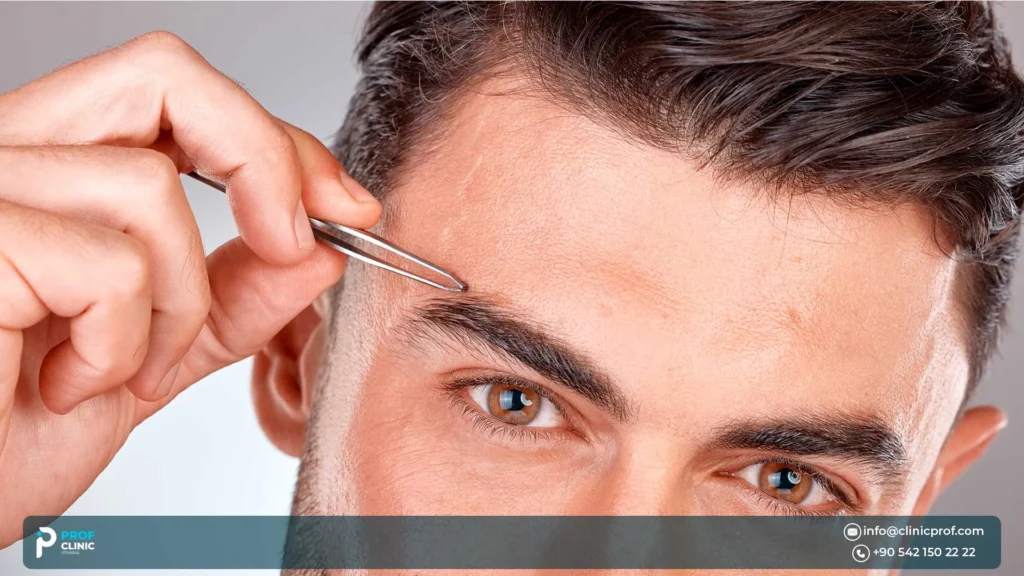
Normal shedding vs true failure
Seeing eyebrow transplant hair falling out a few weeks after surgery is often a sign of progress, not failure. This “shock loss” occurs as the follicle enters a resting phase before new growth begins.
How to Tell the Difference
- Normal Shedding: Occurs 2–8 weeks post-op. The skin appears healthy, with decreasing redness and no pain. It is a biological reset for new growth.
- Concerning Signs: If hair loss is accompanied by spreading redness, warmth, pus, or worsening pain, it may indicate infection or folliculitis. These require immediate medical evaluation to protect the grafts.
Why Growth May Disappoint
If you notice low density or patchiness after 6–9 months, the cause is rarely “failure” but often involves:
- Technique Issues: Poor angulation or placement depth.
- Aftercare Neglect: Rubbing the area or picking scabs prematurely.
- Health Factors: Smoking or uncontrolled skin conditions that impede healing.
Is your shedding paired with irritation or pustules? Don’t wait it out. Share clear photos with the Prof Clinic team for an urgent clinical review.
Is eyebrow hair transplant surgery painful?
The short answer is: The procedure is usually not painful, but it does involve moments of minor discomfort. Modern hair restoration relies on advanced local anesthesia to ensure you remain comfortable throughout the surgery.
What You will actually feel
- During the Operation: Once the local anesthetic takes effect, the brow area is completely numbed. You will feel no pain, only the occasional sensation of “pressure” as the grafts are placed. (Cleveland Clinic)
- The Most Uncomfortable Part: Most patients agree that the initial numbing injections are the only painful moment—described as a brief stinging or “pinch” that lasts only a few seconds. (NHS)
- The Recovery Phase: As the anesthesia wears off, the pain is typically rated as mild. You may experience a dull soreness, tenderness, or a “tightness” in the skin, similar to the feeling of a mild sunburn.
How to Minimize Discomfort
- Medication Strategy: Adhere strictly to the pain relief schedule provided by your surgeon.
- Physical Protection: Keep all pressure and friction away from the brows; even accidental rubbing can trigger irritation-induced pain.
- The Red-Flag Rule: While mild soreness is expected, severe or escalating pain is not normal. If pain increases after the first 72 hours, it is a signal to contact your clinic immediately for a medical review.
Don’t let the fear of pain stop you. The discomfort of an eyebrow transplant is a minor, short-term hurdle on the path to a permanent aesthetic transformation.
Also read: Eyebrow Transplant vs Alternatives: Microblading, PRP, Tattooing & Celebrity Choices
Medical risks and rare complications you shouldn’t ignore
While eyebrow transplants are low-risk cosmetic procedures, they remain a form of surgery. It is vital to recognize that serious medical complications, though rare, require immediate attention to ensure both your health and the success of the grafts.
Key complications to watch for
- Infection: This is the most critical risk. Look for worsening redness, localized warmth, or the presence of pus at the graft sites.
- Folliculitis: This appears as clusters of inflamed bumps or pustules around the hair follicles. If left untreated, it can cause distress and negatively impact new hair growth.
- Scarring: Though modern methods minimize this risk, scarring can occur at both the donor (back of the head) and recipient (eyebrow) sites. (Cleveland Clinic)
- Allergic Reactions: Uncommon but possible, reactions to anesthesia or post-op medications can occur, especially in patients with a history of allergies.
When to seek urgent care
Do not ignore the following “Red Flag” symptoms. Seek prompt medical advice or urgent care if you experience:
- Systemic Symptoms: High fever or chills.
- Spreading Inflammation: Redness that spreads rapidly toward the eyes or cheeks.
- Severe Pain: Throbbing pain that worsens day-by-day instead of improving.
- Vision Changes: Any sudden swelling that affects your vision or eye movement.
Your safety is our priority. If you notice any of these red flags, contact the ProfClinic Medical Team immediately for a priority safety assessment.
What factors are more likely to have problems?
Complications or dissatisfaction are rarely random; they are often the result of unaddressed risk raisers. Problems are significantly more likely to occur when specific candidate and planning factors are ignored prior to surgery.
1. Candidate-Related Risk Factors
You may be at a higher risk for healing issues or poor graft “take” if you have:
- Lifestyle & Health Habits: Smoking significantly impairs blood flow and slows healing. Uncontrolled medical conditions or medications that affect bleeding also increase surgical risks.
- Active Skin Issues: Any active infection or inflammatory skin disease (like eczema or psoriasis) in the brow area must be treated before surgery.
- Psychological Readiness: Patients with very high anxiety or a low tolerance for the “ugly duckling” phase—the temporary period of scabbing, redness, and shedding—often struggle with the recovery journey.
2. Planning-Related Risk Factors
A “gone wrong” outcome is often a failure of communication rather than biology:
- Misaligned Expectations: Requesting a brow density or shape that doesn’t fit your natural facial proportions.
- Communication Gaps: Failing to agree on the specific “head, body, and tail” direction of the brow or not providing reference photos.
- Provider Choice: Choosing a clinic that lacks a portfolio of eyebrow-specific results or fails to provide a transparent explanation of the risks involved.
The best way to avoid being in the “high-risk” group is total transparency during your consultation. A great result starts with an honest medical history and a realistic design plan.
Unsure if you are a good candidate or worried about a history of hair loss like alopecia areata? Book a medical consultation with ProfClinic for a full history review and a realistic assessment of your potential results.
How to reduce risk
Reducing the risk of an eyebrow hair transplant gone wrong is a dual responsibility shared between the surgeon’s expertise and your commitment to aftercare.
Here is how you can meaningfully lower the chance of complications:
1. Professional Screening
The most effective way to reduce risk is to vet your provider. Ensure they can answer these key technical questions:
- Experience: How many eyebrow-specific transplants do you perform annually?
- Precision: What is your specific plan for the angle and direction across the brow’s head, body, and tail?
- Technique: Do you use single-hair grafts to avoid a “pluggy” or unnatural look?
- Safety: What are the protocols for managing folliculitis or infection, and how quickly can I reach the medical team?
- Transparency: Can I see before/after results of patients with my specific hair texture and skin tone?
2. Patient Protocol (The Do & Do Not List)
Your actions during the first 14 days are critical to graft survival and reducing medical risks:
Do:
- Follow Cleaning Instructions: Adhere strictly to the saline spray or gentle washing routine provided.
- Attend Follow-ups: Ensure a medical professional monitors your healing to catch any issues early.
- Manage Expectations: Understand that initial shedding is a normal biological phase, not a failure.
Don’t:
- Pick Scabs: This is the leading cause of permanent scarring and lost grafts.
- Apply Friction: Avoid rubbing, scratching, or wearing tight headwear that touches the brows.
- Ignore Symptoms: Never wait out increasing pain, spreading redness, or discharge, contact your clinic immediately.
Also read: Eyebrow Hair Transplant Procedure: How it Works & Donor Hair Options
When to worry & what can be done if results aren’t right
Distinguishing between the ugly duckling healing phase and genuine complications is vital for protecting both your health and your final look.
When to worry
Contact your clinic immediately if you experience these “Red Flags”:
- Escalating Pain: Discomfort that intensifies daily rather than subsiding.
- Infection Signs: Spreading redness, localized heat, or pus/fluid leakage.
- Severe Swelling: Massive puffiness that obstructs or affects your vision.
A calm action plan for concerns
If you suspect an issue, follow these three steps for a fast resolution:
- Document: Take clear, high-resolution photos (front and side profiles) in natural light.
- Assess: Identify if the issue is medical (pain/fever) or cosmetic (shape/direction).
- Contact: Send your photos and a symptom timeline to your surgical team immediately.
What can be done if results are not right?
If the aesthetic outcome is unsatisfactory, several corrective pathways exist:
- Grooming: Trimming and “training” hairs with a spoolie fixes most eyebrow transplant hair sticks out issues, as donor hair mimics scalp growth.
- Patience: Patchiness is often temporary; final density should only be judged after a full 12-month growth cycle.
- Medical Care: Active folliculitis can be resolved with targeted treatment if caught early.
- Revisions: After full healing, a “touch-up” procedure can refine shape or density.
Dealing with misdirected hair or shedding anxiety? Don’t guess. Reach out to our medical team for a professional review of your photos and progress.
Also read: Eyebrow Hair Transplant Before and After: Time & Reviews
FAQs about Eyebrow Hair Transplant Side Effects
What is the downside of an eyebrow transplant?
The primary downsides are the “ugly duckling” recovery phase (swelling, redness, and scabbing) and the commitment to lifelong maintenance. Because donor hair comes from the scalp, you will likely need to trim your new eyebrows regularly to prevent them from growing too long.
Is eyebrow transplant risky?
It is a low-risk procedure, but it is still surgery. Potential risks include infection, minor scarring, or poor graft “take” (where hair fails to grow). These risks are significantly minimized by choosing a surgeon who specializes in eyebrow-specific angulation.
How painful are eyebrow implants?
Most people use the term “implants” when referring to a hair transplant. Thanks to local anesthesia, most patients feel minimal pain once anesthesia takes effect. The post-operative phase typically involves only mild soreness or a “tight” sensation that is easily managed with standard pain relief.
What is the most painful part of a hair transplant?
The most uncomfortable moment for most patients is the initial administration of local anesthetic injections. This feels like a series of quick pinches or stings. Once the area is numb, the rest of the procedure is pain-free.
Why do most hair transplants fail?
True biological failure is rare. “Failure” usually refers to an unnatural aesthetic outcome caused by poor planning—specifically, placing hairs at the wrong angle or direction. Other factors include poor aftercare (picking scabs) or underlying health issues like uncontrolled skin inflammation.
What are eyebrow transplant risks?
Beyond general surgical risks like bruising or swelling, the specific risks for eyebrows include misdirected hair growth (hairs sticking out) and texture mismatch, where the thicker scalp hair looks noticeably different from the original brow hair.