

- Services
- Hair Transplant
- Afro Hair Transplant
Afro Hair Transplant in Istanbul
For an Afro hair transplant in Turkey, Prof Clinic Istanbul offers expert care for curly and textured hair. Our experienced medical team uses modern techniques to plan natural-looking, long-lasting results, with every detail explained during your consultation.
What Is an Afro Hair Transplant?
1. Why Are Afro Hair Transplants More Complex?
An Afro hair transplant is more complex than a standard procedure because of the curly, coiled structure of afro-textured hair. It calls for adapted techniques and careful handling during extraction and implantation. At Prof Clinic Istanbul, our specialists plan each procedure around your hair type, with a safe, natural-looking result as the aim.
2. Common Concerns and Misconceptions
Many patients wonder whether an Afro hair transplant in Istanbul can work on curly or kinky hair. In many cases it can, but the outcome depends on choosing a clinic with a team experienced in afro-textured hair restoration, and on an individual assessment of your scalp and donor area.
3. Unique Hair Anatomy Requires Expertise
Afro hair grows in a tight curl pattern that continues beneath the scalp, so the follicles themselves are curved under the skin. This raises the risk of cutting (transecting) follicles during extraction, which makes the work delicate and precise. This is why it is important to choose specialists who use techniques adapted to afro-textured hair, to support a natural-looking, long-lasting result.

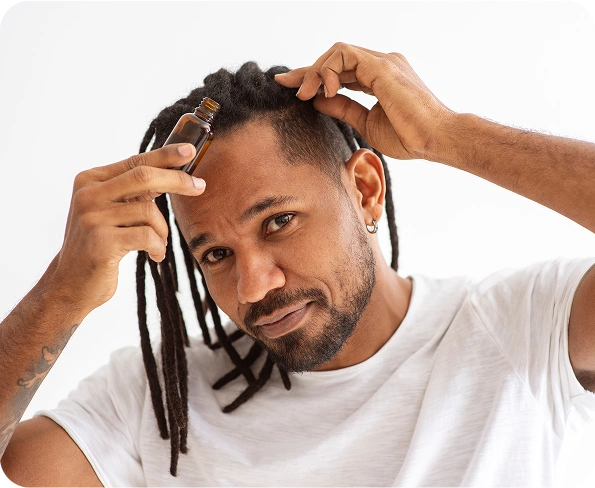
Afro Hair Transplants: What You Need to Know
Challenges with Afro Hair
Compared to straight hair, afro hair is more complex to transplant and calls for specific expertise. The tightly curled, coarse texture of afro hair affects how follicles grow both above and beneath the scalp.
01.
The work must be more meticulous to achieve natural-looking results.
02.
Locating and extracting hair follicles in Afro hair transplant procedures is more challenging, as curved follicles are easier to cut.
03.
The overall process is more sensitive and often more time-consuming, requiring skilled specialists.
Graft Density and Appearance
In an Afro hair transplant in Istanbul, the number of grafts may be lower than for Caucasian or Asian hair types because afro hair follicles are less dense per square centimeter. However, thanks to its curly structure, each afro graft covers a larger area, so afro hair often looks fuller and thicker even with fewer grafts. This natural volume effect is a distinctive feature of afro hair and can give a dense, natural-looking result.
Which Technique Suits Afro Hair?
People with afro-textured hair often ask which method will suit them. At Prof Clinic Istanbul, our specialists evaluate your hair type before recommending a method.
FUE is one of the most commonly used techniques for Afro hair transplants. It can be adapted to curved follicles and aims for a natural-looking, long-lasting result.
However, every patient’s hair is unique. Whether FUE, DHI or Sapphire FUE is the better choice depends on your hair texture and scalp condition. Many patients ask about DHI for afro hair; whether it suits you is decided after a detailed analysis of your hair and donor area.
How an Afro Hair Transplant Is Done, Step by Step
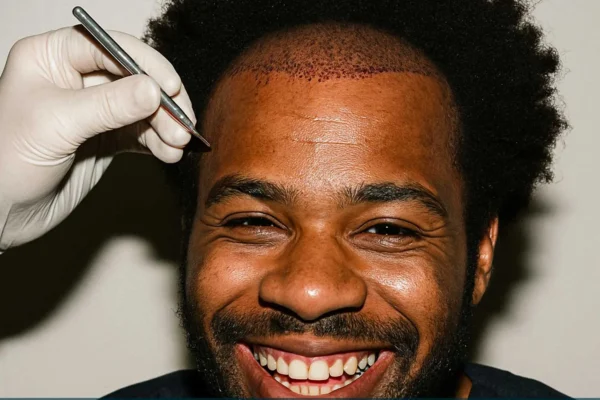
Health Inquiries?
Reach out for expert care
The doctor examines your hair loss, the curl pattern and the density of your donor area. Your medical history is reviewed, including any tendency to keloid or raised scars, which matters for afro-textured skin.
A hairline that suits your face and hair type is drawn and agreed with you. The doctor then confirms the technique, FUE or DHI, and the approximate number of grafts.
The donor and recipient areas are numbed with local anesthesia. Because afro follicles curve under the skin, grafts are extracted slowly with punches adapted to their shape to limit damage.
The grafts are placed one by one at the angle and direction of your natural curl, either into opened channels or with a DHI implanter pen. Careful placement helps the result blend with the surrounding hair.
Small crusts usually fall off within about 10 days, and you receive washing and sleeping instructions. Most transplanted hairs shed in the first weeks, which is a normal part of the cycle.
New hair usually starts to grow at around 3–4 months. The final density and texture are typically visible at 12–18 months, and results vary from person to person.
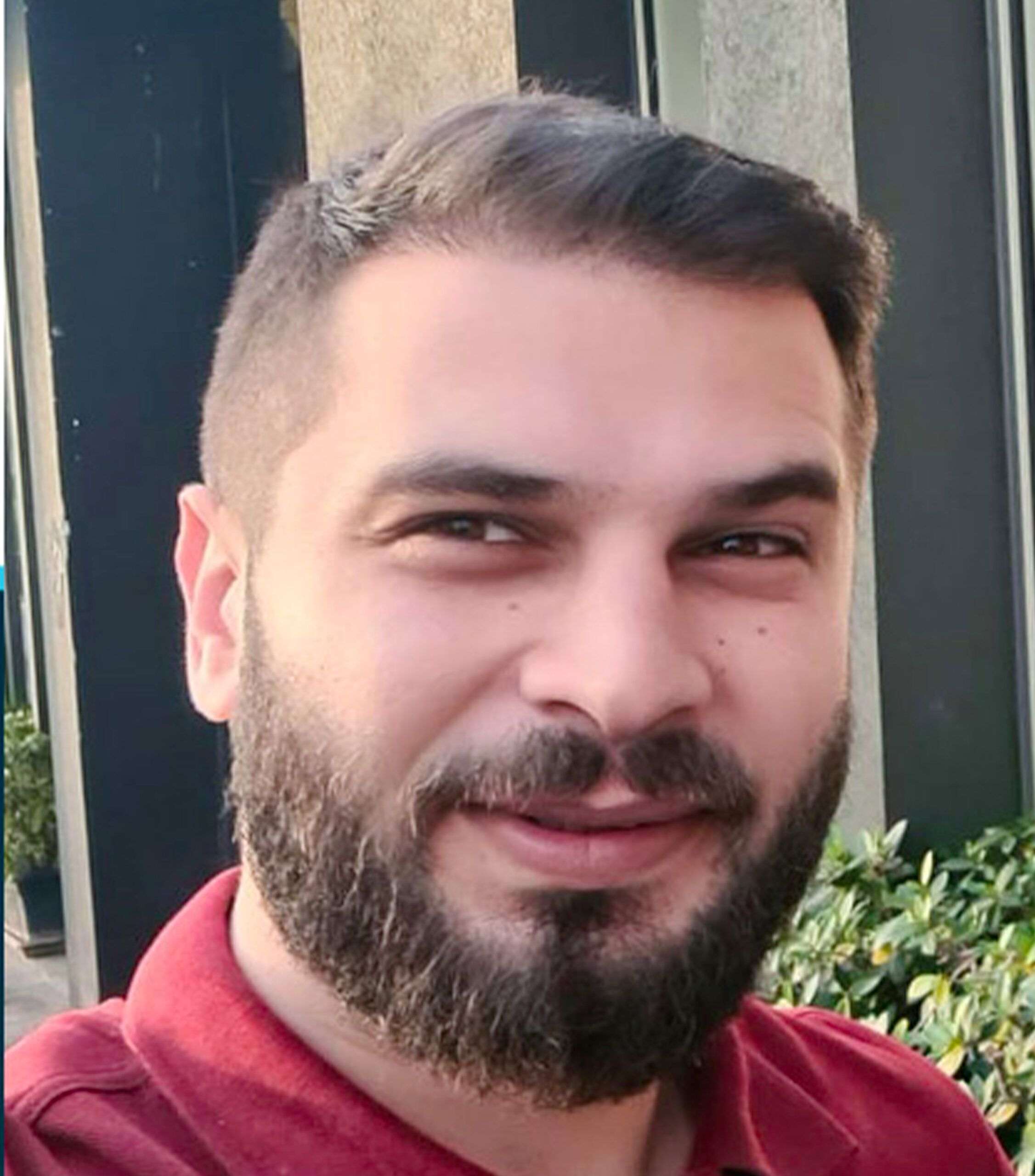
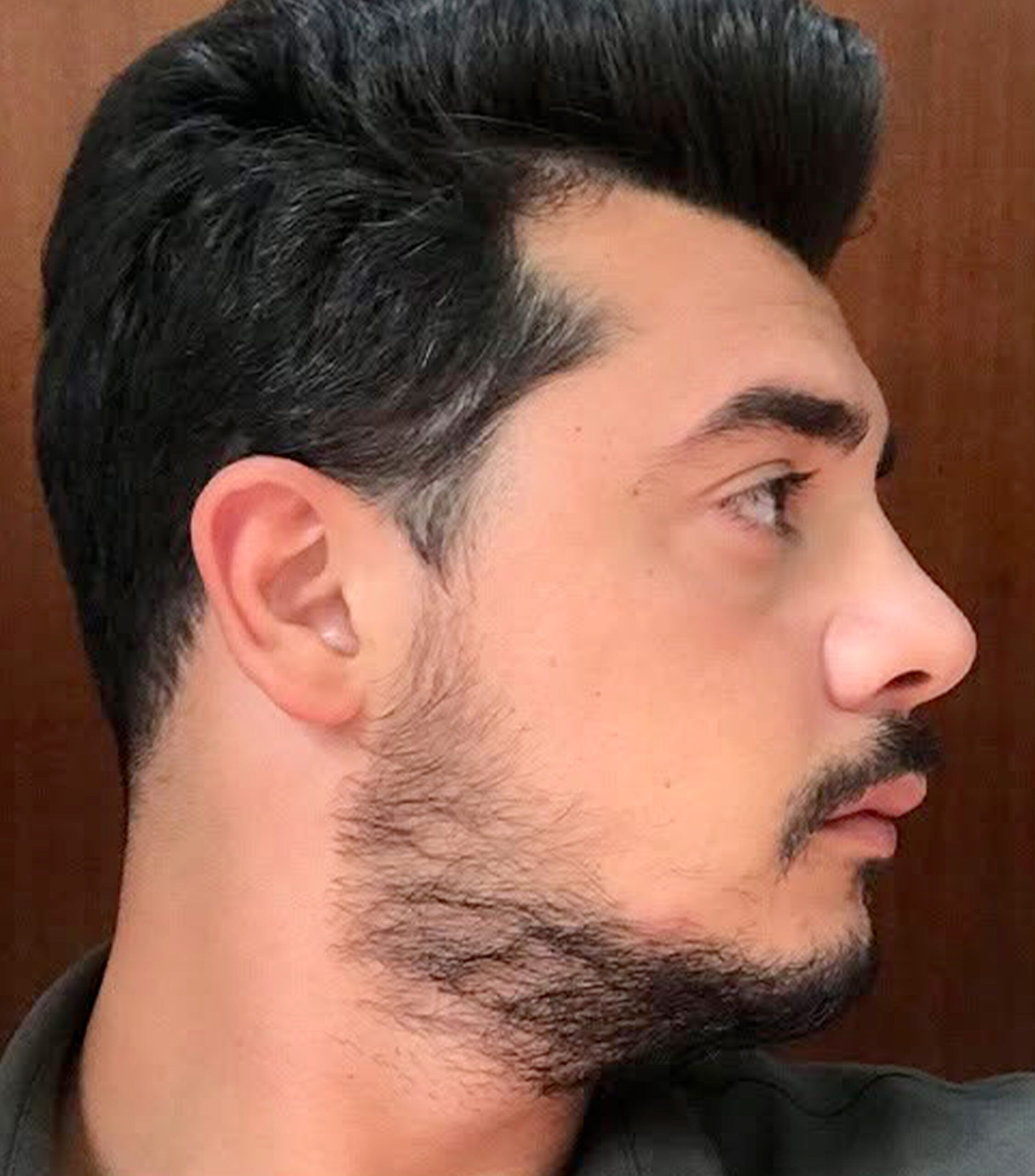
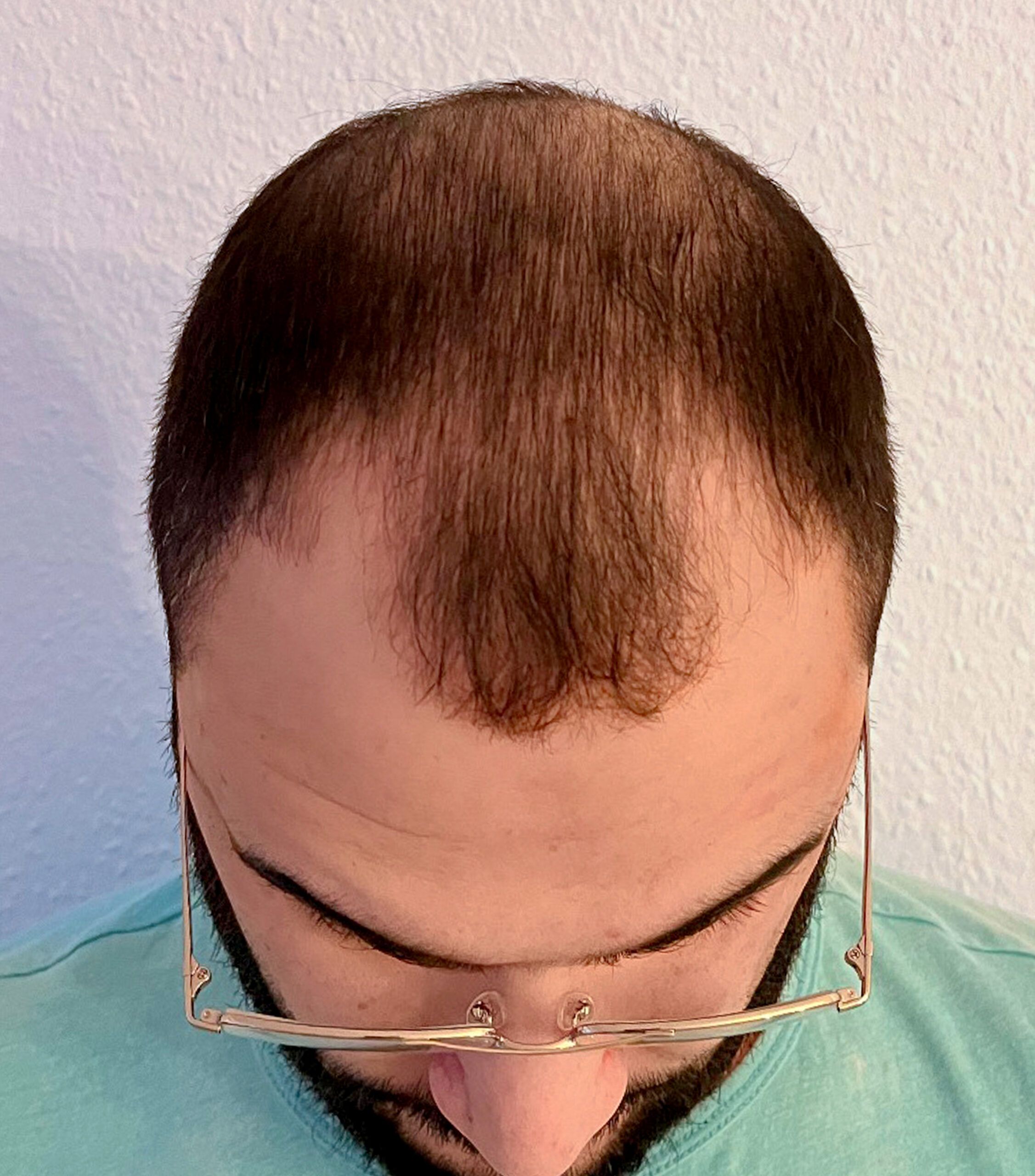
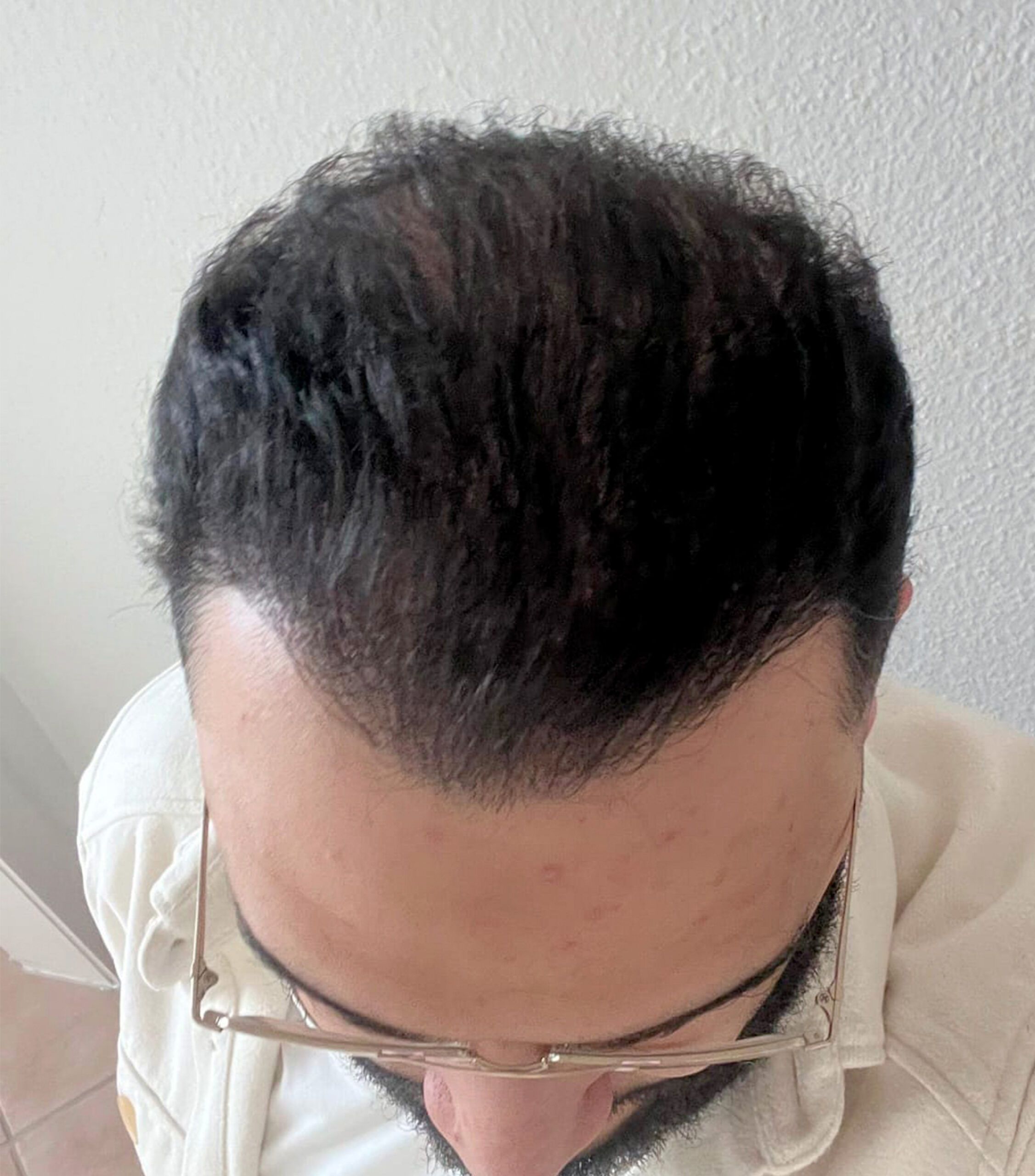
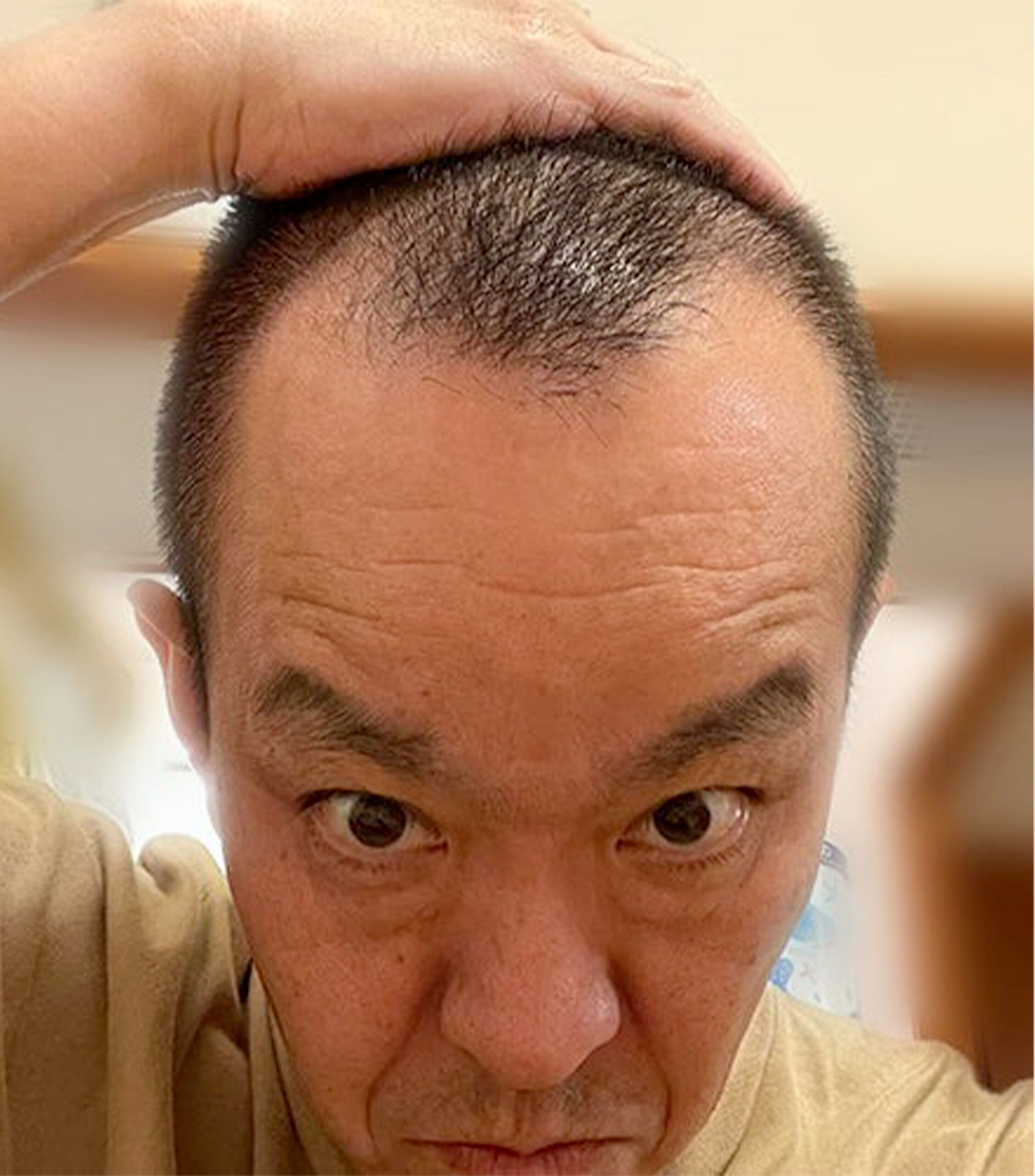
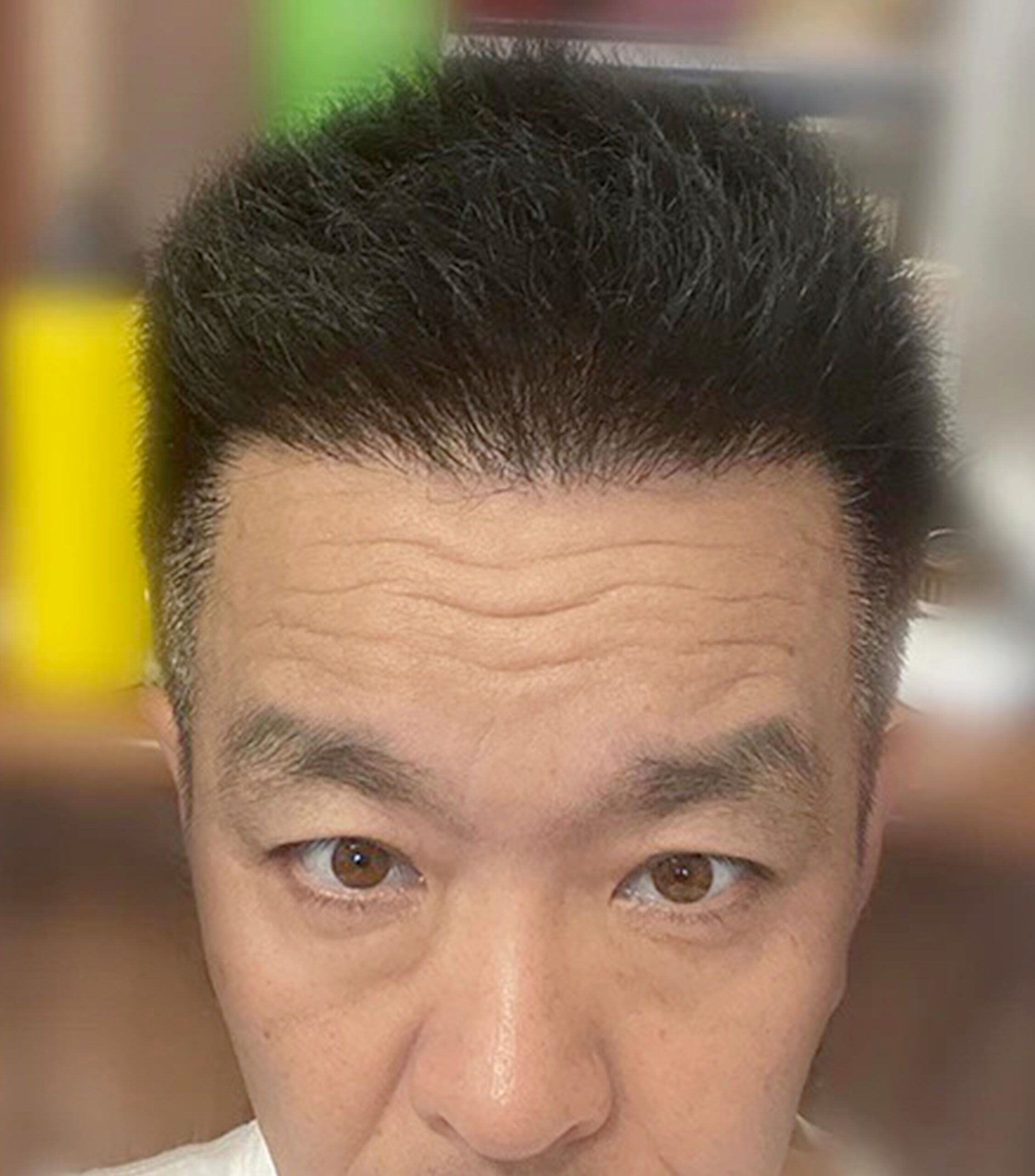
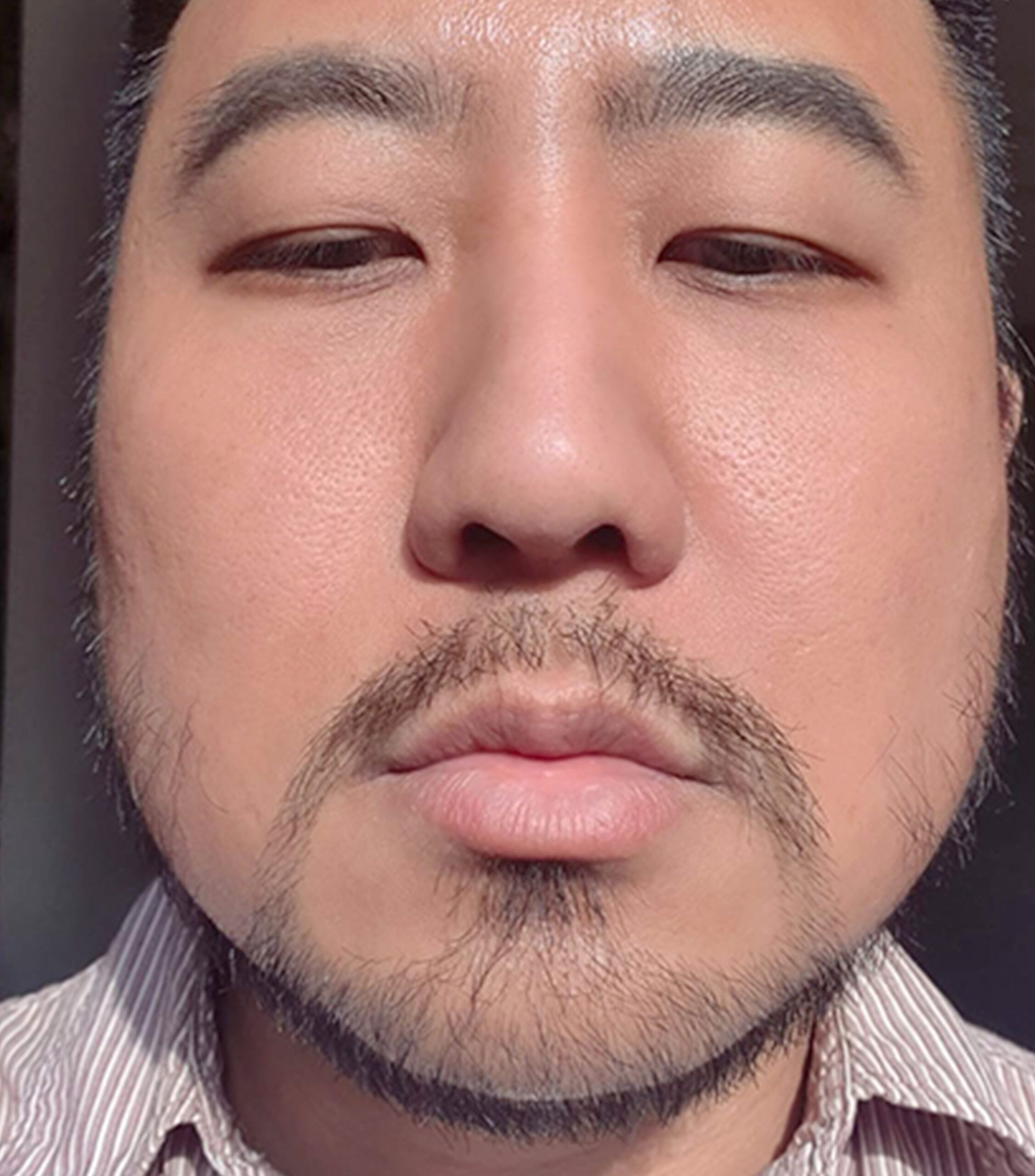
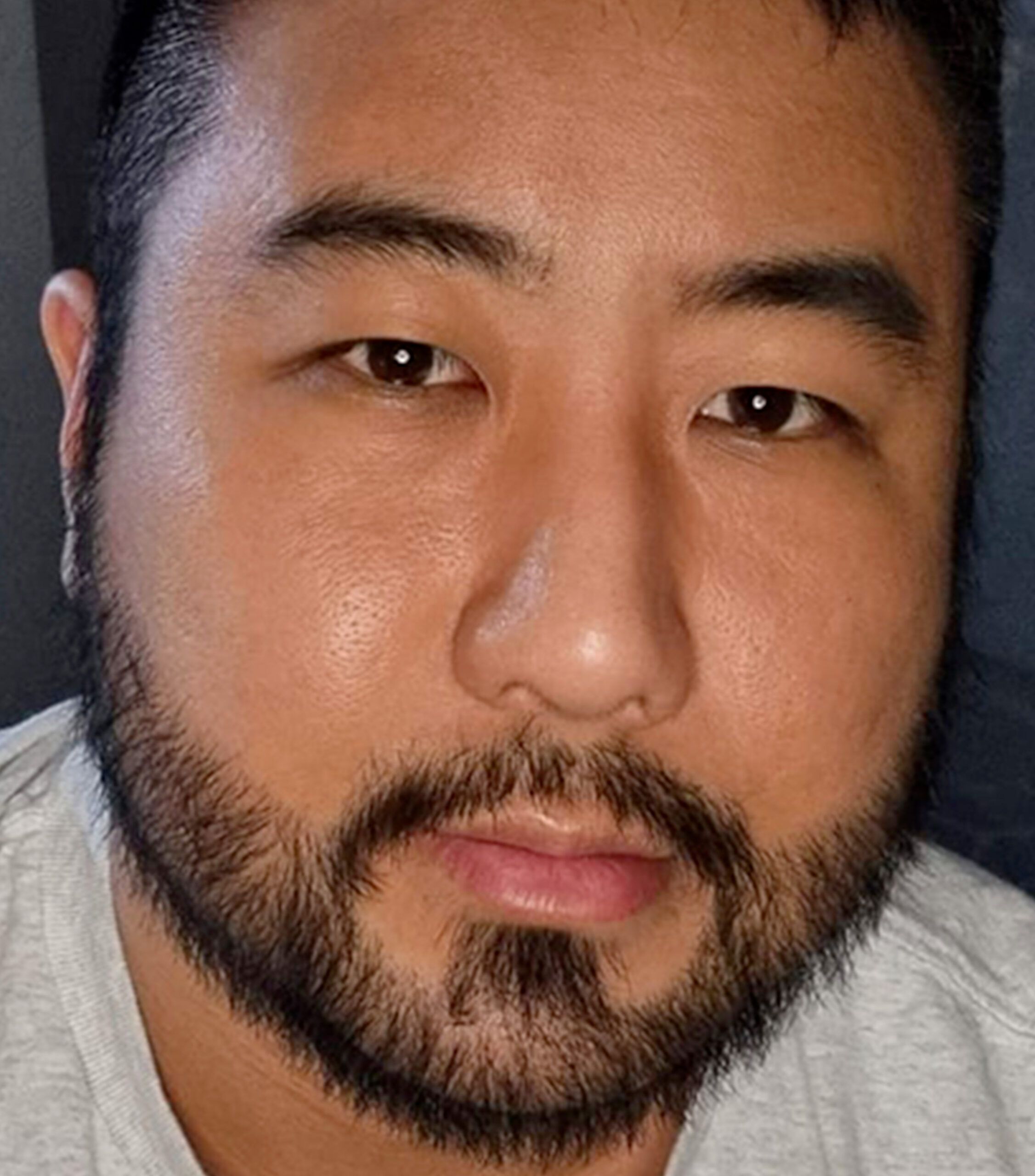
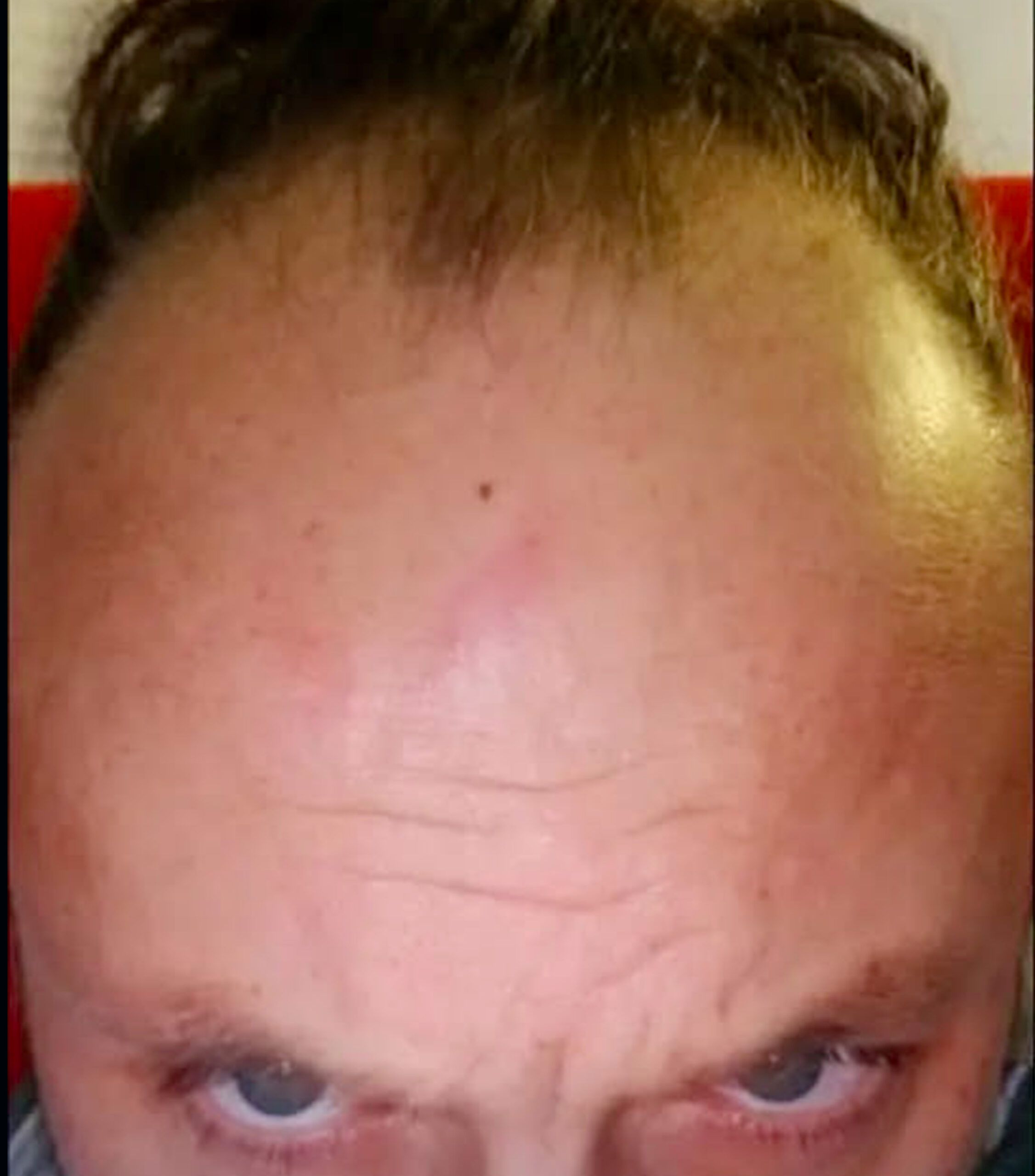
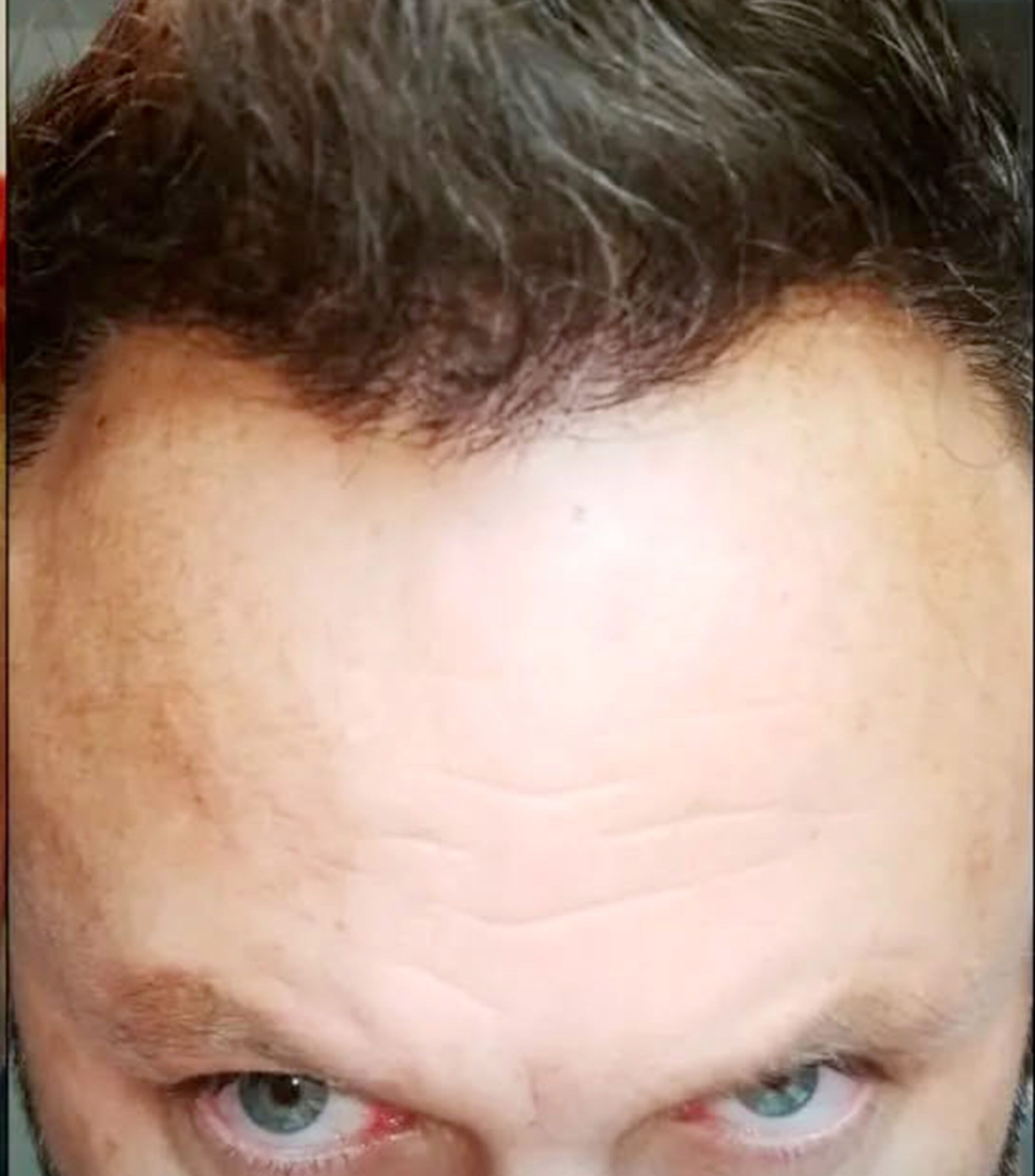
Real Patients. Real Results.
Browse before & after results for Afro hair transplants, from hairlines to fuller density, treated in Istanbul. Results vary from person to person.
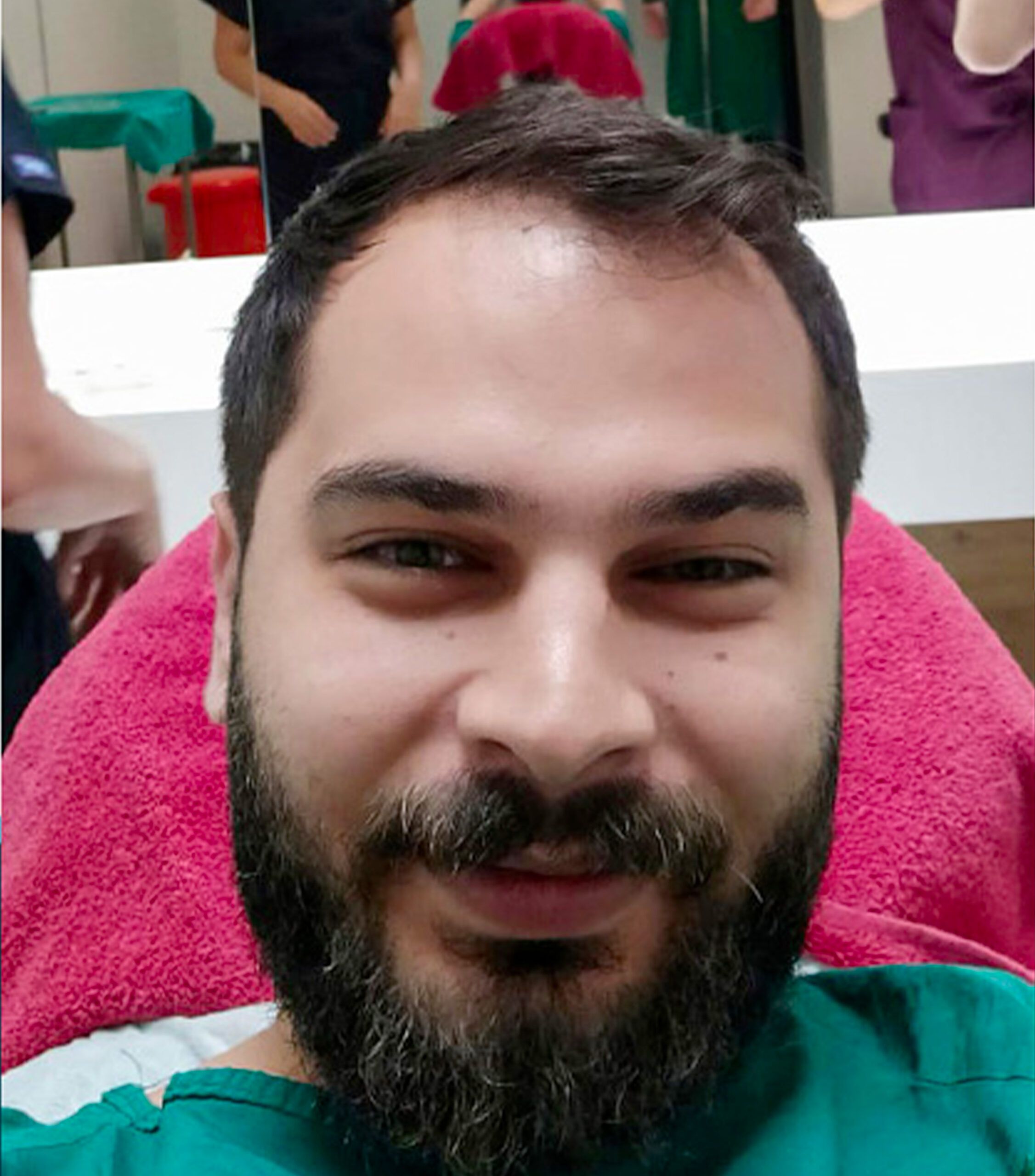

Frequently Asked Questions About Afro Hair Transplants

Health Inquiries?
Reach out for expert care
Curious About Patient Experiences?
100K+ Happy Clients and Counting, from 80+ Countries
Just contact us, then experience the benefits of Prof Clinic.
We will arrange everything for you.
CONSULTATION !