What are the real eyebrow transplant alternatives, and can any of them give you fuller brows without surgery? Yes, several can, but most of them change how your brows look rather than adding hair: makeup, tinting, lamination, microblading, powder brows and tattooing all work on the surface. Only a few options, such as growth treatments and an eyebrow transplant, act on the hair itself, and which one suits you depends on why your brows are thin.
In this guide by Prof Clinic, you’ll compare the main eyebrow replacement options side by side, see how long each one lasts, what it can’t do, and where a transplant fits in. By the end, you’ll know which questions to ask before you spend money on any of them, whether at home or in Istanbul.
Eyebrow Transplant Alternatives: Real Hair or the Look of Hair?
Every alternative to an eyebrow transplant falls into one of two groups: options that create the look of hair, and options that try to grow or replace real hair. Picture it as a simple fork in the road. If your follicles are still alive, you can either draw over the gaps or try to wake the hair up. If the follicles are gone, as in a scar or a burn, no cream or pigment will bring hair back, and only moved follicles can.
- Appearance options: brow pencils and powders, tinting, lamination, microblading, powder or ombre brows, combination brows and traditional eyebrow tattoos.
- Hair options: growth treatments prescribed or approved by a doctor (such as minoxidil or bimatoprost), PRP injections, and an eyebrow hair transplant.
The cause of the thinning decides which group makes sense. Common causes include years of over-plucking or waxing, ageing, genetics, scars, burns and injuries. Medical conditions matter too: a review in the Indian Journal of Plastic Surgery lists alopecia areata, frontal fibrosing alopecia, trichotillomania, scarring alopecias and hypothyroidism among the reasons people seek eyebrow restoration. Several of these need treatment first, and some can return after cosmetic work.
Why this matters to you: if your brow loss is sudden, patchy, itchy or painful, or comes with scaling or redness, see a doctor before booking any cosmetic procedure. Our guide to eyebrow hair loss causes, warning signs and treatment options explains which signs point to a medical cause.
Also read: Eyebrow Scar Hair Transplant: Scars, Alopecia and Who Qualifies
Eyebrow Replacement Options Compared
The quickest way to compare eyebrow replacement options is by what each one actually changes: colour on the skin, the shape of existing hairs, or the number of hairs. The table below sums up the main choices. Durations are typical ranges from published reviews, not fixed rules, and they vary with skin type, pigment and aftercare.
| Option | What it changes | How long it lasts | Usually suits | Main limits |
|---|---|---|---|---|
| Brow makeup | Colour on the skin surface | One day | Mild gaps, trying out a shape | Daily effort; smudges with sweat or water |
| Tinting and lamination | Colour or direction of existing hairs | Temporary | Light or unruly brows with enough hair | Does nothing for bare skin; lamination chemicals can irritate |
| Microblading | Hair-like pigment strokes | About 12–18 months, up to 3 years | Mild to moderate sparseness, normal to dry skin | Touch-ups; fades faster on oily skin; pigment reactions |
| Powder, ombre or combination brows | Shaded pigment, sometimes mixed with strokes | Usually longer than microblading | A soft “filled-in” look | Looks like makeup rather than individual hairs |
| Traditional eyebrow tattoo | Deeper, solid pigment | Several years or longer | A permanent makeup look | Hard to remove; colour can shift over time |
| Growth treatments (minoxidil, bimatoprost) | Number and thickness of existing hairs | Studied over about 4 months; long-term data limited | Thinning with live follicles | Off-label use; slow; no effect on scars |
| PRP injections | May support existing follicles | Unclear; repeat sessions | Experimental use alongside other care | Little evidence, especially for brows |
| Eyebrow hair transplant | Adds real, growing hair | Long-term | Gaps, scars, over-plucked areas that won’t regrow | Surgery; months to see results; regular trimming |
Read across the “What it changes” column and the choice becomes clearer. If you still have hair and mainly want definition, pigment or styling can be enough. If you have bare patches that haven’t regrown in years, only a transplant adds hair to them.
Not sure which row describes your brows? Book a free online consultation and send clear photos, so the team can tell you whether your follicles are worth treating or whether a transplant is the realistic route.
Alternatives to Microblading: Other Ways to Fill In Your Brows
If you’ve ruled out microblading, or had it and didn’t like it, the main alternatives are powder or ombre brows, combination brows, tinting, lamination and well-chosen makeup. They differ mostly in how long they last and how “hair-like” they look up close.
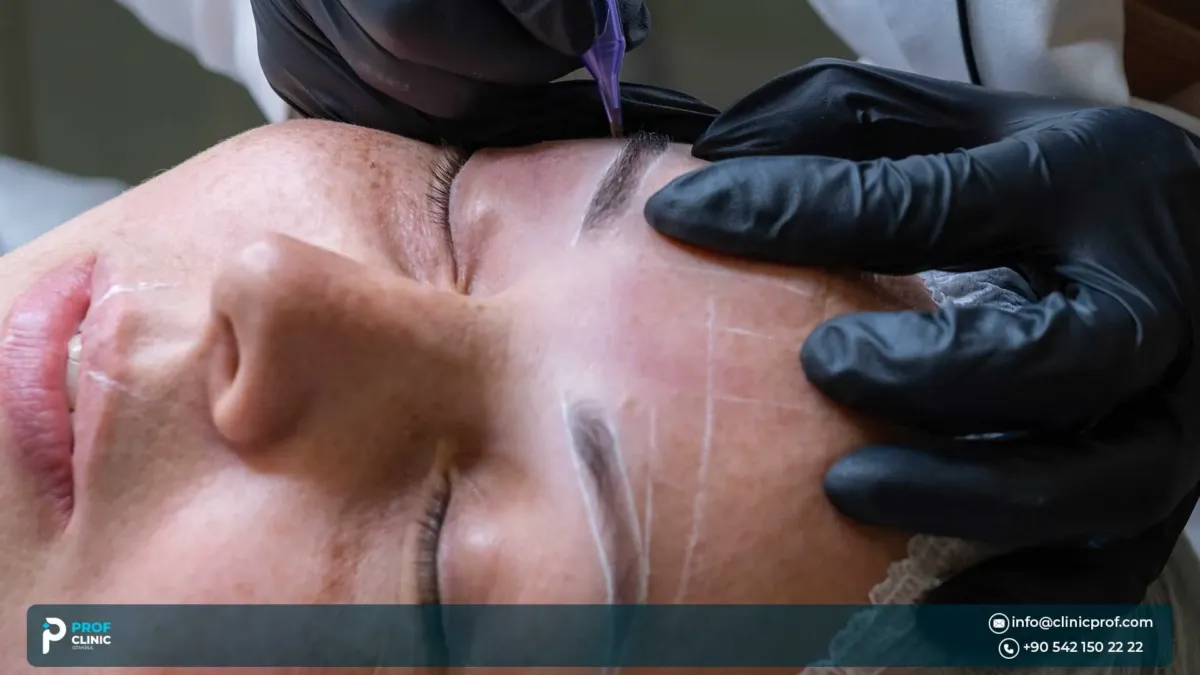
First, a quick definition. Microblading is a form of semi-permanent tattooing: a hand tool with a row of fine needles cuts tiny strokes into the upper skin and fills them with pigment to imitate individual hairs. According to a 2025 review in Skin Appendage Disorders, the pigment sits in the papillary dermis, a shallower layer than a classic tattoo reaches. A 2021 review in the Indian Dermatology Online Journal puts the usual lifespan at 12–18 months and says a touch-up two to three weeks later is part of the standard process.
Powder, Ombre and Combination Brows
Powder or ombre brows, also called microshading, use a machine to place tiny dots of pigment instead of strokes, which gives a soft, filled-in look like brow powder. The Indian Dermatology Online Journal review notes that this pigment usually lasts longer than microblading. Combination or hybrid brows mix the two: hand-drawn strokes at the front of the brow and shading towards the tail. If you have oily skin, ask about these first: the Skin Appendage Disorders review describes very oily skin as a poor match for microblading, because results fade quickly.
Tinting and Brow Lamination
Tinting darkens fine or light hairs you already have, so they show up better. Lamination uses chemical solutions to reshape the hairs and hold them upwards, making the brow look fuller and more uniform. A 2025 review in the Journal of Cosmetic Dermatology points out that lamination products usually contain thioglycolates, chemicals that can cause allergic contact dermatitis with irritation, dryness and redness, and that its side effects are still poorly studied. Neither treatment helps if there are no hairs to work with.
Cheaper Alternatives to Microblading
The cheapest alternatives to microblading are the ones that use no pigment at all: brow pencils, powders and gels, tinting and, if your brows still grow, a doctor-guided growth treatment. Makeup and tinting cost little per session but have to be repeated, and lamination is temporary too. None of them adds hair where the follicles are gone. Prices depend on where you live and who does the work, so compare the cost over a year or two rather than per visit, and ask whether touch-ups are included.
Makeup and Traditional Tattooing
Brow pencils, pomades, powders and gels remain the lowest-risk option and a good way to test a shape before committing to anything permanent. At the other end, a traditional eyebrow tattoo places pigment deeper in the skin and lasts much longer, often several years. That durability is also its drawback: the same review in the Indian Dermatology Online Journal notes that laser removal of brow pigment needs expertise, as it can scar or leave lighter or darker patches.
If you want an alternative to an eyebrow tattoo, the lower-commitment routes are the same ones: makeup, tinting or lamination for the hair you have, and microblading or powder brows if you accept pigment that fades. None of them, however, puts hair back where the follicles have gone.
If you want a permanent result without pigment, the honest answer is that none of these qualifies. The only way to get permanent eyebrows without tattooing is to grow your own hair back, if the follicles allow it, or to move follicles into the brow.
Can Eyebrows Grow Back? Medical and Non-Surgical Options
Eyebrows can often grow back when the follicles are still alive, for example after moderate over-plucking or in some types of thinning, but they usually won’t in scarred skin or where follicles have been destroyed. That is why a doctor’s view of the cause comes before any treatment plan.
Minoxidil and Bimatoprost
Two medicines have been studied for thin eyebrows. In a randomised trial of 60 people published in Archives of Dermatological Research in 2023, minoxidil 2% gel and bimatoprost gel (0.01% and 0.03%), applied once daily for 16 weeks, all improved eyebrow scores significantly, with no statistically significant difference between them. Side effects were minimal: one case of contact dermatitis and two of mild itching and redness. Bimatoprost is a glaucoma drug approved in the US for eyelashes, so its use on brows is off-label. The Indian Journal of Plastic Surgery review adds that thinning brows can often respond to low-dose oral minoxidil, again off-label, and that thinning alone may not justify a transplant. Use these medicines only with a doctor’s advice.
PRP for Eyebrows
PRP (platelet-rich plasma) means injecting a concentrate made from your own blood to support hair follicles. The American Academy of Dermatology says PRP is still being tested as a hair loss treatment and that there is little evidence either way; most people who see results have three or more sessions. Research on PRP specifically for eyebrows is scarce, so be cautious of anyone who promises it will regrow your brows. The AAD also lists people who should avoid PRP, including those with hepatitis C, HIV, a blood cancer, or heart disease that needs a blood thinner. For PRP used on the scalp, see PRP and mesotherapy for hair loss.
Serums and Home Remedies
Over-the-counter brow serums and home remedies such as rosemary or castor oil are popular, but they have far less evidence behind them than the medicines above. They are unlikely to harm healthy skin, yet they won’t fill a scar or a long-standing bare patch. If you try one, give it a fixed trial period and photograph your brows before you start so you can judge honestly.
The practical takeaway: there are non-surgical options for eyebrow restoration that can thicken existing hair, but none of them gives lasting results once the follicles are gone.
Eyebrow Transplant vs Microblading: Which Looks More Natural?
If you mean “natural like real hair”, an eyebrow transplant is the option that grows actual hairs, with their own texture and movement. If you mean “natural-looking definition”, a skilled microblading artist can create strokes that look realistic at a normal distance. The difference shows up close, over time, and in upkeep.
| Factor | Eyebrow hair transplant | Microblading |
|---|---|---|
| What you get | Your own hair follicles, moved into the brow | Pigment strokes in the upper skin |
| Time to result | New hairs start at about 3–4 months; full result by around 8 months | Visible straight away, then settles after the touch-up |
| Longevity | Long-term | About 12–18 months, up to 3 years |
| Upkeep | Regular trimming, often every 2–3 weeks | Touch-ups as pigment fades |
| Works on scars | Often, though growth can be less even and a second session may be needed | Pigment can be placed, but no hair grows |
| Main risks | Swelling, misdirected hairs, some grafts not growing | Fading, colour change, allergic or granulomatous reactions |
The timings in the transplant column come from the Indian Journal of Plastic Surgery review, which reports growth starting in 50–60% of grafts at 3–4 months and the complete result visible by about 8 months. The microblading risks come from the Skin Appendage Disorders review, which also notes more than 20 reported cases of skin sarcoidosis after cosmetic eyebrow tattooing. These reactions are rare, but they are worth knowing about before you choose pigment.
So which is better, a transplant or microblading? Neither wins for everyone. Microblading is quicker, cheaper at the start and fades over time; a transplant is a one-off surgical step that adds real hair but takes months to show and needs trimming. If your follicles are gone, pigment can only disguise the gap.
How an Eyebrow Hair Transplant Works
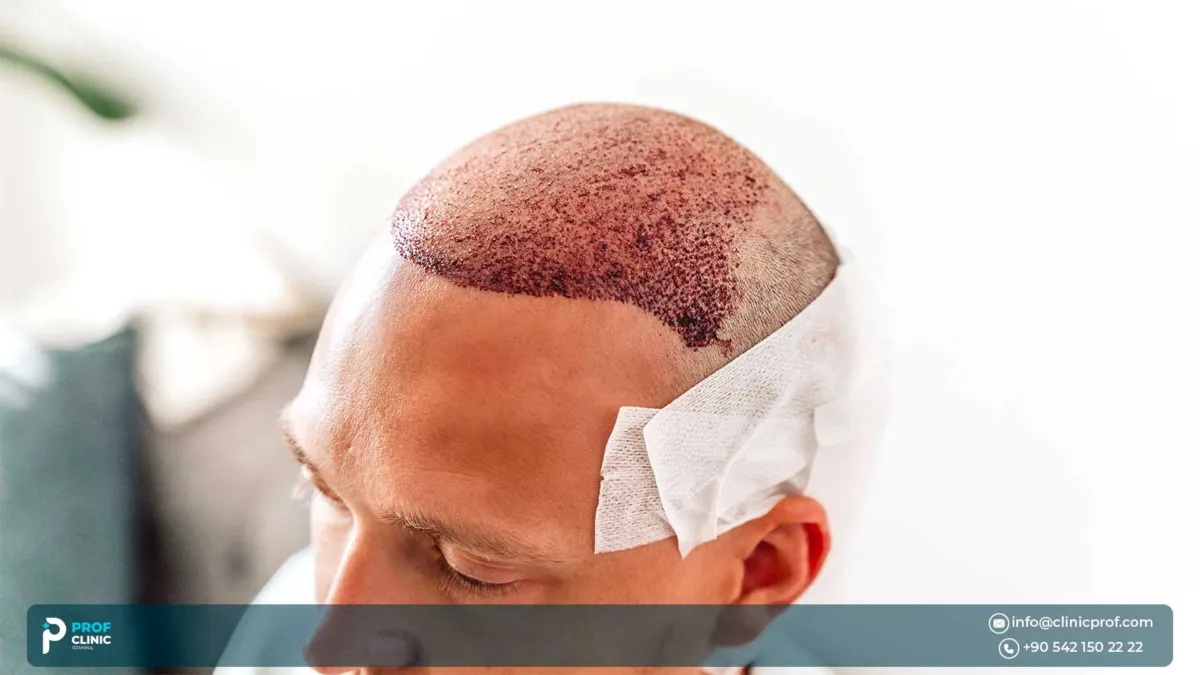
An eyebrow transplant moves hair follicles from a donor area, usually the back or sides of the scalp, into the brow. The Indian Journal of Plastic Surgery review describes using single-hair grafts taken by FUE, often 70–120 of them, placed one by one. Cleveland Clinic describes the procedure as permanent and notes that it can also suit people with a faded brow tattoo.
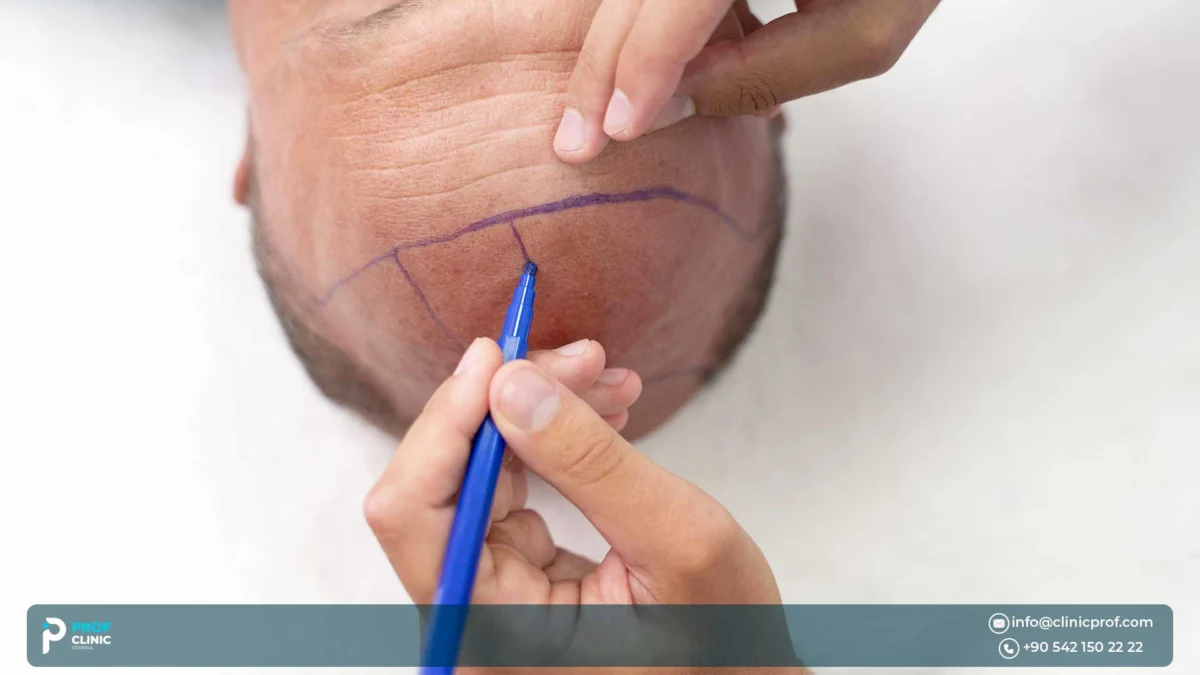
What decides whether it looks natural is angle and direction. Brow hairs lie almost flat and change direction along the brow, pointing upwards at the inner end and sideways and slightly down through the body and tail. Each graft has to be placed shallow and at the right angle. Because the hair comes from the scalp, it keeps growing longer than native brow hair, so you’ll need to trim it regularly. The same review advises warning patients that 5–10% of grafts may be lost and that some hairs may grow in an off direction.
For the step-by-step version, from brow design to donor hair, see our eyebrow hair transplant procedure guide.
Also read: Is Eyebrow Hair Transplant Permanent? Longevity & Success Rate
Which Option Fits Your Situation?
The right choice depends on three things: whether your follicles still work, how long you want the result to last, and how much upkeep you’ll accept. Here’s how the options usually line up:
- Over-plucked but still growing: give your brows several months off tweezers, and ask a doctor about a growth treatment before anything permanent.
- Thin tail or light brows with age: tinting, makeup or microblading can define the shape; a transplant is an option if the gap is bare.
- Scar, burn or injury: pigment can disguise the area, but a transplant is the option that adds hair, and scarred skin may need a second session.
- Alopecia areata or another medical cause: treatment and a stable period come first; specialists advise confirming the condition is inactive before surgery.
- Very oily skin: microblading strokes tend to fade quickly, so ask whether shading or another option suits you better.
- Tired of touch-ups: a transplant swaps repeat pigment sessions for regular trimming.
Cost: Paying Once vs Paying Repeatedly
Many people searching for cheaper alternatives to an eyebrow transplant are comparing one bill with another, but the fair comparison is over several years. Microblading and powder brows cost less upfront, then need touch-ups as the pigment fades, so the total adds up over time. A transplant costs more at the start, but you pay mainly once. In Istanbul, a brow transplant typically comes to roughly €1,200–€2,000. This is an approximate range as of this update, not a final price, and it depends on your case after assessment. Prices for cosmetic tattooing vary too widely between countries and artists to quote one figure. For a fuller price breakdown, see eyebrow transplant cost in Turkey.
Weighing two options and want a second opinion? Send your brow photos to our team on WhatsApp and ask which route makes sense for your hair and skin.
Celebrities Who Have Shared Eyebrow Transplants
A few public figures have talked openly about choosing an eyebrow transplant over pigment or makeup, which is partly why the procedure became widely known. Two examples are well documented:
- Chrissy Teigen: according to NBC’s TODAY, she shared her results on Instagram and said she rarely wears makeup, which is why she was excited about a procedure using hair from the back of her head.
- Meagan Good: Essence reported that she announced on Instagram that she’d had eyebrow transplants and loved the result, after saying she had “destroyed” her brows at 19.
Most other online claims about celebrity brow transplants are unconfirmed. Photos alone can’t prove a procedure, because makeup, lighting, lamination and microblading can all change brows dramatically. Neither of the people above has any known connection to Prof Clinic, and their results say nothing about what yours would look like.
Prof Clinic for Eyebrow Restoration in Istanbul: Assessment First
At Prof Clinic in Istanbul, the first step is working out whether you need a transplant at all. Our eyebrow transplant in Turkey service starts with a photo review and a medical assessment led by Spc. Dr. Lütfi Öztürk, an internal-medicine specialist. He does the assessment and the treatment planning, and he coordinates your follow-up as well.
If surgery does turn out to be the better route than makeup or tattooing, these points are worth confirming before you book flights:
- Techniques: eyebrow work is part of the clinic’s wider hair transplant in Turkey service, using FUE-based methods such as Sapphire FUE and Micro FUE.
- Quote and package: your photos are reviewed by the team before a written quote reaches you, and the package bundles the procedure, accommodation, airport and hotel transfers, and post-op care.
- Honest expectations: expected density is discussed individually, and no specific result is promised in advance.
- Health checks first: unlike a microblading appointment, surgery is preceded by a blood count, ECG, kidney and liver function, electrolytes, blood sugar, and hepatitis and HIV screening.
- Support at home: the coordination team remains reachable after your trip and offers advice on WhatsApp.
If an alternative suits you better, for example a growth treatment for brows that are still producing hair, that is a fair outcome of the consultation too. Before deciding on surgery, it also helps to read about eyebrow transplant side effects and risks.
Want to see how transplanted brows look once they’ve grown? Browse our before-and-after gallery for results months after the procedure.
FAQs About Eyebrow Transplant Alternatives
What is the alternative to an eyebrow hair transplant?
The main alternatives are brow makeup, tinting, lamination, microblading, powder or combination brows, traditional eyebrow tattoos, growth treatments such as minoxidil, and PRP. Most of them change how the brows look rather than adding hair. The right one depends on whether your follicles still work and how long you want the result to last.
Are there non-surgical options for eyebrow restoration that give lasting results?
Not for bare skin where the follicles are gone. Pigment options such as microblading and powder brows last from about a year to a few years, then need touch-ups. Growth treatments can thicken brows that still produce hair, but they don’t create new follicles, and they should be prescribed or approved by a doctor.
What is the most natural-looking eyebrow procedure?
If you mean natural like real hair, a transplant is the procedure that grows actual hairs with their own texture. If you mean natural-looking definition, well-done microblading or combination brows can look realistic at a normal distance. Up close and over time, pigment strokes and real hairs look different, especially as the pigment fades.
Is microblading permanent?
No. Microblading is semi-permanent. Published reviews put its usual lifespan at about 12–18 months, and up to three years depending on the pigment, with a touch-up a few weeks after the first session. It fades faster on oily skin. Some strokes can persist longer than expected, so choose the shape carefully.
Does PRP work for eyebrows?
The evidence is weak. The American Academy of Dermatology says PRP is still being tested for hair loss, with little evidence either way, and studies on eyebrows specifically are scarce. PRP cannot regrow hair in scars or where follicles are gone. If you try it, expect several sessions and ask what result you can realistically expect.
What are cheaper alternatives to microblading?
Brow pencils, powders, gels, tinting and lamination cost less per visit, and a doctor-guided growth treatment can help if your brows still grow. They need repeating, and none adds hair where the follicles are gone. Compare the total cost over a year or two, not a single visit, and ask whether touch-ups are included.
Final Thoughts
The most reliable way to judge eyebrow transplant alternatives is to start with your follicles, not the procedure. If your brows still grow, makeup, tinting, pigment or a doctor-guided growth treatment may be all you need. If you have bare patches, scars or years of over-plucking that never grew back, a transplant is the option that adds real hair, at the cost of surgery, a few months of waiting and regular trimming.
Whatever you choose, ask what the result depends on and how long it lasts before you pay. Contact Prof Clinic with clear photos of your brows, and we’ll tell you honestly whether an eyebrow hair transplant makes sense for you or whether an alternative is enough.
Sources
- Cleveland Clinic — Eyebrow Transplant: What It Is, Surgery, Recovery & Results
- American Academy of Dermatology — Is platelet-rich plasma the secret to younger-looking skin?
- Indian Journal of Plastic Surgery — Hair Transplant for Eyebrow Restoration (Rajput, 2021)
- Archives of Dermatological Research — Topical Minoxidil 2% versus Topical Bimatoprost 0.01% and 0.03% in Eyebrow Hypotrichosis: A Randomized Controlled Trial (Zaky et al., 2023)
- Skin Appendage Disorders — Eyebrow Microblading: Science, Art, and Complications (Shishak & Kuthial, 2025)
- Indian Dermatology Online Journal — Microblading and the Science Behind it (Marwah et al., 2021)
- Journal of Cosmetic Dermatology — Effects of Thioglycolate Compounds in an Emerging Technique in the World of Cosmetics: Brow Lamination (Ghanem et al., 2025)
- NBC TODAY — Chrissy Teigen shows off new eyebrows after transplant surgery
- Essence — Meagan Good spills eyebrow transplant result