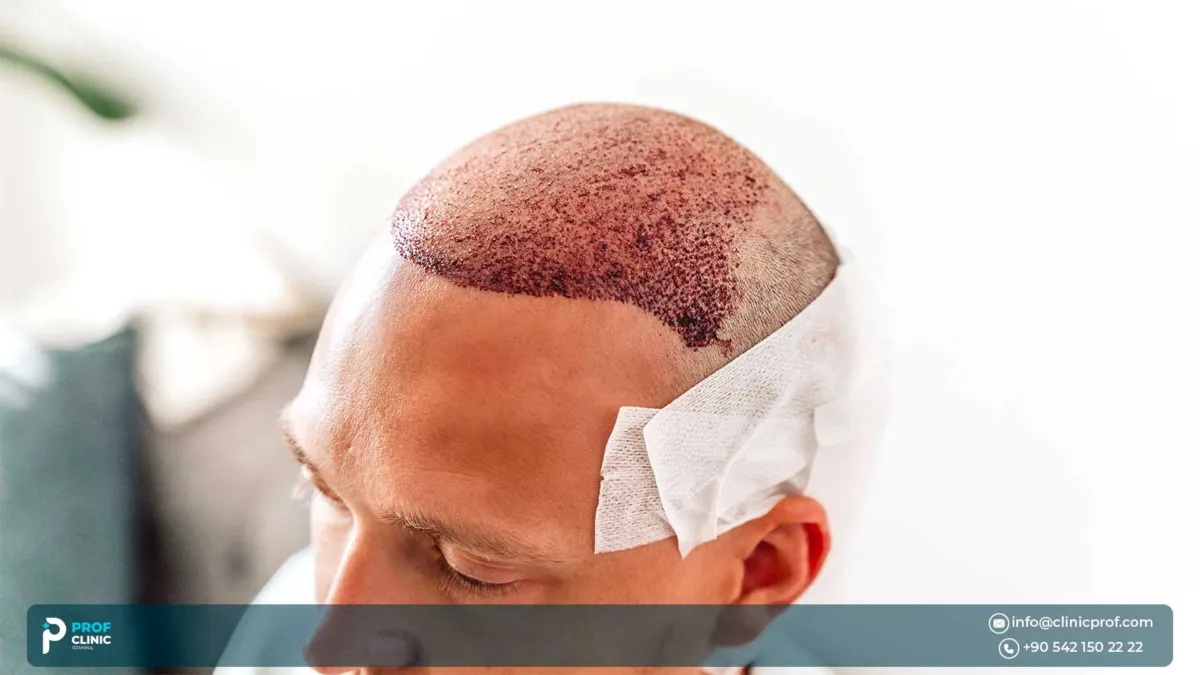
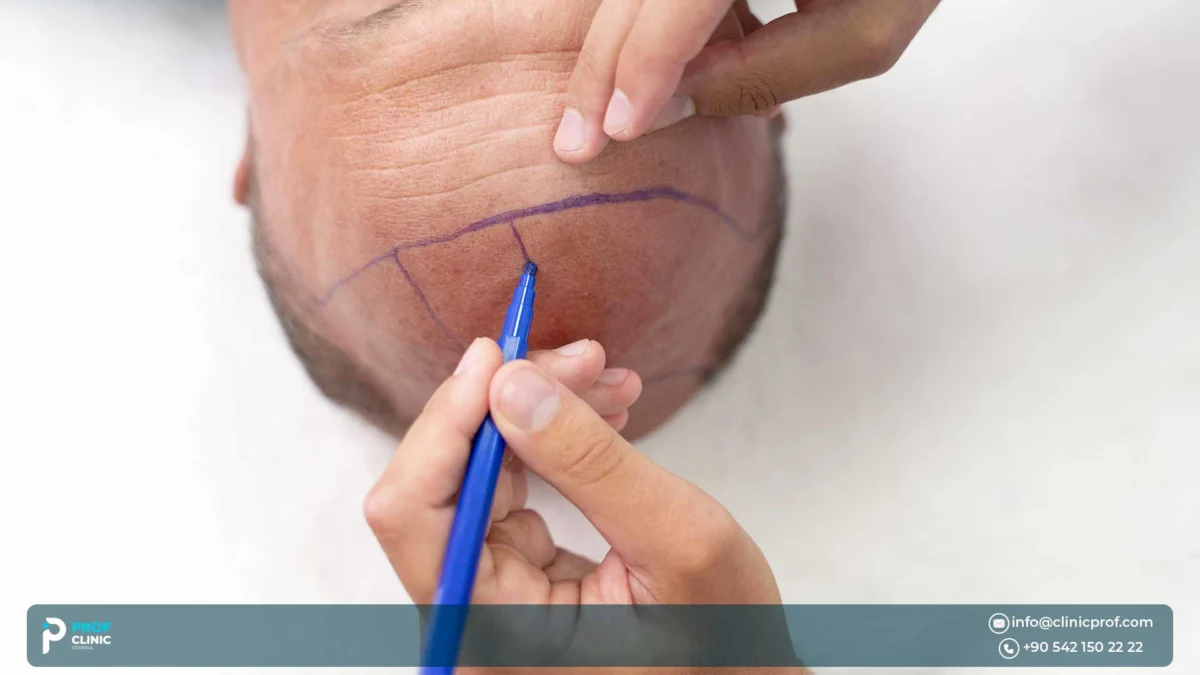
How long does eyebrow transplant recovery take, and what should you do in the days after surgery? For most people the visible healing is quick: swelling settles within a few days and the tiny scabs fall away within about two weeks. The new brow takes much longer, because the transplanted hairs usually shed in the first month and regrow from around the third or fourth month, with most growth in place by about eight months.
In this guide by Prof Clinic, you’ll find a day-by-day plan for the first two weeks, clear eyebrow transplant aftercare instructions, how and when to wash your brows, when makeup and exercise can return, and what each stage of hair growth looks like. By the end, you’ll know what’s normal and when to contact your clinic.
What Eyebrow Hair Transplant Recovery Involves
Recovery after an eyebrow hair transplant runs on two timelines at once: the skin heals in days, while the transplanted follicles take months to produce new hair. Cleveland Clinic describes eyebrow transplant healing as quick compared with other cosmetic surgeries, and most people feel well enough to go back to work after a couple of days. The part that needs patience is the hair itself.
The Two-Track Healing Process
- Skin recovery (about 7–14 days): you’ll see mild redness and a small, pin-sized crust around each graft. The crusts fall off by themselves, and the skin usually looks close to normal by the end of the second week.
- Follicle growth (about 3–12 months): your brows look full straight after the procedure, then thinner again as the transplanted hair shafts shed. The roots stay in the skin, rest for a few weeks and then start producing new hair.
While your skin may look healed within two weeks, the work beneath the surface is only beginning. That gap between how the skin looks and what the follicles are doing is the main source of worry during eyebrow transplant recovery.
Normal Healing vs Warning Signs
Most of what you notice in the first weeks is part of normal healing. The difference is direction: normal symptoms ease a little each day, while warning signs get worse.
- Normal: mild swelling that can drift down to the eyelids, pinkness, a tight feeling, itching, small crusts, and later the shedding of transplanted hairs.
- Not normal: pain that increases after day 3, yellow discharge or pus, redness that spreads and feels hot, swelling that keeps growing towards the eyes, or a fever.
Losing these hairs is not a sign that the brow grafts have failed. The hair falls, but the follicle (the small “factory” under the skin) typically stays in place and starts production again on schedule. This is the same temporary shedding doctors call shock loss after scalp surgery, and our guide to shock loss after a hair transplant explains it in more detail.
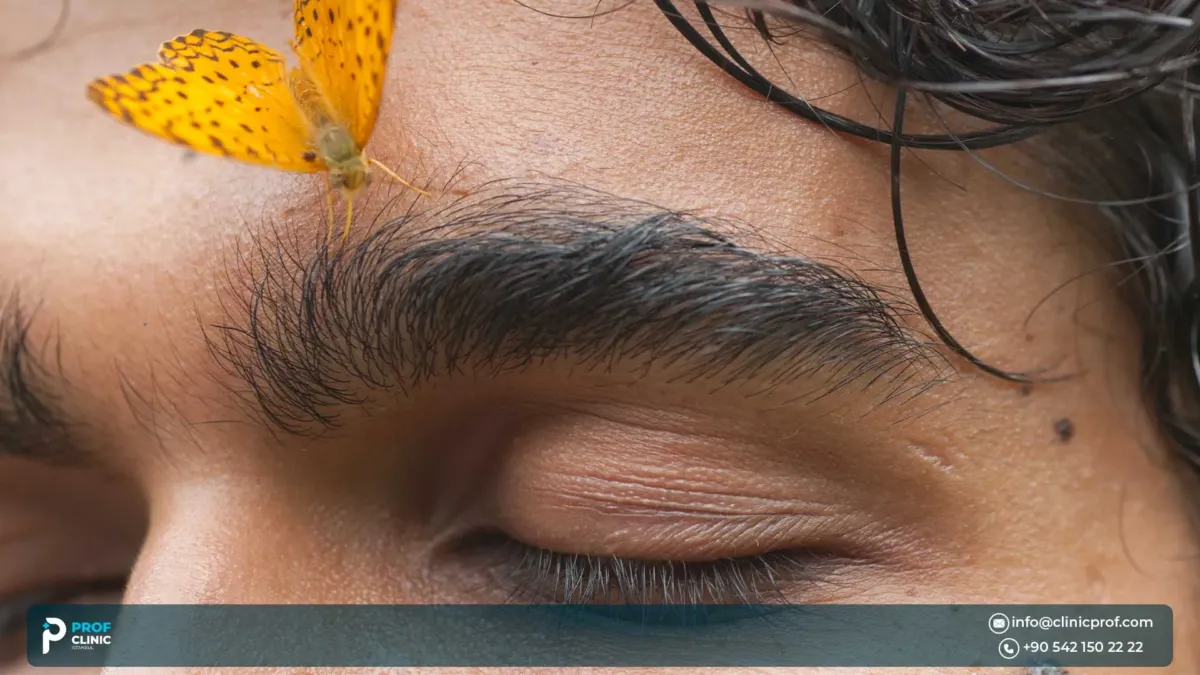
Eyebrow Transplant Recovery Timeline: Day 1 to Month 12
The eyebrow transplant timeline is best read as a series of milestones rather than one recovery date. As with any hair transplant, knowing what comes next makes recovery far less stressful, so here is what most people see, what to do and what to avoid at each stage:
| Timeframe | What’s normal (the reality) | What to do (the routine) | What to avoid (the risks) |
|---|---|---|---|
| Days 1–2 | Mild redness, swelling and a tight feeling around the brows | Rest with your head raised; use the saline spray as instructed; cold compresses around the eyes, not on the grafts | Touching, rubbing or wetting the brows |
| Days 3–7 | Small, pin-sized crusts around each graft; swelling fading | Start the gentle washing routine your clinic gives you; dab dry | Picking the crusts, which can dislodge a graft |
| Days 8–14 | Crusts loosen and fall away; mild itching | Keep washing gently; lift loose crusts only with soft fingertip pressure when your clinic allows | Scratching, heavy brow makeup, saunas and hard exercise |
| Weeks 2–6 | Most transplanted hairs shed (normal shedding) | Stay patient; this is expected | Judging the result or pulling out shedding hairs |
| Months 1–3 | The “quiet phase”: brows may look as sparse as before | Protect the skin from strong sun; keep follow-ups | Chemical peels or laser treatments near the brows |
| Months 3–6 | New, fine hairs begin to appear | Start light trimming and brushing as advised | Plucking, waxing or threading the new hairs |
| Months 6–12 | Most grafts have grown; hair thickens and texture settles | Return to normal brow care and regular trimming | Skipping your final review |
Every brow heals at its own pace, so read these as typical windows rather than fixed rules. Surgical reviews by Gupta and colleagues and by Rajput place the start of regrowth at about 3–4 months and the complete result at around 8 months, while the NHS gives 10–18 months for full results after hair transplants in general. Your skin, the number of grafts and how closely you follow aftercare all shift the timing.
Eyebrow Transplant Aftercare Day by Day: The First 14 Days
The first two weeks are the critical period for graft survival, and the NHS advises being very careful with the grafts throughout that time. The NHS advises being very careful with transplanted hair for the first 2 weeks, and most eyebrow transplant aftercare instructions follow the same principle: keep the grafts moist and clean, and keep everything else away from them.
Days 1–2: Keep the Brows Dry and Untouched
The grafts are at their most fragile in the first 48 hours. Rajput’s review describes a saline spray every 3 hours to keep the grafts moist, and cold compresses around the eyes three times a day to limit swelling. Don’t wash or wet the brows yet, and keep your fingers, towels and pillows off them. You may go home the same day; Cleveland Clinic notes that an overnight stay is rarely needed.
Days 3–7: Gentle Washing Begins
Washing usually starts around the third day. Gupta and colleagues start hair washing after the third post-operative day, once the donor dressing comes off, and Rajput allows a head bath on day 3 with a thin layer of ointment applied gently twice a day from then on. Small crusts form around each graft in this phase. Leave them alone: Cleveland Clinic warns that picking scabs can interfere with healing. At the one-week mark the swelling has usually faded, small crusts still sit around most grafts and the brows can look slightly pink; the transplanted hairs are normally still in place and only start to shed over the following weeks.
Days 8–14: Crusts Fall Away
By the second week the crusts loosen and most fall off by themselves. Rajput’s protocol allows patients to touch and rub the grafts gently after 10 days to help remove the remaining crusts. Itching is common now; ease it with the saline spray rather than your nails. By day 14 most people look presentable, although the brows may still be slightly pink. The donor area on the scalp follows the same timetable: its tiny extraction points form small crusts that fall away within the first couple of weeks and usually leave dot scars that the surrounding hair hides.
Key Principles of Graft Protection
Three simple rules cover most of what protects the grafts in these two weeks:
- The elevation rule: sleep on your back with your head raised on an extra pillow for the first few nights. This helps the swelling drain and stops you rubbing your brows against the pillow.
- The “dab, don’t rub” rule: whenever you clean or dry the area, press gently and lift. Sideways friction is what dislodges a graft before it has anchored.
- Itch management: itching is a sign of healing, but scratching is a risk. Use the spray you were given, and ask your clinic before using any cream.
Your 14-Day Safety Checklist
Stick this checklist on your mirror for the first two weeks:
- Stay dry at first: keep your brows away from direct shower pressure, and don’t wet them until your clinic says washing can start.
- Zero pressure: avoid hats, helmets, headbands or tight sunglasses that rest on the brow line.
- No cosmetics: keep makeup, brow pencils and skincare acids away from the transplanted area.
- Shade, not sunbathing: avoid long, direct sun exposure on the healing skin.
- Medicines as prescribed: take only the antibiotics and pain relief your doctor prescribes or approves, and never stop a prescribed medicine on your own.
- Monitor and report: contact your clinic about discharge, spreading redness or pain that throbs rather than just feels tight.
Think of the first 14 days as an investment. The more carefully you follow these instructions now, the better the grafts’ chances of growing well in the months ahead.
Unsure whether what you see in the mirror is normal? Don’t guess with your results. Send a photo to our team on WhatsApp for a quick review of your progress.
How to Wash Your Eyebrows After a Transplant
You can usually start washing your eyebrows gently around the third day after a transplant, once your clinic confirms it, and only with a pour-and-dab method rather than rubbing. Before that, the saline spray does the cleaning. Exact timing differs between clinics, and Cleveland Clinic’s general advice is simply to take care and use caution when washing the surgical sites.
Here is a gentle routine that matches what most published protocols describe:
- Wash your hands first: clean hands reduce the risk of infection around the open graft sites.
- Use lukewarm water at low pressure: cup water in your hand or use a cup and let it run over the brows. Never point the shower jet at them.
- Use a mild cleanser only if allowed: a drop of mild, fragrance-free shampoo or the product your clinic supplied, lathered in your palm and not on the brows.
- Rinse by pouring, not wiping: let the water carry the foam away, without fingers dragging across the grafts.
- Dab dry: press a clean paper towel or soft towel lightly against the area, then lift it straight off.
- Re-apply what you were given: the spray or a thin layer of the ointment your clinic recommended.
Washing the rest of your face is fine from the start, as long as you keep water and cloths away from the brows. A damp cloth around the eyes, cheeks and chin works well in the first two days.
Washing Mistakes to Avoid
- Washing too early: wetting and handling the grafts in the first 48 hours, before they’ve started to settle.
- Rubbing the crusts: trying to clean the scabs off in the first 10 days instead of letting them soften and fall.
- Hot water and steam: hot showers, saunas and steam rooms increase swelling and sweating around fresh grafts.
- Harsh products: exfoliating face washes, toners, retinoids and acids on or near the brows.
- Rough towels: drying with a towel in a back-and-forth motion.
If the crusts still look thick after the second week, don’t scrub them. Ask your clinic how to soften them safely.
When Can You Return to Makeup, Exercise and Daily Life?
Most daily activities return within days, but anything that puts friction, sweat or chemicals on the brows waits until the crusts have gone. The guide below gathers the timings medical sources mention; your doctor’s advice takes priority if it differs.
| Activity | Usually possible | Why the wait |
|---|---|---|
| Desk work and light walking | After a couple of days | Cleveland Clinic says most people feel well enough to work after a couple of days |
| Makeup around the eyes | From the day after surgery, keeping clear of the brows | Gupta and colleagues allow periorbital makeup from the next day |
| Makeup on the brows | Once all the crusts have fallen off, often around 10–14 days | Product and the rubbing needed to remove it can disturb grafts |
| Gym, running and sports | Gentle walking within days; strenuous sport after several weeks | The NHS says you may be told to cut down on exercise in the first month; Cleveland Clinic advises avoiding strenuous sports for at least six weeks, or as your provider advises |
| Swimming pools, saunas, steam | After the crusts have gone and your clinic agrees | Chlorine, heat and sweat irritate healing skin |
| Plucking, threading or waxing | Not on transplanted hairs; ask before treating nearby hairs | Pulling can damage the new follicles |
| Sun exposure | Shade at first; sunscreen once the skin has healed | The AAD recommends broad-spectrum SPF 30 or higher on healed wounds |
When you do return to brow makeup, choose gentle products and remove them with a soft pad and light pressure. If an activity makes the area bleed, swell or leak fluid, Cleveland Clinic advises stopping it and calling your provider.
Planning travel or an event around your procedure? Book a consultation and ask for a written recovery plan, so you know which days to keep free. Our general guide to flying after a hair transplant adds travel tips.
The Stages of Eyebrow Transplant Hair Growth
Transplanted eyebrows grow back in stages, and the second stage is the one that worries patients most, because the brows can look almost as sparse as before surgery. Your follicles follow the natural hair cycle in four phases:
- The shedding phase (weeks 2–6): most transplanted hair shafts fall out, often along with the crusts. This shock loss does not mean graft loss; the follicle stays anchored beneath the skin.
- The quiet phase (months 1–3): the follicles rest and the brows may look thin. Cleveland Clinic notes that it can take from six weeks to several months before you notice new hair, so a sparse look now is expected.
- The awakening (months 3–6): new hairs appear, fine at first and not all at once. Rajput reports growth from 50–60% of grafts at 3–4 months and from another 20–25% by 5–6 months.
- The maturation phase (months 6–12): the last 10–15% of grafts grow at around 7–8 months, the hair thickens and the texture settles. Rajput describes the complete result as visible by about 8 months, although density and texture can keep improving for up to a year.
Some loss is normal even after a well-performed procedure: Rajput advises warning patients to expect a 5–10% loss of grafts. That’s why the result is judged at the end of the growth period, not at month three.
How Long Do Natural Eyebrows Take to Grow Back After Plucking?
Natural brow hairs that were plucked usually take at least two to three months to show regrowth. A Cleveland Clinic dermatologist explains that the eyebrow hair growth cycle lasts about three to four months, and advises seeing a dermatologist if there’s still no improvement after four months. Years of heavy plucking can damage follicles to the point that some hairs stop growing back, which is one reason people consider a transplant. Our guide Eyebrow Hair Loss Causes, Warning Signs and Treatment Options explains how to tell overplucking from medical causes.
Want to see how these stages look in real life? Browse our before-and-after gallery to follow how brows change in the months after surgery.
Also read: Eyebrow Transplant Before and After: Results, Timeline & Reviews
Managing Long and Curly Transplanted Brow Hair
Transplanted brow hairs keep the behaviour of the hair they came from, so they usually grow longer than natural brows and may keep some curl. Because the grafts are typically taken from the scalp, they keep growing like scalp hair instead of stopping at a short natural brow length. Choosing where the donor hair comes from is part of the planning; our guide to the eyebrow hair transplant procedure and donor hair options explains the choices.
What to Expect as the Hair Matures
- Continuous growth: the new hairs keep growing and need regular trimming.
- Texture shifts: early hairs can look coarser or wavier than your natural brows.
- Some misdirection: Gupta and colleagues note that around 10–15% of follicles may grow in an off direction, which grooming usually manages.
- Gradual adaptation: Rajput reports that scalp grafts gradually adapt to the brow and need trimming less often over time.
How to Groom Your New Brows Once Healed
Once your clinic confirms the skin has healed, these habits keep the brows neat:
- The precision trim: use small brow scissors and trim in the direction of growth. Rajput mentions trimming every 2–3 weeks at first, and less often later.
- The training method: brush the hairs along the brow line daily with a clean spoolie, or smooth them with a little petroleum jelly, as Rajput suggests.
- Styling aids: a light brow gel or wax holds curly or stubborn hairs flat.
Don’t judge the final texture in the first six months. As the hair passes through growth cycles, it often softens and blends better with your face.
When to Contact Your Clinic
Contact your clinic promptly if a symptom gets worse instead of better. Cleveland Clinic lists severe pain, swelling, and blood or pus leaking from the surgical site as reasons to see a provider, and the NHS advises contacting the clinic as soon as possible about severe pain or any unexpected symptoms.
Watch for these red flags:
- Persistent pain: severe or worsening pain that doesn’t respond to prescribed medication after the first 72 hours.
- Worsening inflammation: swelling or redness that spreads towards the eyes or feels hot to the touch.
- Signs of infection: pus, unusual fluid, a bad smell or a fever.
- Uncontrolled bleeding: bleeding from the graft sites that doesn’t stop with gentle pressure, rest and elevation.
- Bumps with shedding: pustules or tender red bumps around the hairs, which can be folliculitis and may need treatment.
Serious complications are uncommon: Gupta and colleagues describe infection, swelling, bruising, folliculitis and scarring as rarely seen. Rare does not mean impossible, so an early message is always better than waiting.
Also read: Eyebrow Transplant Side Effects & Risks: What Can Go Wrong?
Long-Term Eyebrow Hair Transplant Expectations
Transplanted eyebrow hairs are generally permanent once they’ve grown, and Cleveland Clinic says the results can last a lifetime. They are still part of a living body, though, so they change with you over the years. Our guide Is Eyebrow Hair Transplant Permanent? Longevity & Success Rate goes deeper on permanence and success rates.
How Do Transplanted Brows Age?
- Natural ageing: like the hair on your scalp, transplanted brow hair may grey or thin gradually with age.
- Native hair changes: your original brow hairs can keep changing with hormones or genetics, even while the transplanted hairs remain.
- Ongoing grooming: some trimming usually stays part of your routine to keep the shape sharp.
For long-term success, any underlying cause of brow loss, such as a skin or autoimmune condition, should be managed alongside the transplant. A flare of a condition like alopecia areata can affect the result years later, so mention your full medical history at the assessment.
Recovering From an Eyebrow Transplant With Prof Clinic in Istanbul
At Prof Clinic, recovery planning starts before surgery. An eyebrow transplant in Istanbul begins with a medical assessment led by Spc. Dr. Lütfi Öztürk, an internal-medicine specialist who carries out the assessment and treatment planning and coordinates follow-up.
Here is what you can expect around your recovery:
- Before surgery: pre-op tests including blood count, ECG, kidney and liver function, electrolytes, blood sugar, and hepatitis and HIV screening.
- On the day: the procedure usually takes 2–3 hours under local anaesthetic, and patients are usually discharged the same day with detailed aftercare instructions.
- Day 2: a follow-up check at the clinic. Most visitors plan a stay of typically 2–4 days in Istanbul; How Many Days Do You Need in Turkey for a Hair Transplant? gives the detail.
- After you fly home: you can reach the coordination team on WhatsApp at +90 542 150 2222; they keep in touch and give advice throughout your brow recovery.
- Honest expectations: expected density is talked through for your own brows, and no specific density is promised beforehand. If you would rather keep your scalp hair long, ask about the no-shave option, which is offered especially for women.
Packages include the procedure, pre-op tests, medication and aftercare kit, accommodation, and VIP airport and hotel transfers. A brow transplant in Istanbul typically costs around €1,200–€2,000 as a general guide. Treat that as an approximate 2026 figure, not a final price: it depends on your case after assessment and is confirmed in a written quote after the team reviews your photos.
FAQs About Eyebrow Transplant Recovery
How long does eyebrow transplant recovery take?
The visible recovery usually takes about 7–14 days, until swelling settles and the crusts fall off, and most people return to desk work after a couple of days. Hair growth is slower: the transplanted hairs shed in the first weeks, regrow from about 3–4 months, and most grafts have grown by around 8 months.
What do eyebrows look like one week after a transplant?
One week after a transplant, the swelling has usually gone down, small crusts still sit around most grafts and the brows may look slightly pink. The transplanted hairs are normally still in place and shed over the following weeks. Keep washing gently and avoid picking the crusts, which usually loosen between day 10 and day 14.
When can I wash my eyebrows after a transplant?
Gentle washing usually starts around the third day, once your clinic confirms it. Until then, keep the brows dry and use only the saline spray you were given. When you start, let lukewarm water run over the area, avoid the shower jet and dab dry. Gentle rubbing to lift loose crusts usually waits until after day 10.
How should I sleep after an eyebrow transplant?
Sleep on your back with your head raised on an extra pillow for the first few nights. This helps swelling settle and stops your brows rubbing against the pillow while the grafts are fragile. Avoid sleeping on your side or face down until the crusts have fallen off, and use a clean pillowcase.
When can I wear makeup again after an eyebrow transplant?
Makeup on the brows should wait until all the crusts have fallen off, often around 10–14 days. Eye makeup away from the brows is often allowed from the day after surgery. When you restart, use gentle products and remove them with light pressure, because the rubbing needed to take makeup off can disturb new grafts.
Do transplanted eyebrow hairs fall out, and when do they grow back?
Yes, most transplanted hairs fall out within the first few weeks, which is normal and expected shedding. The roots stay in the skin and new hairs usually appear from around 3–4 months, although some people notice early hairs sooner. Growth comes in waves, so the brows look patchy at first and fill in over the following months.
Final Thoughts
Eyebrow transplant recovery comes in two parts: about two weeks of careful aftercare while the skin heals, then several months of patience while the hair sheds and regrows. Keep the grafts moist and untouched at first, wash gently from around day 3, leave the crusts to fall, and judge the result only once the brow has had time to mature.
If something doesn’t look right, asking is always better than guessing. Contact Prof Clinic with your questions or photos, before or after your procedure.
Sources
- Cleveland Clinic — Eyebrow Transplant: What It Is, Surgery, Recovery & Results
- NHS — Hair transplant
- Journal of Cutaneous and Aesthetic Surgery — The Science and Art of Eyebrow Transplantation by Follicular Unit Extraction (Gupta et al., 2017)
- Indian Journal of Plastic Surgery — Hair Transplant for Eyebrow Restoration (Rajput, 2021)
- Cleveland Clinic — 5 Ways to Get Overplucked Eyebrows to Grow Back
- American Academy of Dermatology — Minimize a scar: Proper wound care tips from dermatologists