What are the real eyebrow transplant side effects, and how often does an eyebrow transplant actually go wrong? For most people the side effects are short-lived: swelling, redness and tiny scabs in the first days, then a temporary shedding of the new hairs a few weeks later. Serious medical complications are uncommon, and the problems patients complain about most are cosmetic, usually hairs that grow in the wrong direction or stick out.
In this guide by Prof Clinic, you’ll learn which eyebrow transplant risks are part of normal healing and which are warning signs, why some results disappoint, and what lowers the chance of trouble before and after surgery in Turkey. By the end, you’ll know what to ask your clinic and when to call it.
Eyebrow Transplant Side Effects: What Is Normal in the First Weeks
Most eyebrow transplant side effects are the skin’s ordinary response to hundreds of tiny incisions, not a sign that something has failed. Cleveland Clinic lists scarring, pain, swelling, infection, bruising, and loss of feeling or of some follicles among the possible effects. A systematic review in the Journal of Clinical and Aesthetic Dermatology adds that swelling and bruising are commonly reported but generally settle on their own.
It helps to picture recovery as two clocks running at once. The skin clock is fast: the small wounds close and the scabs fall away within a couple of weeks. The follicle clock is slow: the transplanted roots rest, shed their hairs and only start producing new ones after a few months. Much of the worry patients feel comes from reading the slow clock too early.
Here are the usual side effects, in the order they tend to show up:
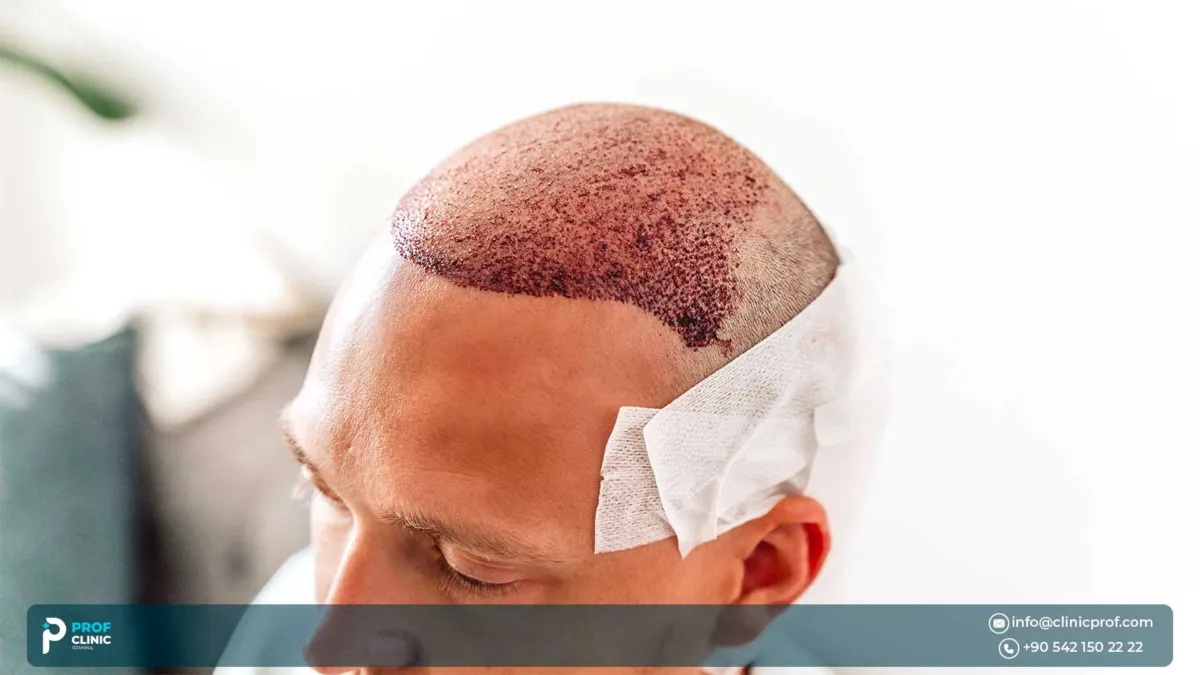
- Days 1–5, swelling, bruising and tenderness: puffiness can drift down to the upper eyelids, because the brow sits just above loose eyelid skin. It usually fades within about a week.
- Days 1–10, redness and pin-sized scabs: a small crust forms around each graft as the skin seals, then falls off by itself. Picking it can disturb the graft.
- Weeks 1–6, itching, tightness or patchy numbness: common while the skin heals and small nerve endings recover, and usually temporary.
- Weeks 2–4, shedding of the transplanted hairs: most of the new hairs fall out, while the root stays in the skin and moves into a resting phase.
- Months 3–5 onward, new growth: fine new hairs start to appear, and density builds over the following months.
Think of these windows as typical rather than fixed. Your skin, the number of grafts and how closely you follow aftercare can all shift the timing.
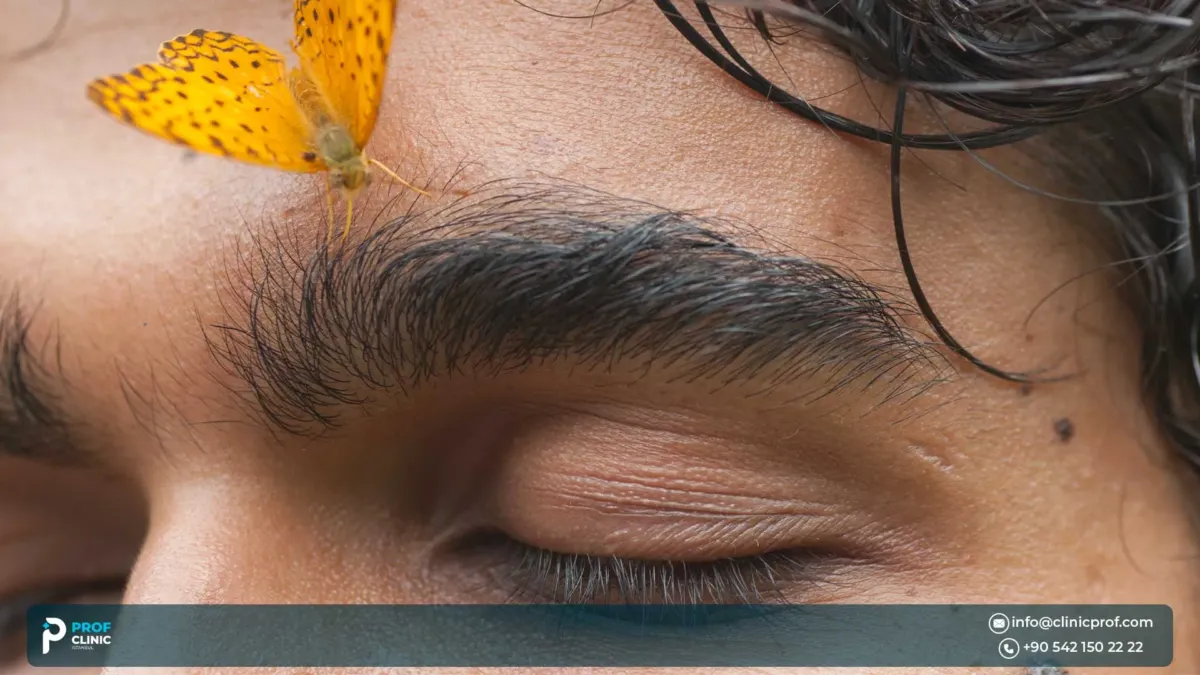
Normal Healing or Warning Sign? A Quick Check
The simplest test is direction: normal symptoms get a little better each day, while warning signs get worse, spread or arrive with a fever. The table compares what you’re likely to see with what deserves a call to your clinic.
| What you notice | Usually normal | Warning sign | What to do |
|---|---|---|---|
| Swelling and bruising | Mild puffiness around the brows and eyelids that eases after a few days | Swelling that keeps increasing, closes the eye or comes with a fever | Contact your clinic the same day; seek urgent care if it is severe |
| Redness and scabs | Pink skin and tiny crusts around each graft | Spreading redness, warmth, a bad smell or pus around the brow | Call your clinic without delay, since this can signal infection |
| Itching and tightness | A mild itch as the skin heals | Intense itching with a rash, hives or facial swelling | Seek medical advice, as it may be an allergic reaction |
| Pain | Mild soreness once the anaesthetic wears off | Severe or throbbing pain that worsens after day 3 | Contact your clinic urgently for a medical review |
| Hair shedding | Transplanted hairs falling out in weeks 2–4 on calm skin | Hair loss with pustules, tender bumps or inflamed patches | Send photos to your clinic; folliculitis may need treatment |
Cleveland Clinic advises calling your provider about severe pain, swelling, or blood or pus leaking from the treated area, and the NHS says to contact the clinic as soon as possible about severe pain or unexpected symptoms. The table won’t diagnose you; it tells you when to stop waiting.
Not sure which column your symptoms fall into? Contact the Prof Clinic team with the date of your procedure and a short description of what you’re seeing.
Eyebrow Transplant Risks and Medical Complications
Serious medical complications after an eyebrow transplant are uncommon. Two surgical reviews of eyebrow restoration, in the Journal of Cutaneous and Aesthetic Surgery and the Indian Journal of Plastic Surgery, describe infection, folliculitis, cysts and scarring as rarely seen. A broader review of hair transplant complications puts infection, minor and serious, at under 1%. Rare does not mean impossible, so it’s worth knowing what each problem looks like.
Infection and Folliculitis
Infection usually shows up as spreading redness, warmth, tenderness and pus at the graft sites. Folliculitis looks different: small red or white-headed bumps around individual hairs, most often in the first couple of weeks. In the case described by the Journal of Clinical and Aesthetic Dermatology review, it cleared with antibiotics, which is why an early check matters more than waiting it out.
Cysts, Bumps and Scarring
Small cysts can form when a tiny graft slips under the skin or one graft sits on top of another, and they are more likely when grafts are packed very densely. A bumpy surface around the grafts, known as cobblestoning, comes from grafts placed at the wrong depth and often improves with time. In the donor area, FUE leaves tiny dot scars that surrounding hair usually hides, while the strip method (FUT) leaves a single linear scar.
Numbness and Allergic Reactions
Patchy numbness in the brow or donor area is usually temporary while small nerves recover. A true allergy to local anaesthetic is rare, but the NHS lists an allergic reaction to the anaesthetic among the small risks of hair transplant surgery, alongside bleeding and infection. Mention any previous reaction to a dental anaesthetic or an antibiotic before the day.
When to Seek Urgent Care
Don’t wait for a scheduled follow-up if you notice any of these:
- A high temperature or chills.
- Redness spreading quickly towards the eyes or cheeks.
- Throbbing pain that worsens day by day instead of easing.
- Swelling that affects your vision or eye movement.
So, is an eyebrow transplant dangerous? The NHS describes hair transplant surgery as generally safe, with a small risk of bleeding, infection or an allergic reaction. For most people the bigger risk is a result that doesn’t look right, which the next sections cover.
Is an Eyebrow Transplant Painful?
For most patients, an eyebrow transplant is uncomfortable rather than painful. The brows and the donor area are numbed with local anaesthetic, so during the procedure you usually feel pressure and movement rather than sharp pain. The NHS notes that hair transplants are usually carried out under local anaesthetic and sedation, so you stay awake but should not feel pain.
Here’s what most people describe:
- The anaesthetic injections: usually the most noticeable part, felt as quick stings that last seconds.
- Graft placement: once the area is numb, you feel light pressure and touch, not cutting.
- The first few days: mild soreness or a tight feeling, often compared to a mild sunburn. The NHS describes feeling tight, achy and swollen for a few days after hair transplant surgery.
To keep discomfort low, take only the pain relief your doctor prescribes or approves, since some over-the-counter medicines affect bleeding, and keep pressure and rubbing away from the brows. Pain that keeps rising after the third day is not part of normal healing and should be checked.
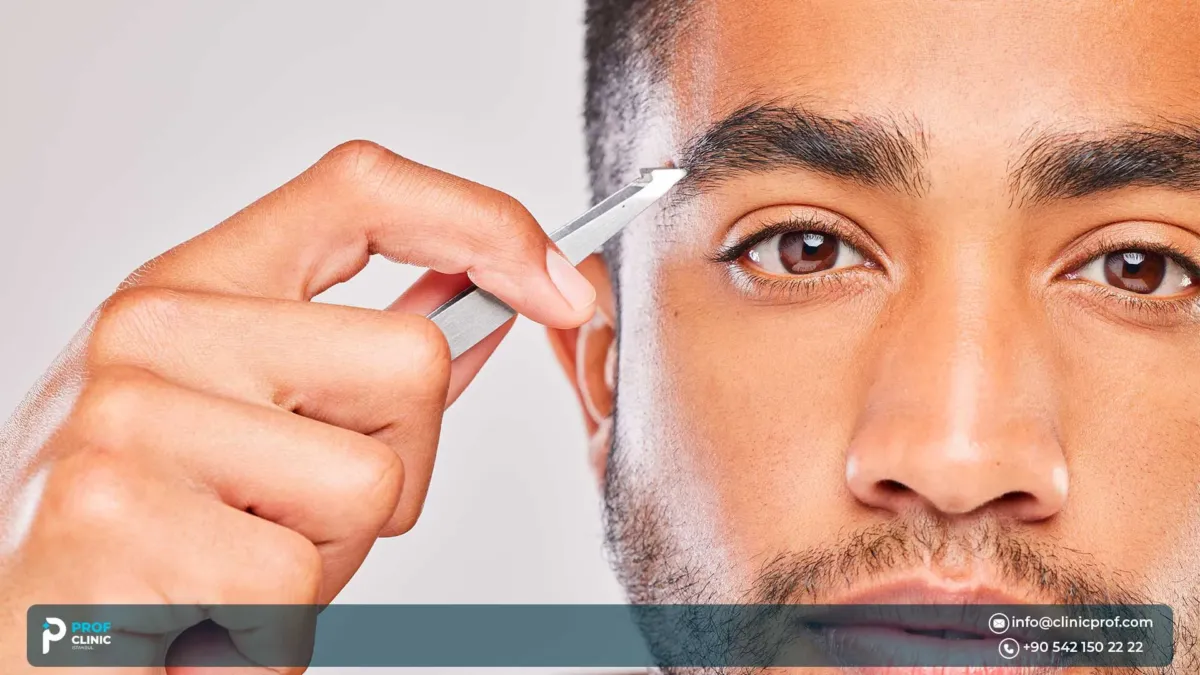
Eyebrow Transplant Gone Wrong: The Cosmetic Problems Patients Report
When people search for an eyebrow transplant gone wrong, they usually mean a result that looks unnatural, not a medical emergency. According to Gupta and colleagues in the Journal of Cutaneous and Aesthetic Surgery, the most common complications involve hair direction and curl, colour and texture mismatch, or poor regrowth, and they depend on the operator, becoming less frequent with experience and the right technique.
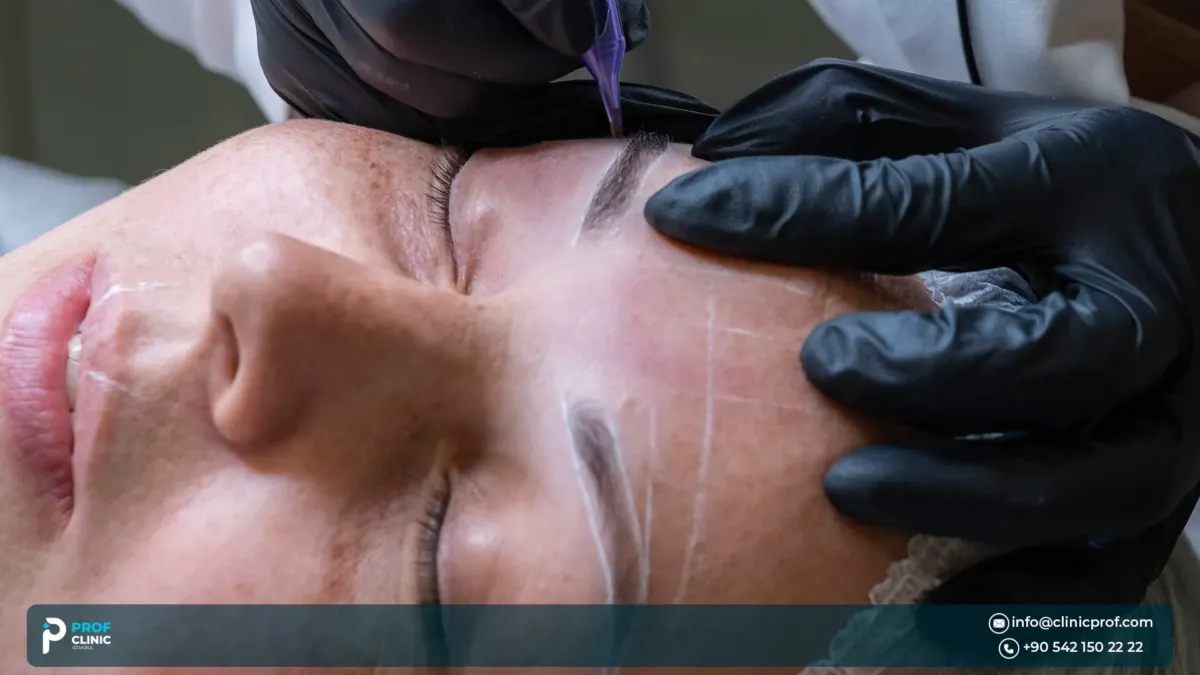
The reason is anatomy. Eyebrow hairs lie almost flat and change direction along the brow: upwards at the inner end, then sideways and slightly down through the body and tail. Scalp hair grows at a steeper angle, keeps its own curl and grows much longer. Every graft has to be placed shallow and in the right direction, and this is where most avoidable problems begin.
| Cosmetic problem | Likely cause | What can help |
|---|---|---|
| Hairs sticking out or standing up | Grafts placed too upright, or curly donor hair | Grooming and time; correction if it persists after the brow matures |
| Patchy or thin density | Uneven placement, some grafts not growing, or judging too early | Wait for full growth; a second session if needed |
| Uneven or asymmetric brows | Design not matched to the face, or brow muscles shifting the shape during surgery | Review with photos; refinement after healing |
| Bumpy texture or cobblestoning | Grafts placed at the wrong depth | Clinical review; many cases soften, some need targeted treatment |
| Texture or colour mismatch | Donor hair coarser or different from native brow hair | Trimming and styling; careful donor selection at the planning stage |
One detail patients rarely hear about: Gupta and colleagues note that the brow muscles can retract after the anaesthetic is injected, which can mislead the surgeon about the shape while the incisions are made. That’s why careful marking and a design you approve beforehand matter so much. To see how a well-planned result looks at each stage, read our eyebrow transplant before and after guide.
Hair Transplant or Synthetic Eyebrow Implants?
The word “implants” causes confusion. A modern eyebrow transplant moves your own hair follicles, usually tiny one- or two-hair units taken from areas such as the back or side of the head, according to the ISHRS. Synthetic fibre implants are a different procedure. A 2021 review in the Indian Journal of Plastic Surgery reports that artificial hair has led to complications such as repeated infection, pustules, granulomas and scarring, and never matched the softness of real hair. If a provider offers “eyebrow implants”, ask exactly what is being implanted.
Why Transplanted Eyebrow Hairs Stick Out
Hairs that stick out are the complaint patients raise most often, and they usually have one of three causes:
- An angle that is too steep: grafts placed too upright grow away from the skin, which one surgical review describes as growth “like a canopy”.
- Scalp behaviour: transplanted hairs keep the growth pattern of scalp hair, so they grow longer and heavier and lift if left untrimmed.
- Curl and texture: curly or coarse donor hair resists the flat brow line, and squeezing grafts during placement can make growth wavy.
Some misdirection is expected even with good technique. Gupta and colleagues advise telling patients that around 10–15% of follicles will grow in an off direction and that regular trimming will be needed. Once your clinic says grooming is safe, these steps usually help:
- Trim regularly: the Indian Journal of Plastic Surgery review mentions trimming every 2–3 weeks at first, and less often as the grafts adapt.
- Train the direction: brush the hairs along the brow line daily with a clean spoolie, or smooth them with a little petroleum jelly.
- Hold them in place: a light brow gel keeps stubborn hairs flat once the skin has healed.
- Give it time: if direction hasn’t improved after a few months, discuss correction once the brow has matured, not while the skin is still remodelling.
Wondering how transplanted brows settle over time? Browse our before-and-after gallery to see how different hair types look months after surgery.
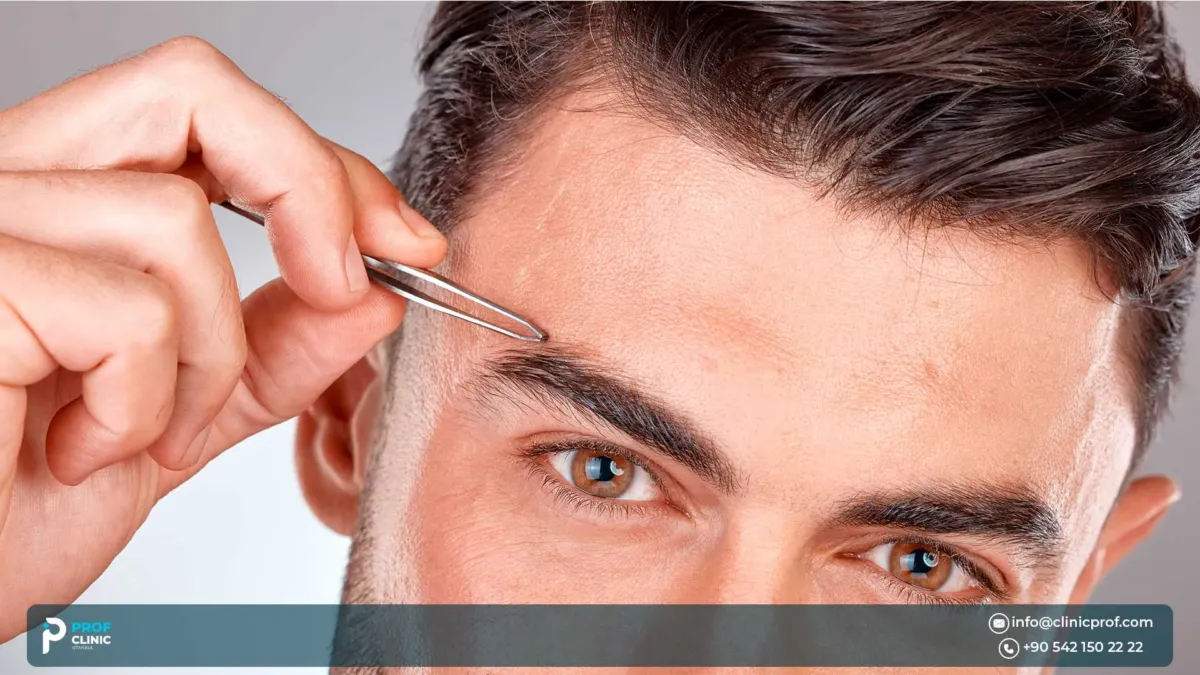
Normal Shedding vs Real Graft Failure
Transplanted eyebrow hairs falling out in the first month is expected and does not mean the grafts have failed. Gupta and colleagues describe almost all transplanted brow hairs shedding early, with regrowth beginning at around 3–4 months. The Indian Journal of Plastic Surgery review gives a more detailed picture: growth starts in about 50–60% of grafts at 3–4 months, in another 20–25% by 5–6 months, and in the last 10–15% at 7–8 months.
How to Tell the Difference
- Normal shedding: happens mostly in weeks 2–4, on skin that looks calm, with fading redness and no pain.
- Concerning signs: hair loss together with spreading redness, heat, pus, pustules or worsening pain. These need a medical review, because untreated inflammation can harm the grafts.
Why Growth May Disappoint
Not every graft survives, even in a well-performed procedure; the same review advises warning patients beforehand that 5–10% of grafts may be lost. When density still looks low after the brow has had time to mature, the usual causes are:
- Technique: grafts placed at the wrong depth or angle, squeezed during placement, or left to dry out.
- Aftercare: rubbing the brows or picking scabs before they are ready to fall.
- Skin and health: scarred skin with a poor blood supply, heavy smoking, diabetes, or a condition such as alopecia areata becoming active again. The Journal of Clinical and Aesthetic Dermatology review describes one patient whose alopecia areata returned eight months after surgery.
In short, judge density only once the brow has had its full growth period; that review places maximum density between 8 and 14 months.
Is your shedding coming with bumps or irritation? Don’t wait it out. Send clear photos to our team on WhatsApp for a quick review.
Who Is More Likely to Have Problems?
Problems are more likely when risk factors are missed before surgery. Most of them fall into two groups: your health and skin, and the way the procedure is planned.
Health and Skin Factors
- Smoking and diabetes: a review in the Journal of Cutaneous and Aesthetic Surgery lists both among the factors linked to poorer graft growth and tissue damage after hair transplantation.
- Active skin disease: infection, eczema or psoriasis in the brow area should be treated first, as a pre-existing skin disorder is one cause of chronic folliculitis.
- Unstable hair loss: with alopecia areata, frontal fibrosing alopecia, scarring alopecia or trichotillomania, specialists advise confirming that the condition is not active before planning surgery. Our guide to hair transplant for alopecia areata explains who should wait.
- Scarred skin: grafts placed into scars often grow later and usually need a second session.
- Medicines: blood thinners and certain supplements can affect how much the brow area bleeds. Give your doctor a full list of what you take, and do not stop any prescribed medicine without medical advice.
If your brow loss comes from scars, burns or alopecia, our guide to eyebrow transplants for scars and alopecia explains the extra checks involved.
Planning Factors
A result that has “gone wrong” is often a planning problem rather than a biological one:
- Unrealistic expectations: asking for a density or shape that doesn’t suit your face or your donor hair.
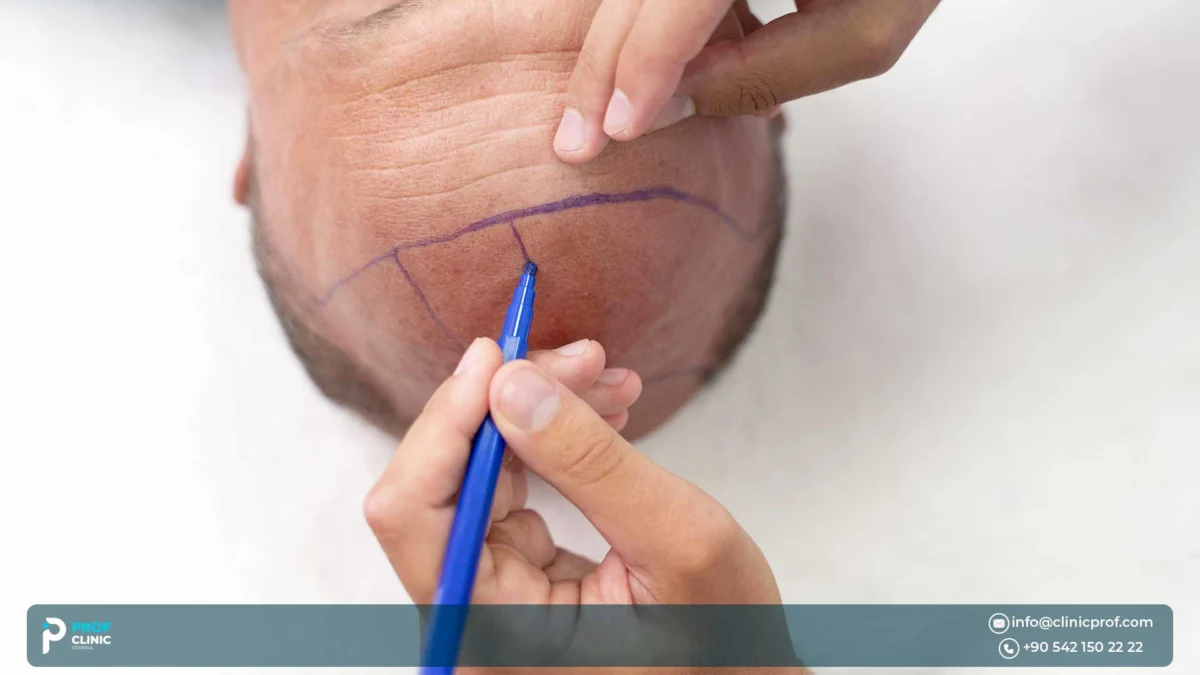
- No agreed design: starting without a brow shape that you and the doctor have approved, with photos on file.
- Poor donor selection: using hair that is much coarser or curlier than your natural brows.
Sometimes the honest answer is that surgery should wait, or that a non-surgical option suits you better for now.
Also read: Eyebrow Transplant Alternatives: Microblading, PRP, Tattoo & More
Not sure whether you’re a good candidate? Book a consultation and share your medical history, so these risk factors can be checked before any plan is made.
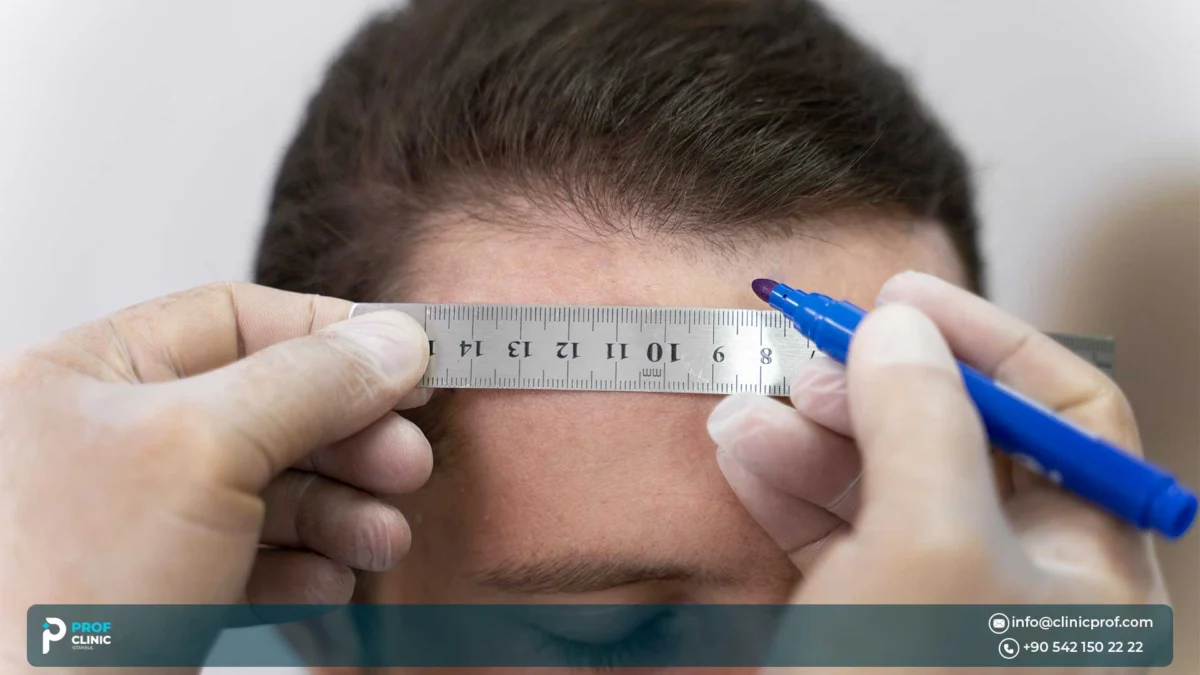
How to Reduce the Risk of an Eyebrow Transplant Going Wrong
You lower the risk in two places: by choosing the team carefully before surgery, and by protecting the grafts while they settle. The NHS advises being very careful with transplanted hair for the first two weeks, so this is when your habits matter most.
Questions to Ask Before You Book
The NHS suggests asking a surgeon how many procedures they have performed, how many had complications and what follow-up to expect if things go wrong. For eyebrows, add these:
- Who will design my brows, and who will make the incisions and place the grafts?
- How many eyebrow procedures, not scalp procedures, does the team perform?
- Will you use single-hair grafts, and how will you set the angle in the head, body and tail of the brow?
- What happens if I develop an infection or folliculitis after I fly home, and how do I reach the medical team?
- Can I see results from patients with hair and skin similar to mine?
General Aftercare That Protects the Grafts
Exact instructions vary between clinics, and the washing routine and day-by-day schedule are in our recovery guide below. These are the points that matter most for avoiding problems:
- Don’t touch, rub or pick: leave the scabs to fall off by themselves, as picking them can dislodge grafts and leave marks.
- Don’t put pressure on the brows: avoid makeup, tight caps or sunglasses resting on the brow line until your clinic says the skin has healed.
- Don’t ignore worsening symptoms: increasing pain, spreading redness or discharge need a call, not patience.
Also read: Eyebrow Transplant Recovery: Day-by-Day Timeline & Aftercare
What Can Be Done If Your Results Aren’t Right?
Most disappointing eyebrow results can be improved, but timing matters. Correction is usually planned only after the brow has fully matured: the Indian Journal of Plastic Surgery review advises a second session no earlier than 9–10 months, and the Journal of Clinical and Aesthetic Dermatology review recommends at least eight months between procedures.
A Calm Three-Step Plan
- Document: take clear front and side photos in daylight, in the same position each time, and note the date.
- Sort the problem: decide whether it is medical (pain, fever, pus) or cosmetic (shape, direction, density). Medical problems come first.
- Contact the team that treated you: send the photos with a short timeline of your symptoms and ask for a written opinion.
Correction Options
- Grooming and training: improves many cases of hairs that stick out, especially in the first year.
- Medical treatment: folliculitis and infection usually respond well when caught early.
- A second session: adds density or refines the shape once the brow has matured.
- Light camouflage: a brow pencil can soften gaps while you wait.
A second session is common and is not a sign of failure. In one surgeon’s review of 63 eyebrow restorations, many of them after burns or injuries, 14% of patients were corrected in one sitting, 77% needed two and 9% needed three.
Prof Clinic for Eyebrow Restoration in Istanbul: How Risk Is Managed
At Prof Clinic in Istanbul, keeping the risks of an eyebrow transplant in Turkey low begins with a medical check of you, not with a date in the diary. That check, the treatment plan and the later follow-up are handled by Spc. Dr. Lütfi Öztürk, an internal-medicine specialist and the clinic’s medical lead for hair restoration.
Before you fly, these are the safeguards worth confirming:
- Screening for surgical risk: your blood count, ECG, kidney and liver function, electrolytes and blood sugar are checked, together with hepatitis and HIV screening, before any graft is taken.
- No density promises: how full your brows may become is talked through for your case alone, and no particular density is promised beforehand.
- Techniques: brow grafts are handled within the clinic’s broader hair transplant in Turkey service with FUE-based methods, including Sapphire FUE and Micro FUE; a no-shave option is offered especially for women.
- If a warning sign appears at home: once you have left Istanbul, the coordination team keeps in contact and advises you on WhatsApp.
- Quote and package: the team looks at your photos first, then sends a written quote for a package covering the procedure, accommodation, airport and hotel transfers, and post-op care.
For budgeting, eyebrow transplant prices in Istanbul run at roughly €1,200–€2,000. It is an approximate 2026 guide for planning, not a final price; the cost for your own brows is set after assessment and fixed in the written quote.
FAQs About Eyebrow Transplant Side Effects
What is the downside of an eyebrow transplant?
The main downsides are the healing phase and the upkeep. Expect a week or two of swelling, redness and scabs, then a few months when the new hairs have shed and not yet regrown. Because the hair comes from the scalp, it grows longer than natural brow hair and usually needs regular trimming, especially in the first year.
Is an eyebrow transplant safe?
For healthy candidates, it is generally a low-risk procedure done under local anaesthetic. The main medical risks are infection, folliculitis, cysts and scarring, which surgical reviews describe as rare. Safety depends on screening, hygiene and follow-up, so check who performs the procedure and how complications are handled after you return home.
How long does swelling last after an eyebrow transplant?
Swelling usually appears in the first couple of days and settles within about a week. It can spread to the upper eyelids, which looks alarming but is common. Swelling that keeps increasing after day 3, closes the eye or comes with a fever is not normal and should be checked the same day.
Can an eyebrow transplant fail?
Complete failure is uncommon, but a partly disappointing result is possible. Some grafts do not grow, and one surgical review advises telling patients to expect a loss of 5–10%. Growth continues for about 8 months or more, so judge the result only after that. Poor angles, rough handling, scarred skin or active alopecia raise the risk.
Can a bad eyebrow transplant be fixed?
Often, yes. Misdirected hairs can be trimmed and trained, thin areas can receive a second session, and folliculitis can be treated. Corrective surgery is usually planned once the brow has matured, around 9–10 months after the first procedure. Ask the doctor to explain what can be improved and what may still need a brow pencil.
Will I need to trim my transplanted eyebrows forever?
Probably, though usually less often over time. Transplanted hairs keep much of the growth pattern of scalp hair, so many patients trim every two to three weeks at first. Surgical reviews report that the grafts gradually adapt to the brow, so plan for some long-term grooming rather than constant upkeep.
Final Thoughts
Most eyebrow transplant side effects are temporary and predictable: swelling and scabs in the first days, shedding in the first month, and new growth from around the third or fourth month. The risks to take seriously are infection, folliculitis and, above all, poor planning that leaves hairs growing in the wrong direction. Ask who designs and places your grafts, follow your aftercare closely, and judge the result only once the brow has matured.
To keep the risks low, get your brows assessed before you book anything. Talk to Prof Clinic about your brows and ask for a written plan for your eyebrow transplant in Istanbul.
Sources
- Cleveland Clinic — Eyebrow Transplant: What It Is, Surgery, Recovery & Results
- NHS — Hair transplant
- ISHRS — Body Hair Transplantation: Permanent Solution for Fuller Hair & Enhanced Aesthetics
- Journal of Clinical and Aesthetic Dermatology — Eyebrow and Eyelash Hair Transplantation: A Systematic Review (Klingbeil & Fertig, 2018)
- Journal of Cutaneous and Aesthetic Surgery — The Science and Art of Eyebrow Transplantation by Follicular Unit Extraction (Gupta et al., 2017)
- Indian Journal of Plastic Surgery — Hair Transplant for Eyebrow Restoration (Rajput, 2021)
- Journal of Cutaneous and Aesthetic Surgery — Complications in Hair Transplantation (Kerure & Patwardhan, 2018)