If you are thinking about All-on-6 dental implants abroad, you probably want to know whether Turkey is a sensible choice and how the trips would fit around your life. Both are fair questions with practical answers.
In short, Turkey can be a reasonable place for All-on-6. The clinic should plan from a 3D scan, explain every stage in writing and stay in touch after you fly home. The country matters less than how the treatment is planned and followed up.
This guide covers what the treatment involves when you travel, the safety checks to make, how many trips to expect, aftercare at home and questions to ask before booking. Cost and the full comparison with All-on-4 have their own guides.
What Does Getting All-on-6 Dental Implants Abroad Involve?
Getting All-on-6 dental implants abroad means a fixed bridge of teeth is screwed onto six implants in one jaw, with the surgery and the final bridge done in another country. The bridge stays in place and only your dentist removes it.
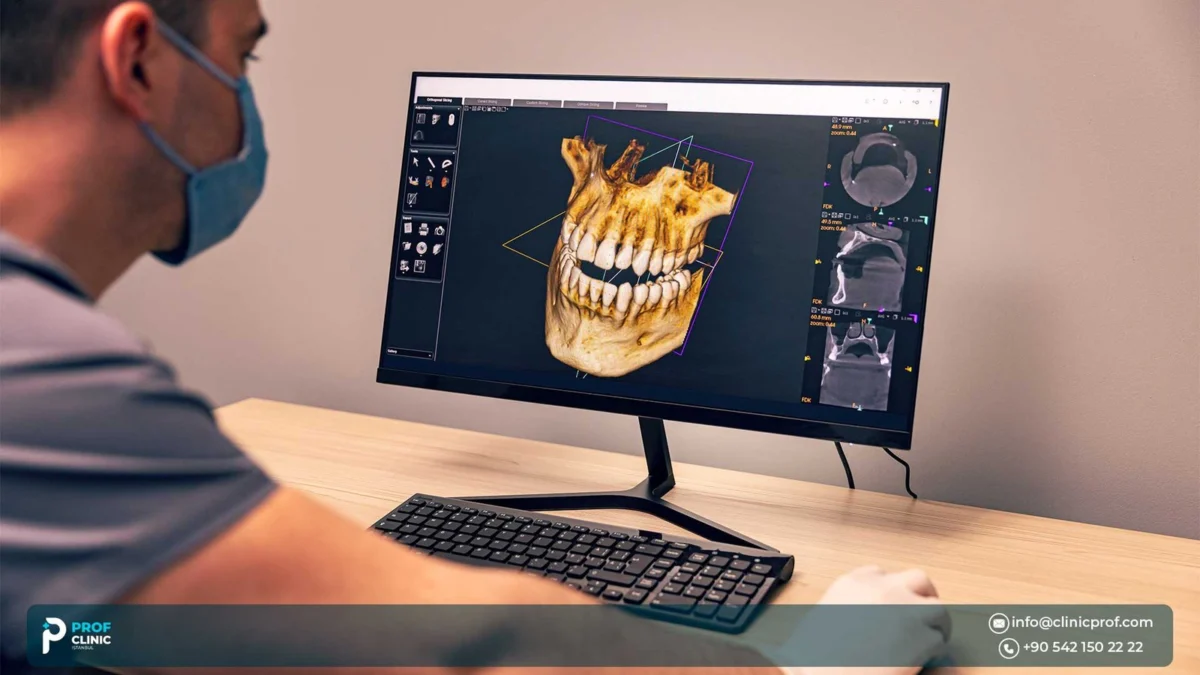
The treatment itself is the same wherever it happens. What changes is the planning around it. Your records travel before you do, the stages are grouped into visits, and part of your healing happens far from the clinic.
All-on-6 is one of several full-arch options within dental treatment in Istanbul. If you would like the procedure explained step by step, our guide to how All-on-6 dental implants work covers it in detail.
Is Turkey Safe for All-on-6 Dental Implants?
Turkey can be a safe place for All-on-6 when the clinic assesses you properly, plans from a CBCT scan and gives you a clear route for aftercare. Safety depends on the clinic and the planning, wherever you travel.
The General Dental Council, the UK dental regulator, advises patients going abroad to ask who will treat them, what qualifications they hold and who to contact afterwards. These checks apply to any destination.
What the Clinic Should Check Before Surgery
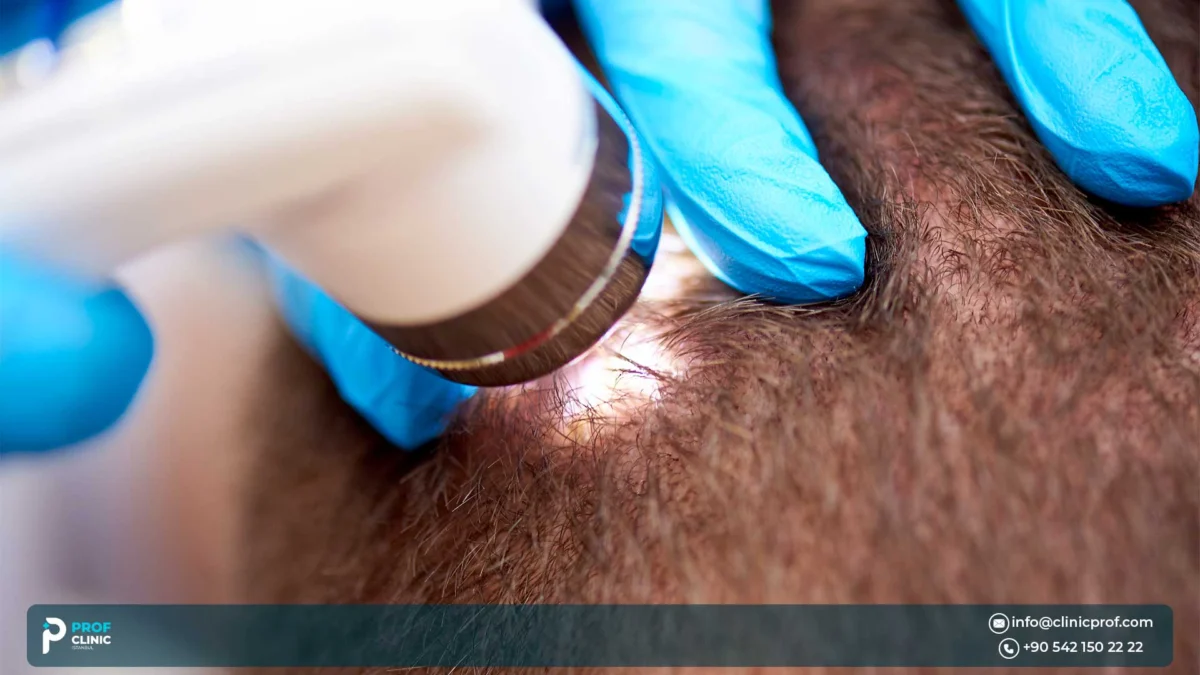
A careful clinic looks at your mouth and your health before it suggests a number of implants. Six implants need more bone than four, so the scan has to show there is room for them.
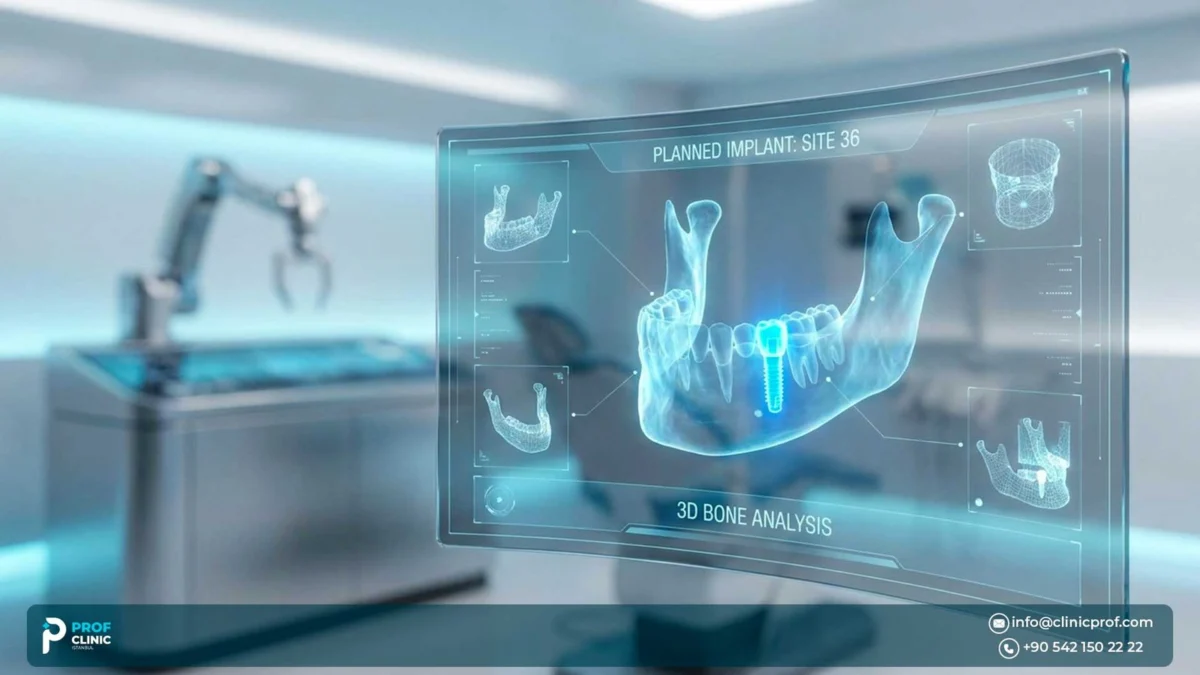
- A 3D CBCT scan: it shows bone height and width, nerves and sinuses.
- Gum health: active gum disease is treated before implants go in.
- Medical history: diabetes, heart conditions and medicines such as blood thinners are reviewed.
- Smoking: it affects healing, so it is discussed openly.
- Your bite and the opposite jaw: they shape the design of the bridge.
- A written plan: the number of implants, the stages and what each visit includes.
Questions to Ask Before You Book
Asking the same questions of every clinic makes your options easier to compare. These come largely from the GDC’s guidance on treatment abroad and from the FDA’s advice on implants:
- Who will place the implants, and who will plan and fit the bridge?
- Which implant brand and model will be used, and will I receive these details in writing?
- How many trips are planned, and what happens on each one?
- What happens if the implants are not stable enough for a temporary bridge?
- Who do I contact after I return home, and how quickly do they reply?
- If a complication needs further treatment, how is it handled?
How to Read All-on-6 Abroad Reviews
Reviews tell you a lot about communication, organisation and how a clinic treats people, but little about your own bone or bite. Read them for patterns rather than single stories.
Look for reviews that mention scans, a written plan and contact after returning home. Reviews posted in the first week describe the temporary bridge, so comments written after the final bridge, months later, show more of the full treatment.
How Many Trips Does All-on-6 in Turkey Take?
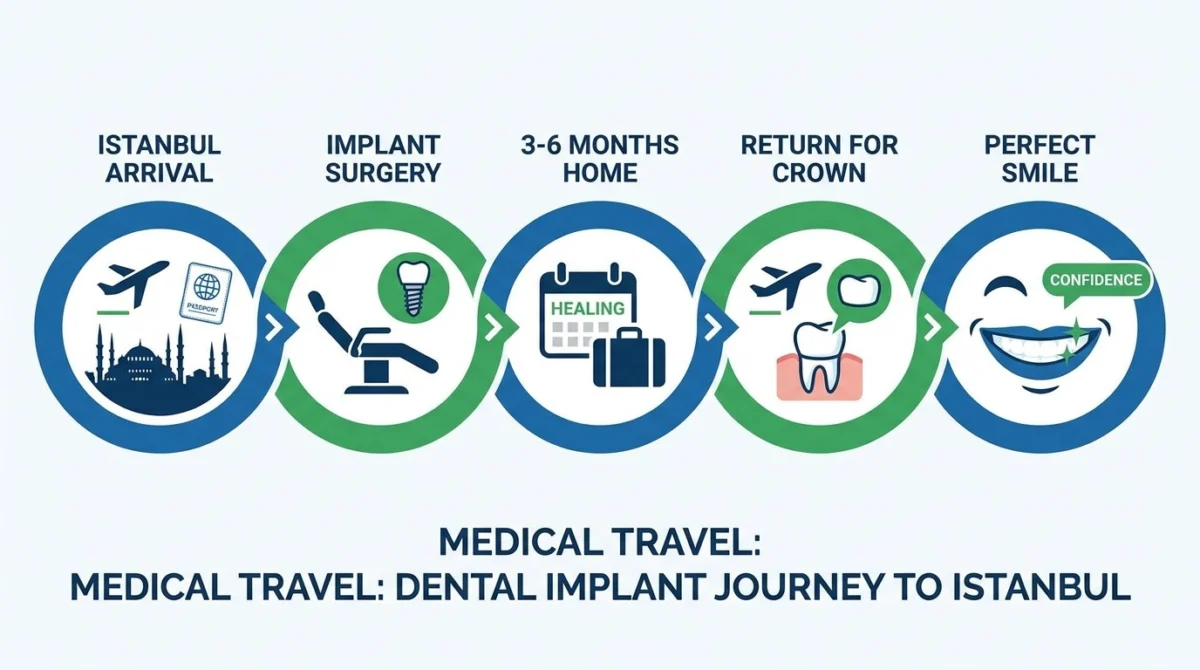
All-on-6 in Turkey usually takes two trips. The first is for the scan, surgery and a temporary bridge, and the second is for the final bridge once the implants have fused with the bone.
| Stage | Where | What usually happens |
|---|---|---|
| Before travel | At home | Photos, any X-rays and your medical history are reviewed online. |
| First trip | Istanbul | CBCT scan, digital plan, extractions if needed and implant surgery under local anaesthesia. |
| Temporary bridge | Istanbul | Often fitted within a few days when the implants are stable enough. |
| Healing | At home | About 3–6 months of bone fusion, a soft diet and careful cleaning. |
| Second trip | Istanbul | New scans, then the final bridge is made, fitted and adjusted to your bite. |
| Long term | At home and on later visits | Regular check-ups and professional cleaning. |
Your flight home needs some thought. A review in the British Dental Journal suggests waiting at least 72 hours after uncomplicated implant placement, and ideally about a week. Cabin pressure changes can irritate a fresh surgical site.
If you would like to talk through dates before booking flights, you can contact our dental team with your photos and the time you have available.
How Long to Stay on the First Trip
The first stay has to cover the scan, the surgery, the temporary bridge and a check before you fly. Prof Clinic plans the length of each visit with you, shorter or longer to suit your wishes, within what each clinical step needs, including a healing check before you fly.
If you also need a sinus lift or bone grafting, the stay may be longer. The same review suggests at least two weeks before flying after a sinus lift, so this is worth knowing when you plan.
What Happens on the Second Trip
On the second trip, the dentist checks that the implants have fused, takes new scans and fits the final bridge. Several appointments are usually needed to adjust the bite, the fit and the appearance before you leave.
Who Is a Good Candidate for All-on-6 Abroad?
A good candidate for All-on-6 abroad has lost most or all teeth in one jaw, has enough bone for six implants and can travel twice. Beyond that, a few points matter more when treatment is far from home:
- Stable general health, with conditions such as diabetes under control.
- No active gum infection, or one treated before surgery.
- Willingness to stop or cut down smoking.
- Time to rest after surgery before flying.
- A local dentist you can see for routine checks.
If the scan shows the bone is too thin for six implants, grafting or a different design may be suggested. You can read how we approach All-on-4 and All-on-6 dental implants in Turkey and which cases suit each one.
All-on-6 or All-on-4: A Short Note Before You Travel
Both options carry the same kind of fixed bridge, and the CBCT scan usually decides between them. All-on-6 spreads the biting force over more implants but needs more bone, while All-on-4 uses tilted back implants to make the most of less bone.
A five-year randomised trial in the upper jaw found similar implant survival with four or six implants, with fewer technical problems in the six-implant group. Your own scan matters more than either number.
Also read: All-on-4 vs All-on-6: Which Full-Arch Option Suits You?
Aftercare at Home After All-on-6 in Turkey
Aftercare at home means following the clinic’s instructions during healing, cleaning carefully around the bridge and keeping in touch with both your treating clinic and your local dentist. Most of your healing happens after you leave Istanbul.
The First Weeks After You Fly Home
Swelling and soreness usually settle over the first days. During the healing months, the aim is to protect the implants while they fuse with the bone:
- Eat soft foods and avoid biting hard things with the temporary bridge.
- Take medicines exactly as prescribed.
- Clean around the bridge gently every day, as you were shown.
- Avoid smoking, which slows healing.
- Send photos to the clinic if anything worries you.
Working With Your Local Dentist
Tell your local dentist about your plans before you go, as the GDC suggests, and share your records when you return. Routine checks, cleaning and early warning signs can then be seen close to home.
Keep a written note of the implant brand, model and sizes. Dentists writing in the Australian Dental Journal describe how much harder complications become when the implant system cannot be identified, which is common after treatment abroad.
If Something Does Not Feel Right
Contact the clinic if you notice a loose bridge, pain that grows instead of easing, swelling after the first week or bleeding that does not stop. Our guide to All-on-6 long-term results and possible problems explains which signs need attention.
For a quick question while you heal, you can send a message on WhatsApp with a clear photo and a short description.
All-on-6 in Turkey or at Home: How to Weigh It Up
Choosing between treatment in Turkey and treatment at home comes down to planning, travel and aftercare. The surgery follows the same principles, so compare clinics on the quality of their assessment and their follow-up.
Treatment at home makes check-ups simpler, while treatment abroad asks you to plan two trips and keep good records. Many of the checks overlap with those for All-on-4, covered in our guide to All-on-4 in Turkey safety checks.
Planning All-on-6 Abroad with Prof Clinic in Istanbul
At Prof Clinic in Istanbul, planning for All-on-6 starts before you travel, with a review of your photos, any X-rays and your medical history. A recommendation is made only after a clinical assessment.
- A 3D CBCT scan and a digital treatment plan decide between four and six implants.
- Local anaesthesia is used for the surgery, with sedation if needed.
- If the implants are stable enough, a temporary fixed bridge often follows within a few days.
- The final bridge is made from new scans after about 3–6 months of healing.
- Regular check-ups and cleaning continue after you return home.
Dt. Orçun Özaydın’s clinical work includes prosthetic planning for All-on-4 and All-on-6 cases. At Prof Clinic, All-on-6 is priced at about €5,200–10,000 per jaw (roughly £4,300–8,400 or $5,700–11,100); your final price depends on your case and is confirmed in a written quote after assessment and X-rays. When you are ready, you can book a free consultation and ask for a written plan for your full-arch treatment in Istanbul.
About these prices: These prices are approximate and meant for planning only. They are Prof Clinic’s indicative prices in euros; amounts in other currencies are converted at the exchange rate of 13 November 2026 and will change as exchange rates move. Your final price is set after your medical assessment and X-rays and confirmed in a written quote that lists what is included. Contact us to get the actual price for your case.
Frequently Asked Questions
Can All-on-6 be done in one trip to Turkey?
In most cases, no. The first trip covers the scan, surgery and a temporary bridge, then the implants need about 3–6 months to fuse with the bone. The final bridge is made from new scans on a second visit, once healing has been checked.
How soon can I fly after All-on-6 surgery?
A review in the British Dental Journal suggests waiting at least 72 hours after uncomplicated implant placement, and ideally about a week. After a sinus lift, the advice is at least two weeks. Your surgeon confirms the date after checking how you are healing.
Will I fly home with fixed teeth after All-on-6?
Often, yes. When the implants are stable enough, a temporary fixed bridge is usually attached within a few days of surgery. If stability is lower, the implants heal first under a different temporary solution, and you are told this before you leave the clinic.
Do I need to stop smoking before All-on-6 abroad?
Stopping is strongly advised. The FDA notes that smoking can slow healing and reduce the long-term success of implants. Tell your dentist honestly how much you smoke, because it can change the plan, the healing time and the advice for your trip home.
What if my local dentist is unsure about implants placed abroad?
Give your dentist the implant brand, model and sizes, your scans and the treatment summary. With these records, most routine checks and cleaning can be done near home. For anything structural, your treating clinic should advise your dentist or see you again.
The Bottom Line
All-on-6 dental implants abroad can work well when the clinic plans from a 3D scan, sets out two trips clearly and stays in contact while you heal at home. Ask the questions above, keep your records and give yourself time before flying.
To see how full-arch cases look, browse our before and after gallery, or read about dental implants in Turkey if you are still weighing your options.
Sources
- FDA — Dental Implants: What You Should Know
- PMC (Br Dent J) — Dental tourism and the risk of barotrauma and barodontalgia
- PubMed (Clin Oral Implants Res) — Fixed Full-Arch Maxillary Prostheses Supported by Four Versus Six Implants: 5-Year Results
- PubMed (Aust Dent J) — Exotic encounters with dental implants: managing complications with unidentified systems
- Oral Health Foundation — Understanding Dental Implants
- General Dental Council — Going abroad for dental treatment