Once you know what All-on-6 is, the next questions usually concern the years ahead: how long it lasts, how stable it stays and what tends to go wrong. Long-term studies are reassuring about the implants themselves. The most common All-on-6 dental implant problems involve the bridge and its screws, and most of them can be repaired.
In brief, All-on-6 fixes a full arch of teeth onto six implants in one jaw, and the bridge is screwed in place instead of resting on the gums. The treatment itself is explained step by step in our guide to All-on-6 dental implants and how the procedure works, so this article stays with what happens afterwards.
Below you will find what research reports on implant survival and bone levels, and what a success rate really measures. You will also see why some bridges loosen or chip, who carries a higher risk and which habits lower it.
What Do Long-Term Studies Show About All-on-6 Results?
Long-term studies show that most All-on-6 implants are still in place and working five to ten years after treatment. Over the same period, the bridge on top usually needs more attention than the implants do.
A recent systematic review in the International Journal of Oral and Maxillofacial Surgery pooled 55 studies of All-on-4 and All-on-6. For All-on-6, implant survival was about 97.5% at five years or more, and bone loss around the implants averaged under 1 mm in short-term follow-up. The authors advise caution, because the included studies varied widely.
Data from a single centre point the same way. A cohort study in Clinical Implant Dentistry and Related Research followed 35 patients with upper-jaw All-on-6 and sinus lifts for about six years on average. Of 212 implants placed, 210 were still working, no implant or bridge was lost after the final bridge was fitted, and patients rated their results highly.
Implant Survival vs Bridge Survival: Why They Differ
Implant survival means the implant is still in the bone; it says nothing about whether anything needed fixing. Bridge survival means the same bridge is still in use, perhaps after repairs. A third measure, time without any complication, is much lower in most studies, because small repairs are common.
This explains how the same treatment can be called highly successful and still need regular maintenance. Both statements are true, and keeping the three measures apart helps you read any figure you are given.
All-on-6 Success Rate: What the Figures Mean
The All-on-6 success rate quoted in research is usually an implant survival figure of roughly 97–99% over five years or more. Success in the strict sense also requires healthy gums, stable bone and no pain, so it is always a little lower than survival.
| Measure | What it tells you | What studies report for All-on-6 |
|---|---|---|
| Implant survival (5 years or more) | Implants still anchored in the bone | About 97.5% pooled across studies |
| Bone loss around implants | How much bone has remodelled around the neck of each implant | Just under 1 mm on average in short-term follow-up |
| Mechanical complications | Loose screws, chipped or broken teeth, fractured parts | About 6.6% pooled rate |
| Biological complications | Gum inflammation and peri-implantitis | About 7.4% pooled rate |
| Any mechanical repair over about 6 years | How many patients needed at least one fix | 82.9% of patients in one cohort, mostly loose screws |
Complication figures vary so much because studies count them differently. A pooled rate across many papers can look small. A careful single study that records every loose screw for up to ten years finds that most patients needed at least one repair.
Results also depend on the bridge material, the bone, any grafting and the length of follow-up. A figure from one study or one clinic cannot predict your own outcome; your scan and health history are a far better guide.
Does All-on-6 Have a Higher Success Rate Than All-on-4?
Most studies find no clear difference in implant survival between four and six implants. A large retrospective cohort in the Journal of Clinical Medicine, covering 943 patients and 5,989 implants, reported five-year survival of 98.8% with four implants and 98.7% with six.
The number of implants is therefore chosen to suit each jaw. Bone volume, bite forces and the planned bridge design are measured on the CBCT scan before that decision is made.
How Stable Is an All-on-6 Bridge Over Time?
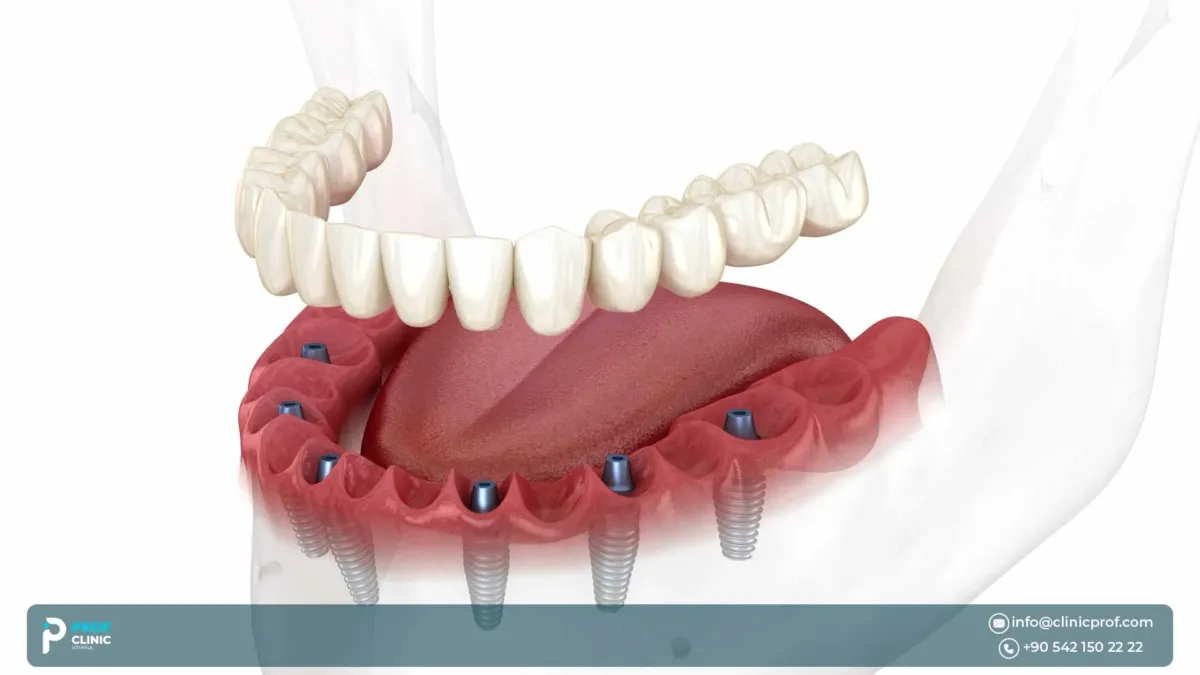
An All-on-6 bridge usually stays firm for many years once the implants have fused with the bone. Stability builds in two stages: the grip of each implant at surgery, called primary stability, and the bone bonding that follows over the next months.
One rigid bridge joins the six implants, so biting forces are shared between them. Computer stress models suggest that six implants can spread load more evenly than four in some designs. Clinical survival is similar for both, which shows that implant position, bone quality and the bite matter as much as the number.
Can All-on-6 Implants Loosen Over Time?
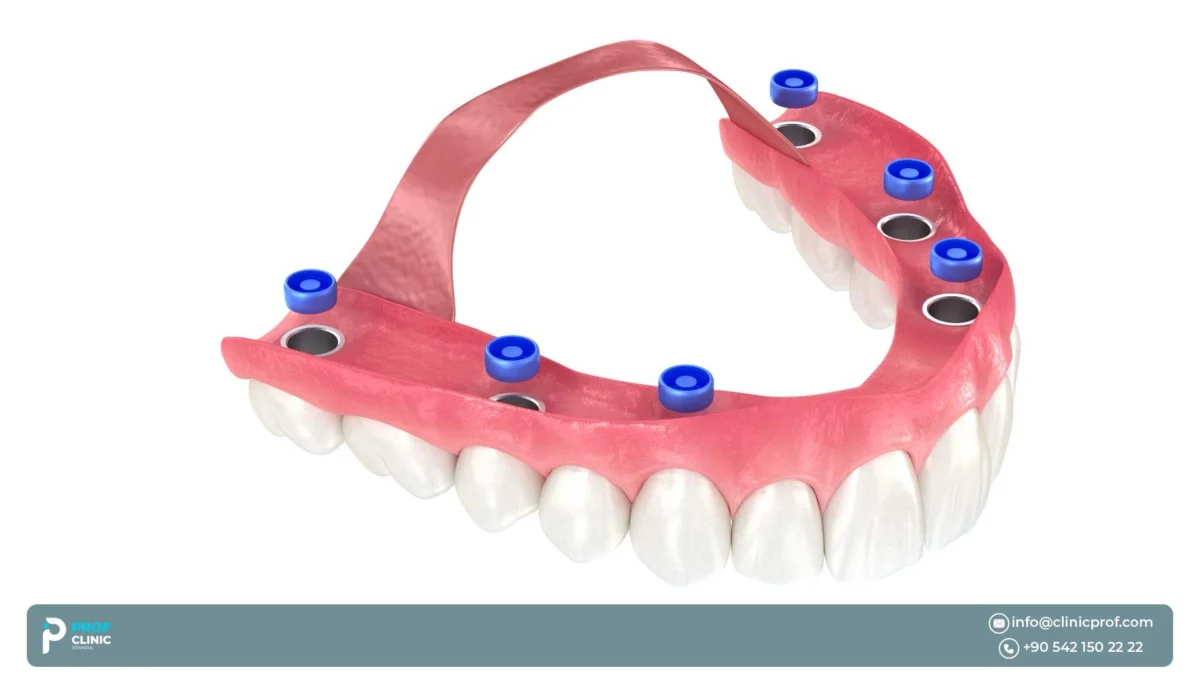
Yes, and in most cases the part that loosens is a screw. A loose prosthetic or abutment screw can make the bridge click or feel slightly mobile, and a dentist can normally retighten or replace it in one visit.
Movement of an implant inside the bone is much rarer and more serious. It suggests that the bond with the bone has been lost, so it needs a prompt examination and an X-ray.
What Are the Most Common All-on-6 Dental Implant Problems?
The most common All-on-6 problems are loose screws, chipped or worn bridge teeth and inflammation around the implants. Losing an implant is less frequent, and it is more likely in smokers and in people with a history of gum disease.
Everyday adjustment issues, such as food trapping, speech changes or second thoughts, are covered in our article on All-on-4 problems, regrets and how to avoid them. Most of that advice applies to six implants as well.
Screw Loosening
Screw loosening is the problem long-term studies report most often. In the six-year upper-jaw cohort described above, 82.9% of patients had at least one mechanical complication, and loose prosthetic screws led the list. Angled abutments, bridges extending further behind the last implant and grafted back areas were linked to more loosening.
Many loose screws are found at check-ups, or because the bridge starts to click. Tightening them early protects the screw threads and takes extra strain off the implants beneath.
Chipped, Worn or Fractured Bridge Teeth
Chipping of the tooth surface is the most frequent bridge-related problem in older long-term data. A systematic review in the International Journal of Oral and Maxillofacial Implants mainly covered earlier bridge designs. It found chipping or fracture of the veneering layer in about a third of bridges at five years.
Newer materials may change this picture, and the recent All-on-4 and All-on-6 review notes that zirconia bridges may reduce mechanical complications. A small chip can often be polished or repaired, while a larger fracture may mean remaking the bridge.
Peri-Implant Mucositis and Peri-Implantitis
Plaque left around implants can inflame the gums, just as it does around natural teeth. The American Academy of Periodontology describes peri-implant mucositis as inflammation of the soft tissue only, which can usually be reversed when caught early.
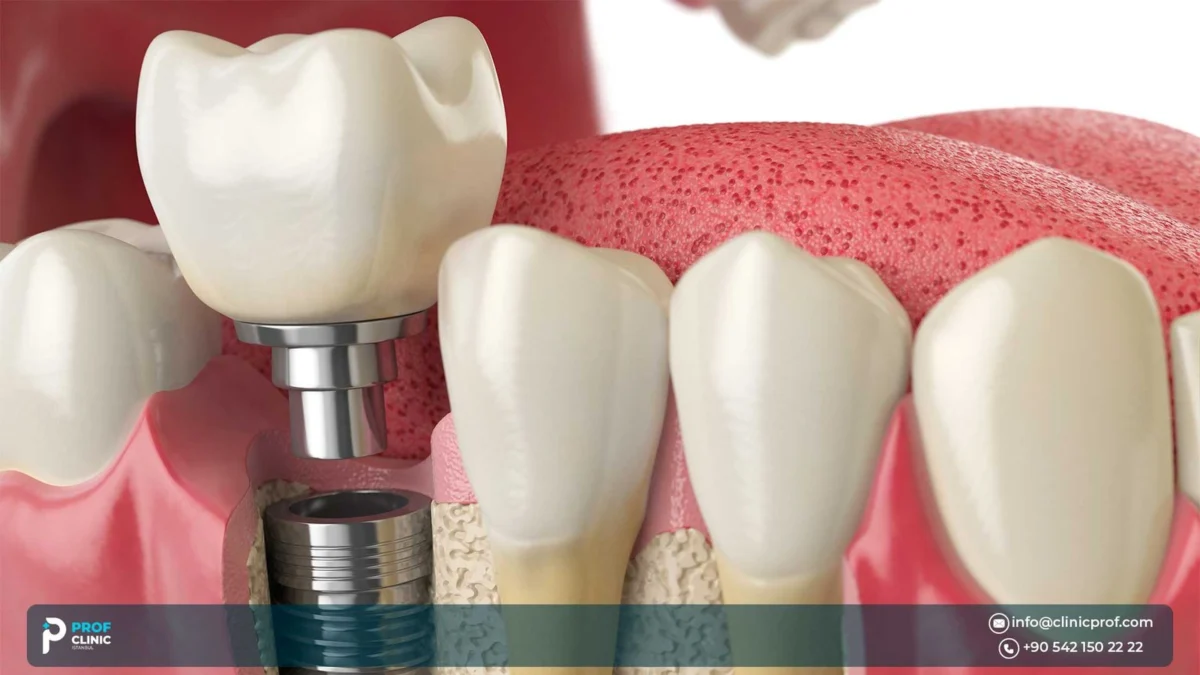
Peri-implantitis goes further, with loss of the bone that supports the implant, and it usually needs surgical treatment. Warning signs include red or tender gums around the implants and bleeding when you brush. In the six-year All-on-6 cohort, peri-implantitis affected 2.9% of patients.
Implant Failure
An implant can fail early, before it fuses with the bone, or years later because of infection or overload. With six implants, losing one can sometimes leave enough support to keep the bridge in use while the problem is treated, though every case needs its own assessment.
A lost implant can often be replaced once the site has healed, sometimes after bone grafting, following the same principles as other dental implants in Turkey. The bridge may need adjusting to fit the new implant.
Who Is at Higher Risk of All-on-6 Problems?
People who smoke, have had gum disease, have poorly controlled diabetes or grind their teeth carry a higher risk of All-on-6 problems. Skipping check-ups raises that risk at any age.
- Smoking: a meta-analysis in the Journal of Dentistry found implant failure in 6.35% of implants placed in smokers, against 3.18% in non-smokers, along with more infections and bone loss.
- Past gum disease: the American Academy of Periodontology lists a history of periodontal disease among the main risk factors for peri-implant disease.
- Poorly controlled diabetes: it slows healing and is named as another risk factor for inflammation around implants.
- Grinding or clenching: heavy night-time forces add stress to screws and bridge teeth.
- A bridge that is hard to clean: plaque builds up wherever brushes and floss cannot reach.
- Irregular follow-up: a loose screw or early inflammation can go unnoticed until it causes damage.
Having one of these risks does not automatically rule out All-on-6. It means the plan should deal with that risk first, for example by treating gum disease or agreeing on a night guard. You can contact our dental team with your X-rays and health history to talk it through.
How Can You Lower the Risk of Problems with All-on-6?
You lower the risk of All-on-6 problems through careful daily cleaning, regular professional check-ups, protection against grinding and not smoking. Paying attention to small changes early matters just as much.
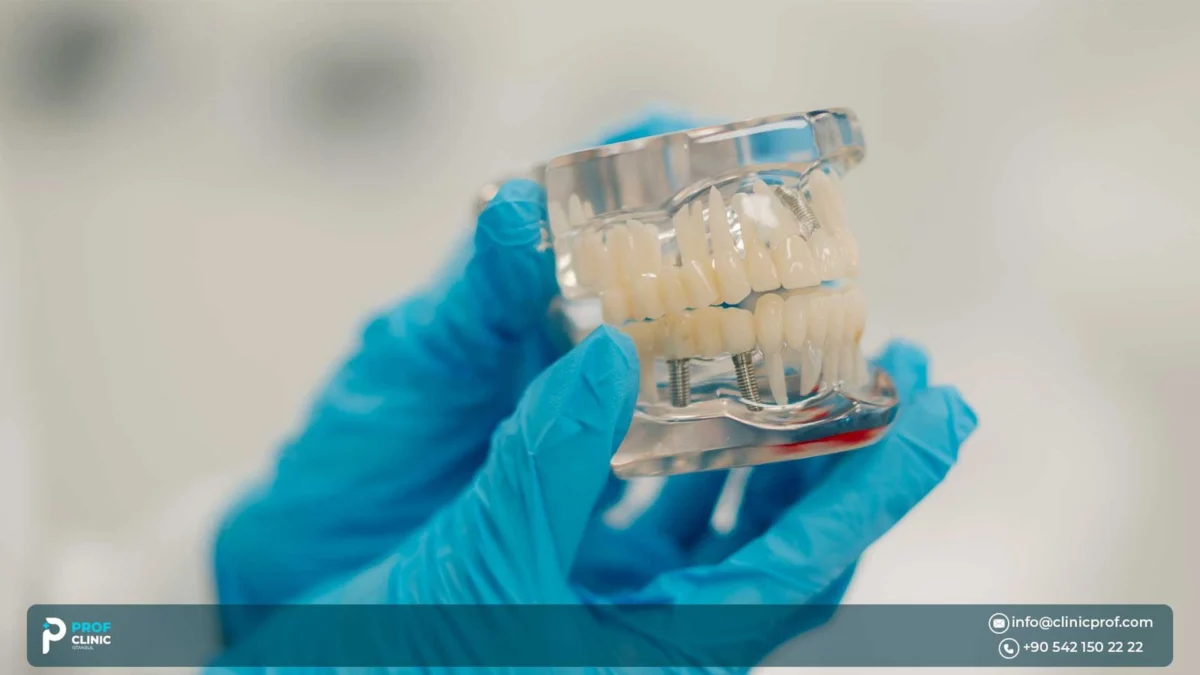
- Clean under the bridge every day: brush twice a day and use super floss, interdental brushes or a water flosser; our guide on how to clean All-on-4 implants shows the same routine in detail.
- Keep your check-ups: professional cleaning and screw checks catch problems while they are still small.
- Wear a night guard if advised: it shields screws and bridge teeth from grinding forces.
- Stop smoking: or at least avoid it around surgery and during healing.
- Keep health conditions in check: well-managed diabetes supports healthy gums around the implants.
When Should You Contact Your Dentist?
Contact your dentist promptly if you notice any of the following, even when nothing hurts:
- A clicking sound or slight movement of the bridge
- Bleeding, swelling or pus around an implant
- A sudden change in how your teeth meet
- A chipped or cracked tooth on the bridge
- Pain that returns after the area had settled
Most of these are simple to handle when reported early. If you live abroad, you can send a photo and a short description on WhatsApp for a first opinion on whether a visit is needed.
Also read: All-on-4 Success Rate: How Long It Lasts and What Affects It
Long-Term Care for All-on-6 at Prof Clinic
At Prof Clinic, lowering long-term risk starts at the planning stage. Risks in your bone can show early because your photos, X-rays and a 3D CBCT scan are assessed before anything else. A digital treatment plan then decides whether four or six implants suit your jaw, as our page on All-on-4 and All-on-6 implant treatment in Turkey explains.
The surgery itself uses local anaesthesia, and sedation is available if you need it. A temporary fixed bridge is fitted when the implants are stable enough, the implants usually need about 3–6 months to fuse, and new scans are taken for the final bridge. Regular check-ups and cleaning follow, as with all dental treatment at our Istanbul clinic.
Cases with gum or bone concerns can be reviewed by Spc. Dt. Oğuzhan Sunar, a periodontology specialist whose work centres on implant surgery and hard- and soft-tissue management. Recommendations follow a clinical assessment and a review of your records, and you can book a free consultation to begin.
Frequently Asked Questions
How long do All-on-6 implants last?
Studies that follow patients for five to ten years find most All-on-6 implants still in place, and many last longer with good care. The bridge is the part more likely to need repairs or, eventually, replacement. Daily cleaning, check-ups and protection against grinding make the biggest difference to how long both last.
What is the success rate of All-on-6 implants?
Research puts All-on-6 implant survival at roughly 97–99% over five years or more, depending on the study. These figures count implants that remain in the bone and leave out repairs. When you compare numbers, ask whether they describe survival, success or complication-free time.
Can All-on-6 implants fail?
Yes, although failure is uncommon. Early failure happens when an implant does not fuse with the bone during healing. Late failure is usually linked to peri-implantitis or overload. Smoking, poorly controlled diabetes and past gum disease raise the risk, while good hygiene and regular check-ups lower it.
Is All-on-6 more stable than All-on-4?
Both feel firm once the implants have healed. Six implants share biting forces between more support points, which can help in the upper jaw or with a heavy bite. Survival figures for the two are similar in most studies, so the right number depends on your bone and bite as seen on the scan.
What are the risks of All-on-6 implants?
In the first days, the risks are swelling, bruising and infection after surgery. Over the years, the main risks are loose screws, chipped bridge teeth, inflammation around the implants and, less often, loss of an implant. Most mechanical problems can be repaired in the clinic.
Does an All-on-6 bridge need to be replaced?
Sometimes, after many years of use. Bridge teeth wear down and can chip, and the material affects how fast this happens. Small chips and loose screws are usually repaired, and a new bridge is made only when wear or damage is too great to fix. The implants beneath can usually stay.
The Bottom Line
All-on-6 dental implant problems are real but mostly manageable: loose screws and chipped teeth are common, while implant loss is uncommon in well-planned cases. Long-term studies show high implant survival, and how long the bridge lasts depends largely on cleaning, check-ups and bite protection.
To see how full-arch cases can turn out, browse our before and after gallery, or read more about a fixed bridge on four or six implants. Results vary from person to person.
Sources
- PubMed (Int J Oral Maxillofac Surg) — All-on-4 and All-on-6 implant-supported fixed prostheses for the edentulous jaw: a systematic review and meta-analysis
- PubMed (Clin Implant Dent Relat Res) — Maxillary Rehabilitation With All-On-6 and Bilateral Lateral Window Sinus Elevation: 1–10-Year Outcomes
- PMC (J Clin Med) — Four vs. Six Implant Full-Arch Restorations: A Direct Comparative Retrospective Analysis in a Large Controlled Treatment Cohort
- PubMed (Int J Oral Maxillofac Implants) — A systematic review of biologic and technical complications with fixed implant rehabilitations for edentulous patients
- PubMed (Journal of Dentistry) — Smoking and dental implants: A systematic review and meta-analysis
- American Academy of Periodontology — Peri-Implant Diseases