Do hair vitamins and supplements actually work, or are most of them expensive guesses? For most people with thinning hair, the honest answer is that they help mainly when a real deficiency is behind the loss, and a deficiency severe enough to cause hair loss is rarer than the marketing suggests. Adding vitamins on top of normal levels has no proven benefit, and some products can do harm.
In this guide by Prof Clinic, we go through the nutrients people ask about most (iron, vitamin D, zinc, biotin, protein, omega-3 and saw palmetto), what the evidence says about each, when too much causes problems, and how a simple blood test changes the decision. We also cover what to know about supplements after a hair transplant. By the end, you’ll know what is worth testing for before you buy anything. This is general information, not a diagnosis or advice to start or stop a particular product.
Do Hair Vitamins and Supplements Work? The Deficiency Rule
They can work, but mainly when you are low in something. The American Academy of Dermatology (AAD) says that not getting enough biotin, iron, protein or zinc can cause noticeable hair loss, and that hair can regrow once the body gets enough of the missing nutrient. The International Society of Hair Restoration Surgery (ISHRS) adds that a vitamin deficiency severe enough to cause hair loss is very rare.
That is the deficiency rule: correct a proven gap and hair may recover, but add vitamins to normal levels and the evidence runs out. The AAD goes further and warns that if your levels are normal, taking a supplement can be harmful. It also notes that many hair-loss products contain a high dose of a single nutrient, and that many dermatologists suggest a multivitamin instead.
What it means in real life: a supplement is a treatment for a measured gap, not a general hair tonic. The rest of this guide shows how to find out whether you have a gap.
Vitamins for Hair Loss at a Glance: Nutrient by Nutrient
The table shows where each popular ingredient stands, based on the dermatology bodies and reviews listed in the sources. It describes the evidence, not a verdict on any product.
| Ingredient | When it can help hair | What the evidence says | Watch out for |
|---|---|---|---|
| Iron | Low iron stores, confirmed by a blood test | Deficiency can cause hair loss (AAD). The ferritin link is debated, and improvement cannot be assured (ISHRS) | Too much iron can cause iron poisoning (AAD) |
| Vitamin D | A confirmed low level | Low levels are common across alopecia types, but whether supplements regrow hair is unproven | Too much builds up and can be toxic (ISHRS) |
| Zinc | A documented zinc deficiency | Severe deficiency is linked to hair loss in specific cases; its role in most hair loss is poorly established (ISHRS) | Excess minerals can cause shedding (ISHRS) |
| Biotin | A proven biotin deficiency, which is rare | No evidence it grows hair without a documented deficiency (ISHRS); the hair evidence is weak (NIH) | Can distort blood tests, including thyroid tests |
| Protein | Low protein intake | Too little protein can cause noticeable hair loss, and hair can regrow once intake is adequate (AAD) | Food first; no need for exotic products |
| Saw palmetto | Taken as a plant-based option for pattern hair loss | Evidence too limited to reach conclusions (NCCIH) | May be unsafe in pregnancy and breastfeeding; can interact with medicines |
| Multi-ingredient hair supplements | Mainly pattern hair loss, as an add-on | Small, short trials report modest gains | Not tested like medicines; quality and dose vary |
Most rows say the same thing: test first, then decide. The detail follows, starting with the three deficiencies doctors check most often.
Iron, Vitamin D and Zinc: The Deficiencies Worth Testing For
These three come up most often because low levels are easy to check and plausible as a cause. The ISHRS lists zinc, iron and vitamin D deficiencies as the most common nutritional links to hair loss, and recommends blood tests to measure levels before taking supplements.
Iron and Ferritin
Iron deficiency is common in women with hair loss, according to the ISHRS, although the link with low ferritin (the body’s iron store) is debated. Testing and correcting a real deficiency is sensible, but improvement in hair cannot be assured. The risk of guessing is real too: the AAD warns that too much iron can cause iron poisoning, with early signs such as stomach pain and vomiting. Ask for a blood count and ferritin rather than buying iron tablets on a hunch.
Also read: PCOS, Iron Deficiency and Thyroid Problems: Hair Loss in Women
Vitamin D and Hair Loss
A 2024 systematic review in Frontiers in Nutrition found vitamin D deficiency in roughly 39% to 54% of people across alopecia types. A significant link compared with controls showed up only in alopecia areata and female pattern hair loss, not in male pattern hair loss. Because the review left out people already taking vitamin D, it cannot say whether correcting a low level regrows hair, and its authors call for more studies. The ISHRS likewise says how vitamin D affects hair growth is unknown.
Zinc
The ISHRS links severe zinc deficiency to hair loss in specific cases but calls its role in most hair loss poorly established, and says zinc supplements do not reliably promote growth. If your diet is very limited or a doctor suspects a gap, a blood test settles it; otherwise extra zinc is a gamble.
Have blood results and unsure whether they explain your thinning? Send your questions to our team on WhatsApp and ask whether a hair assessment would be the next step.
Biotin for Hair Growth: Popular, but Rarely the Answer
Biotin (vitamin B7) is the most heavily marketed hair supplement, yet it helps hair only in people who are truly deficient. The ISHRS says there is no evidence that biotin supplements grow hair without a documented deficiency, and the US National Institutes of Health (NIH) Office of Dietary Supplements calls the evidence for hair, skin and nails weak at best, limited to case reports and small studies.
True deficiency is rare in people who eat a normal mixed diet. The NIH lists the groups more likely to be affected: people with biotinidase deficiency (an inherited condition), people with long-term heavy alcohol exposure, and women who are pregnant or breastfeeding. A healthy person with ordinary thinning, the typical biotin buyer, is not a case the evidence supports.
The Biotin Blood-Test Problem
High-dose biotin can distort lab results, and that matters because blood tests are how thinning hair gets investigated. The AAD says it can affect hormone tests such as thyroid levels. The NIH reports FDA information on a patient taking high supplemental biotin who died after a troponin test, used to help diagnose a heart attack, gave a falsely low result.
The practical rule is simple. Tell your doctor and the lab if you take biotin, or any supplement containing it, and ask whether to pause it before a blood draw; the ISHRS suggests stopping it a few days beforehand.
Protein, Omega-3 and Collagen: Food First
For protein, food does the job: the AAD says too little protein can cause noticeable hair loss, and regrowth can follow once intake is adequate. Eggs, beans, fish and dairy cover most needs, and a balanced diet usually supplies what hair follicles need.
Omega-3 fats and collagen are heavily marketed, but the reviews cited here present no convincing trial evidence for either one on its own. If you want omega-3, oily fish in your diet is the simpler route. The ISHRS says a daily multivitamin is reasonable and that people on restrictive diets may benefit more, and it advises vegans to avoid tea and coffee with meals because they can reduce iron absorption.
Saw Palmetto and Multi-Ingredient Hair Supplements: What Small Trials Show
Evidence here is limited rather than empty, which is exactly why claims on the box deserve scrutiny.
Saw Palmetto
The US National Center for Complementary and Integrative Health (NCCIH) says a few small studies have tested saw palmetto for male pattern hair loss and that the evidence is too limited to draw conclusions. The ISHRS adds that natural anti-androgens like it have not been shown in large, rigorous studies to match finasteride or 5% minoxidil. A 2022 review notes that in one comparison, fewer men improved on saw palmetto than on finasteride.
NCCIH describes it as generally well tolerated, with mild effects such as digestive upset, headache or dizziness, but says it may be unsafe in pregnancy or breastfeeding and can interact with medicines. Tell your doctor before using it.
Branded Multi-Ingredient Products
A 2022 review in the Journal of Clinical and Aesthetic Dermatology looked at two branded hair supplements and concluded they produce modest hair growth in men and women with pattern hair loss, as possible add-ons to standard treatment rather than replacements. One six-month placebo-controlled trial in 40 women reported terminal hair counts up 10.4% at 180 days, against 3.5% with placebo. The review also points out that the trials were small and short, and that supplements are not tested as rigorously as medicines, so purity and potency can vary.
The AAD adds that the FDA does not approve dietary supplements for safety and effectiveness before they are sold, and advises choosing products verified by third-party labs. The ISHRS warns that labels such as “clinically tested” or “dermatologist recommended” do not equal regulatory approval.
When Too Much Hurts: Vitamin A, Selenium, Vitamin D and Iron
More is not better: several nutrients can cause hair loss or other harm when taken in excess. Here is what the dermatology sources flag:
- Vitamin A and selenium: the AAD says large amounts of either are toxic and can cause hair loss. The ISHRS says vitamin A supplements above 10,000 IU a day can cause symptoms.
- Vitamin D, A and E: these fat-soluble vitamins build up in the body, and the ISHRS says too much vitamin D can be toxic.
- Iron: excess can cause iron poisoning (AAD) and, according to the ISHRS, can damage organs.
- Biotin: usually harmless in the body, but it can skew the blood tests your doctor relies on.
The practical takeaway comes from the ISHRS: if your levels are normal, supplements offer no benefit, and long-term use may even worsen hair loss. Check the label of any “hair complex” for vitamin A, selenium and high-dose single nutrients before taking it daily.
Test Before You Take: What to Ask Your Doctor
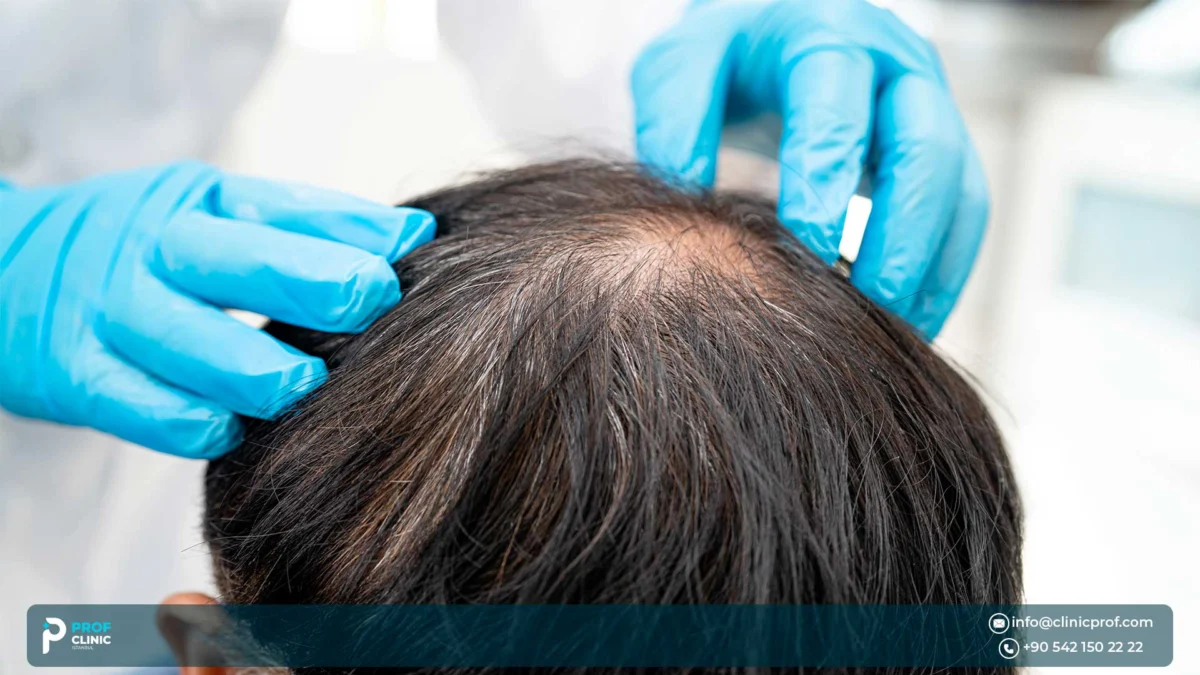
A blood test turns guessing into a decision. The AAD says a dermatologist may order blood tests, or a scalp biopsy, when they suspect a disease, vitamin deficiency, hormone imbalance or infection, and that if tests show low biotin, iron or zinc, they may recommend a supplement.
Questions worth taking to the appointment:
- Which tests suit my pattern of loss? Commonly discussed ones are a blood count and ferritin for iron, vitamin D, zinc and, if symptoms point to it, thyroid function.
- Could my supplements affect the results? Mention biotin, multivitamins and herbal products, and ask when to pause them.
- If something is low, what dose, for how long, and when do we recheck? Avoid fixed doses from the internet.
- Could a medicine I take be causing shedding? The AAD advises asking the prescriber and not stopping a medicine without talking to a doctor first.
- If everything is normal, what else could explain this? Thyroid problems, for example, can thin hair, and the AAD says treating them can reverse the loss.
If a deficiency is found and corrected, recovery is usually slow, because hair grows in cycles; judge it over months, not weeks.
Vitamins After a Hair Transplant: What Is Worth Knowing
None of the sources reviewed for this guide shows that a vitamin or supplement speeds the growth of transplanted hair. Growth follows the hair cycle: transplanted hairs usually shed in the first weeks and regrow over the following months, whatever you take.
What is sensible: eat normally and well, tell your surgeon about every supplement and herbal product you use, and ask before adding anything new, especially biotin because of blood tests. The ISHRS regards a daily multivitamin as reasonable, particularly for people on restrictive diets. Shedding after surgery is a normal stage, not a sign that you are short of a vitamin; our guide to Shock Loss After Hair Transplant: What Is Normal and When It Returns explains the difference, and Hair Transplant Aftercare: Day-by-Day Guide to the First 30 Days covers the first month.
Whether and when to use hair medicines such as minoxidil after surgery is your surgeon’s decision, not a supplement question.
Also read: Finasteride and Minoxidil for Hair Loss and After a Transplant, if you want to compare supplements with medical treatment.
When Hair Loss Is Not a Vitamin Problem
Finding the cause is the key step: the AAD says treatment without an accurate diagnosis is often ineffective, and that early treatment works better for hereditary hair loss. The ISHRS makes a similar point, warning that supplements taken without addressing the underlying cause may waste money or even harm hair.
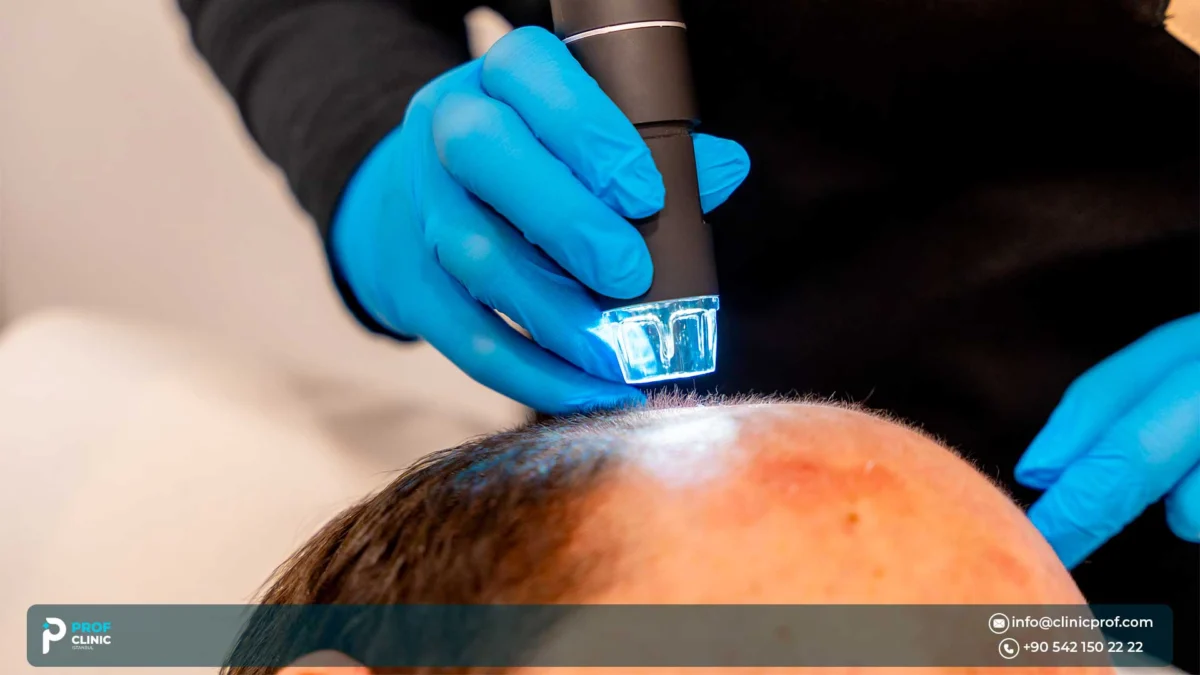
Causes a doctor may look for besides nutrition include:
- Pattern hair loss: the inherited, gradual kind, which a normal blood test does not rule out. Medicines are discussed in our guide to finasteride and minoxidil, and a transplant may be an option once the pattern is stable.
- Thyroid problems: the AAD says these may cause thinning, and treating them can reverse it.
- Medicines: hair loss can be a side effect, so check with the prescriber before changing anything.
- Female-specific causes: women face a different set of triggers, covered in Female Hair Loss Causes: Patterns and Treatment Options.
For men whose thinning follows a stable pattern and has not responded to medicine, a male hair transplant in Turkey can be discussed after a medical assessment of the donor area.
Not sure where to start? Book a free online consultation, send photos of your hairline and crown, and ask what your pattern suggests.
Looking at the Cause First with Prof Clinic in Istanbul
At Prof Clinic, treatment planning starts with a medical assessment, not a product. Spc. Dr. Lütfi Öztürk, the internal-medicine specialist who leads hair restoration, carries out the assessment and planning and coordinates follow-up for our hair transplant in Turkey patients.
Here is what you can verify before you travel:
- Pre-op tests: before surgery the clinic runs blood tests (full blood count, kidney and liver function, electrolytes, blood sugar), an ECG, and hepatitis and HIV screening. These are safety checks for the procedure, not a hair-vitamin panel, so ask your own doctor if you want ferritin or vitamin D measured.
- Honest expectations: the expected density is discussed individually and cannot be promised in advance.
- A written quote: sent after the team reviews your photos; packages include the procedure, accommodation, airport and hotel transfers, and post-op care.
- Follow-up: the coordination team gives advice over WhatsApp after the procedure.
FAQs About Hair Vitamins and Supplements
Which vitamin is best for hair loss?
There isn’t one. A vitamin helps only if you are low in it, and the ISHRS names iron, vitamin D and zinc as the most common nutritional links to hair loss. A blood test shows which, if any, applies to you; without one, a supplement is a guess that can also cause harm.
Does biotin make hair grow faster?
Not in people who are not deficient. The ISHRS says there is no evidence that biotin supplements grow hair without a documented deficiency, and true deficiency is rare. High doses can also distort thyroid and other blood tests, so tell your doctor if you take it.
Can I take hair vitamins without a blood test?
You can buy most of them without one, but a test is the safer first step. The AAD says that if your levels are normal, taking a supplement can be harmful, and some nutrients, such as iron and vitamin A, cause problems in excess.
Can too many vitamins cause hair loss?
Yes. The AAD says large amounts of vitamin A or selenium are toxic and can cause hair loss, and the ISHRS says excess vitamins and minerals can cause shedding. If you notice more shedding after starting a product, talk to your doctor promptly.
Do multi-ingredient hair supplements work?
Some small, short trials report modest gains in pattern hair loss, and a 2022 review treats them as possible add-ons, not replacements for standard treatment. Quality and dose vary, so the AAD advises choosing products verified by third-party labs and checking with a doctor first.
Should I take vitamins after a hair transplant?
Ask your surgeon first. No source reviewed here shows that supplements speed up transplanted hair, and growth follows the hair cycle over months. The ISHRS considers a daily multivitamin reasonable, but biotin can distort blood tests, so mention every product you take.
The Bottom Line on Hair Vitamins and Supplements
Hair vitamins and supplements help when they correct a measured deficiency and add little when your levels are already normal, so the decision criterion is a blood test, not a label. Check the cause of the thinning, avoid high-dose single nutrients, and tell your doctor about everything you take.
If you are weighing a hair transplant in Istanbul because supplements have not helped, contact Prof Clinic and ask for a medical assessment and a written plan.
Sources
- American Academy of Dermatology — Hair loss: Diagnosis and treatment
- American Academy of Dermatology — Supplement secrets unveiled: debunking common myths about beauty boosters
- American Academy of Dermatology — Hair loss: Who gets and causes
- ISHRS — Guide to Best Vitamins and Minerals for Hair Growth
- ISHRS — Hair Supplements: Are They Worth the Hype?
- NIH Office of Dietary Supplements — Biotin: Fact Sheet for Health Professionals
- NCCIH — Saw Palmetto
- Frontiers in Nutrition — Vitamin D deficiency in non-scarring and scarring alopecias: a systematic review and meta-analysis (Yongpisarn et al., 2024)
- Journal of Clinical and Aesthetic Dermatology — Nutraceuticals for Androgenetic Alopecia (Ring et al., 2022)