Female hair loss causes range from inherited thinning to temporary shedding after illness, and telling them apart is the first step, because the cause decides the treatment. In women, hair loss rarely looks like the receding hairline seen in men. Most notice a wider parting, a thinner ponytail or more scalp showing at the crown, and several of the causes can be reversed once they’re identified.
In this guide by Prof Clinic, you’ll learn how to tell normal shedding from real hair loss, the main causes and the pattern each one leaves, which checks a doctor may order, what treatments exist, and when a hair transplant is actually possible for women. It is general information and does not replace an examination.
Normal Shedding or Real Hair Loss?
Most people lose up to about 100 hairs a day, according to DermNet, so a few strands in the brush or the shower drain are normal. It becomes hair loss when you can see the change, or when heavy shedding carries on for weeks rather than days.
These are the signs doctors take seriously:
- A widening parting: the American Academy of Dermatology (AAD) lists it as a common early sign of female pattern hair loss.
- A thinner ponytail: the band wraps more times than it used to.
- Thinning at the temples or crown: more scalp shows under bright light or in photos.
- Sudden, heavy shedding: clumps of hair on the pillow, brush or shower floor over several weeks.
The International Society of Hair Restoration Surgery (ISHRS) points out that women’s hair loss is often underestimated because the thinning is diffuse and less obvious than in men, and that it should never be dismissed as normal without looking for the cause. The AAD adds that treatment works best when it starts at the first sign.
The Main Causes of Hair Loss in Women at a Glance
Most cases come down to a handful of causes, and each leaves a different pattern. The table gives a first orientation; a doctor confirms which one applies to you.
| Cause | What you usually notice | Is it usually reversible? |
|---|---|---|
| Female pattern hair loss (inherited) | Wider parting, thinning on top and at the crown, a slow change over years | Not curable, but often slowed with continuing treatment |
| Telogen effluvium | Sudden shedding all over the scalp, about 2–4 months after a trigger such as illness, surgery, childbirth or a crash diet | Usually yes, over several months, once the trigger is gone |
| Traction from tight hairstyles | Broken hairs and thinning at the front hairline and temples, where hair is pulled | Often in the early stage; permanent once the skin is scarred |
| Iron, thyroid or hormonal problems (including PCOS) | Thinning together with other signs, such as tiredness, irregular periods, acne or extra facial hair | Often improves when the underlying condition is treated |
| Medicines | Shedding that began after a new prescription or a dose change | Sometimes, after your prescriber reviews it |
| Scalp or autoimmune conditions | Patchy loss, redness, scaling, pain or itching | Depends on the condition; needs a prompt diagnosis |
The causes can overlap. DermNet notes that repeated episodes of telogen effluvium can sometimes progress to female pattern hair loss, so one woman may have more than one process at work.
Female Pattern Hair Loss: The Most Common Cause
Female pattern hair loss is “the most common cause of hair loss in women”, according to the AAD. It is hereditary, and hormones may also play a role. Without treatment it can progress from a widening parting to thinning over a larger area, but women typically do not lose all their hair.
What the Pattern Looks Like
In women the hair usually thins across the top of the scalp, and the frontal hairline is typically kept, unlike the receding hairline and crown thinning seen in men, as a 2013 review in the International Journal of Women’s Health describes. The AAD notes that hair near the temples may recede in some women.
Doctors often grade the thinning with the Ludwig scale. Grade I is mild crown thinning with a barely noticeable wider parting, grade II is moderate thinning with a clearly wider parting, and grade III is severe crown thinning with almost no visible parting.
Who Gets It, and Why
For most women it begins in midlife, in their 40s, 50s or 60s, although it can start earlier. DermNet reports that around 40% of women show signs of hair loss by age 50, and the 2013 review puts the rate at about 3% of women aged 20–29 and up to roughly a third of women over 70.
The cause is strongly genetic. Whether male hormones drive it is unclear, because most affected women have normal hormone levels, so a normal blood test does not rule it out. What it means in real life: the follicles are shrinking, not gone, and that is why starting treatment early matters.
Telogen Effluvium: Shedding After a Shock to the Body
Telogen effluvium is a temporary, diffuse shedding that appears about 2–4 months after a physical or emotional shock. DermNet lists the usual triggers:
- illness, especially with a fever, and surgery or an accident
- childbirth
- crash or very restrictive diets, and nutritional deficiency such as low iron
- thyroid disorders and certain medicines, or stopping the contraceptive pill
- psychological stress
The delay is what confuses people: by the time the hair falls, the trigger may be months behind you. Shedding usually peaks and then tapers back to normal over about 6–9 months, and hair generally regrows once the trigger is removed, although recovery can be incomplete. In some women the shedding continues on and off for years, which is called chronic telogen effluvium and needs a doctor to tell it apart from pattern hair loss.
There is no special treatment for the shedding itself. DermNet describes the condition as self-correcting, and management means treating any underlying iron, thyroid, B12 or folate problem, eating enough protein and handling the hair gently.
Also read: Postpartum Hair Loss: When It Starts, How Long It Lasts
Tight Hairstyles and Traction Hair Loss
Traction alopecia is hair loss caused by repeated pulling on the hair, and it is one of the few causes that is fully in your control. The AAD names tight braids, cornrows, locs, pulled-back buns and ponytails, extensions and weaves (especially on relaxed hair), and rollers worn to bed most nights. Women of African descent, dancers and anyone who must wear their hair tied back for work are at higher risk.
The early signs are broken hairs and a receding hairline at the front, or patches where the hair is pulled tightest. In the early stage the hair may grow back once the tension stops, but once the skin looks shiny and smooth the follicles are gone and the hair cannot return. The AAD advice is practical:
- loosen braids, especially along the hairline, and give your hair regular breaks from tight styles
- keep braids in no longer than 6–8 weeks, and prefer sewn-in extensions to glued ones
- change the style at once if you feel pain, stinging or crusting on the scalp
- check your hairline and parting once a month for early signs
If you have afro-textured hair, our guide to Afro Hair Transplant for Women: What Black Women Should Know covers how texture changes the options.
Iron, Thyroid, PCOS and Medicines
Some hair loss is a signal from the rest of the body, so these causes are checked before any treatment is chosen. The NHS lists iron deficiency among the causes of temporary hair loss, and DermNet adds thyroid disorders. When thinning comes with irregular periods, acne or extra facial hair, the 2013 review advises an endocrine work-up, because these signs can point to raised male hormones, for example in PCOS.
Medicines matter too. The ISHRS lists beta-blockers, anticoagulants such as warfarin and some antidepressants among the drugs that can cause hair loss. Never stop or change a prescribed medicine on your own; raise it with the doctor who prescribed it. Our guide to PCOS, Iron Deficiency and Thyroid Problems: Hair Loss in Women goes deeper into these conditions.
Supplements deserve the same caution. The 2013 review found no randomised trials supporting nutritional supplements, and the AAD describes the evidence as mixed, so they make sense mainly when a deficiency has been confirmed. We cover this in Hair Vitamins and Supplements: What Actually Helps?
How Doctors Diagnose Female Hair Loss
Diagnosis starts with questions and an examination of the scalp, and blood tests are added when the history suggests a cause. The NHS says a GP may be able to identify the cause just by looking at your hair, and the ISHRS recommends referral to a hair specialist when the cause is unclear.
According to the 2013 review, the assessment usually covers:
- Your history: family history, medicines, periods and hormones, hair-care habits and any recent illness.
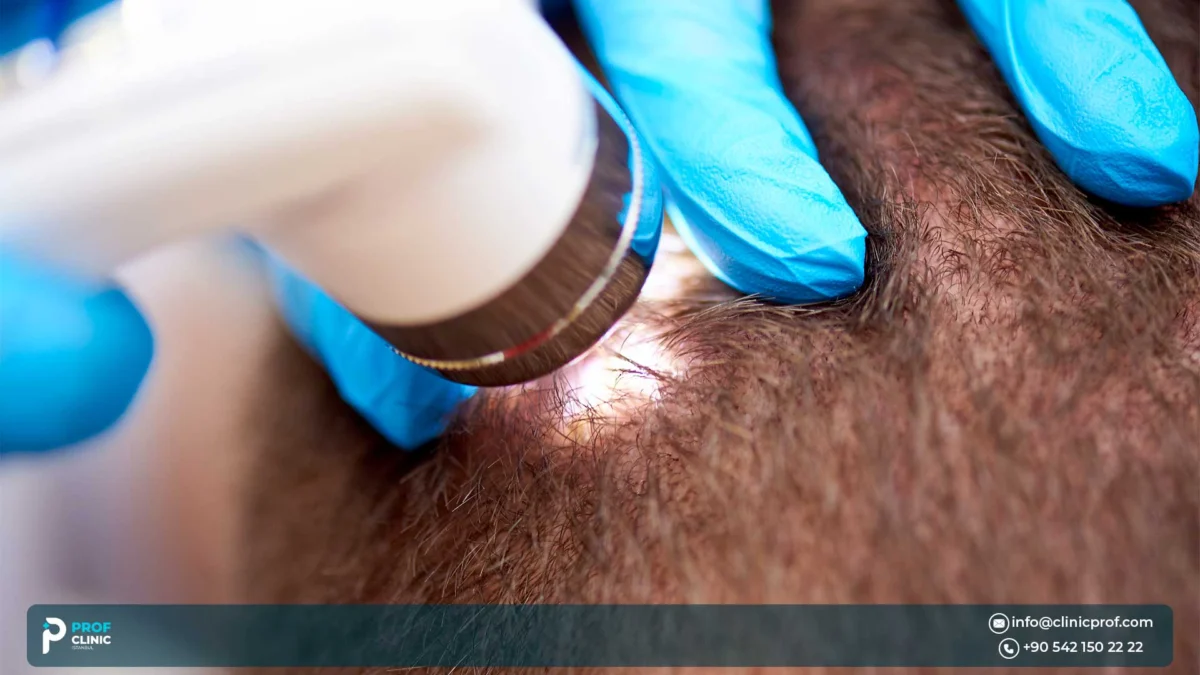
- Bedside tests: a gentle pull test and examination of the hairs and scalp, often with a magnifying device.
- Blood tests: a blood count with iron levels, thyroid function and vitamin levels, plus hormone tests when there are signs of excess male hormones.
- A scalp biopsy: only in selected cases when the diagnosis is still unclear.
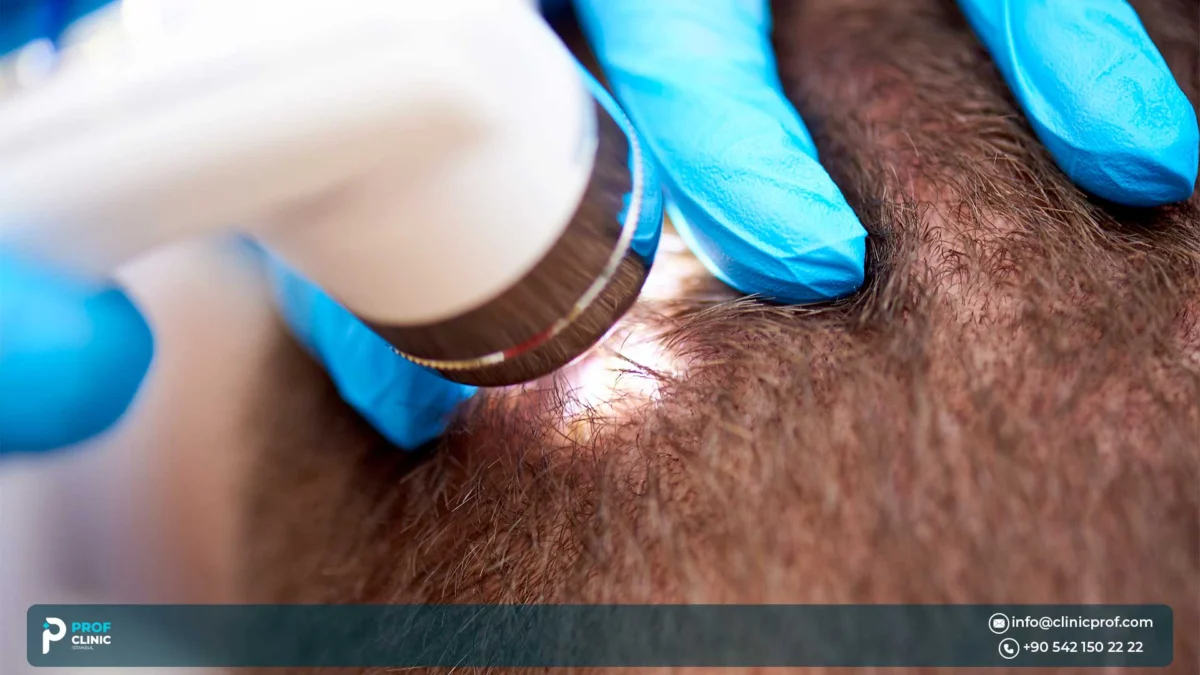
Warning signs of scarring, such as redness around the follicles, pustules, scaling, pain or itching, need a prompt appointment, because scarring hair loss can be permanent. The practical takeaway: write down when the shedding began, list your medicines, and bring any recent blood results to the appointment.
Not sure what’s behind your thinning? Message the Prof Clinic team on WhatsApp with your questions and we’ll tell you what to prepare before an assessment.
Treatment Options for Female Hair Loss
Treatment follows the cause: temporary shedding is managed by removing the trigger, while pattern hair loss usually needs long-term treatment to slow it down. DermNet says there is no cure and the aim is generally to slow progression, that at least six months is needed before benefit can be judged, and that treatment usually has to continue to keep the effect.
| Option | What to know |
|---|---|
| Minoxidil 2% or 5% (applied to the scalp) | The most recommended first treatment, according to the AAD. Shedding can increase at first, results take about 6–12 months, and the benefit is lost if you stop. It is not advised in pregnancy, when planning a pregnancy or while breastfeeding. |
| Oral anti-androgens such as spironolactone | Prescribed off-label by a doctor. They can cause birth defects, so they are not an option in pregnancy or when planning one. Evidence comes mostly from case series and open-label studies. |
| Finasteride and dutasteride | Evidence is mixed. The AAD lists them as pills that may help, the NHS says women should not use finasteride, and one randomised trial in postmenopausal women found no benefit over placebo. A specialist decides. |
| Low-dose oral minoxidil with spironolactone | DermNet reports that a combination of the two improved hair growth and density in one study. Doses and suitability are for a doctor to set. |
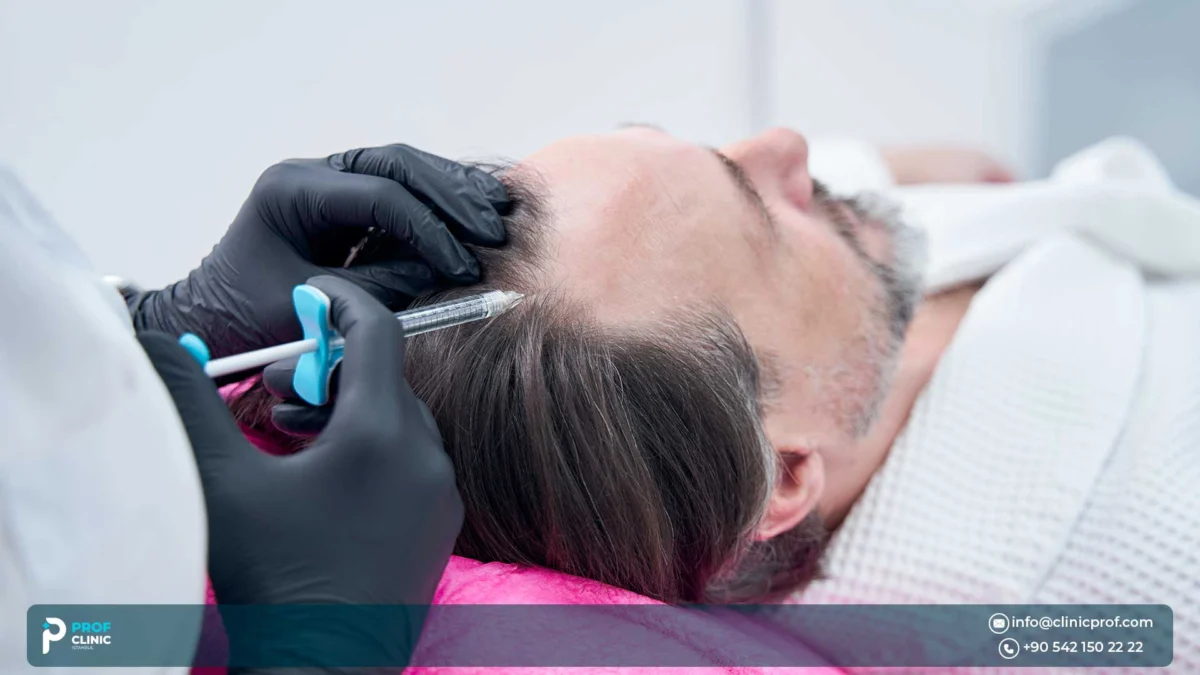
| Light therapy and platelet-rich plasma (PRP) | The AAD says FDA-approved at-home laser devices have some supporting studies, while PRP is still being studied. If a clinic offers PRP, ask whether it is included in the package or billed per session. |
| Shampoos and supplements | The AAD says hair-loss shampoos cannot regrow hair or stop it getting worse. Supplements have mixed evidence. |
| Wigs and camouflage | Practical choices while other treatment takes effect, or if it does not help. The NHS provides wigs in some cases. |
No treatment works for everyone, and the NHS is clear that results vary. Hair loss can also take an emotional toll, and the ISHRS notes that it can affect self-esteem and cause anxiety. A GP can arrange counselling, and asking for it is reasonable.
Can Women Have a Hair Transplant for Hair Loss?
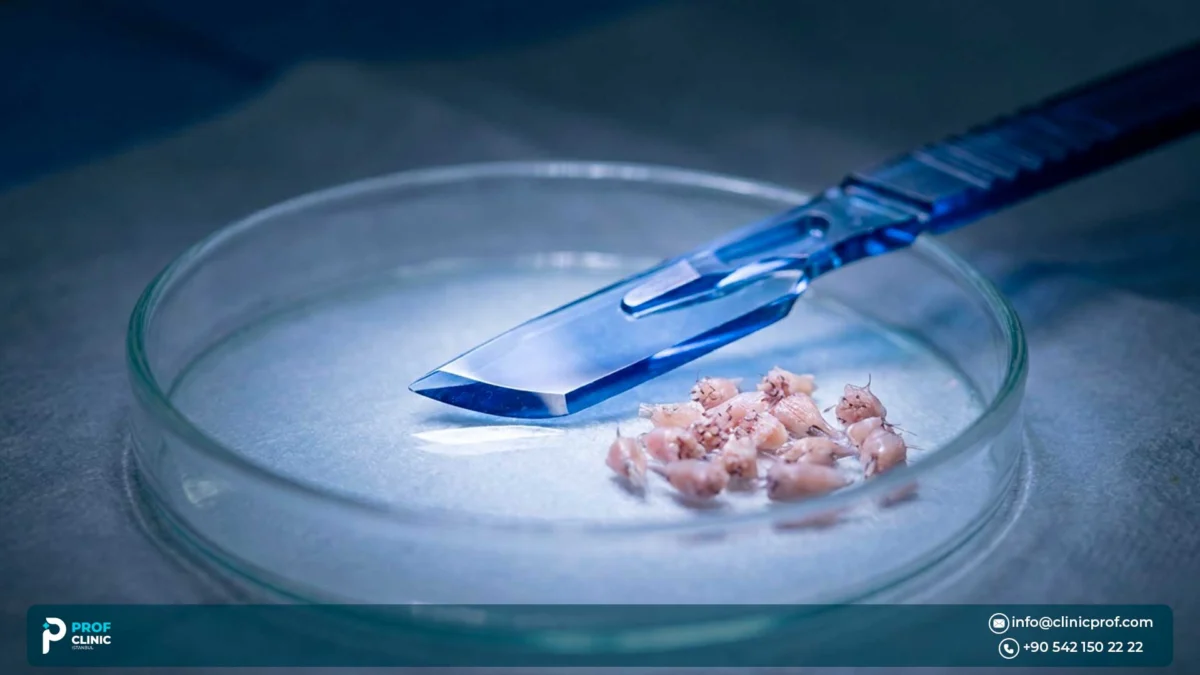
Sometimes, but far fewer women than men are good candidates. The AAD says a transplant “may be an option for some women” with female pattern hair loss, provided they have enough healthy hair to transplant. A transplant moves your own follicles from one part of the scalp to another, so it needs a donor area that can spare them.
Who May Be Suitable
A transplant is most realistic when the cause has been identified and treated, the loss is limited or stable, and the back and sides of the scalp have healthy hair to harvest. Examples include a high or thin hairline and traction damage once the hairstyles causing it have changed. The ISHRS describes hair transplantation as one option to consider after a specialist has diagnosed the cause.
Who Usually Is Not
The 2013 review explains the main limit: donor hair is often scarce because the thinning is diffuse, and it can involve the back of the scalp too. Telogen effluvium is a poor reason for surgery, since the hair usually regrows by itself, and shedding that is still active and unexplained needs a diagnosis first.
What to Expect
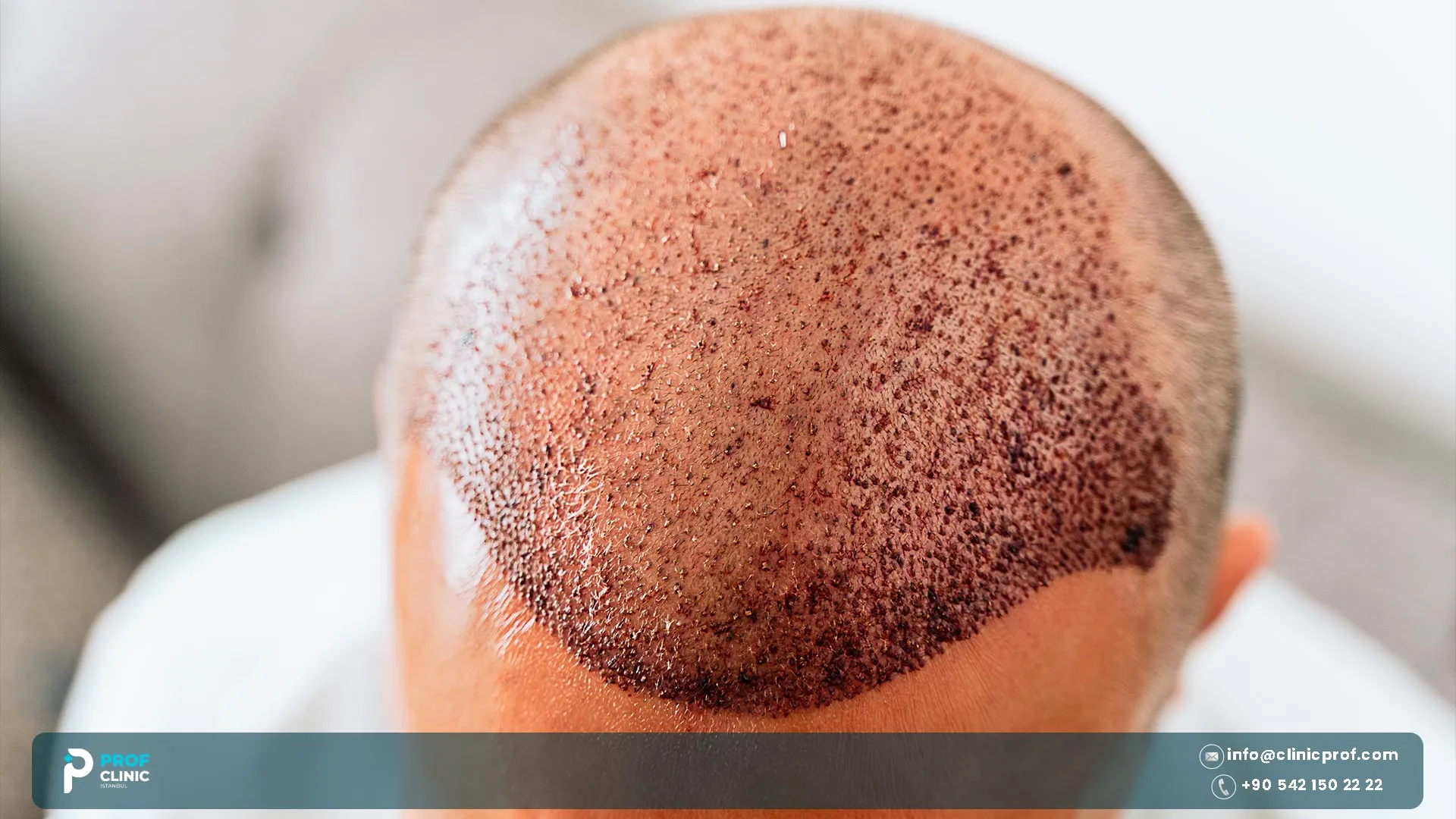
The same review says the only permanent option is surgery, that the realistic goal is better density rather than full restoration, and that more than one session may be needed. A transplant does not stop the hair around it from thinning, so medical treatment often continues alongside it. Results take a year or more to judge.
Also read: Hair Transplant for Women in Turkey: Candidates, Methods & Cost
Wondering whether you’re a candidate? Book a free online consultation and share your photos and any test results for a first review.
Women’s Hair Restoration at Prof Clinic in Istanbul
A female hair transplant in Turkey at Prof Clinic starts with a medical assessment: Spc. Dr. Lütfi Öztürk, an internal-medicine specialist, carries out the assessment and treatment planning and coordinates follow-up. If you are travelling for it, check the following first:
- Techniques: FUE, DHI, Sapphire FUE and Micro FUE, with the donor area taken from the back or sides of the head.
- No full shave: offered especially for women, where only a small section is trimmed and covered by the surrounding hair.
- High forehead: a forehead hair transplant can lower a naturally high or wide hairline.
- Pre-op tests: the team checks your blood count, ECG, kidney and liver function, electrolytes and blood sugar, and screens for hepatitis and HIV before surgery.
- Honest expectations: the likely density is talked through with you individually; no figure is promised beforehand.
As a general guide, a hair transplant for women in Istanbul costs about €2,000–€3,800. Treat it as an approximate 2026 range rather than a final price: packages usually include the procedure, pre-op tests, medication, hotel and VIP transfers, and the final figure comes in a written quote after the team reviews your photos. Bring your latest blood results and medicine list so the team can see the whole picture; you can also look through the before-and-after gallery to see how cases are presented.
For a wider view of the options, see our hair transplant in Turkey overview.
FAQs About Hair Loss in Women
Is hair loss in women reversible?
It depends on the cause. Telogen effluvium and early traction hair loss usually recover once the trigger is gone, and thyroid or iron-related shedding often improves with treatment. Female pattern hair loss is not curable, but treatment can often slow it, and in some women it improves density.
How many hairs does a woman normally lose per day?
Up to about 100 hairs a day is normal, according to DermNet. There is no exact threshold for “too much”, so look at the trend: if shedding stays heavy for weeks, or you can see a wider parting or thinner ponytail, see a doctor rather than counting hairs.
Can stress cause hair loss in women?
Yes. Psychological stress is one of the recognised triggers of telogen effluvium, and the shedding shows up about 2–4 months later. It usually settles over 6–9 months once the stress eases, but sudden heavy shedding is still worth checking for iron or thyroid causes.
Which blood tests should I ask for when my hair is thinning?
Your doctor decides, but the usual ones are a blood count with iron levels and a thyroid test, with hormone tests if you also have irregular periods, acne or extra facial hair. Vitamin levels may be added. Taking supplements before a deficiency is confirmed is not advised.
Will female pattern hair loss make me bald?
Usually not. The AAD says that, unlike some men, women typically do not lose all their hair. The parting widens and the hair thins over a larger area if it goes untreated, which is why seeing a doctor early is worthwhile.
Can I have a hair transplant if my hair is thinning all over?
Often not, because diffuse thinning can include the donor area, which leaves too little healthy hair to move. A transplant suits localised, stable loss better, such as a high hairline or traction damage. A specialist assessment tells you which group you fall into.
What to Do About Female Hair Loss
Several female hair loss causes can be reversed, so get yours identified first, treat what can be treated, and only then ask whether surgery adds anything. Start with your GP or a dermatologist, bring your history and recent blood results, and give any treatment at least six months before judging it. If you’re weighing a transplant after that, contact Prof Clinic and ask for a written assessment that explains whether your pattern and donor area suit it.
Sources
- American Academy of Dermatology — Female pattern hair loss: Overview
- American Academy of Dermatology — Hair loss: Hairstyles that can cause hair loss
- NHS — Hair loss
- DermNet — Female pattern hair loss
- DermNet — Telogen effluvium
- International Journal of Women’s Health — Female pattern alopecia: current perspectives (Levy & Emer, 2013)
- ISHRS — Hair loss in women