Can a tattoo on your scalp really stand in for hair? Scalp micropigmentation (SMP) is a cosmetic tattoo technique that places tiny pigment dots in the skin, so thinning hair looks denser or a bald scalp looks like short, shaved hair. It grows no hair and it doesn’t fit every pattern of hair loss, but in some situations, such as a shaved look, scars or very little donor hair, it solves a problem a transplant can’t.
In this guide from Prof Clinic, you’ll learn how SMP works, who it suits and who should avoid it, how it compares with a hair transplant, how long it lasts, what can go wrong and what to ask before you book. SMP is not among the hair services Prof Clinic lists on its site, so this is general information drawn from medical sources, not a sales page.
What Is Scalp Micropigmentation and How Does It Work?
Scalp micropigmentation is a tattoo-style treatment in which a provider uses very fine needles to deposit tiny dots of pigment into the top layers of the scalp skin, in a pattern that copies the look of closely cut hair. The Cleveland Clinic describes it as a cosmetic treatment for thinning hair or hair loss, sometimes called a hair tattoo.
It does not grow hair or change the hair you already have. The ISHRS explains that well-placed dots imitate the pore a hair grows from, so on a shaved head they read as stubble, and between thinning hairs they reduce the contrast between hair and scalp. The needle depth is shallow, usually around 0.5 mm, because pigment that sinks too deep spreads in the scalp’s oils and turns blotchy.
What Happens in a Session
Plans differ between providers, but most follow the same sequence:
- Design: the provider marks the treatment area and plans a hairline around your face shape, age and head shape.
- Pigment choice: a shade is chosen to suit your hair and skin tone, often tested on a small patch first.
- Numbing: a numbing medicine is applied so the work is more comfortable.
- Dotting: needles place dots that vary in size, angle and depth to look natural.
- Repeat sessions: the Cleveland Clinic says most people need three or more treatments spaced several weeks apart, and a single session can last up to five hours depending on the area.
Depth is what makes or breaks the result. A study from India that tested different needle depths found that pigment placed too shallowly washed out within 3–4 weeks, while pigment placed too deep diffused and gave a patchy look over time. What it means in real life: you are signing up for several appointments over weeks, so ask for the full schedule before you plan any travel.
Who Does Scalp Micropigmentation Suit?
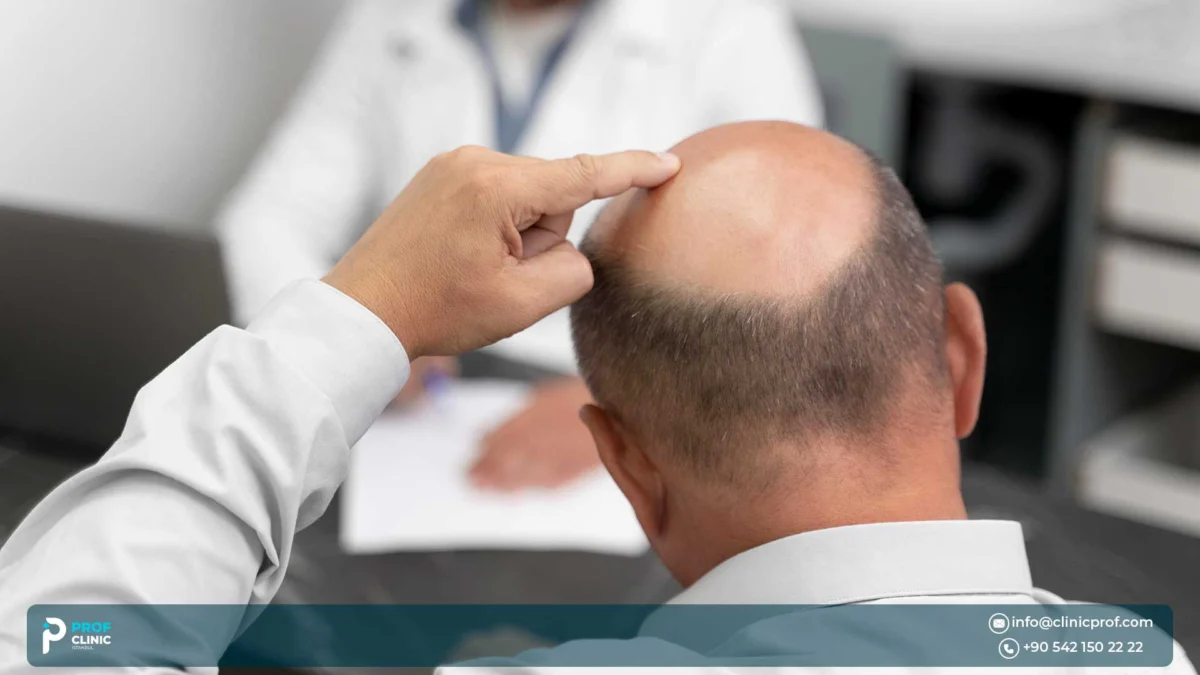
SMP usually suits people who are comfortable with a short or shaved look, or who want thin or scarred areas to show less without surgery. A simple self-check is the shaved-head test: picture yourself with a close crop for the next ten years. If that look appeals, SMP is a candidate; if you want to grow your hair long, it probably isn’t.
A Shaved or Close-Cropped Look
This is the classic use. On a shaved but balding head, the ISHRS says well-placed SMP can convince even a close observer that the shaved head is a style choice. Contrast matters: it describes very dark hair on a light scalp as an ideal case, and says lighter or grey hair can also work with the right grayscale pigment.
Thinning Hair and Scalp Show-Through
Where hair covers the scalp but not densely enough, the dots act as a backdrop that makes the hair look fuller. The Cleveland Clinic lists thin hair and scalp show-through, receding hairlines and crown baldness among the situations SMP may help. It camouflages the loss rather than treating it, so medical treatment for the underlying hair loss is a separate conversation. Pattern hair loss also tends to keep progressing, so the stage you are at today matters for how any plan will look in a few years.
Also read: Norwood Scale: The 7 Stages of Male Hair Loss and Grafts Needed
Scars From Surgery, Injury or Scarring Alopecia
The ISHRS says SMP is often used to hide hair-surgery scars, whether the dotted marks of FUE or the linear scar of a strip operation, and can visually diminish them and sometimes nearly erase them. The catch is that scars are the hardest place to work: pigment in scar tissue often spreads, fades and changes colour unpredictably, so choose a provider who regularly treats scars.
If the scar is a linear strip scar, our guide to FUT Scar Repair: Options to Hide or Correct a Linear Scar compares SMP with the other routes.
Limited Donor Hair or a Transplant That Came In Thin
People whose donor area is too limited for more grafts, or whose transplant gave less fullness than they hoped, are another group. The ISHRS says that when a patient has had a transplant but still lacks the density they want, SMP may be the next best step, and an Indian case series reported that two men with advanced hair loss who were unhappy after a transplant were very pleased with SMP. If your donor area has already been heavily used, read about depleted donor area options.
Not sure whether your hair loss leaves room for a transplant, or whether a shaved look is the better route? Send photos of your scalp to our team on WhatsApp for an honest first opinion on transplant options.
When Scalp Micropigmentation Is Not the Right Choice
SMP is usually a poor fit when you want to keep hair long next to a bald area, when your scalp condition is still active, or when your scalp can’t hold the pigment. These are the main situations to rule out:
- A bald patch beside longer hair: the ISHRS compares it to shaving only part of a head, and advises avoiding SMP where a completely bald area sits next to denser hair longer than about 3 mm. A transplant may suit that pattern better.
- Active scalp disease: scalps with inflammatory conditions such as scarring alopecia, psoriasis or alopecia areata should be stable and disease-free for 2–3 years before SMP, according to the ISHRS.
- Oily or flaky scalp: in some scalps the pigment may not stay, even after repeated attempts.
- A tendency to form keloids: the Cleveland Clinic says people prone to keloid scars should not have SMP.
- Other health factors: one dermatology review lists unrealistic expectations, allergies, bleeding disorders, uncontrolled diabetes, pregnancy and age under 18 among the reasons not to proceed.
- Hair loss that is still progressing: pattern hair loss often continues, so ask how your hairline will look if the hair behind it keeps thinning. The ISHRS notes that some people who expect a higher hairline with age choose a staged design with temporary pigment at the front edge.
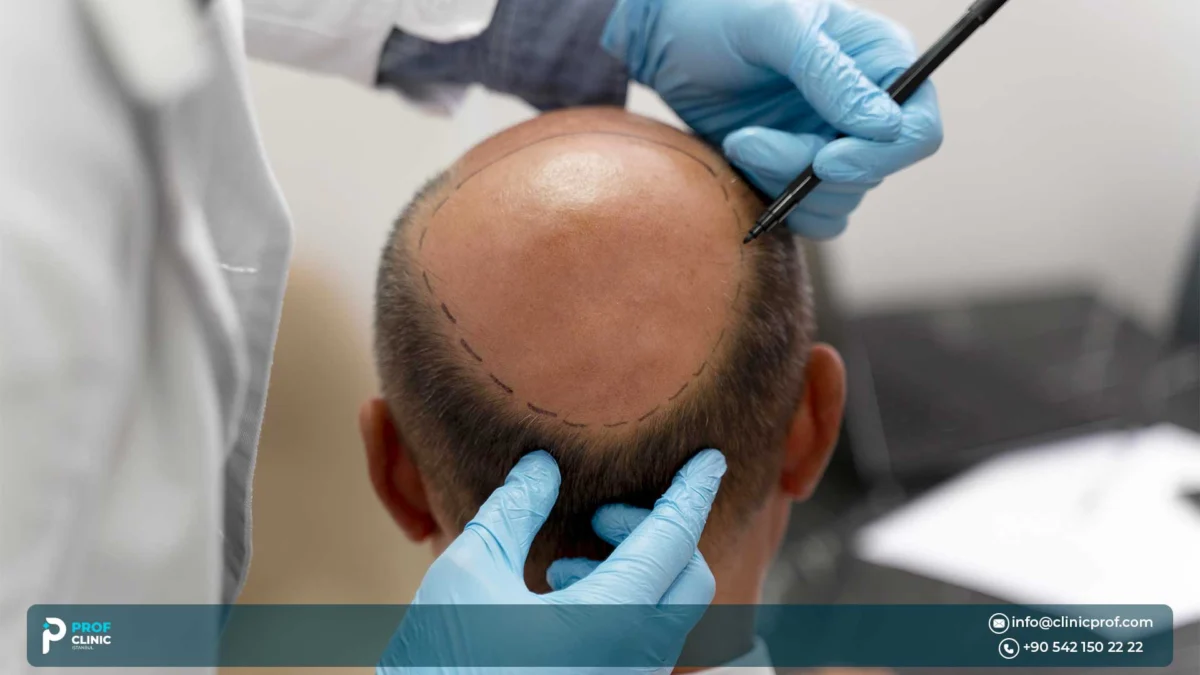
Does Scalp Micropigmentation Work? What the Evidence Shows
For the right person, yes: SMP changes how dense the scalp looks, but the evidence comes from small case series, not large trials. A 2025 series of ten people with localized alopecia (six with androgenetic alopecia and four with scarring alopecia) used a standard three-session protocol. All ten improved, average satisfaction was 2.7 out of 3 and no adverse events were recorded. The density score slipped modestly by the six-month check, and more in scarring alopecia than in pattern hair loss.
An earlier Indian series of 30 patients found the response clearest in people with androgenetic alopecia. Both studies are small and short, so treat them as encouraging rather than as a promise of your result.
Scalp Micropigmentation Before and After: What Photos Can and Cannot Tell You
Before-and-after photos are useful, but they flatter easily. The ISHRS warns that casual phone photos distort scalp images and advises looking for consistent lighting and positioning, ideally with examples seen in person. Because SMP works as an optical illusion of tiny shadows, a result that looks convincing at conversation distance can still show dots under a close macro shot.
- Ask for healed results: photos taken years after treatment show how the pigment ages, not how it looks on the day.
- Match your situation: look for cases like yours, whether a shaved head, thin density or a scar.
- Check the hairline: the hairline design is what makes SMP look natural or obvious.
Scalp Micropigmentation vs Hair Transplant: How to Choose
The two treatments answer different questions: a hair transplant moves your own living hair to where you have lost it, while SMP changes how your scalp looks and adds no hair. Neither is universally better; the right one depends on how much hair you have left, how much donor hair is available and what you want to see in the mirror.
| Question | Scalp micropigmentation | Hair transplant |
|---|---|---|
| What it does | Places pigment dots that imitate hair or stubble; no new hair grows | Moves your own follicles to thin or bald areas, where they grow new hair |
| Time to the full effect | Builds over three or more sessions spaced several weeks apart | The NHS says full results should be seen after 10 to 18 months |
| Recovery | No surgery; avoid wetting, sweating and sun on the scalp for several days | Surgical aftercare, with scabbing and a tight, swollen scalp for a few days |
| Upkeep | Pigment fades over the years, so touch-ups and sun protection matter | Transplanted hair keeps growing, but the hair around it can still thin |
| Usually suits | A shaved or very short look, scars, thin density, limited donor hair | People with enough donor hair who want real hair they can grow and style |
The Cleveland Clinic notes that SMP is less invasive, less painful and lower in cost than transplant surgery, with no downtime, but it never gives you hair you can grow, cut or style long. If you are weighing real hair against a camouflage, a male hair transplant in Turkey is the comparison to price properly.
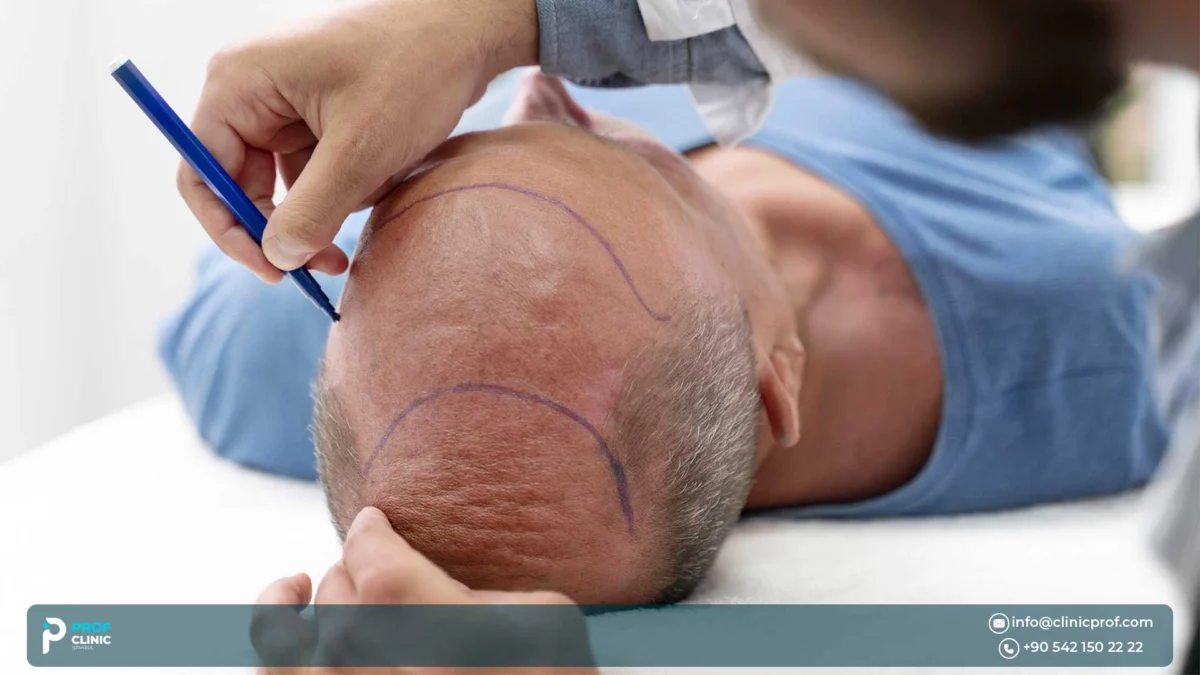
Want a written opinion on whether a transplant is realistic before you decide? Book a free online consultation and send your photos for assessment.
Can You Have Both?
Yes, and many hair surgeons combine them: a transplant places real hair, and SMP then adds density or hides scars. Timing matters, though. The ISHRS says SMP should be avoided for at least a year after a transplant, so the new hair has time to grow in, which is why the growth stages in our hair transplant timeline month by month matter before any pigment is added. If you already have SMP, tell any hair surgeon before planning surgery so it is included in the assessment.
You can see consented transplant cases in our before-and-after gallery.
How Long Does Scalp Micropigmentation Last?
Scalp micropigmentation is long-lasting but not truly permanent, and the sources give a range rather than one number. The Cleveland Clinic says it usually keeps its appearance for four years or longer, while the ISHRS says well-placed SMP lasts 5–10 years, with some people choosing a yearly touch-up. Pigment fades with time, and a dermatology review explains why: a small amount is gradually taken up by the nearby lymph nodes after a few years.
What shortens or changes the result:
- Sun: ultraviolet light fades scalp pigment faster, so the ISHRS calls sun protection for the head essential.
- Pigment and depth: conventional tattoo ink placed too deep can spread, and some inks shift from black or brown to an unnatural shade. In one study, the pigment changed from black to bluish grey over six months.
- Scar tissue: pigment placed in scars is the least predictable.
So the honest answer to “how long does it last?” is several years, with touch-ups, and shorter if the pigment, depth or sun protection are wrong.
Risks, Side Effects and Bad Results
Most people have little more than redness for several hours, according to the Cleveland Clinic, and the biggest risk comes from unlicensed or inexperienced practitioners. Possible problems include an allergic reaction to the pigment, infection from unsterilised equipment and an unnatural look.
Some reactions are delayed. A dermatology review describes foreign-body granulomas and similar reactions appearing 2–4 weeks after micropigmentation, and the US FDA, which regulates tattoo inks as cosmetics, notes that none is approved for injection into the skin. Pigment can also affect MRI images in rare cases, so the FDA advises telling the radiologist about any tattoo rather than skipping a recommended scan.
Poor technique causes most of the visible failures. In a South Korean series of 120 people who needed revision after unsatisfactory SMP, 107 (89.2%) had been treated at a tattoo or cosmetic facility in a beauty salon, and the authors call badly done SMP exceedingly challenging to fix.
What Is Normal and What Is Not
Knowing the difference saves a lot of worry:
- Normal: redness lasting several hours, and a few days of keeping the scalp dry and out of the sun, heat and heavy exercise.
- Not normal: fever, pus or drainage, severe pain, severe redness or swelling, or itchy, raised patches appearing weeks later. Contact your provider promptly.
Can SMP Be Removed or Corrected?
Yes, but not always easily. The ISHRS says a tattoo-removal laser can clear SMP in as little as one session, with more needed if pigment was applied repeatedly or deep, and hair growth is usually undisturbed. Clearing only a small patch is a poor idea, because the cleared spot will never match the older dots around it, so removal tends to be all-or-nothing. The FDA adds that removing any tattoo is painstaking, usually takes several treatments, and complete removal without scarring may be impossible.
The South Korean series found that revision options included laser removal, repeating the SMP, or a hair transplant to conceal the pigment, with patient satisfaction after revision averaging 4.5 out of 5. That is reassuring, but it is still easier to choose the right provider first.
How to Choose a Provider and What to Ask
Choose the provider by their healed, documented results and their sterile practice, not by price or a quick demo. The ISHRS notes that there is currently no international licensing body for SMP practitioners, so you have to check more yourself.
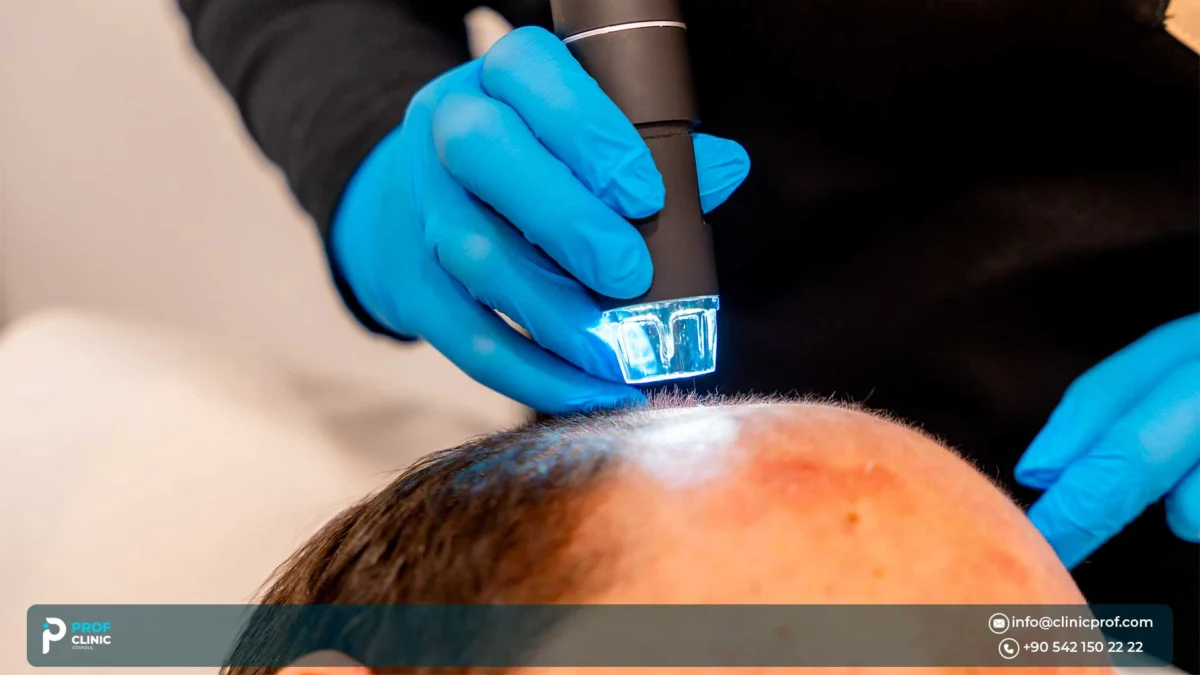
Before you book, ask:
- Experience with scalps: does the provider specialise in scalp work, and can they show photos in consistent lighting, including results several years old? The ISHRS warns that casual phone photos distort scalp images.
- Licence and hygiene: are they licensed where they work, and are needles single-use and sterile? In Turkey, check the clinic’s Ministry of Health licensing.
- The plan: how many sessions, what the design will look like if your hair keeps thinning, and which pigment will be used.
- Your suitability: do they screen for allergies, keloids, scalp conditions and expectations before starting?
- Aftercare and problems: what the aftercare is, and who you contact if something goes wrong once you are home.
How Much Does Scalp Micropigmentation Cost?
There is no standard price, and the Cleveland Clinic says insurance does not cover SMP because it is elective; it advises asking for the total cost and the number of treatments before you start. We haven’t found a medical source that publishes a reliable average, so treat any single figure you see online as one provider’s own pricing.
What moves the price:
- The size of the area, from a hairline or a scar to a full scalp.
- The number of sessions needed to build the density.
- Whether touch-ups are included, and how many years they cover.
- The provider’s training and the pigment and equipment used.
For a fair comparison, count the touch-ups over the years rather than only the first course. If you are weighing SMP against grafts, note that a scalp hair transplant package in Istanbul usually runs to about €1,800–€3,500. This is an approximate 2026 range, not a final price: it depends on your case after assessment and is confirmed in a written quote. Ask for an itemised quote that shows what a package includes and what it does not.
Weighing SMP Against a Transplant: Where Prof Clinic Fits
SMP is a separate procedure from a hair transplant, and it is not one of the hair services Prof Clinic lists on its site: scalp, afro and curly, eyebrow, and beard and moustache transplants. What the team can do is help you decide whether a hair transplant in Turkey is realistic for you, which in some cases is the question that decides whether SMP is needed at all.
If grafts start to look like a better route than pigment, these are the points worth confirming before you book a flight:
- Honest expectations: no one can promise a density before seeing you, so the likely result is talked through case by case.
- Medical assessment: your case is examined and the treatment planned by Spc. Dr. Lütfi Öztürk, the internal-medicine specialist who leads hair restoration and also coordinates your follow-up.
- Techniques: the choice between FUE, DHI, Sapphire FUE and Micro FUE depends on your donor area and the hair you have.
- A written quote: it arrives once your photos have been reviewed, and the package covers the procedure, your accommodation, airport and hotel transfers, and post-op care.
- Follow-up: a stay in Istanbul typically lasts 2–4 days, and once you are home the coordination team keeps advising you over WhatsApp.
FAQs About Scalp Micropigmentation
Does scalp micropigmentation hurt?
Most people find it tolerable. A numbing medicine is applied first, and the Cleveland Clinic says the needles are thinner than tattoo needles, so it is usually less painful than a tattoo. The scalp can still feel tender, and a long session may be uncomfortable, so ask what numbing is used and how long each session lasts.
How long does scalp micropigmentation last?
Usually several years, not for life. The Cleveland Clinic says it generally keeps its appearance for four years or longer, and the ISHRS puts well-placed SMP at 5–10 years, with some people choosing yearly touch-ups. Sun exposure, pigment choice and needle depth all change how quickly it fades.
Can scalp micropigmentation be removed?
Yes, with a tattoo-removal laser, but it is better to plan carefully than to rely on removal. The ISHRS says it can take as little as one session, or more if pigment was applied repeatedly or deep. The FDA notes that tattoo removal is generally slow and complete removal without scarring may not be possible.
Does SMP work for thinning hair or only for a bald head?
It can work for both. For thinning hair, the dots sit between existing hairs and reduce the see-through effect, and the ISHRS says SMP works very well where hair covers the scalp but is thinner than you want. It is harder to blend a completely bald area beside longer hair.
Is scalp micropigmentation a good option for a receding hairline?
It can be, mainly if you wear your hair short or shaved. The Cleveland Clinic lists receding hairlines among the conditions SMP may help, and the provider plans the hairline around your face shape and age. If you want longer hair in front, a transplant is often the better conversation.
Can I have a hair transplant and SMP together?
Often yes. Some people have a transplant first and add SMP for density or to hide scars. The ISHRS advises waiting at least a year after a transplant before SMP, so the new hair can grow in. If you already have SMP, tell your hair surgeon before surgery so it can be part of the assessment.
Is Scalp Micropigmentation Right for You? The Short Answer
Scalp micropigmentation is the right choice when your goal is a convincing look of hair, short or shaved, rather than real hair that grows, and when you have found an experienced, hygienic provider who shows healed results. Check your scalp condition, your donor hair and how your hair loss may progress first, and expect touch-ups over the years.
The safest first step is an assessment of what your hair loss actually leaves room for. If you want to know whether a hair transplant in Istanbul is an option, contact Prof Clinic and send your photos for an assessment.
Sources
- ISHRS — Scalp Micropigmentation (SMP): All You Need to Know
- Cleveland Clinic — Scalp Micropigmentation
- U.S. Food and Drug Administration — Tattoos & Permanent Makeup: Fact Sheet
- NHS — Hair transplant
- Journal of Cutaneous and Aesthetic Surgery — Standardization of SMP Procedure and Its Impact on Outcome (Dhurat et al., 2017)
- Journal of Cosmetic Dermatology — Scalp Micropigmentation Is an Effective Treatment for Localized Alopecia (Liu et al., 2025)
- Indian Dermatology Online Journal — Micropigmentation (Kerure et al., 2023)
- International Journal of Dermatology — Revision for unsatisfactory outcomes of scalp micropigmentation (Park et al., 2025)