Can you have a hair transplant for alopecia areata? Usually not while the condition is active. Alopecia areata is an autoimmune disease in which the immune system attacks hair follicles, and a transplant places new follicles into that same environment, so dermatologists and hair surgeons generally treat the disease first and consider surgery only after a long, stable period, if at all.
In this guide by Prof Clinic, you’ll learn who is not a good candidate, which dermatology treatments come first, what “stable” is usually taken to mean, and how eyebrows and beard differ. By the end, you’ll know what to ask before you book any surgery.
Can You Have a Hair Transplant for Alopecia Areata?
For most people with active alopecia areata the answer is no, and for people with a long history of inactive patches it is “possibly, after specialist assessment”. The condition is not a permanent loss of follicles the way pattern baldness is. The American Academy of Dermatology (AAD) explains that the immune system mistakenly attacks the follicles but rarely destroys them, which is why hair can regrow, and why surgery is often the wrong tool for a problem that may still be reversible.
Why Active Alopecia Areata Rules Out Surgery
A review of surgical candidacy in the Indian Journal of Plastic Surgery states that hair transplant is contraindicated in the presence of active alopecia areata, even when pattern hair loss is also present, because surgery may precipitate a recurrence and the transplanted hair may be affected. A review in the Indian Dermatology Online Journal agrees: in active or unstable disease a transplant is not the treatment of choice, since the grafts might be destroyed by the underlying autoimmune process and, in rare cases, surgery may exacerbate the disease.
What the Evidence Shows, and What It Doesn’t
The evidence is thin. The Indian Dermatology Online Journal review notes there is very little data on transplantation in alopecia areata, mostly single case reports. One 2010 report describes a 24-year-old man whose eyebrows had not responded to medical treatment and whose disease had been stable for 18 months. After follicular unit extraction (FUE) with hair from the back of his head, regrowth was about 40% at one year and about 80% at two years, though it stayed weaker in the inner part of the brows. The authors themselves call surgical treatment of alopecia areata controversial.
One case can’t tell you what will happen to you. It shows that carefully chosen, stable cases have grown hair, not that a transplant is a safe or standard treatment for alopecia areata.
Wondering where your own case sits? Send clear photos of your scalp to our team on WhatsApp and tell us what your dermatologist has said, so we can point out what to clarify before any surgical discussion.
Alopecia Areata vs Pattern Baldness: Why the Difference Matters
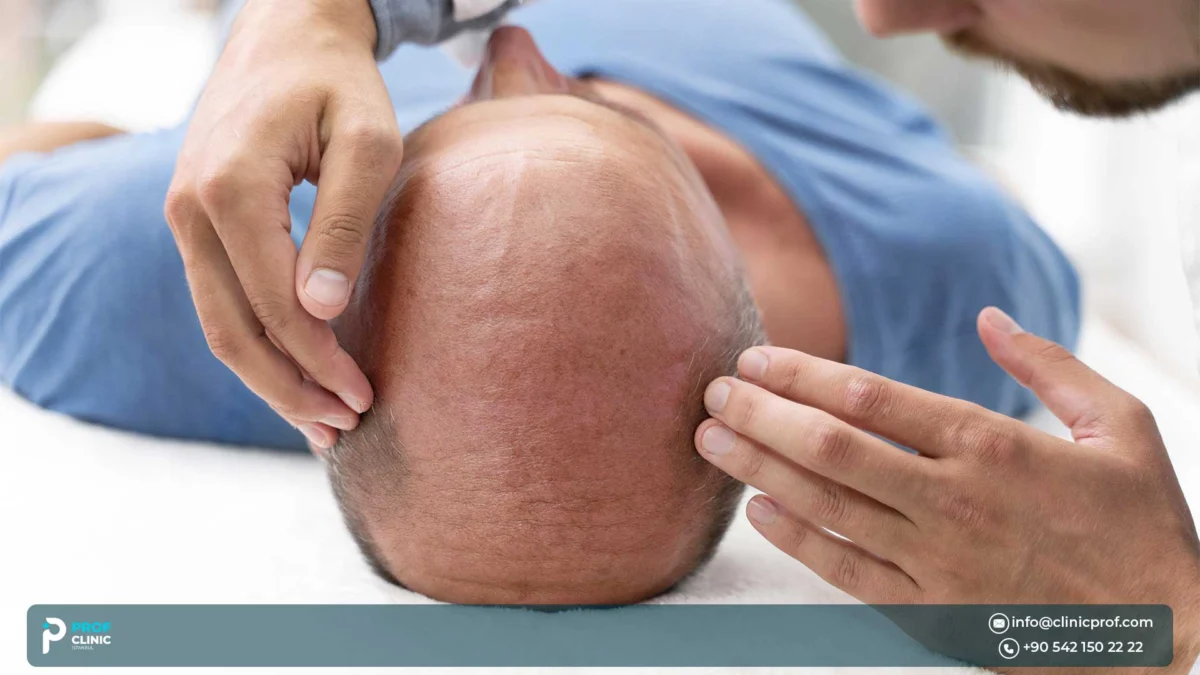
Pattern baldness is a gradual thinning that follows a predictable shape, while alopecia areata is an immune-driven condition in which hair can fall out, regrow and fall out again. Transplants suit stable pattern loss best, which is why the diagnosis matters more than how the scalp looks in a photo.
How Alopecia Areata Looks and Behaves
Cleveland Clinic describes alopecia areata as an autoimmune disease that attacks hair follicles and causes patchy hair loss, most often on the scalp but also in facial hair, eyebrows, eyelashes and body hair. It is unpredictable: hair may regrow and stay, or regrow and fall out again, and the condition doesn’t simply go away. DermNet puts the lifetime risk at about 2%, with onset most often in the second and third decades of life.
Some patterns matter a great deal for surgery:
- Ophiasis: DermNet describes band-like loss along the back and side edges of the scalp, which is where surgeons normally look for donor hair, so the donor area itself may be unreliable.
- Alopecia totalis and universalis: total loss of scalp hair, or of all body hair, leaving little or no stable donor hair. Cleveland Clinic notes these forms are less likely to respond to treatment.
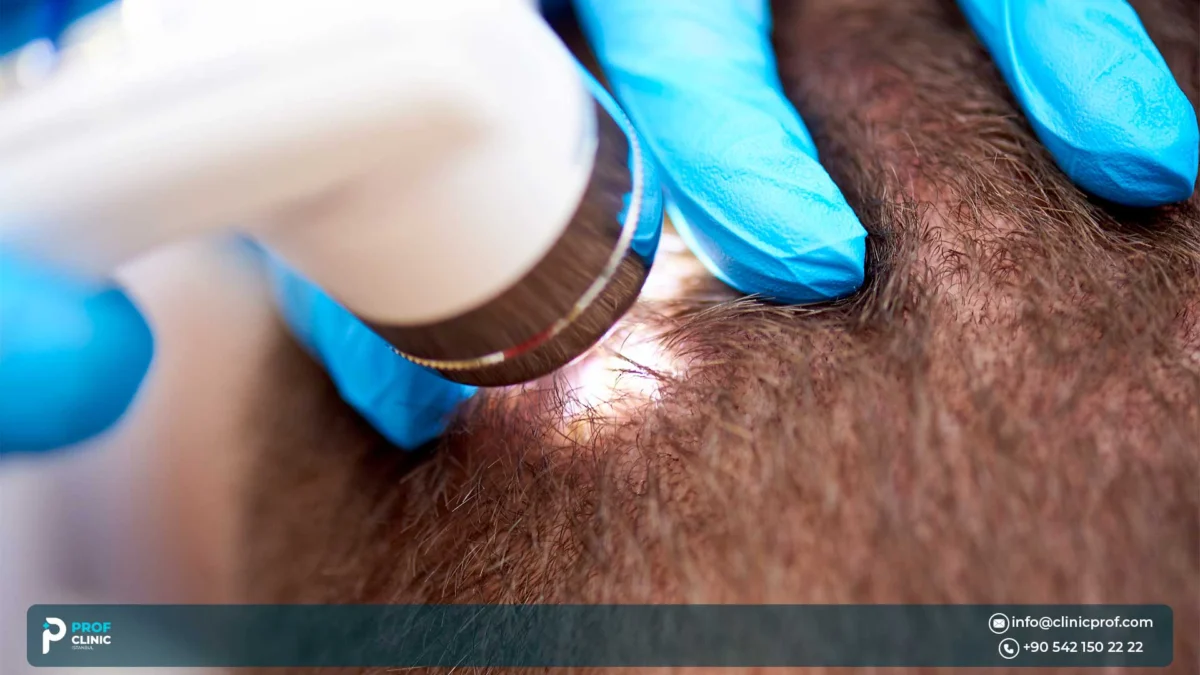
- Signs of activity: under magnification, DermNet lists exclamation-point hairs, broken hairs, yellow dots and black dots as features of active disease.
When Both Conditions Overlap
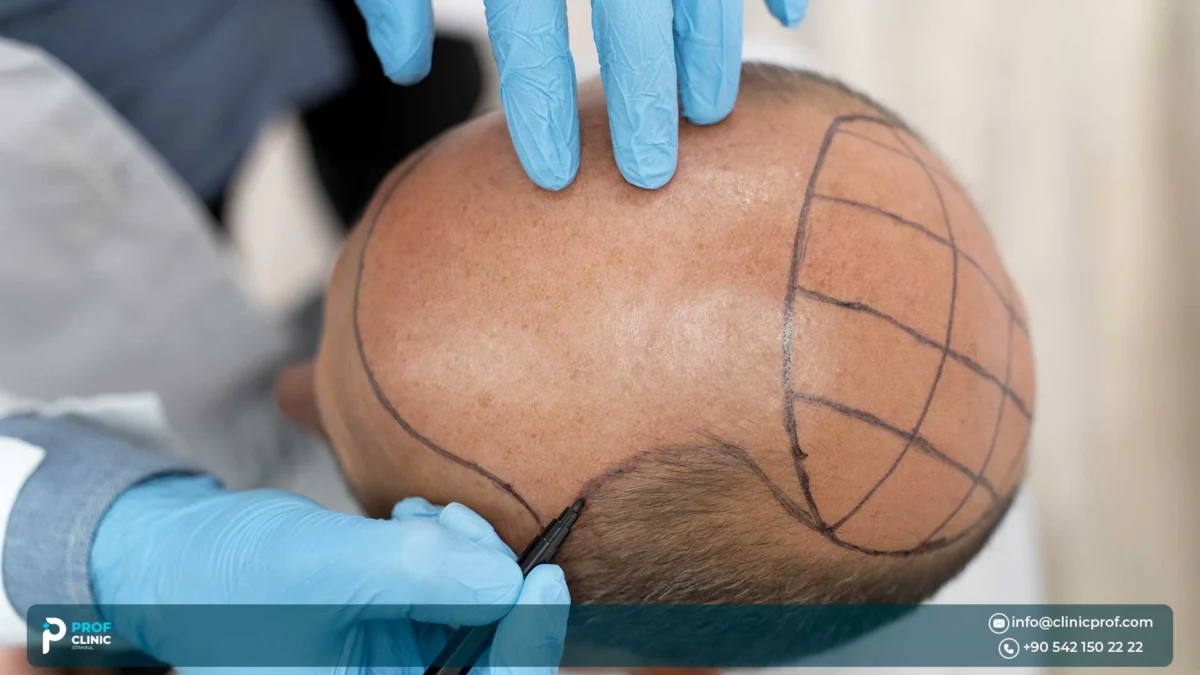
You can have alopecia areata and pattern baldness at the same time. The Indian Journal of Plastic Surgery review notes that alopecia areata may coexist with pattern hair loss, and that active disease rules out a transplant even then. DermNet adds that one form, ophiasis inversus, can resemble male pattern hair loss, and that telogen effluvium (a temporary shedding) may mimic diffuse alopecia areata. That is why a careful, magnified scalp examination comes before any decision.
If your main concern is a receding hairline or a thinning crown, our guide to Norwood Scale: The 7 Stages of Male Hair Loss and Grafts Needed explains how pattern baldness is staged, and a male hair transplant in Turkey is planned only once the cause of your loss is clear.
Who Is Not a Good Candidate: Alopecia Areata Cases at a Glance
The table summarises how these situations are usually viewed. It is a general guide, not a diagnosis; the decision belongs to your dermatologist and the surgeon after examining you.
| Your situation | What it usually means for a transplant | Why |
|---|---|---|
| New or spreading patches, or any relapse in the last two years | Not a candidate for now | Active disease can attack new grafts and surgery may trigger a recurrence |
| Patches that are regrowing or still under treatment | Wait and treat first | Hair may return without surgery, and treatment response needs time |
| Ophiasis (band at the sides and back) | Usually unsuitable | The donor zone itself may be involved |
| Alopecia totalis or universalis | Usually unsuitable for scalp surgery | Little or no stable donor hair, and these forms respond less to treatment |
| Patchy loss with no confirmed diagnosis | Not a candidate until diagnosed | Magnified examination, biopsy and dermatology referral come first |
| Long-standing patches, inactive for two or more years, confirmed by a dermatologist | May be assessed case by case | Risk is lower but not eliminated, and evidence is limited |
| Alopecia areata plus separate pattern baldness | Only once the alopecia areata is inactive | Active disease rules out surgery even when pattern loss is also present |
Have a dermatology report in hand? Share it with our medical team along with your photos, so your history is part of the conversation from the first message.
Alopecia Areata Treatment: What to Try Before Thinking About Surgery
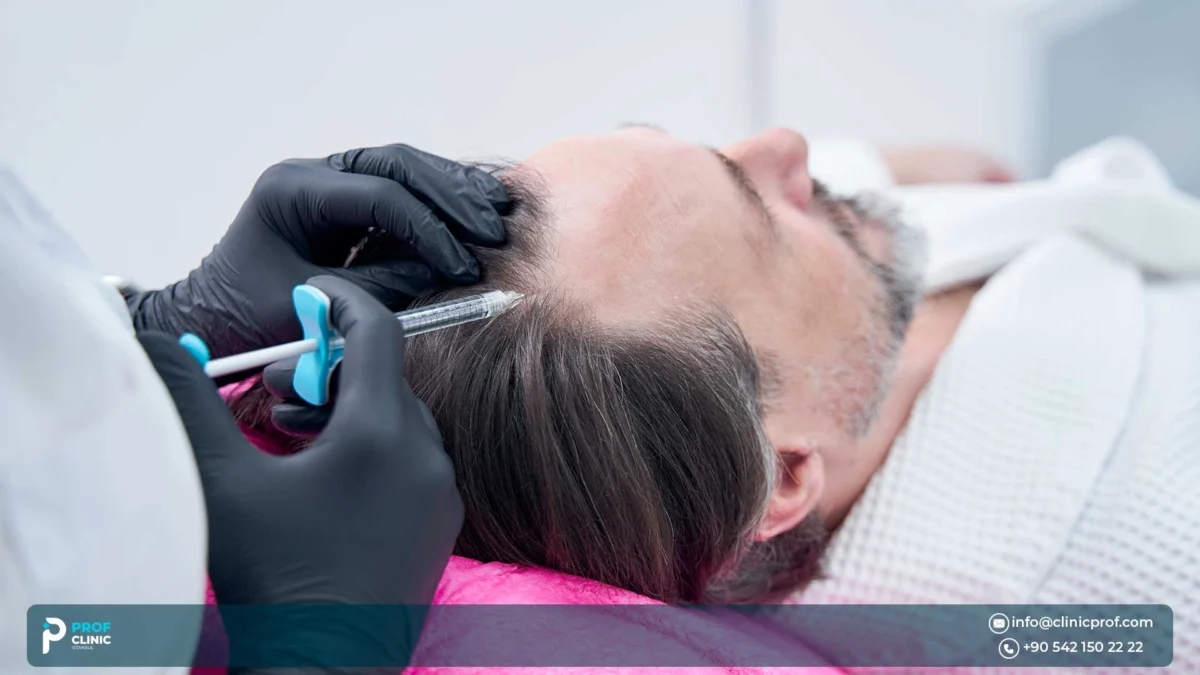
Treatment for alopecia areata is medical and led by a dermatologist, and it often works well enough that a transplant is never needed. DermNet is clear that there is no cure, but several options can trigger regrowth or keep the disease quiet.
Regrowth Without Treatment
For many people, hair regrows on its own, according to the AAD, and this is more likely when only a few patches are present and they have lasted under a year. Regrowth can be slow, and sometimes the hair doesn’t return, so “wait and see” works best with a dermatologist’s follow-up rather than alone.
Treatments a Dermatologist May Offer
The AAD explains that no single treatment works for everyone, and the choice depends on how much hair is lost, for how long, where, and on your age. The options it describes include:
- Corticosteroid injections: given directly into the patches, and called the most effective treatment for people with a few patches, usually in adults.
- Topical corticosteroids and minoxidil: topical steroids tend to work better in children than adults, and minoxidil has few side effects.
- Contact immunotherapy: success in growing hair ranges from 17% to 75%, and missed appointments can make regrown hair fall out again.
- JAK inhibitors: many studies show 50% or greater regrowth. Baricitinib and ritlecitinib are approved for severe alopecia areata from age 12, and deuruxolitinib for adults.
Approval and availability differ from country to country, so ask your dermatologist what applies to you. If you also use a pattern-baldness medicine, our guide to Finasteride and Minoxidil for Hair Loss and After a Transplant explains how those drugs fit around surgery.
Covering the Patches in the Meantime
While you wait for regrowth, DermNet lists camouflage options such as wigs, hairpieces and styling products. They don’t treat the disease, but they take the pressure off, so you can decide about surgery calmly instead of in the middle of a flare.
When Might a Stable Case Be Assessed?
A stable case may be assessed once the disease has been quiet for a long time and a dermatologist confirms it, and even then a transplant remains a judgement call, not a standard option. The Indian Journal of Plastic Surgery review gives two or more years without active disease as the point where the risk is diminished, while stressing that it is not eliminated.
What Counts as Inactive
Doctors usually look for several things together:
- A long quiet period: no new or spreading patches and no relapse for an extended time, which the review puts at two years or more.
- A confirmed diagnosis: the review recommends magnified examination, a biopsy where needed and dermatology referral whenever patchy loss is found.
- A clear donor area: the whole scalp, donor zone included, is examined for patches.
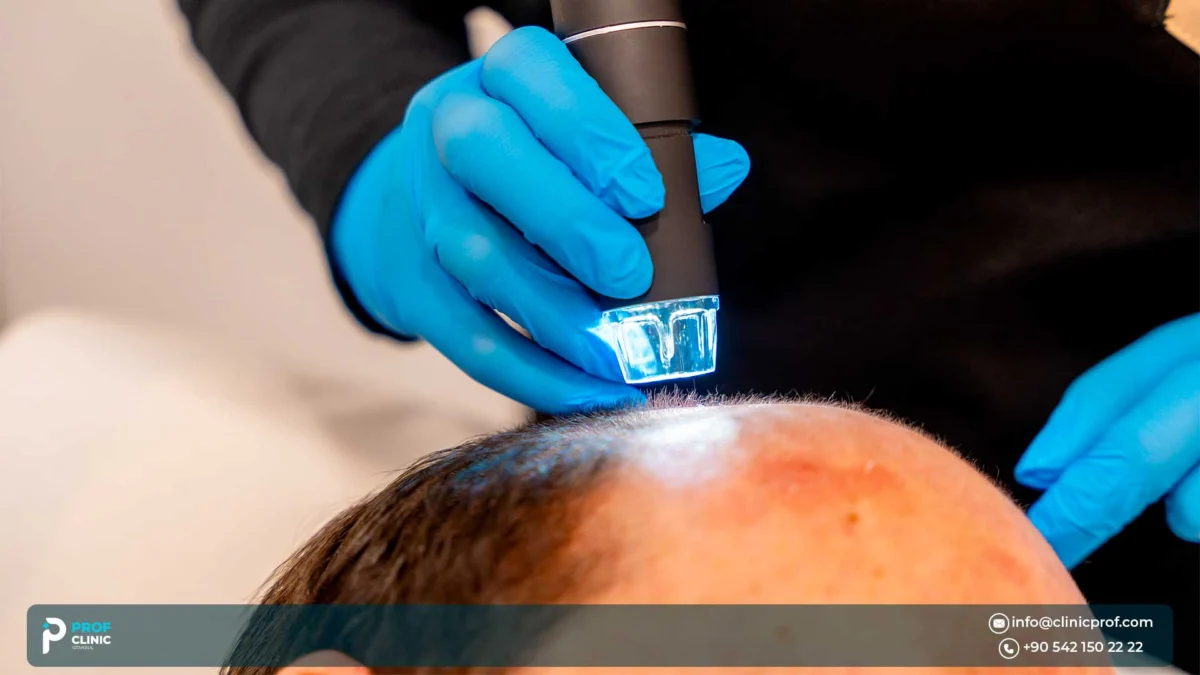
- No signs of activity under magnification: no exclamation-point hairs, broken hairs, or yellow and black dots in the affected areas.
What a Pre-Surgery Assessment Should Cover
Before any clinic quotes a price, expect it to cover these points:
- Your full history: when the patches began, relapses, past treatments and family history. The AAD links alopecia areata with other autoimmune conditions such as thyroid disease, vitiligo and psoriasis, so mention those too.
- A magnified scalp examination: of the recipient area and the donor zone.
- A written opinion from your dermatologist: stating whether the disease is inactive and for how long.
- A frank talk about recurrence: what could happen to transplanted hair if the disease returns.
Realistic Results in Stable Cases
Published reports are encouraging but small. The Indian Dermatology Online Journal review summarises a 2005 eyebrow case in which the disease partly recurred in the first 8 months, responded to steroid injections, and reached about 80% hair growth at 24 months. It also describes a scalp and eyebrow case that grew well, and a long-standing beard case in a 22-year-old with sustained growth after FUE. The authors suggest that follicles taken from the back of the head may keep their own growth characteristics, an idea known as donor dominance.
Treat these as possibilities, not promises: relapse can still happen and may affect transplanted hair.
Disease quiet for years and a dermatologist agrees? Book a free online consultation and send your report and dated photos for an assessment.
Eyebrow and Beard Alopecia Areata: Does the Same Rule Apply?
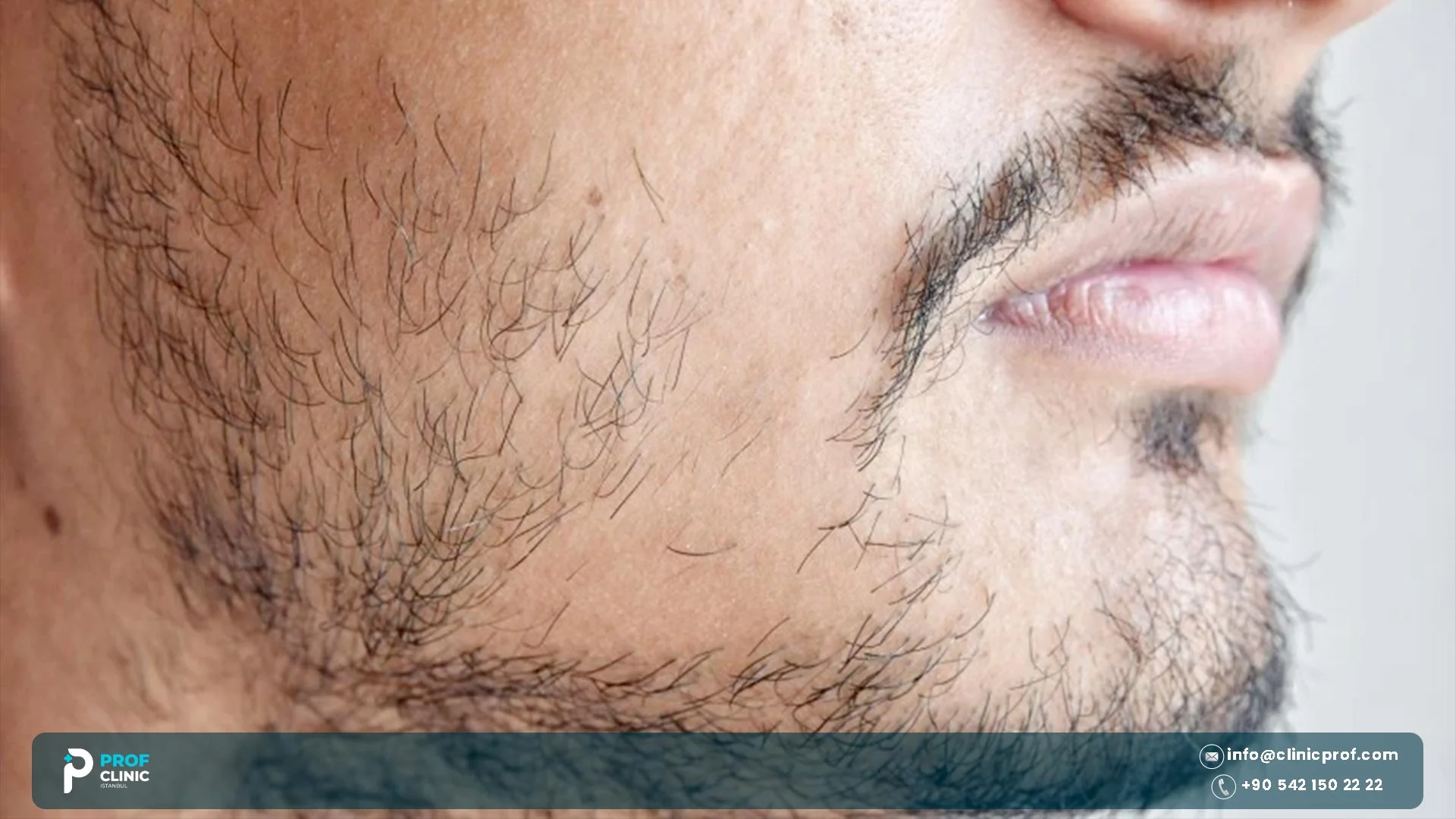
Yes, the same rule applies: transplanting into eyebrows or beard is considered only when the disease is inactive, because the immune process doesn’t depend on where the follicle sits. Cleveland Clinic lists facial hair and eyebrows among the usual sites of alopecia areata.
The main published evidence for eyebrows is the case reports above. For how alopecia areata differs from scarring types, and what camouflage options exist, see our guide on eyebrow transplants for scars and alopecia.
Also read: Eyebrow Scar Hair Transplant: Scars, Alopecia and Who Qualifies
Beard patches follow the same logic. The long-standing beard case mentioned earlier is a single report, so it shows what is possible after a stable period, not what to expect. Thinning eyebrows also have many causes besides alopecia areata, so confirm yours first.
Also read: Eyebrow Hair Loss Causes, Warning Signs and Treatment Options
Your Next Steps If You Have Alopecia Areata
Follow this order, and a surgical question usually answers itself:
- See a dermatologist: Cleveland Clinic advises calling a healthcare provider as soon as you notice hair loss.
- Ask about activity: is the disease active, and how long has it been quiet?
- Give treatment time: Cleveland Clinic says new growth may appear around 4 to 12 weeks after starting treatment, depending on the treatment.
- Wait for a long stable period: only then ask a hair transplant clinic for a written assessment.
- Share your history openly: a clinic that doesn’t ask about your autoimmune history and dermatology reports isn’t assessing you properly.
Alopecia Areata Cases and Prof Clinic in Istanbul
Prof Clinic is an Istanbul clinic for hair and dental care. Alopecia areata itself is a dermatology matter, and what a hair clinic can add is a careful assessment of whether surgery makes sense once your disease is quiet. Our hair transplant in Turkey service starts with a medical assessment, carried out by Spc. Dr. Lütfi Öztürk, the internal-medicine specialist who leads hair restoration, plans treatment and coordinates follow-up. He is not a dermatologist, so your own dermatologist’s opinion on disease activity stays central.
If your dermatologist agrees the disease is quiet, these are the points to check before travelling:
- Pre-op tests: before the operation you have an ECG, a blood count, blood sugar and electrolytes, kidney and liver function tests, and hepatitis and HIV screening.
- Techniques: the method (FUE, DHI, Sapphire FUE or Micro FUE) is matched to your hair and donor area.
- Honest expectations: expected density is discussed individually and not promised in advance, which matters even more with an immune condition.
- A written quote: after reviewing your photos, the team puts the price in writing; the package covers the procedure, accommodation, airport and hotel transfers, and post-op care.
- Follow-up after you fly home: the coordination team gives advice over WhatsApp.
Cost only matters once surgery is genuinely on the table: in Istanbul, a scalp hair transplant package sits at around €1,800–€3,500. Read that as an approximate 2026 range rather than a final price; your assessed case sets the figure and the written quote confirms it.
FAQs About Alopecia Areata and Hair Transplants
Can you get a hair transplant if you have alopecia areata?
Usually not while the disease is active. Surgeons treat active alopecia areata as a contraindication because surgery may trigger a recurrence and the new grafts can be attacked. A case may be assessed only after a long inactive period and a dermatologist’s confirmation, and even then the outcome is less predictable than in pattern baldness.
Can alopecia areata come back after a hair transplant?
Yes, it can. A review in the Indian Journal of Plastic Surgery warns that surgery may precipitate a recurrence and that transplanted hair may be affected. After two or more years without active disease the risk is lower, but it is not eliminated, so ask your dermatologist how closely you should be monitored afterwards.
How long should alopecia areata be inactive before a transplant?
There is no universal rule, but one surgical review points to two or more years without active disease as the point where the risk falls. Your dermatologist decides whether your condition counts as inactive, based on your history, your scalp examination and, where needed, a biopsy.
Will my hair grow back without a transplant?
Often, yes. The American Academy of Dermatology says hair regrows on its own for many people, more often when only a few patches have been present for under a year. Regrowth can be slow and sometimes doesn’t happen, which is why a dermatologist’s follow-up matters more than waiting alone.
Can you transplant eyebrows or beard hair for alopecia areata?
Only when the disease is inactive, and the evidence is limited to case reports. One eyebrow case reached about 80% regrowth at two years after the disease had been stable, and another report describes sustained beard growth. These cases show what is possible, not what is typical.
Can a hair transplant cure alopecia areata?
No. A transplant moves hair follicles; it doesn’t treat the immune process behind the condition, and DermNet notes there is no cure for alopecia areata. Treatments aim to trigger regrowth or keep the disease quiet. Surgery is, at most, a cosmetic option for a rare, stable case.
The Bottom Line on Alopecia Areata and Hair Transplants
A hair transplant for alopecia areata is the exception, not the rule: treat the disease with a dermatologist first, wait for a long and confirmed stable period, and only then ask whether surgery is worth the risk of recurrence. The safest first step is a clear diagnosis, not a surgical date.
If your disease has been quiet and you’re thinking about a hair transplant in Istanbul, contact Prof Clinic and send your dermatology report with your photos for an honest first assessment.
Sources
- American Academy of Dermatology — Hair loss types: Alopecia areata causes
- American Academy of Dermatology — Hair loss types: Alopecia areata diagnosis and treatment
- Cleveland Clinic — Alopecia Areata: Symptoms, Causes, Treatment & Regrowth
- DermNet — Alopecia Areata: Causes, Diagnosis, and Treatment
- Indian Journal of Plastic Surgery — Is Every Patient of Hair Loss a Candidate for Hair Transplant? Deciding Surgical Candidacy in Pattern Hair Loss (True, 2021)
- Indian Dermatology Online Journal — Follicular Unit Extraction [FUE]: One Procedure, Many Uses (Kerure et al., 2021)
- The Journal of Dermatology — Hair transplantation for therapy-resistant alopecia areata of the eyebrows: is it the right choice? (Civaş et al., 2010)