How many days in Turkey for a hair transplant do you actually need? Most patients plan for 2 to 4 days in Istanbul, counting the day they land and the day they fly home. The operation itself usually takes one day, but the trip is longer because you need time to arrive and rest, a check the day after surgery, and a safety margin for your flight.
In this guide from Prof Clinic, you’ll find a day-by-day itinerary, what can add a day to your stay, how days in Turkey differ from days off work, when to book flights and a hotel, what to pack, and what the first night after surgery is like. These are general planning guidelines, not a fixed schedule. Your surgeon and coordinator confirm your dates after assessing your case.
How Many Days in Turkey for a Hair Transplant? The Short Answer
For most scalp transplants, 2 to 4 days is a realistic window, and the exact number depends on how long your session is, when your flights land and leave, and when your surgeon wants to check you before you go home. The American Academy of Dermatology (AAD) says a hair transplant takes between four and eight hours, and that a large session may mean returning for a few hours the next day. Prof Clinic’s male hair transplant page says FUE sessions usually last 7–8 hours and may be spread over more than one day.
The table shows the common trip lengths. Count your arrival day and your departure day as days.
| Stay | What it usually looks like | Usually suits |
|---|---|---|
| 2 days | Land, operate and be checked on a compressed schedule, then fly | Only when your surgeon agrees to a compact plan; there is little margin for delays or swelling |
| 3 days | Arrive and settle in, surgery on day 2, check and first wash lesson on the morning of day 3, afternoon or evening flight | A standard session and a flight home that leaves comfortably after the check |
| 4 days | The same plan with a full rest day before departure | Longer flights, a session that may spill into a second day, or anyone who prefers more margin |
| 5 days or more | Extra recovery days or a second visit to the clinic | Large or split sessions, more than one area treated, or a medical point your surgeon wants to monitor |
Read these as typical ranges, not as a fixed rulebook. The way to turn them into a real plan is to ask for the dates in writing once your surgeon has seen your photos and history.
Not sure how many days your own case needs? Ask our team for a written day-by-day plan before you book anything.
A Typical Day-by-Day Hair Transplant Itinerary in Istanbul
A typical four-day shape looks like the plan below. If you fly home on the afternoon or evening of day 3, the last two days merge into one.
Day 1: Arrival, Transfer and Pre-Op Checks
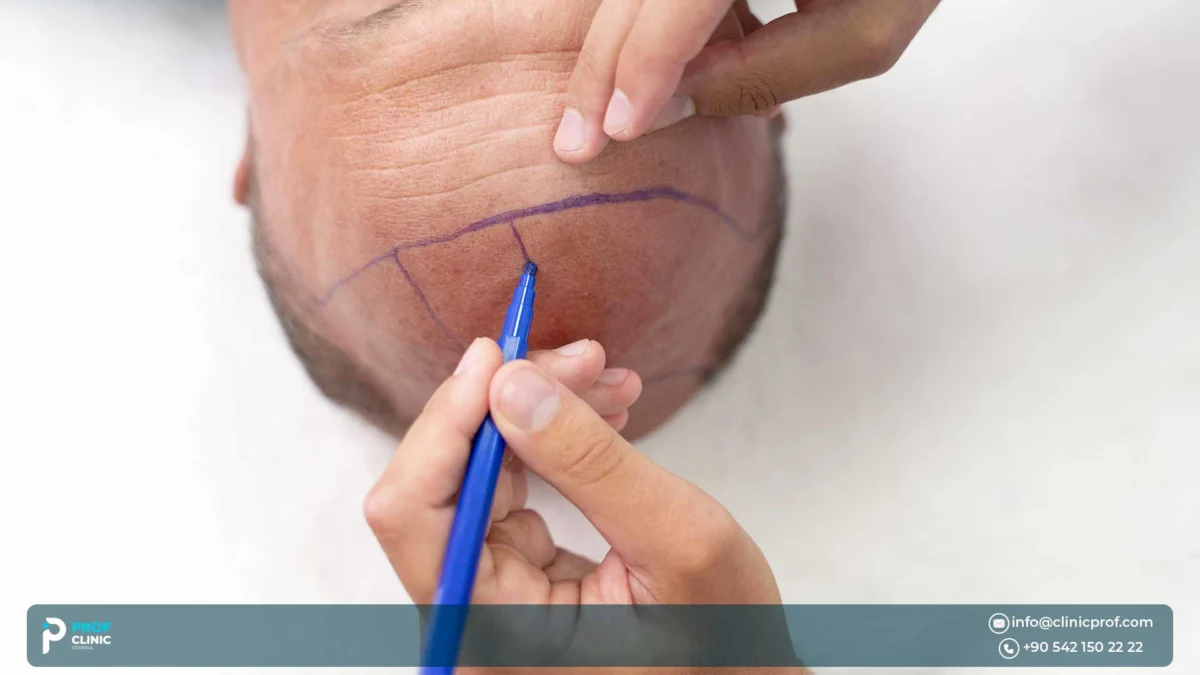
Aim to land at a sensible hour rather than at 4 a.m., because you want to be rested before a session that can last most of a day. Prof Clinic’s service pages describe packages that cover airport transfers and a hotel stay, so confirm in writing who meets you at arrivals and where you are staying. Before surgery, the clinic carries out pre-op tests (blood count, ECG, kidney and liver function, electrolytes, blood sugar and screening tests), and the surgeon confirms the hairline and graft plan. Whether this happens on the arrival evening or on the morning of surgery depends on your schedule.
Keep the night quiet. Prof Clinic’s pre-surgery guidelines for men say to avoid alcohol for 3 days before surgery, which rules out the in-flight drink and the hotel bar.
Day 2: Surgery Day
Expect most of the day at the clinic. According to the AAD, most patients stay awake and need only an anaesthetic that numbs the scalp, and some take a mild sedative to relax. The NHS adds that a hair transplant usually takes a day and that you should not need to stay overnight, so you return to your hotel the same evening with a dressing and written aftercare instructions. Wear a shirt that opens at the front, so you never have to pull anything over your head.
If your session is large, keep the morning of day 3 free, because the AAD notes you may need to return for a few hours the next day.
Day 3: First Check and Wash Lesson
A check the day after surgery is worth keeping in your plan. The scalp is usually tight, achy and swollen for a few days, according to the NHS, and this visit is when your team looks at the grafts, deals with the dressing and shows you how to wash. The practical takeaway: learn the wash technique in person, not from a video the night before you fly.
Sources give different timings because surgeons’ protocols differ. Cleveland Clinic lists bandage removal on day 1 and a first wash on day 2, the American Society of Plastic Surgeons (ASPS) says bandages are usually removed one day later and gentle washing is allowed within two days, and the NHS says bandages can usually come off after 2 to 5 days, with gentle hand washing from around day 6. Follow your own surgeon’s instructions, not the earliest or latest date you find online.
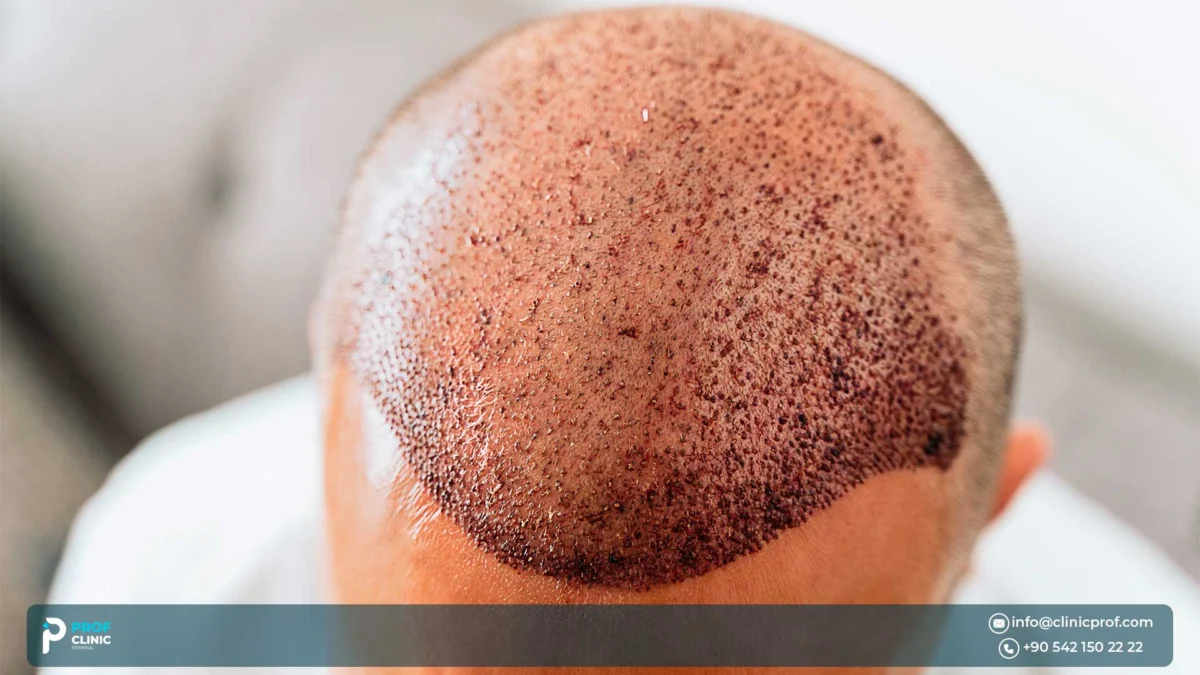
For the full washing and care routine, read Hair Transplant Aftercare: Day-by-Day Guide to the First 30 Days, which sets out each step of that first month.
Day 4: Departure Day and What to Take Home
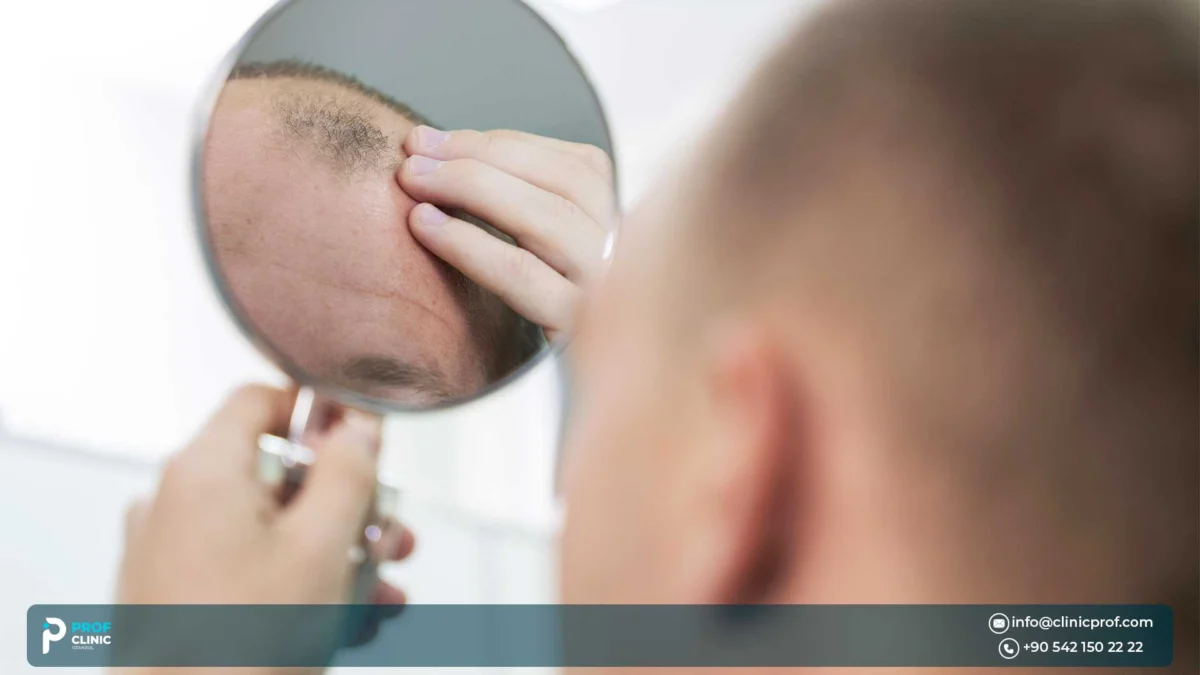
Leave a relaxed morning instead of racing to the airport. Before you go, make sure you have the written aftercare sheet, the dates of your next washes, your medication list and the contact route for questions, which at Prof Clinic is the coordination team on WhatsApp. It also helps to take your own photos of the front, sides, crown and donor area now, so you have a baseline to compare against in the following weeks.
Whether it is safe to fly the same day or the next is your surgeon’s call. For cabin tips and what to say at security, see Flying After a Hair Transplant: When It Is Safe and How to Travel.
What Can Add a Day or Two to Your Stay
A few things regularly stretch a plan beyond the minimum, and it is better to know them before you book flights.
- A split session: large sessions can run into a second day, as the AAD and Prof Clinic’s male service page both note.
- Swelling: forehead and eyelid swelling is a common consequence of hair transplant surgery, and a study in the Journal of Cutaneous and Aesthetic Surgery checked patients daily until day 6 because swelling tends to peak roughly 2 to 6 days after the operation. If you leave early, expect it to appear after you are home; if you would rather not fly at that point, add a day.
- Your flight home: a long journey, a connection or a late-night departure argues for a margin. Your surgeon decides when flying is sensible for you, and the NHS notes that air travel after surgery raises the risk of blood clots, although its timings are given for larger cosmetic operations rather than hair transplants.
- A medical point: if the pre-op tests or your medication list raise a question, your surgeon may want to review it before surgery or monitor you afterwards.
- Stitches: if your plan involves stitches, as it may with FUT, sources put their removal at roughly a week to 14 days (ASPS: a week to 10 days; NHS: 10 to 14 days for non-dissolvable stitches), so ask who will remove them and where.
It is tempting to turn the extra days into a holiday, but the NHS advice on cosmetic surgery abroad says you need to rest, and should not drink alcohol, lie in the sun, go sightseeing or go in the water. That page covers cosmetic surgery in general, but the principle fits here too: the NHS hair transplant page adds that you need to be very careful with your transplanted hair for the first 2 weeks. Treat Istanbul as a recovery stay and save the sightseeing for another visit.
Days in Turkey vs Days Off Work
The days you spend in Turkey are a different number from the days you need off work. Medical sources give a spread, because recovery depends on your job and on how visible the early stage is:
- Cleveland Clinic: return to work and light activity on days 3 to 5.
- ASPS: you may feel well enough to return to work and light activity after several days.
- NHS: you may need 1 to 2 weeks off work.
What it means in real life: you can be back home after 3 days and still want a week or more before a client-facing meeting, because redness, scabs and a shaved or short donor area are the visible part of early healing. Book your leave toward the longer end if appearance matters in your job. For exercise, ASPS says you may be told to avoid vigorous exercise and contact sports for at least three weeks, and Cleveland Clinic puts the return to exercise at about three weeks. Our guide to sleeping, exercise and work after a hair transplant covers the details week by week.
When to Book Flights, Hotel and Insurance
Book the clinic date first and everything else second, because every other booking depends on it.
Flights: Book After Your Date Is Confirmed
- Wait for the surgery date in writing before you buy tickets.
- Choose a changeable or refundable fare if you can, in case the plan moves by a day.
- Land the day before surgery at a civilised hour, and avoid overnight arrivals.
- Book the return for the afternoon or evening after your check, not the morning, and never for surgery day itself.
- Avoid tight connections on the way home, when you will be tired and carrying a dressing or a cap.
Hotel and Transfers: What to Ask
Packages described on Prof Clinic’s service pages include accommodation and airport transfers, so you may not need to book a hotel yourself. Either way, ask for these details in writing:
- How many nights are included, and what happens if you need an extra one.
- Where the hotel is relative to the clinic, and how long the transfer takes.
- Whether a companion’s room and transfers are included or billed separately.
- Whether the room has extra pillows and a quiet position for sleeping.
Flights, meals outside the package and travel insurance are the usual extras, so ask your coordinator for a clear list of what is and isn’t covered.
Entry Rules and Insurance
Check the entry requirements for your passport well before you travel, because rules depend on your nationality and can change; your country’s foreign ministry or the official Turkish government e-visa service is the right place to confirm them. On insurance, the NHS advises checking what insurance the clinic or surgeon has and whether it will cover you, and notes that travel insurance does not normally cover it if things go wrong in surgery. Ask your travel insurer in writing what it covers for elective procedures.
Also read: What Is Included in a Hair Transplant Package in Turkey?
What to Pack for a Hair Transplant Trip to Turkey
Pack light and for comfort, because the main job of your suitcase is to make the first nights easy.
Documents and Medical Papers
- Passport, booking confirmations and the transfer details from your coordinator.
- A list of your regular medicines and doses, plus allergies and any past surgery or conditions.
- The written instructions from your surgeon about which medicines to avoid before surgery.
- Your insurance details and the clinic’s contact numbers saved on your phone.
- Your recent photos of the front, sides, crown and donor area.
Clothes and Comfort
- Shirts that button or zip at the front, and loose, soft clothes.
- A soft, loose cap or hat only if your surgeon allows it; ask what is acceptable before you buy one.
- A neck pillow or an extra pillow for the plane and the hotel.
- A phone charger and a long cable, so your phone reaches the bed.
What to Do, and Skip, Before You Fly
- Do not cut your hair: Prof Clinic’s male service page says the donor area must remain intact, so skip the pre-trip haircut.
- Do not stop prescribed medicines on your own: follow the written list from your surgeon, and ask first if you are unsure.
- Skip the alcohol: see Day 1 above.
Also read: Hair Transplant Preparation Checklist: What to Do Before Surgery
Unsure whether a medicine or supplement should come with you? Ask the Prof Clinic team on WhatsApp before you pack.
Your First Night After Surgery in the Hotel
Expect a quiet evening, a tight and tender scalp, and a night of careful sleeping. The NHS describes a tight, achy and swollen scalp for a few days, and ASPS says aching, tightness or throbbing can be controlled with the pain medication your physician prescribes.
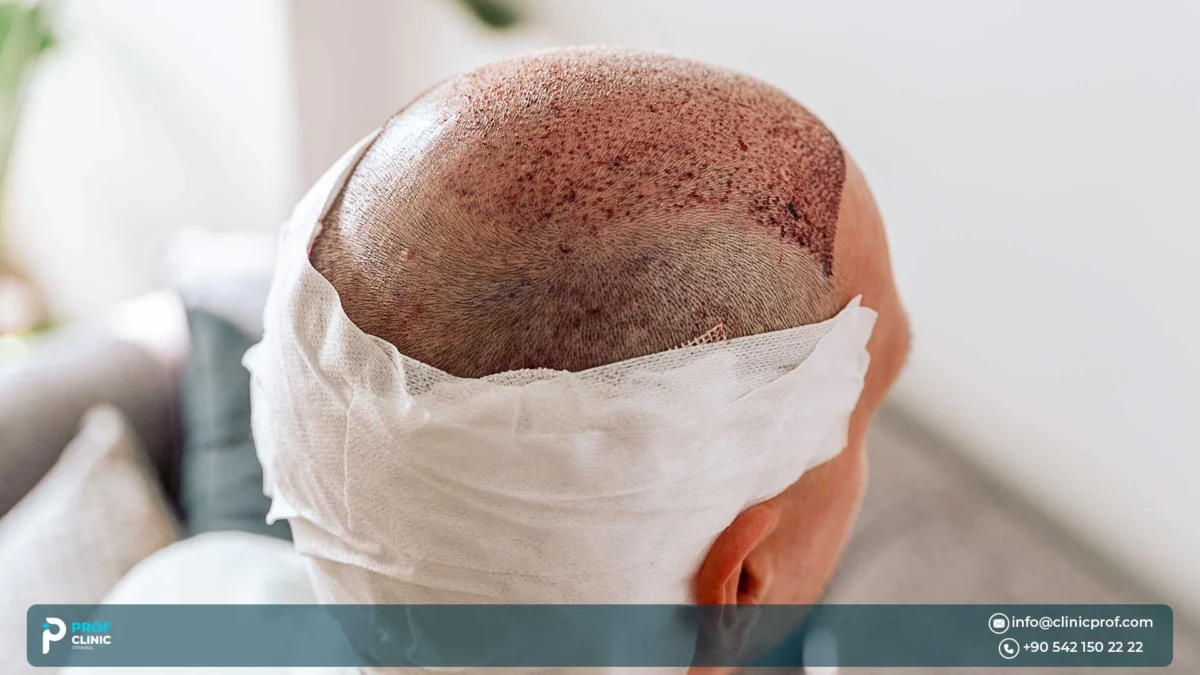
Many surgeons suggest sleeping semi-upright on the first nights. A study of hair transplant swelling found that sleeping position alone did not reliably prevent forehead swelling, so if puffiness appears despite your pillows, it does not mean you did something wrong. These are general aftercare points from medical sources, not Prof Clinic’s own instructions, and your surgeon’s sheet comes first.
- Usually expected tonight: a tender, tight scalp and mild swelling, plus anything else your written instructions say to expect.
- Contact your team: pain that keeps rising, fever, bleeding that does not settle as your instructions advise, or anything your aftercare sheet marks as a warning sign.
Do not touch or rub the grafts: the NHS says you should not touch them once the bandages come off, and to be very careful with your transplanted hair for the first 2 weeks. Not sure whether what you see tonight is normal? Send a photo to the coordination team on WhatsApp rather than guessing.
Planning Your Hair Transplant Trip with Prof Clinic in Istanbul
Prof Clinic is an Istanbul clinic offering hair transplants for scalp, beard, eyebrows and moustache, and the details below are the ones you can check on the clinic’s own pages:
- Medical assessment first: Spc. Dr. Lütfi Öztürk, an internal medicine specialist and the medical lead for hair restoration, handles the assessment and treatment planning and coordinates follow-up. What density you can expect is talked through for your own case, and nothing is promised up front.
- Photo review and a written quote: you can send photos, and the clinic replies with a written price offer after assessing them.
- Packages that include logistics: the service pages describe accommodation, airport transfers and post-surgery care as part of the package.
- Pre-op tests and follow-up: routine tests before surgery, then follow-up advice from the coordination team over WhatsApp.
If you are comparing options, the service page for hair transplant in Istanbul explains techniques such as FUE, DHI and Sapphire FUE, and the page on male hair transplant in Turkey covers the men’s procedure in detail. As a general guide, an Istanbul scalp hair transplant package costs about €1,800–€3,500 in the approximate 2026 range; this is not a final price, and your quote depends on your case after assessment. See real before-and-after cases to judge results for yourself.
FAQs About Staying in Turkey for a Hair Transplant
Is 3 days enough for a hair transplant in Turkey?
Usually yes, for a standard session. Three days allows an arrival day, surgery and a check with a first wash lesson before an afternoon flight. A large session split over two days, or swelling you would rather not fly with, can add a day. Your surgeon confirms the schedule after assessing your case.
How long after a hair transplant can I fly home?
It depends on your surgeon, who will want to check you first. Trips are usually planned so the flight leaves after the day-after check, and because swelling is most common 2 to 6 days after the operation, a margin helps. Ask for a written go-ahead for your flight date, and book a changeable ticket.
Should I book my flight before the clinic confirms my surgery date?
No. Wait until the surgery date is confirmed in writing, then book arrival and return around it. A changeable or refundable fare protects you if the plan shifts by a day, and your return should leave after the check, not before it.
Can I go sightseeing in Istanbul after a hair transplant?
Not in the first days. The NHS advice on cosmetic surgery abroad says you need to rest and avoid alcohol, sun, sightseeing and water, and fresh grafts need careful handling for about two weeks. Plan light, indoor days and save the city for another trip.
Can I bring someone with me to Istanbul?
Many patients do, and a companion helps with the first nights. Ask your coordinator beforehand whether a companion’s room and transfers are included in your package or billed separately, so that nothing surprises you at the hotel.
The Bottom Line on How Many Days in Turkey for a Hair Transplant
The honest answer to how many days in Turkey for a hair transplant is 2 to 4, and the right number for you depends on your session length, your flights and how much margin you want. Book the clinic date first, keep a day-after check in the plan, and treat your trip as a short recovery stay rather than a holiday. A written plan from your surgeon beats any general rule.
Planning a hair transplant in Turkey and want your exact days worked out? Book a free online consultation and ask for a day-by-day plan with flight advice.
Sources
- American Academy of Dermatology — Hair transplant
- NHS — Hair transplant
- NHS — Cosmetic surgery abroad
- Cleveland Clinic — Hair transplant
- American Society of Plastic Surgeons — Hair transplantation recovery
- Journal of Cutaneous and Aesthetic Surgery — Hair Transplantation: Preventing Post-operative Oedema