What does a hair transplant timeline month by month actually look like, and why do so many people panic around week six? The short answer is that new hair takes far longer than most expect: the transplanted hairs usually fall out within the first weeks, the first new growth tends to appear around months 3–4, and the final result is judged at about 12–18 months. Almost every worrying moment in between is a normal stage of the hair cycle.
In this guide by Prof Clinic, you’ll find the full growth timeline in one table, an honest explanation of shock loss after a hair transplant, what months 3, 6 and 12 usually look like, why the crown and curly hair are slower, and the signs that growth really is behind schedule. By the end, you’ll know what’s normal at each stage and when to ask your surgeon for a check.
Hair Transplant Growth Timeline at a Glance: Month 0 to Month 18
A transplanted follicle doesn’t keep growing the hair it arrived with. It sheds that hair, rests for a few months, and then starts a new growth cycle, which is why the timeline is measured in months rather than weeks. The NHS describes the same sequence: the transplanted hair often falls out after a few weeks, new hair usually starts to appear after about 4 months, and the full results should be seen after 10 to 18 months.
The table sets out the main hair transplant growth stages.
| Period | What you’ll usually see | What’s happening underneath |
|---|---|---|
| Days 1–14 | Redness, swelling and small scabs around each graft | Grafts are settling and still fragile; the scabs and the hair shafts in them fall away over about 2–3 weeks |
| Weeks 2–8 | Most transplanted hairs fall out; some of your own nearby hair may shed too | Follicles move into a resting phase; this is shedding, not graft loss |
| Months 2–3 | The thinnest stage; the area can look sparser than before surgery | Follicles are resting, ready to restart |
| Months 3–4 | First fine, short hairs; sometimes small pimple-like bumps | New growth cycles begin, unevenly across the area |
| Months 5–8 | Visible change, still patchy and of mixed length | More follicles join in; early hairs start to thicken |
| Months 9–12 | Density and length you can style | Hair shafts thicken and mature |
| Months 12–18 | The final result, especially for the crown and large sessions | Late follicles finish catching up |
Each month in this timeline is an average, not a deadline. The American Academy of Dermatology (AAD) notes that most patients see results between six and nine months after surgery, while for some it takes 12 months. Your technique, the number of grafts, the area treated and your hair type all shift the timing.
Planning time off work or a follow-up trip? Ask our team for a written timeline so you know which months to judge and which to ignore.
Months 1–2: The Shedding Phase and a Short Guide to Shock Loss
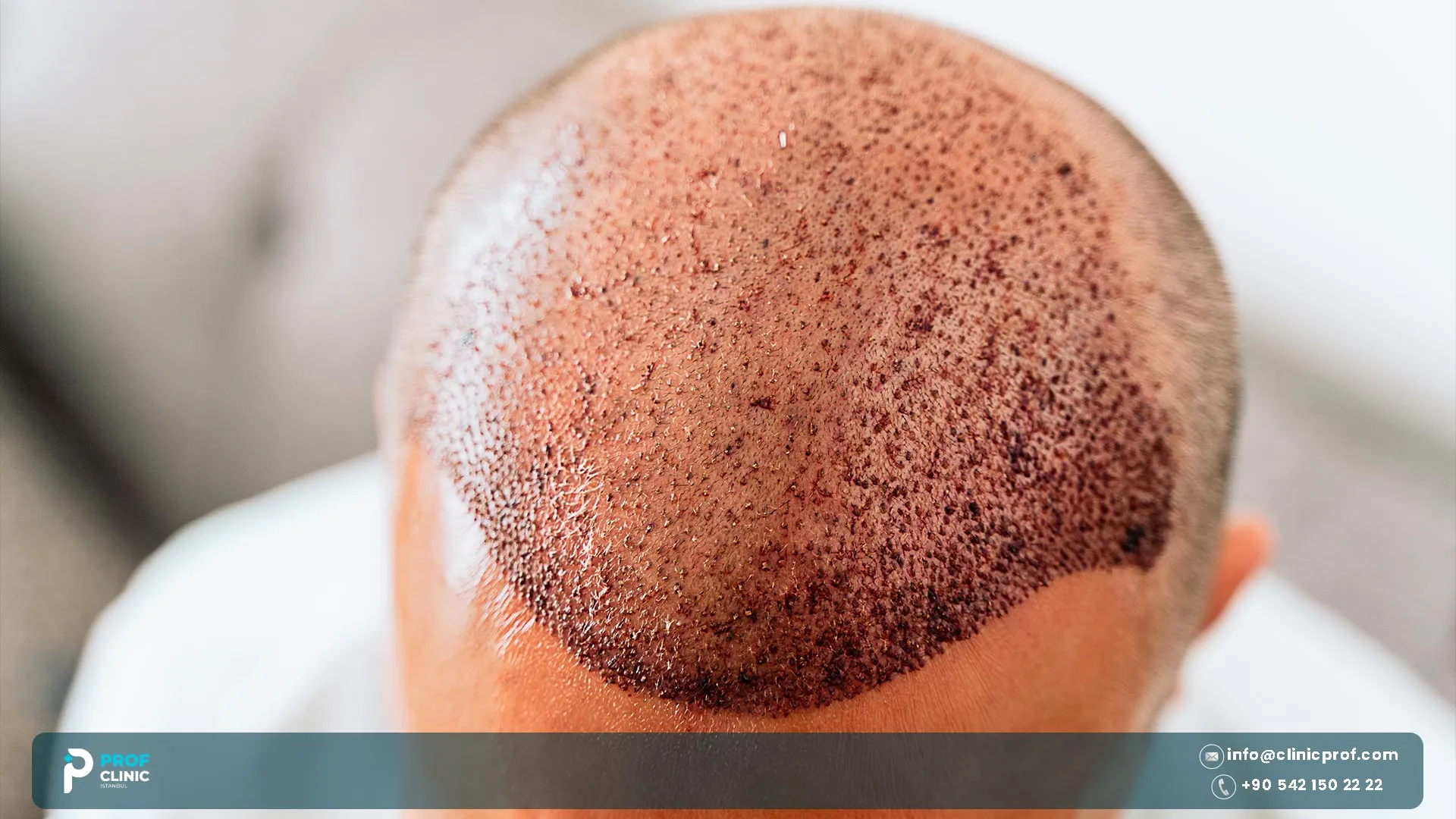
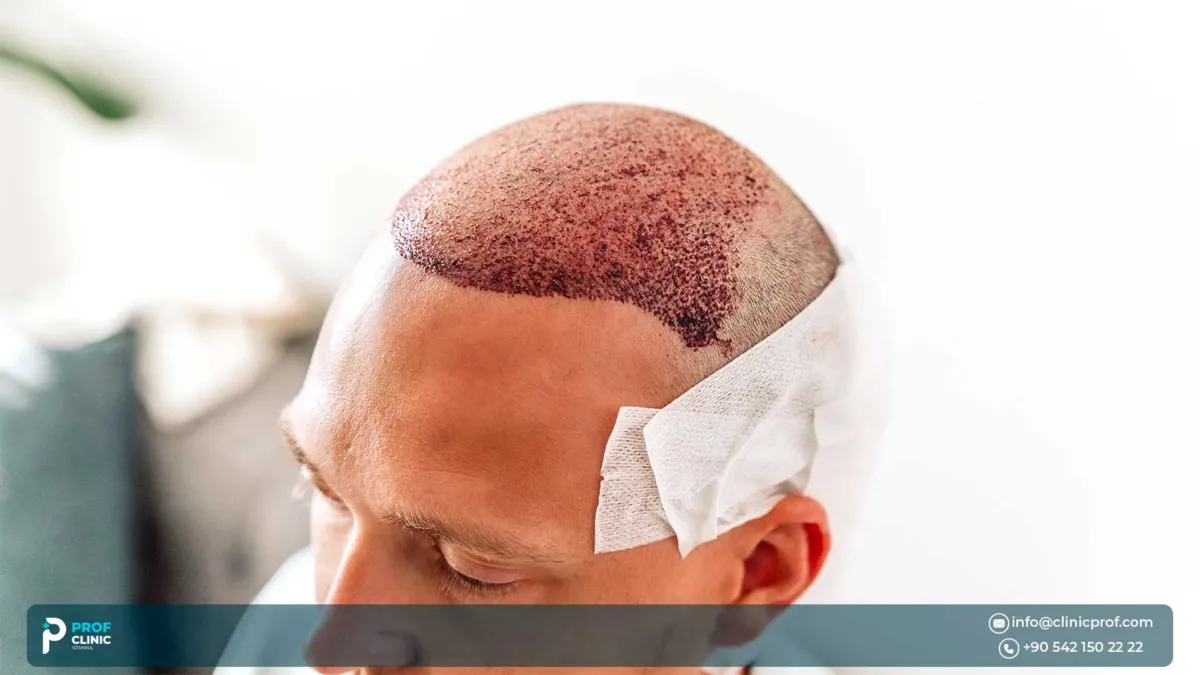
Two kinds of shedding happen in the first two months, and confusing them causes most early worry: the expected loss of the transplanted hair shafts, and true shock loss, the temporary shedding of your own existing hair around the treated area or in the donor zone.
Why the Transplanted Hairs Fall Out
The AAD explains that between two and eight weeks after surgery, the transplanted hair will fall out. A review of hair transplant surgery in the Indian Journal of Plastic Surgery describes the hair shafts coming away with the scabs in the first two to three weeks, while the follicles stay in the skin and go into a resting phase. Short hairs on your pillow at this stage don’t mean the grafts have failed.
Shock Loss of Your Existing Hair
Shock loss, known medically as recipient-site effluvium, is the temporary shedding of your own hairs around the grafts. A recent review of FUE complications in Frontiers in Medicine reports that it typically occurs 2–8 weeks after surgery, with regrowth usually beginning around 3 months. It is usually temporary, although in some cases it permanently reduces hairs that were already thinning, and the donor area can shed too, usually settling within 3–6 months.
Our dedicated guide to shock loss after a hair transplant covers who is more likely to get it, how long it lasts and what helps.
What If You Had No Shock Loss?
Not shedding is not a problem. Shedding varies from person to person, and some transplanted hairs simply keep growing; the Indian Journal of Plastic Surgery review notes that with 5% minoxidil, some transplanted hairs don’t fall out and continue growing after surgery. Neither heavy shedding nor no shedding predicts your final result, so keep following your aftercare either way.
Also read: Hair Transplant Aftercare: Day-by-Day Guide to the First 30 Days
Hair Transplant 3 Months: The Ugly Duckling Phase and First New Hairs
Months 2–4 are usually the hardest, because the area looks its thinnest just as people expect progress, which is why it is often called the ugly duckling phase. The AAD warns that by the third month the hair may look thinner than before the transplant, and this is an expected stage, not a failure.
Think of it as the quiet phase: the follicles are resting, not missing. When does hair grow after a hair transplant? New hairs usually start about three months after the procedure, according to the Indian Journal of Plastic Surgery review, and the NHS says new hair will usually start to appear after about 4 months.
Here’s what is common during months 3–4:
- Uneven sprouting: one patch grows while another stays bare, because follicles restart on their own schedule.
- Pimple-like bumps: small red spots can appear as new hairs push through the skin, often around week 10. The Frontiers in Medicine review links this to emerging hairs and to thick, coarse or curved hair.
- Thin, wispy texture: the earliest hairs are often finer than the mature hair will be.
How to Track Your Progress With Photos, Not the Mirror
Take a baseline photo before surgery, then one each month from the same angles (front, top, crown and both sides), in the same light, with your hair dry, styled as usual and at a similar length. Wet hair hides density, and photos of other patients online were taken in different light, at different angles and at different times, so they can’t tell you whether you’re on track. Your own monthly series is the fairest comparison.
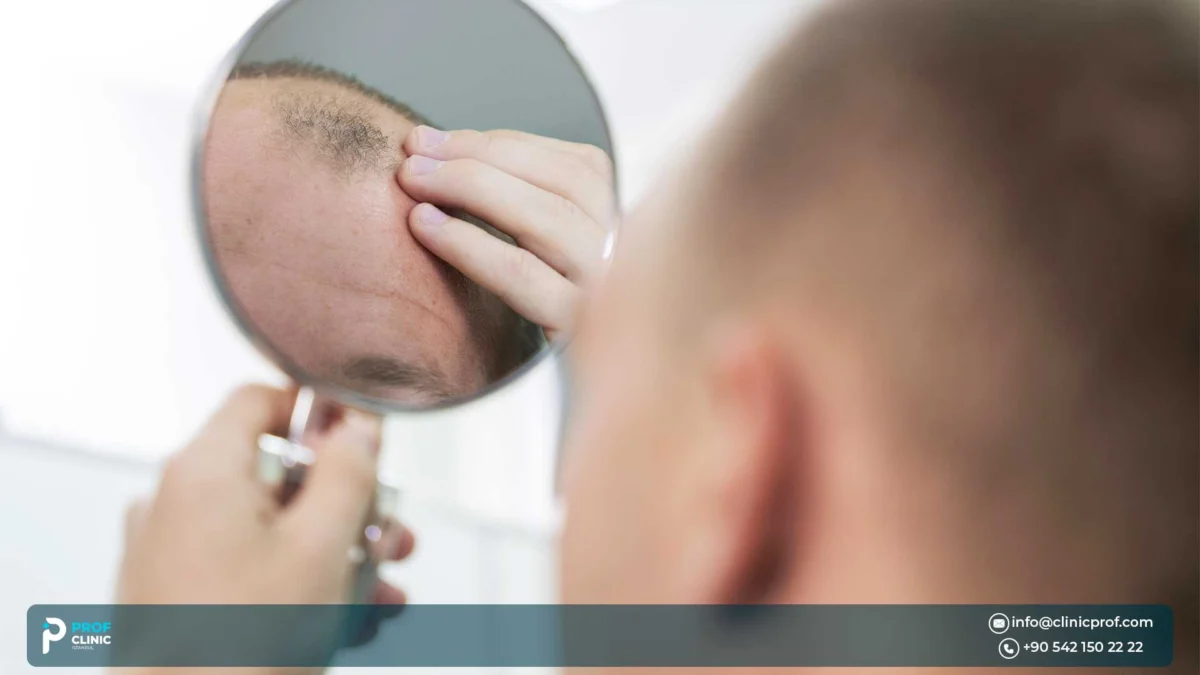
Worried about a bump or a bare patch? Send a photo to our team on WhatsApp rather than guessing what it means.
Hair Transplant 6 Months: How Much Has Grown by Months 5–8?
Months 5–8 are when most people first see a clear difference. The AAD says most patients see results between six and nine months after surgery, so at the 6-month mark you’re often looking at a real change that is still patchy, uneven in length and less dense than it will be.
Why Percentage Charts Online Are Only Rough Guesses
Charts online claim exact figures for each month, but there is no reliable, standardised percentage, because studies measure growth differently and people vary a lot. Milestones are a fairer guide:
- Month 4: early, scattered hairs; the area still looks sparse.
- Month 6: a visible change that is still patchy, with many hairs short and fine.
- Month 8: clearer coverage, with hair thickening and filling the gaps.
What matters at 6 months is direction. Steady new growth compared with your 3-month photos means you’re on track, even if it’s less than you hoped.
Hair Transplant 1 Year Results: Months 9–18 and the Final Result
From month 9, the change is less about new hairs appearing and more about existing ones getting thicker and easier to style. The AAD notes that for some patients it takes 12 months to see the result, and the NHS places the full result at 10 to 18 months. That is why density, the hairline and any need for a second session are usually judged at one year or later. If density is still lower than you hoped at that point, a second hair transplant session is a decision for after the first has fully matured.
Texture can change over this period too. Hairs that looked wiry or wispy at first often look more like the rest of your hair as they mature. Bear in mind that a transplant moves follicles rather than stopping hair loss: your own non-transplanted hair can keep thinning over the years, and the NHS notes that your hair might continue to thin around the transplant.
Also read: Hair Transplant Results: What to Expect and When to Judge Them
Want to see how growth develops in real cases? Browse consented patient photos in the Prof Clinic before-and-after gallery, and look at the time since surgery in each case.
Why the Crown and Curly or Afro Hair Grow More Slowly
Two areas tend to run late, the crown and tightly curled or coily hair, and neither means the transplant is failing.
The Crown
The crown is a large, curved area where hair grows outward in a whorl, so each graft covers less visually than it would at the hairline, and the change takes longer to register. If your male hair transplant in Turkey includes the crown, plan to judge that area towards the later end of the NHS’s 10–18-month window rather than alongside the hairline. For graft numbers and the timeline of this area, see our crown hair transplant guide.
Curly and Afro Hair
Afro-textured hair tends to grow more slowly in length. A study in the British Journal of Dermatology measured African scalp hair growing at an average of about 0.26 mm a day, compared with about 0.40 mm in Caucasian volunteers. Because the hair also coils, the same growth shows as less length, so month 6 can look less advanced even when the follicles are working normally. Curved hair shafts are also a recognised risk factor for bumps around emerging hairs.

For texture-specific timelines, see Curly Hair Transplant Before and After: Results, Texture & Timeline and our recovery guide for Afro hair transplants.
What Can Speed Up or Slow Down Hair Growth After a Transplant?
Nothing turns a 12-month process into a 3-month one, but some factors help growth along and others hold it back:
- Minoxidil: some surgeons prescribe it after surgery. The Indian Journal of Plastic Surgery review reports it can promote earlier growth, and a 2018 complications review lists starting it early, within 2 weeks of surgery, among measures that may reduce shock loss. Use it only if your surgeon advises it, and ask when to start; our guide to finasteride and minoxidil before and after a transplant explains how each works.
- Finasteride and long-term treatment: a transplant doesn’t stop pattern hair loss in your native hair. Your doctor may recommend medicine to protect it, and the 2018 complications review notes that oral finasteride may also help lower the risk of shock loss.
- PRP: a 2025 systematic review in Cureus found that adding PRP was linked with higher density, better follicle survival and earlier growth, but it included only three small studies. Treat it as an option to discuss, and ask whether it’s included in your plan or billed per session; our guide to PRP after a hair transplant covers timing and sessions.
- Smoking: listed in the Frontiers in Medicine review among the factors behind poor graft growth, as it can impair healing. Stopping around surgery is fully in your control.
- Nutrition: the AAD notes that too little iron, protein, zinc or biotin can cause noticeable hair loss. Eat normally and well, and ask for a blood test rather than buying supplements blindly.
- Early graft care: the NHS says to be very careful with the transplanted hair for about the first 2 weeks.
When to Worry: Signs Your Growth Is Behind Schedule
Poor growth is usually judged between 6 and 12 months, not before. The Frontiers in Medicine review attributes it most often to follicle damage during harvesting, handling or implantation, and notes that about 0.5–1% of patients grow poorly even with good technique, for reasons not well understood.
Some problems shouldn’t wait for month 6. Contact your clinic promptly about spreading redness, warmth, pus or a fever, pain that gets worse instead of better, or redness around the grafts that lasts beyond about 4 weeks.
12 Things to Check Before You Decide Your Transplant Has Failed
Run through this list first:
- Time since surgery: under 6 months is too early to judge, and under 12 months is too early for a final verdict.
- Same-light photos: compare photos taken in the same light, angle and hair length each month.
- Dry hair: wet hair hides density, so judge it dry and styled the usual way.
- Area treated: the crown and the back of the head usually lag behind the hairline.
- Your hair type: fine, light or coily hair looks less dense at the same graft count.
- Shock loss: some apparent thinning may be native hair that will regrow from around month 3–4.
- Native hair loss: ongoing pattern hair loss behind the grafts can make the result look smaller.
- Agreed density: recall what was discussed before surgery for the number of grafts you had.
- Persistent bumps: a few spots are common; many inflamed ones need a check.
- Scalp redness: pinkness that hasn’t faded after a month deserves a review.
- Medication: starting or stopping minoxidil or finasteride can change your native hair.
- Your follow-up notes: compare with your clinic’s photos rather than memory alone.
Past month 9 and still unsure? Book a free online consultation and share your monthly photos for an assessment.
Following Your Growth with Prof Clinic in Istanbul
At Prof Clinic, this timeline is explained before surgery so the quiet months don’t come as a surprise. Our hair transplant in Turkey service starts with a medical assessment: Spc. Dr. Lütfi Öztürk, the internal-medicine specialist who leads hair restoration, carries out the medical assessment and treatment planning and coordinates follow-up.
Here’s what you can check before you travel:
- Pre-op tests: before day one of your timeline, you have a blood count, an ECG, kidney and liver function tests, electrolytes, blood sugar, and hepatitis and HIV screening.
- Techniques: FUE, DHI, Sapphire FUE and Micro FUE, chosen for your hair and donor area, with a no-shave option offered especially for women.
- Honest expectations: the expected density is discussed individually, and no specific density is promised in advance.
- A written quote: you receive it once the team has looked at your photos. Packages include the procedure, accommodation, airport and hotel transfers, and post-op care.
- Follow-up after you fly home: the coordination team stays in touch through the growth months and gives advice over WhatsApp.
As a general guide, a scalp hair transplant package in Istanbul costs about €1,800–€3,500. This is an approximate 2026 range, not a final price; it depends on your case after assessment and is confirmed in the written quote. Stays in Istanbul are typically 2–4 days.
FAQs About the Hair Transplant Growth Timeline
When do transplanted hairs shed, and when does the shedding end?
Transplanted hairs usually shed between weeks 2 and 8, while the follicles rest under the skin until new growth starts around months 3–4. Temporary shock loss of your own nearby hair follows a similar pattern, and donor-area shedding tends to settle within 3–6 months. Hairs that were already very thin before surgery are the most likely not to return.
What percentage of hair has grown at 4 months?
There is no reliable fixed percentage. At 4 months, most people see only the first scattered, fine hairs, and the area may still look sparse. The NHS says new hair usually starts to appear around this point, and the AAD says most patients see results between 6 and 9 months, so month 4 is the beginning, not a checkpoint.
Is it bad if I had no shock loss?
No. Shedding varies widely between people, and some transplanted hairs keep growing instead of falling out, particularly when minoxidil is used after surgery. Having no visible shedding doesn’t mean the grafts failed, and heavy shedding doesn’t mean they succeeded. Judge the result by the growth you see from month 4 onwards.
When is the hair transplant result final?
Usually at around 12 months, and up to 18 months for the crown, large sessions or curly hair. The NHS places the full result at 10 to 18 months after surgery. Decisions such as a second session are best made once the hair has had that time to mature.
Why is my hair growing unevenly after the transplant?
Uneven growth is normal in months 3–8. Each follicle restarts its growth cycle at its own pace, so one patch can fill in while another still looks bare, and the crown usually lags behind the hairline. Unevenness that remains after 12 months is worth reviewing with your surgeon.
When do new hairs start to grow after a hair transplant?
New hairs usually start to appear around months 3–4, according to the NHS and a review in the Indian Journal of Plastic Surgery, and they are fine and patchy at first. Most people see a clear change between months 6 and 9, and the full result arrives at 10–18 months. Until then, the area can look thinner than before surgery.
The Bottom Line on Your Growth Timeline
A hair transplant timeline month by month follows the hair cycle, not the calendar you’d like: shedding in the first weeks, a quiet and often worrying phase until months 3–4, visible change by 6–9 months, and a final result at 12–18 months. Judge progress with monthly photos, protect the grafts early, and save the verdict for the one-year mark.
If you’re planning a hair transplant in Istanbul and want to know what your own timeline should look like, contact Prof Clinic and ask for a written plan from surgery to final result.
Sources
- NHS — Hair transplant
- American Academy of Dermatology — A hair transplant can give you permanent, natural-looking results
- American Academy of Dermatology — Hair loss: Who gets and causes
- Frontiers in Medicine — Complications in Follicular Unit Excision Hair Transplantation: Current Evidence and Practical Approaches (Romera de Blas et al., 2026)
- Journal of Cutaneous and Aesthetic Surgery — Complications in Hair Transplantation (Kerure & Patwardhan, 2018)
- Indian Journal of Plastic Surgery — Hair Transplantation Surgery (Khanna, 2008)
- British Journal of Dermatology — African Hair Growth Parameters (Loussouarn, 2001)
- Cureus — Efficacy of Platelet-Rich Plasma as an Adjunct to Hair Transplantation: A Systematic Review (Sindhusen et al., 2025)