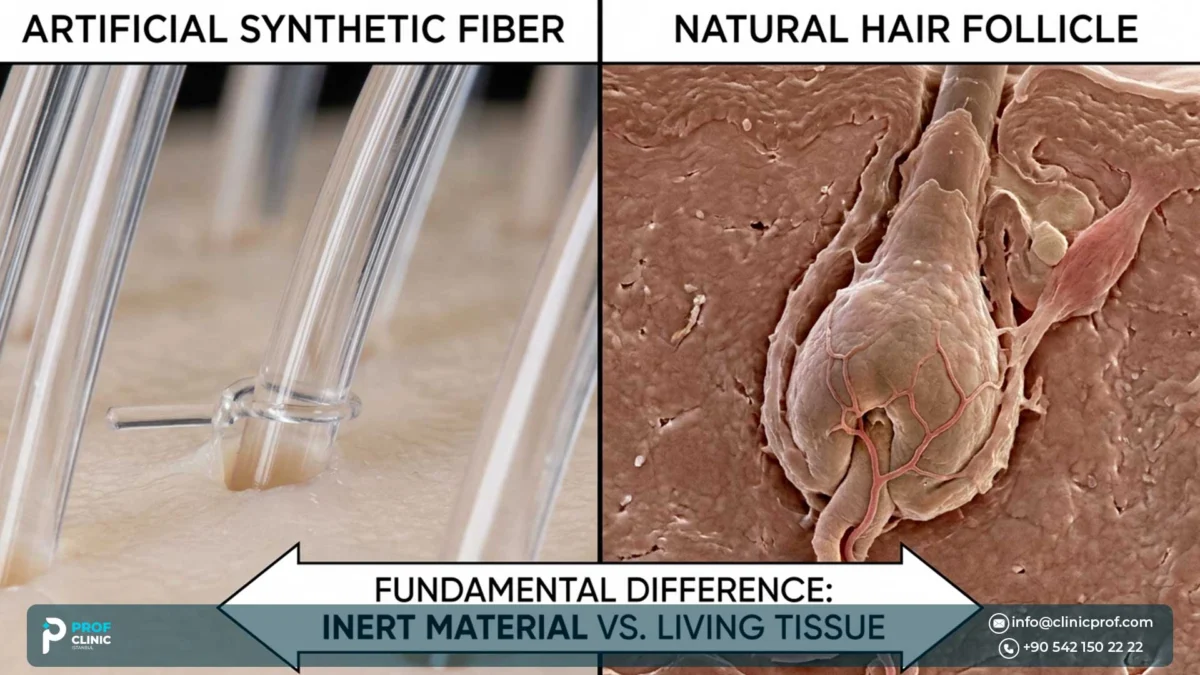
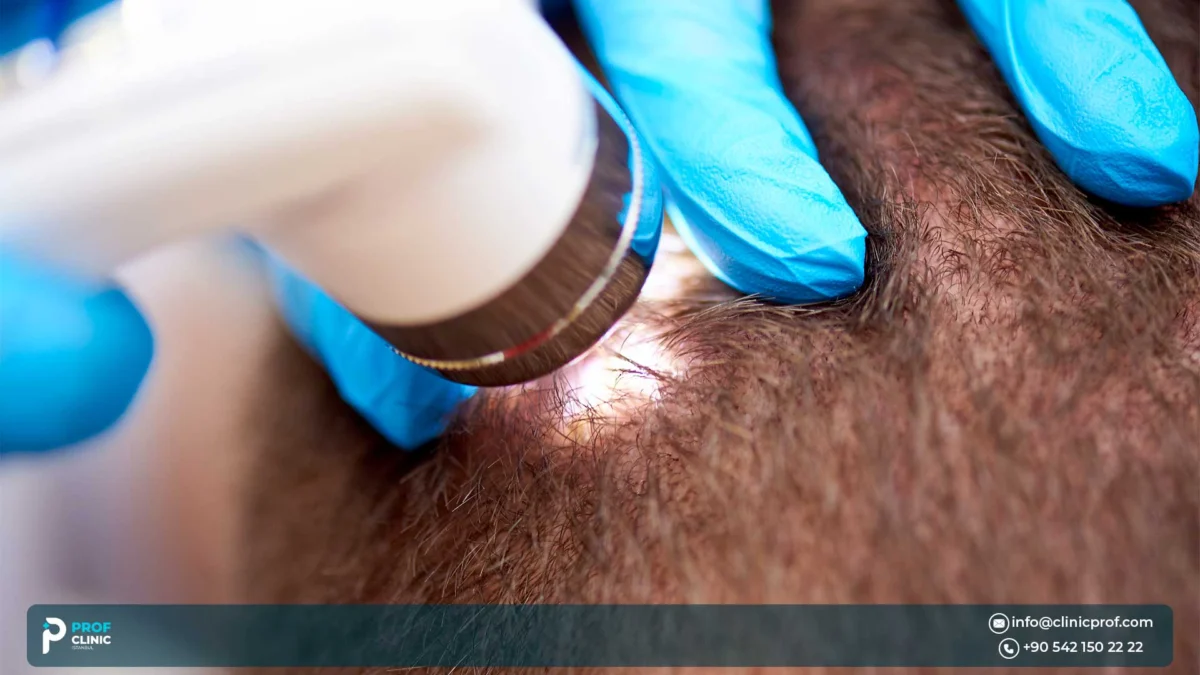
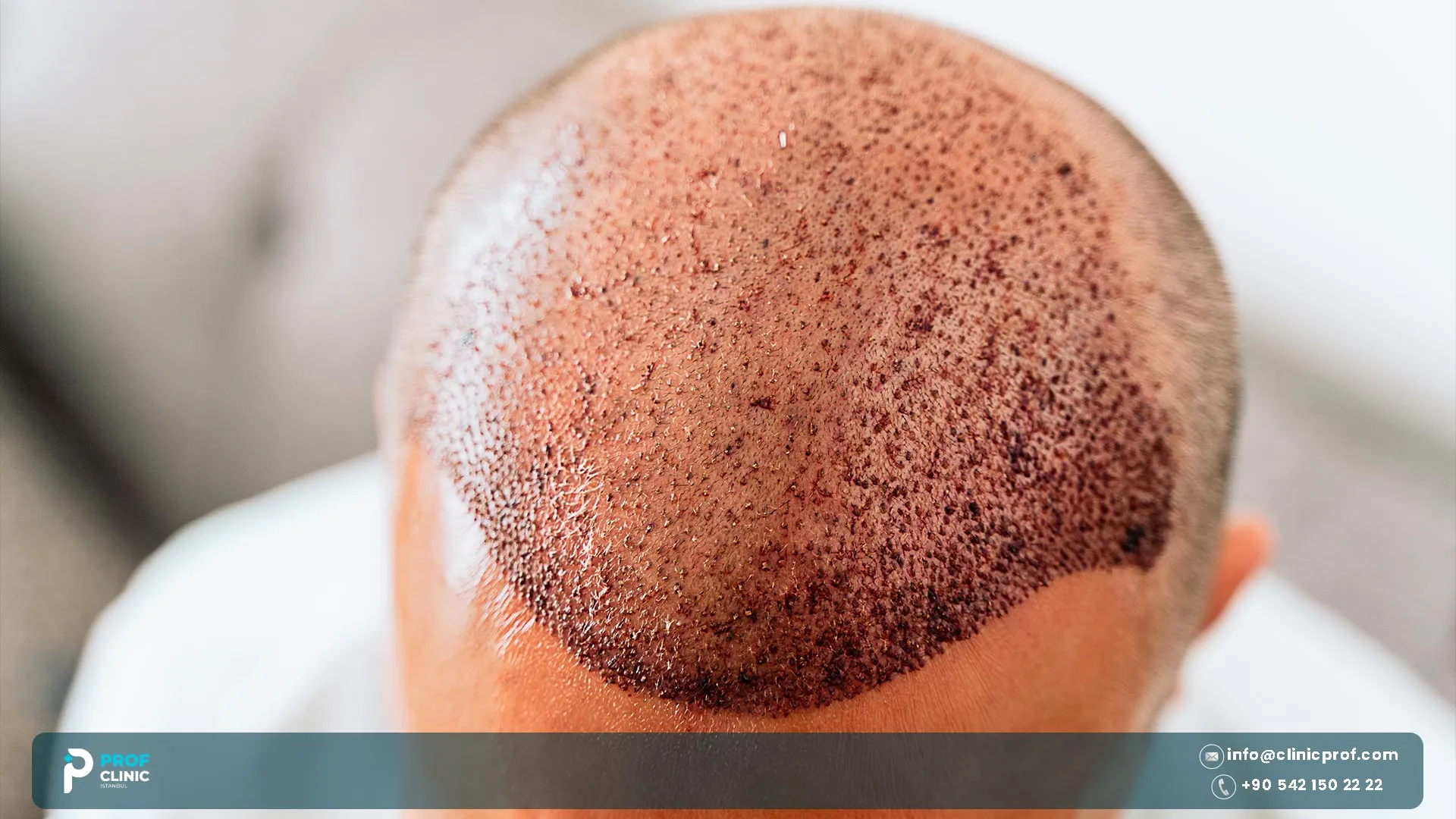
Is a hair transplant worth it for men, and why do so many men decide to have one? For most men with stable male pattern baldness and a healthy donor area, it is the only treatment that puts real, growing hair back into a receding hairline or a thinning crown, and the result in the treated area usually lasts. It isn’t the right answer for every kind of hair loss, though, and it doesn’t stop the hair you still have from thinning.
In this guide by Prof Clinic, you’ll learn why men lose their hair, which treatments usually come before surgery, the 10 reasons men most often give for choosing a male hair transplant in Turkey, the downsides worth weighing, and who makes a good candidate. By the end, you’ll know what to ask in your consultation.
Why Men Lose Their Hair: The Main Causes
Most hair loss in men is male pattern baldness, an inherited condition driven by hormones, but illness, some medicines and stress can also cause shedding. Finding the cause comes first, because a transplant treats only one of these well.
Male Pattern Baldness: Genes and DHT
Male pattern baldness, or androgenetic alopecia, is by far the most common cause. MedlinePlus estimates that about 80% of men show signs of it during their lifetime, and the American Academy of Dermatology (AAD) notes that more than half of white men have a visible sign of it by the age of 50. It often runs in families and follows a familiar pattern: the hairline recedes at both temples into an “M” shape, the crown thins, and in some men the two areas eventually meet.
The hormone behind it is dihydrotestosterone (DHT), which the body makes from testosterone. In genetically sensitive follicles, DHT shortens the growth phase, so each new hair comes back finer and shorter until the follicle barely produces visible hair. Hair at the back and sides of the head is much less sensitive to DHT, and that difference is exactly what makes a hair transplant possible.
Medical Conditions and Medicines
Sometimes thinning is a symptom of something else. MedlinePlus lists high fever, severe infection, major surgery or illness, and sudden blood loss among the triggers of hair shedding, along with some medicines, including retinoids, beta-blockers, calcium channel blockers, certain antidepressants and NSAIDs such as ibuprofen. In these cases, hair usually grows back once the illness ends or the treatment is finished. Don’t stop a prescribed medicine on your own; ask the doctor who prescribed it.
Stress and Temporary Shedding
Severe physical or emotional stress can push a large share of follicles into their resting phase at once. MedlinePlus describes this shedding, called telogen effluvium, as usually temporary, starting weeks to months after the stressful event and easing over 6 to 8 months. Patchy loss is different again: alopecia areata causes round bald patches, and the NHS says a transplant is usually not suitable for it.
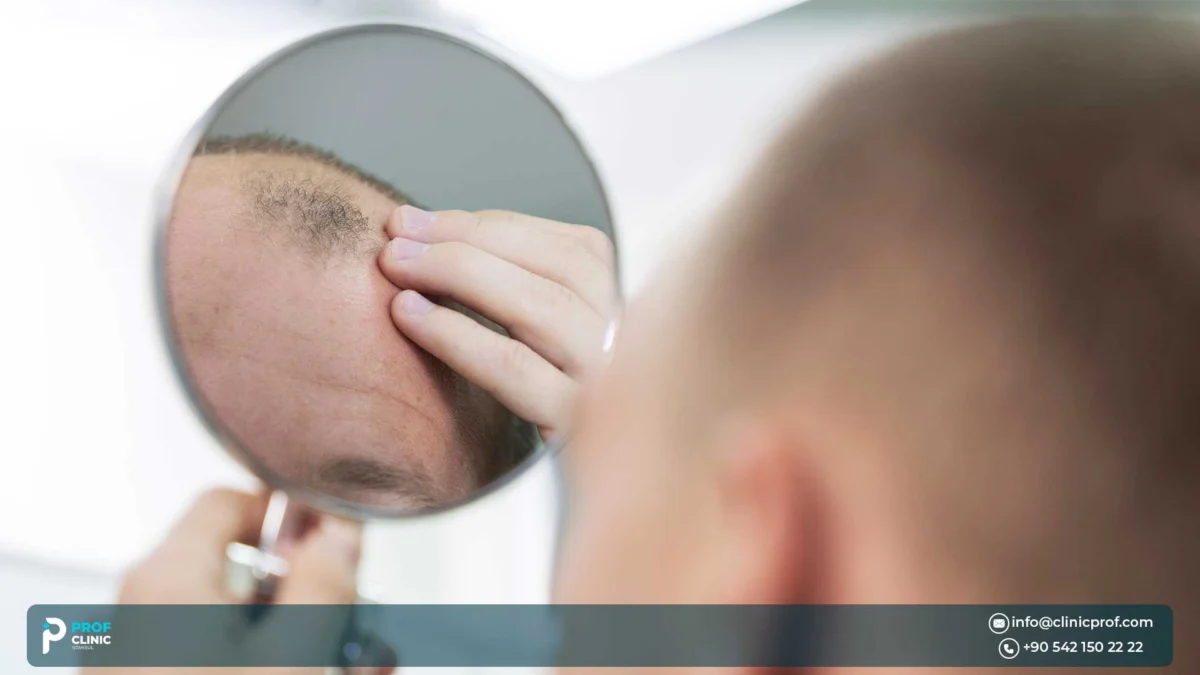
The practical takeaway: a transplant is designed for permanent, patterned hair loss. If your shedding started suddenly, comes in patches or followed an illness, get it diagnosed before you think about surgery.
Hair Restoration Options for Men: Medication, Non-Surgical Care or Surgery
Men with hair loss usually have three routes: medicines that slow the loss, non-surgical treatments that support existing hair, and a hair transplant that moves permanent hair to bald areas. They aren’t rivals; many men combine them. The table compares what each one can realistically do.
| Option | What it does | When you may see a change | Main limit |
|---|---|---|---|
| Minoxidil (applied to the scalp) | Can reduce hair loss and stimulate some regrowth | Up to 6–12 months, according to the AAD | Full regrowth is unlikely, and it must be used every day |
| Finasteride (prescription tablet) | Slows further hair loss in about 80–90% of men who take it (AAD) | About 6 months | Hair loss returns once you stop taking it |
| PRP and low-level laser | Support thinning hair and may lessen shedding | Within a few months for PRP | Not permanent; PRP needs maintenance sessions |
| Hair transplant | Moves DHT-resistant follicles into bald or thin areas | New hair from about 4 months; full result in 10–18 months (NHS) | Limited by the donor supply; doesn’t protect untreated hair |
Medicines and PRP work on the hair you still have, while a transplant rebuilds areas where the follicles have already stopped working. That is why doctors often suggest medicine first for early thinning, and a transplant once the bald pattern is clear. Our guide to Finasteride and Minoxidil for Hair Loss and After a Transplant explains how the two medicines work and how they fit around surgery.
Hair Transplant Techniques for Men: FUE, DHI, Sapphire and FUT
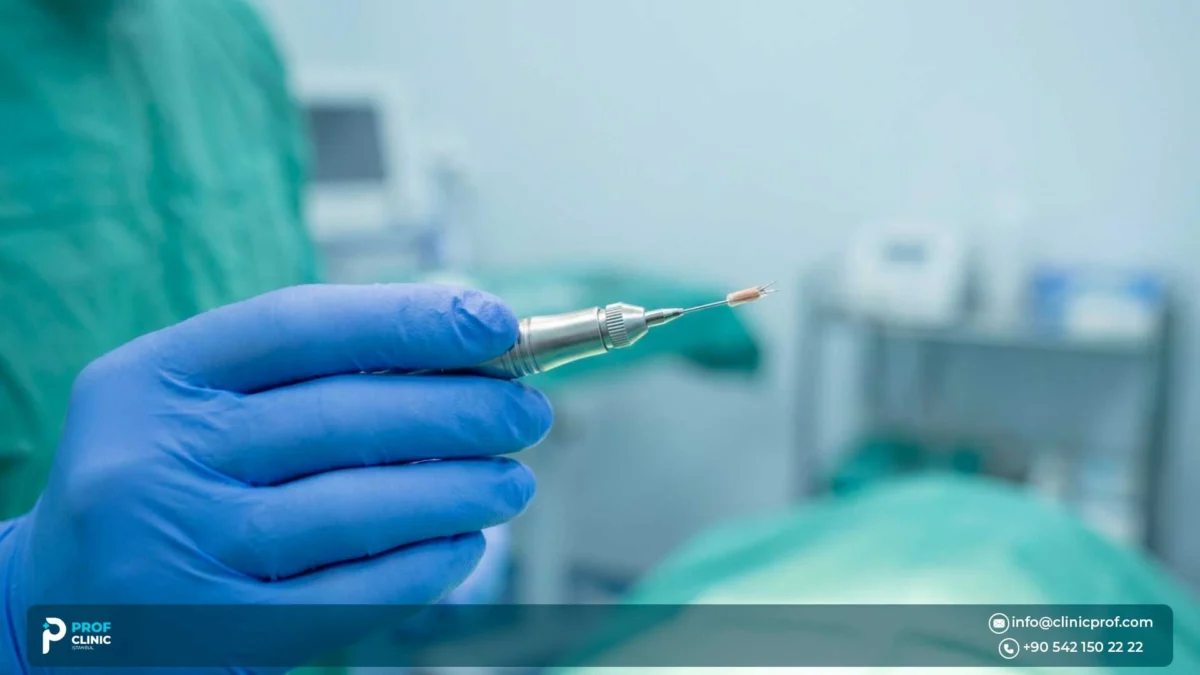
Every modern technique moves follicular units, small natural groups of one to four hairs, from the donor area to the thinning zone; they differ in how the grafts are removed and placed. For a male hair transplant in Turkey, the main choices are FUE (grafts taken one by one, leaving tiny scars that suit short haircuts, according to the NHS), Sapphire FUE (the same extraction, with sapphire blades opening the channels), DHI (a pen-shaped implanter places each graft) and FUT (a strip of scalp is removed, leaving a linear scar that very short hair can reveal).
No technique is best for every man: the choice depends on donor density, how far the loss has progressed, your hair type and how short you wear it. Our comparison FUE vs DHI vs Sapphire FUE: Which Technique Fits You? sets them side by side, and the Sapphire FUE guide goes deeper on one of them.
Wondering which technique would suit your pattern of loss? Send photos of your hairline, crown and donor area to our team on WhatsApp for an initial view.
Why a Hair Transplant Is Worth It for Many Men: 10 Reasons
Men usually choose a hair transplant because it gives back their own growing hair in the areas where they have lost it, with a natural look and a long-lasting result. The ISHRS 2022 practice census found that 87.3% of surgical hair restoration patients were men, most of them aged 30 to 49. Here are the reasons that come up most often, with the honest limits attached.
1. A Younger, Fresher Look
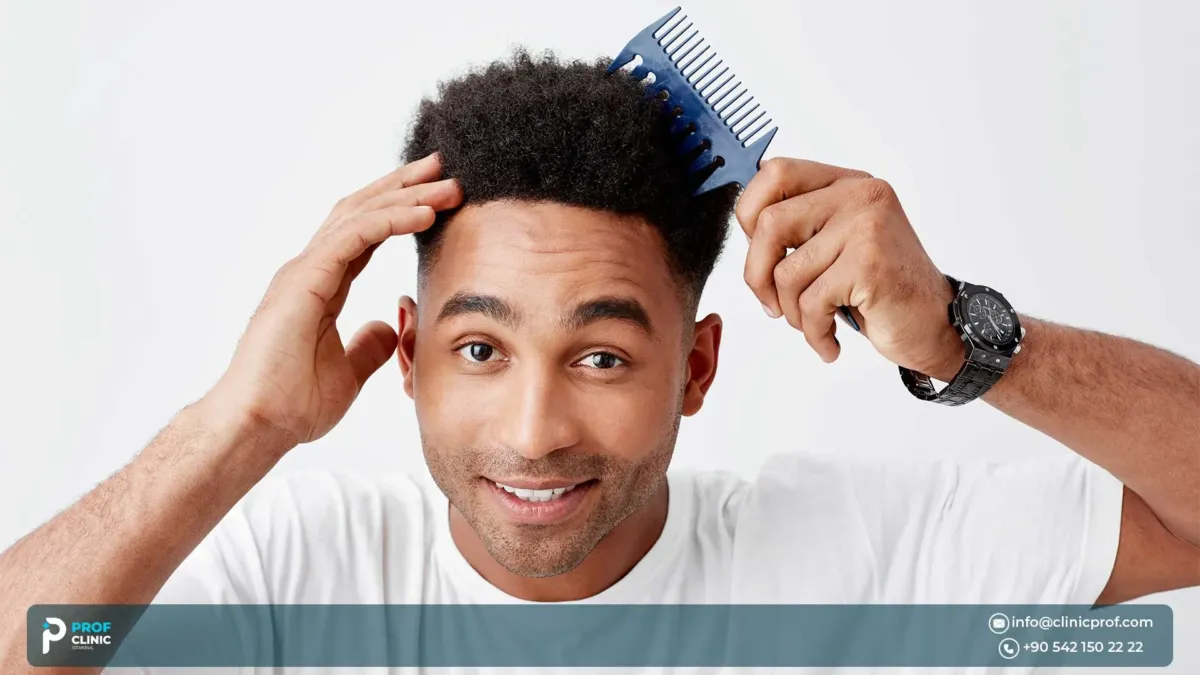
A receding hairline can make a man look older than he feels. In a randomised study in JAMA Facial Plastic Surgery, observers who compared photos taken before and after a hair transplant judged the men about 3.6 years younger on average, and rated them more attractive. The effect is real, though modest, and it depends on a hairline that suits your age.
2. More Confidence in Everyday Life
Many men describe hair loss as something they think about every time they look in the mirror or see a photo. A study of 875 men in the Journal of Cosmetic Dermatology found that self-esteem and satisfaction with appearance rose 9 months after a transplant. The same study found that men with low self-esteem before surgery tended to be less satisfied afterwards, so realistic expectations matter.
3. Long-Lasting Results in the Treated Area
Hair from the back of the head is resistant to DHT, and transplanted hairs keep the characteristics of the area they came from. That is why the AAD describes today’s hair transplant as able to give permanent, natural-looking results. “Permanent” applies to the transplanted hair; the hair around it can still thin.
4. A Natural Appearance
Modern techniques place follicular units one by one, at the angle and direction of your natural hair growth, so a well-planned result is hard to spot. Naturalness depends more on the design of the hairline and the placement of the grafts than on the name of the technique.
5. Freedom to Cut and Style Your Hair
Once it has grown in, transplanted hair can be washed, cut, coloured and styled like the rest of your hair. If you want to keep it very short, FUE is often preferred because it avoids a linear donor scar.
6. A Direct Fix for Clear Bald Areas
Medicines can slow loss and thicken thinning hair, but they rarely refill a fully bald temple or crown. A transplant places new follicles exactly where they’re missing, which is why it suits a receding hairline or a defined bald spot.
7. Less Day-to-Day Worry About Hair
Men who constantly check their hairline or avoid photos often say the relief of no longer hiding it was the biggest change. This is personal and varies from man to man, but the self-esteem findings above point in the same direction.
8. Low Upkeep Once It Has Grown
Transplanted hair needs no special routine once it has matured; you treat it like normal hair. What does need attention is the native hair around it, which is why many doctors suggest continuing medical treatment after surgery.
9. A One-Off Investment in Your Own Hair
A transplant costs more upfront than medicines or concealers, but most of that cost comes in one go, while sprays and fibres are bought again and again. Some men later choose a second session as their hair loss progresses, so treat it as a planned investment rather than a once-and-for-all purchase.
10. No More Temporary Cover-Ups
Hair fibres, concealer sprays and hairpieces can work well, but they need daily attention and can be stressful in the rain, at the gym or in the pool. A transplant replaces cover-ups with real hair growing from your own scalp.
Want to see what these results look like in practice? Browse real, consented cases in our before-and-after gallery.
Downsides of a Hair Transplant for Men
A hair transplant is surgery, so it comes with cost, a recovery period, small medical risks and a long wait for the final result. Knowing these in advance is what keeps expectations realistic.
The Cost Compared With Other Options
A transplant costs more upfront than medication or concealers. In the UK, the NHS puts the price at about £1,000 to £30,000, depending on the extent of hair loss, the type of procedure and the clinic. Turkey is usually less expensive, but it is still a significant decision.
The Early Recovery and How You Look at First
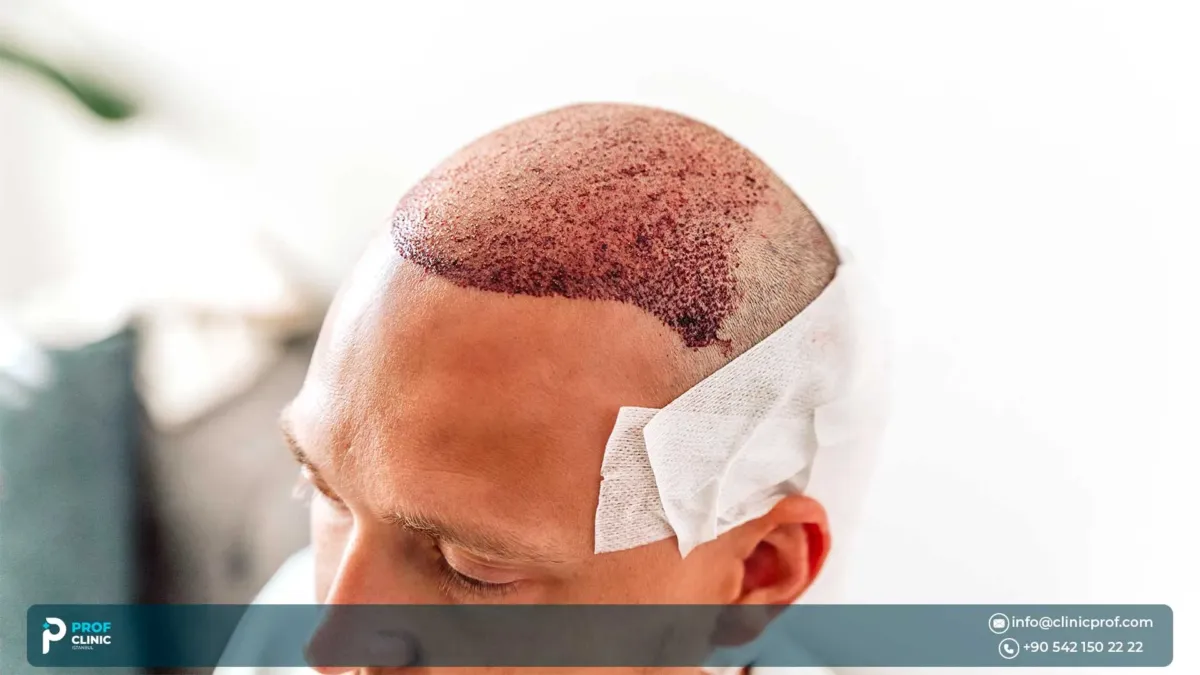
For the first days your scalp may feel tight, achy and swollen, and small scabs form around the grafts. The NHS says you may need 1 to 2 weeks off work, that the grafts need very gentle care for about the first 2 weeks, and that you may be asked to cut back on exercise for the first month.
Surgical Risks and Side Effects
The NHS describes hair transplants as generally safe, with a small risk of bleeding, infection or an allergic reaction to the anaesthetic. Some grafts may not take, a noticeable scar can form, and the StatPearls review mentions cysts and ingrown hairs, which usually settle on their own. Our guide to Hair Transplant Side Effects and Risks: What’s Normal, What’s Not explains each one in more detail.
The Wait for the Final Result
Most transplanted hairs fall out within the first weeks (a normal shedding phase, often loosely called shock loss): the follicle itself stays in place under the skin, resting. According to the NHS, new hair usually appears at around 4 months and the full result takes 10 to 18 months, so you need patience before judging it.
It Doesn’t Stop Your Native Hair From Thinning
A transplant treats the areas that are bald now; it doesn’t change the genetics of the hair around them. If male pattern baldness keeps progressing, untreated areas can thin and a second session may be needed later. This is the main reason doctors recommend a conservative, age-appropriate hairline.
Which Men Are Good Candidates for a Hair Transplant?
The best candidates are men with a clear, stable pattern of hair loss and enough healthy donor hair to cover it. The StatPearls review suggests that, ideally, a transplant should be considered only after the age of 25, because operating too early can use up donor hair that a younger man may need later.
You may be a good candidate if you:
- have male pattern baldness that has been diagnosed and has slowed down or stabilised
- have dense, healthy hair at the back and sides of your head
- are in good general health and can pass the pre-operative tests
- understand that the result builds over about a year and that native hair can keep thinning
- are willing to consider medical treatment to protect the hair you still have
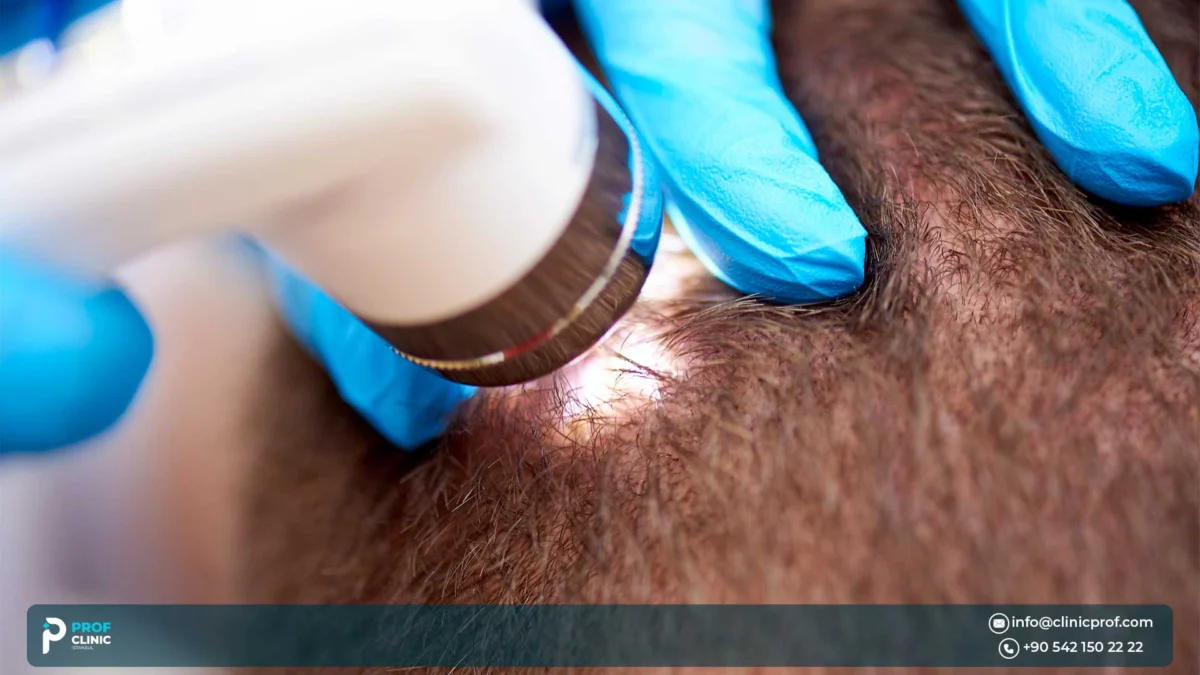
A transplant is usually not suitable, or should wait, if your hair loss is patchy (as in alopecia areata), if you have an active scarring alopecia, or if your thinning is diffuse with no stable donor area. Men with very active, unstable loss may first be advised to use medical treatment for 6 to 12 months.
Which Stage of Hair Loss Suits a Transplant?
A transplant usually makes most sense once the pattern has declared itself: the StatPearls review describes Norwood stages III to V as the typical indications. At the earliest stages, thinning is often mild and medicines are usually tried first, because the final pattern is hard to predict. In very advanced baldness, the donor area may not cover the whole bald zone, so the plan focuses on the areas that frame the face. A doctor places you on the scale from photos and an examination, and our guide to the Norwood Scale: The 7 Stages of Male Hair Loss and Grafts Needed shows what each stage looks like and how many grafts it usually calls for.
The Hair Transplant Steps for Men at a Glance
Whatever the technique, a hair transplant follows the same six steps: assessment, preparation, graft extraction, channel opening, implantation and aftercare. Here is each one in brief.
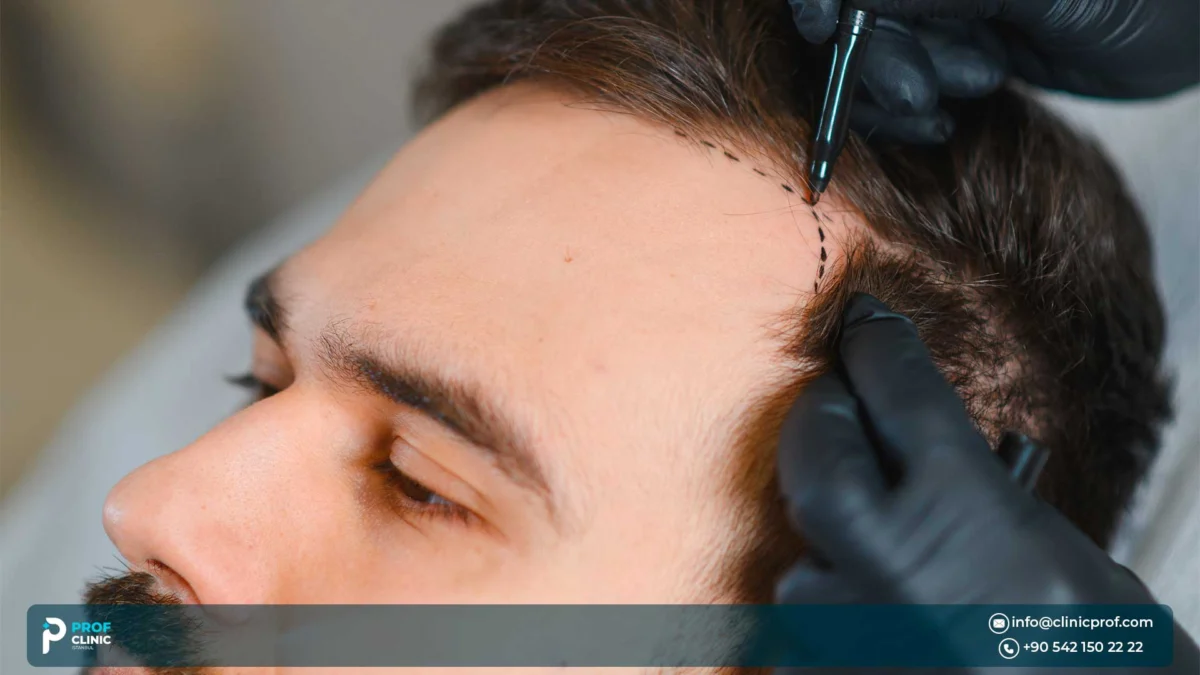
- Consultation and planning: the doctor assesses your hair loss, donor area and medical history, draws a hairline that suits your face and age, and estimates how many grafts you need.
- Preparation and anaesthetic: after the pre-operative tests, the donor area is trimmed short. The NHS notes that local anaesthetic with sedation is usual, so most men feel pressure rather than pain once the area is numb.
- Graft extraction: healthy follicular units are removed from the donor area, one by one (FUE) or as a strip (FUT).
- Opening the channels: tiny incisions follow the angle, direction and depth of your natural hair, which shapes how dense and natural the result looks.
- Implanting the grafts: the grafts go into the channels, or are placed directly with a DHI pen, spread evenly to build density.
- Aftercare: you receive written instructions on washing, sleeping, medication and activity. As general guidance, the NHS says bandages usually come off between days 2 and 5 and gentle hand-washing often starts around day 6.
For larger FUE sessions the work can take most of a day: Prof Clinic’s service page gives about 7–8 hours for FUE, sometimes spread over more than one day. Your doctor will confirm the timing once your graft count is clear.
New to the procedure itself? Start with our explainer on what a hair transplant is and who it suits.
How Much Does a Hair Transplant for Men Cost in Turkey?
A hair transplant package for men in Istanbul with FUE, DHI or Sapphire FUE typically costs about €1,800 to €3,500, while FUT is usually about €1,500 to €3,000. These are approximate 2026 average ranges, not final prices.
The final price depends on your case after assessment, mainly:
- how many grafts you need and how large the bald area is
- the technique your doctor recommends
- whether the work fits into one session or needs two
- what the package includes
Packages usually include the procedure, pre-op blood tests, medication and an aftercare kit, hotel accommodation and VIP airport and hotel transfers. If you’re also considering PRP, ask whether it is included or billed per session; PRP sessions generally cost about €100 to €250 each.
Want a price based on your own hair loss? Ask our team for a written quote that lists what is and isn’t included.
Also read: Hair Transplant Cost in Turkey 2026: Average Prices & Drivers
Men’s Hair Transplant at Prof Clinic in Istanbul
Prof Clinic is a hair and dental clinic in Istanbul offering scalp hair transplants for men and women, as well as afro and curly hair, eyebrow, and beard and moustache transplants. The techniques we use include FUE, DHI, Sapphire FUE and Micro FUE; you can see the full range on our hair transplant in Istanbul page.
At Prof Clinic, Spc. Dr. Lütfi Öztürk leads the medical assessment and treatment planning for hair restoration. He is an internal-medicine specialist who qualified at Istanbul University Cerrahpaşa Faculty of Medicine in 1992 and trained as a specialist at Şişli Etfal Hospital in 1997. He reviews your photos and history, plans the treatment and coordinates follow-up.
Here’s what you can expect from the process:
- A written offer first: we send a written price offer after evaluating your photos, before you book any travel.
- Pre-operative tests: before surgery goes ahead, the clinic runs a blood count, ECG, kidney and liver function tests, electrolytes, blood sugar, and hepatitis and HIV screening.
- An all-inclusive package: a single package brings together the procedure, accommodation, airport and hotel transfers, and post-operative care.
- Follow-up after you fly home: the coordination team stays reachable during recovery and advises you on WhatsApp.
Expected density is discussed individually and isn’t promised in advance, because it depends on your donor area and the pattern of your hair loss. You can read more about planning a men’s hair transplant in Istanbul on our service page.
Ready to find out whether a transplant suits you? Book a free online consultation, share a few photos and get an initial assessment.
Frequently Asked Questions
Is a hair transplant worth it for men?
For many men with stable male pattern baldness and a good donor area, yes. It adds permanent, growing hair to bald areas where medicines alone fall short, and studies report higher self-esteem and a younger appearance afterwards. It is less worthwhile if your loss is still changing fast, patchy or diffuse, or if you expect it to stop future thinning.
How long does a hair transplant last for men?
The transplanted hair usually lasts for life, because follicles from the back of the head resist DHT and keep that trait after they are moved. What can change is the hair around them: if male pattern baldness progresses, untreated areas may thin over the years, and some men choose a second session later.
Can a man go bald again after a hair transplant?
The transplanted hair rarely falls out permanently, but your native hair can keep thinning. That’s why the result can look less dense over time if baldness progresses around the treated area. Medical treatment, such as finasteride or minoxidil, is often advised to protect the hair you still have.
Can a completely bald man get a hair transplant?
Often, yes, as long as there is enough healthy donor hair at the back and sides of the head. The donor supply is limited, though, so a man with very advanced baldness may get good coverage of the front and mid-scalp rather than the density he had before. The doctor confirms this after assessing the donor area.
What is the best age for a hair transplant for men?
There is no fixed age, but the StatPearls review suggests a transplant is ideally considered only after 25. In younger men the final pattern of hair loss is hard to predict, and operating too early can use up donor hair needed later. Many doctors suggest at least a year of medical treatment first.
Do I still need medication after a hair transplant?
Often, yes, but your doctor decides. Medication doesn’t affect the transplanted hair much; it protects the native hair around it. The StatPearls review advises men who use finasteride to keep taking it around the time of surgery. Ask your doctor before starting or stopping any medicine.
Is a Hair Transplant the Right Choice for You?
A hair transplant is worth it for men when your hair loss has a clear pattern, your donor area is strong and you want real hair rather than a cover-up. The reasons to do it are real, from a younger look to more confidence, but so are the limits: a long wait for the final result and native hair that can keep thinning. Start with a diagnosis and an honest plan, not a graft number.
The safest first step is an assessment that tells you what your hair actually needs. Contact Prof Clinic to start there.
Sources
- NHS — Hair transplant
- American Academy of Dermatology — What is male pattern hair loss, and can it be treated?
- MedlinePlus — Hair loss
- MedlinePlus Genetics — Androgenetic alopecia
- StatPearls (NCBI Bookshelf) — Hair Transplantation (Goldin, Zito & Raggio)
- JAMA Facial Plastic Surgery — Perception of Hair Transplant for Androgenetic Alopecia (Bater et al., 2016)
- Journal of Cosmetic Dermatology — The relationship between self-esteem and hair transplantation satisfaction in male androgenetic alopecia patients (Liu et al., 2019)
- ISHRS — 2022 Practice Census Results