You may be weighing up full mouth dental implants in Turkey because most of the teeth in both jaws are failing, or your dentures no longer feel secure. In most cases, treatment takes two main trips a few months apart, with the implants healing at home in between.
Treating both jaws is a bigger project than replacing one arch. The upper and lower bridges have to be designed together so they meet correctly. The number of implants, any grafting and the timing all depend on what a 3D scan shows.
This guide walks through the treatment sequence, how many visits to expect, what happens on each trip and how to read reviews and before-and-after photos with a critical eye. Cost factors are covered in a separate guide, linked further down.
What Does Full Mouth Dental Implant Treatment Involve?
Full mouth dental implant treatment replaces the teeth of both jaws with two fixed bridges. One is screwed onto implants in the upper jaw and the other onto implants in the lower jaw. You do not take them out at home; only the dentist removes them for maintenance.
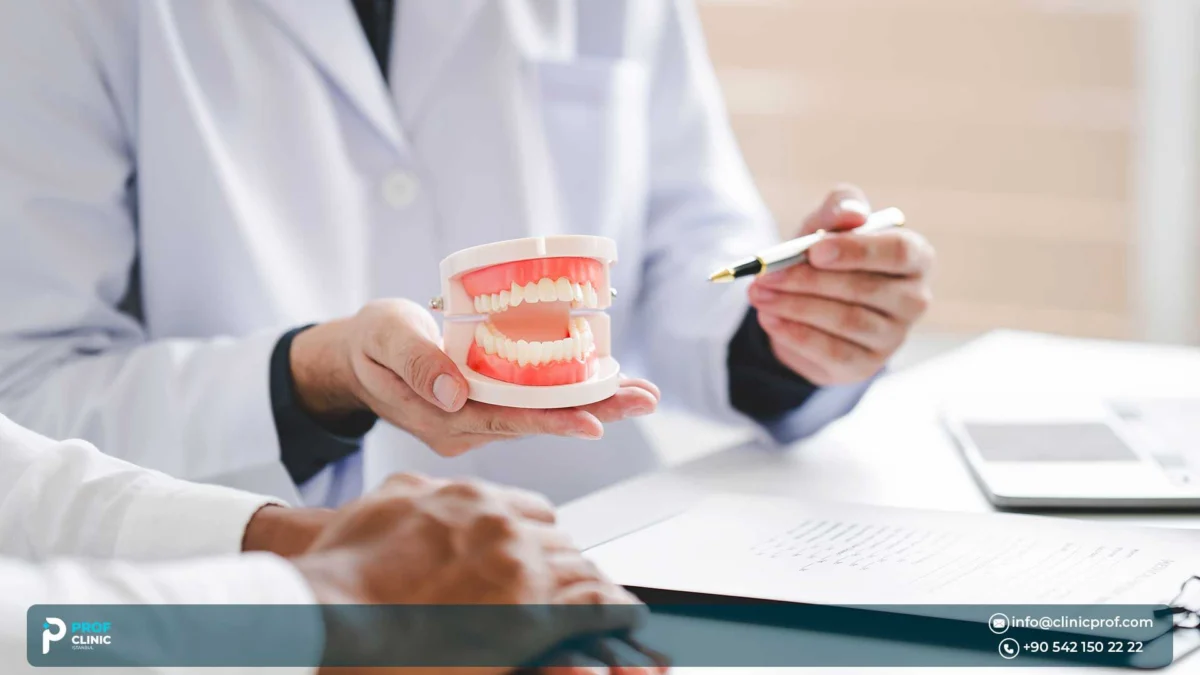
Most people who need it have many failing teeth, advanced gum disease, worn or broken restorations, or loose full dentures in both jaws. When enough healthy teeth remain, saving them may still be possible, which is the question behind our guide to choosing between crowns and implants for a full mouth. If only a few teeth are missing, single dental implants are usually the simpler route.
Each jaw is normally restored with the same concepts used for one arch, such as All-on-4 dental implants in Turkey or a six-implant version. Our overview of full-arch implant options for one jaw compares fixed bridges, overdentures and bridge materials in more detail.
How Many Implants Do You Need for a Full Mouth?
Most full mouth plans use four to six implants in each jaw, so roughly eight to twelve in total. One implant per tooth is rarely needed, because a single bridge spreads the biting load across all the implants in that arch.
The upper jaw tends to have softer bone, and the sinuses sit just above the back teeth, so it more often needs six implants or tilted ones. The lower jaw has denser bone at the front, where four implants are frequently enough. The CBCT scan decides the final number for each jaw.
Can Both Jaws Be Treated on the Same Trip?
Yes, both jaws are often operated on during the same first trip, either on one day or on two days close together. Treating them together means one surgical recovery and one healing period for both arches.
Staging is sometimes the safer choice. If one jaw needs bone grafting or a sinus lift first, the dentist may treat one jaw now and the other on a later visit. The same can apply when a long operation is not advisable for your health. Some people also keep healthy teeth in one jaw and need full-arch treatment only in the other.
Whatever the order, the bite is designed for both jaws at once. Tooth length, the smile line and the way the upper and lower bridges meet are planned on the digital records before any implant is placed.
How Many Trips Does Full Mouth Implant Treatment in Turkey Take?
Most patients need two main trips to Turkey for full mouth implants: one for surgery and temporary teeth, and one for the final bridges about 3 to 6 months later. A third trip is added when grafting, a staged second jaw or an extra adjustment visit is needed.
| Stage | Where | What usually happens |
|---|---|---|
| Before travel | At home, online | Photos, recent X-rays, medical history and goals are reviewed and a provisional plan is discussed |
| Trip 1 | Clinic in Istanbul | Examination, CBCT scan, digital plan, extractions, implants in both jaws, temporary bridges when the implants are stable enough |
| Healing | At home | About 3–6 months for the implants to fuse with the bone, soft diet at first, local check-ups where possible |
| Trip 2 | Clinic in Istanbul | New scans, try-in of the final teeth, fitting of both final bridges, bite adjustment, cleaning instructions |
| Long term | Home and clinic | Regular check-ups and professional cleaning around the implants |
The length of each stay depends on how many teeth are removed, whether both jaws are treated together and how quickly the temporary bridges can be made. Prof Clinic plans the length of each trip with you, shorter or longer to suit your wishes, within what each clinical step needs.
Trip 1: Scan, Surgery and Temporary Teeth
The first trip starts with a clinical examination and a CBCT scan, which shows bone height, bone width and the position of nerves and sinuses. The implant positions for both jaws are then planned on the scan.
On that first trip, surgery uses local anaesthesia, with sedation if needed. Teeth that cannot be saved are removed and the implants are placed. When the implants hold firmly enough, temporary fixed bridges are usually attached within a few days, so many people fly home with teeth.
Flying straight after surgery is not advised. A paper on dental tourism and air travel in the British Dental Journal suggests waiting at least 72 hours after implant placement, and ideally about a week. After a sinus lift, it advises at least two weeks. Your surgeon sets the date for your own case.
Between Trips: Healing at Home for 3 to 6 Months
Between the two trips, the implants fuse with the jawbone, a process that usually takes about 3 to 6 months, according to Cleveland Clinic. During this time you wear the temporary bridges and keep to a soft diet in the early weeks.
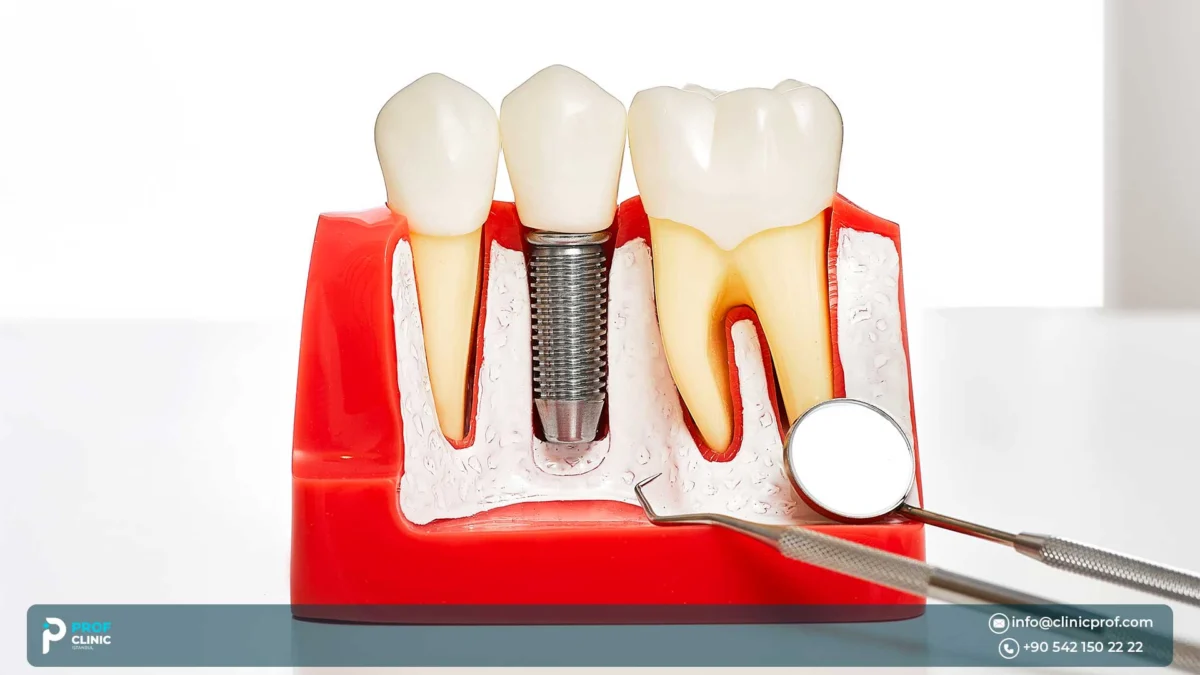
Swelling and soreness are common in the first days after surgery in both jaws. Cleveland Clinic notes that most people feel normal within about a week of implant placement. If an implant feels loose, your bite changes suddenly or swelling returns, contact the clinic and your local dentist without waiting for the next trip.
Temporary bridges are lighter and less strong than the final ones. Avoid hard or very chewy food on them, even when they feel comfortable.
Trip 2: Final Bridges for Both Jaws
On the second trip, new scans are taken and the final bridges are made for both jaws. A try-in is often arranged first, so you can check the shape, colour and bite before the bridges are finished.
Once fitted, the bridges are screwed onto the implants and the bite is adjusted so the upper and lower teeth meet evenly. You should leave with written cleaning instructions and a record of the implant system and parts used, which helps your home dentist later on.
When Is a Third Trip Needed?
A third trip is usually planned when a bone graft or sinus lift has to heal before implants can go in, or when the two jaws are treated months apart. It can also become necessary if one implant does not fuse and has to be replaced.
Knowing this early helps you plan time off work. A clear written plan should state how many trips are expected and what could add one. To see how the trips might look for your own mouth, you can book a free consultation and send your records first.
What Should You Prepare Before Travelling to Turkey?
Preparation starts at home with your records, your health information and a talk with your own dentist. The Oral Health Foundation strongly recommends seeing your regular dentist before treatment abroad, since they know your dental history and can give an independent opinion.
- Recent photos of your teeth and smile, plus any panoramic X-ray or CBCT scan you already have
- A list of your medicines, especially blood thinners and drugs taken for bone health
- Details of diabetes, heart conditions or other long-term illnesses
- Your smoking habits, since smoking can slow healing around implants
- Information about past dental treatment, gum disease or earlier implants
- Your questions about the number of trips, the length of each stay and aftercare
A proper consultation should ask about your medical history and the medicines you take. The Oral Health Foundation describes a consultation that skips these questions as a warning sign.
What Should a Full Mouth Implants Turkey Package Spell Out?
A full mouth implants package in Turkey should describe the treatment for each jaw separately, along with the trips and aftercare it covers. One line saying “full mouth” is not enough to compare offers fairly.
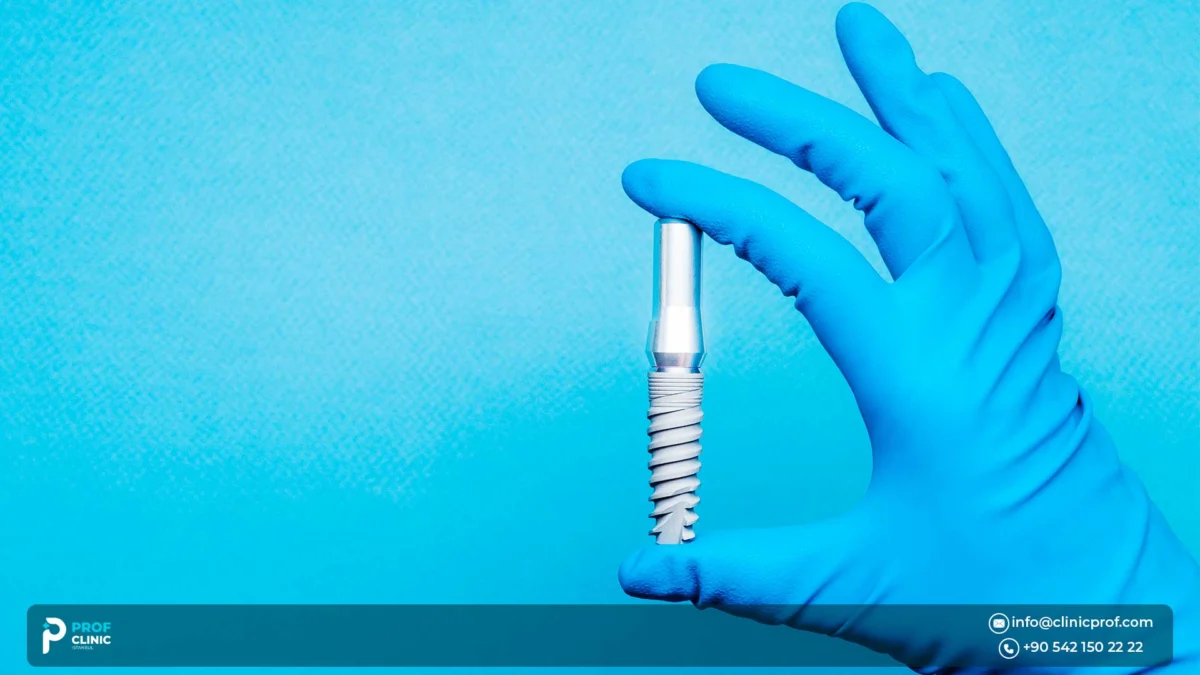
- The number of implants planned in the upper jaw and in the lower jaw
- The implant system and the parts that connect the bridge to it
- Extractions, grafting or a sinus lift, if they are expected
- The type of temporary bridges and when they are fitted
- The material of the final bridges
- The number of trips and the expected days for each one
- Check-ups, follow-up and what happens if an implant fails
The Oral Health Foundation also suggests asking who pays for extra travel or corrective work if something goes wrong, and whether follow-up care is included. These answers weigh more with two jaws, because there is more work to maintain over the years.
Also read: Full Mouth Dental Implants Cost: What You Are Actually Paying For
How to Read Full Mouth Dental Implants Turkey Reviews
Reviews of full mouth dental implants in Turkey are most useful when they describe the whole journey, from the first trip to life with the final bridges. A five-star rating posted in the first week mostly reflects the welcome and the temporary teeth.
What Makes a Patient Review Useful?
A useful review says when it was written, which stage the person had reached and how the clinic handled follow-up. Look for reviews posted months after the final bridges were fitted, and for clinic replies to complaints that are calm and specific.
The written comments tell you more than the score. A study in the Journal of Medical Internet Research analysed online reviews of more than 200,000 US dentists. It found recurring themes such as discomfort during treatment and ethics, including high-pressure sales and unnecessary work.
Spread your reading across independent platforms, the clinic’s own pages and patient forums. The Oral Health Foundation suggests checking independent review websites and, where possible, speaking to people who have had treatment at the clinic.
How to Judge Before-and-After Photos
Before-and-after photos show what was possible for one person, and results vary from patient to patient. Check that both pictures share the same angle and lighting, and that close-ups show the gums and the line where the bridge meets them.
Ask which stage the after photo shows. Temporary and final bridges look different, and a photo taken on fitting day says nothing about the teeth and gums a year later. You can look through our before-and-after gallery with these points in mind.
Warning Signs in Online Claims
Be cautious with posts or offers that promise the same result for everyone. A review of UK news coverage in the British Dental Journal found that viral social media trends helped spread health misinformation about dental tourism. The press then amplified those views.
- Fixed final teeth for both jaws in a single trip, for every patient
- A treatment plan or quote given before anyone has seen a scan
- No mention of grafting, healing time or possible complications
- Pressure to pay a deposit or decide within a few days
- No named dentist responsible for your treatment
What Happens After You Fly Home?
After you fly home, daily life with full mouth implants is about cleaning, check-ups and knowing whom to call if something feels wrong. Two bridges mean more surfaces to clean, so the routine takes a little longer than it did with natural teeth.
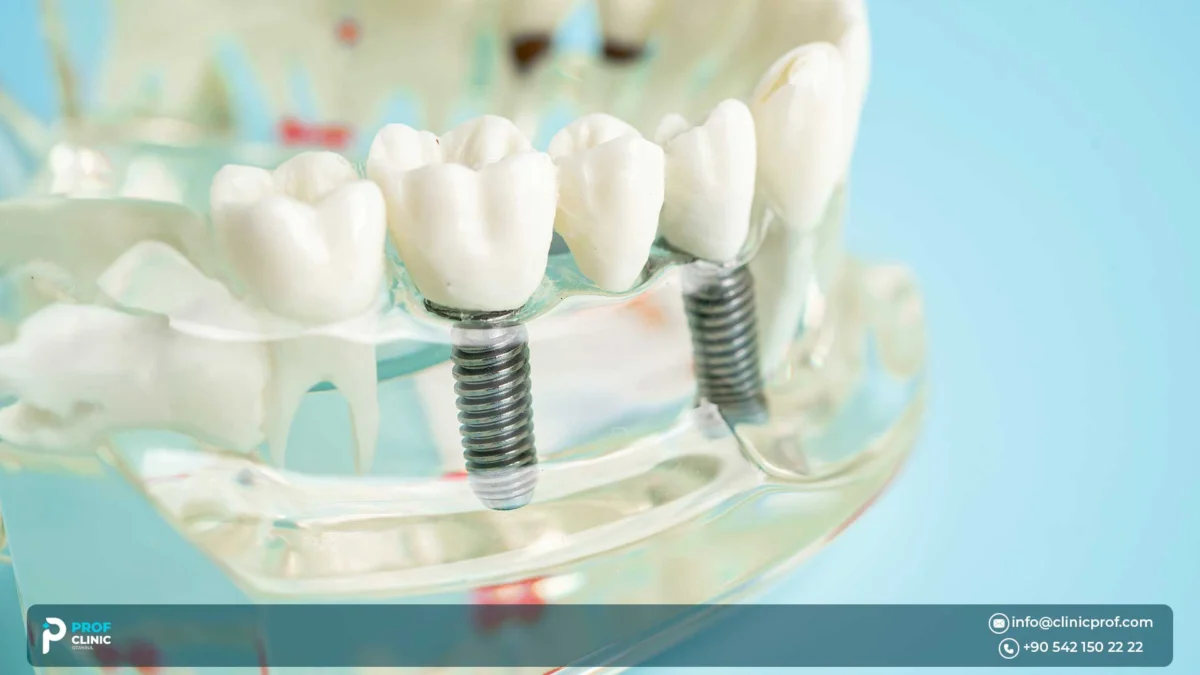
Brush both bridges twice a day with a soft brush, then clean underneath with a water flosser, interdental brushes or special floss. Professional cleaning and check-ups at the intervals your dentist sets help catch loose screws or gum inflammation early.
Tell your local dentist about the treatment before you travel and share the records afterwards. A recent systematic review of All-on-4 treatment in Dentistry Journal notes that biological and technical complications remain clinically relevant, so long-term follow-up matters wherever you live. Our guide to All-on-4 safety checks and timelines in Turkey explains what to do if a problem starts after you return.
If you are unsure about a symptom, you can contact our dental team and describe what you notice, with a clear photo if possible.
Planning Both Jaws with Prof Clinic in Istanbul
At Prof Clinic, planning starts with the photos and X-rays you send, and no plan is confirmed before an examination and a 3D CBCT scan in Istanbul. The scan shows whether four or six implants suit each jaw, and the digital plan sets where each one goes. Full mouth implants at Prof Clinic cost about €8,400–17,400 for both jaws (roughly £7,000–14,600 or $9,250–19,300), with up to 10 implants and 24 zirconia crowns. The amount that applies to you is confirmed in a written quote after your assessment and X-rays.
About these prices: These prices are approximate and meant for planning only. They are Prof Clinic’s indicative prices in euros; amounts in other currencies are converted at the exchange rate of 13 November 2026 and will change as exchange rates move. Your final price is set after your medical assessment and X-rays and confirmed in a written quote that lists what is included. Contact us to get the actual price for your case.
For both jaws, surgery is done under local anaesthesia, and sedation can be arranged if needed. A temporary fixed bridge is often attached within a few days when the implants are stable enough, though this is not possible for everyone. After about 3 to 6 months of healing, new scans are taken for the final bridges, followed by regular check-ups and cleaning. This full-arch treatment in Istanbul is part of our dental treatment services.
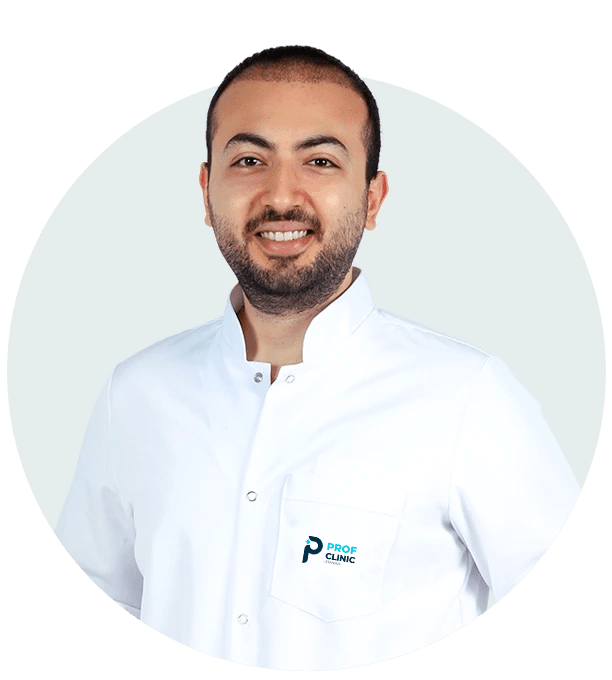
Our team includes Dt. Orçun Özaydın, whose clinical work centres on the prosthetic planning of All-on-4 and All-on-6 cases. Recommendations are made only after a clinical assessment and review of your records. To start, send your photos and X-rays via WhatsApp and ask for a clear written plan.
Frequently Asked Questions
How long do you need to stay in Turkey for full mouth implants?
The first stay is usually the longest, because it covers the scan, extractions, implant surgery in both jaws and the fitting of temporary bridges. The second stay, for the final bridges, is often shorter. The clinic plans the length of each stay with you, shorter or longer to suit your wishes, within what healing and the checks before flying need.
Can I get temporary teeth abroad and the final bridges at home?
It is possible in some cases, though rarely simple. The final bridges must match the implant system and connecting parts used, so your local dentist would need complete records and compatible components. Most patients return to the same clinic, so that one team stays responsible for the whole result.
Is it better to have full mouth implants abroad or at home?
Neither choice suits everyone. Treatment abroad means travel, at least two stays and some follow-up at a distance, while treatment at home makes check-ups easier. Compare the written plans, each dentist’s experience with full-arch cases and the aftercare offered, and ask your own dentist for an independent opinion.
How can I tell if full mouth implant reviews are genuine?
No single sign proves a review is genuine, but detail helps a lot. Give more weight to reviews that mention dates, treatment stages and follow-up, appear on independent platforms and include some balanced criticism. Be wary of many short, similar reviews posted within a few days, or photos you find on unrelated websites.
How long do full mouth dental implants last?
With good cleaning and regular check-ups, the implants can last many years, although nobody can promise a fixed lifespan. A recent systematic review of All-on-4 treatment reported high implant and bridge survival over long follow-up. The bridges wear faster than the implants and may need repairs or replacement over time.
The Bottom Line
Full mouth dental implants in Turkey usually mean two main trips, a few months of healing at home in between and two bridges designed to work as one bite. Reviews and photos can help you shortlist clinics, while a scan-based written plan tells you far more about your own case.
A sensible first step is to gather your records and questions, then ask for a plan that lists each jaw, each trip and the aftercare, so you can decide calmly.
Sources
- PMC (Dentistry Journal) — All-on-Four Rehabilitation: A Systematic Review of Clinical Management, Workflow and Complications
- PMC (British Dental Journal) — Dental tourism and the risk of barotrauma and barodontalgia
- Cleveland Clinic — Implant-Supported Dentures
- PMC (Journal of Medical Internet Research) — Assessing Patient Experience and Healthcare Quality of Dental Care Using Patient Online Reviews in the United States
- PMC (British Dental Journal) — Contemporary dental tourism: a review of reporting in the UK news media
- Oral Health Foundation — Going abroad for dental treatment