If you need new teeth in one or both jaws, the first thing you probably search for is the full mouth dental implants cost. The figures you find online vary so widely that they rarely help, and many of them leave out half of the treatment.
A fair answer starts with your own records. The total depends on how many implants each jaw needs, the implant system, what the final teeth are made of, any extractions or grafting, the temporary teeth, the number of visits and the care that follows for years.
This guide walks through each of those items, explains why two quotes for the same mouth can describe different treatment, and shows how to compare them. It begins with our approximate price ranges, though a responsible quote can only follow an assessment.
Full Mouth Implant Price Ranges at Prof Clinic
The table below gives approximate prices for each option. Full mouth covers both jaws, with up to 10 implants and 24 zirconia crowns, while All-on-4 and All-on-6 are priced per jaw. Zygomatic implants are priced per implant and used only when the upper jaw bone needs them.
| Treatment | Euro (€) | Pound (£) | US dollar ($) |
|---|---|---|---|
| Full-mouth implants (up to 10 implants and 24 zirconia crowns) (for both jaws) | €8,400–17,400 | £7,000–14,600 | $9,250–19,300 |
| All‑on‑4 (4 implants, multi-unit abutments and 12 crowns) (per jaw) | €4,400–7,500 | £3,650–6,300 | $4,850–8,300 |
| All‑on‑6 (6 implants with abutments and crowns) (per jaw) | €5,200–10,000 | £4,300–8,400 | $5,700–11,100 |
| Zygomatic implant (per implant) | €2,500 | £2,100 | $2,750 |
Where your case sits within a range depends on the number of implants, the implant system, the bridge material, any extractions or grafting and the temporary teeth, as the sections below explain. The figure for your own case comes in a written quote once your X-rays have been assessed.
About these prices: These prices are approximate and meant for planning only. They are Prof Clinic’s indicative prices in euros; amounts in other currencies are converted at the exchange rate of 13 November 2026 and will change as exchange rates move. Your final price is set after your medical assessment and X-rays and confirmed in a written quote that lists what is included. Contact us to get the actual price for your case.
How Much Do Full Mouth Dental Implants Cost? Why One Figure Never Fits
Full mouth dental implants cost whatever your particular plan contains, so no single figure fits everyone. Two people who both need “a full mouth” can differ in bone volume, gum health, bite and the type of teeth they want, and each of these changes the work involved.
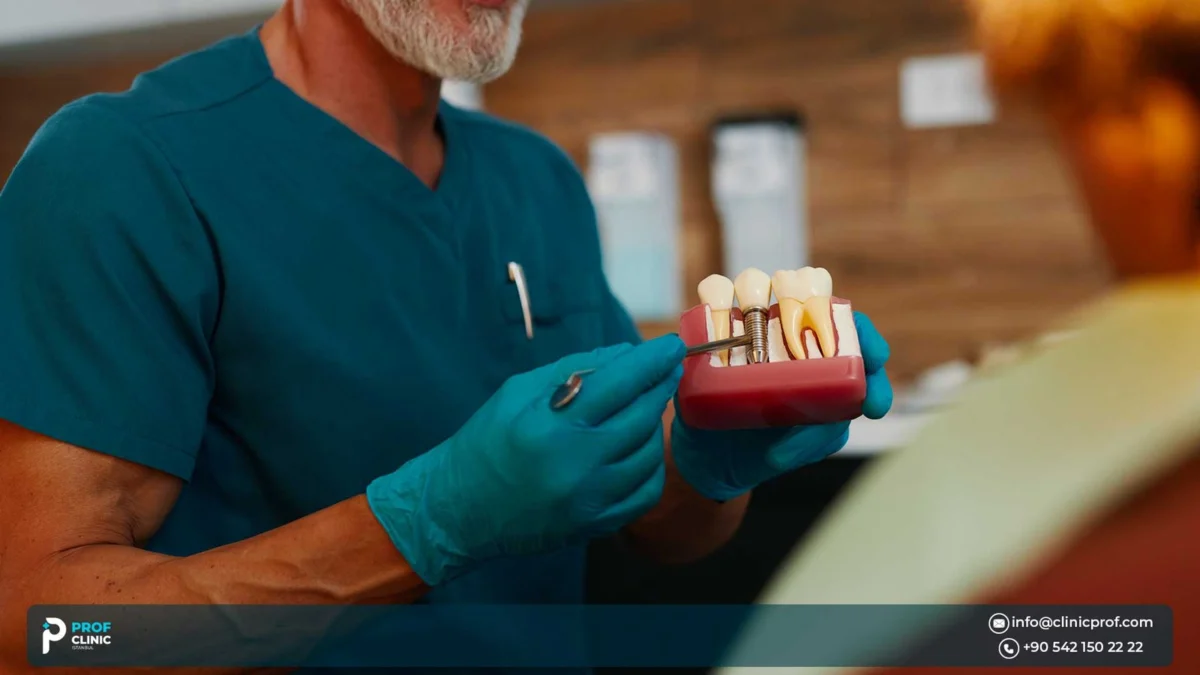
“Full mouth” itself can mean different things. Some people need one arch replaced, some need both, and some still have healthy teeth in one jaw that are worth keeping. A quote that does not say which jaws it covers cannot be compared with any other.
The second reason is information. An estimate made from a photo or an old X-ray is only a starting point. A 3D CBCT scan shows bone height, nerve position and the sinus floor, and only then can the number of implants and the need for grafting be settled.
Which Full-Mouth Design Are You Paying For?
The design of the new teeth sets the frame of the whole bill, before any brand or material is chosen. Three broad designs are used when most or all teeth are missing or failing, and each involves a different amount of surgery and laboratory work:
- A fixed full-arch bridge on four to six implants per jaw (All-on-4 or All-on-6): one screwed bridge per jaw that only the dentist removes;
- Individual implants or shorter bridges: many more implants spread along the jaw, and usually more grafting where the bone has shrunk;
- A removable overdenture on two to four implants: a denture that clips onto the implants and comes out for cleaning.
A fixed bridge on four or six implants is the most common way to replace a whole arch, and you can see how it is planned on our page about All-on-4 dental implants in Turkey. Replacing teeth one by one is a different treatment, described on our page on dental implants in Turkey.
A removable overdenture needs fewer implants, so its starting bill is usually smaller. A consensus report of the European Association for Osseointegration found that lower-jaw overdentures on two or four implants cost more than ordinary dentures but improved quality of life. Their clips also wear and need replacing, which belongs in any long-term comparison.
What Drives Full Mouth Dental Implants Cost, Line by Line
Within any design, full mouth dental implants cost is driven by six groups of items: the implants, their connecting parts, the teeth themselves, preparatory surgery, temporary teeth and the clinical work around surgery. Each one is a separate decision, and each should appear on the quote.
How Many Implants Each Jaw Needs
The number of implants is decided on the CBCT scan, once the bone has been measured. The upper jaw often has softer bone and the sinuses sit above the back teeth, so it is planned with six implants more often than the lower jaw. Every extra implant adds surgical time, a component and a laboratory connection.
More implants do not automatically mean a better result. The aim is enough support for the bridge in the bone you have. If the bone at the back of the upper jaw is too thin, the plan may move to tilted implants or grafting, and the cost changes with it.
The Implant System and Its Parts
The implant system is the brand and model of implant, together with the abutments that join it to the teeth. Systems differ in their research history, in how widely their parts are stocked around the world and in the tools needed to service them.
A full mouth of implants may need servicing for decades, so ask for the brand, model and abutment type in writing. If a screw loosens years from now, the dentist who sees you will need compatible parts and screwdrivers.
What the Final Teeth Are Made Of
The material of the final bridge is one of the largest single choices on the bill, and it also shapes later repairs. Common options are acrylic teeth on a titanium frame, monolithic zirconia, and zirconia layered with porcelain.
In a study of 71 full-arch implant bridges followed for up to 12 years, published in the Journal of Prosthodontics, wear of the tooth material was the most common minor problem. Wear was more frequent on metal-resin bridges than on porcelain ones, and both tooth grinding and not wearing a night guard were linked to more chipping.
How each material looks, feels and ages is compared in our guide to the full-arch zirconia bridge on implants. Finished cases can also help you picture the difference, so you may want to look through before-and-after photos of new teeth while you compare.
Extractions, Gum Treatment and Bone Grafting
Preparatory surgery is the item that most often changes between a first estimate and the final plan. Cleveland Clinic notes that decayed or damaged teeth must be removed before implants are placed, and that bone grafts can add volume and density where bone has been lost.
In a full mouth, the amount of this work varies widely. Someone who has worn dentures for many years may have more bone loss, while someone with failing teeth may need many extractions and gum infection treated first. Smoking and uncontrolled diabetes can slow healing, so they are discussed before surgery.
Temporary Teeth While the Implants Heal
Temporary teeth are a separate item from the final teeth, and with a full mouth you may need a set for each jaw. The implants usually need about three to six months to fuse with the bone before the final bridge is made.
When the implants are stable enough at surgery, a temporary fixed bridge is often attached within a few days. When they are not, a removable denture is worn during healing instead. A clear quote states which temporary option is planned and what happens if the plan has to switch.
Scans, Anaesthesia and Laboratory Work
Diagnosis, anaesthesia and laboratory time are easy to overlook because they are not teeth you can see. A full-mouth plan usually involves a 3D CBCT scan, a digital plan, surgery under local anaesthesia with sedation if needed, and several rounds of laboratory work for the temporary and final bridges.
If you already have a panoramic X-ray or a CBCT scan, you can share your existing scans with our dental team and ask which of these items apply to your mouth.
Both Jaws at Once or One at a Time: How Visits Shape the Bill
Treating both jaws in the same surgical session usually means fewer trips, while treating them one after the other spreads the work and the spending over a longer period. Which approach is sensible depends on your health, your bone and how long you can stay.
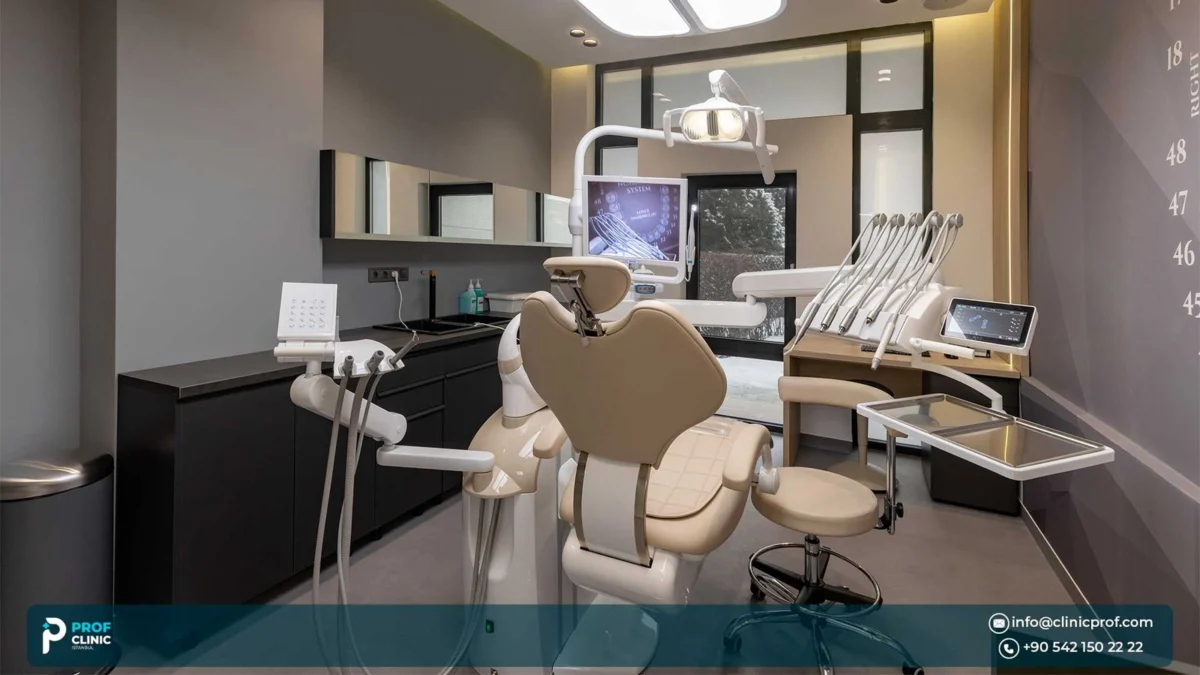
A full-mouth case usually has at least two stages: surgery with temporary teeth, then the final bridges after healing. Each stage brings visits for checks, adjustments and new scans. If you travel for treatment, flights, accommodation and time off work sit outside the clinic quote but belong in your own total.
Some costs appear only if something needs attention between stages, such as a cracked temporary tooth or a sore spot under the bridge. Ask in advance how such visits are handled. Our guide to full mouth dental implants in Turkey explains what usually happens on each trip when both jaws are treated.
The Running Costs After Full Mouth Implants
The spending does not stop when the final bridges are fitted. Full-mouth implants need professional cleaning, check-ups and occasional repairs, and these running costs belong in any honest comparison of plans.
The Oral Health Foundation describes looking after implants as essential, with careful daily cleaning around them and regular dental and hygiene appointments. Under a fixed bridge, cleaning usually involves interdental brushes or a water flosser, and people who grind their teeth may also need a night guard.
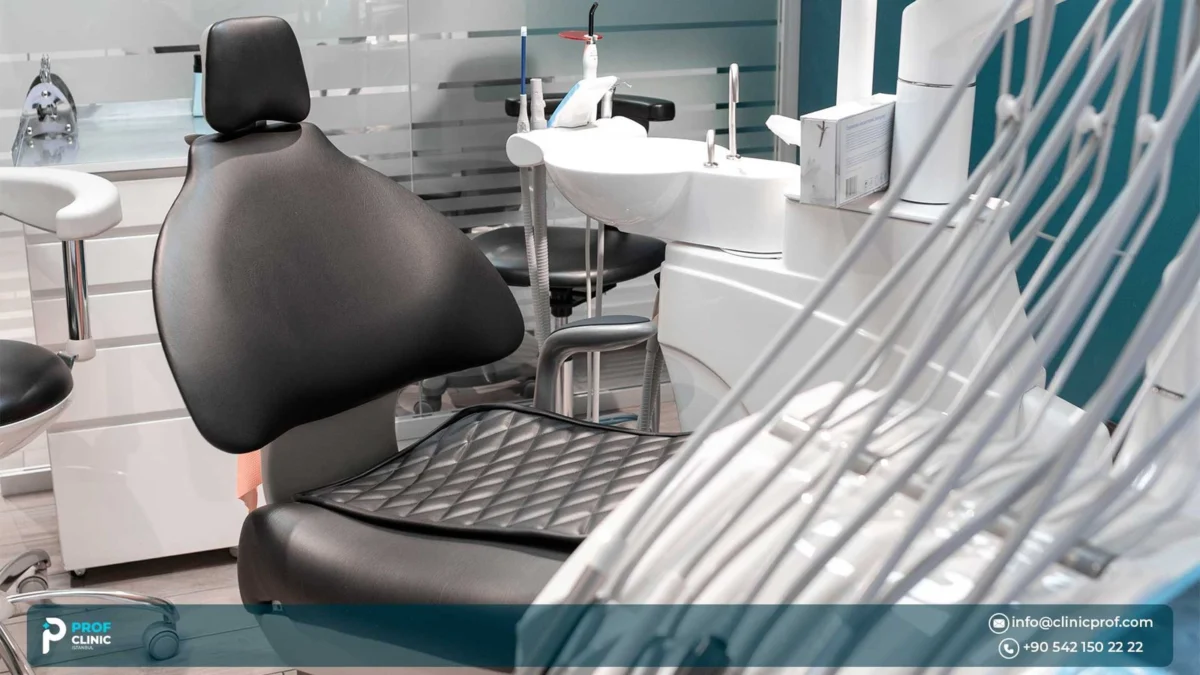
The teeth on the implants age too. Cleveland Clinic advises that the denture part sitting on the implants should be replaced every 15 to 20 years, even when the implants themselves stay healthy. Smaller repairs, such as renewing a worn tooth or the filling over a screw channel, are more common and usually quicker.
Is the Cost of Full Mouth Implants Worth It Over Time?
Whether full-mouth implants are worth their cost is a personal decision, but research offers some guidance. A literature review in the International Journal of Oral & Maxillofacial Implants found that implants for a toothless lower jaw cost more at the start than conventional dentures. Most of the studies it included judged them cost-effective over the long term.
The same review reported high satisfaction and willingness to pay, particularly among older people without teeth. Your own answer depends on your health, how much your current teeth or denture limit you, and whether you can keep up the maintenance.
How to Compare Full Mouth Implant Quotes Stage by Stage
To compare full mouth implant quotes fairly, rewrite each one so that it shows the same stages for each jaw. The table below sets out what you are paying for at every stage and what most often changes it.
| Stage | What you are paying for | What can change it |
|---|---|---|
| Assessment | Examination, X-rays, 3D CBCT scan and digital plan | Whether recent scans you already have can be used |
| Preparation | Extractions, treatment of gum infection, bone grafting | Number of failing teeth and the bone volume left |
| Surgery | Implants, abutments, local anaesthesia or sedation | Four or six implants per jaw, one jaw or both |
| Temporary teeth | Fixed temporary bridge or removable denture for each jaw | How stable the implants are at surgery |
| Final teeth | Laboratory-made bridge for each jaw, new scans and fitting | Acrylic on titanium, monolithic or layered zirconia |
| Aftercare | Check-ups, cleaning, adjustments and a night guard if needed | Grinding habits, hygiene and distance from the clinic |
Once the lines match, look for what is missing instead of what is lowest. Gaps that often appear in full-mouth offers are the second jaw’s temporary teeth, the CBCT scan, sedation, and the adjustment visits after the final bridges. Before choosing, ask each clinic to answer these questions in writing:
- Does the quote cover one jaw or both, and is each jaw itemised?
- Which implant system and abutments are used, and can a dentist in my country service them?
- What changes if grafting is needed, or if the implants are not stable enough for fixed temporary teeth?
- Which check-ups, repairs and adjustments after the final bridges are included?
Also read: All-on-4 Dental Implants Abroad: Cost Factors and a Quote Checklist
When your records are ready, you can book a free consultation and ask for a written plan laid out stage by stage for each jaw.
How Prof Clinic Prepares a Full-Mouth Plan and Written Quote
At Prof Clinic, the quote comes after the assessment. We first review your photos and any X-rays, then take a 3D CBCT scan and prepare a digital plan that decides between four and six implants for each jaw. The written plan lists every stage and material, so you can compare it openly. All-on-8, snap-on implant dentures and zygomatic implants are also available at Prof Clinic when your scan and assessment point to them.
Implant placement takes place under local anaesthesia, with sedation when needed. If the implants hold firmly enough, a fixed temporary bridge is often attached within a few days. The implants then usually need about 3–6 months to fuse with the bone, after which fresh scans are taken for the final bridges. Dt. Orçun Özaydın’s clinical work includes All-on-4 and All-on-6 prosthetic planning, and check-ups and professional cleaning carry on once treatment ends. You can learn more about All-on-4 and All-on-6 treatment in Istanbul and our dental treatments at Prof Clinic.
To begin, send your photos or X-rays to us on WhatsApp at +90 542 150 2222 and ask for an itemised plan for one or both jaws.
Frequently Asked Questions
How much do full mouth dental implants cost in Turkey?
Prof Clinic’s approximate prices are in the price table above, and your own price follows from your scan and the plan built on it. The main factors are the number of implants per jaw, the implant system, the bridge material, any extractions or grafting, and the visits needed. Request an itemised plan in writing once your assessment is done.
Can I get a full mouth implant quote from X-rays alone?
A recent panoramic X-ray allows a useful first estimate, but the final plan usually needs a 3D CBCT scan. The scan shows bone height and width, nerves and sinuses, which decide the number of implants and whether grafting is needed. Expect the estimate to be confirmed or adjusted once the scan has been reviewed.
Does bone grafting increase the cost of full mouth implants?
Yes, grafting adds a surgical step, graft material and sometimes extra healing time, so it raises the total when it is needed. Not everyone needs it. Tilting the back implants or placing implants where the bone is thicker can sometimes avoid grafting, and the CBCT scan shows which approach suits your jaw.
Does the bridge material change the cost of full mouth implants?
Yes, the final bridge material is one of the larger items on a full-mouth quote. Zirconia and acrylic teeth on a titanium frame differ in laboratory work, appearance, weight and the way they wear. Compare them by the repairs they may need over the years as well as by the first bill.
What ongoing costs come with full mouth implants?
Expect regular check-ups and professional cleaning, plus occasional repairs such as replacing a worn tooth, a loose screw or the filling over a screw channel. People who grind their teeth may need a night guard. Over many years, the teeth on the implants may need remaking even when the implants stay healthy.
Does treating both jaws together change the total?
Treating both jaws together usually means fewer trips and shared steps such as scans, but each jaw still needs its own implants, temporary teeth and final bridge. Whether both jaws can be treated in one session depends on your health, your bone and your recovery, and that is decided at assessment.
The Bottom Line
Full mouth dental implants cost reflects a chain of decisions: the design, the number of implants per jaw, the system, the bridge material, preparatory surgery, temporary teeth, visits and the care that follows. A quote means something only when each of those links is written down.
Compare offers stage by stage, ask what happens if the plan changes, and budget for maintenance as well as surgery. Share your X-rays or scan first, and make your decision once a written plan is in your hands.
Sources
- PubMed (Int J Oral Maxillofac Implants) — Evaluating the health economic implications and cost-effectiveness of dental implants: a literature review
- PubMed (J Prosthodont) — Technical complications and prosthesis survival rates with implant-supported fixed complete dental prostheses: 1- to 12-year follow-up
- PubMed (Clin Oral Implants Res) — EAO consensus conference: economic evaluation of implant-supported prostheses
- Cleveland Clinic — Implant Supported Dentures: Process, Benefits & Care
- Oral Health Foundation — Understanding dental implants