Losing one tooth may seem like a small problem at first, but choosing the wrong replacement can affect more than the visible gap. When patients compare single implant vs bridge, they are usually trying to understand which fixed option will restore the missing tooth in a way that suits their mouth, protects nearby teeth, and makes sense for their long-term plan in Istanbul
This article explains the real difference between a single implant and a bridge, when each option may be the better choice, what affects the final decision, and what patients should expect in terms of treatment, recovery, and long-term value. If you are deciding between one tooth implant or bridge, the goal here is not to push one treatment for everyone, but to help you move from general research to a more confident, case-based decision in Turkey.
Medical note: This article is for educational purposes only and does not replace a clinical examination, X-rays, or personalized advice from a qualified dentist.
Single implant vs bridge in Istanbul: What is the real difference?
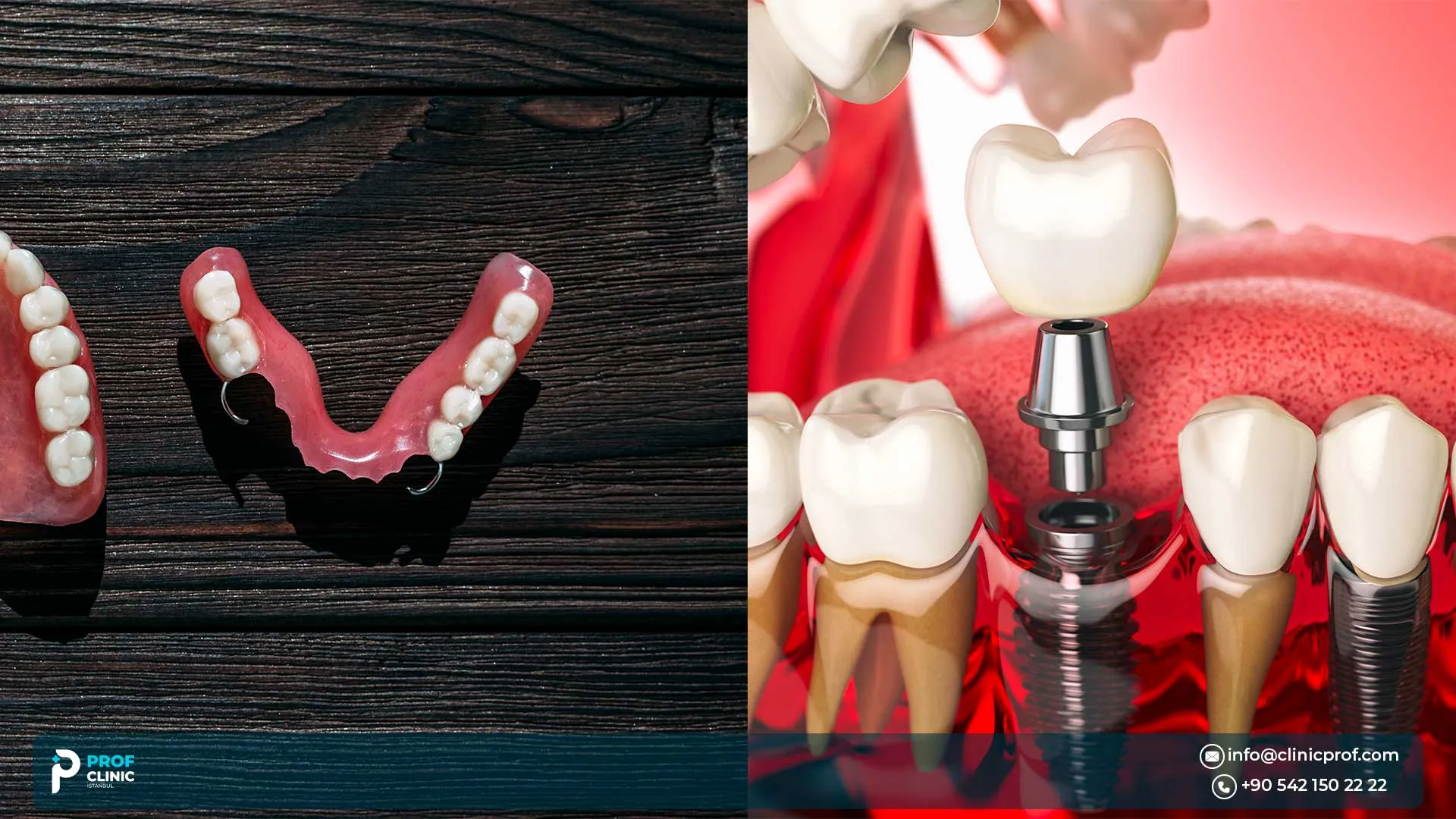
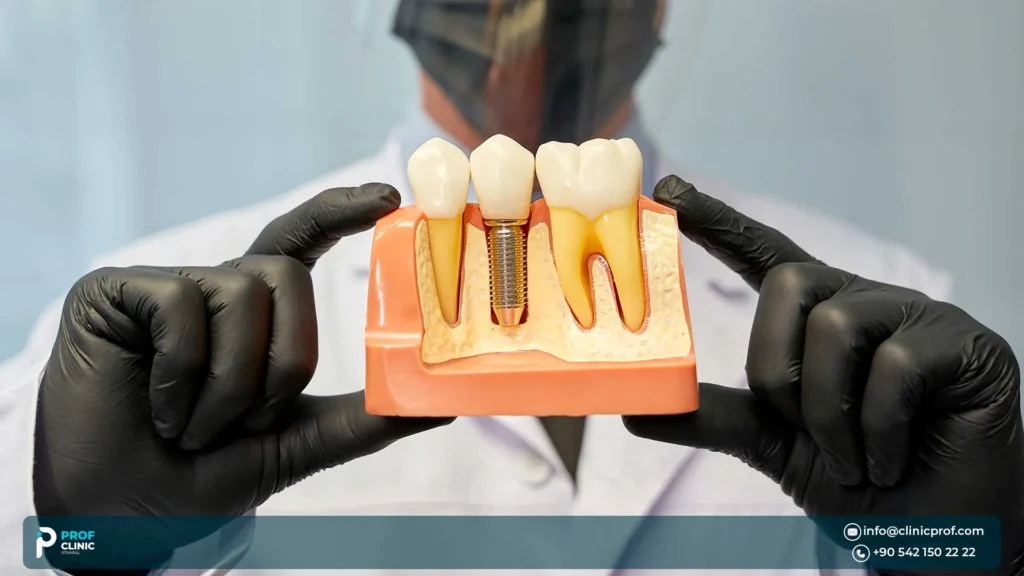
A single implant and a dental bridge are both fixed single tooth replacement options, but they replace a missing tooth in different ways. A single implant replaces the missing root with an implant placed in the jawbone, followed by a crown. A bridge replaces the missing tooth by using support from the neighboring teeth, usually through crowns placed on each side of the gap.
This difference matters more than many patients expect. When comparing single implant vs bridge, the decision is not only about replacing the visible space. It is also about how the tooth is supported, whether the nearby teeth are healthy, whether there is enough bone at the implant site, and what matters more to you: avoiding surgery, finishing treatment faster, or choosing a more independent long-term solution. For a broader clinic article on the same family of decisions.
Side-by-side comparison: Single implant vs bridge for one missing tooth
| Factor | Single Implant | Dental Bridge | Why it matters |
| Support | Implant in the jawbone | Neighboring teeth | Changes how the replacement tooth is anchored |
| Effect on adjacent teeth | Usually preserves them | May require preparation | Healthy support teeth often shift the decision |
| Need for surgery | Yes | Usually no | Important for patients who want a non-surgical route |
| Bone requirements | Needs adequate bone and gum health | Less dependent on bone at the gap itself | Limited bone may change the sequence or favor a bridge |
| Treatment pace | Often staged | Often faster | Matters for travel planning in Istanbul |
| Daily cleaning | Like a crown, with careful hygiene | Needs extra cleaning under the false tooth | Maintenance affects long-term success |
| Upfront cost pattern | Usually higher | Often lower | Value should be judged beyond day-one price |
| Long-term planning | Independent replacement | Supported by nearby teeth | The better choice depends on priorities, not slogans |
If you want a clinic-level explanation of implant journeys in the city, read our Dental Implants Istanbul: Why Choose the City?
When may a single implant be the better choice in Turkey?
A single implant may be the better choice when the teeth next to the gap are healthy and you want to avoid preparing them for support. This is one of the main reasons many patients comparing single implant vs bridge lean toward implant treatment. Instead of relying on the neighboring teeth, the implant supports the replacement tooth on its own.
This option may also make more sense when you want a more independent long-term solution. For many patients, that matters not only for function, but also for preserving healthy tooth structure and avoiding unnecessary work on nearby teeth.
- The teeth beside the gap are healthy and worth preserving
- Imaging shows enough bone for implant planning
- Your gums are healthy enough for treatment
- You are comfortable with a surgical procedure and a staged treatment plan
- You prefer a replacement tooth that functions independently rather than relying on adjacent teeth
For patients considering treatment in Turkey, this route is often attractive when long-term tooth preservation is a priority. Still, a single implant is not automatically the right choice for everyone. Bone quality, gum health, smoking, general medical factors, and willingness to complete treatment over more than one stage can all affect whether implant treatment is recommended.
Also read: Same Day Dental Implants Turkey: Get Your Teeth in a Day at Prof Clinic

When may a dental bridge be the better choice in Istanbul
A dental bridge may be the better choice when you want a fixed solution for one missing tooth but prefer to avoid surgery. For many patients comparing single implant vs bridge, this is one of the main reasons a bridge remains a practical option. It restores the gap using support from the neighboring teeth, which can make treatment feel more straightforward from the start.
A bridge may also be more appealing when timing matters. In many cases, it can be completed faster than a single implant because it usually does not involve implant placement, healing, and integration before the final restoration is fitted. For patients planning treatment in Istanbul, that shorter pathway can be an important part of the decision.
- You want a fixed replacement but prefer a non-surgical route
- You want treatment completed over a shorter timeline
- The teeth next to the gap already have large fillings or crowns, so using them as support may be clinically reasonable
- Bone limitations or medical factors make implant treatment less straightforward
That said, a bridge should not be treated as a maintenance-free shortcut. It still needs careful cleaning, especially under the replacement tooth, and its long-term success depends heavily on the health of the supporting teeth and gums.
If speed, simplicity, or a non-surgical route matters most to you, use our Contact page or book ann appointment to request a case-based opinion before you choose treatment in Istanbul.
Single implant vs bridge in Istanbul: Treatment timeline, recovery, and daily care
For many patients, this is the part of the single implant vs bridge decision that makes the difference feel real. Both options can replace one missing tooth, but the treatment journey is not the same. A single implant usually involves assessment, imaging, implant placement, and a healing phase before the final crown is fitted. A bridge is often more direct because it relies on the neighboring teeth rather than healing at an implant site.
With a single implant, treatment is usually completed in stages. The process often begins with examination and imaging, followed by implant placement, healing, and then the final crown. In some cases, temporary solutions may be used during treatment. For patients considering care in Istanbul, this longer pathway can matter when planning travel, treatment timing, and follow-up visits.
With a dental bridge, the overall route is often faster. The supporting teeth are prepared, impressions or scans are taken, and the bridge is then fitted without implant surgery. Some short-term soreness or sensitivity may happen at first, but many patients adjust quickly once the restoration is in place.
Daily care matters with both single tooth replacement options. A single implant still needs careful brushing, flossing, and regular review. A bridge also needs consistent cleaning, especially under the replacement tooth, where food and plaque may collect more easily. Many patients do well with either option when they understand the cleaning routine and commit to long-term maintenance.
Also read: Dental Implant Procedure Time
Single implant vs bridge in Istanbul: Which factors shape the final decision?
Bone, Gum Health, and Treatment Suitability
The final decision between a single implant and a bridge is rarely based on one factor alone. Bone at the implant site, gum health, general medical factors, smoking habits, and your comfort with surgery all influence whether implant treatment is straightforward or whether a different plan makes more sense.
This is why imaging matters. Scans help show whether the site can support an implant predictably or whether the case may need a different sequence, more healing time, or another type of restoration. For many patients in Istanbul, this is the stage where a general online comparison turns into a realistic treatment recommendation.
The Condition of the Teeth Next to the Gap
This is one of the most important parts of the single implant vs bridge decision. If the teeth beside the missing tooth are healthy and only minimally restored, many patients prefer to preserve them rather than use them to support a bridge. On the other hand, if those neighboring teeth already have large fillings, crowns, or existing restorative needs, a bridge may become the more practical option because those teeth may already require treatment.
In simple terms, healthy adjacent teeth often strengthen the case for a single implant, while heavily restored adjacent teeth can make a bridge more reasonable. The final choice still depends on bite forces, bone support, and overall treatment priorities.
Upfront Cost and Long-Term Value
Cost matters, but it should be viewed in context. A bridge may feel easier financially at the start because treatment is often faster and usually does not involve implant surgery. A single implant may involve a higher upfront cost, more planning, and a longer treatment pathway.
However, the more useful question is not only which option costs less today, but which one offers better value over time. A bridge may suit patients who want a faster fixed solution, while an implant may offer stronger long-term value when preserving nearby teeth is a priority and an independent replacement is possible.
For patients comparing treatment in Istanbul, this decision should be based on the actual design of the case rather than generic online price expectations. Long-term value can also be influenced by maintenance, repairs, the condition of the supporting teeth, and whether future treatment may become necessary.
Use our Dental Treatment in Turkey page to review the broader treatment pathway and all-inclusive quote positioning
Single implant vs bridge in Istanbul: Risks, limitations, and what to ask before you choose
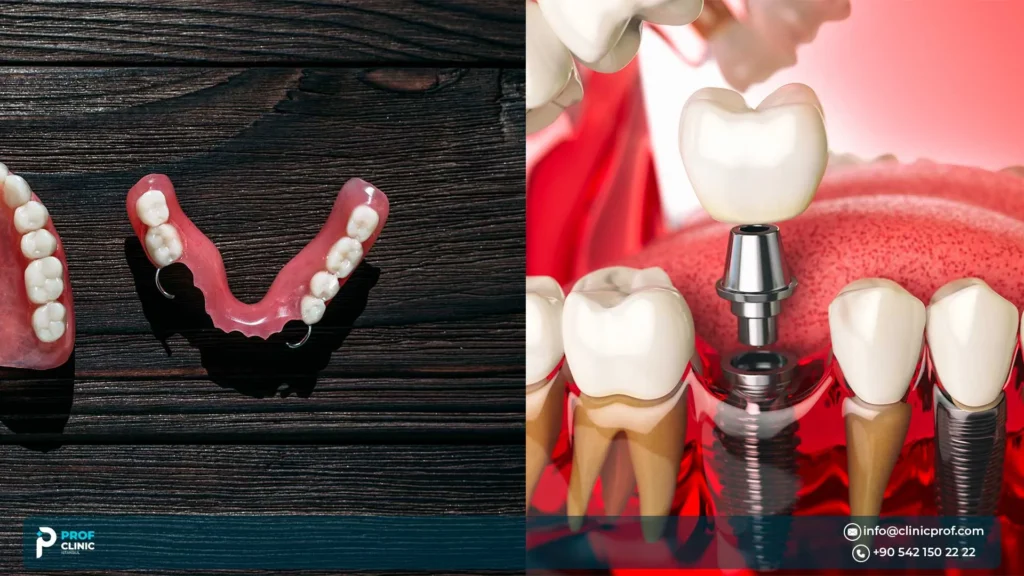
A balanced single implant vs bridge comparison should also look at the risks and limitations of both options. A single implant involves surgery, healing, and the possibility that treatment may need to happen in stages. A dental bridge also has trade-offs: in many cases, the teeth next to the gap need to be prepared to support the restoration, and the long-term result depends heavily on the health of those supporting teeth and gums.
The purpose of this section is not to create anxiety. It is to help you ask the right questions before treatment starts, especially if you are choosing between a one tooth implant or bridge in Istanbul.
- Am I a good candidate for a single implant based on bone and gum health?
- Would a bridge require trimming otherwise healthy neighboring teeth?
- Are the teeth beside the gap already crowned, filled, or weakened?
- Would implant treatment need to happen in stages, or could a faster plan be considered?
- What daily cleaning tools or techniques will I need after treatment?
- What follow-up plan is available if I am traveling for treatment in Istanbul?
Choosing between a bridge and an implant for one missing tooth should feel clearer after a proper consultation, not more confusing. A qualified dentist should be able to explain the trade-offs in your specific case, not just describe the options in general.
How does Prof Clinic Istanbul evaluate single implant vs bridge for one missing tooth
When patients compare single implant vs bridge for one missing tooth, they usually do not need more generic pros and cons. They need a case-based evaluation that looks at the missing area, the teeth next to the gap, gum health, bone support, and the likely treatment timeline. This is where Prof Clinic Istanbul can make the decision clearer through a more personalized review.
In practical terms, the evaluation starts with your dental history, recent photos or X-rays, and an assessment of the gap, surrounding teeth, bite, gum condition, and available bone. From there, the team can explain whether a single implant is suitable, whether a bridge is the more realistic option, or whether both single tooth replacement options are possible and the final choice depends on timing, maintenance, and long-term priorities.
For patients considering treatment in Istanbul, this kind of review is especially useful because it helps turn a general online comparison into a treatment plan that fits the real case. It can also clarify whether the case is suitable for a more direct pathway or whether treatment may need to happen in stages.
Before moving forward, you can also review our Medical Team, Before & After, Patient Testimonials, and FAQs to better understand the next step and what to expect from treatment planning.
If you are still deciding between a one tooth implant or bridge, our doctors can review your case or you can book a consultation directly to understand which option makes more sense based on your teeth, bone support, and treatment goals.
FAQs about single implant vs bridge
Is a single implant better than a bridge?
Not automatically. A single implant may be better when you want to preserve healthy neighboring teeth and you have enough bone and gum support for implant treatment. A bridge may still be the better fit when you prefer a non-surgical, often quicker fixed solution.
Is a bridge cheaper than an implant?
In many cases, yes upfront. Bupa notes that implant treatment usually takes longer, involves more appointments, and is more expensive than a bridge initially, although long-term value depends on maintenance, future treatment, and the condition of surrounding teeth.
How long does a one tooth implant take?
A one-tooth implant is often completed in stages rather than one visit. Leeds guidance notes that gums may heal in about 1 to 2 weeks, while bone integration often takes 2 to 6 months before the final restoration is completed, although selected cases may follow different loading plans.
Do you need healthy teeth for a bridge?
Usually, the condition of the teeth next to the gap matters a lot. Traditional bridges depend on support teeth, and in some cases those teeth need preparation; if they are already crowned or heavily restored, a bridge may be more reasonable than when they are completely healthy and untouched.
Can everyone get a dental implant?
No. Suitability depends on factors such as bone support, gum health, smoking status, medical history, and whether you are prepared for a surgical and sometimes staged treatment process. A clinical examination and imaging are typically needed before a dentist can confirm candidacy.
Which option is easier to clean?
Both need daily care, but bridges often require more technique-specific cleaning under the replacement tooth. Implants still need excellent hygiene and follow-up care, but many patients find the routine feels closer to caring for a single natural tooth once treatment is complete.