When can you sleep normally, go back to work and start exercise after a hair transplant again? For most people the answer comes in stages: sleep propped up on your back for about the first week, return to desk work within days to two weeks, and keep hard training for around three weeks or more. Your own dates come from your surgeon, because published guidance varies from one clinic to the next.
In this guide by Prof Clinic, you’ll find the whole first month laid out week by week: sleeping position, work and driving, the gym and contact sports, swimming, sun and heat, sex and alcohol, and when a haircut is safe. Washing and scab care sit in our Hair Transplant Aftercare: Day-by-Day Guide to the First 30 Days, so this article stays on how to live your days.
Sleeping, Work and Exercise After a Hair Transplant: The Week-by-Week Map
Think of the first month as three phases: protect in week 1, return gradually in weeks 2–3, and rebuild your routine from about week 3–4. The NHS asks you to treat your transplanted hair with great care for roughly the first 2 weeks, and the ISHRS adds that rules on exercise and water exposure vary between surgeons.
The table shows the typical pattern. It combines the NHS, Cleveland Clinic, the American Society of Plastic Surgeons (ASPS) and StatPearls; your written instructions take priority.
| Period | Usually fine | Usually wait |
|---|---|---|
| Days 1–3 | Resting, short slow walks, sleeping on your back with your head raised | Bending, lifting, anything pressing or rubbing the grafts; driving if you had sedation |
| Days 4–7 | Light walking; a return to desk work from about day 3–5 for many people | Heavy lifting and strenuous activity (1 week), direct sun, swimming |
| Weeks 2–3 | Normal daily life and work; going out once the scabs have fallen, usually 1–2 weeks | Gym, running, contact sports (about 3 weeks), swimming and full head immersion (2–4 weeks), sex until about day 10 or later |
| Weeks 3–4 | Exercise in stages, if your surgeon agrees | Contact sports, hard sessions, sauna and steam until cleared; direct sun until about 1 month |
| Month 2 onwards | Normal training and swimming, brushing, haircuts and colouring from about 1 month | Nothing fixed: ask your surgeon about any activity that still worries you |
Treat these weeks as a rough guide rather than a fixed rulebook. A larger session, a sensitive scalp or a slow-healing donor area can all stretch them.
Want your own dates in writing? Ask our team for a personalised recovery calendar before you book flights, gym passes or time off.
How to Sleep After a Hair Transplant: Position, Pillows and How Long
Sleep on your back with your head raised for the first week, and avoid sleeping on your side or stomach. The Indian Journal of Plastic Surgery review says the usual recommendation is lying on your back, flat or slightly propped up, with side and face-down positions avoided. StatPearls gives a number: raise the head of the bed by 15° to 30° during the first week to limit swelling.
The First Week: On Your Back, Head Raised
A good set-up takes ten minutes and saves several bad nights:
- Build a slope, not a pile: stack two or three firm pillows, or use a wedge, so your shoulders and head rise together rather than your neck bending forward.
- Add side walls: a rolled towel or a pillow on each side stops you rolling over without noticing.
- Protect the pillowcase: a clean towel or old pillowcase takes any light oozing, and you can change it each night.
- Keep the room cool: a hot, sweaty scalp is more likely to itch, so a lighter duvet helps.
Side and Stomach Sleepers: Making It Work
If you usually sleep on your side, the first week is the hardest. A recliner or a sofa with your back and head supported often works better than a flat bed, because you can’t slide sideways. A travel neck pillow stops your head tipping onto the recipient area. If you wake up in the wrong position, simply turn back without checking the grafts with your fingers.
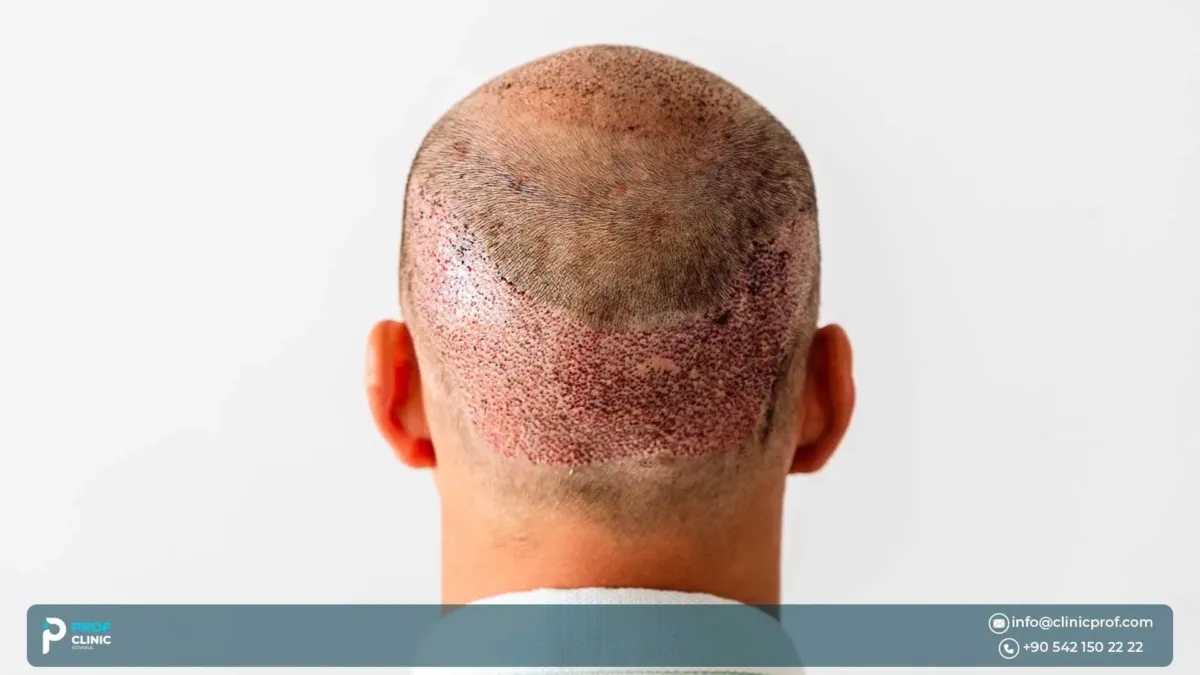
When Can You Sleep Normally Again?
The published elevation advice covers the first week, but the NHS advises being very careful with the grafts for about 2 weeks, so many people keep the same set-up until their first check. If your surgeon agrees, lower the slope gradually after the first week, stay off your side and stomach until the grafts are secure, and keep the recipient area off the pillow while the scabs are still there.
Also read: Hair Transplant Aftercare: Day-by-Day Guide to the First 30 Days
Going Back to Work After a Hair Transplant: Days 3 to 14
Most desk workers can return after about 3–5 days, but the right date depends on your job and how visible the healing is. Cleveland Clinic lists days 3 to 5 for returning to work and light activities, the ASPS says you may feel well enough to go back after several days, and the NHS says you may need 1 to 2 weeks off.
Desk Jobs and Working From Home
Remote work makes the early days easy, since you can take breaks, stay upright and keep a loose cap within reach. If you work in an office, plan your first day back around the commute: avoid a crowded train where someone could knock your head, and ask for a quiet seat. Take short breaks to stand up, and keep the screen at eye level so your head isn’t bent forward for hours.
Physical Jobs, Helmets and Hard Hats
Heavy lifting and strenuous effort are the main limits in week 1 (StatPearls), and a hard hat or helmet presses on exactly the area that is healing. If your job needs either, plan for the longer end of the NHS range, and ask your surgeon at the first check whether you can wear one and when.
Meetings, Camera Work and Visible Healing
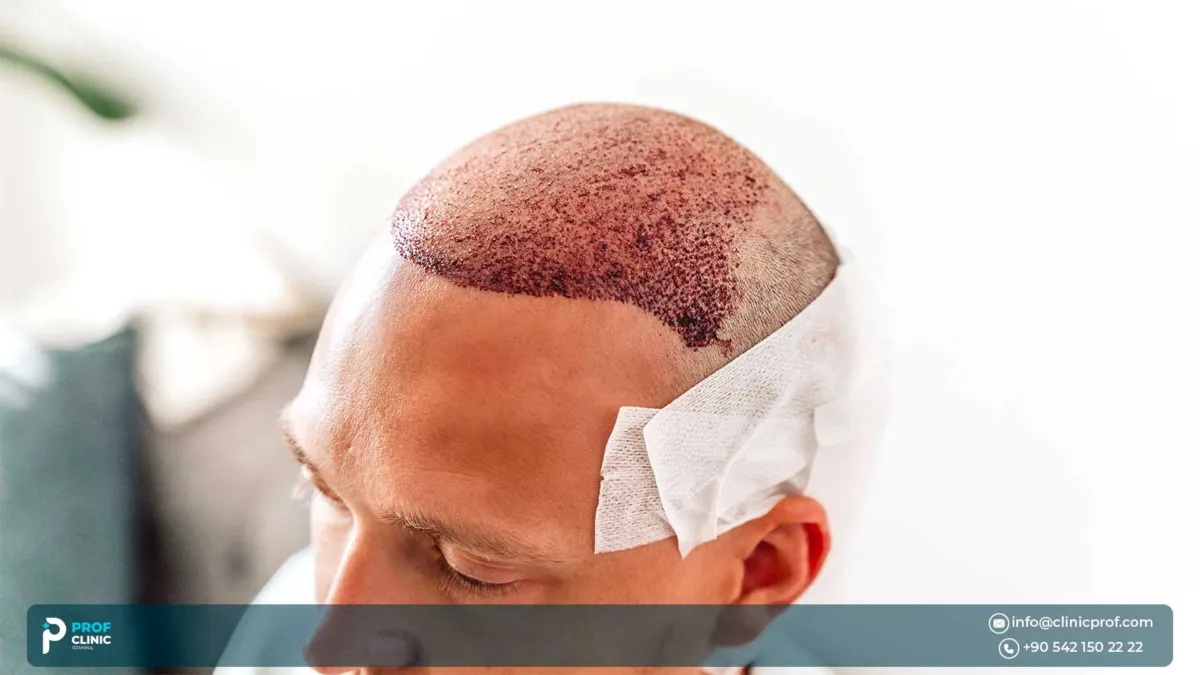
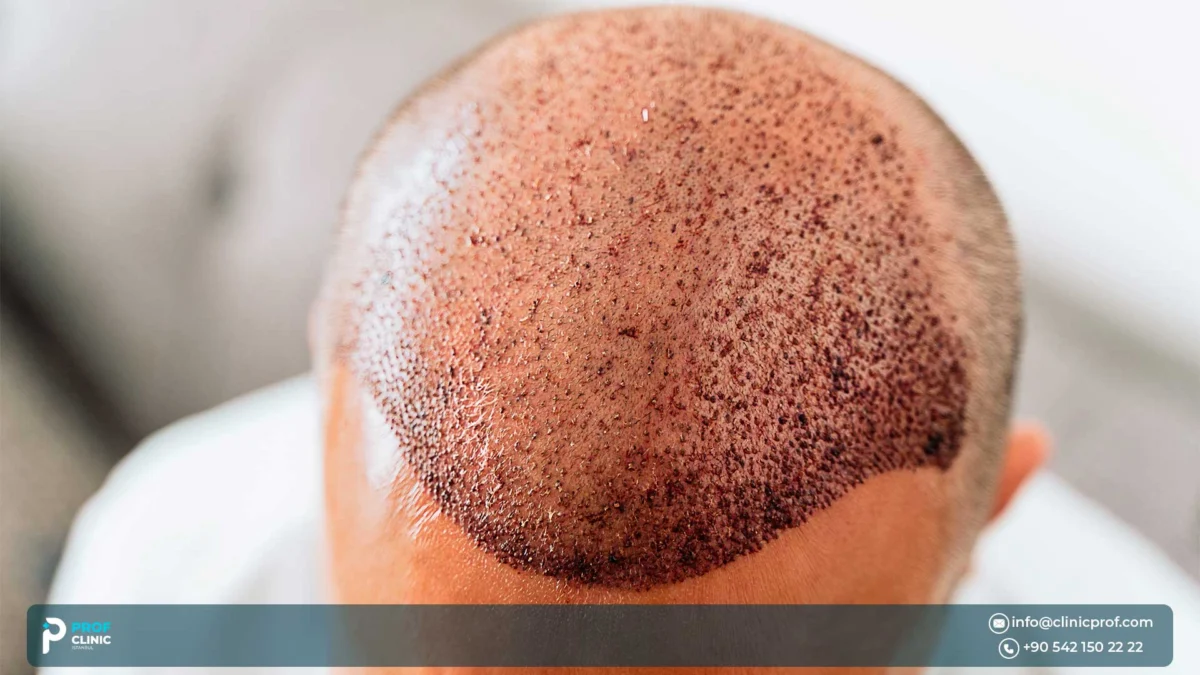
Redness, scabs and swelling are most visible in the first one to two weeks. The ISHRS says the tiny scabs usually stay until they are gently rubbed away, about 1 to 2 weeks later. If you meet clients or appear on camera, two weeks off is the safe plan; if not, a cap you’ve cleared with your surgeon covers most of what shows.
Driving After a Hair Transplant
If you had sedation, Cleveland Clinic advises avoiding driving or operating equipment for 24 hours, making important decisions, and alcohol, and having someone drive you home. After local anaesthetic alone, driving is usually fine once you feel alert, but ask your surgeon. Don’t drive if swelling affects your vision or a painkiller makes you drowsy, and arrange your lift from the airport before you leave home.
Also read: Flying After a Hair Transplant: When It Is Safe and How to Travel
Exercise After Hair Transplant: What You Can Do Each Week
Walking is fine from the first days, but heavy lifting and hard training wait: StatPearls advises avoiding heavy lifting and strenuous activity for 1 week, and both Cleveland Clinic and the ASPS point to about 3 weeks for vigorous exercise and sport. The NHS adds that you may be told to cut down on exercise for the whole first month, to reduce scarring. The reason is practical: hard effort raises blood pressure and makes you sweat, and both can affect healing grafts.
Week 1: Walking Only
Short, slow walks are good for circulation and morale. Skip bending, carrying shopping, stairs at speed and anything that makes you breathe hard. If a task makes you strain or sweat heavily, it is probably too early.
Weeks 2–3: Light Movement Without Sweat
Brisk walking and gentle stretching are usually fine, as long as the scalp stays cool and dry. Ask first about any exercise that keeps your head below your heart, such as some yoga poses.
Week 3 Onwards: Rebuilding in Stages
Once your surgeon agrees, return in steps rather than at your old level. A sensible sequence is:
- Light cardio: cycling on a stationary bike or a jog at an easy pace, stopping if you’re sweating heavily.
- Light weights: lower loads and more reps, avoiding any lift that makes you hold your breath or strain your head and neck.
- Full sessions: back to your normal programme over another 1–2 weeks, as long as the scalp stays calm.
Stop and call the clinic if training brings new bleeding, throbbing or spreading redness. Your plan may differ if you had a large session, so treat this as a framework, not a prescription.
Contact Sports and Headgear
Football, rugby and martial arts need a clear green light. The ASPS says contact sports may be restricted for at least three weeks, and a header or a helmet strap can do real damage to fresh grafts. Cycling helmets and sports caps should be clean, loose enough not to rub the recipient area, and approved by your surgeon first.
Not sure which sport counts as “light”? Message our team on WhatsApp and ask before your first session.
Swimming, Sun, Sauna and Hats: Water, Weather and Heat
Keep your head out of the water and out of direct sun for the first few weeks. StatPearls advises avoiding full immersion of the head for 2 to 4 weeks and keeping the donor and recipient areas out of direct sunlight for 1 month.
Swimming, Sea and Pool
Pools and the sea are best avoided with fresh grafts, so plan any beach or pool holiday for after the 4-week mark, or ask your surgeon for a written date. Showering is fine, but StatPearls advises avoiding the direct stream from a high-pressure shower head.
Sun, Hats and Helmets
StatPearls says a clean, loose-fitting hat is acceptable immediately after surgery, while some surgeons prefer you to wait for the first check. Either way, the rule is the same: clean, loose and nothing that presses on the grafts. Tight caps, headbands and helmets come later, and a sunburnt, healing scalp is easy to avoid with a loose hat and some shade.
Sauna, Steam Room and Hot Showers
No major guideline gives one date for saunas and steam rooms. Heat and sweat are the issue, so it is sensible to treat them like vigorous exercise: wait until about 3–4 weeks, then check with the clinic. Lukewarm showers are enough until then.
Sex, Alcohol and Smoking in the First Weeks
Some doctors advise avoiding sexual activity for at least 10 days after surgery, according to the ASPS. The usual reasoning is exertion and a raised heart rate, which can increase swelling and bleeding while the grafts settle. Gentle intimacy that doesn’t strain you or put pressure on the scalp is a question for your surgeon.
Alcohol has no single published date either; the ISHRS notes that surgeons’ rules differ. If you had sedation, Cleveland Clinic advises avoiding alcohol for 24 hours. Beyond that, ask your surgeon, and read your medication leaflet, because alcohol does not mix well with some painkillers and antibiotics.
Smoking matters more. StatPearls advises stopping 3 to 6 weeks before surgery and staying off cigarettes for the same period afterwards, because smoking reduces blood flow to the grafts. For the full picture, see Smoking and Hair Transplant: Diabetes, Risks and Preparation.
Haircuts, Colouring and Styling: When Normal Grooming Returns
You can brush your hair after about a week, but cutting and colouring wait about a month. StatPearls advises waiting 1 week before brushing, avoiding styling products for 2 weeks, and waiting 1 month before cutting or dyeing your hair.
In practice, that means no brush in week 1, no gels, waxes or sprays until about week 2, and a barber’s chair from around week 4. Choose a barber who will be gentle around the recipient area, and bring your clinic’s guidance with you. Shedding of the transplanted hairs is a separate, normal stage, covered in month-by-month growth timeline.
Planning Your Calendar Before You Fly to Istanbul
Block out about two weeks of visible recovery and decide your work, gym and holiday dates before you travel, not after. International patients typically stay in Istanbul for 2–4 days, so most of this recovery happens at home.
9 Things to Sort Before You Travel
- Time off: ask for at least 3–5 days, or two weeks if you are customer-facing.
- A work set-up at home: a laptop on a desk, not a sofa, so your head stays upright.
- Pillows: a wedge or three firm pillows, plus a travel neck pillow.
- Front-opening clothes: shirts you can button, so nothing is pulled over your head.
- A clean, loose cap: approved by your clinic.
- Gym plans: tell your trainer and pause any challenge or group class for a month.
- Holiday dates: move beach and pool plans to at least 4 weeks after surgery.
- A lift from the airport: especially if you had sedation.
- Event dates: weddings and photoshoots in the first three weeks need a plan for visible scabs.
For the stay itself, see How Many Days Do You Need in Turkey for a Hair Transplant?. Still planning your dates? Book a free online consultation and ask for a recovery calendar that fits your job and travel plans.
Warning Signs: When to Call Your Clinic Instead of Waiting
Some normal discomfort is expected, but certain signs need a call, not patience. Cleveland Clinic says to contact your provider right away for a fever that doesn’t go away, excessive bleeding, severe redness or pain, or green or yellow pus. The NHS says to contact the clinic as soon as possible if you have severe pain or any unexpected symptoms.
After a knock to the head, a workout that brings back bleeding, or swelling that gets worse instead of better, contact your clinic and send a photo rather than waiting.
Recovering at Home with Prof Clinic After Your Istanbul Hair Transplant
At Prof Clinic, recovery questions are part of the planning, not an afterthought. Our hair transplant in Turkey service starts with a medical assessment, and Spc. Dr. Lütfi Öztürk, the internal-medicine specialist who leads hair restoration, carries out the assessment and treatment planning and coordinates follow-up.
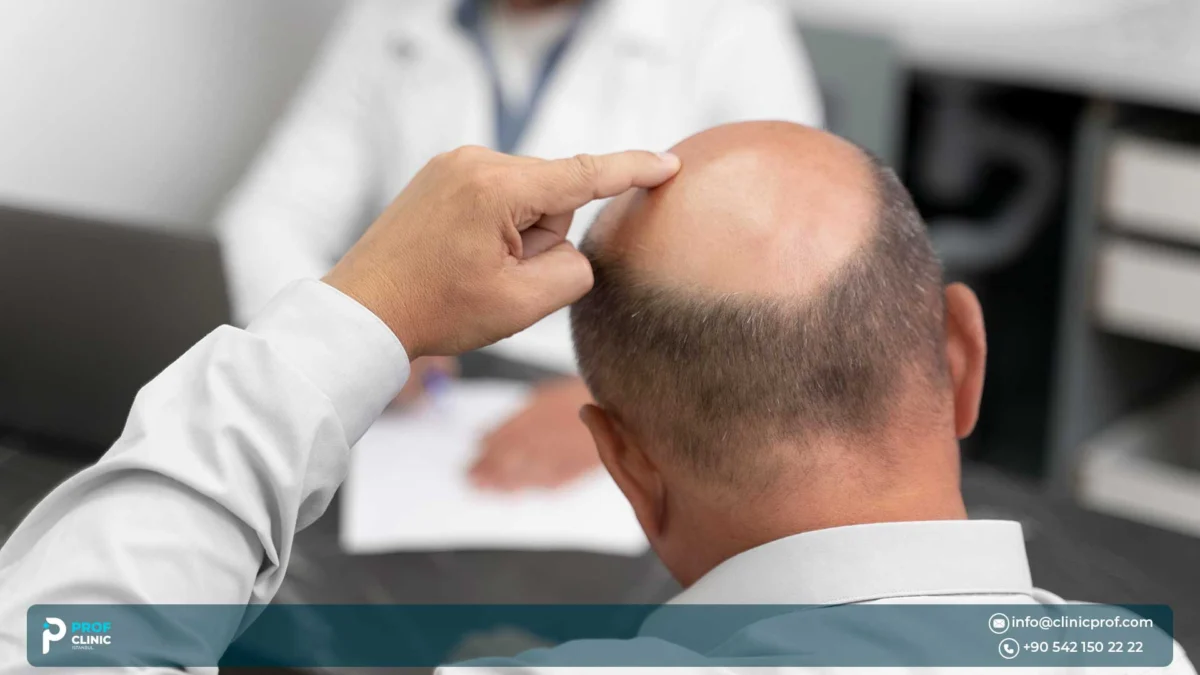
Before you book flights and arrange leave, these points are worth confirming:
- Pre-op tests: ahead of the procedure you’ll have a blood count, an ECG, electrolytes and blood sugar, kidney and liver function, and screening for hepatitis and HIV.
- Techniques: FUE, DHI, Sapphire FUE and Micro FUE, with a no-shave option offered especially for women, which affects how visible healing is at work.
- A written quote: once the team has seen your photos, you get the price in writing, covering the procedure, your accommodation, airport and hotel transfers, and post-op care, which helps when you plan time off work.
- Follow-up after you fly home: our coordination team follows up and gives advice over WhatsApp, so you can ask when a given activity is fine.
If you are also budgeting the trip, a scalp hair transplant package in Istanbul runs at roughly €1,800–€3,500. Treat that as an approximate 2026 figure rather than a final price: your own case, once assessed, decides it, and the written quote confirms it. For men planning a transplant, our male hair transplant in Turkey page explains hairline and density planning.
FAQs About Sleeping, Exercise and Work After a Hair Transplant
Can I sleep on my side after a hair transplant?
Not in the first week, and usually not until your surgeon says the grafts are secure. Published advice is to sleep on your back, flat or slightly propped, and to avoid side and stomach positions. If you are a side sleeper, build a pillow barrier first and ask at your first check when you can switch.
When can I go back to work after a hair transplant?
Most desk workers return after about 3–5 days, according to Cleveland Clinic, while the NHS says you may need 1 to 2 weeks off. Physical jobs, helmets and customer-facing roles usually sit at the longer end, because redness and scabs are most visible in the first one to two weeks.
Can I lift weights or run in the first month after a hair transplant?
Not in the first week, and usually not for about three weeks. StatPearls advises avoiding heavy lifting and strenuous activity for 1 week, the ASPS says vigorous exercise and contact sports may be restricted for at least three weeks, and the NHS says some people are told to cut down for the whole first month.
Can I swim in the sea or a pool after a hair transplant?
Not for several weeks. StatPearls advises avoiding full immersion of the head in water for 2 to 4 weeks, and the sun should be kept off the scalp for about a month. Ask your surgeon for a date before you plan a beach holiday, then add a loose hat and sun protection.
When can I have sex after a hair transplant?
Some doctors advise waiting at least 10 days, according to the ASPS. The usual reasoning is exertion, not the act itself: a raised heart rate and blood pressure can increase swelling and bleeding in the early days. Gentle activity that does not strain you or touch the grafts is a question for your surgeon.
Can I drive after a hair transplant?
Not on the day if you had sedation, and not for 24 hours afterwards, according to Cleveland Clinic. After a procedure under local anaesthetic alone, driving is usually fine once you feel alert and your swelling does not affect your vision. Ask your surgeon, and arrange a lift home either way.
Back to Normal, One Week at a Time
For exercise after hair transplant, as for sleep and work, the rule is the same: protect the grafts in week 1, return gradually through weeks 2–3, and rebuild from about week 3–4 with your surgeon’s agreement. If you remember only three dates, remember 1 week on your back with your head raised, about 3 weeks before hard training, and about 1 month before sun, swimming and haircuts.
If you are planning a hair transplant in Istanbul and want your own recovery calendar, contact Prof Clinic and ask for it in writing, or compare progress in real cases in the before-and-after gallery.
Sources
- NHS — Hair transplant
- Cleveland Clinic — Hair Transplant: How Does It Work, Success Rates
- American Society of Plastic Surgeons — Hair Transplant Recovery
- StatPearls (NCBI Bookshelf) — Hair Transplantation (Goldin, Zito & Raggio)
- Indian Journal of Plastic Surgery — Complications of Hair Transplant Procedures: Causes and Management (Garg & Garg, 2021)
- ISHRS — Guide to FUE Hair Transplant: Benefits, Process & Recovery
- Cleveland Clinic — Anesthesia: What It Is, How It Works, Side Effects & Types