Can an unnatural hairline after hair transplant surgery be fixed? Usually it can be improved, though rarely erased: the common route is to remove or soften the grafts that look wrong, then redesign or camouflage the front, and it works best once the first transplant has matured, about 12 months after surgery. What is realistic depends on why the hairline looks wrong, how much donor hair you have left and how your hair loss is progressing.
In this guide by Prof Clinic, you’ll learn how to tell a design problem from normal healing, the main correction options (camouflage, FUE removal, laser, redesign and scalp micropigmentation), when to act and how to choose who corrects it. It stays on the hairline; for the wider picture of disappointing results, see the linked guide further down.
What Makes a Hairline Look Unnatural After a Transplant?
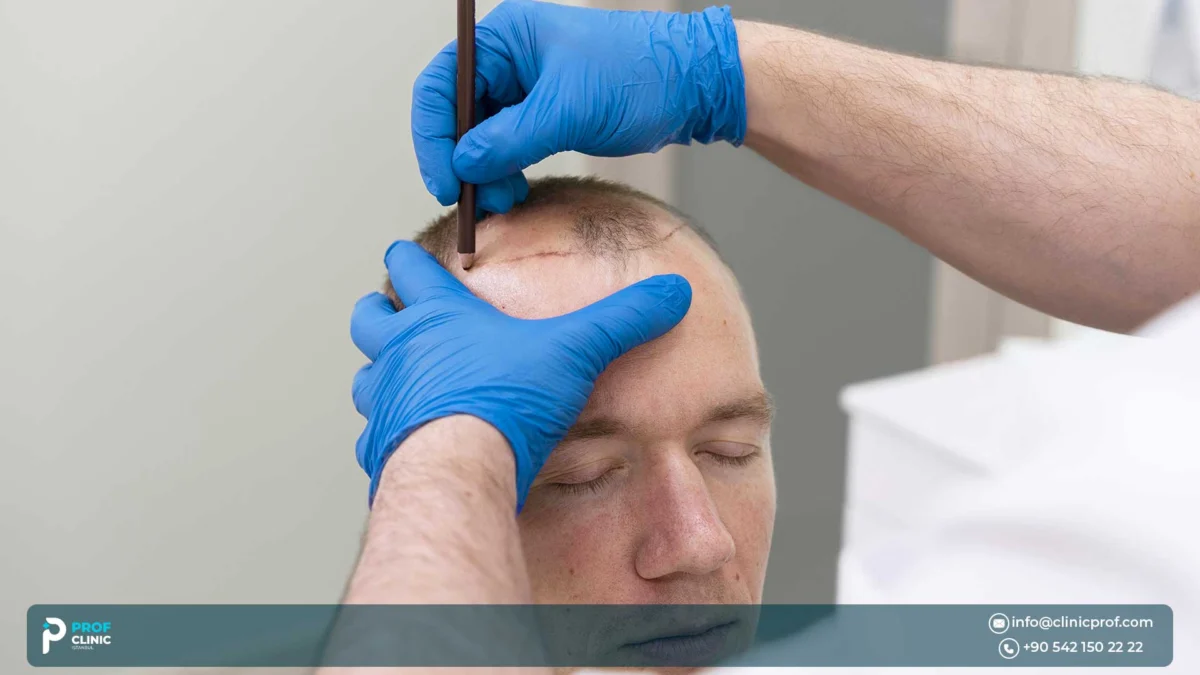
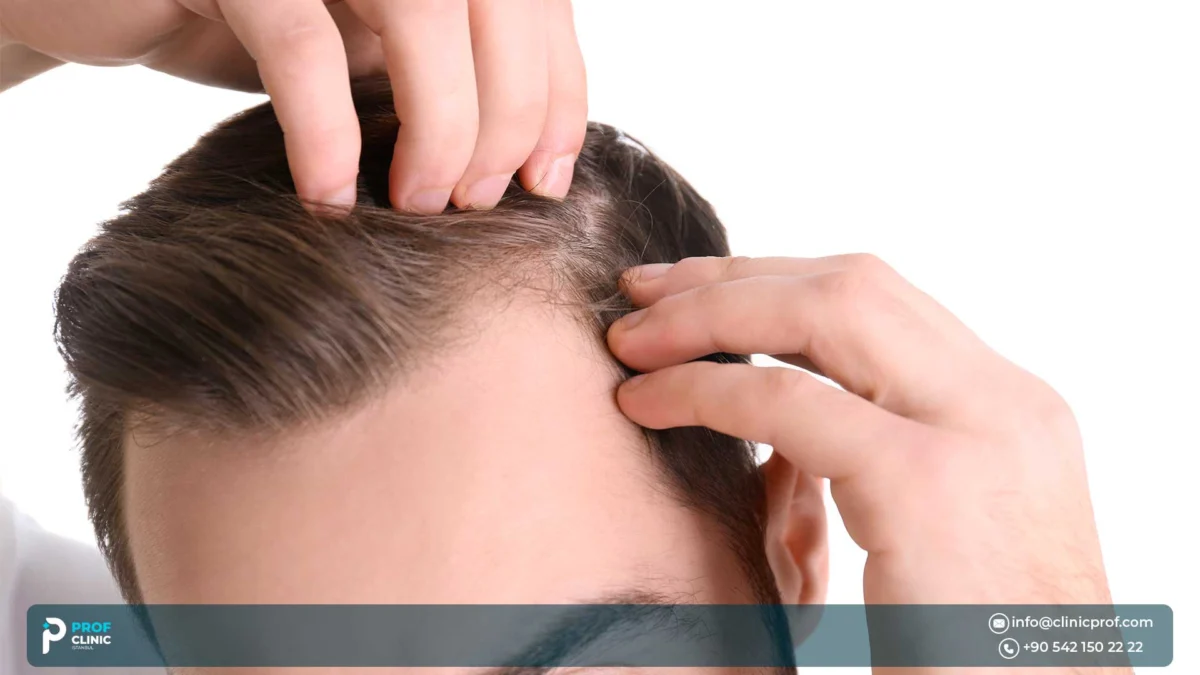
A transplanted hairline looks unnatural when it breaks the pattern a real hairline follows: it sits too low, forms a hard straight or rounded line, carries thick tufts at the front, or points the hair the wrong way. The hair itself is usually real and healthy; the design and placement are the problem. Five patterns come up most often.
A Hairline That Sits Too Low
A hairline set too low can look artificial at once, and it tends to look worse with age. A review of recipient-area planning in the Journal of Cutaneous and Aesthetic Surgery says the hairline should never be placed too low, even if the patient asks for it, because it looks unnatural as the face ages and it uses up extra donor hair. The ISHRS (International Society of Hair Restoration Surgery) makes a related point: younger patients sometimes request an overly aggressive, low hairline, and a low line chosen young may later seem wrong with age.
A Line That Is Too Straight, Rounded or Sharp
Real hairlines are slightly irregular. The same journal review describes the front 0.5–1 cm as a transition zone with small irregularities filled with single-hair grafts, and says grafts should never be placed in symmetrical rows and columns. A recent multicentre study in Frontiers in Medicine on repairing unnatural hairlines describes designs that are too aggressive, straight or rounded, or that lack a natural transition zone, and says design should take account of ethnicity, the pattern of hair loss and anatomical landmarks.
Pluggy or Tufted Grafts at the Front
The “pluggy” look comes from grafts that are too thick for the edge of the hairline. The review recommends single-hair grafts at the very front and keeps grafts of three to five hairs for the central area behind it. The American Academy of Dermatology (AAD) notes that surgeons now move hair a few at a time, which avoids the doll-like look of older hair plugs, while the ISHRS says some people still live with a coarse, pluggy appearance from older large-graft transplants.
Hair That Points the Wrong Way
Hair that stands up, points sideways or runs against the natural flow is an easy giveaway. The recipient-area review advises an implantation angle of 45 degrees or less, even more acute at the temples, because a steeper angle makes hair stand up and harder to comb. The grafts should follow the natural direction of the hair around them.
A Sound Hairline That Hair Loss Has Left Behind
Sometimes the design was reasonable and pattern hair loss simply carried on. The ISHRS explains that hair loss around transplanted hair may eventually leave an unnatural pattern, and the NHS warns that your hair might keep thinning around the transplant, which is why the surgeon should plan a design that stays natural as time passes. This is not a design error, so it is corrected differently: often by managing the ongoing loss and adding grafts, rather than removing any.
Not sure which of these describes your hairline? Send photos to the Prof Clinic team on WhatsApp (front, both sides and top, in daylight, plus your pre-op photos if you have them) so the medical team can review them.
Is It Really Unnatural, or Still Healing?
Judge a transplanted hairline too early and you may “correct” something that would have settled by itself. The NHS says new hair usually starts to appear after about 4 months and the full result should be seen after 10 to 18 months, and the AAD says that by the third month the area may look thinner than before surgery, which it describes as normal. Most people see their results at 6 to 9 months, and some at 12.
It helps to split what usually settles from what usually doesn’t:
- Often settles with time: shedding of the transplanted hairs in the first 2–8 weeks, a thin or patchy look around months 3–4, and uneven growth in the first half-year.
- Unlikely to settle: a front edge that is still too low or too straight after 12 months, thick tufts at the very front, or grown-in hair that clearly points the wrong way.
What it means in real life: take photos in the same light every month and compare them with the photo of your drawn hairline from before surgery. If you are still within the first year, our month-by-month guide, Hair Transplant Timeline Month by Month: What to Expect Up to Month 18, shows what is normal at each stage.
How Is an Unnatural Hairline Corrected? The Main Options
There is no single fix, because the approach follows the problem, and the ISHRS notes that it may take many procedures to reach a more natural result. Options run from simple camouflage to removing grafts and redesigning the front. Your doctor should explain which of them, if any, suit your donor supply and your pattern of hair loss.
Camouflage Without Surgery
Surgery is not always needed. The ISHRS lists topical powders, coverups, longer hair and changes of hairstyle as ways to soften a hairline that bothers you. For a mild problem, this can be a sensible first step while the transplant finishes maturing.
Removing Misplaced Grafts With FUE
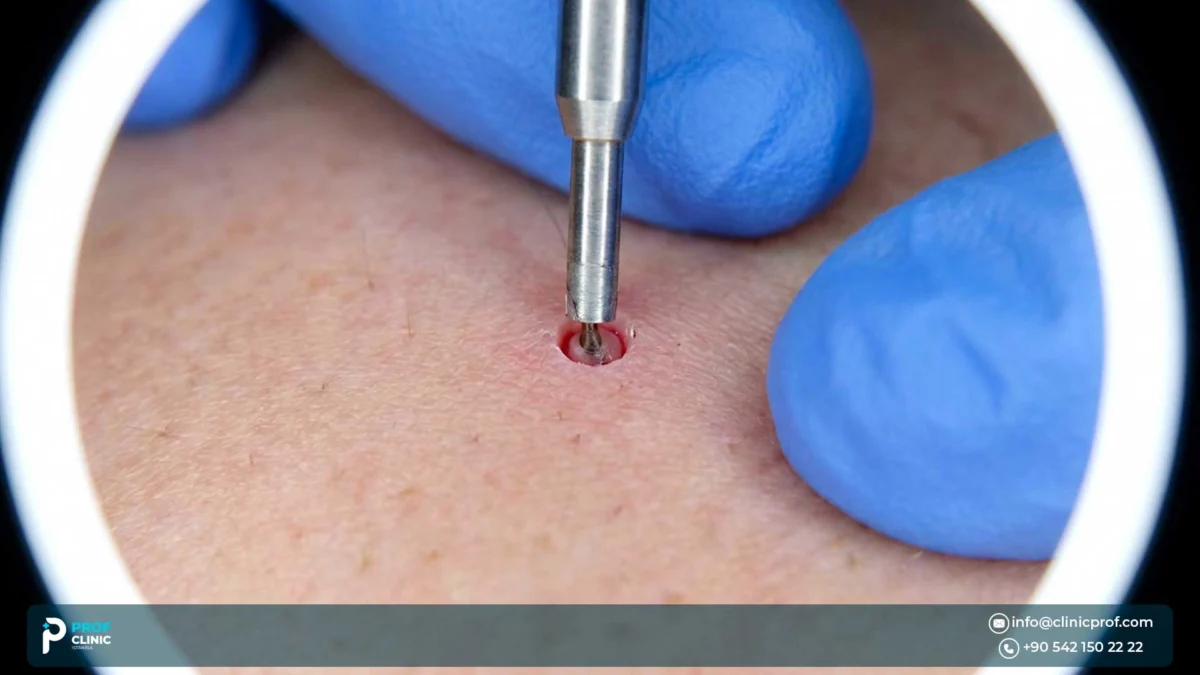
When grafts sit in the wrong place, FUE can remove them selectively; the ISHRS says some of the removed grafts can be moved to better locations. The best data come from a small recent study in Frontiers in Medicine: 20 men with unnaturally designed or low hairlines had unwanted follicular units removed by FUE and were followed for at least 12 months. About 40% had small red punctate marks at 3 months, but at 6–12 months roughly four in five showed no visible scarring or pigment change. Just over a quarter needed a second corrective procedure, and 95% were satisfied or highly satisfied.
The authors add two cautions: repair is harder than a first operation because the grafts have already healed and formed scar tissue around them, and partly removed grafts can regrow, sometimes calling for a clean-up. With only 20 patients and a retrospective design, treat the figures as an indication, not a promise.
Laser Hair Removal and Electrolysis
The same authors mention laser hair removal and electrolysis as alternatives in selected patients, but with limits: laser can cause paradoxical extra hair growth in neighbouring areas, and electrolysis usually thins hair rather than removing it fully and often needs several sessions. They are decisions for a doctor experienced in hair restoration, not for a general beauty clinic.
Redesigning the Front With Fine Single-Hair Grafts
Once misplaced grafts are gone, or when an old hairline only needs softening, a surgeon can add fine single-hair grafts at the front to rebuild a believable transition zone. According to the ISHRS, body hair from the beard, chest or abdomen can extend the donor supply with FUE. How much is possible still depends on what is left: the ISHRS says repair should not be done when donor hair is lacking.
Scalp Micropigmentation as Camouflage
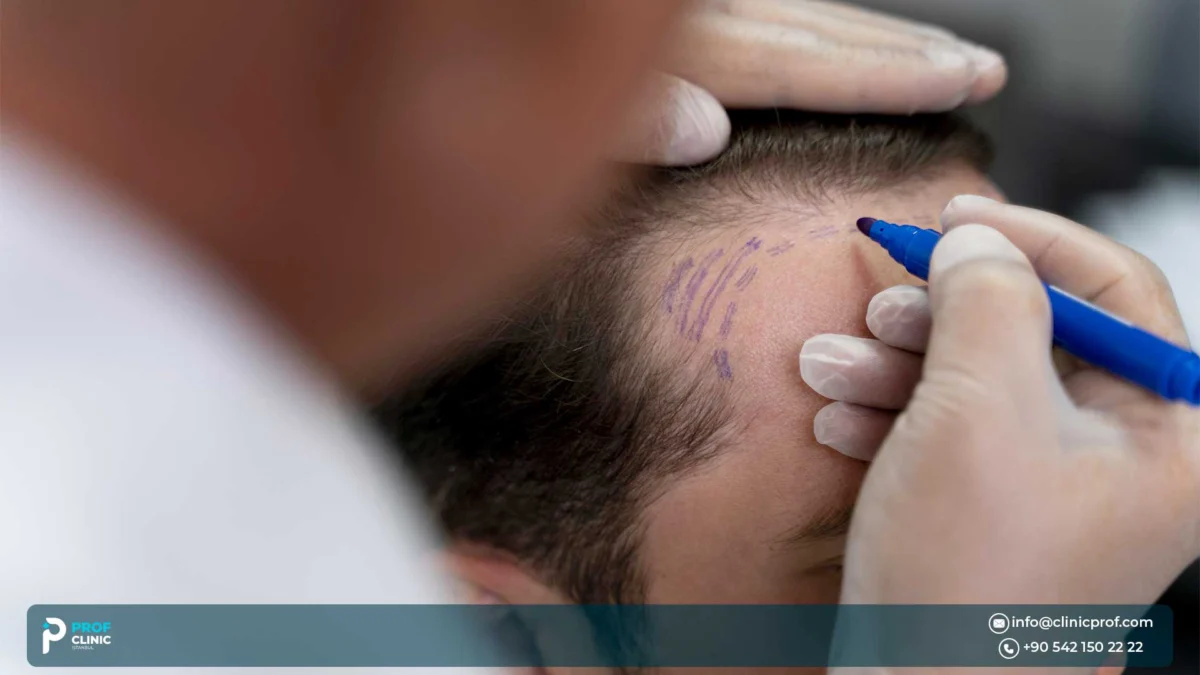
Scalp micropigmentation (SMP) uses specialised tattoo pigment, and the ISHRS describes it as a permanent or semi-permanent option that can be used alone or alongside surgery. It creates the look of very short hair; it does not grow any. Our guide Scalp Micropigmentation (SMP): What It Is and When It Suits explains who it fits.
The table sums up how these options usually match the problem.
| What you see | Common approach | What limits it |
|---|---|---|
| A mild problem: slightly strong line or low edge | Hairstyle changes, powders, or SMP | Softens the look; does not move the hairline |
| Too low or too straight, with misplaced grafts | Selective FUE removal, then a redesigned front | May need more than one session; partly removed grafts can regrow |
| Thick, pluggy grafts at the edge | Removal, then fine single-hair grafts in front | Slow, careful work; depends on donor supply |
| Hair pointing the wrong way | Removal and re-placement of the affected grafts | Depends on how many grafts are affected |
| A sound hairline left behind by hair loss | Manage the ongoing loss, then add grafts | Needs donor reserve; the loss may continue |
| Unwanted grafts in selected cases | Laser hair removal or electrolysis | Extra hair growth nearby; several sessions |
These are general patterns, not a treatment plan; your doctor decides after examining you.
Want a written opinion on your hairline before you decide anything? Book a free online consultation and share your photos, your surgery date and your pre-op design photo if you have it.
When Should You Correct It? Timing, Limits and Realistic Expectations
Correction usually waits until the first transplant has fully matured, which means about 12 months after surgery and sometimes longer. The NHS puts the full result at 10 to 18 months, and the recent repair study followed its patients for at least 12 months. Acting sooner risks removing hair that was still growing in, and spending donor hair on a problem that may have settled.
It also helps to know the limits before you start:
- More than one step: the ISHRS says correction often takes multiple sessions rather than one.
- Not every case can be helped: the ISHRS says correction can be challenging or even impossible with limited donor supply, and that a procedure should not go ahead if the goals are unrealistic.
- Poor planning has a price: badly planned corrective surgery can cause more scarring and worsen both the donor and recipient areas.
- A better hairline, not a blank slate: the aim is a more natural result, not an untouched scalp.
If you also need more density once the front is fixed, Second Hair Transplant Session: When to Do It and How to Add Density covers timing and donor limits.
Planning Around Future Hair Loss
A hairline that suits you at 25 has to survive your 45-year-old face. The ISHRS says a hairline may need to be adjusted forward or backward to look age-appropriate, that androgenetic alopecia is unpredictably progressive and can outpace restoration efforts, and that surgeons can place hair to create a reserve against future loss. The AAD adds that your dermatologist may recommend hair loss medicine to help you keep your results. Ask your doctor to explain how the corrected hairline will look if hair loss continues.
Also read: Failed Hair Transplant: Signs, Causes and How to Repair It
Also read: Temples and Receding Hairline: Hair Transplant for Temple Recession
How to Choose Who Designs and Corrects Your Hairline
Choose a physician who performs hair restoration regularly and can show correction results, because the ISHRS describes repair as a specialty that needs extensive experience, and the AAD says the outcome depends largely on the surgeon you select. The ISHRS suggests reviewing a surgeon’s repair results and using its Find a Doctor tool.
What to ask your surgeon:
- Correction experience: ask to see cases similar to yours and what the doctor did.
- Who does what: ask which doctor draws the hairline and who removes and places the grafts. The ISHRS warns about clinics where unlicensed technicians do most of the work.
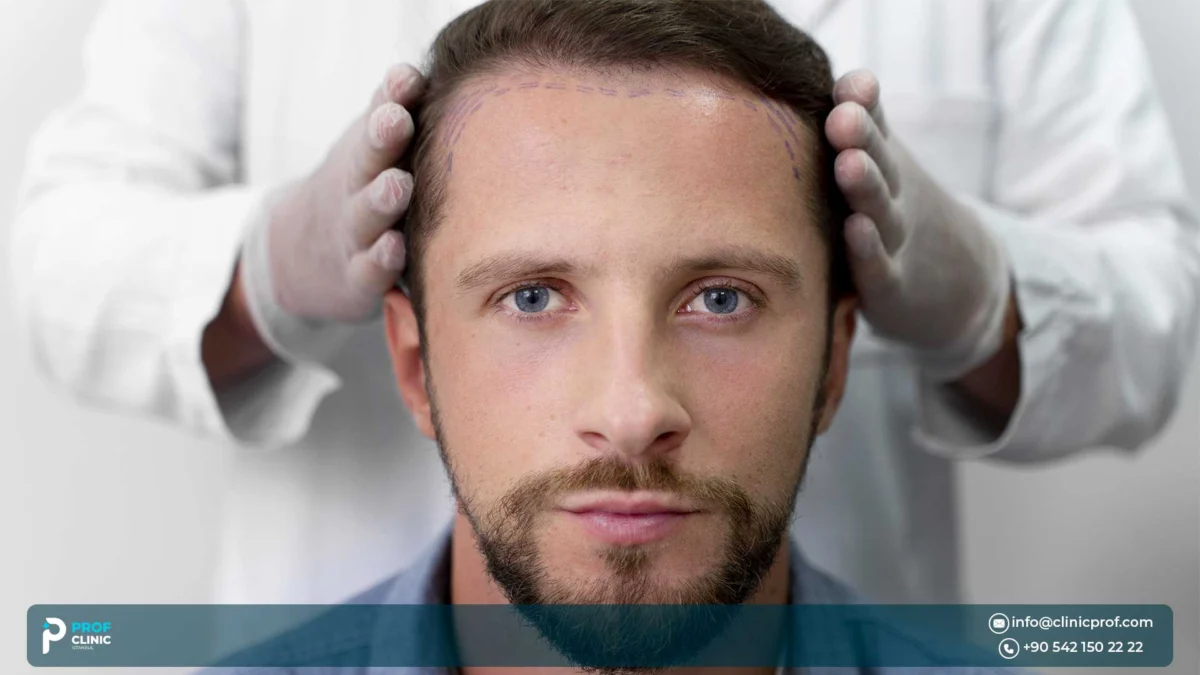
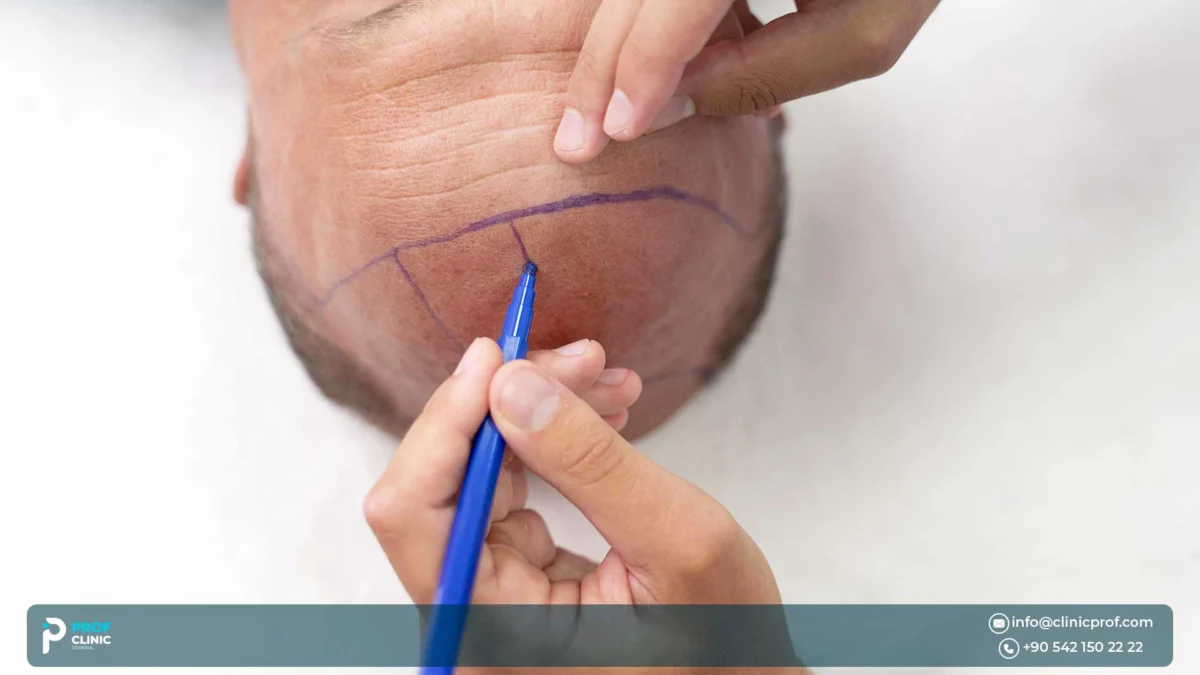
- A design you approve: the recipient-area review recommends drawing the hairline at the consultation, redrawing it on the day, photographing it and recording in the consent form that the patient has seen and approved it.
- The long view: ask how the hairline will look in 10 to 20 years and how much donor hair will remain.
- Licensing: check that the clinic holds a licence from the Turkish Ministry of Health.
- An honest “no”: a good surgeon will tell you when correction isn’t advisable yet, or at all.
Hairline Design and Correction Enquiries at Prof Clinic in Istanbul
At Prof Clinic, every hair transplant in Istanbul enquiry starts with a medical assessment rather than a surgery date, and a correction enquiry follows the same route. The doctor overseeing hair restoration is Spc. Dr. Lütfi Öztürk, an internal-medicine specialist; he assesses your current hairline medically, plans any repair and coordinates the follow-up. Whether and how a correction can be done safely is a doctor’s decision after that assessment, so ask the team to confirm it in writing.
Before you book a flight for a hairline correction, these are the points you can confirm:
- Photo review and written quote: send photos of the hairline you want corrected; after evaluating them, the team replies with a price offer in writing.
- What to send: clear current photos of the front, both sides and top, the date of your surgery and, if you have them, your pre-op photos.
- Pre-op tests: a correction is still surgery, so you are checked first with a blood count, ECG, kidney and liver function tests, electrolytes, blood sugar, and screening for hepatitis and HIV.
- Techniques: FUE, DHI, Sapphire FUE and Micro FUE are all used at the clinic, so ask which one suits a hairline repair in your case.
- Honest density talk: how dense the corrected hairline can look is discussed for your case alone, with no density promised beforehand.
- Follow-up: once you are home, the coordination team keeps in contact and advises you on WhatsApp.
As a general guide, a first scalp hair transplant package in Istanbul costs about €1,800–€3,500, an approximate 2026 range and not a final price. Correction work is quoted individually after assessment, because it varies from a small touch-up to several sessions. If you are weighing a first procedure instead, our page on male hair transplant in Turkey explains the process.
Want to see how a hairline looks once it has matured? Browse consented cases in our before-and-after gallery and compare the shape of the front edge with your own.
Unnatural Hairline Correction: Frequently Asked Questions
Can an unnatural hairline be fixed after a hair transplant?
Usually it can be improved, but rarely erased completely. Options include camouflage, removing misplaced grafts with FUE, adding fine single-hair grafts and scalp micropigmentation. The ISHRS says it may take several procedures and that not every patient can be helped, so the outcome depends on your donor supply and the cause.
How long should I wait before correcting my hairline?
Usually until the first transplant has matured, about 12 months after surgery and sometimes longer. The NHS says the full result can take 10 to 18 months to appear, and judging earlier risks removing hair that would have grown in. Your doctor can confirm the timing from your photos and an examination.
Can laser remove transplanted hairs from the hairline?
Laser hair removal and electrolysis are mentioned only as alternatives for selected patients. A recent study notes that laser can cause extra hair growth in neighbouring areas, and that electrolysis often only thins hair and needs several sessions. A doctor experienced in hair restoration should decide whether either one suits you.
Will correcting my hairline leave scars?
Removing grafts with FUE leaves tiny punctate marks, and in most cases they fade. In a recent study of 20 men, about 40% had small red marks at 3 months, while roughly four in five showed no visible scarring or colour change at 6–12 months. The ISHRS warns that poorly planned correction can cause more scarring.
How much does hairline correction cost?
There is no standard price, because correction varies from a small touch-up to several sessions. As a general guide, a first scalp hair transplant package in Istanbul costs about €1,800–€3,500 (approximate 2026 range, not final). Correction cases are quoted individually after the team reviews your photos.
Correcting an Unnatural Hairline: The Safe Next Step
An unnatural hairline after hair transplant surgery can usually be improved, and the right method depends on the cause: styling or SMP for a mild problem, FUE removal and redesign for misplaced grafts, and a plan for ongoing hair loss when the design was fine. The safe next step is not another operation; it is an assessment that waits for the 12-month mark, checks your donor supply and puts the plan in writing. If you are comparing options for a hair transplant in Turkey or a correction, contact Prof Clinic with your photos to start there.
Sources
- ISHRS — Revision and Repair of Previous Hair Transplants
- ISHRS — Follow-up Hair Restoration Procedures
- Journal of Cutaneous and Aesthetic Surgery — Recipient Area (Marwah & Mysore, 2018)
- Frontiers in Medicine — FUE for the repair of unnaturally designed or low hairlines in men with androgenetic alopecia (Gómez-Zubiaur et al.)
- NHS — Hair transplant
- American Academy of Dermatology — A hair transplant can give you permanent, natural-looking results