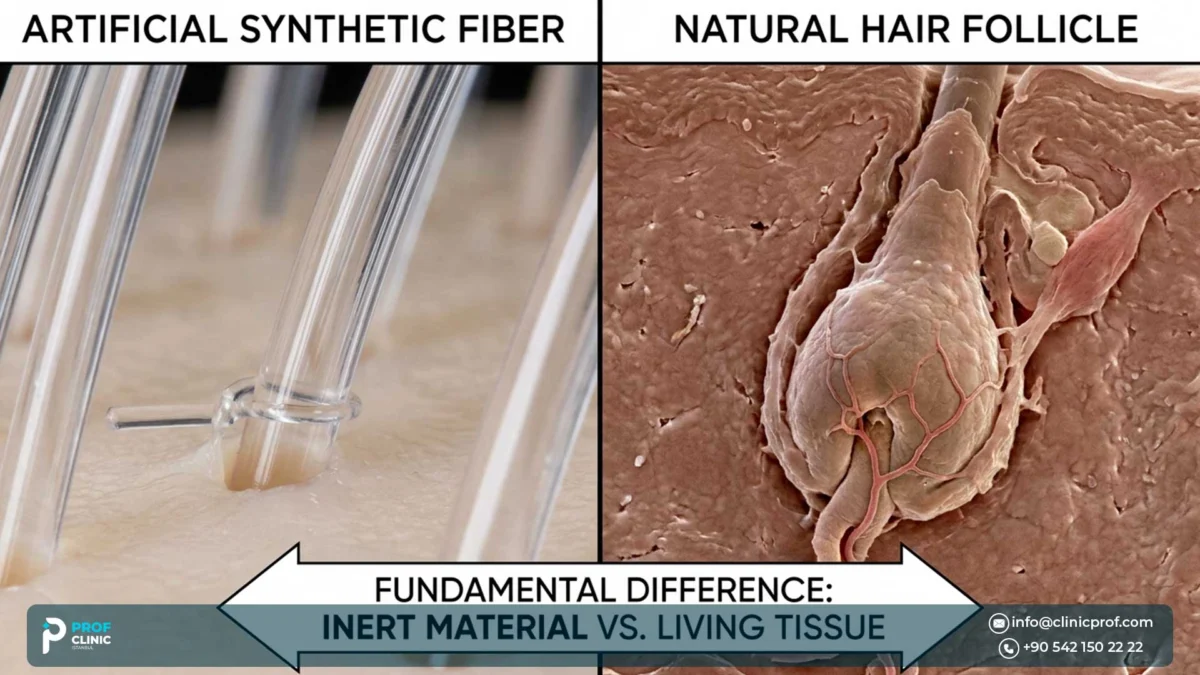
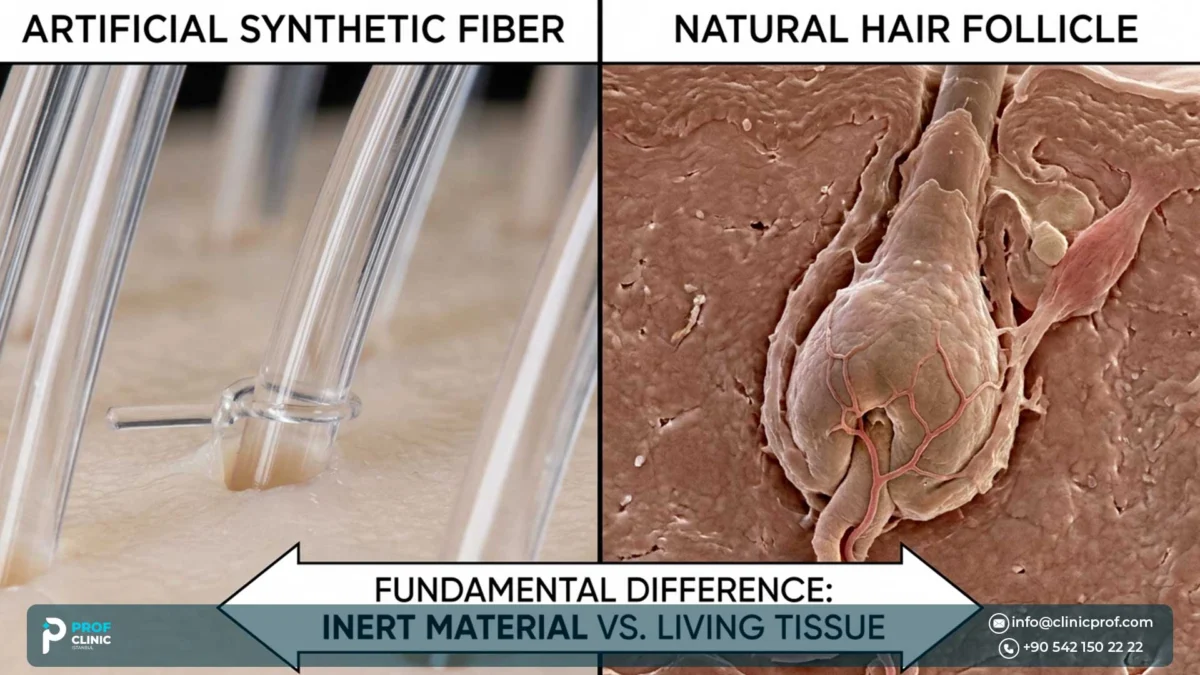
If your denture moves when you eat, or you are planning a full arch of implant teeth, you will soon meet the term hybrid dentures on implants. In short, a hybrid denture is a fixed arch of acrylic or composite teeth set on a metal framework, usually titanium, and screwed onto implants.
It is called hybrid because it borrows from two worlds. It looks a little like a denture, with pink gum-coloured material, yet it is fixed like a bridge. You cannot take it out at home; only your dentist removes it for maintenance.
This guide explains how a hybrid denture is made, how it compares with a zirconia bridge and a snap-on overdenture, and who it suits. It also covers daily care, common repairs and what replacement looks like over the years.
What Is a Hybrid Denture on Implants?
A hybrid denture is a full-arch prosthesis that combines denture-type teeth and pink acrylic with a rigid metal framework inside. It is screwed onto four to six implants in one jaw and stays in place day and night.
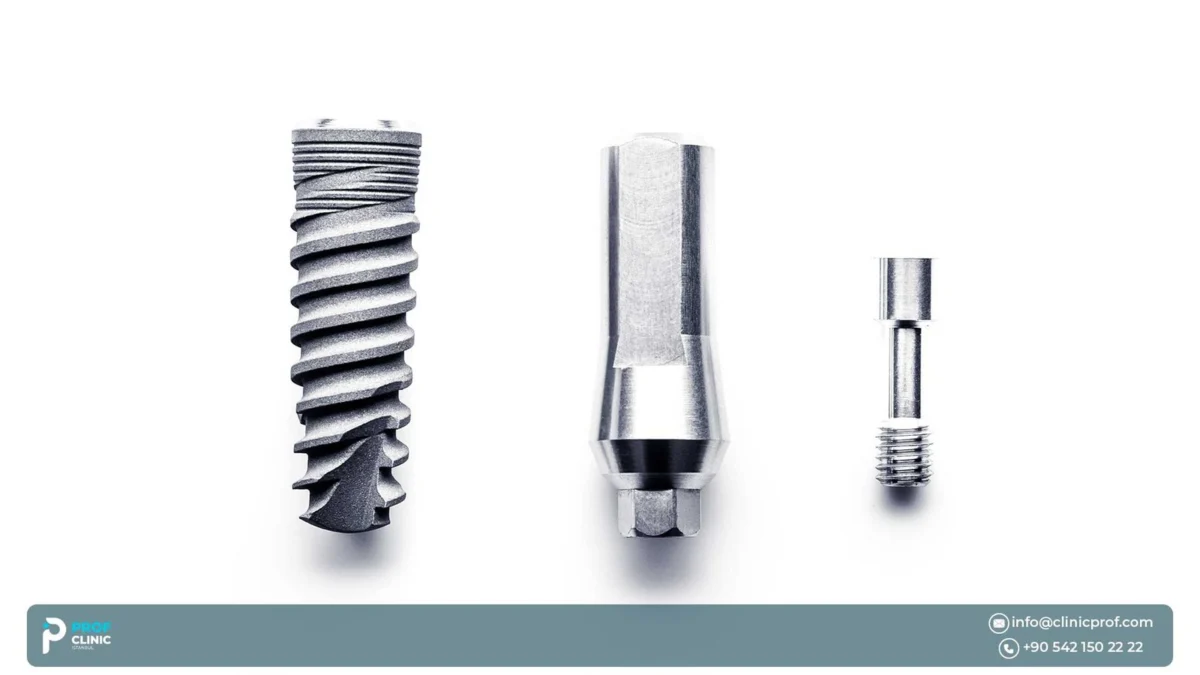
In research papers it is often called a metal-acrylic or metal-resin fixed complete denture. Cleveland Clinic describes a fixed denture, sometimes called a hybrid denture, as one that attaches to implants and cannot be removed at home. The term describes the teeth you live with, not the surgery underneath.
That distinction matters. All-on-4 dental implants in Turkey describe how the implants are placed, while the hybrid denture is one type of final bridge they can carry. The same implants could hold a zirconia bridge instead. Both designs are planned within dental treatments in Istanbul for people missing a full arch.
How Is a Fixed Hybrid Denture Made?
A fixed hybrid denture is made in layers: a metal framework for strength, then teeth and pink gum material built over it. Every layer is designed from scans of your mouth and the exact implant positions.
The Titanium Framework
The framework is the hidden backbone of the bridge. It is usually milled from a single block of titanium with computer-aided design and manufacturing (CAD/CAM), although some laboratories use cobalt-chrome. It links the implants so they share the biting load.
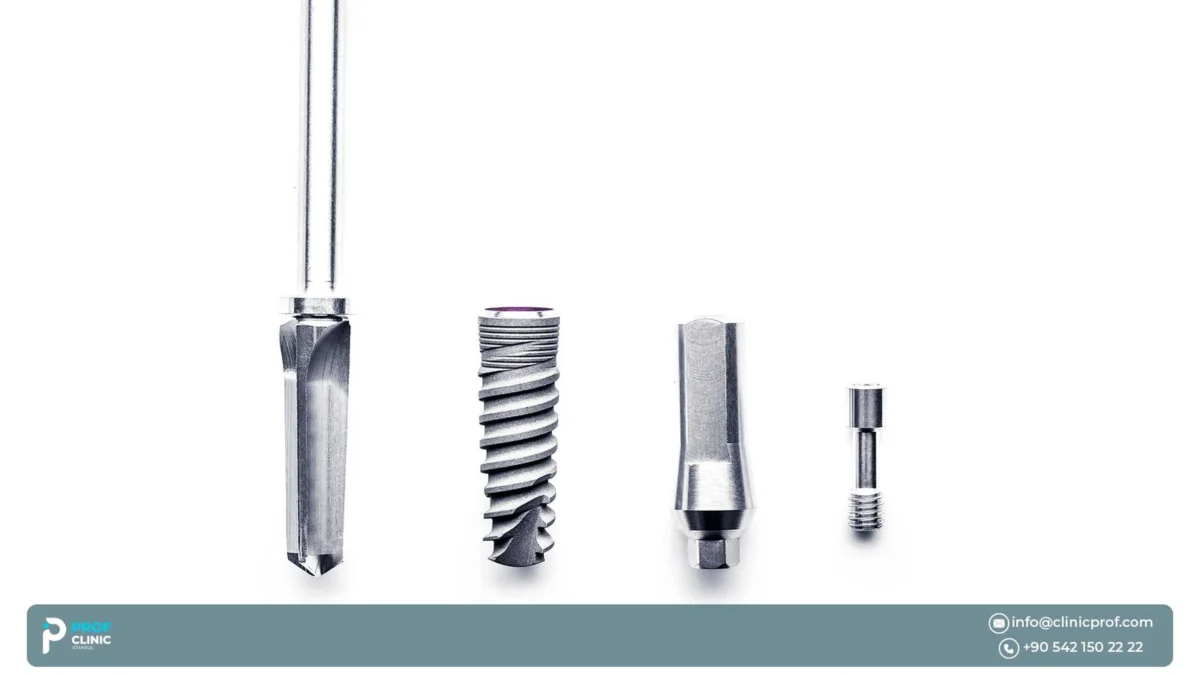
The framework must sit precisely on every implant at once. A frame that fits poorly can strain the screws and the bone around the implants, so the dentist checks the fit, often with a try-in, before the teeth are finished.
Acrylic or Composite Teeth and the Pink Gum Layer
Over the framework, the technician sets prefabricated acrylic teeth or layers composite resin, then adds gum-coloured acrylic. This pink layer replaces the gum and bone lost after extractions, which helps support the lips and cheeks.
Acrylic and composite are lighter and softer than zirconia. That softness is kinder to the opposing teeth, but it also means the chewing surfaces wear down and individual teeth can chip over the years.
How the Hybrid Denture Attaches to the Implants
The hybrid denture is screw-retained: small screws pass through access holes in the teeth and tighten into the implants or their abutments. The holes are then sealed with composite, so they are hardly visible. Because of the screws, the dentist can remove the bridge for cleaning or repair without harming the implants. Single dental implants in Turkey use similar titanium parts, with one crown on each implant.
From Scans to the Final Fitting
The final hybrid denture usually follows a temporary bridge, and the whole process takes several months. A typical sequence looks like this:
- Scans and records: a 3D CBCT scan, photos and bite records show the bone, the planned implant positions and how your teeth should meet.
- Implant placement: four or six implants are placed, and a temporary fixed bridge is attached if they are stable enough.
- Healing: the implants usually need about 3 to 6 months to fuse with the bone.
- New scans or impressions: these record the healed gums and the exact implant positions for the final framework.
- Try-in and delivery: tooth shape, colour, bite and speech are checked before the finished bridge is screwed in.
The temporary stage is useful in its own right. It lets you and your dentist test tooth length, lip support and speech before the final teeth are made.
Hybrid Denture vs Zirconia Bridge vs Overdenture
A hybrid denture sits between a zirconia bridge and a removable overdenture. It is fixed like zirconia but made of softer materials that are easier to repair. The table compares the three for one full arch.
| Feature | Hybrid denture | Zirconia bridge | Implant overdenture |
|---|---|---|---|
| How it is held | Screwed onto 4 to 6 implants | Screwed onto 4 to 6 implants | Clips onto 2 to 4 implants or a bar |
| Removable at home | No | No | Yes, every day |
| Main material | Acrylic or composite teeth on a titanium frame | Zirconia, sometimes over a titanium base | Acrylic denture with attachments |
| Wear over time | Teeth wear and may chip | Very wear-resistant, can wear opposing teeth | Clips and liners wear and need changing |
| Repairs | Usually possible in the laboratory | Harder to repair after a fracture | Clip changes are quick and simple |
| Daily cleaning | Brush it and clean under it | Brush it and clean under it | Take it out, brush it and the implants |
Hybrid Denture vs Zirconia Bridge
A zirconia bridge is harder and more stain-resistant and usually takes more laboratory work, while a hybrid is lighter and easier to fix when a tooth chips. In one retrospective study of 74 arches, zirconia bridges had higher 5-year survival (93.7%) than metal-acrylic hybrids (83.0%).
The same study, with an average follow-up of about 8.7 years, found more late complications with hybrids. Overall maintenance ended up broadly similar, because zirconia needed fewer repairs. The bridge material made no difference to implant failure or peri-implantitis.
Also read: Full-Arch Zirconia Bridge on Implants: Strength, Look and Care
Hybrid Denture vs Overdenture
An overdenture is a removable denture that snaps onto implants, while a hybrid denture is fixed and never comes out at home. The overdenture usually needs fewer implants and leaves the gums and implants easy to reach for cleaning.
For the lower jaw, the McGill and York consensus statements describe a two-implant overdenture as the minimum standard sufficient for most people. If you prefer teeth that stay in, our guide to fixed vs removable implant dentures compares both, and you can see how snap-on implant overdentures work day to day.
Pros and Cons of Hybrid Dentures on Implants
The main advantage of hybrid dentures on implants is a set of fixed, stable teeth that are lighter and easier to repair than zirconia. The main drawback is that the teeth wear faster and need more upkeep.
Advantages
- Fixed teeth: no adhesive, no slipping and no removing the bridge at night.
- Gum replacement: pink acrylic restores lip and cheek support where bone has shrunk.
- Repairable: a chipped or worn acrylic tooth can usually be rebuilt or replaced in the laboratory.
- Gentle on opposing teeth: acrylic is softer than zirconia, so it wears natural teeth on the other jaw less.
- Simpler production: the materials take less laboratory work at the start than a full zirconia bridge.
Disadvantages and Limits
- Wear: in one US study, wear of the back teeth was the most common problem with metal-acrylic bridges.
- Chipping: a meta-analysis of studies with at least 5 years of follow-up found veneer fracture and wear were the most frequent complications.
- Staining: acrylic can pick up stains from coffee, tea and smoking over time.
- Bulk: some people notice the thickness of the bridge; 14% of patients in that US study were still bothered by it.
- Cleaning effort: the area under a fixed bridge needs special tools, and 16% of patients in the same study found hygiene time-consuming.
Even so, 73% of patients in that study said they were extremely satisfied with their fixed bridge, whatever the material. To see how fixed full-arch teeth can look, you can browse before-and-after cases.
Who Is a Good Candidate for a Hybrid Denture?
A hybrid denture usually suits adults missing all teeth in one jaw, or with teeth that cannot be saved, who want fixed teeth. They also need enough bone for four to six implants. It is also helpful when much gum and bone has been lost, because the pink acrylic fills that volume.
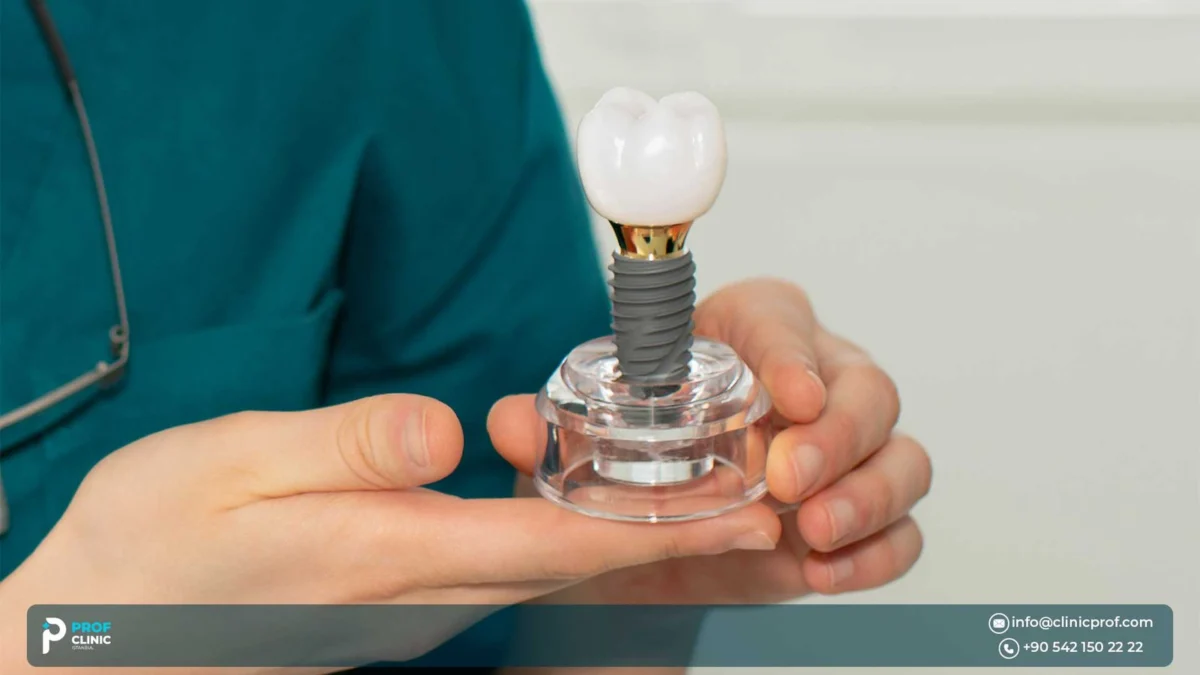
Some factors can make another option wiser. Heavy grinding (bruxism) raises the risk of chipping, and a strong opposing bite can wear acrylic faster. Limited hand movement may also make cleaning under a fixed bridge hard, which can favour a removable overdenture.
A systematic review in the Journal of Dentistry found high survival of hybrid bridges over 5 to 10 years, at least 93.3% in the included studies. Long-term data, however, were scarce. Its authors advise against removing teeth with a good outlook only to fit one. If you are unsure, contact our dental team with recent photos and X-rays.
How to Care for a Fixed Hybrid Denture
Caring for a fixed hybrid denture means brushing it like natural teeth twice a day and cleaning underneath it every day, because plaque collects where the bridge meets the gum. Cleveland Clinic advises a soft-bristled brush and non-abrasive toothpaste.
- Use a soft brush and a low-abrasion toothpaste, since harsh pastes scratch acrylic and help stains settle.
- Clean under the bridge with floss threaders, interdental brushes or a water flosser.
- Take extra care around each implant, where trapped food can inflame the gums.
- Avoid biting very hard objects such as ice, nut shells or bottle tops.
If you grind your teeth, ask about a night guard. In a study of fixed full-arch bridges in the Journal of Prosthetic Dentistry, not wearing an occlusal device was linked with more chipping, lost access-hole fillings and framework fractures.
Regular check-ups matter as much as home care. At these visits, the dentist checks the screws, the bite and the gums, and may unscrew the bridge for a professional clean.
Repairs, Relining and Replacement: What to Expect
Most hybrid denture repairs are minor: a worn or chipped tooth is rebuilt or replaced, a lost access-hole filling is resealed, or a loose screw is tightened. These small problems are the ones studies report most often.
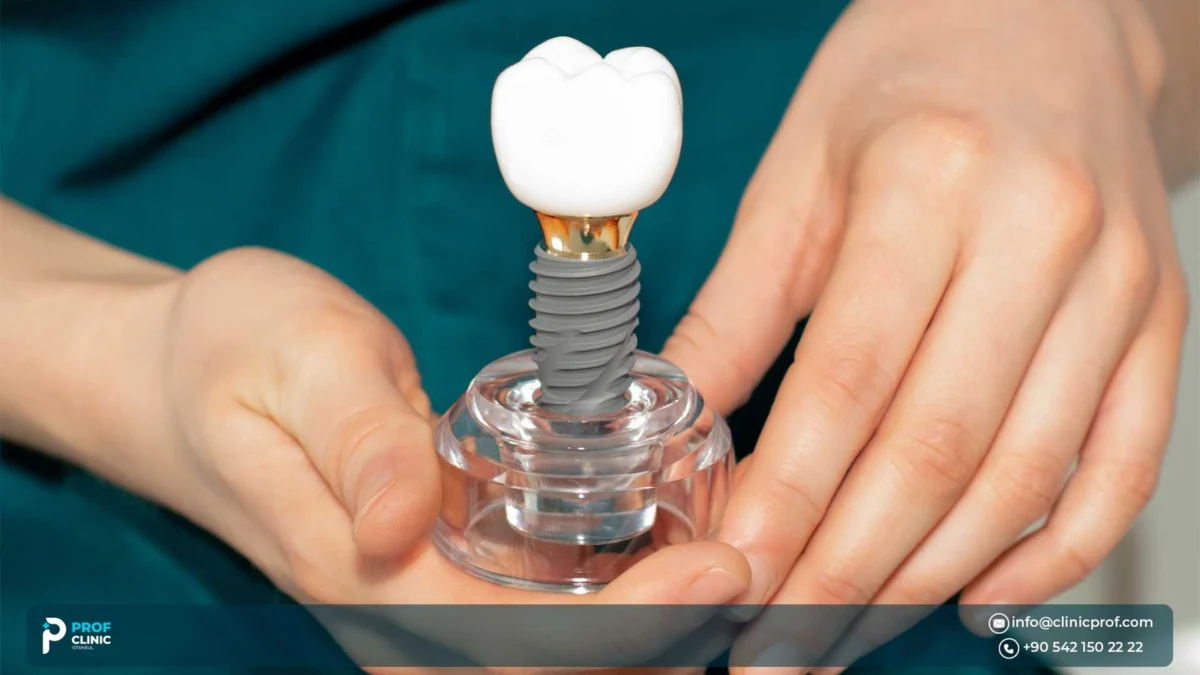
For larger repairs, the dentist unscrews the bridge and sends it to the laboratory, which may take a day or more. Ask in advance whether a backup bridge or temporary solution is possible, especially if you travel for treatment.
Relining in the classic sense applies mainly to removable dentures, which rest on gums that shrink. A fixed hybrid rests on implants, so it rarely needs relining, though pink acrylic can be added or reshaped to reduce food trapping or improve speech.
Over the years, the teeth and pink acrylic may wear enough that the dentist suggests new teeth on the existing framework, or a new bridge. The timing varies with your bite, habits and check-ups, so ask how your plan handles it.
Hybrid Denture Planning at Prof Clinic in Istanbul
At Prof Clinic, every full-arch plan starts with an assessment of your photos, X-rays and a 3D CBCT scan. The digital plan decides whether four or six implants suit your jaw, and which final bridge fits your bite and priorities. Both options are available at Prof Clinic, a fixed full-arch bridge or a removable denture on implants, and the choice is made with you once the CBCT scan and assessment are done.
Surgery is done under local anaesthesia, with sedation if needed, and a temporary fixed bridge is often attached within a few days when the implants are stable enough. After about 3 to 6 months of healing, new scans are taken for the final bridge. Prosthetic choices can be discussed with Spc. Dt. Bensu Çalışkan, whose work covers fixed, implant-supported and removable prostheses. Your fixed bridge on four or six implants is then followed with regular check-ups and cleaning.
A recommendation between hybrid and zirconia is made only after a clinical assessment and a review of your records. When you feel ready, you can book a free consultation to talk through hybrid and zirconia options.
Frequently Asked Questions About Hybrid Dentures
Can you take out a hybrid denture on implants?
No, not at home. A fixed hybrid denture is screwed onto the implants and stays in day and night. Your dentist can unscrew it at check-ups for a deep clean, to tighten screws or to repair a tooth. If you want teeth you can remove yourself, an implant overdenture is the removable alternative.
How long does a hybrid denture last?
It varies, and the implants often outlast the acrylic teeth. Reviews report high survival of hybrid bridges over 5 to 10 years, though long-term data are limited. The teeth and pink acrylic wear with use, so new teeth or a new bridge are usually needed at some point. Check-ups and a night guard for grinders help.
Can a chipped hybrid denture be repaired?
Yes, in most cases. A small chip can often be smoothed or rebuilt with composite in the chair. A broken or badly worn tooth is replaced in the laboratory after the bridge is unscrewed. Easier repairs are one practical advantage of acrylic over zirconia, which is harder to fix once it fractures.
Is a hybrid denture the same as All-on-4?
Not exactly. All-on-4 describes how four implants are placed to support a full arch, while a hybrid denture is one type of bridge screwed onto them. An All-on-4 or All-on-6 plan can carry either a hybrid or a zirconia bridge, depending on your bite, habits and maintenance preferences.
Why does food get trapped under a hybrid denture?
A small space under a fixed bridge is normal, because it lets you clean around the implants. Some food trapping is expected, especially in the first weeks. If it is constant or affects your speech, the dentist can often reshape or add pink acrylic. A water flosser or interdental brushes clear it daily.
The Bottom Line
Hybrid dentures on implants give you a fixed full arch of acrylic or composite teeth on a titanium frame. They are lighter and easier to repair than zirconia, but they wear faster and need steady maintenance. Your bone, bite and cleaning habits decide whether a hybrid, a zirconia bridge or an overdenture suits you.
For a first opinion on which design fits your case, send your X-rays on WhatsApp and the team will tell you which records a full assessment needs.
Sources
- PubMed (Journal of Dentistry) — Survival and success of full-arch fixed dental hybrid prostheses and supporting implants: systematic review
- PubMed (Int J Oral Maxillofac Implants) — Prosthodontic complication rates of implant-supported fixed dental prostheses in edentulous patients
- PubMed (Int J Oral Maxillofac Implants) — Long-term outcomes of full-arch zirconia-based and metal-acrylic fixed dental prostheses
- PubMed (J Prosthet Dent) — Survival rates and prosthetic complications of implant fixed complete dental prostheses
- PubMed (J Oral Implantol) — Patient-reported and clinical outcomes of metal-acrylic, zirconia and retrievable crown prostheses
- PubMed (Journal of Dentistry) — Two implant retained overdentures: the McGill and York consensus statements
- Cleveland Clinic — Implant-Supported Dentures