Many patients understand that a dental implant replaces the missing tooth root, but they feel confused when the dentist mentions the next step: the abutment. If you are waiting for your final crown, this small connector can feel like a technical detail. In reality, the dental implant abutment is the part that helps turn a healed implant into a tooth you can see, clean, and use comfortably.
In this guide from Prof Clinic in Istanbul, you will learn what a dental implant abutment is, where the abutment placement procedure fits in the implant timeline, how the implant connector supports the final crown, what to expect during healing, and what questions to ask before the crown is attached.
What is a dental implant abutment?
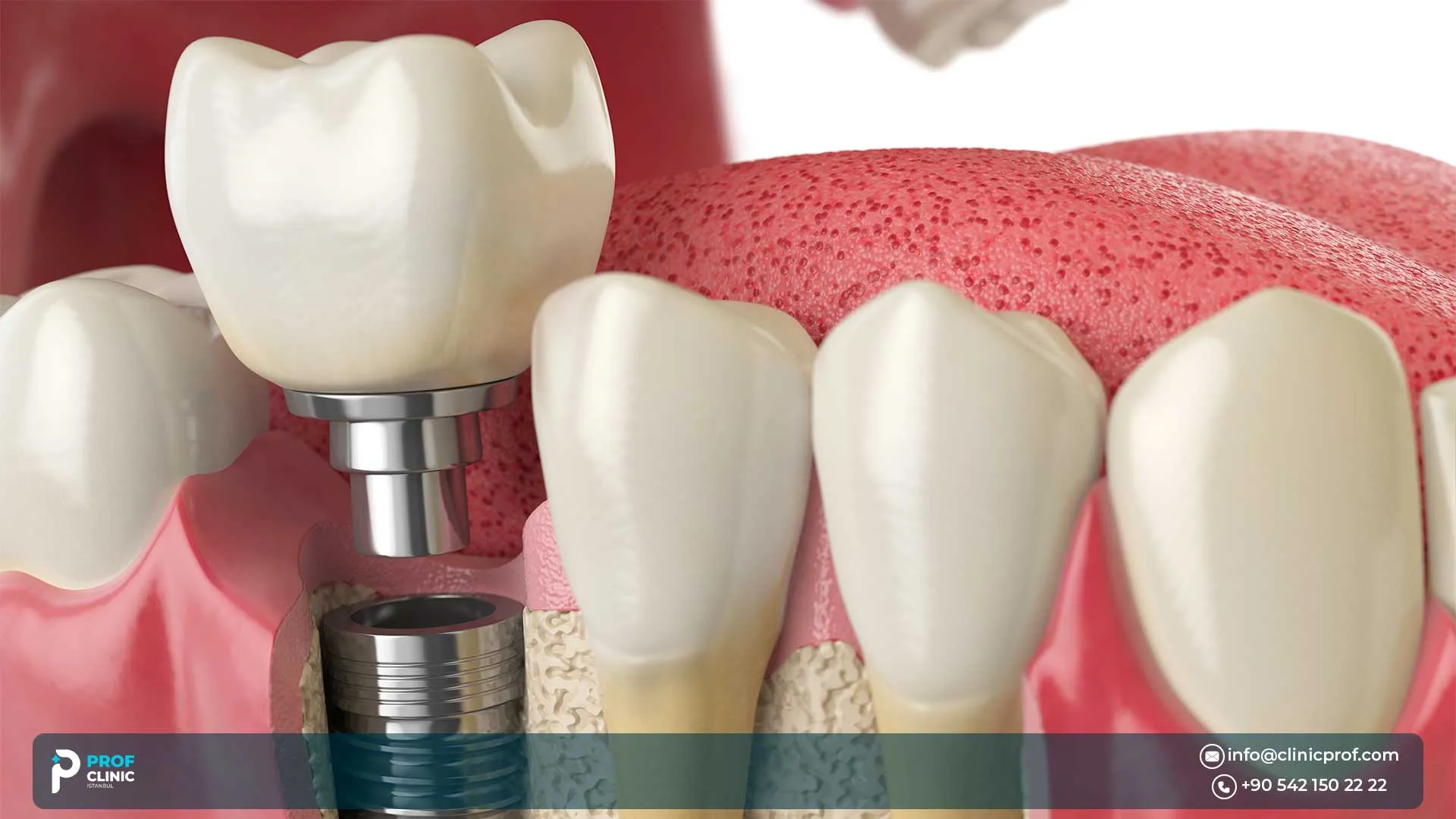
A dental implant abutment is the small connector attached to the implant fixture after healing. It sits between the implant in the jawbone and the visible crown above the gum, helping support the crown and shape how it emerges from the gum. In simple terms, the implant works like the artificial root, the abutment works like the connector, and the crown works like the visible tooth.
The American Academy of Implant Dentistry explains that a connector, known as an abutment, is placed on top of the dental implant to hold and support the crown.
At Prof Clinic, we explain the abutment as the connector placed on top of the implant after healing, helping support the crown and shape the gum tissue.
| Implant part | Simple explanation | Main role |
| Implant fixture | The screw-like part is placed in the jawbone. | Acts like an artificial tooth root. |
| Abutment | The connector attached to the implant. | Supports the crown, bridge, or denture. |
| Crown | The visible replacement tooth. | Restores appearance, chewing, and speech function. |
The abutment may be made from Titanium, Zirconia, or another system-compatible component depending on the implant brand, gum thickness, bite, and esthetic needs. One material is not automatically better for every patient.
The abutment may look small, but it affects how the final crown emerges from the gum, how the bite feels, how easy the area is to clean, and how stable the restoration is over time.
Where does abutment placement fit in the implant timeline in Istanbul?
Abutment placement usually happens after the implant has had time to integrate with the jawbone. This healing process is called osseointegration. In many cases, the dentist waits until the implant is stable before attaching the abutment and planning the final crown.
| Stage | What happens | Why it matters |
| Implant placement | The implant fixture is placed in the jawbone. | Creates the foundation for the future tooth. |
| Healing | The bone heals around the implant over time. | Helps the implant gain biological stability. |
| Abutment placement | The connector is attached to the implant. | Prepares the implant for the crown, bridge, or denture. |
| Scan or impression | The dentist records the shape needed for the crown. | Guides crown design, fit, and bite planning. |
| Final crown placement | The crown is attached after planning and lab work. | Completes the visible tooth replacement. |
Once healing is complete, a patient may need a minor outpatient procedure to place the abutment. For patients planning treatment in Istanbul, our guide on dental implant procedure steps explains how assessment, scans, implant placement, healing, and the final crown fit into the broader treatment journey.
This timeline can vary. Some patients receive a healing cap before the abutment. Others may receive an abutment earlier, especially in one-stage implant treatment or carefully selected immediate-restoration cases. The decision depends on bone quality, gum health, implant stability, infection risk, bite pressure, and whether a temporary crown is used.
If you want to understand why the waiting period matters, read our article on dental implant osseointegrationbefore the crown stage.
What to expect during the abutment placement procedure
The abutment placement procedure is the appointment where the dentist attaches the implant connector to the implant fixture. It is usually more limited than the original implant surgery, but it is still a clinical procedure and should be planned carefully.
- Clinical check. The dentist checks the implant area, gum tissue, healing, and treatment plan.
- Numbing if needed. Local anesthesia may be used, especially if gum tissue needs to be opened or adjusted.
- Accessing the implant. If the implant is covered by gum tissue, the dentist may make a small opening to reach it.
- Removing the healing cap. If a healing cap was placed earlier, it may be removed.
- Checking implant readiness. The dentist confirms that the implant is ready for the next restorative step.
- Attaching the abutment. The abutment is connected to the implant and tightened according to the implant system.
- Taking a scan or impression. A digital scan or traditional impression may be taken to design the crown.
- Temporary component if needed. In some cases, a temporary crown or healing component may be placed before the final crown.
The procedure details depend on the implant brand, gum condition, bone healing, crown plan, and whether the case is one-stage or two-stage. It should not be described as guaranteed or painless, because comfort and healing vary from patient to patient.
Patients comparing implant staging can read one-stage vs two-stage implants to understand why some implants are exposed earlier while others heal protected under the gum.
If you are unsure where you are in the implant timeline,ask us for guidance before the crown stage.
Healing cap vs dental implant abutment vs crown
Many patients confuse the healing cap, dental implant abutment, and crown. They are related, but they do not do the same job.
| Part | Purpose | Is it visible? | When is it used? |
| Healing cap | Helps shape the gum and protects implant access. | Often visible above the gum. | During healing before the final restoration. |
| Abutment | Connects the implant to the crown, bridge, or denture. | May be partly visible before crown placement. | After implant healing or during planned restoration stages. |
| Crown | The visible artificial tooth. | Yes. | Final step for single-tooth replacement. |
The healing cap helps guide gum shape. The abutment supports the final restoration. The crown restores the look and function of the tooth. In some cases, the dentist may use a temporary abutment or a custom abutment to support the crown more precisely, especially when gum shape, implant angle, or front-tooth esthetics are important.
For more detail on the visible tooth stage, read our article temporary vs permanent implant crown.
How does the implant connector support the final crown?
The implant connector is not just a small mechanical part. It helps determine the crown’s height, angle, emergence profile, fit against the gum, and long-term cleanability. This is why abutment planning affects both appearance and function.
- How the crown emerges from the gum.
- How natural the tooth looks.
- How the bite feels when chewing.
- How easy the area is to clean.
- How stable the crown, bridge, or denture feels.
- How well the gum tissue is supported around the restoration.
The relationship between the abutment and crown is especially important in front teeth. If the gum tissue is thin, the abutment material, color, and position may influence the final appearance. For this reason, front-tooth implant cases often need careful soft-tissue and crown planning.
| Crown connection | Basic explanation | Patient-level note |
| Screw-retained crown | The crown is attached with a screw through an access channel. | May be easier to retrieve for some repairs, depending on design. |
| Cement-retained crown | The crown is cemented onto the abutment. | Can look natural, but excess cement must be carefully controlled. |
| Custom abutment crown | The abutment is customized for crown shape and gum profile. | Often useful when esthetics or implant angle need more planning. |
Bite alignment is also important. If the crown contacts too heavily when chewing, it can place stress on the crown, abutment screw, implant, or surrounding tissues. This is one reason dentists check the bite carefully before and after crown placement.
Recovery after abutment placement in Turkey
After abutment placement, some patients feel mild tenderness, gum sensitivity, or slight swelling. This is more likely if gum tissue was opened or reshaped during the appointment. Recovery instructions should always come from your dentist because the advice may differ depending on whether you had a healing cap, temporary crown, custom abutment, or gum adjustment.
- Keep the area clean as instructed by your dentist.
- Avoid aggressive brushing directly around the area unless approved.
- Use prescribed or recommended rinses correctly.
- Take medications only as directed.
- Choose softer foods if your dentist advises it.
- Avoid chewing hard foods on a temporary crown or healing component.
- Do not touch, twist, or test the abutment with your fingers or tongue.
- Attend follow-up appointments to check gum healing and crown fit.
The goal after abutment placement is not only comfort. The gum also needs to form a healthy shape around the connector so the final crown can fit properly. If you are still in the surgical healing phase, follow the instructions in your case plan and review our dental implant aftercare guide for broader post-treatment care.
For long-term cleaning after the crown is attached, our dental implant maintenance guide explains how care changes by restoration type.
When should you contact a dentist about the abutment?
A loose or uncomfortable abutment should not be ignored. Do not try to tighten it yourself. Avoid chewing hard foods on that side and arrange a dental review as soon as possible.
- Pain that gets worse instead of improving.
- Swelling that increases.
- Persistent bleeding.
- Bad taste, pus, or fever.
- The abutment feels loose.
- The temporary or final crown feels unstable.
- Your bite suddenly feels too high.
- Numbness, tingling, or unusual nerve-like symptoms.
- Difficulty chewing that was not present before.
Dental implant system risks can include abnormal bite function and a loose or twisting sensation caused by abutment screw loosening. These problems do not happen to every patient, but symptoms should be checked promptly because early review can help protect the implant, crown, screw, and surrounding gum tissue.
8 Questions to ask before your final crown in Istanbul
Before the final crown is attached, ask questions that help you understand the plan. The abutment and crown stage is not only cosmetic. It affects chewing, hygiene, speech, comfort, and long-term maintenance.
| Question | Why it matters |
| Is the implant stable enough for the crown? | The crown should not be loaded before the implant is ready. |
| Is the gum tissue healthy around the abutment? | Healthy gum support helps the crown fit and look natural. |
| Will the crown be temporary or final? | Temporary and final crowns have different purposes. |
| What material will be used for the crown? | Crown material affects strength, appearance, and maintenance. |
| Is the crown screw-retained or cement-retained? | This can affect repair access and cleaning considerations. |
| How should I clean around the abutment and crown? | Hygiene is essential for long-term implant health. |
| What should I do if the crown or abutment feels loose? | You need clear instructions before a problem happens. |
| Will I receive implant documentation? | Useful for future care, especially for international patients. |
For patients traveling to Turkey for dental implants, documentation is especially important. Ask for the implant brand, implant model, abutment type, crown material, and any implant passport or certificate available from the clinic.
How does Prof Clinic plan the abutment and crown stage in Istanbul
At Prof Clinic, we connect the abutment stage to the full implant plan rather than treating it as a separate mechanical step. The dentist needs to understand the implant position, gum shape, bite, crown design, and whether the patient is receiving a single crown, bridge, denture, or full-arch restoration.
| Planning point | What the team reviews | Why it matters |
| Implant readiness | Healing, stability, symptoms, and imaging when needed. | Helps decide whether the implant is ready for the connector and crown. |
| Gum shape | Thickness, contour, inflammation, and hygiene access. | Affects crown emergence and long-term cleanability. |
| Bite forces | Chewing pressure, grinding, and contact with opposite teeth. | Reduces the risk of overload, screw loosening, or crown discomfort. |
| Crown plan | Temporary vs final crown, material, shade, shape, and fit. | Connects the abutment to the final appearance and function. |
| Documentation | Implant system, abutment details, and restoration information. | Supports future maintenance, especially for international patients. |
Patients from Turkey, the Gulf, Europe, the UK, the US, and other countries can begin with booking an appointment with our team or talking to us via WhatsApp.
If you are approaching the abutment or crown stage, contact us to review your implant timeline, gum healing, crown plan, and documentation needs before the final restoration is attached.
Is dental implant abutment a separate service at Prof Clinic?
A dental implant abutment is not a separate treatment category by itself. At Prof Clinic, it is better understood as one stage inside the dental implant journey: after implant placement and healing, the abutment helps connect the implant fixture to the final crown, bridge, or denture.
This matters because we present dental implants as part of a wider dental treatment in Turkey pathway: online consultation, personalized planning, treatment in Istanbul, and aftercare communication after patients return home. The abutment stage should therefore be explained as part of implant planning, not as a quick add-on or a cosmetic shortcut.
The right next step is not to choose an abutment type by name. It is to understand where the connector fits, why the gum and bite matter, and when the dentist decides that the implant is ready for the final crown.
FAQs about dental implant abutment in Turkey
Is a dental implant abutment the same as the implant?
No. The implant is the fixture placed in the jawbone, while the dental implant abutment is the connector attached to the implant to support the crown. The crown is the visible replacement tooth.
Does abutment placement hurt?
The area may be numbed if gum tissue needs to be opened or adjusted. Some tenderness or gum sensitivity can happen afterward, but the level of discomfort depends on the case and the procedure performed.
How long after the abutment is the crown placed?
It depends on gum healing, implant stability, crown design, and whether a scan or impression is needed. Some cases move to crown placement sooner, while others need more gum shaping or lab planning.
What happens if my implant abutment feels loose?
A loose abutment should be checked by a dentist as soon as possible. Avoid chewing hard foods on that side and do not try to tighten it yourself.
What is the difference between a healing cap and an abutment?
A healing cap helps shape and protect the gum around the implant. The abutment is the connector that supports the final crown, bridge, or denture.
Can the abutment show through the gum?
In some cases, especially with thin gum tissue or front teeth, the abutment color or shape may affect appearance. Dentists may consider material, gum thickness, crown design, and esthetic goals when planning the abutment.
Can Prof Clinic review my abutment or crown stage in Istanbul?
Yes. Prof Clinic can review your implant stage, X-rays or reports when available, symptoms, and crown planning needs before advising on the next step. Online guidance supports planning but does not replace clinical examination when symptoms are active.