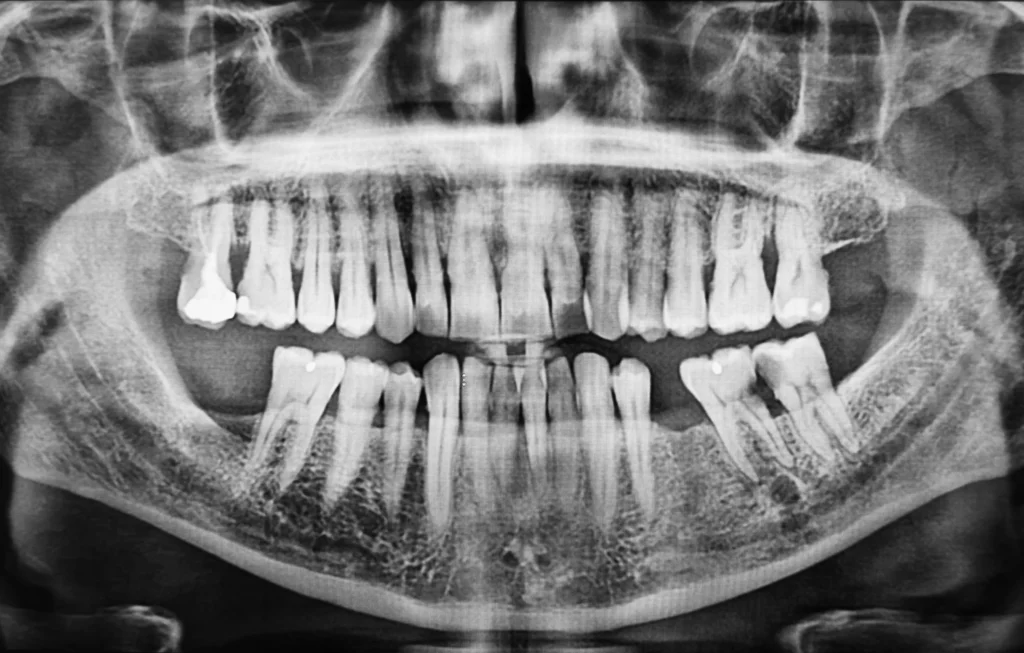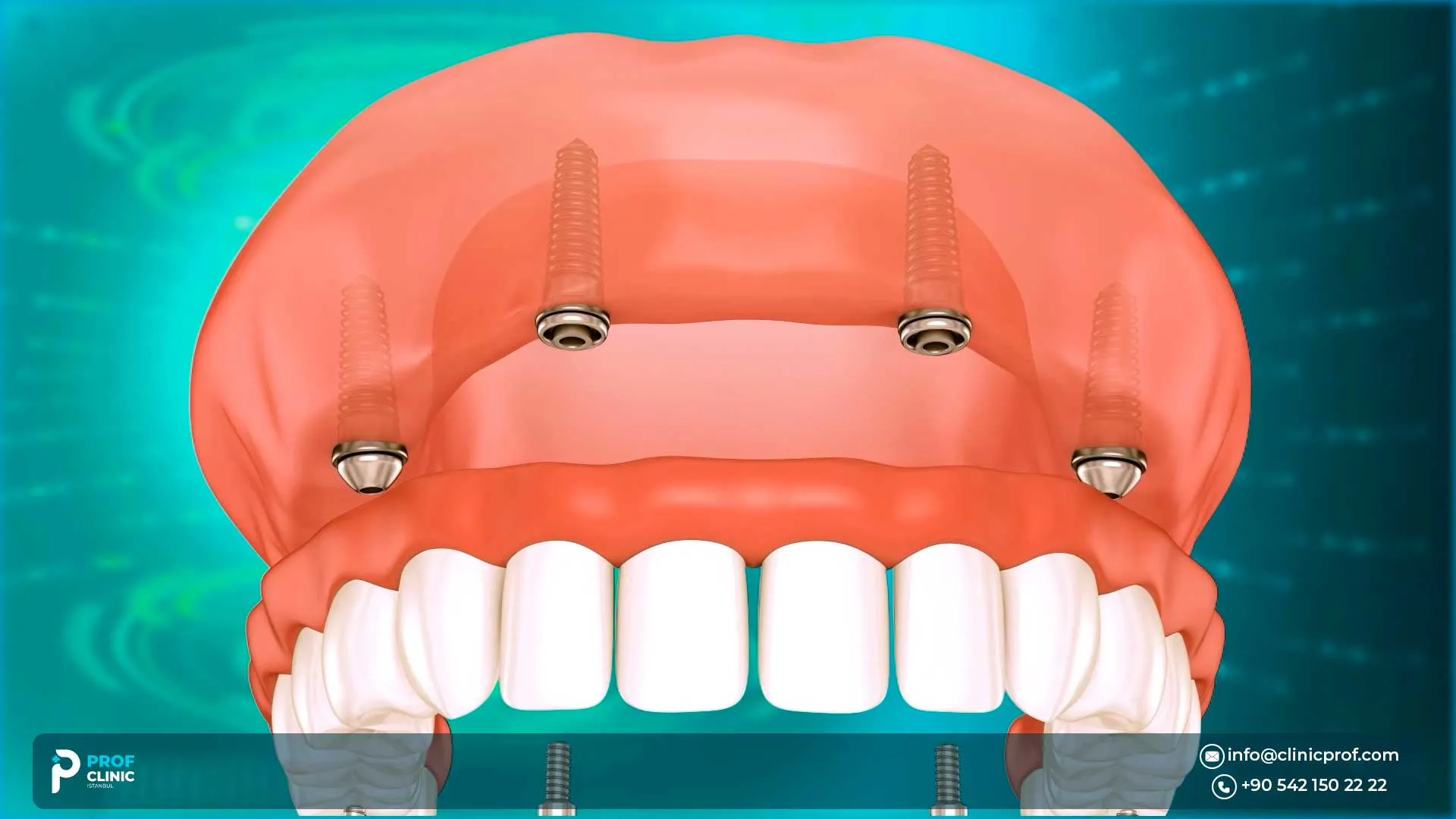
Searching for all on 4 problems before treatment is not negative thinking. It usually means you are trying to make a careful decision before committing to a full-arch procedure in Turkey. All-on-4 can be a powerful solution for patients with many failing or missing teeth, but it is still implant treatment, which means the outcome depends on anatomy, medical history, planning quality, healing, bite forces, and long-term maintenance. The safest mindset is not “Will anything ever go wrong?” but “How do I lower avoidable risk before I say yes?”
In this guide by Prof Clinic, we explain the most important All-on-4 complications, what All-on-4 failure can really mean, which symptoms are part of normal recovery versus true red flags, and how to judge whether a clinic in Istanbul is planning your case carefully enough. At Prof Clinic, we use a scan-first, case-based pathway to help patients understand their risk profile before travel, not after surgery.
Why Patients Search for All-on-4 Problems Before Treatment
Patients who search for risks before treatment are often already in the comparison stage. They are not looking for abstract theory; they want to know what can go wrong, what can be prevented, and which clinic behaviors signal safer planning. That is especially true for international patients, because full-arch treatment affects surgery, temporary teeth, healing, travel timing, and aftercare once they return home.
This article works best alongside All-on-4 Dental Implants in Turkey, the Complete Guide, and 3D Dental Implant Planning in Turkey, because those pages help you understand the wider treatment pathway while this page focuses on risks, prevention, red flags, and how to judge a clinic before committing.
Common All-on-4 Complications to Know
The most useful way to understand all on 4 complications is to separate them into three groups: biological problems, mechanical or prosthetic problems, and less common but more serious surgical risks. Not every issue means total failure. Some problems are short-term adaptation issues, while others need earlier review and intervention.
| Possible problem | What it may feel like | How risk is reduced | When to contact the clinic |
| Early infection or poor healing | Increasing pain, swelling, bad taste, worsening tenderness | Case selection, smoking reduction, sterile surgery, written aftercare, early follow-up | If symptoms worsen instead of easing |
| Peri-implant inflammation later on | Bleeding gums, swelling, bad odor, bone-loss concerns | Meticulous cleaning, maintenance visits, treatment of gum-risk factors | If bleeding or swelling keeps returning |
| Bite or prosthetic issues | Pressure spots, chipping, uncomfortable chewing, screw or bridge problems | Better bite planning, material selection, night-guard planning where needed | If the bridge feels unstable, cracks, or hits wrongly |
| Bulkiness or speech adaptation | Lisping, awkward tongue position, too much material at first | Prosthetic design review, short adaptation period, selective adjustment | If it does not improve or affects function significantly |
| Less common surgical risk | Numbness, tingling, sinus-type symptoms, severe unexpected pain | Good imaging, anatomy-led planning, careful execution | Urgently, if nerve or sinus-type symptoms appear |
Biological complications
Biological complications include infection, delayed healing, peri-implant mucositis, peri-implantitis, bone loss, and sometimes the loss of one or more implants. These problems may appear early, while implants are integrating with bone, or later, when plaque control, smoking, past gum disease, or missed maintenance begins to affect the tissues around the implants.
The practical lesson is simple: fixed teeth do not mean maintenance-free treatment. A full-arch bridge still needs disciplined daily cleaning and regular review. For post-op home care, readers should also review Dental Implant Aftercare in Turkey before treatment, not only after it.
Mechanical and prosthetic issues
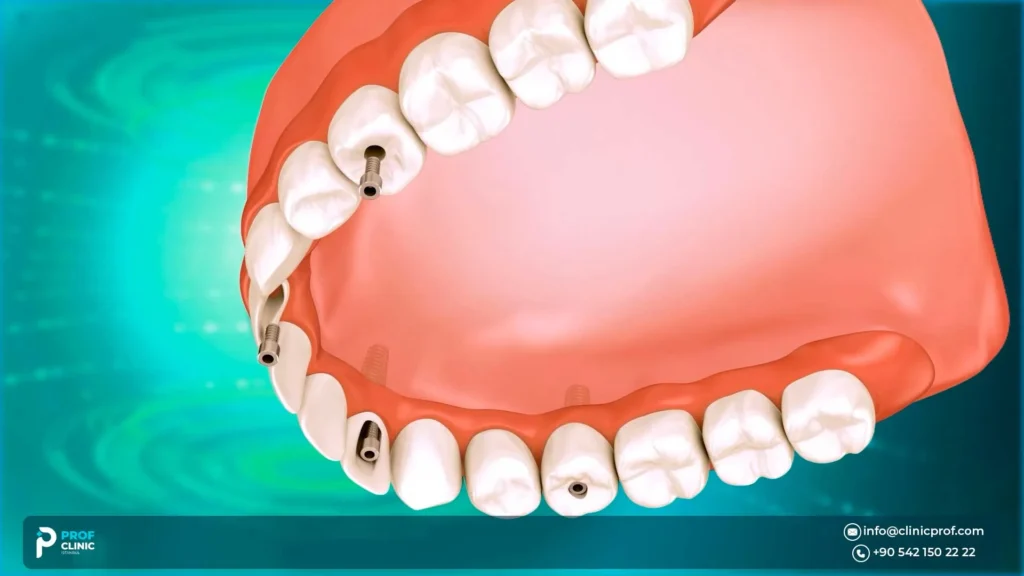
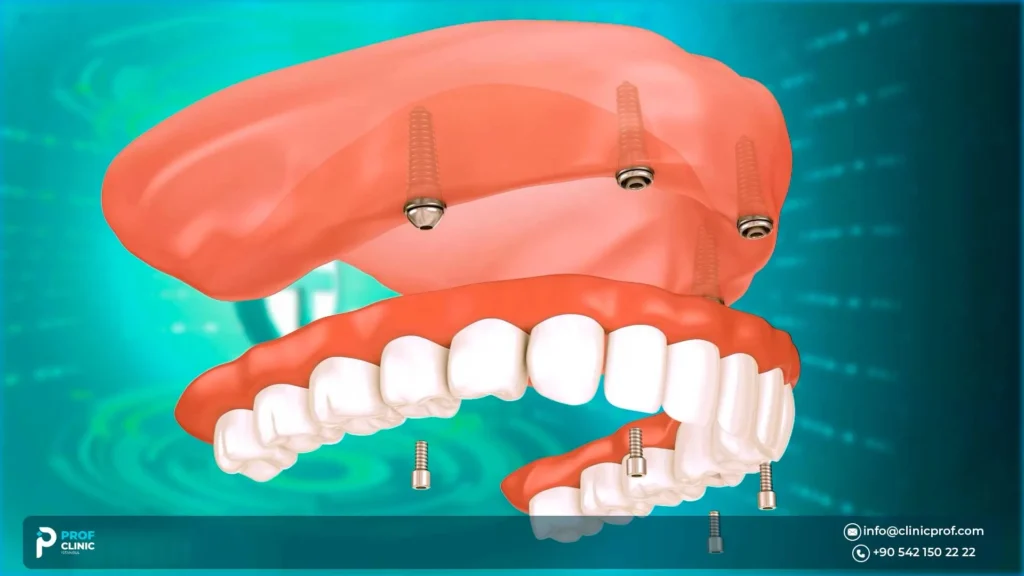
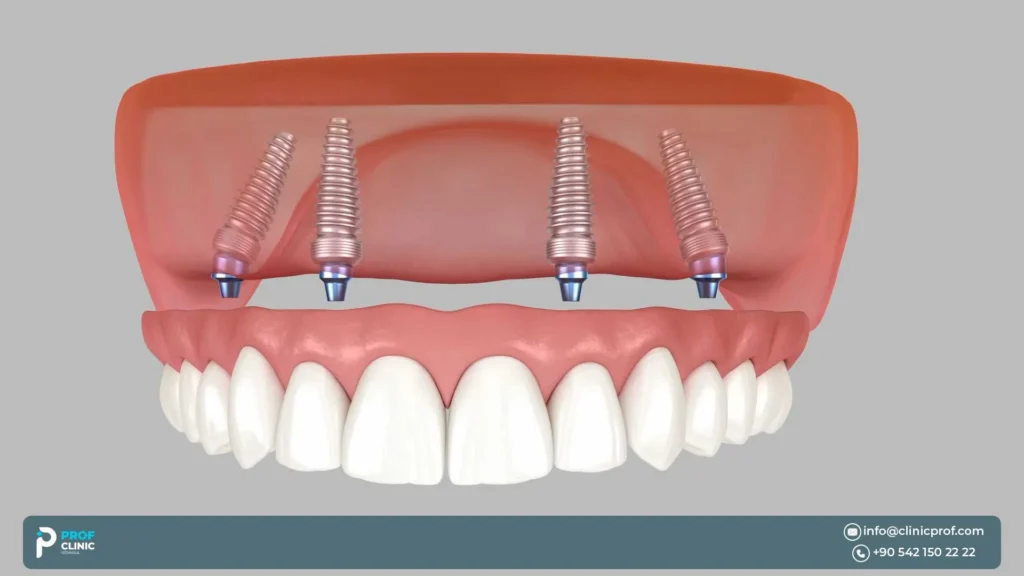
Many patient-reported all on 4 problems are mechanical rather than infectious. The bridge may feel bulky at first. Speech may sound slightly different during adaptation. Bite pressure may need refining. Technical complications can include prosthetic fractures, screw loosening, repeated pressure spots, cleaning difficulty, and overload-related wear.
This is why All-on-4 is not only about placing four implants. Bridge thickness, material choice, cantilever control, cleaning access, and bite balance all influence comfort and durability. Some mechanical issues can be adjusted and managed; repeated instability, fracture, or overload should not be dismissed as normal adaptation.
Less common but serious surgical risks
Some complications are less common but should still be discussed honestly: nerve-related symptoms such as altered sensation or tingling, sinus-related problems in some upper-jaw cases, and unexpected pain that does not follow the usual recovery trend. These risks are a reason to take diagnostics and case planning seriously, not a reason to panic. When anatomy is close to the sinus or nerve canal, imaging and prosthetically driven planning become more important, not less.
If you are comparing more than one clinic in Turkey, ask each one the same question: based on my scan, what are the main all on 4 problems in my case specifically, and how are you planning to reduce them? At Prof Clinic in Istanbul, we encourage patients to ask exactly that before they commit.
Also read: How to Choose Dental Implant Brand,
What Causes All-on-4 Failure?
All on 4 failure is often described as if it were one single event, but clinically it can mean different things. It may mean one implant fails to integrate early, later bone loss reduces support, or the prosthesis repeatedly breaks down under bite stress and creates a chain of repairs. In a full-arch case, one failed implant can sometimes affect the stability of the wider prosthetic design, which is why prevention starts long before surgery day.
Patient-related risk factors
Some risks travel with the patient, not the clinic. Smoking, untreated gum disease, poor plaque control, uncontrolled medical issues, high bite forces, and heavy grinding can all change the risk profile. That is why the better question is not “Is All-on-4 safe in general?” but “How safe is All-on-4 for my health history, bone, gum condition, and bite?”
If medical history, smoking, or healing concerns are part of your case, review Medical Conditions & Dental Implants in Turkey before you assume the same plan fits every patient.
Planning and execution factors
Other causes of failure come from planning and execution: limited bone in key areas, implant angulation, sinus or nerve location, cantilever length, prosthetic thickness, bridge material, and the way bite forces are distributed across the arch. In full-arch work, treatment should be restoration-driven rather than surgery-driven. The implants, temporary bridge, final bridge, and maintenance strategy all need to support the same long-term plan.
For this reason, a strong clinic should combine CBCT-based review with written planning and, when relevant, computer-guided implant surgery so the surgical stage follows the prosthetic plan as closely as possible.
Also read: Medical Conditions That May Affect Dental Implants in Turkey
Normal Healing vs Red Flags After All-on-4
Many readers search this topic because they are worried about symptoms after surgery, not only before it. The key is to separate expected recovery from signs that deserve review. Some soreness, swelling, bruising, and minor bleeding can happen early after implant surgery. What matters most is the direction of change: symptoms should generally settle, not keep escalating.
| Normal early healing | Signs that need review |
| Soreness that gradually improves | Pain that gets worse after the first days |
| Swelling or bruising that starts to settle | Swelling that keeps increasing or does not settle |
| Minor early bleeding | Bleeding that does not stop or keeps returning |
| Temporary diet changes and cleaning adjustments | Pus, foul taste, fever, or strong bad odor |
| Pressure awareness while adapting to temporary teeth | Mobility, looseness, or a bridge that feels unstable |
If red flags appear, contact the treating clinic promptly rather than trying to self-diagnose from forums. In international cases, this means choosing a clinic that explains the return-home plan before treatment. Prof Clinic’s All-on-4 Complete Guide and Aftercare guide are both useful for setting expectations before you travel.
How to Reduce the Risk Before You Choose a Clinic in Istanbul
The best response to fear is not blind reassurance. It is better screening. The clinic you choose should be able to explain how diagnosis, prosthetic planning, case selection, and follow-up reduce avoidable problems. If the discussion stays vague, the risk discussion probably is too.
Use this checklist before you commit:
- Do they review your panoramic X-ray or CBCT before finalizing the plan?
- Will they give you an itemized written plan covering implants, abutments, temporary teeth, final prosthesis, and timeline?
- Do they explain temporary teeth versus final teeth clearly?
- Do they discuss bone availability, anatomy, bite forces, and cleaning access?
- Are implant components traceable and documented?
- Do they ask about smoking, medications, gum disease history, grinding, and medical conditions?
- Is there a follow-up pathway if a problem happens after you return home?
- Can they explain when delay, staged treatment, grafting, or All-on-6 may be safer?
If you want to avoid all-on-4 failure rather than just hope for the best, contact us via WhatsApp for a written treatment direction based on your scans, gum status, bite forces, and travel timeline before you pay a deposit.
Also read:Questions to Ask Implant Dentist
How Prof Clinic in Istanbul Helps Minimize Avoidable Problems
What matters here is not a promise of zero risk. No ethical clinic can offer that. The more realistic value is process. At Prof Clinic, we position the patient journey around record sharing, scan review, medical-history discussion, case-specific planning, and aftercare clarity so avoidable surprises are less likely to appear after travel.
Before treatment
We invite patients to share a panoramic X-ray or CBCT, smile photos, and relevant medical information before travel. That early review supports candidacy screening and helps us decide whether a straightforward All-on-4 plan, All-on-6, staged treatment, or further stabilization may be wiser.
During planning and treatment
We use 3D implant planning to study available bone, nearby anatomy, implant angulation, and restorative position before surgery. For suitable cases, guided implant surgery may support a more controlled transfer from digital plan to treatment-day execution.
After treatment and after you fly home
International patients need more than surgery-day confidence. They need a return-home plan. That is why we pair full-arch treatment with practical aftercare instructions, bite checks, medication guidance, warning-sign education, and direct contact routes through Contact, FAQ, and the wider site resources.
For credibility checks, patients should also review Medical Team and Before & After alongside the treatment plan itself.
Also read: 3D Dental Implant Planning in Turkey.
Who Is a Good Candidate and When Another Plan May Be Better
A good All-on-4 candidate is not simply someone missing many teeth. Suitability depends on bone in key areas, oral hygiene, gum health, medical stability, bite forces, and whether expectations match what the anatomy can realistically support. One of the strongest trust signals any clinic can give is this: not every patient should be pushed into the same plan.
When All-on-6 or staged treatment may be safer
Some patients may be better served by All-on-6, grafting, or staged treatment rather than a straightforward All-on-4 pathway. Extra implants can offer more support points and more prosthetic design flexibility in selected cases, while staged treatment may be wiser when the problem is not implant count but readiness: active gum disease, unstable health conditions, smoking risk, or tissues that are not yet ready.
If you are unsure whether your anatomy looks more suited to four implants, six implants, or a staged route, compare All-on-4 vs All-on-6 first, then request a scan-based opinion rather than choosing by marketing language alone.
If this article sounds uncomfortably close to your situation, do not book blindly. Send your scan to us via WhatsApp and ask our doctors for a case-specific explanation of risks, prevention steps, temporary-versus-final bridge planning, and what follow-up would look like after you return home.
FAQs about All-on-4 Problems
Can All-on-4 fail?
Yes. All-on-4 failure can mean early lack of integration, later bone loss or inflammation around the implants, or major prosthetic problems that compromise support. In full-arch cases, one failed implant can sometimes have wider consequences than patients expect.
What are the most common All-on-4 complications?
The main categories are biological problems such as infection or peri-implant inflammation, mechanical or prosthetic issues such as fracture, loosening, or bite imbalance, and less common surgical risks such as nerve or sinus-related complications.
Is pain normal after All-on-4 surgery?
Some soreness, swelling, bruising, and minor bleeding can be normal early after implant surgery, and these symptoms should gradually improve. If pain or swelling gets worse instead of better, the treating clinic should review you.
How can I reduce the risk before choosing a clinic in Istanbul?
Ask for scan-based planning, a written treatment plan, honest discussion of your medical and gum-health risk factors, a clear explanation of temporary versus final teeth, and a follow-up pathway in case something happens after you return home.