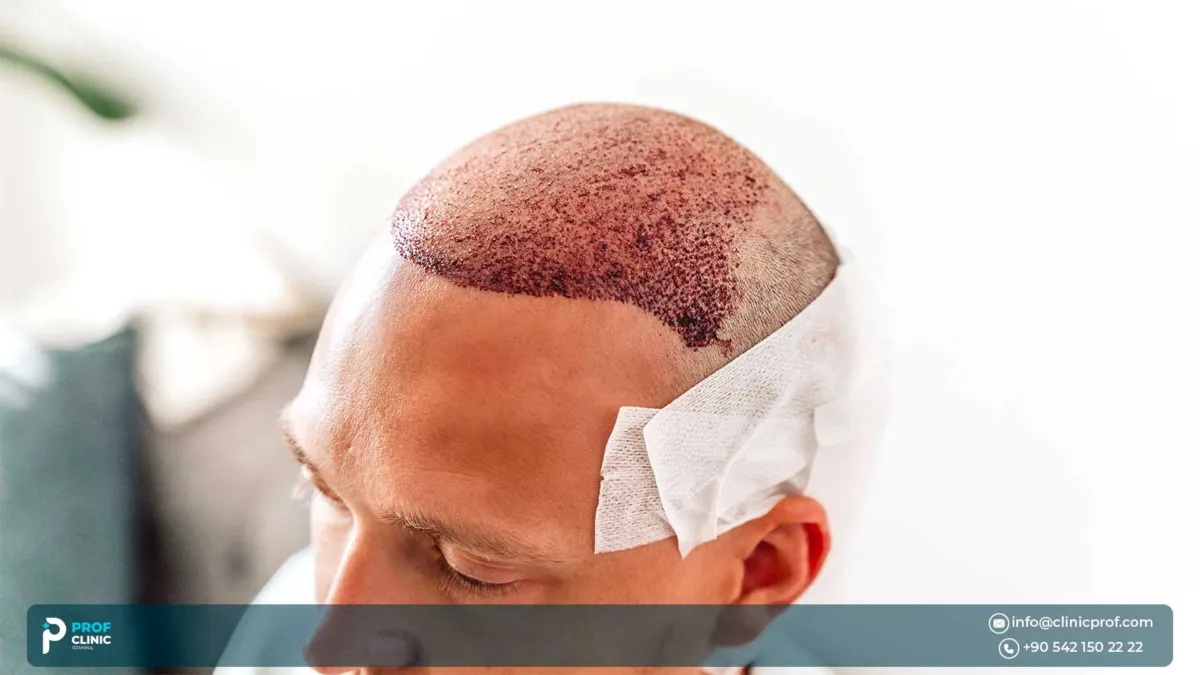
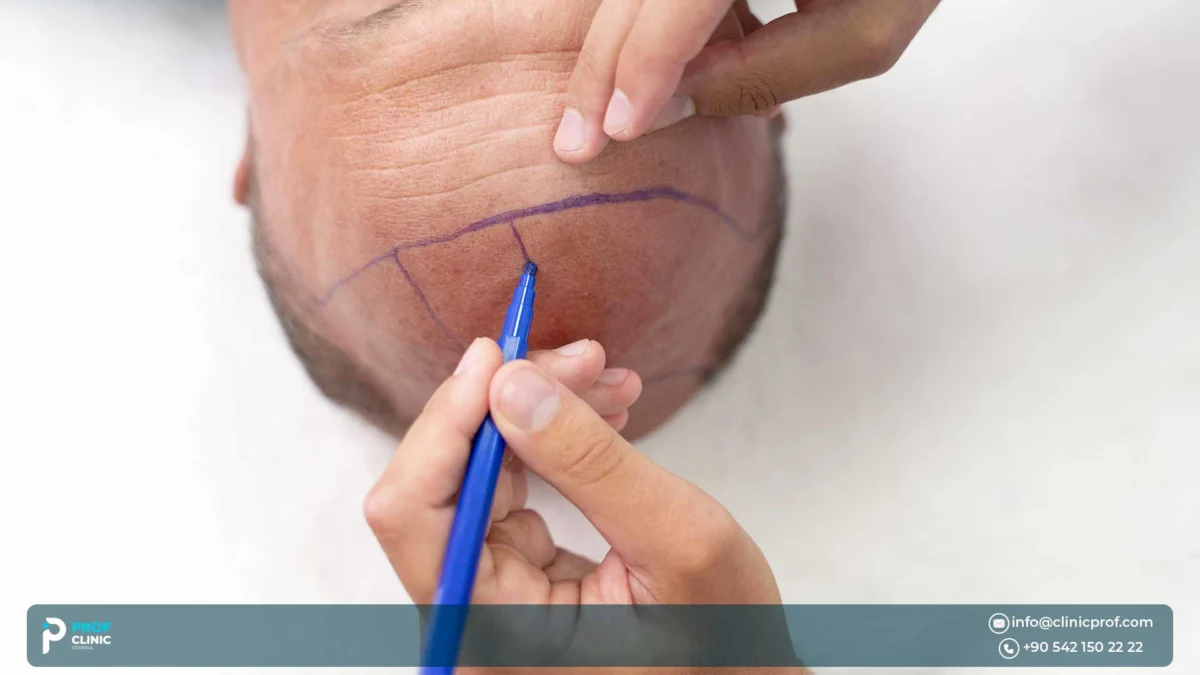
Can an afro hair transplant for women restore thinning edges, temples or a crown? For many Black women it can, as long as the hair loss has stopped progressing, the cause has been diagnosed and there is enough healthy donor hair at the back and sides of the scalp. The catch is that the two causes doctors see most often in Black women, traction alopecia and a scarring condition called CCCA, need to be identified and settled before any surgery is planned.
In this guide by Prof Clinic, you’ll learn what causes hair loss in Black and African American women, when follicles can still recover without surgery, who is a good candidate, how technique and hairline design change for coily hair, and what recovery and cost look like in Turkey. By the end, you’ll know which questions to bring to your consultation.
Can Black Women Get a Hair Transplant?
Yes. In a review published by the ISHRS, hair restoration surgeon Dr. William Yates concludes that hair restoration is as available and as successful for African American patients as for white patients, although some features of Black hair and skin need extra checks before surgery. He describes transplantation as very rewarding for both men and women once patients are carefully selected.
This guide is for women of African, Caribbean and African American heritage, and for anyone with tightly coiled hair. The ISHRS review is written about African American patients, and many of its points on curved follicles and scarring also matter for women of African or Caribbean heritage with tightly coiled hair. What counts most is your own curl pattern, scalp history and donor density, not a label.
It helps to be clear about what a transplant does. It moves your own follicles from a stable donor area, usually the back and sides of the scalp, into thinning areas. It doesn’t create new hair, and it can’t stop an active condition from damaging follicles. That’s why a hair transplant for Black women starts with a diagnosis rather than a graft count.
Here’s how the decision usually breaks down:
- Often suitable: edges and temples lost to long-standing traction once the pulling has stopped, stable female pattern thinning with a dense donor area, and small, stable scars.
- Sometimes suitable, after a waiting period: scarring hair loss such as CCCA that has been inactive for a long time.
- Usually not suitable yet: loss that is still spreading, thinning that also affects the donor area, and alopecia areata, which the NHS says a transplant does not usually suit.
What Causes Hair Loss in Black Women?
Most hair loss in Black women comes from one of three sources: tension from styling, scarring inflammation, or the hormonal and genetic thinning that affects women of every background. Each one changes whether a transplant can help, so it’s worth knowing which pattern you’re dealing with before you compare clinics.
Traction Alopecia: Edges, Temples and Tight Styles
Traction alopecia is hair loss caused by repeated pulling on the follicles. A review in Clinical, Cosmetic and Investigational Dermatology (Billero and Miteva, 2018) reports that it affects about one-third of women of African descent who wear high-tension styles for long periods. The authors list tight buns and ponytails, weaves and extensions, and tight braids such as cornrows and locs among the highest-risk styles, and note that chemical relaxing adds to the risk.
According to the American Academy of Dermatology (AAD), the hairline is one of the first places it shows: broken hairs around the forehead, a receding front edge, and patches where the hair is pulled tightest. Timing matters more than anything else here. The longer the pulling continues, the more likely the loss is to become permanent, and the AAD notes that once the scalp looks shiny and bald, the hair can’t grow back.
CCCA: Scarring Hair Loss That Starts at the Crown
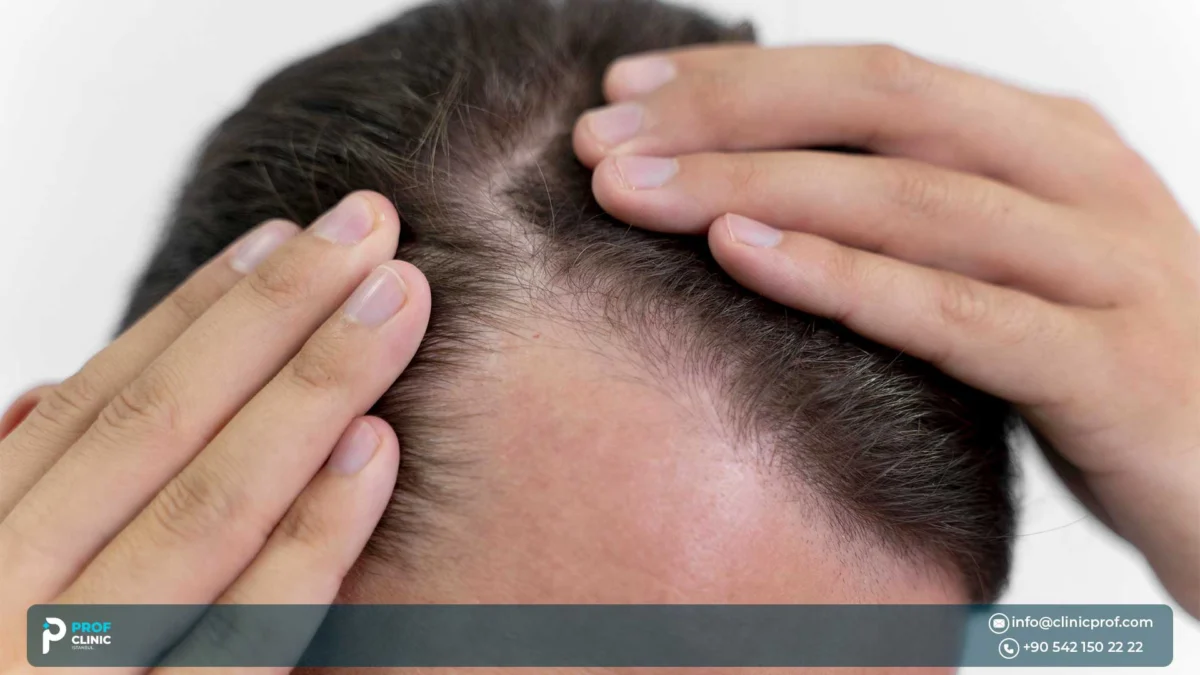
Central centrifugal cicatricial alopecia (CCCA) is a scarring form of hair loss that, according to the AAD, often affects middle-aged Black women. It usually begins in the centre of the scalp and spreads outward in a roughly circular pattern. Some women feel itching, tenderness or burning, while others feel nothing at all, and breakage at the crown may be the first sign.
CCCA destroys follicles and replaces them with scar tissue, which is why the AAD stresses seeing a dermatologist at the first sign: treatment can prevent further loss. For a transplant, an active patch is a problem, because grafts placed into inflamed, scarred skin may not survive.
Female Pattern Hair Loss and Other Causes
Black women can also have the same thinning that affects women of any background. The ISHRS lists hormonal changes such as pregnancy, menopause, thyroid disorders and polycystic ovary syndrome, inherited sensitivity of the follicles to DHT, conditions such as alopecia areata or lupus, and stress, rapid weight loss or low iron and vitamin D. Several of these cause shedding that improves once the trigger is treated, so surgery isn’t the first step. For a wider look at patterns and causes in women of every background, see Female Hair Loss Causes: Patterns and Treatment Options.
Also read: Hair Transplant for Women in Turkey: Candidates, Methods & Cost
The table below summarises how each cause affects your options.
| Cause | Where it usually shows | Can a transplant help? |
|---|---|---|
| Traction alopecia | Edges, temples and above the ears | Often, once the pulling has stopped and the hairline is stable |
| CCCA | Crown and top of the scalp, spreading outward | Sometimes, after a long inactive period and often a test session |
| Female pattern hair loss | Top of the scalp, with a softer front edge kept | Often, if the loss is stable and the donor area is dense |
| Hormonal or nutritional shedding | Spread across the whole scalp | Rarely needed; the cause is treated first |
| Alopecia areata | Round, smooth patches | Not usually |
Not sure which pattern matches your hairline? Contact the Prof Clinic team with clear photos of your edges, temples and crown, and ask what needs to be checked before any plan is made.
Can Damaged Follicles Recover Without Surgery?
Sometimes. If the follicles are still alive, removing the cause and calming inflammation can bring hair back. Once a follicle has scarred over, no lotion, oil or styling change will restore it, and adding hair to that area needs a transplant.
For traction alopecia, the AAD says a dermatologist may prescribe corticosteroids, antibiotics or minoxidil if changing your hair habits isn’t enough, and may recommend a hair restoration procedure for serious cases. For CCCA, early treatment aims to stop the scarring from spreading and ease symptoms. In practice, this is the answer to “can I restore my hair follicles?”: you can often protect what’s left, but you can’t revive a follicle that has gone.
If your dermatologist suggests minoxidil, our guide Finasteride and Minoxidil for Hair Loss and After a Transplant explains how these medicines are used for hair loss and after a transplant.
These low-tension habits, recommended by the AAD, protect both your natural hair and any future grafts:
- Loosen the hairline: keep braids and cornrows loose, especially at the edges.
- Limit the time: don’t keep braids in for more than 6 to 8 weeks, and wear weaves for shorter periods.
- Choose gentler options: thicker, shorter braids or locs, and sewn-in extensions rather than bonding glue.
- Respond to warning signs: change the style straight away if you feel pain or stinging, or notice crusts or tented skin.
- Cover hair gently: pull it back loosely first, and use silk or satin coverings.
Why this matters to you: a surgeon needs to know the pulling has stopped. Billero and Miteva note that traction alopecia keeps progressing if high-tension styling continues, and transplanted hair placed at the edges can be lost the same way.
Who Is a Good Candidate for an Afro Hair Transplant?
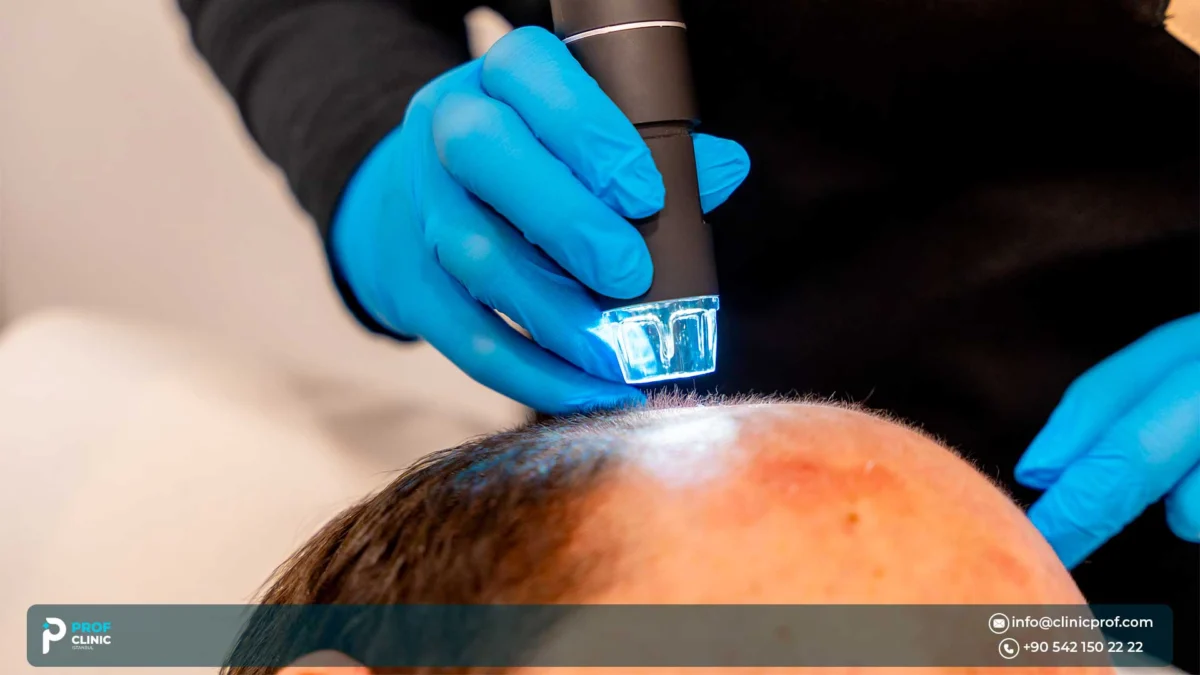
The best candidates have stable hair loss, a known cause, a dense donor area and realistic expectations. The ISHRS guide for women lists exactly these points and adds that any underlying medical condition should be treated and stable first. Diagnosis may involve a scalp examination with a magnifier, blood tests and, if scarring is suspected, a scalp biopsy.
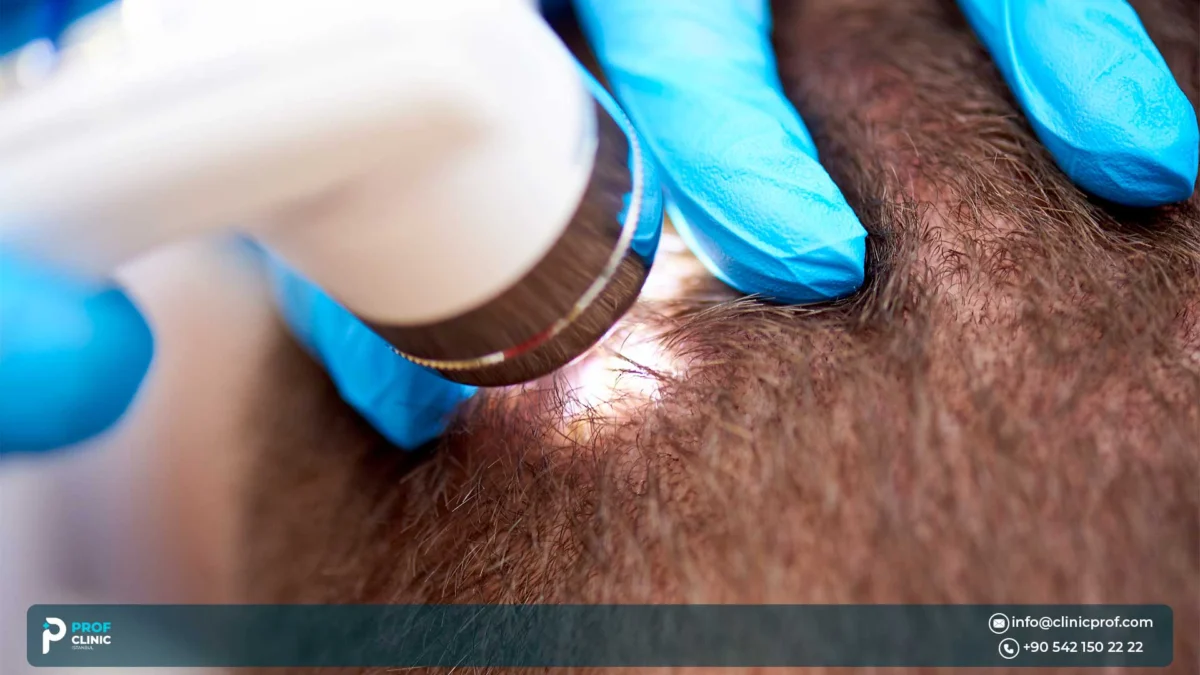
Before surgery, check these points with your doctor:
- Stability: your hair loss has stopped spreading, and any styling tension has been removed.
- Donor density: the back and sides are examined closely, because the ISHRS warns that curly hair can make the donor area look denser than it really is.
- Scarring conditions: for CCCA and other scarring alopecias, a review in the Indian Journal of Plastic Surgery (Singh and Muthuvel, 2021) reports a common consensus of about 2 years of inactive disease before surgery.
- A test session: the same review suggests a small test graft session with a 6-month wait before a full procedure in scarred skin.
- Keloid history: a past keloid or raised scar is one of the first things the ISHRS advises assessing in Black patients.
- Expectations: scarred areas may need more than one session; Singh and Muthuvel recommend a second surgery 9 to 12 months after the first when grafting scars.
If a doctor recommends waiting, it is usually to protect your donor hair, which is limited and can’t be replaced.
Why Afro Hair Changes the Procedure
Afro-textured follicles don’t grow straight down into the skin; they curve beneath the surface. The ISHRS review explains that this curvature calls for a modified harvesting technique, because a punch aligned with the visible hair can cut through the curved root below. That cut, called transection, wastes grafts from a donor area that is already limited.
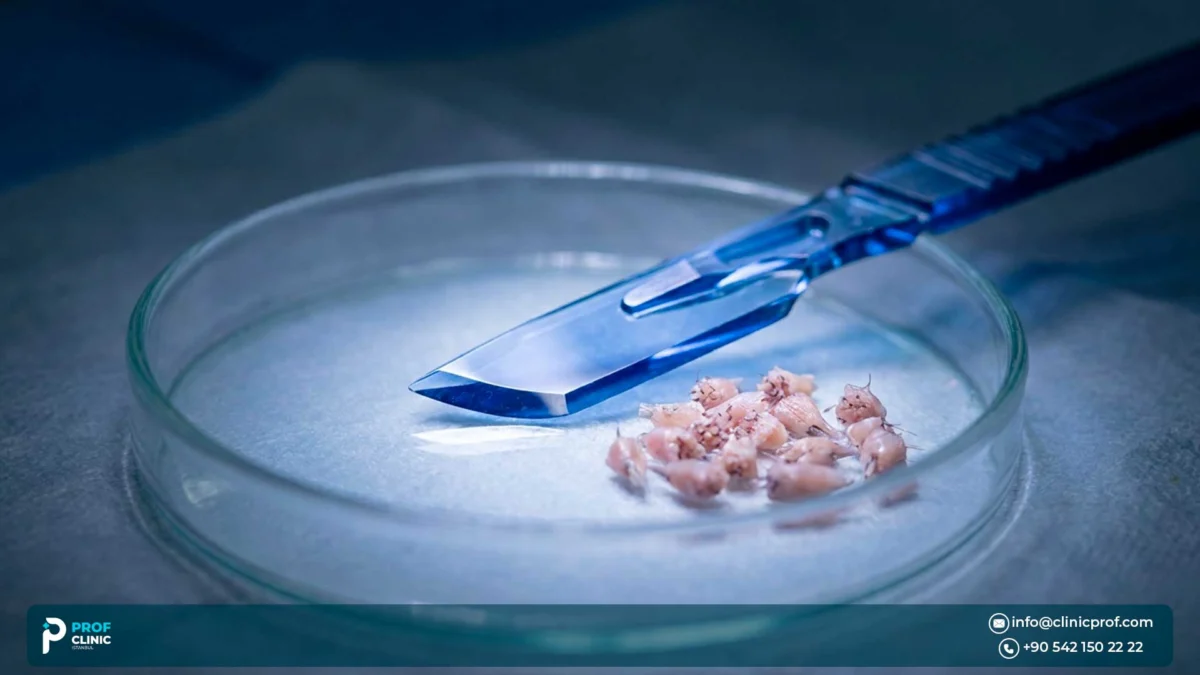
The curl itself works both ways. Coily hair gives a strong impression of density, so fewer grafts may be needed to cover an area. The same curl can also make the donor zone look fuller than it is, which is why careful measurement matters. In short, the curl helps coverage but makes extraction and donor planning harder.
Skin matters as much as hair. The ISHRS lists several points to plan for in Black patients:
- Hyperpigmentation: darker marks can appear at the donor and recipient sites.
- Ingrown hairs and folliculitis: these can appear 2 to 3 months after surgery as the new hair grows, and are treated with antibiotics.
- Keloids and raised scars: they can be treated medically, but a known history changes the plan.
- Stitches: after strip surgery, Dr. Yates prefers non-dissolvable stitches, as some Black patients react poorly to dissolvable ones.
FUE, DHI or FUT: Which Technique Suits Black Women?
No single technique suits every Black woman. The choice depends on how tightly your hair curls, how dense your donor area is, how much shaving you can accept and whether you have a history of raised scars.
| Technique | How it works | Points for women with afro hair |
|---|---|---|
| FUE and Sapphire FUE | Single follicular units are taken one by one from the donor area; Sapphire FUE uses sapphire blades to open the recipient sites | Leaves tiny dot scars; curved roots make extraction slower; usually needs at least part of the donor area shaved |
| DHI | Grafts are extracted as in FUE, then loaded into an implanter pen and placed directly | Fine control of angle and depth along the hairline and edges; the extraction challenge stays the same |
| FUT (strip) | A thin strip of scalp is removed from the donor area and divided into grafts | The donor area doesn’t need shaving; leaves a linear scar, so a keloid history needs careful thought |
Shaving is a real concern for many women. The ISHRS guide for women notes that FUT is often preferred because the donor area stays unshaved, while FUE is often done with donor shaving. No-shave and partial-shave FUE methods, where only a small area is trimmed and hidden under longer hair, are another option. Our guide to the Unshaven Hair Transplant: Who It Suits, Results and Cost explains the trade-offs in more detail.
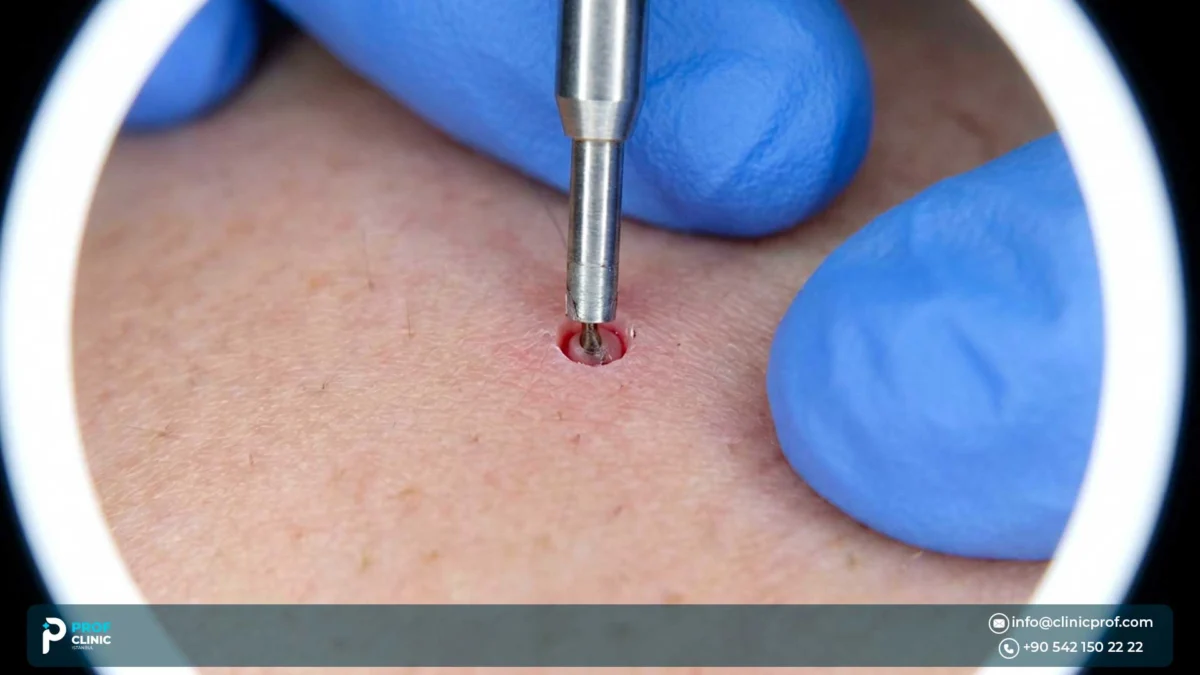
For a deeper comparison of extraction tools and implanters on coily hair, see Afro Hair Transplant Techniques: FUE vs DHI for Coily and Curly Hair before you choose a method.
Designing a Natural Female Hairline and Edges
A natural female afro hairline is soft, rounded and slightly irregular, never a straight line. The ISHRS guide for women describes the female hairline as a softer, rounded contour and notes that most women care more about density than about moving the hairline forward.
Here’s what good hairline planning usually includes:
- A soft, irregular front edge: a fine zigzag of single hairs rather than a sharp border, so the edge doesn’t look “pluggy”.
- Single-hair grafts in the first rows: the ISHRS recommends finer single-hair grafts at the very front, often taken from the lower back of the scalp.
- Temples and edges: Dr. Yates notes that Black patients often prefer less temple recession in the design, which has to be balanced against donor supply.
- Curl direction: each graft is angled to follow the way your natural hair curls and lifts.
- Your part line: if you wear a part, it is planned in advance, as the ISHRS notes that a natural part always looks a little thinner than the hair around it.
The centre of a lowered female hairline is often hard to build to full density in one session, so a touch-up may be part of the plan. A good design also leaves room for future thinning.
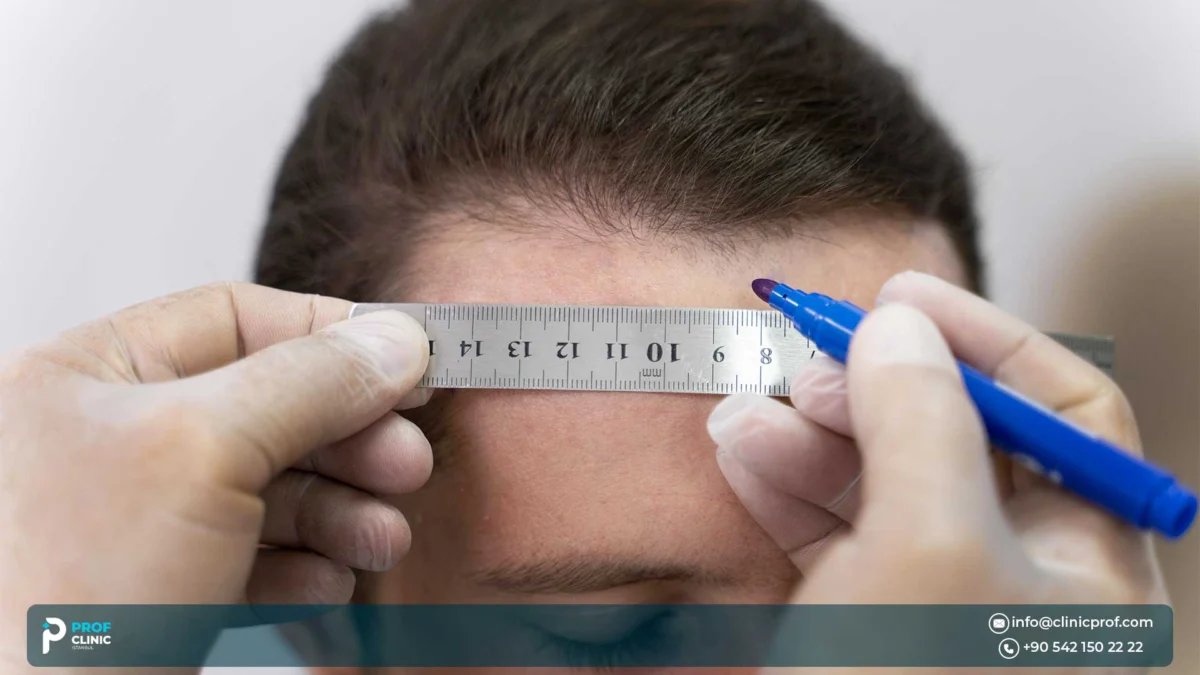
Men’s hairlines are drawn very differently, with more defined temples and angles. Also read: Hair Transplant for Black Men: Afro Hairlines, Grafts and Results
Recovery and Results Timeline
Expect the scalp to heal over the first two weeks, the transplanted hairs to shed, and new growth to start at around four months. According to the NHS, the full result is usually seen between 10 and 18 months after surgery.
| Period | What usually happens | What to do |
|---|---|---|
| Days 1–5 | The scalp feels tight, achy and swollen; small scabs form | Rest, sleep as instructed and don’t touch the grafts |
| Around day 6 | Most people can wash their hair gently by hand | Follow your clinic’s washing routine exactly |
| Weeks 1–2 | Many people return to work; grafts are not yet secure | Avoid pressure, rubbing and tight head coverings |
| Weeks 2–8 | Many transplanted hairs shed, while the follicles stay in place | Don’t judge the result yet |
| Months 2–3 | Ingrown hairs or small bumps can appear as new hair pushes through | Send photos to your clinic; antibiotics may be needed |
| Around month 4 | New hair usually starts to appear | Keep styles loose and gentle |
| Months 10–18 | The full result is usually visible | Assess density once the hair is long enough to curl |
These are typical ranges from the NHS and the ISHRS, not fixed rules. The NHS also suggests you may be told to cut down on exercise in the first month to reduce scarring. For a fuller week-by-week guide, see Afro Hair Transplant Recovery: Timeline, Aftercare and What to Expect, which is written for coily and curly hair.
Braids, Weaves and Wigs After an Afro Hair Transplant
Protective styles have to wait. While the grafts settle, nothing should press on or pull the treated area, so ask your surgeon when braids, weaves, wigs and wig caps are safe again. Once you are cleared, the AAD’s low-tension habits matter even more: transplanted hair at the edges can be lost to traction just like the original hair.
Noticed bumps or redness along your new hairline? Send clear photos to our team on WhatsApp so they can be checked early.
How to Judge Before-and-After Photos of Coily Hair
Coily hair is hard to judge from a single photo, because the curl hides both length and density until the hair has grown. When you look at results from any clinic, ask for photos you can really compare:
- The same cause: traction edges, CCCA and female pattern thinning behave differently, so compare like with like.
- The same angle and light: front, temples, crown and donor area, with the hair styled the same way before and after.
- The right timing: photos at 10 to 18 months, the NHS range for the full result, say more than photos taken at 3 or 6 months.
- Real, consented patients: ask whether the photos show real patients who agreed to share them, and whether they have been edited.
When you send your photos for a quote, you can also ask whether comparable examples can be shared with consent. Our guide Hair Transplant Before and After: How to Judge Real Results explains how to tell real results from staged ones, and our before-and-after gallery shows how coily and curly hair settles months after surgery.
Afro Hair Transplant Cost for Women in Turkey
As a general guide, an afro or curly hair transplant in Istanbul costs about €2,500–€4,500 as a package, compared with about €2,000–€3,800 for a standard female hair transplant. Afro cases usually sit higher because the curved follicles make extraction slower and the session longer. These are approximate 2026 ranges, not final prices; your price depends on your case after assessment.
For comparison, the NHS says a hair transplant in the UK can cost anywhere between £1,000 and £30,000. Packages in Istanbul usually include:
- the procedure itself
- pre-operative blood tests
- medication and an aftercare kit
- hotel accommodation, typically for a stay of 2 to 4 days
- VIP airport and hotel transfers
The final figure changes with the number of grafts, the technique, whether you choose a no-shave method, and whether scarred areas need a test session or a second stage. Optional treatments such as PRP, at about €100–€250 per session, are not always included, so ask whether they are part of the package. Each of these cost drivers is broken down in Afro Hair Transplant Cost in Turkey 2026: Prices & Packages.
Want a figure for your own hairline? Book a free online consultation and send photos of your front, temples, crown and donor area for a written quote.
Prof Clinic for Afro Hair Restoration for Women: What You Can Check
At Prof Clinic in Istanbul, an afro hair transplant in Turkey starts with a medical review of your hair loss, not a booking. Hair restoration is led by Spc. Dr. Lütfi Öztürk, an internal-medicine specialist who carries out the medical assessment and treatment planning and coordinates follow-up. The extent of treatment and expected density are discussed with you individually, and no specific density is promised in advance.
Before you book flights for an afro hair transplant, these are the points you can verify:
- Services: afro and curly hair transplants are part of the clinic’s wider hair transplant in Istanbul service, alongside a dedicated female hair transplant in Turkey service.
- Techniques: FUE, DHI, Sapphire FUE and Micro FUE, with no-shave options offered especially for women.
- Pre-op tests: before an afro procedure the clinic checks your blood count, ECG, kidney and liver function, electrolytes and blood sugar, and screens for hepatitis and HIV.
- A written quote: you receive it only once the team has looked at your photos.
- All-inclusive packages: the procedure, accommodation, airport and hotel transfers, and post-op care.
- Follow-up after you fly home: while your edges heal, the coordination team keeps in touch and advises you over WhatsApp.
Whichever clinic you choose in Turkey, check that it is licensed by the Turkish Ministry of Health, and ask who will examine your scalp and who will extract and place the grafts.
FAQs About Afro Hair Transplants for Women
Is a hair transplant harder for Black women?
It is more technically demanding, but not less successful in the right hands. Afro follicles curve under the skin, so extraction is slower and carries a higher risk of cutting the root. Curly hair can also hide how dense the donor area really is, and darker skin needs planning for keloids and dark marks. The ISHRS reports similar success after careful selection.
Does a hair transplant work for traction alopecia?
Often, yes, once the pulling has stopped and the hairline has been stable for a while. If follicles are only stressed, loosening styles and medical treatment may bring hair back without surgery. Where long-term traction has scarred the edges, transplanted follicles can restore them, though a second session is sometimes needed for fuller density.
Can you get a hair transplant with CCCA?
Sometimes, but only after the condition has been inactive for a long time. A review in the Indian Journal of Plastic Surgery reports a common consensus of about 2 years of quiet disease before surgery, and suggests a small test session with a 6-month wait. Graft survival in scarred skin is less predictable, so expectations should be modest.
Do women have to shave their head for an afro hair transplant?
Not always. FUT and no-shave or partial-shave methods let many women keep their length, with only a small donor strip trimmed and hidden under surrounding hair. Classic FUE usually means shaving at least part of the donor area. Your surgeon will explain which option suits your curl type, graft needs and hairstyle.
How much does an afro hair transplant cost for women in Turkey?
As a general guide, an afro or curly hair transplant in Istanbul costs about €2,500–€4,500 as a package, compared with about €2,000–€3,800 for a standard female hair transplant. Both figures are approximate for 2026 and are not final prices. The figure depends on the number of grafts, the technique and whether scarred areas need a test session, and a written quote follows your photo assessment.
Can I wear braids or a weave after a hair transplant?
Yes, but not straight away. Avoid any pressure or pulling on the grafts while they settle, and ask your surgeon when tension styles are safe again. After that, follow low-tension habits: loose braids, especially at the hairline, no more than 6 to 8 weeks per style, and sewn-in rather than glued extensions.
Final Thoughts
An afro hair transplant for women works best when the cause of the hair loss is known, the loss has stopped spreading and the donor area is genuinely dense. For traction alopecia, that means the pulling has ended; for CCCA, it means a long quiet period and often a test session first. The right plan respects your curl pattern, your skin and your donor supply.
An honest look at your hair loss is the safest place to start. Talk to Prof Clinic about your edges or crown, and ask for a written plan for your afro hair transplant in Istanbul.
Sources
- ISHRS — Hair Restoration in African-Americans
- ISHRS — A Guide to Hair Transplant for Women
- American Academy of Dermatology — Hairstyles that pull can lead to hair loss
- American Academy of Dermatology — Central centrifugal cicatricial alopecia: Signs and symptoms
- NHS — Hair transplant
- Clinical, Cosmetic and Investigational Dermatology — Traction alopecia: the root of the problem (Billero & Miteva, 2018)
- Indian Journal of Plastic Surgery — Role of Hair Transplantation in Scarring Alopecia: To Do or Not to Do (Singh & Muthuvel, 2021)