Which afro hair transplant techniques actually work on coily, tightly curled hair, and is FUE or DHI the better choice? Both can work well. The technique’s name matters less than how the team protects follicles that curve under the skin, and how closely the new grafts follow your natural curl direction.
In this guide by Prof Clinic, you’ll learn why afro follicles change the way grafts are removed and placed, what FUE, DHI and FUT really mean for curly hair, what happens on the day and during recovery, and which questions reveal real experience with afro-textured hair. If you’re planning a hair transplant in Turkey, you’ll know what to ask before you book a flight.
How Afro Hair Follicles Change the Transplant Technique
Afro hair is curly below the skin as well as above it, and that is the main reason the technique has to be adapted. The ISHRS notes that in people of African ancestry both the follicles and the hairs are curved, so the surgeon must allow for that curve when harvesting grafts. A straight punch aimed at what looks like the hair’s angle on the surface can cut through the root below.
Curl also changes how the donor area looks. According to the same ISHRS article, thick curls can make the donor area appear denser than it really is. The good news is that curly hair covers more scalp per hair, so a patient with modest donor density may still be a reasonable candidate. More recent research adds that thick, firm scalp skin can make extraction harder than the curl itself.
Before recommending FUE or DHI, a careful team checks these points:
- Follicle curve under the skin: how tightly the root bends, which you can’t judge from the curl pattern alone.
- Real donor supply: how many grafts the back and sides can safely give once the curl’s “fullness effect” is set aside.
- Scar history: any keloids or raised, thickened scars from earlier cuts, piercings or surgery.
- Skin thickness and firmness: firm, thick skin can raise the risk of damaging grafts during extraction.
- The cause of your hair loss: pattern hair loss, traction-related loss and scarring conditions are planned differently.
For a closer look at how much the donor zone can give and how it heals, see our guide Hair Transplant Donor Area: Healing, Thinning and Limits.
When Hair Loss Needs a Diagnosis First
Some hair loss in afro-textured hair is not pattern baldness, and it needs a diagnosis before anyone talks about technique. The American Academy of Dermatology (AAD) explains that tight braids, weaves and extensions can cause traction alopecia, and that this type of loss can become permanent the longer it goes untreated. Early signs include broken hairs around the forehead, a receding hairline and patches where the hair is pulled tightly.
The ISHRS also lists scarring conditions such as central centrifugal cicatricial alopecia (CCCA) and dissecting cellulitis, and notes that transplanted hair may grow less strongly in scarred scalp, even when the condition is quiet. That is why the first step is an assessment of the cause, not a choice between FUE and DHI.
Not sure what’s behind your hair loss? Send clear photos of your hairline, crown and donor area on WhatsApp so the team can look at your case before any travel plans.
FUE vs DHI for Afro Hair: What Each Term Means
FUE and DHI are not rivals; they describe different steps of the same operation. FUE (follicular unit extraction) is how grafts are taken out, one by one, with a small punch. DHI (direct hair implantation) is how grafts are put in, using an implanter pen, often called a Choi pen, that opens the channel and places the graft in one motion. Many clinics combine both: FUE extraction followed by DHI implantation.
Two other names come up in consultations. Sapphire FUE uses FUE extraction but opens the recipient channels with sapphire-tipped blades instead of steel. FUT, or strip surgery, removes a thin strip of scalp and leaves a linear scar, as the NHS explains, while FUE leaves many tiny dot scars that are usually not very noticeable.
So the useful question is not “Which is better?” but “Which workflow protects my follicles and gives me the hairline I want?” For an afro hair transplant, the answer usually depends on the extraction tools the team uses and how much control the implantation step needs. For a general comparison that is not specific to afro hair, see FUE vs DHI vs Sapphire FUE: Which Technique Fits You?
Choosing the Right Approach for Your Case
These are the factors that change the plan in real life:
- Size of the area: large zones need a well-organised team and careful graft handling, whichever implantation method is used.
- Hairline detail: a soft, natural front with tight angle control is where implanter-based placement can help in experienced hands.
- Existing hair: adding density between native hairs takes slower, more precise placement.
- Scar tendency: a history of keloids should be shared early, as it affects every option.
- Your usual haircut: if you wear your hair very short, a linear strip scar is harder to hide, so FUE is usually preferred.
Here is a quick side-by-side comparison:
| Factor | FUE for afro hair | DHI for afro hair |
|---|---|---|
| Step it describes | Extraction of grafts with a small punch | Implantation with a pen (usually after FUE extraction) |
| Where extra skill is needed | Following the curved root without cutting it | Matching angle and depth to the curl, and loading delicate grafts |
| Usually suits | Most afro patients who want a short-haircut option | Hairline detail, small zones and work between existing hairs |
| Main risk if done poorly | High graft transection with tools not adapted to curly roots | Pen marketing without real afro-hair extraction experience |
| What to ask | Which punch they use for curly roots and how they check graft quality | Who implants the grafts and how they match your curl direction |
Also read: DHI Hair Transplant in Turkey: Choi Pen Method, Cost & Results
Still unsure which combination fits your hair? Book a consultation and ask for a written recommendation that explains why one method suits you.
Why Extraction Is the Hardest Step in Afro Hair
Extraction is usually the highest-risk step in an FUE afro hair transplant, because the root curves away from the direction the hair seems to point at the surface. If the punch doesn’t follow that curve, it can cut the follicle, which is called transection, and a cut graft is less likely to grow. The ISHRS describes one practical adjustment: trimming the donor hair almost flush with the skin so the surgeon can read the exit angle more accurately.
Tool design makes a measurable difference. In a case series of 18 patients with tightly curled hair, published in Plastic and Reconstructive Surgery Global Open, conventional sharp and dull rotary punches failed or caused excessive transection in 8 patients, while a curved, non-rotary punch kept transection below 5% in every case. A later study of 64 patients of African descent in Dermatologic Surgery reported mean transection rates of about 3–6% with a skin-responsive device, and found that skin thickness and firmness mattered more than curl. Both studies were small, retrospective and led by the device’s developer, so treat them as encouraging rather than final.
This is also the honest answer for anyone asking about motorised FUE devices sold under brand names. Most use rotary punches, so whether they suit your donor area depends on a graft-quality check, not the brand. The 2016 paper notes that some surgeons run a small test of about 100 grafts first to see how many come out intact.
Ask these questions and listen for specific, technical answers:
- How do you judge the curve of my follicles before harvesting?
- Which punch type and motion do you use for tightly coiled roots?
- Do you run a small test extraction when the donor area looks difficult?
- How will you keep the donor area looking natural if I wear my hair short?
The practical takeaway: if a clinic talks only about a device name and can’t explain how it limits transection in coily follicles, keep looking.
How DHI Supports a Natural Afro Hairline
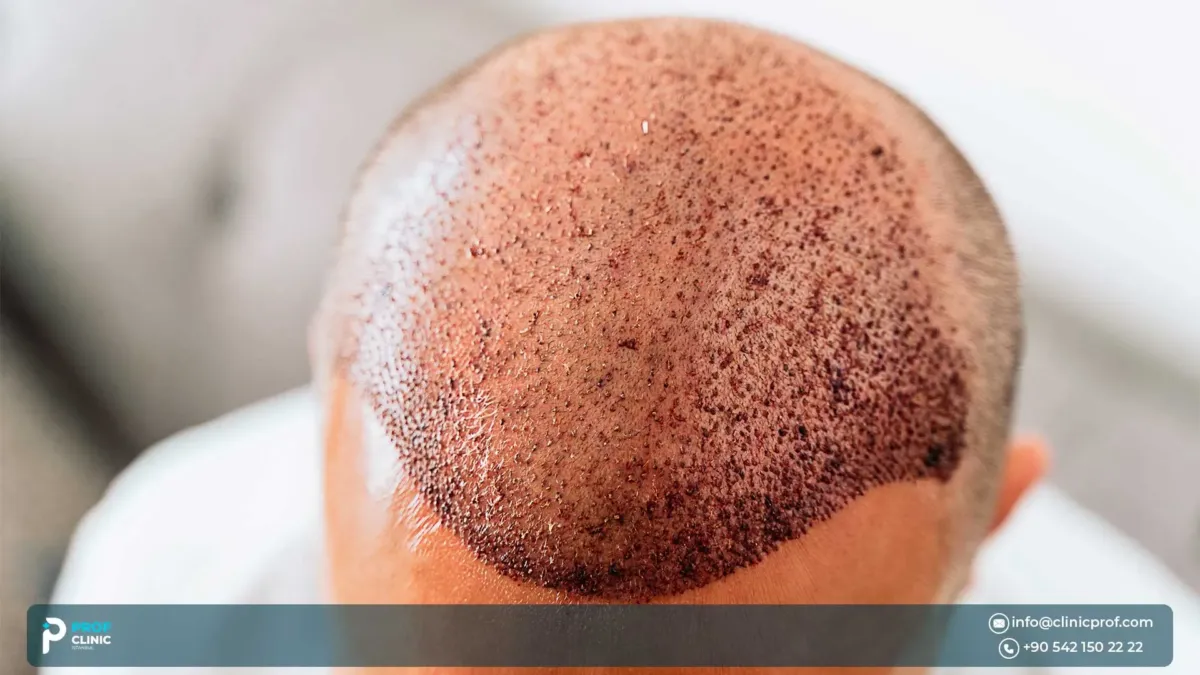
A natural afro hairline is a soft, slightly irregular transition, not a sharp line, and DHI can help build it because the angle is set at the moment each graft goes in. A 2023 practical guide in Clinical, Cosmetic and Investigational Dermatology explains that with a sharp implanter, the channel and the graft are placed at the same time, so the incision angle can be adjusted to the hair’s curl and thickness. The same paper notes less crushing of grafts than with forceps.
Depth matters as much as angle. The authors warn that grafts placed too shallow may not survive, while incisions that are too deep can cause scarring, slower healing, pitting and very curly, distorted hairs. Done well, an implanter-based approach helps with:
- Angle and direction: grafts that lie the way your hair naturally grows, instead of standing upright.
- Consistent depth: fewer pitted or raised grafts on the skin surface.
- Precision in small zones: careful work at the front and temples, where people look first.
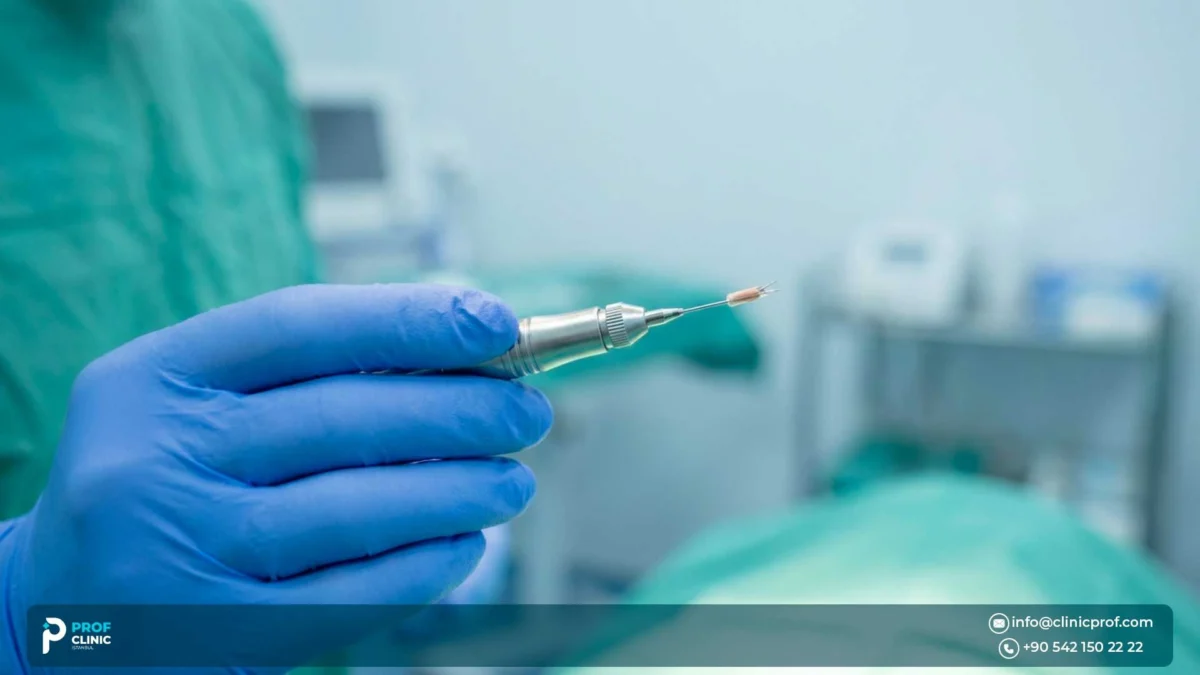
DHI has limits too. The same guide describes it as labour-intensive, more difficult in patients who bleed easily, and prone to graft “popping” in inexperienced hands. Design is the other half: the ISHRS observes that many Black male patients prefer a hairline with less temple recession, which is something to discuss openly during planning.
Also read: 4C Hair Transplant: Special Considerations for Type 4 Coily Hair
Is FUT Still an Option for Afro Hair?
FUT is still an option for some afro patients, though it is chosen less often today. Because the strip method removes the donor hair in one piece of skin, the surgeon doesn’t have to free each curved root blindly with a punch. The trade-off is the linear scar, which the NHS mentions and which is harder to hide under a very short cut or a shaved head.
That is why research on afro hair focuses on FUE: men with afro-textured hair often prefer short styles and have the least tolerance for a linear scar, as the 2023 Dermatologic Surgery study points out. If FUT is considered, the ISHRS notes that some surgeons close the wound with non-dissolvable stitches to reduce inflammation, and a history of keloids needs particular care. FUT may suit someone who wears their hair longer and has a donor area that tests poorly with FUE. If you already have a strip scar and want to hide or correct it, see FUT Scar Repair: Options to Hide or Correct a Linear Scar, which compares the repair options.
What Happens During an Afro Hair Transplant Procedure
An afro hair transplant follows the same core stages as any other, but extraction and implantation take more time. The NHS notes that hair transplants are usually carried out under local anaesthetic and sedation, and the steps usually run like this:
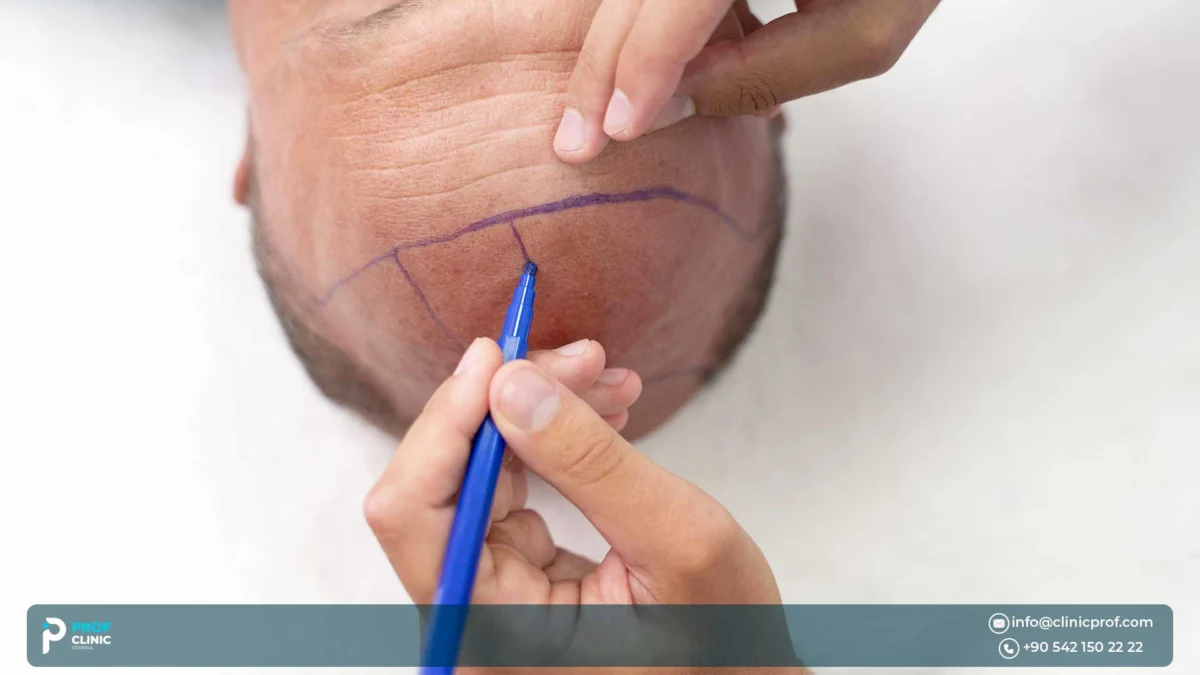
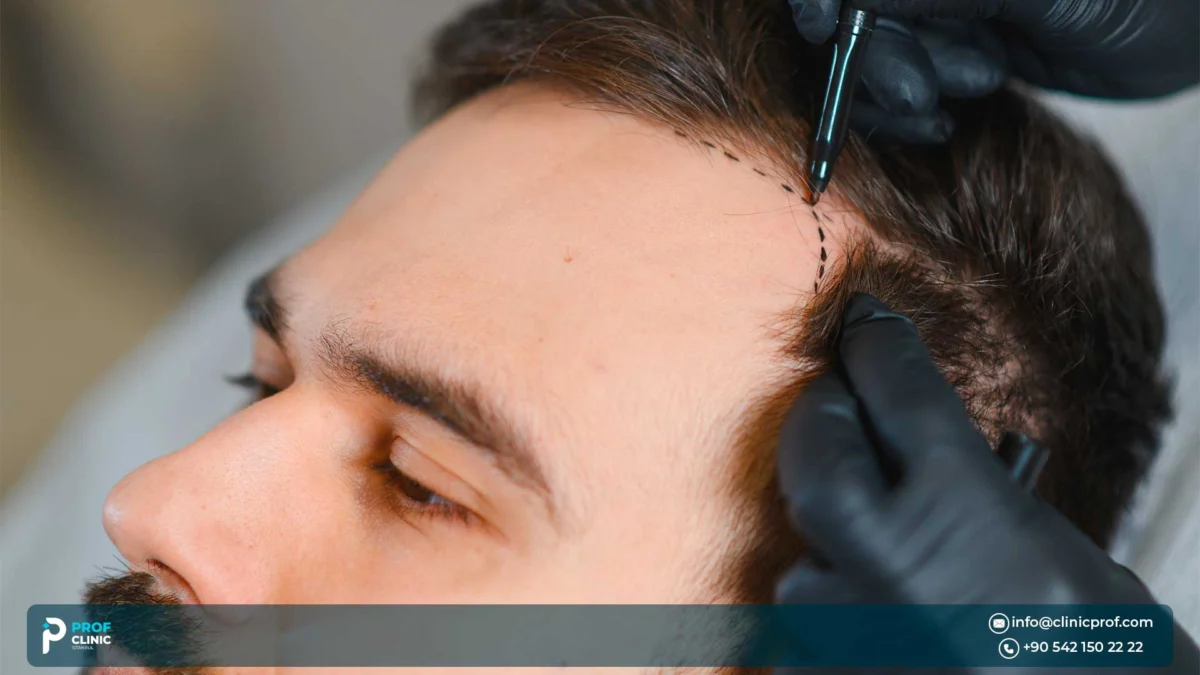
- Assessment and design: confirming the cause of hair loss, measuring donor capacity and drawing a hairline that suits your face and curl direction.
- Donor preparation: trimming the donor hair short, local anaesthetic and marking a safe harvesting zone.
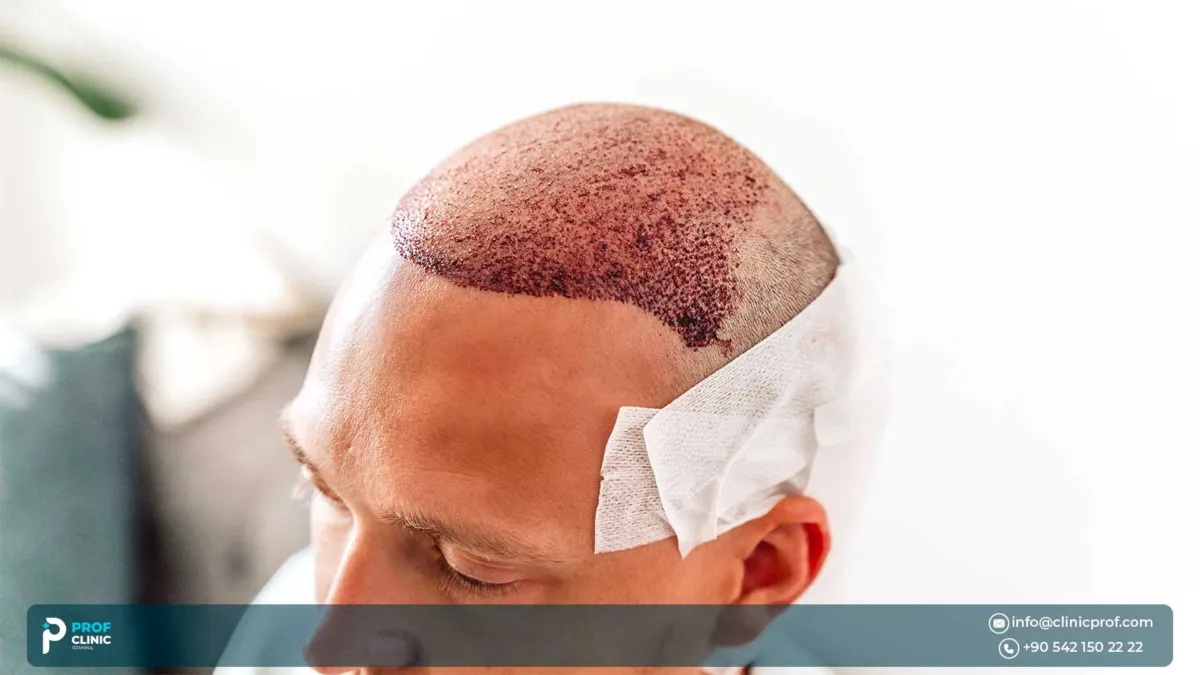
- Extraction: removing follicular units with a punch and motion adapted to curved roots, often starting with a small test area.
- Graft care: sorting and keeping grafts hydrated to limit handling damage while they are outside the body.
- Implantation: placing grafts with an implanter or into pre-made channels, at angles that match how your hair leaves the scalp.
- Discharge and aftercare: written washing instructions, prescribed medication and a follow-up plan.
Healing and Aftercare: What the Technique Changes
Healing follows the same general course whichever technique is used, so the day-by-day detail belongs in our guide Afro Hair Transplant Recovery: Timeline, Aftercare and What to Expect, where aftercare for coily hair is covered step by step. According to the NHS, most people have a tight, achy and swollen scalp for a few days, may need 1–2 weeks off work, and should expect the transplanted hairs to fall out after a few weeks before new hair usually starts to appear around month 4. The full result can take 10–18 months. These are general aftercare points from medical sources; your doctor’s written instructions come first.
Here is where the technique and your hair type change the healing picture:
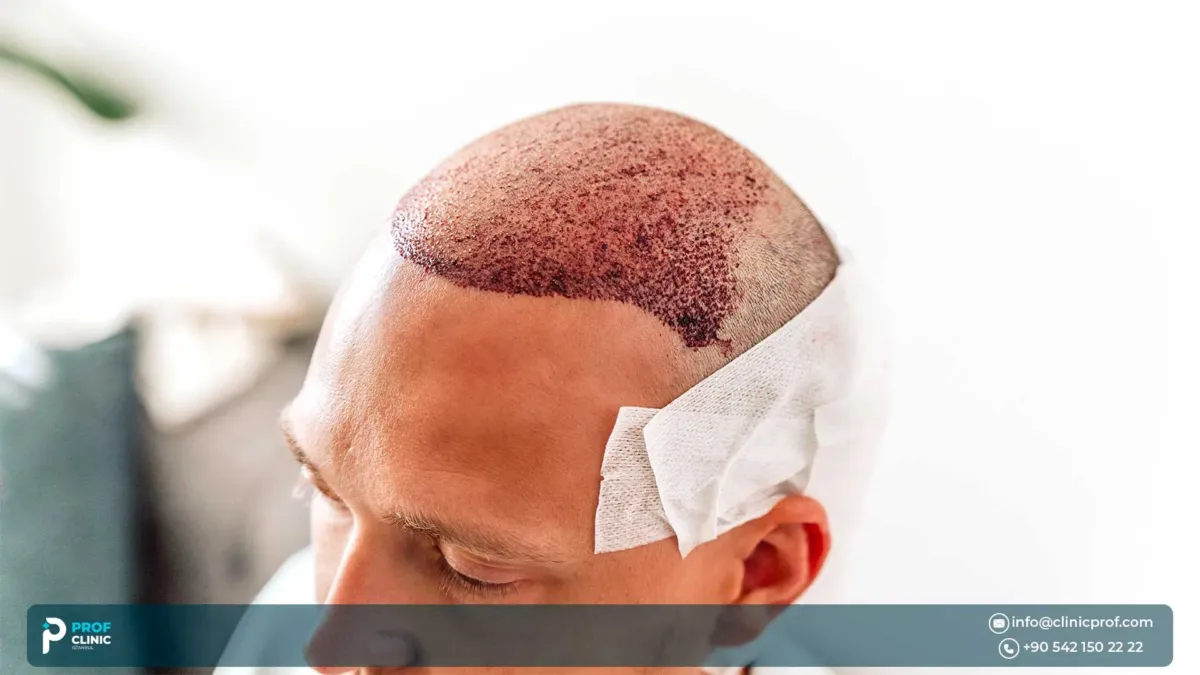
- Donor area after FUE: many tiny dot-shaped marks instead of one line, which is why FUE is usually preferred if you wear your hair short.
- Donor area after FUT: a linear scar, and any history of keloids needs particular care before this option is considered.
- Recipient area after implantation: avoid friction and tension. Braids, weaves and other tight styles should wait until your doctor clears them, since the AAD links pulling styles to hair loss, and relaxers and strong dyes need clear approval too.
- Skin reactions to report early: the ISHRS notes that darker patches (hyperpigmentation) can appear at the donor or recipient sites, that ingrown hairs or small spots (folliculitis) can show up around months 2–3, and that keloid or raised scarring, if it appears, can be treated.
Shedding of the transplanted hairs in the first weeks is expected and usually does not mean the grafts have failed; Shock Loss After Hair Transplant: What Is Normal and When It Returns explains what to expect. These are typical ranges, not fixed rules, so report any thick, growing scar to your clinic early.
Want to see how curly and afro results develop over time? Browse real before-and-after cases from the clinic’s gallery.
Afro Hair Transplant Techniques at Prof Clinic in Istanbul
At Prof Clinic in Istanbul, an afro hair transplant in Turkey starts with a medical assessment of the cause of hair loss and the donor area, before any technique is chosen. That assessment, the treatment plan and later follow-up are handled by Spc. Dr. Lütfi Öztürk, the internal-medicine specialist who leads hair restoration here.
If you are weighing up a trip for afro hair, check these points first:
- Techniques: afro and curly hair is part of the clinic’s wider hair transplant in Istanbul service, which names FUE, DHI, Sapphire FUE and Micro FUE.
- Pre-op tests: before any extraction you have a blood count, ECG, kidney and liver function, electrolytes and blood sugar checked, plus hepatitis and HIV screening.
- Honest expectations: how dense coily hair can look after surgery is discussed for your case, and no specific density is promised up front.
- A written quote: the team prices your case after reviewing photos of your curls, and the package includes the procedure, accommodation, airport and hotel transfers, and post-op care.
- Follow-up at home: questions about your curls after you fly home go to the coordination team, who stay in touch and advise you over WhatsApp.
As a general guide, an afro hair transplant in Istanbul costs about €2,500–€4,500, a little more than a standard scalp transplant because extraction is slower and takes more time. The figure is an approximate 2026 range rather than a final price; what you pay for afro work is set after assessment and confirmed in the written quote. For a detailed breakdown, see Afro Hair Transplant Cost in Turkey 2026: Prices & Packages.
FAQs About Afro Hair Transplant Techniques
Is DHI or FUE better for afro hair?
Neither is better for everyone. FUE describes how grafts are removed and DHI how they are placed, and many afro cases use both. What decides the result is how well the team protects curved roots during extraction and matches your natural angles during placement, so ask about their experience with your curl type.
Why is FUE preferred for African American hair?
Mainly because it avoids the linear scar of strip surgery. Many men with afro-textured hair wear short cuts or shave their heads, so tiny dot scars are easier to live with. The catch is that curved roots make FUE extraction harder, so the punch and technique need to be adapted to curly hair.
Can NeoGraft or other motorised FUE devices be used on afro hair?
Sometimes, but it depends on your donor area, not the device. Most motorised systems use rotary punches, and one study found conventional rotary punches failed or caused excessive transection in 8 of 18 patients with tightly curled hair. A small test extraction is the honest way to check before committing.
Are “afro hair implants” the same as a hair transplant?
Not always. Most people searching for this mean a transplant, which moves your own living follicles from the back of the scalp. Synthetic hair fibre implants are different: the ISHRS supports the US FDA’s 1983 ban on prosthetic hair fibres, which can cause serious infections and injuries. If a clinic offers artificial fibres, ask exactly what is being implanted.
What makes afro hair transplant more challenging?
Three things: the follicle’s hidden curve raises the risk of cutting grafts, curls can make the donor area look denser than it is, and keloid or scarring tendencies need careful screening. Thick, firm scalp skin can add to the difficulty. None of these rules out surgery, but they call for an adapted technique.
Is an afro hair transplant more expensive?
Often slightly, because extraction is slower and the session takes longer. In Istanbul, afro packages are about €2,500–€4,500 as an approximate 2026 range, compared with about €1,800–€3,500 for a standard scalp transplant. Your final price depends on the number of grafts and your case after assessment.
Final Thoughts
When you compare afro hair transplant techniques, the label matters less than the work behind it: an accurate diagnosis, a realistic donor assessment, extraction tools adapted to curved roots, and implantation that follows your curl. FUE is usually the base, DHI can refine the hairline, and FUT still has a place for a few patients. Ask how each step will be done for your hair, and judge the result only after 10–18 months.
Before choosing between FUE and DHI, get an assessment rather than a booking. Contact Prof Clinic for a written plan that explains which technique suits your hair and why.
Sources
- NHS — Hair transplant
- ISHRS — Hair Restoration in African-Americans
- ISHRS — ISHRS Aligns with U.S. FDA: Exploring the Role of Prosthetic Hair Fibers
- American Academy of Dermatology (AAD) — Hairstyles that pull can lead to hair loss
- Plastic and Reconstructive Surgery Global Open — Comparative Study of a Novel Tool for Follicular Unit Extraction for Individuals with Afro-textured Hair (Umar, 2016)
- Dermatologic Surgery — Follicular Unit Excision in Patients of African Descent: A Skin-Responsive Technique (Umar et al., 2023)
- Clinical, Cosmetic and Investigational Dermatology — A Practical Guide to Hair Graft Placement Using the Sharp Implanter Method (Park et al., 2023)