Is flying after a hair transplant safe, or do you have to wait until the grafts have settled? For most patients it is fine: people commonly fly home within a few days of surgery, and cabin pressure is not what puts transplanted hair at risk. What matters is whether your surgeon has checked your scalp first, and how well you protect the grafts from touch, pressure and dry air on the way home.
In this guide by Prof Clinic, you’ll find a realistic timeline for the flight home, what the cabin does and doesn’t do to your scalp, what to pack and wear, how to handle security and passport control, and the warning signs that mean you should delay the trip or call your clinic. It is general information, and your surgeon confirms the right flight date for your case.

Can You Fly After a Hair Transplant? The Short Answer
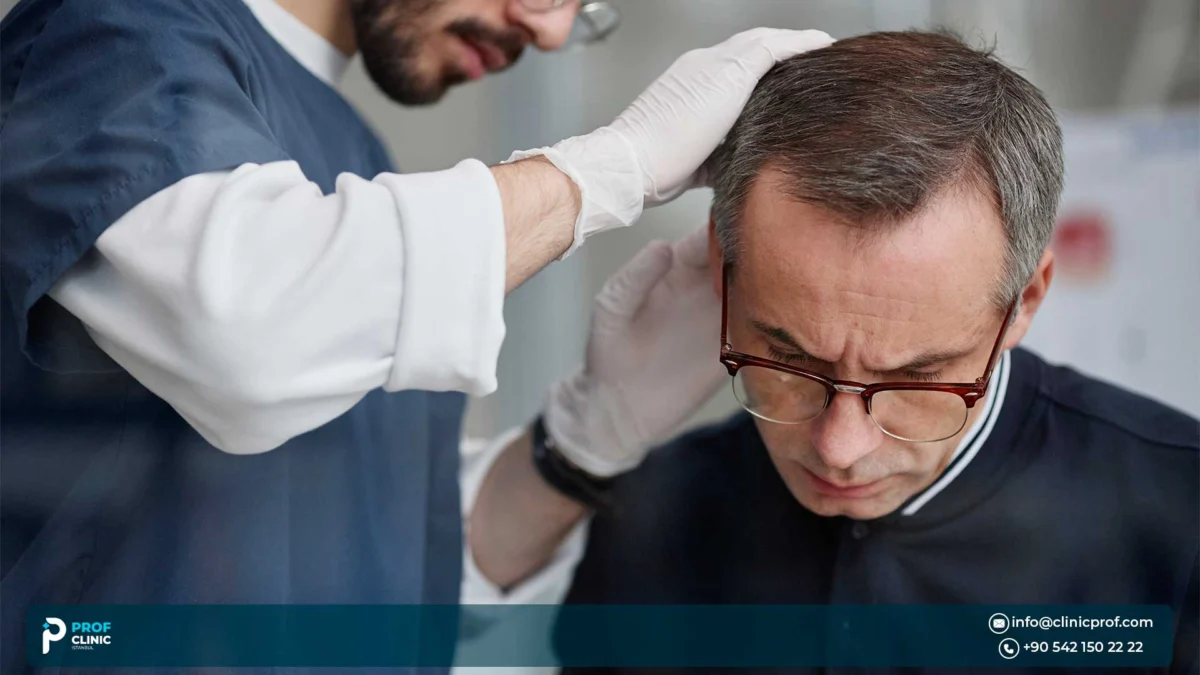
For most patients, yes: a hair transplant is a day-case operation, and a flight home a few days later is routine once the surgeon has looked at the scalp. The NHS says a hair transplant usually takes a day and that you should not need to stay overnight. The American Academy of Dermatology (AAD) adds that a large session may mean returning for a few hours the next day, which is one reason to fix the flight date with your surgeon rather than before surgery.
No guideline sets one date for everyone. The CDC’s Yellow Book advises travellers who have had recent surgery to speak to a physician before flying, and gives abdominal, chest and eye operations as the main examples. A scalp procedure is a different kind of operation, but the principle holds: your own surgeon knows how much was transplanted, how the scalp looks and whether anything needs watching.
What it means in real life: book your flight for after the first post-operative check, and keep the ticket changeable in case swelling or a longer session adds a day.
Does Cabin Pressure Damage Transplanted Hair? What Really Matters in the Air
Cabin pressure is not the main concern. According to the CDC, cabins are typically kept at the equivalent of 1,830–2,440 m (about 6,000–8,000 ft), and the pressure effects that matter most act on air-filled body spaces such as the middle ear, sinuses and abdomen. Grafts sit in the skin, not in an enclosed pocket of air, so the real risks on a flight are practical ones.
The table sets out the five that matter and how to handle each.
| What matters | Why | What to do |
|---|---|---|
| Touch and pressure | The NHS says the grafts are not secure and need great care for the first 2 weeks; a headrest, a bump or a hand can dislodge them | Keep your head off the headrest and the window, and don’t touch the grafts |
| Swelling | A tight, swollen scalp is common for a few days; a review in the Journal of Cutaneous and Aesthetic Surgery says swelling can last 3–5 days and spread from the forehead to the eyelids and nose | Keep your head upright or slightly raised, and avoid bending forward for long |
| Dry air | The CDC notes that cabin air is usually only 10–20% humidity | Drink water, use any spray exactly as prescribed, and leave scabs alone |
| Sitting still | The NHS lists recent surgery and journeys of more than 4 hours as raising the chance of a blood clot | Walk around about once an hour, and drink water |
| Hygiene | A healing scalp shouldn’t meet shared blankets, headrest covers or unwashed hands | Clean your hands first and keep anything shared away from your head |
These are general precautions, not a substitute for the written instructions your surgeon gives you.
How Soon Can You Fly Home After a Hair Transplant?
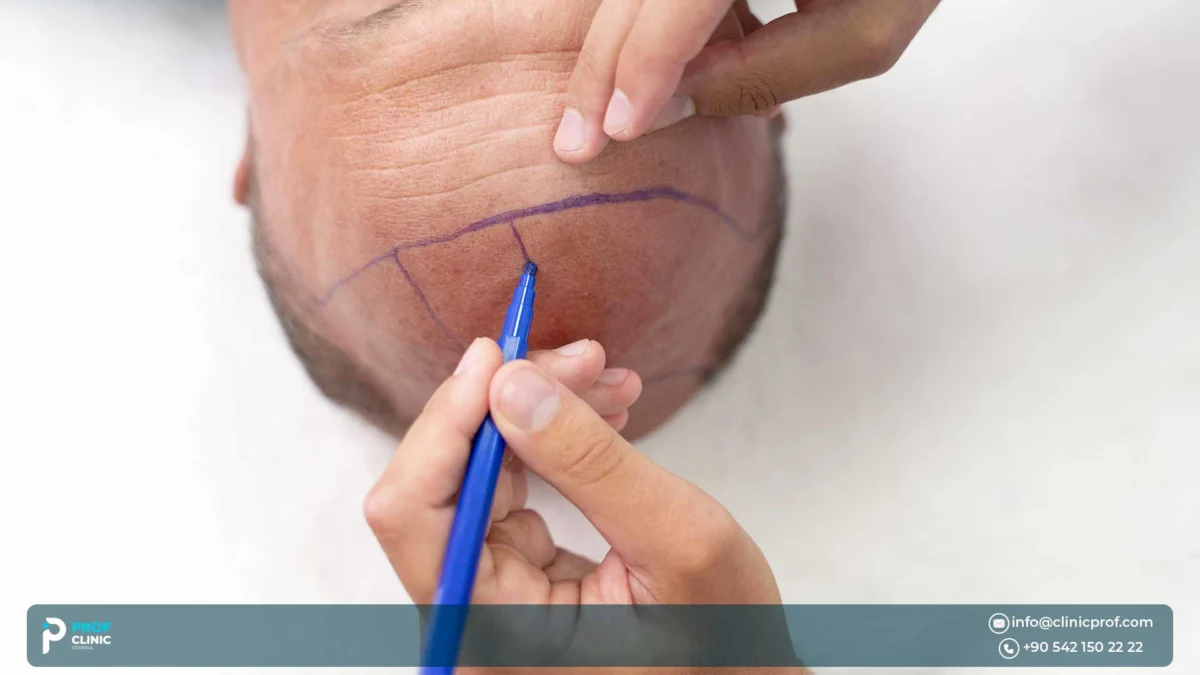
Most travellers who have a hair transplant in Istanbul plan a stay of about 2–4 days and fly on or after the day their team has checked the scalp; the exact day is decided case by case. A flight on the evening of surgery is a different question from a flight the next day or later: you are tired, the scalp is at its most fragile, and the first check is where swelling and the washing routine get confirmed. The ISHRS says discomfort typically lasts a day or two, followed by 7 to 10 days of tenderness to the touch, which is worth remembering when you picture a long journey in a seat.
Before you book, run through this short list:
- Ask for the date in writing. Your surgeon or coordinator can name the earliest sensible flight once they have seen your case.
- Choose a changeable fare. An extra night is cheap compared with flying with a problem unchecked.
- Prefer a daytime, direct flight. Fewer connections mean fewer queues, bags and elbows near your head.
- Arrange the airport transfer in advance. You don’t want to be hunting for a taxi or lifting luggage on the day.
- Delay if you are unwell. The CDC says people with ear, nose or sinus infections, or severe congestion, may need to postpone flying.
Also read: How Many Days Do You Need in Turkey for a Hair Transplant?
Not sure which flight date fits your case? Ask our team for a written travel plan once they have seen your photos and history.
What to Pack and Wear: Neck Pillow, Cap and Hand Luggage
Pack as if your head is the one thing nobody should touch: a soft neck pillow, a front-opening shirt and a small kit in your hand luggage. Nothing here needs to be expensive, but each item solves a specific problem on the flight.
Neck Pillow: Support the Neck, Spare the Donor Area
A neck pillow is useful because it lets you doze upright without pressing the back of your head into the seat. That matters because the donor area, usually the back and sides of the scalp, can stay tender for days. Choose a soft U-shaped pillow that rests on your neck and shoulders rather than pushing up under the skull, try it on before the flight, and ask your team whether they have a preference for how it should sit.
Cap or Hat: Only With Your Surgeon’s Approval
Whether to cover the scalp in the first days is your surgeon’s call. If a cap is approved, pick a loose, clean, soft one and lift it straight on and off rather than dragging it across the grafts. A review in the Indian Journal of Plastic Surgery advises against helmets and against clothes that must be pulled over the head for three weeks after surgery, which is the same logic: nothing should rub the recipient area.
Clothing and Hand Luggage
Wear a loose shirt that buttons at the front, and carry the essentials where you can reach them:
- Medicines and spray: in their original packaging, with the written instructions, in your cabin bag rather than the hold. Check your airport’s liquid limits for sprays and lotions.
- Sterile gauze: a review in the Journal of Cutaneous and Aesthetic Surgery says bleeding from the scalp can be controlled with steady pressure from gauze for 10–15 minutes, so ask your team what to carry.
- Water bottle (empty through security, filled after): cabin air is dry, and you will want it within reach.
- Documents: passport, boarding pass and a short written summary from your clinic of the procedure date and your medicines.
- Light baggage: a wheeled bag you can lift without straining, and a plan to ask crew for help with the overhead locker.
In the Cabin: Seat, Sleep, Water and Hygiene
In the air the goals are simple: keep your head still and untouched, keep your body moving, and keep yourself hydrated. A few small choices make the flight much easier.
- Seat: an aisle seat makes it easy to stand and walk, while a window seat protects you from passing bags but puts the scalp near the glass and strong sunlight. Use the blind if the sun is on your head.
- Head position: sit upright or slightly reclined, and don’t press the back of your head into the headrest. Gravity is among the factors the Journal of Cutaneous and Aesthetic Surgery review lists as contributing to swelling, so keeping your head up helps.
- Sleep: use the neck pillow, and keep any airline blanket or pillow off your head and scalp.
- Water, not alcohol: the NHS advises drinking plenty of water and avoiding alcohol on long journeys, and your surgeon may already have asked you to avoid it after surgery.
- Move every hour or so: the NHS recommends walking around on journeys of more than 4 hours, and wearing loose clothing.
- Itching: itching is common as the scalp dries and crusts, and the same review says that a saline spray used several times a day for a few days can reduce it. Use the spray you were given and don’t scratch or pick at scabs.
Also read: Sleeping, Exercise and Work After a Hair Transplant: Week by Week
What Airport Staff See: Security, Passport Control and Explaining Your Scalp
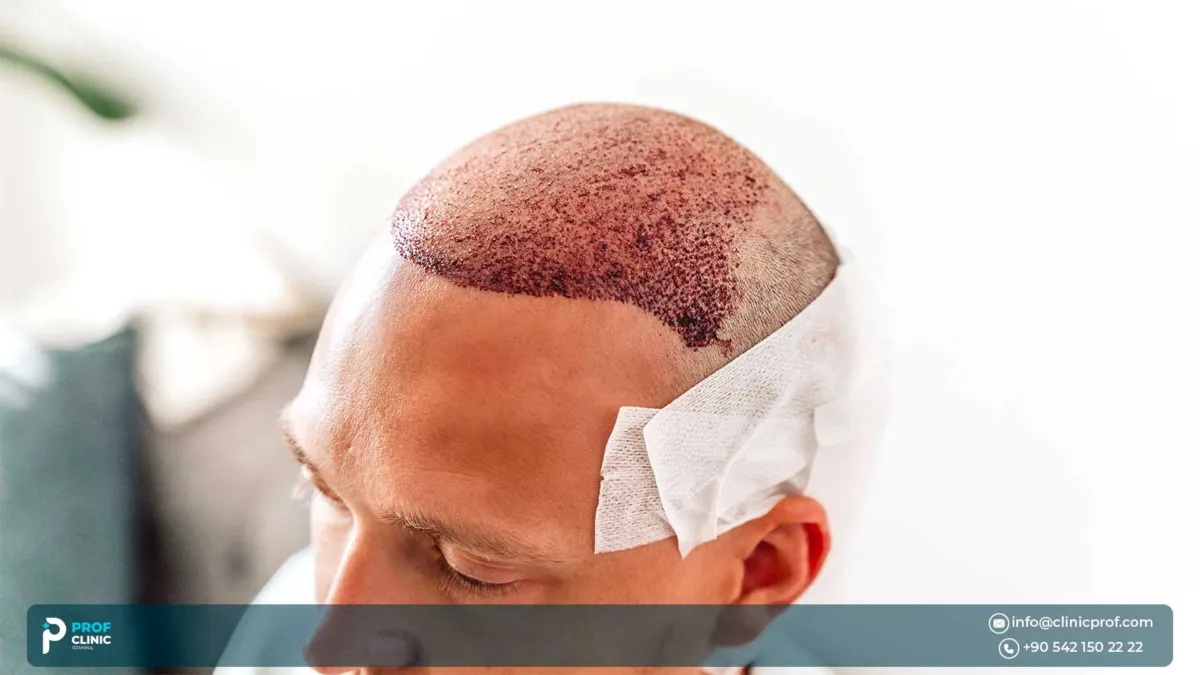
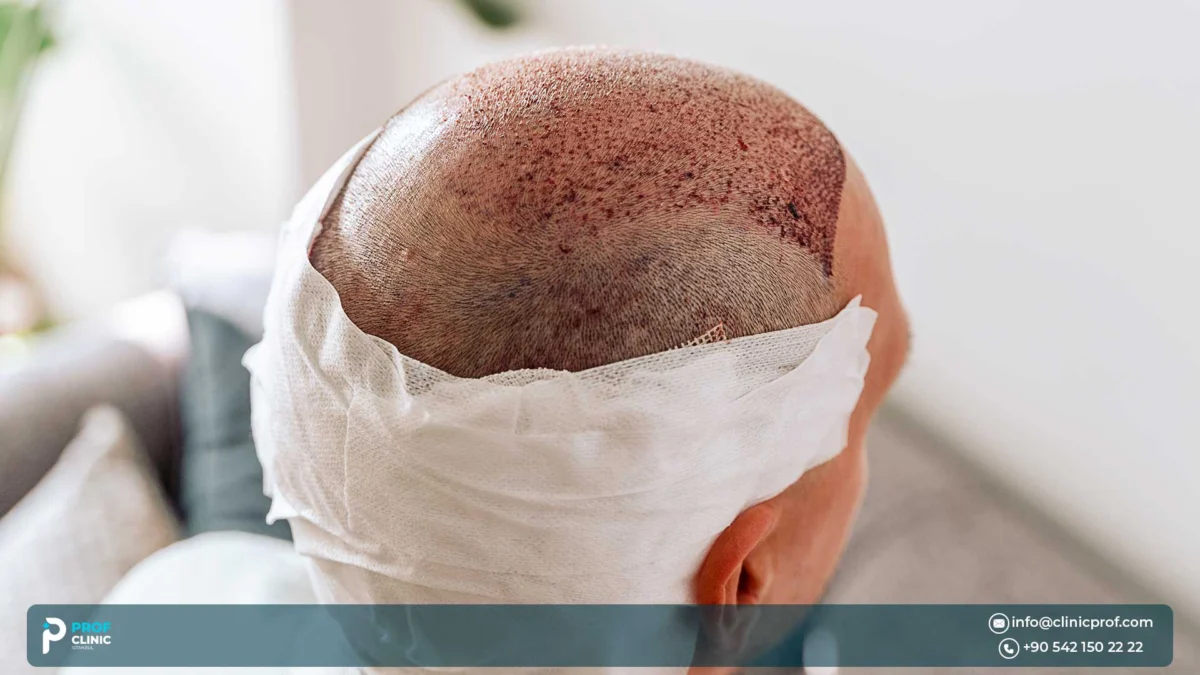
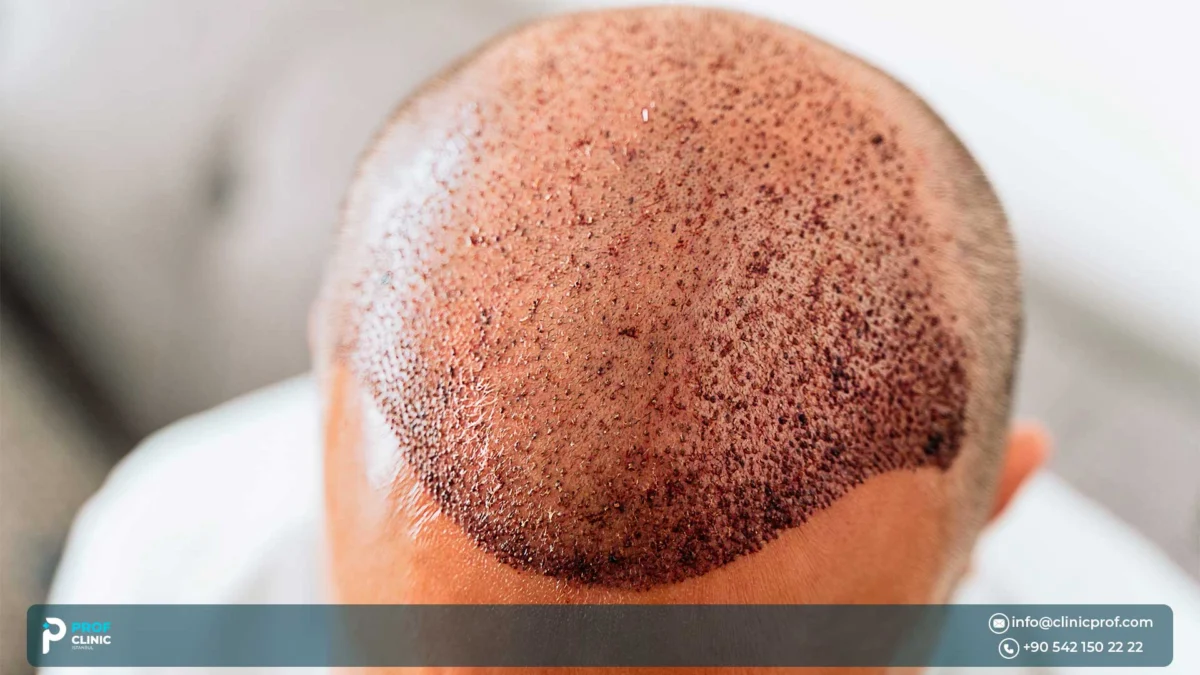
Airport scanners shouldn’t pick up a hair transplant, because the grafts are your own follicles and nothing metallic is left in the scalp. What staff may notice is the way you look: scabs and redness on the recipient area, a shaved or trimmed donor area, and sometimes a puffy forehead or eyelids, since swelling can last 3 to 5 days.
A few habits keep the process calm:
- Allow extra time: your face may look different from your passport photo, so expect to use a staffed desk rather than an automated gate if the machine can’t match you.
- Say it simply: “I had a hair transplant a few days ago” is enough. Politely ask the officer not to touch your scalp.
- Take off a cap yourself: if you must remove it, lift it gently and put it back the same way. Rules differ between airports, so ask staff what they need.
- Carry the paperwork: a short summary from your clinic helps if anyone, at the airport or at home, asks what was done and which medicines you take.
Flying Home on the Same Trip: Landing, Jet Lag and Aftercare Abroad
The journey home is the start of the part of recovery you manage yourself, so plan the first 24 hours after landing. Get a lift from the airport rather than taking crowded public transport, keep the bag light, and follow the washing and spray routine from your written aftercare instructions, even if the flight has thrown your schedule off. If the first wash falls on the day you land, decide in advance where you’ll do it.
Jet lag and time zones can disturb your medicine timing, so set phone alarms for each dose. It is also worth reading your travel insurance, because some policies exclude elective cosmetic surgery or its complications. Keep your clinic’s contact details somewhere you can reach them, and know which local doctor or emergency service you would use if something happened before you could reach the clinic.
If you are still packing, our hair transplant preparation checklist covers what to organise before you leave, and the aftercare guide below covers the weeks that follow.
Also read: Hair Transplant Aftercare: Day-by-Day Guide to the First 30 Days
When to Delay the Flight or Call Your Clinic
Delay the flight and contact your clinic if something looks or feels wrong, because the NHS says to get in touch as soon as possible if you have severe pain or any unexpected symptoms. Most of what you notice around the flight is expected, so it helps to know the difference.
- Normal: a tight, achy and swollen scalp for a few days, swelling of the forehead for 3–5 days, small scabs for 2–3 weeks, itching, and tenderness for 7–10 days.
- Not normal: bleeding that doesn’t stop after 10–15 minutes of steady gauze pressure, pain that gets worse instead of easing, fever, or redness, warmth and swelling that increase.
- Blocked ears, nose or sinuses: consider postponing the flight, as the CDC advises.
- Leg pain or swelling: throbbing pain or swelling in one leg, usually the calf, can be a sign of a blood clot, and the NHS says to get urgent medical advice. If you also feel short of breath or have chest pain, call emergency services immediately.
Noticed something you’re not sure about? Send a photo to our team on WhatsApp rather than guessing, before or after the flight.
Prof Clinic for Hair Transplants in Turkey: Planning the Trip Home
At Prof Clinic in Istanbul, the flight home is planned as part of the treatment, not left to the end. Our service pages describe packages that cover airport and hotel transfers and post-surgery care, so your arrival, stay and departure are arranged together. Our hair transplant in Turkey programme covers men, women and afro hair, and the male hair transplant in Turkey page explains the techniques we use: FUE, DHI and Sapphire FUE.
The medical assessment and treatment planning are carried out by Spc. Dr. Lütfi Öztürk, an internal-medicine specialist, whose profile you can read on his doctor page. After the procedure, our coordination team follows up and gives advice over WhatsApp, including once you are back home. Before you book flights, ask for the earliest advised flight date and the aftercare instructions in writing, and see consented cases in the before-and-after gallery. Final prices come in a written quote after your photos are assessed.
FAQs About Flying After a Hair Transplant
Can I fly the day after a hair transplant?
Often yes, if your surgeon has checked your scalp and approves. Many patients fly within a few days, but a large session or heavy swelling can add a day. Confirm the date with your surgeon, and keep your ticket flexible rather than fixing the flight before the check.
Can I use a neck pillow after a hair transplant?
Yes, a soft U-shaped pillow is usually helpful. It supports your neck so the back of your head doesn’t press into the seat. Choose one that sits on your neck and shoulders, check that nothing presses on the donor area, and ask your team how they prefer it worn.
Can I wear a hat on the plane after a hair transplant?
Only if your surgeon approves it. If so, choose a loose, clean, soft cap, and lift it straight on and off. Avoid anything tight, and avoid helmets or clothes pulled over your head, which can rub or dislodge grafts in the first weeks.
Will airport security or a body scanner harm my grafts?
No. Airport scanners are not known to affect transplanted hair, and your grafts contain no metal. The only risk is physical contact, so tell the officer you had scalp surgery and politely ask them not to touch your head. If a cap must come off, remove it yourself gently.
Is a long-haul or connecting flight safe after a hair transplant?
It can be, with more planning. Longer journeys add dry air, more time sitting and more queues, so walk every hour, drink water and avoid alcohol. Tell your surgeon the full route in advance, and avoid tight connections where you would rush.
Flying Home With Healthy Grafts
Flying after a hair transplant is usually safe once your surgeon has checked the scalp, and the date matters more than the altitude. Protect the grafts from touch, swelling and dry air, travel with a neck pillow, water and your documents, and know the warning signs that mean a call to your clinic. If you are planning a transplant in Istanbul and want your flight date and aftercare in writing, book a free online consultation and ask for a plan that covers the trip home.
Sources
- NHS — Hair transplant
- American Academy of Dermatology — A hair transplant can give you permanent, natural-looking results
- CDC Yellow Book — Air Travel
- NHS — Deep vein thrombosis: Prevention
- NHS — Deep vein thrombosis (DVT)
- ISHRS — After hair restoration surgery
- Journal of Cutaneous and Aesthetic Surgery — Complications in Hair Transplantation (Kerure & Patwardhan, 2018)
- Indian Journal of Plastic Surgery — Hair Transplantation Surgery (Khanna, 2008)