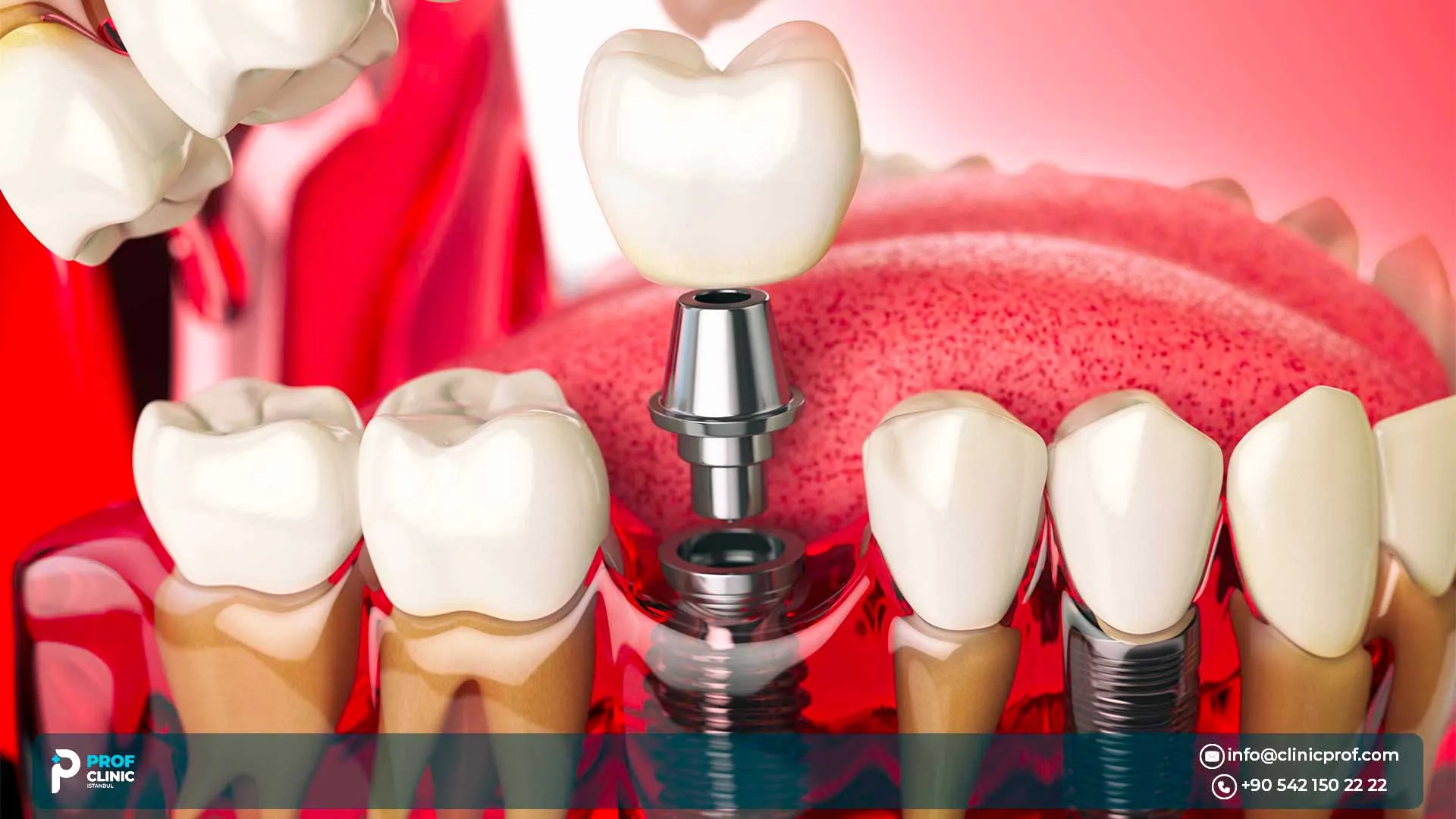
You already had the implant placed, waited through healing, and now your dentist says the next step is “second stage implant surgery.” That phrase can sound like another major operation, especially if you are planning treatment in Turkey or returning to Istanbul for the crown stage. In many cases, this step is more about uncovering a healed implant and preparing the gum for the final tooth than repeating the first surgery.
This guide from Prof Clinic in Istanbul explains what second stage implant surgery means, when the implant uncovering procedure is needed, how a healing abutment helps shape the gum, what recovery may feel like, and what international patients from the Gulf and worldwide should ask before planning the final crown visit.
Medical note: This article is educational only. It does not replace a dental examination, X-rays, CBCT review, diagnosis, or instructions from your treating dentist. Timing, crown readiness, and travel planning must be confirmed by a qualified dental professional.
What is second stage implant surgery?
Two-stage implant surgery is a follow-up appointment used in some two-stage dental implant plans. During the first stage, the implant fixture is placed in the jawbone and may be covered by gum tissue while the bone heals around it. During the second stage, the dentist makes a small opening in the gum, exposes the implant, and usually attaches a healing abutment before the final crown is planned.
This stage is not the same as placing the implant again. It is the bridge between the healing phase and the restorative phase. For patients comparing Dental Implants in Turkey, understanding this step helps you plan travel, follow-up, scans, abutment selection, and crown timing more realistically.
At Prof Clinic, we explain this implant uncovering procedure as part of the full implant pathway: consultation, imaging, implant placement, healing, uncovering when needed, gum shaping, scan or impression, and final crown design. The right timing depends on implant stability, gum health, bone healing, bite forces, grafting needs, and your overall treatment plan.
When is the implant uncovering procedure needed?
The implant uncovering is usually needed when the implant was intentionally left under the gum during healing. This is common in a two-stage approach, especially when the dentist wants to protect the implant from early pressure while osseointegration takes place.
Our One-Stage vs Two-Stage Implants guide explains that two-stage protocols typically include a later uncovering step, while many one-stage implants place the healing component during the first surgery. That means not every patient needs a separate second-stage visit.
| Situation | Why second stage may be used |
| Implant was covered by gum tissue | The dentist needs to expose it before scan, abutment planning, or crown work. |
| Bone grafting or sinus lift was performed | The area may need protected healing before loading or gum shaping. |
| Implant stability needed extra time | The dentist may wait until integration is more predictable. |
| Gum contour matters for the final crown | A healing abutment helps guide the soft tissue around the future tooth. |
| International treatment is staged | The second visit may include uncovering, scan or impression, and crown planning. |
A two-stage approach is not automatically better or worse than a one-stage approach. It is a clinical choice based on your bone, gum tissue, bite, implant position, medical factors, and restoration plan.
What happens during the implant uncovering procedure?
The implant uncovering procedure is usually more focused than the original implant placement. The dentist is not starting the implant from zero; the goal is to access the implant, confirm the site is ready, and attach the healing component.
- The dentist reviews your healing history, symptoms, and X-ray or CBCT if needed.
- The area is numbed with local anesthesia when appropriate.
- A small opening is made in the gum to locate the implant.
- The cover screw may be removed if it was used during healing.
- A healing abutment, also called a healing cap, is attached to the implant.
- The dentist checks the gum position and gives cleaning, eating, and follow-up instructions.
- A later scan or impression may be scheduled for the final crown, bridge, or denture.
If you want a deeper explanation of the connector stage, read our Dental Implant Abutment in Turkey guide. It explains how the abutment connects the implant fixture to the visible crown and why gum shape, bite, and crown design matter.
What the dentist checks before second stage implant surgery?
Timing should not be based only on the calendar. Before two-stage implant surgery, the dentist checks whether the implant site is biologically and mechanically ready for the next step.
- Gum health around the implant site.
- Pain, swelling, discharge, or signs of inflammation.
- Implant stability and whether the area feels clinically ready.
- Bone healing and osseointegration progress.
- Bite pressure and risk of early overload.
- Whether the crown position can look natural and function properly.
- Whether the patient had grafting, sinus lift, smoking, diabetes, or other healing factors.
For a clearer view of bone integration before crown timing, review our Dental Implant Osseointegration article. It explains why comfort after surgery does not always mean the implant is ready for final loading.
Why does healing abutment matter before the final crown?
A healing abutment is a small component placed on top of the implant after it is uncovered. It sits above the gumline and helps the gum heal in a stable shape around the future crown. Patients sometimes call it a healing cap.
The healing abutment is not the final crown; it is usually temporary. The final crown is custom-made later to match the implant position, bite, shade, gum contour, and nearby teeth. This distinction is important because the small metal or tooth-colored cap you see after implant uncovering is not the finished tooth.
| Stage | Main component | Meaning |
| Implant placement | Implant fixture | The artificial root is placed in the jawbone. |
| Healing period | Covered implant or visible healing component | Bone and gum tissue heal around the implant. |
| Second stage implant surgery | Healing abutment | The gum is shaped for the final restoration. |
| Restorative planning | Scan body or impression parts | The dentist records the shape needed for the crown. |
| Final restoration | Final abutment and crown | The visible tooth is designed for function and appearance. |
Do not twist, press, tighten, or remove the healing abutment at home. If it feels loose, painful, sharp, or unusually high when you bite, book a free online 30-minute consultation with our team today for help
Recovery after second stage implant procedure
Healing after two-stage implant surgery is usually about soft-tissue healing around the gum. It is often easier than the first implant placement, but it still deserves careful aftercare. Your recovery may be different if you had multiple implants, grafting, gum adjustment, medical conditions, smoking history, or delayed healing.
Mild tenderness, sensitivity, pressure, or slight swelling can happen. What matters is the direction of symptoms. Gradual improvement is more reassuring than pain, swelling, bleeding, or bad taste that gets worse after the first few days.
For broader first-week care instructions, read our Dental Implant Aftercare in Turkey guide. It covers rest, soft foods, oral hygiene, smoking and vaping avoidance, warning signs, and when to contact the clinic.
After implant uncovering:
- Follow the written instructions from your dentist.
- Keep the rest of your mouth clean.
- Clean gently around the area only as instructed.
- Eat softer foods if the gum feels tender.
- Attend follow-up visits even if the area feels fine.
- Send photos or symptoms to the clinic if something feels unusual.
After implant uncovering, avoid:
- Smoking or vaping during early healing.
- Chewing hard foods directly on the healing abutment.
- Touching the healing cap with your tongue or fingers.
- Trying to tighten or remove implant parts.
- Ignoring worsening symptoms because the procedure was “minor.”
Warning signs after the implant uncovering surgery
Contact your dentist if symptoms are worsening rather than improving. Seek urgent local care first if symptoms are severe, spreading, or involve breathing or swallowing difficulty.
| May be expected | Contact the dentist | Seek urgent local care |
| Mild tenderness that improves | Pain that worsens after initial improvement | Difficulty breathing or swallowing |
| Slight swelling near the gum | Increasing swelling, pus, or bad taste | Severe facial swelling |
| Minor sensitivity around the healing cap | Healing abutment feels loose or painful | Uncontrolled bleeding |
| Short-term gum soreness | Persistent bleeding or fever | Rapidly worsening symptoms |
If you had second stage implant surgery in Turkey and are now back home, keep your implant records, X-rays, treatment date, and photos available. These help our doctors or your local dentist understand the case faster.
What comes after the healing abutment?
After the healing abutment is placed, the gum usually needs time to settle around it. Then the dentist can move into the restorative phase. This may include a digital scan or impression, final abutment selection, crown design, shade matching, bite review, and final crown placement.
- Checking gum shape around the healing abutment.
- Taking a digital scan or traditional impression.
- Choosing the final abutment design.
- Designing the crown, bridge, or implant-supported denture.
- Checking bite, shade, and fit before final placement.
- Planning maintenance instructions after the final tooth is attached.
For international patients, this stage matters for travel planning. Some patients need one visit for implant placement and a later visit for uncovering, scans, and crown work. Others may follow a different schedule depending on immediate loading, grafting, bone healing, and the chosen restoration.
Planning two-stage implant surgery in Istanbul as an international patient
Patients from the Gulf, Europe, the UK, the US, and worldwide often need to coordinate implant uncovering with flights, hotel stay, work leave, and final crown timing. A safe plan should explain what can be done remotely and what must be checked in person.
Before booking a second visit to Istanbul, prepare your implant placement date, X-ray or CBCT if available, implant brand if known, photos of the gum area, current symptoms, medical history, smoking status, medication list, and any notes from your local dentist.
If you are still choosing a provider, start with our Dental Treatment in Turkey service for the broader pathway, then review our Dental Implants in Turkey service to understand how implant treatment is planned in Istanbul.
How Prof Clinic plans second stage implant surgery in Istanbul?
At Prof Clinic in Istanbul, we do not treat the second stage implant procedure as a separate shortcut or a one-size-fits-all appointment. We connect implant uncovering to the full dental implant plan: healing status, gum shape, bite, abutment design, final crown requirements, and follow-up communication for international patients.
| Planning point | What our team reviews | Why it matters |
| Healing status | Time since implant placement, symptoms, and imaging when available | Helps decide whether uncovering is appropriate now. |
| Gum tissue | Thickness, inflammation, contour, and hygiene access | Affects healing abutment choice and crown emergence. |
| Implant position | Location, angle, depth, and restorative space | Guides scan, abutment, and crown design. |
| Bite forces | Grinding, opposing teeth, and chewing pressure | Reduces risk of overload or discomfort. |
| Travel plan | Flights, number of visits, and remote follow-up needs | Supports realistic planning for Gulf and worldwide patients. |
If you are approaching the implant uncovering or crown stage, contact us before booking your second visit. Share your X-ray, implant date, symptoms, and travel window so our doctors can explain whether uncovering, gum shaping, scans, or crown planning should come next.
FAQs about second stage implant surgery
Is second stage implant surgery the same as implant uncovering?
Often, yes. In a two-stage implant approach, second stage implant surgery usually means reopening a small area of gum to expose the implant and attach a healing abutment. The exact steps can vary by implant position, gum tissue, and treatment plan.
What is a healing abutment?
A healing abutment, sometimes called a healing cap, is a temporary component attached to the implant after it is uncovered. It helps the gum heal in the right shape before the final crown, bridge, or denture component is made.
Does the implant uncovering procedure hurt?
The area is usually numbed with local anesthesia when gum tissue needs to be opened. Some pressure, tenderness, gum sensitivity, or soreness may occur afterward. Follow your dentist’s pain-control, cleaning, and food instructions.
How long after the healing abutment do I get the crown?
Timing depends on gum healing, implant stability, crown design, and your dentist’s workflow. Some patients move to scans or impressions after the gum has shaped around the healing abutment, while others need more time.
What should I avoid after second stage implant surgery?
Avoid touching or twisting the healing abutment, chewing hard foods directly on the area, smoking or vaping during early healing, forceful rinsing unless instructed, and ignoring worsening symptoms.
Can Prof Clinic review my implant before the crown stage?
Yes. Prof Clinic in Istanbul can review your implant date, X-rays or CBCT if available, symptoms, photos, and travel timing to help you understand whether implant uncovering, gum shaping, scans, or crown planning may be the next step. Online review supports planning but does not replace clinical examination when symptoms are active.