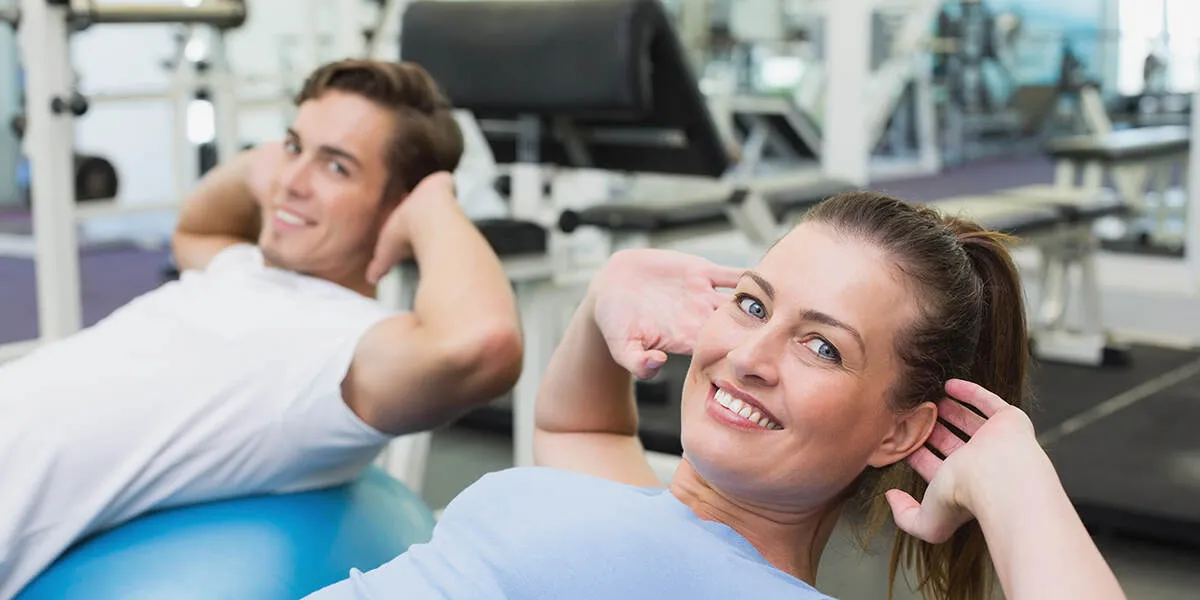
You may be ready to restore your smile with dental implants in Istanbul, but your daily routine does not stop there. If you work out, lift weights, run, swim, or play sports, one of your biggest worries may be simple: “When can I train again without disturbing healing?” Exercise after dental implants should be planned carefully because the first days after surgery are about protecting the implant site, not testing your fitness level.
In this guide from Prof Clinic in Istanbul, you will learn when light movement may be discussed, why gym after implant surgery needs caution, which physical activity after implants restrictions matter most, what warning signs mean you should stop, and how international patients from the Gulf and worldwide can plan recovery before travelling to Turkey.
Medical note: This article is educational only. It does not replace your dentist’s written instructions, clinical examination, imaging review, or emergency care. Always follow the plan given by your treating dentist or oral surgeon.
Quick answer about exercise after dental implant surgery
There is no universal “safe day” for exercise after dental implants. Most patients are advised to rest immediately after surgery and avoid strenuous workouts, heavy lifting, bending, intense cardio, swimming, sauna, and contact sports during early healing. Light walking may be allowed earlier in some cases, but this should still be slow, short, and symptom-aware.
The timeline depends on how many implants were placed, whether bone grafting or sinus lift was needed, whether you had extractions, your swelling and bleeding trend, your medications, and your dentist’s instructions. MyOMS explains that patients may be asked to avoid strenuous exercise and physical activity after implant surgery so the body can focus on healing without unnecessary stress on the surgical site.
| Recovery stage | Usually safer focus | Avoid until cleared |
| First 24–48 hours | Rest, short gentle movement around the room, head elevated when resting. | Gym workouts, running, heavy lifting, bending, hot sauna, intense walking tours. |
| Days 3–7 | Short, slow walking if symptoms are stable and your dentist allows it. | Heavy weights, HIIT, CrossFit, contact sports, long sightseeing days in Istanbul. |
| Week 2 and after | Gradually return to low or moderate activity if pain, swelling, and bleeding are settling. | Max-effort lifts, hard running, sparring, swimming, or impact sports without clearance. |
| Complex cases | Case-specific plan only. | Self-directed intense exercise after full-mouth implants, grafting, sinus lift, smoking, diabetes, or slow healing. |
Planning dental implants in Turkey and worried about your gym routine? Ask us for a personalized recovery plan before you book your treatment dates.
Why does exercise timing matter after implant surgery?
Dental implant surgery creates a healing site in the gum and jawbone. In the early phase, your body is controlling bleeding, reducing inflammation, and protecting the surgical area. Strenuous activity can raise blood pressure and may increase throbbing, swelling, bleeding, or discomfort around the implant site.
Feeling better after a few days is a good sign, but it does not mean the implant is fully integrated. The bone-healing phase continues beyond the first week. This is why exercise after dental implants should be restarted gradually, not suddenly.
For broader first-week recovery rules, review our Dental Implant Aftercare in Turkey guide, which explains rest, site protection, medication use, soft food, hygiene, and warning signs after implant surgery.
What physical activity is usually safe first?
The first safe activity is usually gentle movement, not a workout. For many patients, this may mean walking slowly around the hotel room, moving around the house, or taking a short easy walk if there is no bleeding, dizziness, throbbing, or worsening swelling.
In patient search language, physical activity implants questions usually mean: how much movement is safe while the implant site is still healing? The answer should come from your dentist, not from a generic fitness timeline.
For international patients in Istanbul, this distinction matters. A “short walk” is not the same as a full day of shopping, climbing hills, walking in hot weather, or carrying bags around the city. Tourist walking can become physical activity after implants if it is long, fast, uphill, or done too early.
- Avoid carrying heavy bags after surgery.
- Choose short, slow walks rather than exercise sessions.
- Avoid bending forward repeatedly during the first healing phase.
- Stay hydrated, especially if your diet is limited to soft foods.
- Stop if you feel throbbing, bleeding, dizziness, or increased swelling.
Gym after implant surgery: Cardio, weights, swimming, and sports
The question of gym after implant surgery needs a more detailed answer than “wait a few days.” A slow walk on a flat surface is different from deadlifting, sprinting, hot yoga, swimming, or sparring. Your normal fitness level does not shorten the surgical healing requirement.
| Activity | Why caution is needed | Safer restart principle |
| Walking | Low intensity, but long walks can still cause fatigue or throbbing. | Start short and slow; avoid hills, heat, and long sightseeing days. |
| Light cycling | Can still raise heart rate and pressure. | Keep resistance low and stop if throbbing starts. |
| Running | Impact and heart-rate increase can irritate early healing. | Restart with easy intervals only after symptoms settle and your dentist agrees. |
| Weight training | Heavy lifting can raise pressure and cause jaw clenching. | Start light; avoid max lifts, breath-holding, and clenching. |
| HIIT / CrossFit | High pressure, fast movement, fatigue, and bending. | Return only after dentist clearance, especially after complex surgery. |
| Yoga / Pilates | Inversions and bending may increase head and mouth pressure. | Avoid head-down positions early; keep movements gentle. |
| Swimming | Pool exposure and exertion may not be ideal early. | Ask first and wait until soft-tissue healing is confirmed. |
| Contact sports | Risk of impact to the mouth, jaw, or temporary teeth. | Avoid until cleared; use protection when returning. |
Before dental treatment, tell us via WhatsApp about your sport, lifting routine, cardio schedule, and travel dates. Your aftercare plan should fit your real lifestyle, not a generic timeline.
Factors that can change your exercise timeline
Exercise after dental implants is highly individual. One straightforward implant is different from several implants, extractions, bone grafting, sinus lifting, or full-mouth treatment. These cases may require a longer break from intense activity.
- Multiple dental implants or full-mouth implant treatment.
- Bone grafting, sinus lift, or tooth extraction at the same visit.
- Significant swelling, bleeding, or pain after surgery.
- Sedation or medication that affects alertness or balance.
- Physically demanding work, heavy lifting, or contact sports.
- Smoking, diabetes, gum disease history, bruxism, or slow healing.
- A tight travel schedule after surgery.
Our Dental Implants in Turkey service explains implant treatment as a planned process with different approaches depending on the patient’s condition. That is why your exercise timeline should come from the dentist who knows your X-rays, gum condition, bone support, and surgical plan.
Planning exercise if you travel to Istanbul for dental implants
Patients coming from the Gulf, Europe, the UK, the US, or other regions often want to combine treatment with walking, shopping, sightseeing, and a fast return to work. That may be realistic for some dental trips, but implant surgery needs a more careful recovery plan.
A practical Turkey recovery plan should include:
- Rest time after surgery.
- Transport instead of long walks when needed.
- A realistic sightseeing schedule.
- Soft-food planning before and after the procedure.
- Written instructions for gym, walking, flights, and warning signs.
- A plan for what to do if symptoms appear after returning home.
For travel planning around treatment, see our Dental Holiday in Turkey guide, which frames dental travel as a treatment journey in Istanbul rather than tourism with rushed dental work.
Share via WhatsApp your flight dates, hotel schedule, sightseeing plans, and training routine during consultation so our doctors can help you plan recovery more realistically.
Warning signs during physical activity after implants
Do not push through symptoms after implant surgery. Stop exercising and contact your dentist if activity brings back bleeding, throbbing, swelling, or discomfort around the implant area.
- New or increased bleeding.
- Fever or feeling unwell.
- Worsening facial swelling.
- Pus, discharge, or bad taste.
- Difficulty opening your mouth.
- Trouble swallowing or breathing.
- Throbbing pain during or after activity.
- Swelling that worsens instead of improving.
- A loose feeling around the implant or temporary restoration.
Our How to Prevent Dental Implant Failure article explains why prevention starts with candidacy review, healthy gums, imaging, bite planning, and realistic aftercare rather than surgery day alone.
If symptoms appear after activity, stop training and contact us. If symptoms are severe, spreading, or involve breathing or swallowing difficulty, seek urgent local care first.
When to resume exercise after dental implants safely?
Before returning to gym after implant surgery, use this checklist:
- No active bleeding.
- Swelling is improving, not increasing.
- Pain is controlled and not getting worse.
- You can eat and hydrate enough.
- You understand your stitches, graft, or sinus-lift restrictions.
- You are not feeling throbbing when walking or climbing stairs.
- Your dentist has cleared heavy activity if your case was complex.
- You know which symptoms mean “stop and call.”
- You are not taking medication that affects alertness or coordination.
Ask before you lift heavy, run hard, swim, or play contact sports. A short delay is usually easier than dealing with a setback during recovery.
How does Prof Clinic plan recovery and physical activity after implants?
At Prof Clinic in Istanbul, we do not treat recovery as a generic instruction sheet. Exercise guidance should fit the patient’s implant plan, number of implants, bone condition, grafting needs, swelling level, medical history, lifestyle, and travel schedule.
| Planning point | What our team reviews | Why it matters |
| Implant plan | One implant, multiple implants, full-arch case, or immediate-load approach. | Different procedures have different recovery restrictions. |
| Surgical details | Extractions, grafting, sinus lift, stitches, and soft-tissue healing. | These can change when physical activity is appropriate. |
| Symptoms | Bleeding, swelling, pain, dizziness, and tenderness. | Activity should not restart if symptoms are unstable. |
| Lifestyle | Gym routine, running, cycling, swimming, sports, or physical work. | Advice should match the patient’s real activity level. |
| Travel plan | Flights, hotel stay, transfers, sightseeing, and return-home date. | International patients need practical recovery timing. |
You can start with our Dental Treatment in Turkey overview, then review Follow-Up Care After Dental Implants Abroad if you want to understand how aftercare works after returning home.
Book a free online consultation and tell us about your gym routine, sport, travel dates, medical history, and expectations before dental implant treatment in Turkey.
FAQs about exercise after dental implants
Can I walk after dental implant surgery?
Light walking is often easier on the body than gym workouts, but it should still be gentle and short at first. Stop if you notice bleeding, throbbing, dizziness, or increased swelling.
When can I go to the gym after implant surgery?
It depends on your case. Many patients need to avoid strenuous workouts, heavy lifting, bending, and high-intensity cardio during early healing. Complex cases such as bone grafting, sinus lift, or multiple implants may need a longer break.
Can exercise cause dental implant failure?
Exercise does not automatically cause implant failure, but intense activity too soon can increase bleeding, swelling, pain, or irritation around the surgical site. The safer approach is gradual return with dentist clearance.
Is weightlifting safe after dental implants?
Heavy lifting is usually more demanding than walking because it can raise pressure and may involve jaw clenching. Avoid heavy lifting until your dentist confirms it is appropriate for your healing stage.
What should I do if my implant area bleeds after exercise?
Stop exercising, rest with your head elevated, and follow your post-operative instructions. If bleeding continues, becomes heavy, or comes with severe pain or swelling, contact your dentist or seek urgent care.
Does bone grafting change when I can exercise?
Yes. Bone grafting, sinus lifting, extractions, multiple implants, and full-arch treatment can make recovery more cautious. Ask for case-specific clearance before returning to high-intensity exercise.
Can I plan dental implants in Turkey if I train regularly?
Yes, but you should tell Prof Clinic about your sport, gym schedule, physical job, and travel dates before treatment. This helps the team explain realistic recovery expectations before you travel to Istanbul.