What is the real afro hair transplant success rate, and can you trust the glowing reviews from Turkey? No verified percentage exists for Afro hair as a group. The ISHRS describes hair restoration in patients of black African ancestry as just as successful as in other patients, as long as the curl, the skin and the cause of hair loss are properly assessed first. Your own result depends on those checks and on how carefully the grafts are extracted much more than on a headline number.
In this guide by Prof Clinic, you’ll learn what “success” actually measures, which factors raise or lower it for coily and curly hair, when you can fairly judge your results, and how to read Afro hair transplant reviews from Turkey without being misled. By the end, you’ll know which questions to ask before you book.
What Is the Afro Hair Transplant Success Rate?
When the patient is a good candidate and the team uses suitable tools, most transplanted grafts are expected to grow, and Afro hair is no exception. A review of graft survival in the Journal of Cutaneous and Aesthetic Surgery notes that published survival rates start at around 90%. The same review warns that few doctors see every single graft survive in everyday practice, and that survival can fall well below that when conditions are less than ideal. These figures come from hair transplant research in general, not from Afro hair alone.
For Afro-textured hair, the most useful published figure is not survival but transection: the share of follicles cut or damaged while they are being removed. Small studies of FUE in patients of African descent report average transection rates in the low single digits when the punch is designed for curly roots. That matters because, according to the same graft-survival review, transected grafts survive less often and tend to regrow as finer, weaker hairs.
Two Scorecards: Graft Survival and Your Satisfaction
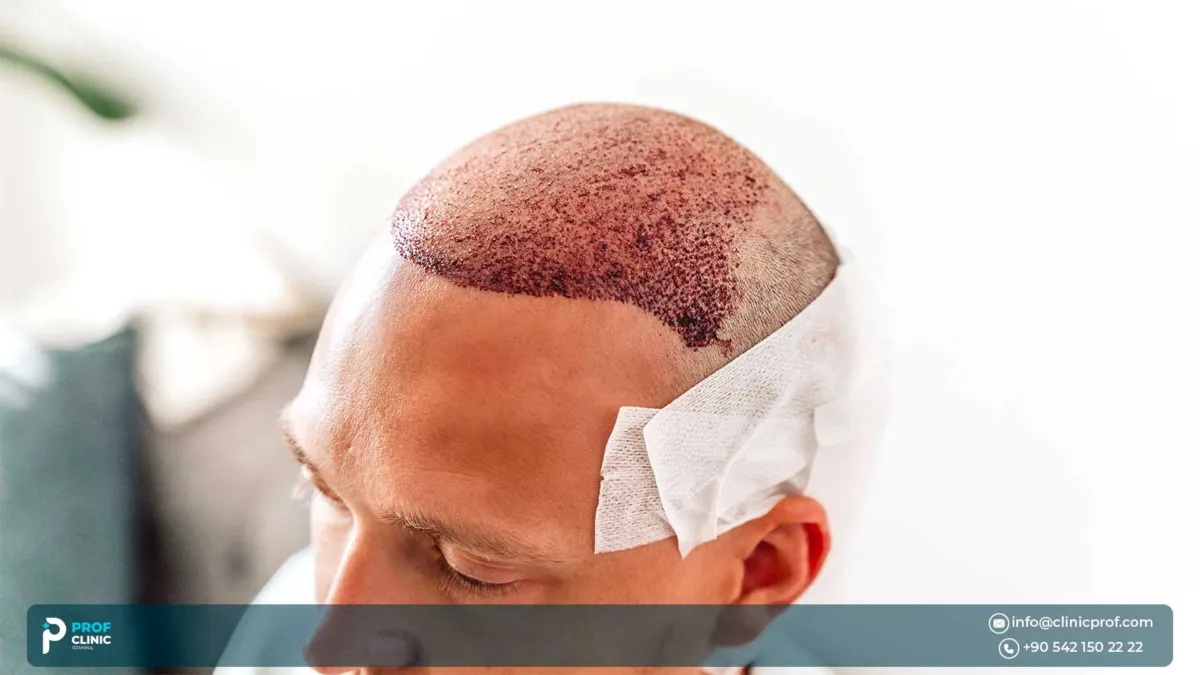
Success has two scorecards, and a transplant can do well on one and badly on the other. The first is biological: how many of the transplanted grafts actually grow. The second is aesthetic: whether the hairline, density and direction of growth look natural on you a year or more later. If almost every graft grows but the hairline is too straight, or the curls point the wrong way, the result won’t feel like a success.
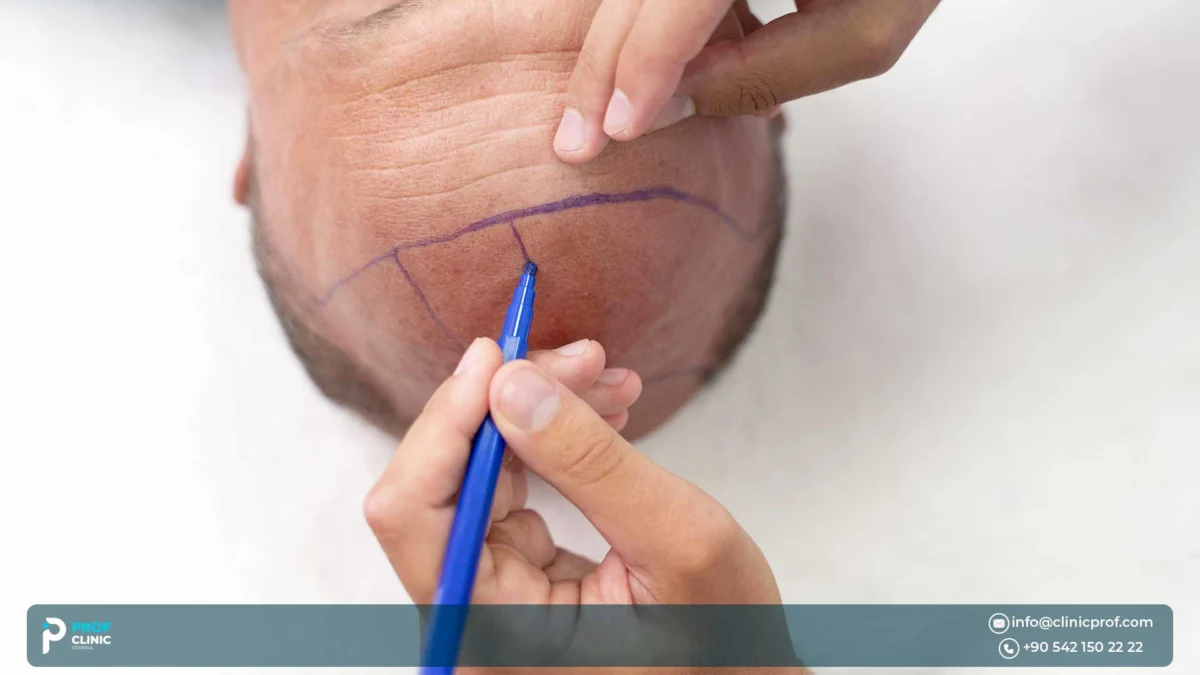
The ISHRS notes that many Black men want a hairline with less temple recession than a standard design, which shows how much of the second scorecard comes down to planning and taste. Patient reviews measure this second scorecard. Expectations shape it as much as the surgery does, so agree on the hairline, the number of grafts and a realistic density before the day of the procedure.
Why You Should Question a “95% Success Rate” Claim
Treat any fixed success percentage on a clinic website with caution, because a single figure rarely tells you what was measured. Before you rely on a number, ask:
- What was counted: grafts that grew, patients who were satisfied, or something else?
- When it was measured: at 3 months, or after the full 10–18 months the NHS gives for the final result?
- Who was included: patients with tightly coiled 4B–4C hair, or mostly straight and wavy hair?
- Where it was published: in a peer-reviewed study, or only in marketing material?
The NHS suggests asking a surgeon about their patient satisfaction rates and how many of their procedures have had complications. That conversation will tell you far more than any figure in an advert.
Does a Hair Transplant Work on Black Hair?
Yes. A hair transplant moves your own follicles from the back and sides of the scalp to the thinning areas, and the ISHRS states that surgical hair restoration is as available to people of black African ancestry as it is to white patients, and equally successful. What changes is the technique. The follicle curves beneath the skin as well as above it, so a surgeon offering an afro hair transplant in Turkey or anywhere else has to adapt the extraction to that curve.
Curl can also work in your favour. The ISHRS explains that tightly curled hair usually gives an impression of good density, so fewer donor hairs may be needed to create a satisfying look. A Black patient may still be a suitable candidate in a situation where a person with straight hair and the same degree of hair loss would not be. The NHS adds that transplants suit permanent, inherited baldness and are not usually suitable for other types of hair loss, such as the patchy loss of alopecia areata.
The table sums up what’s different about Afro hair and how each feature can affect the result:
| Feature of Afro hair | Why it matters | Effect on success |
|---|---|---|
| Follicle curves under the skin | A straight punch that follows the visible hair can cut the root below | Higher transection risk unless the tools and angle are adapted |
| Tight curl above the skin | Each hair covers more scalp | Fewer grafts can look fuller, but the donor area can also look denser than it is |
| Thick, firm scalp skin | Grafts are harder to free cleanly | In one study it affected transection more than the curl did |
| Tendency to keloid or raised scars | Small wounds can heal with thick scars | Needs a scar history check before surgery |
| Skin that darkens easily | Hyperpigmentation can appear at the donor or recipient sites | Affects the cosmetic result while it lasts |
| Curly regrowth | New hairs can curl back into the skin | Ingrown hairs or folliculitis at 2–3 months, usually treatable |

What Affects Afro Hair Transplant Success Most?
The factors that matter most are the extraction technique, how the grafts are handled outside the body, the cause of your hair loss and the true capacity of your donor area. Most are settled before or during surgery, which is why the team matters more than the name of the technique.
Extraction Technique and Transection
Extraction is where Afro hair transplants are most likely to go wrong. In a case series of 18 patients with tightly curled hair, published in Plastic and Reconstructive Surgery Global Open in 2016, conventional sharp and dull rotary punches failed completely or caused excessive transection in 8 patients. A curved, non-rotary punch designed for curly roots kept transection below 5% in every case. A 2023 study in Dermatologic Surgery followed 64 patients of African descent at 7 clinics and found an average transection rate of 3–6%, with skin thickness and firmness having a bigger effect than curl.
Both studies are small and retrospective, and both were led by the developer of the punch being tested, so treat the exact numbers as a guide. The message is consistent, though: tools and technique adapted to Afro hair keep far more follicles intact. The ISHRS describes a similar habit in practice: trimming the hair almost flush with the skin so its exit angle doesn’t mislead the punch, and checking extracted grafts as the harvest goes on.
What to ask your surgeon: which punch they use for coily hair, and whether they check the first grafts for damage before continuing.
The full comparison of FUE and DHI on tightly coiled hair is in our guide to Afro hair transplant techniques.
Graft Handling, Hydration and Time Out of the Body
Once a graft is out of the scalp, it’s living tissue without a blood supply, so careful handling counts as much as a clean extraction. The graft-survival review in the Journal of Cutaneous and Aesthetic Surgery names the fundamentals as hydration, temperature, time out of the body and gentle handling. It reports that grafts left in a dry environment can start to die in anywhere from 3 to more than 16 minutes, and that crushing the bulb or the bulge region of the follicle reduces survival.
You can’t see this part of the procedure, but you can ask about it: how grafts are stored while they wait, and who places them.
The Cause of Your Hair Loss
A transplant gives the most reliable results when the hair loss is stable and the scalp is healthy. Before surgery, the ISHRS lists scarring conditions that are more common in patients of African descent and need checking: central centrifugal cicatricial alopecia (CCCA), traction alopecia and dissecting cellulitis. It also warns that hair may grow less robustly in scarring alopecia, even when the condition seems quiet, than in a scalp that has never been scarred.
If years of tight braids, weaves or locs have thinned your edges, the diagnosis comes first. A transplant into a scalp that is still losing hair, or still inflamed, starts at a disadvantage.
Donor Density and Scar History
Your donor area sets the ceiling on what any transplant can achieve. The ISHRS points out that the thick curl of Afro hair can make the donor area look denser than it really is, so a careful count matters more than a quick look. It also lists a history of keloid or hypertrophic scarring as a key pre-operative question. In strip surgery (FUT), some patients react to dissolvable stitches, and some surgeons use non-dissolvable stitches for that reason.
Your Aftercare
Aftercare protects what the surgery achieved. The NHS says to be very careful with the grafts for roughly the first 2 weeks, so treat them very gently, and you may be told to cut down on exercise in the first month to reduce scarring. Follow your surgeon’s washing and moisturising routine, and report pimples or ingrown hairs early rather than picking at them.
Not sure which of these factors apply to you? Book a consultation and ask for an assessment of your donor area and the cause of your hair loss before you choose a date.

Afro Hair Transplant Results: When Can You Judge Success?
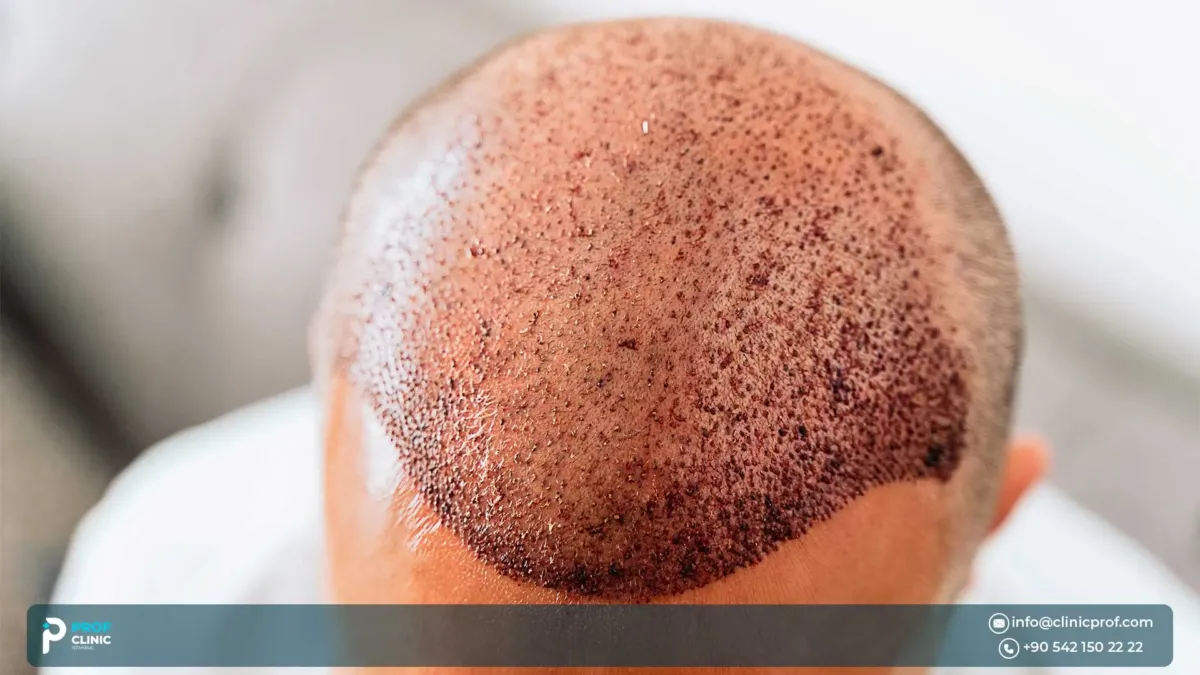
You can judge an Afro hair transplant fairly only after about a year. The NHS says new hair usually starts to appear after about 4 months and that the full result should be visible after 10 to 18 months. Until then, the hair you see is still growing in, so early photos understate the final density.
Here’s what usually happens along the way:
| Time after surgery | What usually happens | What it means |
|---|---|---|
| First 2 weeks | Grafts are not yet secure; scabbing and a tight, swollen scalp for a few days | Handle gently; far too early to judge |
| A few weeks | The transplanted hairs often fall out | Normal shedding, not failure |
| Months 2–3 | Ingrown hairs or folliculitis can appear as curly hairs grow through | Usually treatable; tell your clinic |
| Around month 4 | New hair usually starts to appear | The first sign of growth, still thin |
| Months 10–18 | The full result becomes visible | The fair point to judge density and hairline |
Treat these windows as averages, not deadlines. The shedding in the first weeks is explained in our guide to shock loss after a hair transplant, including when the hair usually returns. The ISHRS also notes that the skin can darken at the donor and recipient sites, so judge the hair and the skin separately when you compare photos.
Also read: Afro Hair Transplant Recovery: Timeline, Aftercare and What to Expect
For photo-by-photo comparisons, see Afro Hair Transplant Before and After: Real Results and Timeline; for a wider look at how to assess any result, see Hair Transplant Results: What to Expect and When to Judge Them.
If the density is still thinner than you agreed at 12 months, a second session is sometimes discussed; our guide to a second hair transplant session covers its timing and its limits.
Want to see what results look like at 12 months? Browse our before-and-after gallery and look for cases with hair like yours.
Afro Hair Transplant Turkey Reviews: How to Read Them
A review helps when it shows a patient with hair like yours, photographed the same way, at least a year after surgery. A review written a week after the trip can tell you about the hotel, the transfers and the staff. It can’t tell you whether the grafts grew.
When you read Afro hair transplant reviews from Turkey, check these points:
- Hair type match: are the results on tightly coiled 4B–4C hair, or on wavy and loosely curled hair?
- Time since surgery: look for updates at 12 months or later, since the NHS puts the full result at 10–18 months.
- Comparable photos: same angle, lighting and hair length. Dense curls can hide gaps, so photos with short or parted hair are more honest.
- The donor area: good reviews show the back of the head too, including any thinning, scarring or dark marks.
- Where the review lives: independent platforms with verified profiles are more useful than a hand-picked testimonial page. Read the negative reviews and how the clinic replies to them.
- Who did the surgery: a review that names the doctor and describes who did each step is worth more than one that only praises the service.
The NHS adds that a surgeon should be able to show before-and-after pictures of their own work, which is the fairest way to check what reviews describe.
It also helps to know what each kind of review can and cannot prove:
| What the review shows | What it can tell you | What it cannot tell you |
|---|---|---|
| Praise for the hotel, transfers and staff | How the service and logistics felt | Whether the grafts grew |
| Photos at 1–2 weeks | How the scalp healed early on | The final density or hairline |
| Photos at 12 months or later, with the same angle and hair length | How growth and hairline turned out in a comparable patient | Your own result, because your donor area and skin differ |
| A star rating with no details | General satisfaction at one moment | What was measured, or whether the patient was verified |
For a broader checklist on spotting fake reviews, see our guide to reading hair transplant reviews.
Red Flags in Reviews and Clinic Claims
Some warning signs appear again and again in reviews and adverts:
- Promises instead of ranges: “full density for everyone” or a fixed success rate, with no explanation of what was measured.
- “Scarless” surgery: the ISHRS states there is no such thing as scarless hair transplant surgery.
- Technicians doing the surgery: the ISHRS warns that unlicensed staff performing key steps, such as extraction, hairline design and recipient incisions, put patients at risk.
- A sales-only consultation: the NHS advises meeting the surgeon, not just salespeople, before you pay.
- Only early photos: galleries that stop at 3–6 months, or show only wet close-ups, can’t show a final result.
Questions to Ask Before You Book
Based on NHS guidance for choosing a surgeon, these questions cut through most marketing:
- What are your qualifications, and how many Afro hair transplants have you performed?
- How many of those had complications, and how were they handled?
- Which technique do you recommend for my hair and skin, and why?
- Who will extract the grafts and make the recipient incisions?
- What follow-up will I have after I fly home, and what happens if something goes wrong?
- What are your patient satisfaction rates, and can I see results at 12 months or later?
Also read: How to Choose the Best Afro Hair Transplant Clinic in Turkey: 6 Checks
Comparing clinics right now? Send us your questions on WhatsApp and ask who would perform each step of your procedure.

Afro Hair Transplant in Turkey: Follow-Up, Licensing and Travel Checks
Many international patients choose Turkey because packages usually cost less than in the UK and bundle the procedure with accommodation and transfers. For comparison, the NHS puts the cost of a hair transplant in the UK at anywhere between £1,000 and £30,000. What reviews rarely show is how clinics differ in who performs the surgery and how they follow patients up once they’ve gone home.
The NHS guidance on cosmetic surgery abroad lists the practical points to settle before you travel:
- Regulation: find out how clinics are licensed and how standards are enforced. In Turkey, you can check that a clinic is licensed by the Ministry of Health.
- Follow-up: ask what happens if there are complications, where check-ups take place and how easily you could travel back.
- Insurance: travel insurance does not normally cover you if something goes wrong with surgery.
- Rest: plan recovery days, not a beach holiday. The NHS advises against sun, swimming and drinking alcohol straight after surgery.
As a general guide, an Afro hair transplant package in Istanbul costs about €2,500–€4,500, a little more than a standard scalp transplant because extraction is slower. Treat it as a rough 2026 figure rather than a final price: the amount you pay depends on your case after assessment and is set out in a written quote. The full breakdown is in Afro Hair Transplant Cost in Turkey 2026: Prices & Packages, and the wider picture of techniques, trip planning and recovery is in Afro Hair Transplant in Turkey: What to Know Before You Travel.
Afro Hair Transplant at Prof Clinic in Istanbul: What You Can Check
At Prof Clinic, an Afro hair transplant in Istanbul starts with a medical assessment of why you’re losing hair and what your donor area can give. The medical lead for hair restoration is internal-medicine specialist Spc. Dr. Lütfi Öztürk, who carries out the medical assessment, plans the treatment and coordinates follow-up.
Before you travel, you can verify these points yourself:
- Techniques: Afro and curly hair work is part of the clinic’s wider hair transplant services in Turkey, which name FUE, DHI, Sapphire FUE and Micro FUE.
- Pre-op tests: before any extraction from an Afro donor area, you have a blood count, ECG, kidney and liver function tests, electrolytes, blood sugar, and hepatitis and HIV screening.
- Honest expectations: the density your Afro hair may reach is talked through for your case, and nobody promises a figure in advance.
- A written quote: sent after the team has reviewed your photos, and it covers a package with the procedure, your accommodation, transfers between the airport and hotel, and post-op care.
- Follow-up after you go home: the coordination team checks in and answers your questions over WhatsApp while the grafts grow.
Curious what your coily hair could realistically achieve? Send your photos to our team for an assessment and a written quote.
Frequently Asked Questions About Afro Hair Transplant Success
Is there an official success rate for Afro hair transplants?
There is no single verified figure for Afro hair. The ISHRS describes hair restoration in patients of black African ancestry as just as successful as in other patients. Published graft survival rates for hair transplants in general start at around 90%, while small studies with punches designed for curly hair report average transection rates of about 3–6%.
Does Afro hair have a lower transplant success rate than straight hair?
Not when it’s handled correctly. The curved follicle makes extraction harder, and standard rotary punches failed or caused excessive damage in 8 of 18 patients in one study. With tools and angles adapted to curly roots, transection stayed low, and the ISHRS considers results equal to those in other hair types.
Do hair transplants work on 4C hair?
Yes, for suitable candidates. Tightly coiled 4C hair can be transplanted with FUE when the surgeon adapts the extraction to the curve under the skin. The coil also helps coverage, because each hair covers more scalp. The main limits are thick, firm skin, a history of keloids and scarring hair loss, so these are checked first.
Why do some Afro hair transplants give poor results, and how can I lower the risk?
Poor results usually trace back to a few causes: follicles cut during extraction, grafts left dry or crushed outside the body, scarring hair loss that was never diagnosed, and rough handling in the first 2 weeks. To lower the risk, get the cause of your hair loss diagnosed, mention any keloid history, ask how the team extracts coily hair, and report ingrown hairs or pimples early.
Are Afro hair transplant reviews from Turkey reliable?
Some are, but check them before trusting them. The most reliable reviews show tightly curled hair like yours, at least 12 months after surgery, with comparable photos of the front and the donor area. Prefer independent platforms to curated testimonials, read the negative reviews too, and ask the clinic for its own before-and-after cases.
When will I see the final results of an Afro hair transplant?
Usually after 10 to 18 months. According to the NHS, the transplanted hairs often shed after a few weeks, and new hair usually starts to appear around month 4. Judge density and the hairline only once that full growth period has passed, not from photos taken in the first months.
Afro Hair Transplant Success Starts Before Surgery
The afro hair transplant success rate that matters is yours, and it’s decided mostly by things you can check in advance: an accurate diagnosis, an honest count of your donor hair, extraction adapted to curved follicles, careful graft handling and realistic expectations of the hairline. Read reviews for those details, not for star ratings, and wait 10–18 months before you judge the result.
Start with an assessment before you book anything. Contact Prof Clinic to find out what your donor area can realistically achieve.
This article is general information and does not replace a medical examination. Whether a transplant suits you, and which technique, can only be decided after an assessment by a qualified doctor.
Sources
- ISHRS — Hair Restoration in African-Americans
- ISHRS — Consumer Alert
- NHS — Hair transplant
- NHS — Cosmetic surgery abroad
- Journal of Cutaneous and Aesthetic Surgery — Review of Factors Affecting the Growth and Survival of Follicular Grafts (Parsley & Perez-Meza, 2010)
- Plastic and Reconstructive Surgery Global Open — Comparative Study of a Novel Tool for Follicular Unit Extraction for Individuals with Afro-textured Hair (Umar, 2016)
- Dermatologic Surgery — Follicular Unit Excision in Patients of African Descent: A Skin-Responsive Technique (Umar et al., 2023)