Restoring your smile is a medical decision with long‑term impact on comfort, function, and confidence. Two of the most discussed implant materials are titanium (metal) and zirconia (ceramic).
In this guide, we help you understand the practical differences: strength, aesthetics, clinical evidence, and cost considerations in Turkey, so you can choose the best implant material for your specific case.
No implant material can guarantee a complication‑free result. Long‑term success depends on accurate diagnosis, 3D planning, correct implant positioning, restorative design, and ongoing hygiene maintenance.
Why Dental Implants Are the Most Reliable Option for a Smile That Feels Natural
If you’re reading this, chances are you’re living with a temporary fix—maybe a removable denture that feels uncomfortable, a missing tooth that affects your confidence, or difficulty enjoying the foods you love.
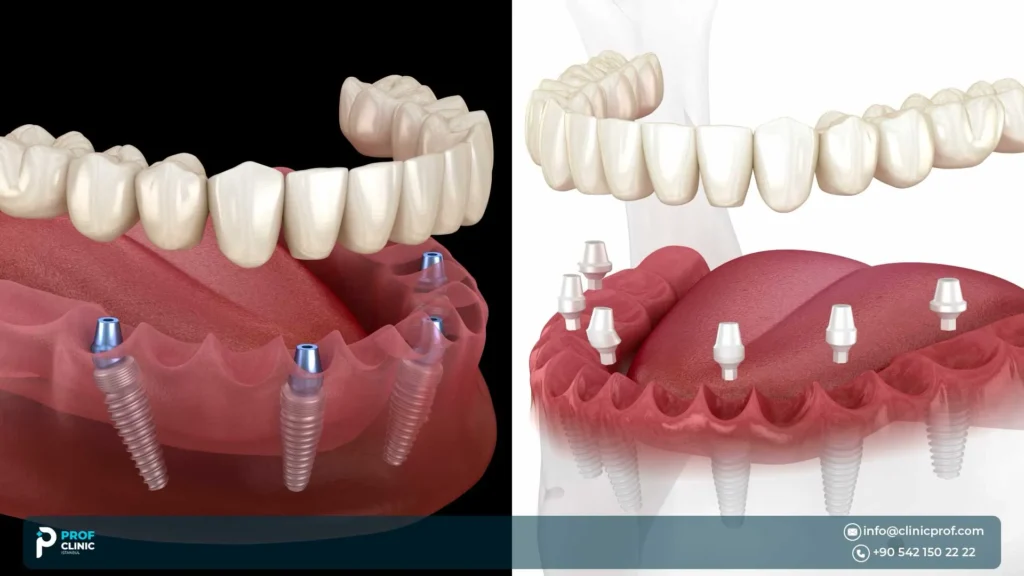
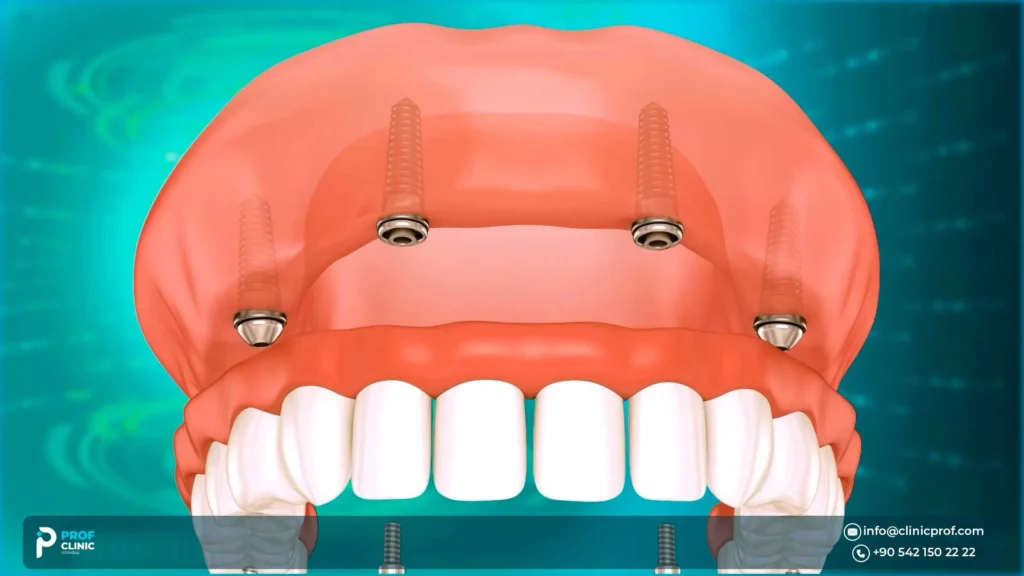
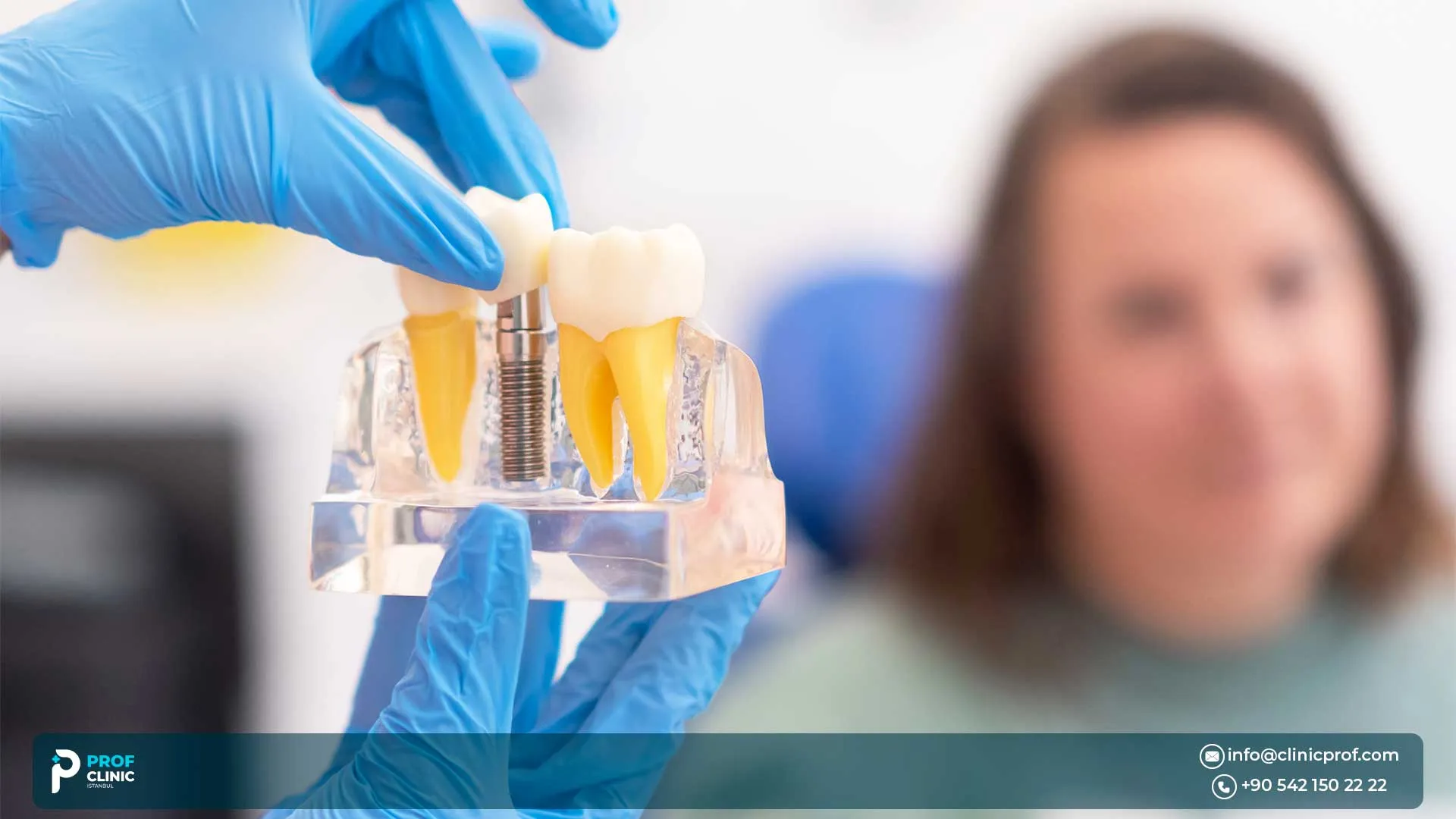
Dental implants replace the tooth and its root, creating a fixed foundation that can help support the jawbone, improve chewing stability compared with removable dentures, and deliver a look and feel close to natural teeth—when planned and maintained properly.
Once you decide on implants, the next question becomes: which material is right for you—trusted titanium for broad indications, or zirconia for a metal‑free, highly aesthetic option?
Titanium or Zirconia Dental Implants based on the Material
Choosing between titanium vs zirconia implants isn’t about which one is better in general. Patients in the consideration stage usually want a clear, practical answer: What will last, look natural, and fit my biology and bite forces?
This ceramic vs metal implants comparison breaks it down by what each material is and how that affects performance.
1) Titanium Implants
Titanium is a metal, and that matters because metals are:
- Tough and fatigue‑resistant (they tolerate repeated chewing cycles well).
- Highly versatile in design (commonly used in two‑piece systems: implant + abutment).
Why patients choose titanium
- Mechanical reliability under force: titanium is often preferred in high‑load zones (molars) and strong bites.
- Proven integration behavior: titanium has the largest long‑term clinical track record.
- More restorative flexibility: two‑piece systems offer more component options for angulation correction and complex cases.
When titanium is often the better material choice
- Back teeth where bite forces are highest.
- Bruxism / heavy clenching cases that demand fatigue resistance.
- ·Complex restorations needing more prosthetic options (space and angle management).
- Patients prioritizing long‑term clinical evidence over a “metal‑free” preference.
2) Zirconia Implants (Ceramic)
Zirconia is a ceramic material. In implant dentistry, zirconia implants are often discussed as a metal‑free option. Ceramics are typically more rigid than metals and can be more technique‑sensitive in certain high‑load scenarios.
Zirconia implants are frequently one‑piece designs, which can influence restorative flexibility and case selection.
Why patients choose zirconia (material-driven reasons)
- Metal‑free preference: zirconia is commonly selected by patients who prefer a ceramic vs metal implants approach.
- Aesthetic advantage in thin gums: the white color can reduce the risk of a gray show‑through near the gumline in some patients.
- Soft‑tissue considerations: Some studies suggest bacterial attachment may differ by material and surface, but outcomes depend heavily on hygiene, tissue type, and prosthetic design.
When zirconia is often the better material choice
- High‑aesthetic zones (especially front teeth), particularly with thin gum biotype.
- Patients who strongly prefer a metal‑free option (after clinical evaluation).
- Straightforward cases where one‑piece constraints won’t compromise the final restoration.
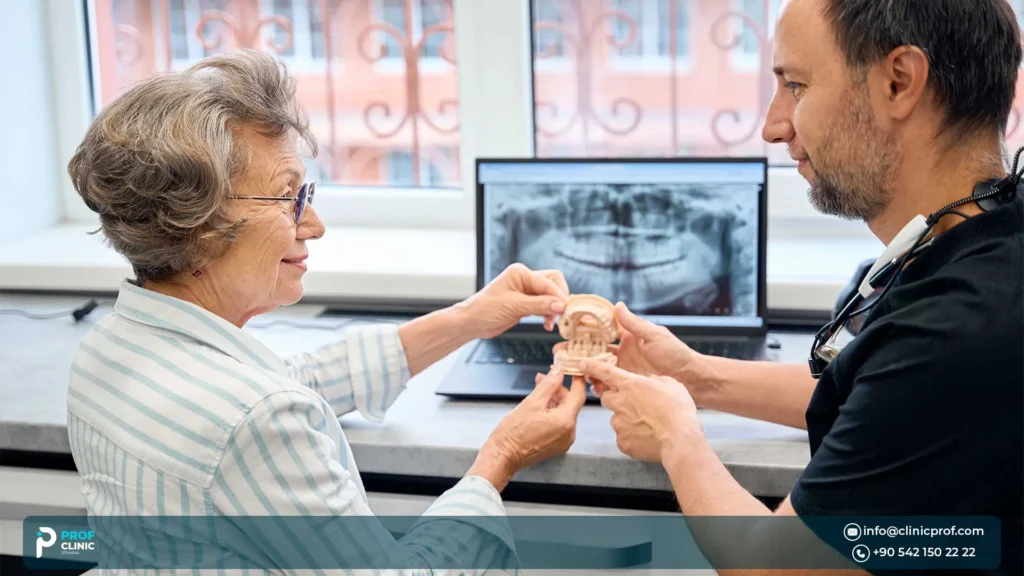
At Prof Clinic, we help you choose instead of guessing. We use 3D imaging and a structured clinical evaluation to assess bone volume, bite forces, gum thickness, and your aesthetic goals, then we recommend the option that fits your case and explain why.
Ready for a clear plan? Message us on WhatsApp to book a consultation and receive a personalized recommendation based on your scan and clinical findings.
Also read: Titanium Dental Implants: Cost, Pros & Cons
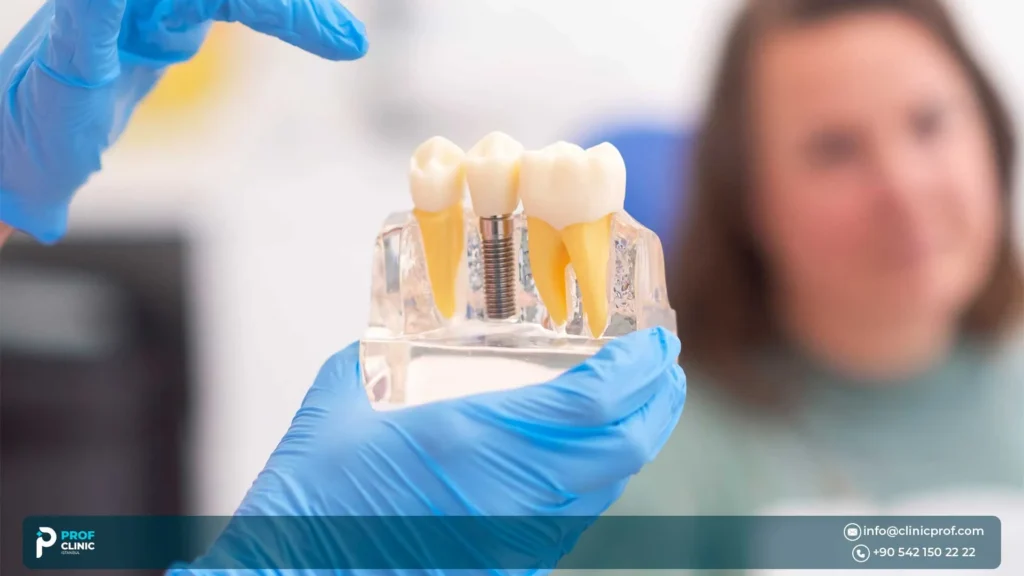
Titanium vs Zirconia Dental Implants: What’s Best for Long-Term Success?
Patients often ask: “Which one will last longer?” Clinically, long‑term success is more than implant survival. It also includes stable gums, healthy bone, a functional bite, and a restoration that remains maintainable over time.
Do zirconia implants last as long as titanium?
In well‑selected cases, zirconia implants can show strong mid‑term outcomes in the available literature.
However, titanium still has the deepest long‑term track record with broader indications and longer follow‑up periods, which is why it often remains the default for maximum predictability, especially in complex or full‑arch cases.
Why Ceramic vs Metal Implants Behave Differently
1) Titanium
Titanium’s key advantage is mechanical behavior under repeated chewing cycles (fatigue resistance). Clinically, titanium systems are commonly two‑piece (implant + abutment), which usually offers more restorative flexibility.
Why is titanium often chosen?
- High load tolerance (especially in back molars and strong bites).
- Prosthetic flexibility for angulation/space management in complex cases.
- Most established long‑term evidence in implant dentistry.
Titanium is often the better fit when
- You’re restoring back teeth (higher bite forces).
- You clench/grind (bruxism) or need a robust fatigue profile.
- Your case needs more restorative options and adjustability.
2) Zirconia (Ceramic Implants)
Zirconia is valued for being metal‑free and for its white color, which can be helpful in thin gum tissue where gray shine‑through is a concern. Many zirconia implant systems are one‑piece, which can make them more technique‑sensitive and influences case selection.
Why is zirconia often chosen
- A clear preference for ceramic vs metal implants.
- Gumline aesthetics (especially thin tissue in the front).
- Promising mid‑term performance in selected systems.
Zirconia is often the better fit when
- You’re prioritizing front‑tooth aesthetics.
- Gum appearance is a major concern.
- The case is straightforward and planned precisely.
What Really Determines Which One Lives Longer?
If you’re trying to choose the best implant material, material is only part of the equation. Long‑term success also depends on:
- 3D planning accuracy (bone volume, implant position, and angulation).
- Bite force management (occlusion and parafunction like clenching).
- Gum thickness and tissue biology.
- Restoration design (how forces are distributed).
- Maintenance and hygiene over time.
At Prof Clinic in Turkey, we don’t guess. We use 3D imaging and a structured evaluation of bone volume, bite forces, gum thickness, and aesthetic risk, then we explain which option fits your case and why.
Also read: Types of Dental Implants: Complete Guide 2026
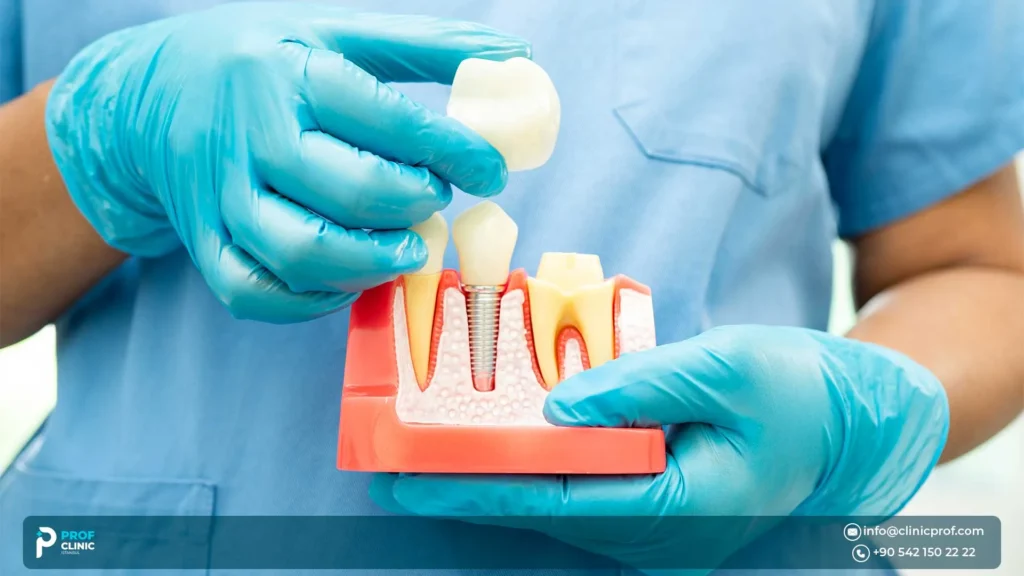
Zirconia vs Titanium: Pros and Cons
There is no absolute best material for everyone. The best choice is the one that matches your anatomy, bite forces, aesthetic priorities, and the planned restoration.
What are the advantages of titanium implants?
Titanium remains the most established implant material, with extensive long-term evidence and strong performance under chewing forces, making it a common choice for high-reliability cases.
- Strong long‑term clinical evidence across a wide range of indications.
- Excellent fatigue resistance for repeated chewing forces.
- High restorative flexibility (components for angulation correction, full‑arch protocols, and complex cases).
What are the disadvantages of zirconia implants?
Despite the appeal of zirconia as a metal-free option, we make sure patients understand key clinical considerations that may affect case selection and long-term planning:
- The evidence base is growing but still smaller than titanium for long‑term and complex cases.
- Some zirconia systems are one‑piece, reducing adjustability if implant angulation is not ideal.
- Ceramics can be more brittle than metals, so occlusal design and case selection are important, especially for bruxism.
If your gums are thin and aesthetics in the front are the priority, zirconia may be considered. If you need maximum predictability in high‑load posterior areas or a complex rehabilitation, titanium is often the safer default.
Don’t decide based on marketing claims. Don’t hesitate. Get a detailed surgical consultation from our team now
Also read: Enhancing Your Smile, The Benefits of Dental Implant Zirconia Crowns
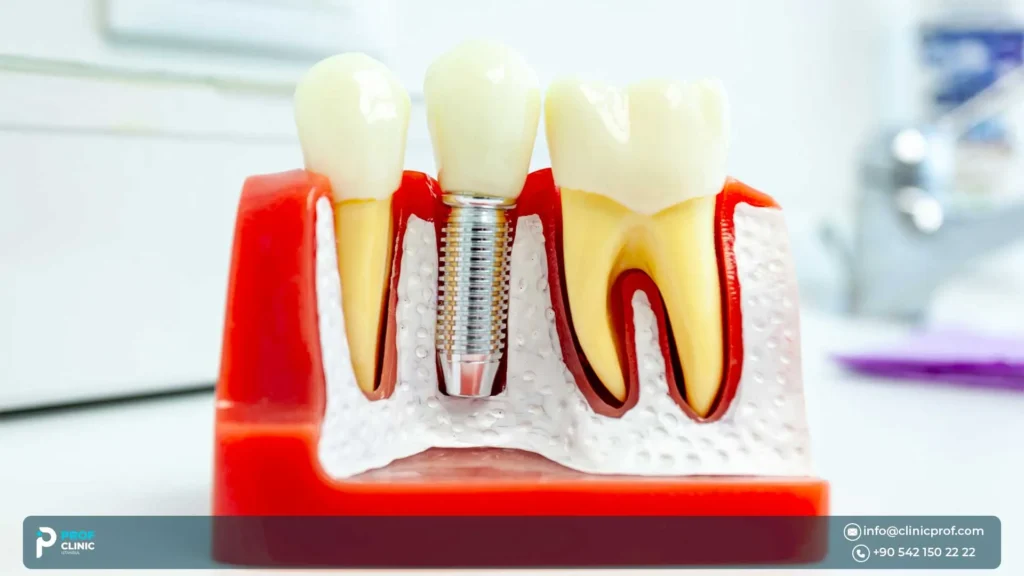
What is the healthiest material for dental implants?
Both titanium and zirconia are widely considered biocompatible materials in dentistry. Rather than asking which material is “healthiest,” it’s more accurate to ask which option is best suited to your tissues and restoration plan.
- If you prefer a metal‑free approach or have concerns about metal sensitivity, zirconia can be discussed as an alternative (with proper case selection).
- If you need broad restorative options or complex treatment, titanium often provides more flexibility and long‑term data.
- Peri‑implant inflammation risk depends strongly on hygiene, tissue design, and maintenance; implant material alone is not a “guarantee” against peri‑implantitis.
Why are dentists pushing the use of zirconia?
Many dentists recommend zirconia in specific situations, primarily for aesthetics and patient preference. The decision should be individualized and based on clinical findings, not a one‑size‑fits‑all rule.
Is zirconia better for people with gum recession?
Zirconia’s white color can be an aesthetic advantage when gum tissue is thin or recedes over time. However, titanium solutions can also look highly natural, especially when combined with appropriate soft‑tissue management and restorative components (for example, zirconia abutments in aesthetic areas).
If you have gum recession or a thin biotype, the right plan depends on a clinical exam, gum evaluation, and 3D imaging—not material alone. Book your free consultation with our experts today to discuss all the details matter.
Also read: Revolutionizing Tooth Replacement with Zirconia Dental Implants in Turkey
Zirconia Implants vs Titanium Cost in Turkey
The total cost of dental implants in Turkey depends on several factors, including the implant system, the surgeon’s experience, diagnostic planning (CBCT), whether bone grafting is required, and the type of restoration (single crown vs bridge vs full‑arch).
- Titanium implants are often more cost‑efficient because they are widely available and have many restorative components.
- Zirconia implants may be priced higher in some clinics due to system availability and workflow complexity.
- The best value is the option that fits your clinical needs with predictable long‑term maintenance—not simply the lowest upfront price.
Which is better Titanium or Zirconia implants based on value?
Answering the question depends on what you mean by “value”:
- Best value for predictability: Titanium is often the default when long‑term evidence and restorative flexibility are priorities.
- Best value for aesthetics (selected cases): Zirconia may offer benefits for patients with thin gums and high aesthetic demand, especially in the front.
- Best value overall: The material choice should follow your CBCT findings, bite forces, and the restorative plan.
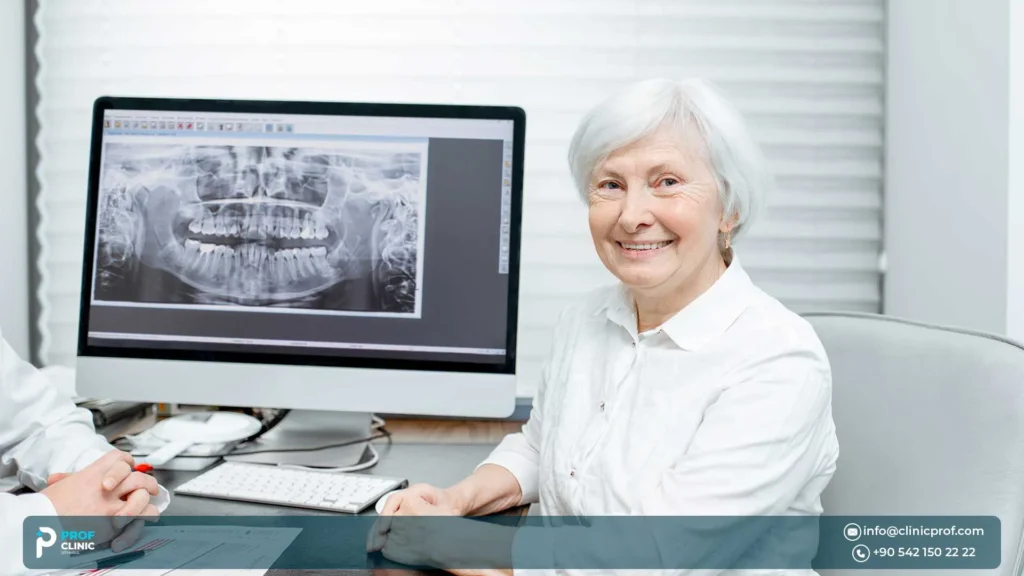
To get a case‑based quote and recommendation, share your panoramic image or CBCT report with our team.
Also read: Cost of Dental Implants in Turkey: Everything you want to know
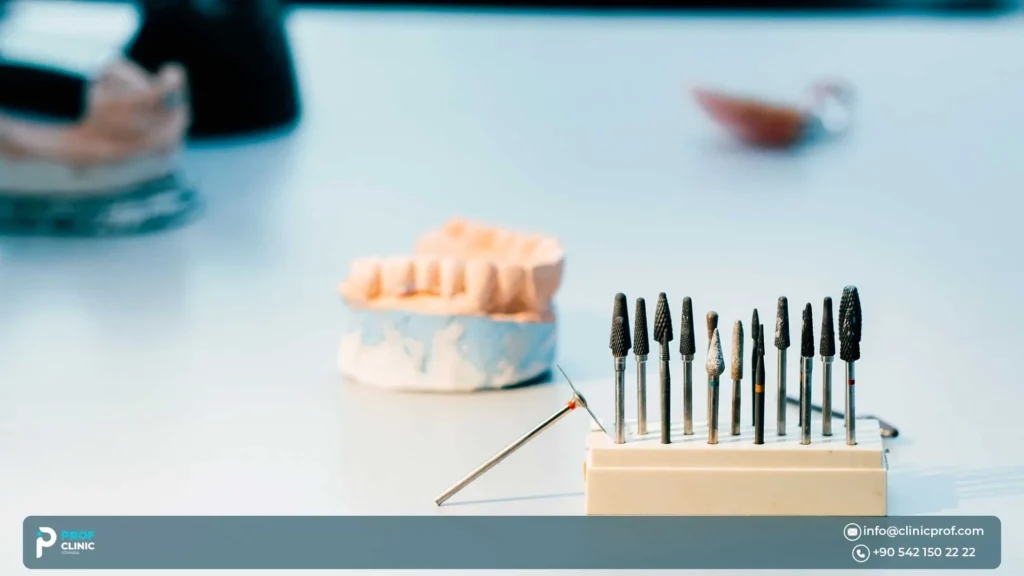
Why choose Prof Clinic for Dental implants in Turkey?
Choosing the right clinic is as important as choosing the implant material. At Prof Clinic in Turkey, we focus on diagnosis, planning, sterile protocols, and a maintainable long‑term restoration, so patients can make informed decisions with clear expectations.
1. Surgical experience beyond limits
Our clinical team follows evidence‑based implant protocols and case selection. Complex cases are approached with a structured plan, including risk discussion, alternatives, and staged treatment when needed.
2. Digital Dentistry
We use CBCT (3D imaging) and digital workflows to plan implant position and restoration design. This supports accurate placement and helps reduce avoidable risks.
This allows us to:
- Plan implant position based on bone anatomy and the final restoration (prosthetic‑driven planning).
- Design crowns/bridges digitally to match function and aesthetics.
3. Sterilization standards are universal
We follow strict sterilization protocols and use implant systems with recognized quality standards. Your care plan includes clear instructions for post‑operative care and maintenance.
4. Comprehensive Care for International Visitors in Istanbul
For patients traveling to Turkey for implant treatment in Istanbul, we provide scheduling support and clear timelines. Where applicable, we can assist with coordination for transport and accommodation through trusted partners, without adding unnecessary extras to the medical plan.
5. Guaranteed results and absolute transparency
No medical procedure can be guaranteed. What we commit to is transparency: a clear diagnosis, a written plan, realistic timelines, and an explanation of risks and alternatives. You’ll receive a cost breakdown upfront and guidance on long‑term maintenance.
Start your consultation: message us on WhatsApp for an initial assessment and a scan‑based treatment plan.
FAQ about titanium vs zirconia implants
Which metal is best for implants, titanium or zirconia?
Titanium is a metal; zirconia is a ceramic (not a metal). Titanium is the most commonly used implant material worldwide due to its long‑term evidence and flexibility. Zirconia can be a suitable metal‑free option in selected cases, especially when aesthetics are a priority.
Do titanium implants set off metal detectors?
In most everyday situations, dental implants do not trigger airport metal detectors. If you have concerns for travel, ask your clinic for documentation.
What is the most common complication of zirconia?
Complications depend on the system and case selection. Some reported issues include technical/restorative complications and, less commonly, implant fracture in high‑load scenarios. Risk is reduced through accurate planning, correct positioning, and bite‑force management—especially for bruxism.
Are zirconia implants suitable for full-mouth restorations?
They can be used in selected cases, but full‑arch rehabilitation often benefits from the broader component range and longer evidence base of titanium systems. The best approach depends on your anatomy, bite forces, and the prosthetic plan.
Can you switch from zirconia to titanium later?
If an implant fails or needs replacement, a new implant solution can be planned—but it’s not a simple “swap.” The approach depends on bone volume, healing, and the reason for failure, and may require additional treatment such as grafting.
Can I chew gum with zirconia implants?
After healing and once your clinician confirms stability, most patients can chew gum. Prefer sugar‑free gum and avoid very sticky gum early on. Good daily hygiene and regular follow‑ups matter more than the implant material.