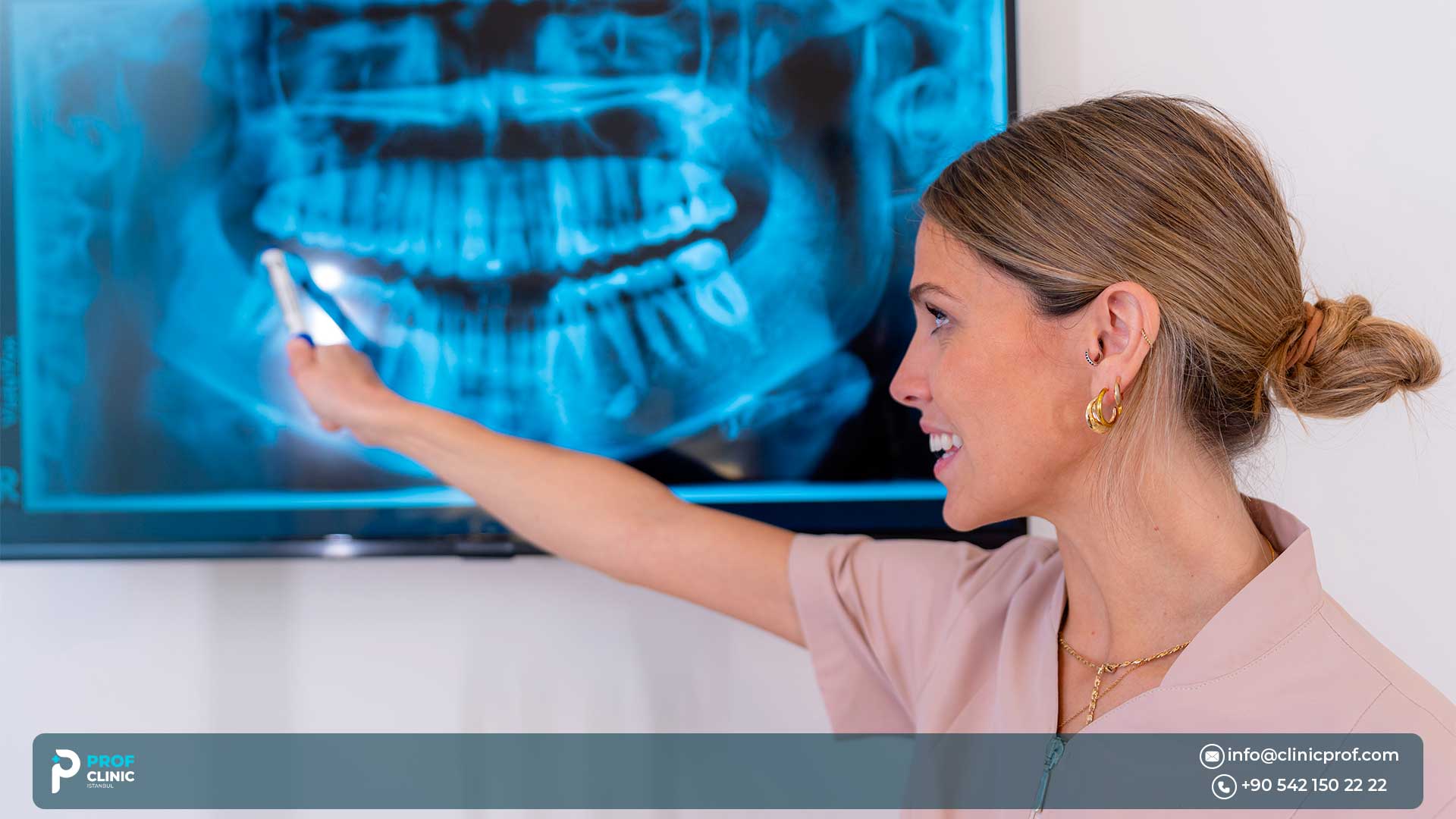
You may have been ready to replace missing upper back teeth, then your dentist looked at the scan and said, “There is not enough bone near the sinus.” For many patients worldwide, this sentence creates real anxiety: Will dental implants still be possible? Will treatment in Turkey take more visits? Is a sinus lift for dental implants painful, risky, or avoidable?
This article explains what a sinus lift is, why some patients need sinus augmentation implants before dental implants, how a maxillary sinus lift may be planned, what recovery can involve, what risks to discuss, and which alternatives may be relevant. It is written for patients who are comparing treatment options and want a clear, safe plan before traveling to Istanbul for dental implants in Turkey.
Medical note: This article is educational and does not replace diagnosis by a dentist, oral surgeon, periodontist, or implant specialist. Final decisions require clinical examination and imaging review.
What is sinus lift for dental implants?
Sinus augmentation for implants refers to implant treatment in the upper back jaw when additional bone support may be needed below the maxillary sinus. The sinus lift itself is a bone-grafting procedure. The implant is the artificial tooth root placed after, or sometimes during, the grafting stage when stability is clinically acceptable.
The maxillary sinuses are air-filled spaces behind the cheeks and above the upper premolars and molars. After these teeth are lost, the jawbone can shrink and the sinus floor can sit closer to the implant area.
When bone height is too limited, the surgeon may gently raise the sinus floor and add graft material to create a better foundation for future implant placement.
| Term | Meaning |
| Sinus lift | Common patient term for raising the sinus floor and adding bone. |
| Sinus augmentation | Clinical term for developing bone under the maxillary sinus for implant support. |
| Sinus grafting | A term that focuses on the bone graft part of the procedure. |
| Maxillary sinus lift | An anatomical term referring to the upper-jaw sinus area. |
Not every implant patient needs this procedure. A sinus lift is mainly considered when missing teeth are in the upper back jaw and imaging shows that the available bone height is limited.
Why you may need sinus augmentation before dental implants?
Some patients need sinus augmentation implants because the upper posterior jaw has challenging anatomy. The sinus sits close to the roots of upper molars and premolars. After tooth loss, the bone may resorb while the sinus expands downward, leaving less vertical bone where implants need to be anchored.
Here are the common reasons a sinus lift may be discussed include:
- Gum disease-related bone loss.
- Bone shrinkage after extraction.
- Long-term loss of upper molars or premolars.
- Naturally large or low-positioned maxillary sinuses.
- Previous infection, failed treatment, or old extraction sites.
- A treatment plan that requires implants in the upper back jaw.
At Prof Clinic, we do not recommend sinus augmentation only because a patient is traveling from abroad or wants fast treatment. We first review imaging to check bone height, bone width, sinus position, inflammation, and the expected restoration.
CBCT-based planning is especially important for patients from the Gulf countries and other countries who want to understand the number of visits before coming to Turkey.
A safe rule for our patients is: you should not be told you “definitely need” a sinus lift without imaging-based planning.
Maxillary sinus lift techniques
A maxillary sinus lift can be performed using different approaches. The surgeon chooses the technique based on residual bone height, sinus anatomy, graft volume, implant position, medical risk factors, and whether the implant can achieve initial stability.
| Technique | When it may be considered | Patient takeaway |
| Lateral window sinus lift | When more vertical bone gain is needed in the upper back jaw. | Often used for larger augmentation needs; usually more involved than a limited internal lift. |
| Crestal/internal sinus lift | In selected cases with more remaining bone and limited elevation needs. | May be less extensive, but it is not suitable for every case. |
| Staged sinus lift | When grafting must heal before predictable implant stability is possible. | Adds time, but may be safer for low-bone or higher-risk cases. |
| Simultaneous sinus lift + implant | When enough existing bone allows the implant to stabilize during the same procedure. | Can reduce stages in selected patients, but only after proper assessment. |
In simple terms, the surgeon lifts the sinus membrane and places graft material beneath it to support future bone formation. This should not be read as surgical instructions. Your exact plan depends on diagnosis, surgeon judgment, and your health profile.
What does happen before, during, and after a Sinus lift?
A good sinus lift plan starts before surgery. Your dentist or surgeon should understand your medical history, sinus history, medications, smoking status, allergies, oral hygiene, previous dental treatments, and expectations for temporary and final teeth.
| Stage | What it means for you |
| Consultation | We review missing teeth, symptoms, goals, medical history, and travel expectations. |
| X-ray or CBCT review | We assess bone height, sinus position, infection risk, and implant site anatomy. |
| Treatment planning | We explain whether sinus lift, short implants, staged grafting, or advanced anchorage may be relevant. |
| Anesthesia discussion | Local anesthesia and, in some cases, sedation options may be discussed based on the procedure and anxiety level. |
| Sinus membrane elevation and grafting | The sinus lining is carefully lifted and graft material is placed to support future bone formation. |
| Suturing and healing | The site is closed and monitored during the healing phase. |
| Follow-up and implant timing | Healing, symptoms, and implant readiness are reviewed before moving to the next stage. |
Before treatment, tell your dentist if you have chronic sinusitis, recent sinus infection, allergies, previous sinus surgery, uncontrolled diabetes, heavy smoking habits, blood-thinning medication, or recent dental infection. These details can change the safest timing and approach.
If you are planning implants from abroad? Ask us for a written treatment pathway that explains whether your case needs a sinus lift, staged grafting, short implants, or another upper-jaw option.
Recovery after sinus lift dental implants in Turkey
Recovery after sinus lift for dental implants planning depends on graft size, bone quality, smoking, infection risk, oral hygiene, medical conditions, and whether the implant was placed at the same time.
In implant dentistry, healing is not only about the gum closing; the deeper goal is stable bone support and, later, implant integration.
There are two common timing paths:
| Timing path | What it means | When it may be used |
| Simultaneous placement | Sinus lift and implant placement happen in the same appointment. | Only when existing bone can stabilize the implant safely. |
| Staged placement | Sinus lift is completed first, and the implant is placed after healing. | When more bone development is needed before implant stability is predictable. |
For international patients, this timing affects flights, hotel stays, temporary teeth, follow-up, and the second visit for final crowns or bridges. If you are also comparing same-day dental implants in Turkey, ask whether immediate loading is realistic for your upper jaw or whether delayed loading is safer. You can also read about dental implant osseointegration to understand why implant stability changes over time.
Common short-term experiences can include swelling, mild bleeding, tenderness, bruising, pressure, or discomfort. Your clinical team may give instructions about medication, soft foods, oral hygiene, smoking restrictions, avoiding nose-blowing, and follow-up visits.
Contact your dentist promptly if you notice fever, increasing pain, persistent bleeding, pus or bad taste, worsening sinus pressure, repeated graft-like particles from the nose or mouth, implant mobility, unusual swelling, or breathing-related sinus symptoms.
ِِAlso read: short dental implants, upper jaw All-on-4 planning,
Risks, complications, and who needs extra evaluation
A maxillary sinus lift is a surgical procedure near the sinus, so risk discussion matters. Responsible planning reduces risk through imaging, case selection, surgical skill, hygiene control, and follow-up. It cannot remove all risk.
| Possible risk | Why it matters |
| Sinus membrane perforation | The sinus lining may tear during surgery. |
| Infection | Infection may affect graft healing or implant success. |
| Sinusitis symptoms | Some patients may develop sinus pressure or inflammation. |
| Graft movement or poor integration | The graft may not heal as expected. |
| Delayed healing | Healing may be slower in smokers, uncontrolled diabetes, poor hygiene, or active gum disease. |
| Implant failure | The implant may fail to integrate if stability, bone, bite, or hygiene conditions are not favorable. |
| Need for additional surgery | Some complex cases need revision, staged treatment, or a different implant pathway. |
You may need extra evaluation before sinus augmentation implants if you have active sinus infection, chronic sinus symptoms, untreated gum disease, severe bone loss, uncontrolled diabetes, heavy smoking, poor oral hygiene, previous sinus surgery, or unrealistic expectations. In selected cases, an ENT opinion may be recommended before surgery.
Can you avoid a sinus lift?
Avoiding sinus lift can be helpful when the alternative is clinically sound, but it is not automatically safer if it leads to poor support, difficult cleaning, excessive bite forces, or future prosthetic problems.
| Option | Best-fit situation | Potential advantage | Question to ask |
| Sinus lift | Low bone height under the sinus where posterior implants are planned. | Creates more vertical bone support. | Do I need staged or simultaneous implant placement? |
| Short dental implants | Selected cases with limited vertical bone but enough width and favorable bite. | May reduce the need for sinus lift in some posterior cases. | Is my bone width and crown-to-implant ratio suitable? |
| Tilted implants / Upper Jaw All-on-4 | Full-arch cases where angulation can avoid sinus anatomy. | May reduce posterior grafting in selected cases. | Will the bridge be stable, cleanable, and well supported? |
| Pterygoid implants | Advanced posterior upper-jaw cases where back anchorage is needed. | May avoid sinus grafting in selected full-arch or back-jaw plans. | Does my surgeon have experience with this approach? |
| Zygomatic implants | Severe upper-jaw bone loss or sinus anatomy limiting conventional implants. | May reduce or avoid major grafting in selected cases. | Am I truly a candidate after CBCT review? |
| Bridge or removable options | When surgery is not preferred or not suitable. | May be less invasive. | Is this safer for me, or only simpler? |
ِِAlso read: pterygoid implants,zygomatic implant options, and full arch dental implants.
Ask our doctors to compare sinus lift, short implants, tilted implants, pterygoid implants, zygomatic implants, and staged grafting based on your CBCT—not on guesswork.
How does Prof Clinic plan sinus lift dental implants in Istanbul?
Because our center is based in Istanbul, Turkey, many patients contact us from the Gulf region, Europe, North America, and other parts of the world before traveling. For these patients, good planning must answer both clinical and practical questions: What is safe for the sinus? How many visits may be needed? Will temporary teeth be possible? What happens if symptoms appear after returning home?
A Prof Clinic-style planning pathway may include:
- Review of dental photos, symptoms, and smile goals.
- Review of panoramic X-ray or CBCT when available.
- Evaluation of bone height, bone width, sinus anatomy, and infection signs.
- Gum health, bite, and restoration design assessment.
- Comparison of sinus lift vs alternatives.
- Discussion of implant timing, healing stages, and temporary teeth.
- Travel planning for patients coming to Turkey from the Gulf region and worldwide.
- Clear guidance on follow-up and warning symptoms after treatment.
Use this consultation checklist before choosing any clinic:
- Do I really need a sinus lift, or is there another safe option?
- Is my main issue bone height, bone width, sinus anatomy, or bite force?
- Is there sinus inflammation or pathology on my scan?
- Can the implant be placed at the same time, or should it be staged?
- What graft material may be used and why?
- How many visits should I plan if I travel to Turkey?
- Am I a candidate for short implants, pterygoid implants, or zygomatic implants?
- What sinus-related risks apply to me personally?
- What symptoms should I report after I return home?
- How will my temporary and final teeth be planned?
Online review can help guide planning, especially when you share a CBCT or panoramic X-ray. However, final diagnosis and surgical decisions may still require in-person examination and updated imaging.
Book your free online consultation with our team to receive a personalized implant plan based on your sinus anatomy, bone height, CBCT findings, medical history, and treatment goals.
FAQs about sinus lift dental implants
Is a sinus lift always needed for upper jaw dental implants?
No. A sinus lift is considered when there is not enough bone height in the upper back jaw to support implants safely. Some patients may be suitable for standard implants, short implants, tilted implants, or advanced alternatives depending on CBCT findings.
What is the difference between sinus lift and sinus augmentation?
They usually refer to the same concept. “Sinus lift” is the common patient term, while “sinus augmentation” is the clinical term for raising the sinus floor and developing bone for future dental implant placement.
Can dental implants be placed at the same time as a sinus lift?
Sometimes. If there is enough existing bone to stabilize the implant, placement may be possible during the same procedure. If stability is not predictable, a staged approach may be safer.
Is a maxillary sinus lift risky?
It has risks because it is a surgical procedure near the sinus. Possible complications include sinus membrane perforation, infection, sinus symptoms, graft problems, delayed healing, or implant failure. Imaging and careful case selection reduce risk but do not remove it completely.
How do I know if I need sinus augmentation implants?
You need clinical examination and imaging, usually X-ray or CBCT. Your dentist evaluates bone height, sinus position, gum health, bite forces, the missing-tooth location, and whether alternatives are suitable.
Can I avoid sinus lift surgery if I travel to Turkey for implants?
Possibly, but not always. Some patients may be candidates for short implants, tilted implants, pterygoid implants, zygomatic implants, or staged treatment. The safest option depends on anatomy, bite, restoration design, medical factors, and surgeon experience.
Should patients from the Gulf region send scans before traveling to Istanbul?
Yes, whenever possible. Sending a panoramic X-ray or CBCT helps the clinical team estimate whether your case may need a sinus lift, staged treatment, or an alternative approach before you arrange travel.