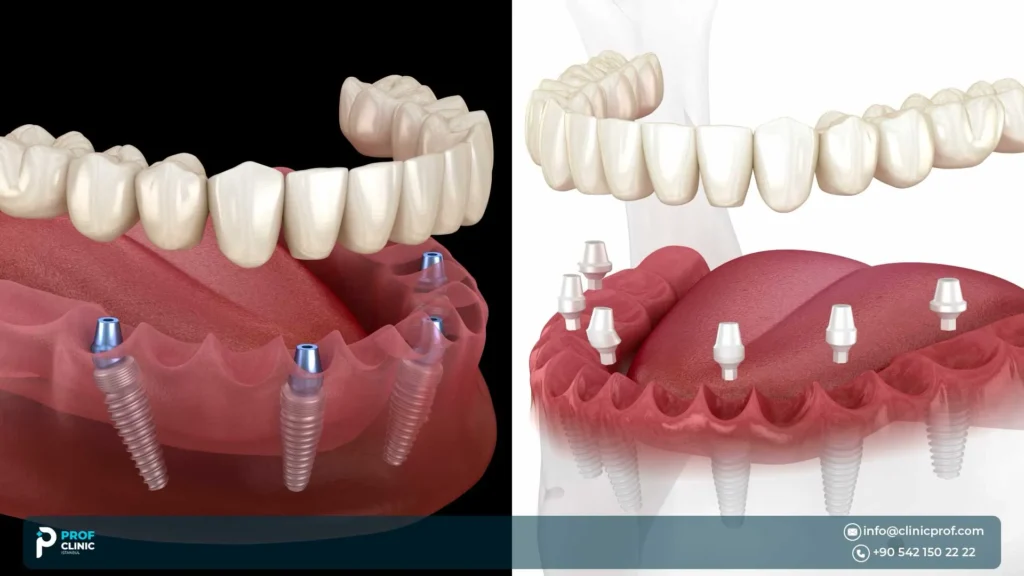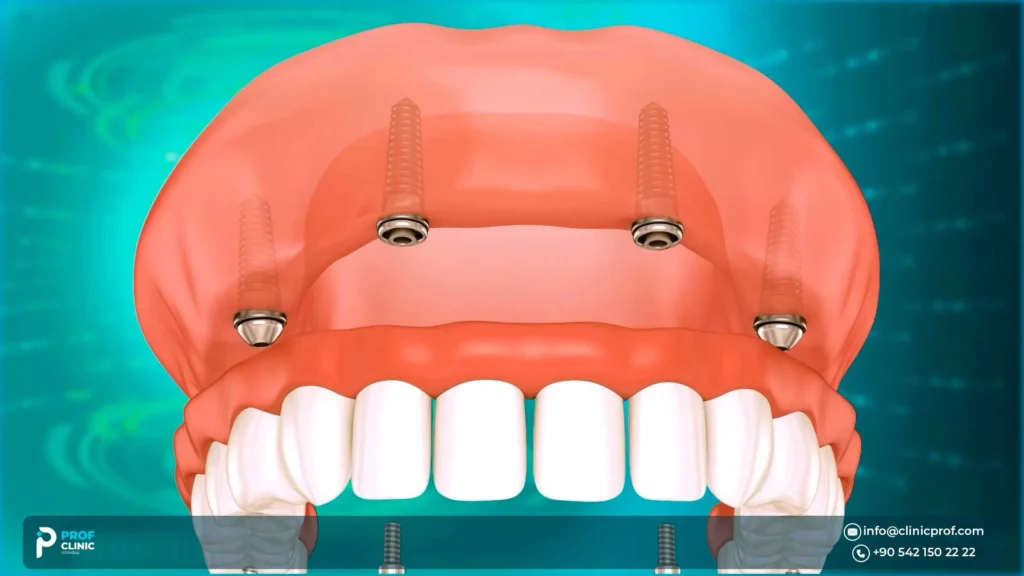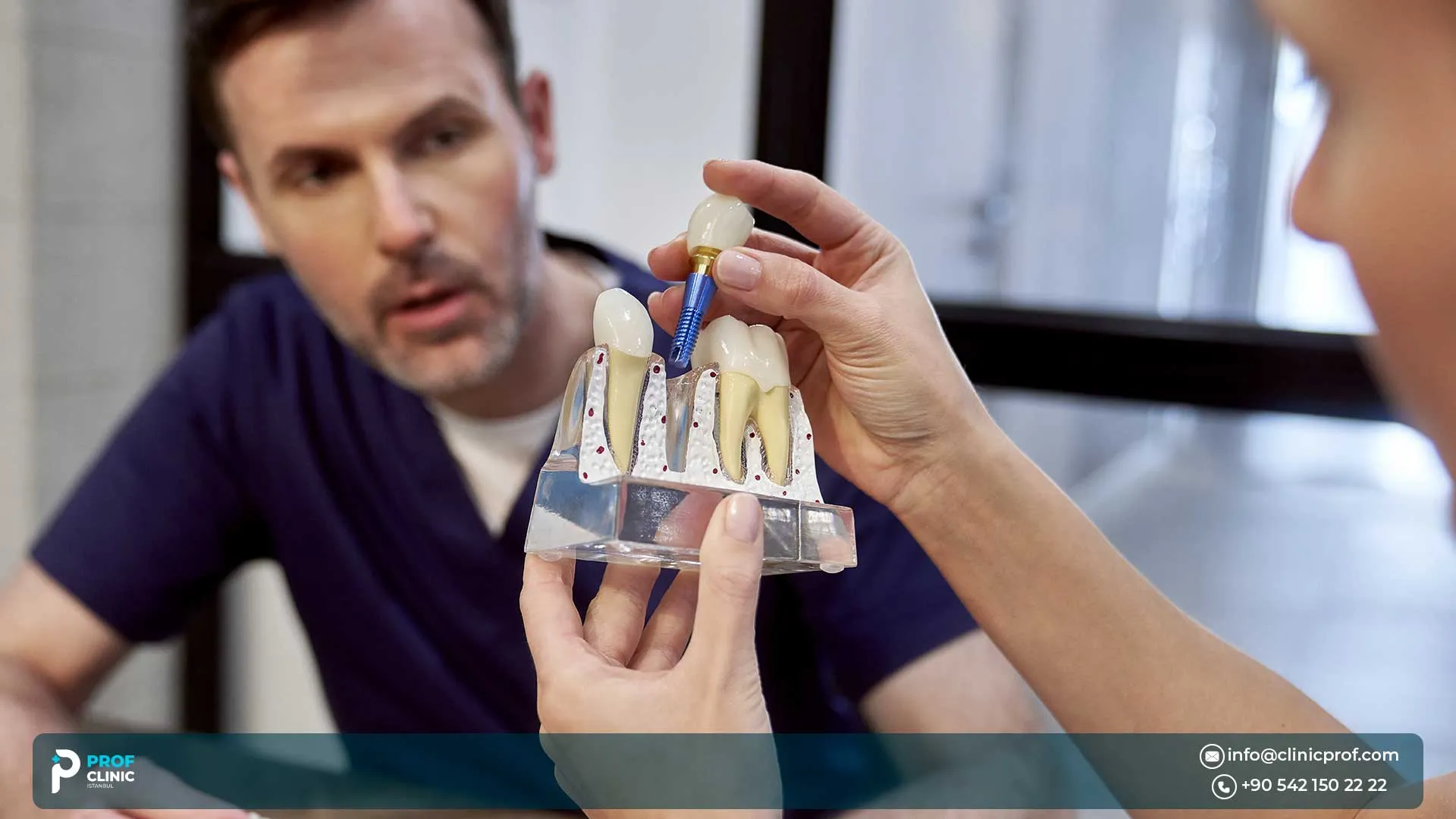
Choosing dental implants can feel overwhelming when you are trying to judge both the treatment plan and the clinic behind it. The right questions help you move past sales talk and understand whether the recommendation truly fits your mouth, health, timeline, and budget.
In this article from Prof Clinic in Istanbul, you will find the most important questions to ask implant dentist before treatment, from candidacy and scans to options, risks, recovery, and cost. The goal is to help you compare answers more confidently and make a better-informed decision before you commit.
This article is for education only and does not replace a dental exam, medical history review, or imaging when needed. Implant treatment should be confirmed by a qualified clinician after a proper assessment.
Why does asking the right questions matter before treatment
Searching for questions to ask your implant dentist usually means you are past the basic “what is an implant?” stage. You are trying to decide whether a treatment plan feels safe, logical, and worth your time, travel, and money. That is exactly the right mindset, because dental implant treatment should be planned around your mouth, your health history, and the condition of your jawbone, not around a generic sales script.
The goal of a consultation is not just to collect a list of answers. It is to understand whether the answers are specific to your case: what the clinic checked, why one option was recommended, what alternatives exist, and how follow-up will work. A useful way to use this guide is to compare those answers against the planning information shown on our dental treatment pages, especially the sections on imaging, staged care, and aftercare.
If you are already comparing clinics from abroad, gather any recent X-rays, scans, or dental records before the consultation. If you want a written case review rather than a generic discussion, the confidential consultation form is a practical way to send those records in advance.
Questions about candidacy and diagnosis
Before you ask about speed, comfort, or cost, ask whether implants are suitable for you right now. A responsible consultation should review gum health, bone support, medical history, smoking, healing factors, and whether any supporting treatment is needed before an implant is placed.
Am I a good candidate for dental implants right now?
Ask this early: “What makes me a good or poor implant candidate in my case?” A reassuring answer should cover your gum condition, jawbone support, oral hygiene, bite, and whether factors such as smoking or uncontrolled health conditions may affect healing.
Also ask what needs to be handled first. You may hear that your gums need treatment, that an extraction should heal first, or that bone support needs a closer look. That does not automatically mean implants are off the table. It usually means the clinic is thinking in stages rather than rushing to placement too early.
Once candidacy is clear, the next useful internal step is the Dental Implants in Turkey service page, where the treatment path and staged options are explained in more detail.
What exams, scans, or preparatory treatments do I need?
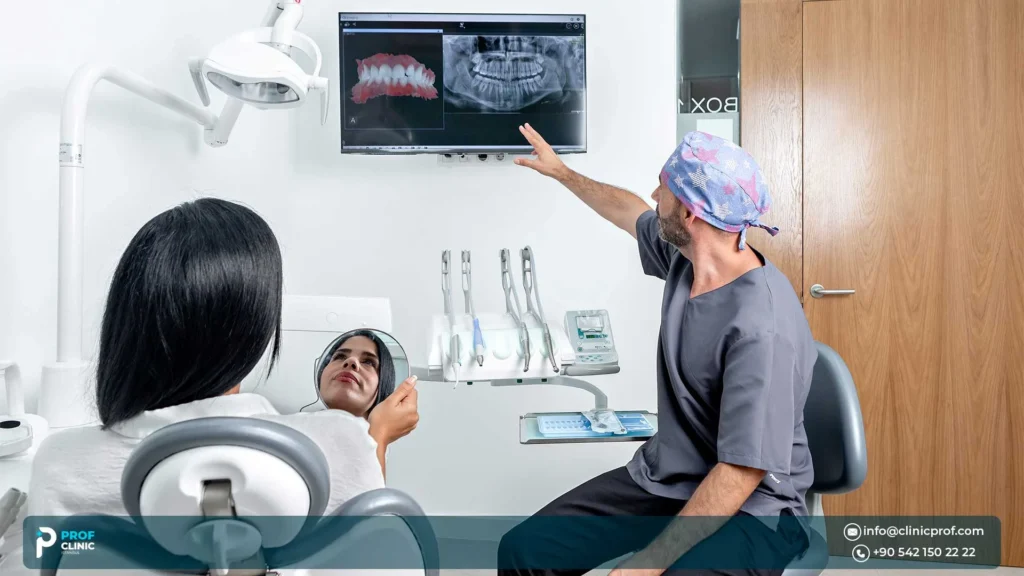
One of the most important implant consultation questions is not “What do you recommend?” but “How did you reach that recommendation?” Depending on the case, proper planning may include a clinical exam, imaging, review of surrounding structures, bite assessment, and a written treatment sequence.
Useful follow-ups include: Do I need a new X-ray or scan? Is my bite being assessed? Do I need gum treatment, extraction, or bone preparation first? Could any extra step change the timeline? A strong clinic should be comfortable turning those answers into a written plan rather than leaving you with a vague verbal estimate.
Related guide: All-on-4 vs All-on-6: Which is Right for You?

Questions about the dental treatment plan and alternatives
Not every missing-tooth case is solved the same way. Depending on your anatomy and goals, a dentist may discuss implants alongside bridges, dentures, or different implant-based solutions. Even when implants are the preferred route, the right plan still depends on function, bone, esthetics, and the number of teeth being replaced.
Which dental implant solution do you recommend, and why is it right for me?
A practical way to phrase this is: “Why this plan for me, and what are my alternatives?” Ask what the clinic is recommending, why it fits your mouth, what trade-offs come with other options, and whether you are discussing a temporary tooth, a temporary bridge, or the final restoration.
A strong answer usually sounds individualized: based on your scan, bite, gum condition, and priorities, this option may offer the best balance of support, esthetics, number of visits, and maintenance. A weak answer sounds universal, avoids alternatives, or treats every patient as the same.
Related guide: One-Stage vs Two-Stage Dental Implants
Do I need bone grafting, gum treatment, or another step first?
If the dentist mentions bone grafting, sinus lift, or gum treatment, do not assume something has gone wrong. Sometimes those steps are simply part of responsible planning. Bone grafting may be necessary when the jawbone is too soft or not thick enough to support an implant properly.
The better question is: “Why is this step needed in my case, and what changes if I delay it?” You should also ask how that added step affects healing time, total visits, and the order of treatment. Some patients need supporting treatment, such as bone grafting or sinus lift before implant placement.
Related guide: Subperiosteal Dental Implants: Fixed Teeth Without Bone Graft
Questions about the dentist and treatment team
Your result depends on both planning and execution, so ask who performs the surgery, who handles the final restoration, whether the treatment is done fully in-house, and who you contact if you have concerns after the procedure. These questions are simple, but they reveal how organized and transparent a clinic really is.
This is also the stage where trust should move beyond general promises. Ask to see relevant before-and-after cases and review the Medical Team page alongside the Before and After gallery so you can compare credentials, disciplines, and case examples against the proposed plan.
Before choosing a provider, write down the case-specific questions that remain after that review. The goal is not to be impressed by presentation alone, but to see whether the evidence you are shown actually matches the treatment logic being proposed.
Questions about dental timeline, procedure day, and comfort
This is often where patients want the most clarity. Ask how many visits are expected, what happens on procedure day, whether a temporary tooth or bridge is likely, and how long healing may take in your case. The implant treatment may involve more than one stage and that much of the overall timeline is spent healing and waiting for bone integration.
Ask for a written timeline, not just “it depends.” Prof Clinic’s implant education content discusses both immediate-load and delayed-loading pathways, and its one-stage vs two-stage guidance helps you ask whether the clinic means surgical stages, restorative stages, or both.
For comfort, ask what kind of anesthesia or sedation is planned, what you should do before the appointment, and what discomfort is normal afterward. The separate article on whether dental implants hurt is a useful support page if procedure anxiety is one of your biggest concerns.
Related guide: Does Getting Dental Implants Hurt? Before, During & After
Questions about dental risks, recovery, and long-term care
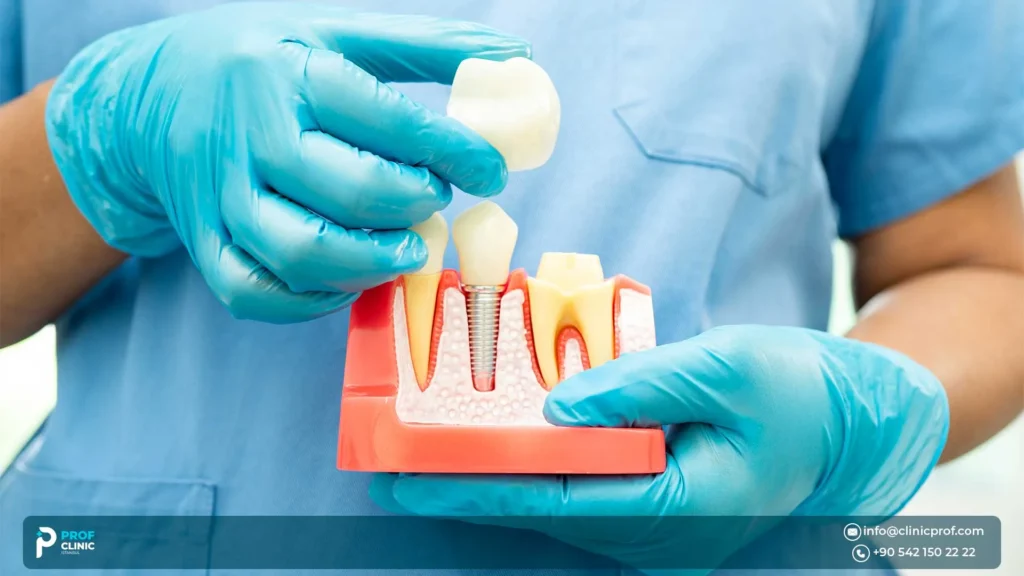
A trustworthy implant consultation does not pretend risk is zero. It explains risk clearly and calmly. Ask: “What are the main risks in my case?” “What should I watch for after surgery?” “What happens if healing is slower than expected?” Infection, damage to surrounding structures, nerve-related symptoms such as numbness or tingling, and sinus issues in some upper-jaw cases among the recognized risks of dental implant surgery.
Recovery questions should also cover hygiene, smoking, maintenance visits, and long-term monitoring. It is noted that active gum disease should be treated before implants and that smoking can slow healing, affect gum health, and increase the chance of implant-related problems.
A helpful answer separates what is common after surgery from what should trigger a call to the clinic.
Related guide: Dental Implants Without Surgery: Is It Possible?
Questions about treatment cost, inclusions, and follow-up policy
By the time you discuss cost, you should already understand candidacy, stages, and likely add-ons. Ask for an itemized written plan instead of a headline number. That plan should make clear what is included now, what may be added later, and which parts depend on findings from the exam or scan.
For international patients, three extra questions matter: How many trips are likely in my case? What happens between visits? How is follow-up handled after I go home? These questions help you understand logistics and accountability, not just price.
On guarantees, look for clarity rather than big promises. Implant treatment is individualized, and a reliable clinic should explain what is included, what may change if supporting treatment is needed, and what the follow-up policy is if healing does not go exactly as expected. If you want broader price context before consultation, the separate cost guide can help you understand the variables behind pricing.
Once you understand the inclusions and follow-up policy, you can request a case-specific written quote through the booking page or contact page rather than relying on generalized pricing alone.
How to compare answers and choose the right dental implant clinic
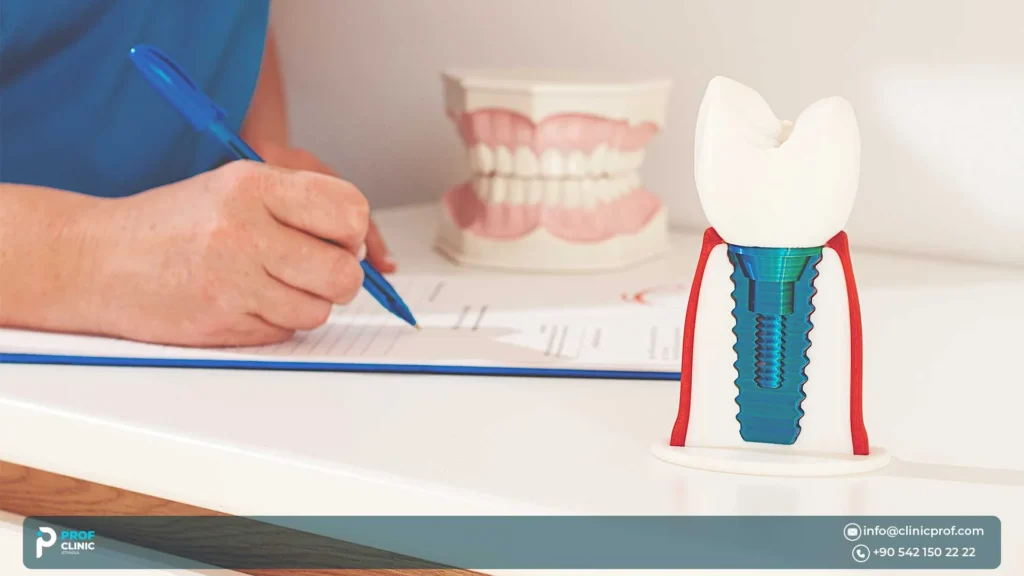
The difference between a reassuring consultation and a vague sales consultation is usually simple: one is built around diagnostics, case logic, and follow-up; the other is built around urgency and broad promises. The safest way to compare clinics is to judge the quality of the answers, not just the friendliness of the conversation.
| Question theme | Why it matters | Good answer signals | Red flags |
| Candidacy | Confirms whether implants are suitable now | Reviews gums, bone, history, smoking, and healing factors | “Everyone is a candidate” with no real assessment |
| Diagnostics | Shows how the plan was built | Explains exam findings, imaging needs, and sequence in writing | Recommendation given before proper records or imaging |
| Treatment options | Helps you compare real alternatives | Explains why this option fits your mouth and goals | One-size-fits-all advice with no alternatives |
| Team and responsibility | Clarifies who is doing what | Names the treating team and who handles follow-up | Unclear on who performs surgery or solves problems |
| Timeline and recovery | Helps you plan visits and expectations | Distinguishes surgery stages, healing, and temporary vs final teeth | Vague timing and no written timeline |
| Cost and follow-up | Prevents unpleasant surprises | Itemized plan, clear inclusions, and honest policy | Pressure to commit before details are documented |
This framework is a practical synthesis of the safety, planning, and follow-up points above.
Bring these questions to your consultation
- Am I a good candidate right now, and why?
- What exam findings or scans support this recommendation?
- What are my alternatives, and what are the trade-offs?
- Do I need gum treatment, bone grafting, or another step first?
- Who performs each stage of treatment?
- How many visits are likely, and what happens between them?
- What are the main risks in my case?
- What is included in the written plan and what could change?
After you compare answers, the next step is to request a personalized plan only if you want your scans reviewed in context. Prof Clinic offers a free consultation form, a contact page, direct phone contact, and a booking page. You can also review the main Prof Clinic Turkey website before deciding whether to move forward.
FAQs about questions to ask implant dentist
What should I bring to a dental implant consultation?
Bring any recent X-rays or scans, a list of medications and supplements, relevant dental history, and your top questions. A strong consultation should review your health history and, when needed, imaging before confirming a final treatment plan.
How do I know if an implant dentist is experienced enough?
Ask who performs each stage, what similar cases they handle, and whether they can show relevant before-and-after examples. Reviewing the clinic’s Medical Team page and case gallery helps you compare visible proof with the written treatment plan.
What if I need bone grafting before implants?
That does not automatically rule implants out. It often means the dentist wants to create a more stable foundation before placement.
How many visits do I usually need if I travel for implant treatment?
It depends on your case, healing needs, and whether your plan includes immediate or delayed stages. The right question is not just “How many trips?” but “What is the written visit plan for my case, and how will follow-up be handled after I return home?”