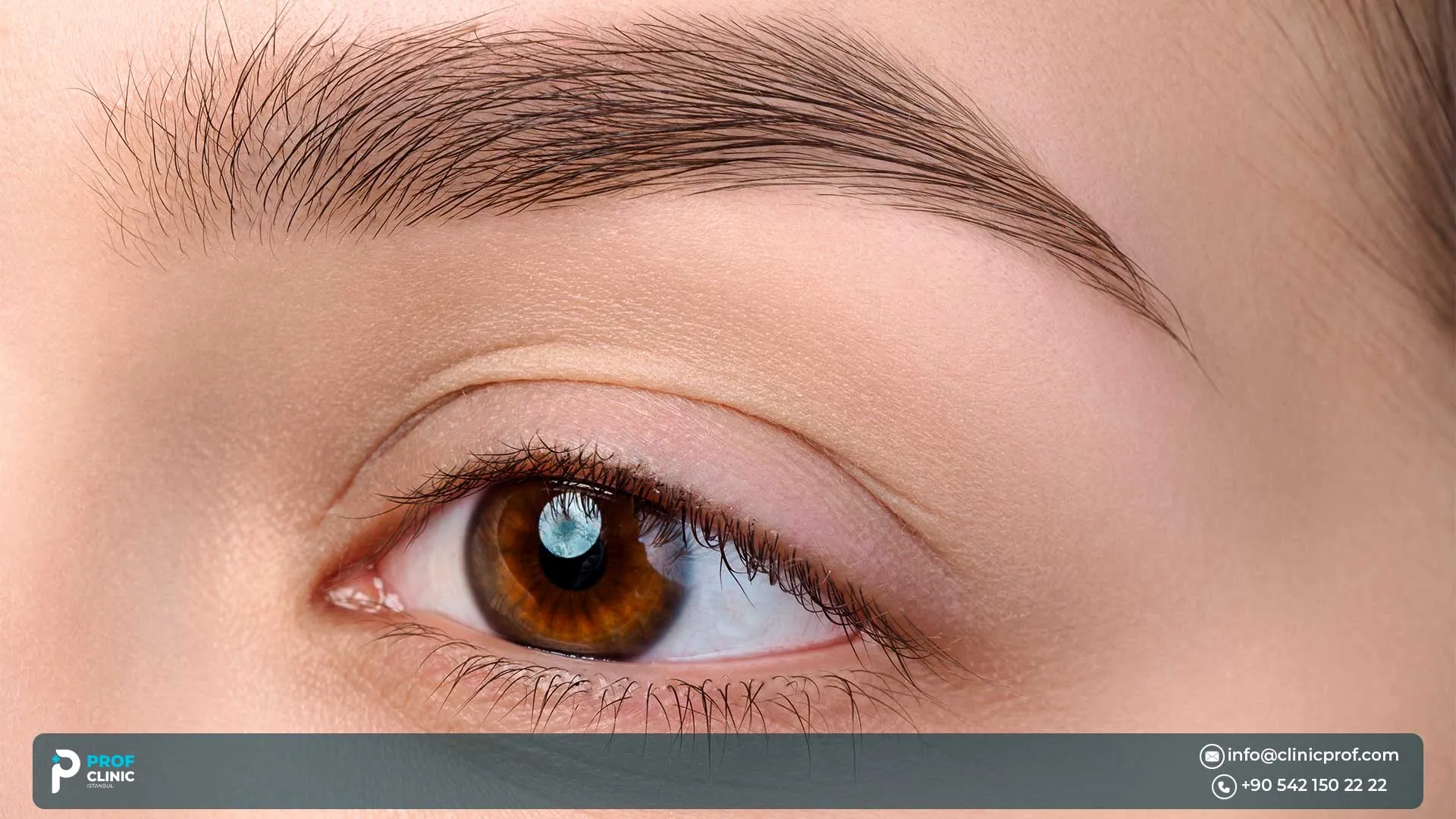
Is eyebrow hair transplant permanent? In most cases, transplanted follicles can provide long-term growth because they are living tissue moved from the scalp.
The trade-off is maintenance: the hair may grow longer than natural brow hair, so trimming and styling are typically required.
Below, we break down the timeline, success factors, and what results can look like years later.
What Does Permanent Mean in Eyebrow Transplantation?
In the world of aesthetics, permanent is a term that is often overused, but for an eyebrow transplant, it has a very specific biological meaning. Unlike microblading or tattooing—which are essentially pigments that fade—a transplant moves living tissue that is genetically programmed to stay.
To understand why this procedure is considered a lifelong solution, think of it in two ways:
- The Follicles are Permanent: The hair is harvested from the “permanent zone” of your scalp (the back of the head). These follicles are naturally resistant to thinning and falling out. Once they successfully “take” in their new home, they will continue to produce hair for decades, often for the rest of your life.
- The Scalp Identity is Permanent: This is the part many people overlook. Because these follicles are originally from your scalp, they don’t “know” they have been moved to your face. They will continue to grow at the same speed and length as the hair on your head.
How long does an eyebrow hair transplant last?
When you ask how long it lasts, the answer is “forever.” But the road to that forever requires about a year of patience. However, reaching that permanent state requires passing through a specific maturation timeline.
The Lifecycle of Your Permanent Result
To ensure your transplant lasts decades, your body goes through four distinct stages:
- The Anchor Phase (Days 1–10): Your new brows are establishing a vital blood supply. You may see redness and tiny scabs. These are normal signs of “anchoring.” Crucial Rule: Avoid rubbing; early healing is important, but long-term survival is assessed over months.. (Cleveland Clinic)
- The “Shock Loss” Reset (Weeks 2–6): This is the #1 reason patients fear an eyebrow hair transplant gone wrong. You will likely see eyebrow transplant hair falling out, but don’t panic. The hair shaft sheds, but the permanent follicle remains healthy beneath the skin, preparing for long-term growth.
- The Re-Emergence (Months 3–4): The “resting” follicles wake up. New hairs begin to break through the surface, often appearing thin or uneven at first as they stabilize.
- Aesthetic Maturation (Months 12–18): This is the “final” look. By the one-year mark, the hair has thickened and settled into a natural flow. While the results are biologically permanent, the texture often continues to refine for up to 18 months.
Also read: Is Eyebrow Hair Transplant Permanent? Longevity, Success Rate & Maintenance
What Determines Long-Term eyebrow transplant Success?
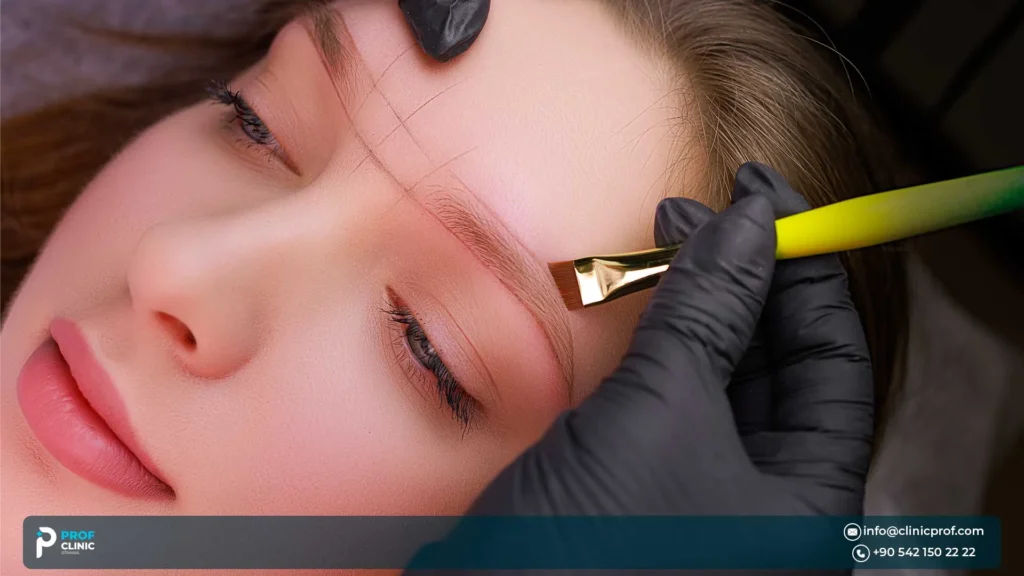
While an eyebrow transplant is biologically permanent, its long-term success is measured by two standards: how many hairs survive (Graft Survival) and how natural they look over time
1. How Many Hairs Stay?
Eyebrow transplants are highly reliable. Research on eyebrow reconstruction indicates a mean graft survival rate of approximately 85%, with many top-tier cases reaching 90%.
This means the vast majority of moved follicles will successfully “take” and produce hair for a lifetime.
What Affects Long-Term Density and Naturalness?
For your results to look natural in five or ten years, several “unforgiving” technical factors must be perfect from day one:
- Precision Angulation: Eyebrows require a very specific, shallow angle. If the direction is off by even a few degrees, the hair will look “lifted” or messy permanently. True success depends on the hair lying flush against the skin.
- Donor Selection: Using only fine, single-hair follicles is the gold standard. Thicker “multi-hair” grafts (common in scalp surgery) look unnatural in the brow area and can create a “pluggy” look that doesn’t improve with time.
- Skin & Tissue Health: The quality of the skin in your brow area—such as the presence of old scarring or active inflammation—can impact how well the follicles thrive long-term.
- Lifestyle & Aftercare: During the critical first 14 days, avoiding friction or trauma to the grafts is vital. Long-term, habits like smoking can impair blood flow, which may slowly decrease the density of your transplanted hair over many years.
A 90% survival rate is a great number, but remember: a”successful transplant is one where 100% of those surviving hairs are pointing in the right direction. Permanent hair is only a success if it looks like it grew there naturally.
Also read: Eyebrow Transplant for Scars & Alopecia: Specialized Restoration Solutions
How Your Brows Evolve Over Decades
Because an eyebrow hair transplant uses permanent scalp follicles, the results don’t “expire.” However, your face and hair will naturally evolve over the decades. Here is what the long-term reality looks like:
At 5 Years
By year five, your transplanted brows are fully mature. If your hair loss was not caused by an active medical condition, your density should remain consistent. The only “forever task” is the weekly trimming and grooming required to manage the scalp-like growth rate.
At 10 Years
Your transplanted hair will age just like the hair on your head. You may notice:
- Texture Changes: Hair might become slightly coarser or start to gray.
- Native Thinning: While the transplanted hairs stay, your original (native) brow hairs may continue to thin naturally, which might change the overall look.
At 20 Years
Two decades later, the follicles are usually still producing hair, but the “frame” of your face has changed. Skin laxity and shifts in brow position are natural parts of aging. Some patients choose a small “touch-up” at this stage to refine the symmetry or adjust the shape to better fit their maturing facial features.
Long-term satisfaction isn’t about having “frozen” brows that never change; it’s about having a permanent foundation. Your transplant provides the hair—your grooming and natural aging define the character.
Does Eyebrow Transplant Hair Grow Long?
The short answer is yes. Because the transplanted follicles originate from your scalp, they retain their “genetic memory.” This means they will continue to grow at the same rate and length as the hair on your head.
Managing the Scalp Hair Behavior
Since your new eyebrows won’t stop growing at a natural brow length, a simple maintenance routine is a permanent requirement for long-term success:
- Weekly Trimming: Most patients need to trim their transplanted hairs every 7–10 days to keep them at a natural length.
- Directional Training: Using a clean spoolie (brow brush) and a clear brow gel helps “train” the scalp hair to lay flatter against the skin over time.
Why Eyebrow Transplant Hair Sticks Out
If your transplanted hair appears “spiky” or stands away from the face, it is usually due to one of these three factors:
- Improper Angulation: Eyebrows require an extremely shallow, almost flush angle. If the grafts were placed too upright during surgery, the hair will naturally stick out.
- Texture Mismatch: Scalp hair is often coarser than native brow hair. In the early stages, this can make the hair look wiry or stubborn.
- Early Maturation: New growth is often stiff. As the hair cycles repeat (around the 12-month mark), the hair often becomes softer and easier to manage.
Don’t mistake “long growth” for a failed transplant. It is a sign of a healthy, living follicle. If the direction is correct, a 10-second trim once a week is all that stands between you and a perfect, permanent result.
Also read: Hair Implant vs Hair Transplant (Full Guide)
When Eyebrow Transplant Results Don’t Last
An eyebrow transplant is biologically permanent, but its “forever” status depends on the health of your skin. Here is why some results don’t last:
- Medical Red Flags: Even the best grafts can fail if you have active Frontal Fibrosing Alopecia (FFA) or Alopecia Areata. If your body is actively attacking your hair follicles, hair loss may recur and can affect transplanted follicles if the condition is active.
- Medical vs. Aesthetic Failure: An eyebrow hair transplant gone wrong usually falls into two categories: rare medical issues like infection/folliculitis (Frontiers), or aesthetic errors like “pluggy” density and incorrect hair direction.
To ensure your results are truly permanent, your hair loss must be stable for 12–24 months before surgery. A lifelong result requires healthy skin, not just a skilled surgeon.
Also read: How to Choose a Hair Transplant Clinic in Turkey
How to Choose the Right Clinic for an Eyebrow Hair Transplant
Choosing where to have your eyebrow transplant is the most critical factor in avoiding a result that looks fake or pluggy. At Prof Clinic in Turkey, we believe that because the results are permanent, the precision must be absolute.
To ensure your lifelong results look natural, your chosen clinic must provide:
- Brow-Specific Expertise: Eyebrows are not “mini scalp transplants.” They require a unique, flat angulation. At Prof Clinic, our specialists focus on the acute angles (often less than 15 degrees) required for the hair to lay naturally against the skin. (PMC)
- Medical Stability Check: We prioritize your long-term health. Our team screens candidates to ensure brow loss is stable (12–24 months) before proceeding, protecting you from future thinning. (NCBI)
- Bespoke Design Plan: Every face is different. We don’t use templates; we design the “head, body, and tail” of your brows based on your unique bone structure and natural hair texture.
Why Prof Clinic in Turkey is the Trusted Choice
We understand the emotional weight of facial procedures. That is why Prof Clinic offers:
- Transparent Portfolios: Healed results showing the real “mature” look, not just immediate post-op photos.
- Specialized Donor Selection: We select the finest single-hair follicles to mimic natural brow hair density.
- Comprehensive Aftercare: A clear roadmap for the trimming and “training” phase to ensure your permanent brows look perfect.
Not sure if you are a candidate? Our medical team at Prof Clinic will provide a free review of your suitability and discuss your ideal shape and direction.
Book Your Consult at Prof Clinic Turkey
Also read: Eyebrow Hair Transplant Recovery: Timeline, Aftercare & Hair Growth Explained
Also read: Why Do People Go to Turkey for Hair Transplants?
FAQs about Eyebrow Hair Transplant
1) What are eyebrow hair transplant side effects, and how long do they last?
Expect mild swelling, bruising, and tiny scabs for about 7–10 days. (Cleveland Clinic) At Prof Clinic, our specialized aftercare protocols are designed to minimize these effects and speed up your recovery time.
2) Is eyebrow hair transplant surgery painful?
No. We use local anesthesia to ensure the area is completely numb during the procedure. Any post-surgery tenderness is typically mild and easily managed with standard pain relief guided by our medical team.
3) Why is my eyebrow transplant hair falling out?
This is a normal phase called “Shock Loss.” Between weeks 2 and 6, the hair shafts shed so the follicles can reset. The living follicles remain permanent under your skin and will begin growing your new, lifelong brows within 3 to 4 months