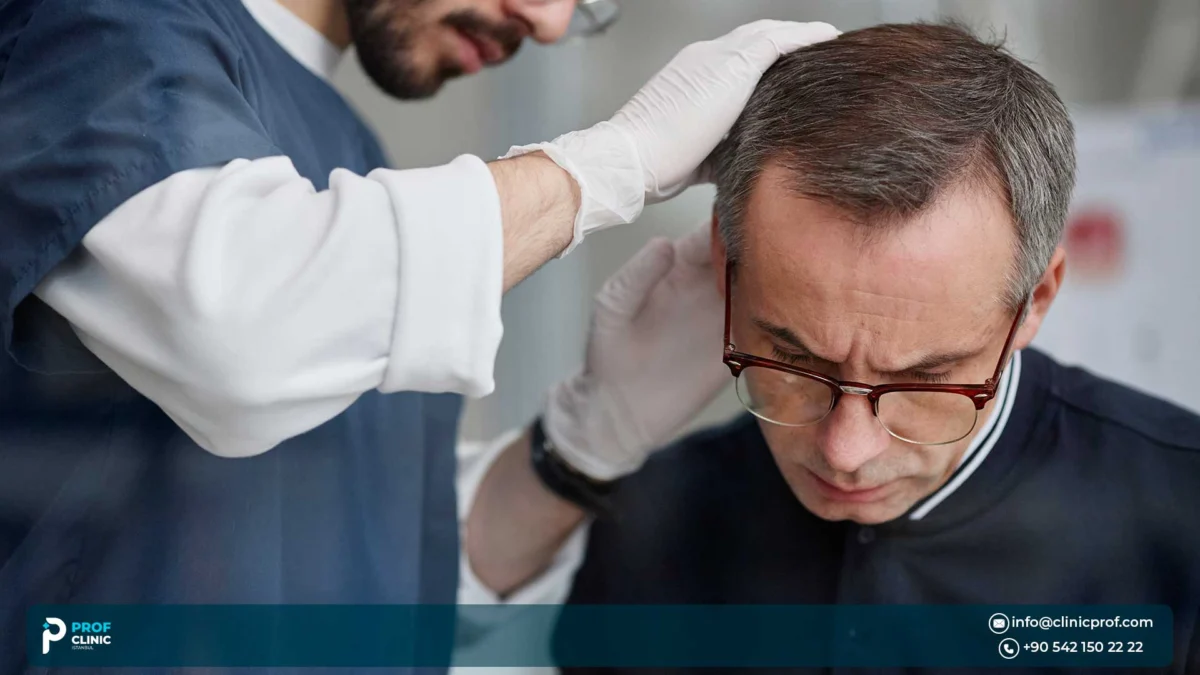
Why do people go to Turkey for hair transplants? Mostly because the same core procedure usually costs far less there than in the UK, Western Europe or the US, and it comes bundled with the hotel, airport transfers and aftercare in one package. Add Istanbul’s flight connections and a large number of clinics that focus on hair restoration, and it’s easy to see why Turkey is the first country many people think of.
Cost isn’t the whole story, though, and it isn’t a reason to book on its own. In this guide by Prof Clinic, you’ll learn why people go to Turkey for hair transplants, how hair transplant medical tourism is regulated, where the real risks lie and what a typical trip to Istanbul looks like. By the end, you’ll know whether travelling makes sense for you and which questions separate a careful clinic from a fast one.
Why Do People Go to Turkey for Hair Transplants? Five Main Reasons
Five practical reasons come up again and again: price, packaging, experience, technique and access. None of them explains the trend alone. Together, they make a trip to Istanbul feel simpler than having the procedure at home.
A 2025 review in Aesthetic Plastic Surgery by a Mayo Clinic team describes Turkey, and Istanbul in particular, as the epicentre of hair transplant tourism, with the industry generating about US$1 billion a year. The authors link that growth mainly to substantially lower costs and appealing all-inclusive packages.
1. A Lower Price for the Same Core Procedure
Cost is the reason most patients mention first. The ISHRS attributes Turkey’s lower prices to competition between clinics, lower operating costs and cheaper labour, rather than to a different kind of surgery. The steps are the same as anywhere else: follicles are removed from the donor area and placed where hair is thinning. What changes is the cost of delivering those steps.
Also read: Hair Transplant Cost Turkey vs USA: Price, Quality and Safety
2. All-Inclusive Packages That Simplify the Trip
Many Istanbul clinics sell a hair transplant as a package rather than a procedure. A typical package covers the procedure, pre-operative blood tests, medication and an aftercare kit, the hotel stay and VIP airport and hotel transfers. You deal with one team and one price instead of booking every piece yourself.
What it means in real life: for someone travelling abroad for treatment for the first time, the package removes most of the planning. It also makes quotes easier to compare, as long as you check line by line what each one includes. Our guide to what a hair transplant package in Turkey includes shows what is usually covered and what often costs extra.
3. High Volume and Clinics That Focus on Hair
Turkey has many clinics that do little besides hair restoration, so their teams repeat the same steps every day. That routine is part of the appeal. However, the same Mayo Clinic review warns against the common perception that high surgical volume automatically equals expertise. Volume is a reason to look at Turkey, not a reason to trust any single clinic.
4. Modern Techniques Are Widely Available
Clinics offering a hair transplant in Turkey usually work with FUE (follicular unit extraction), DHI (direct hair implantation) and Sapphire FUE. In FUE, individual follicles are taken from the back and sides of the scalp. DHI uses a pen-like implanter to place them directly, and Sapphire FUE uses sapphire-tipped blades to open the channels. These are variations on the same principle, and none is better for everyone. Your donor area, hair type and the size of the area to cover decide which one fits.
5. Easy Access to Istanbul and a Short Stay
Istanbul is a major flight hub, with direct routes from across Europe, the Gulf, Africa and North America. According to the NHS, the surgery itself usually takes one day, with no overnight stay. That means most of the trip can fit into a long weekend plus a day or two, which is far easier to arrange than a long stay abroad.
Why Is Turkey Famous for Hair Transplants?
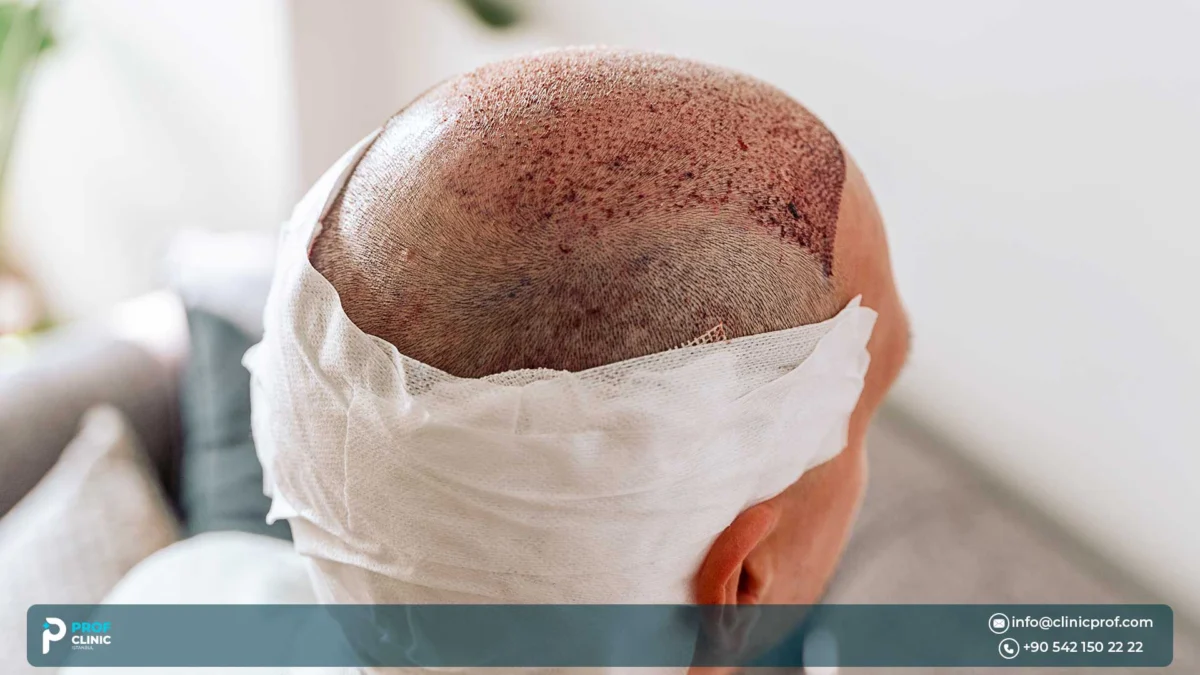
Turkey is famous for hair transplants because of scale and visibility. As more patients travelled, their before-and-after photos, forum threads and social media posts spread the country’s name faster than any advert could. The sight of men flying home from Istanbul with a freshly drawn hairline and a bandage became so familiar online that “going to Turkey” is now shorthand for getting a hair transplant.
It helps to think of it as a price, package and proof loop. Lower prices attract patients, packages make the trip easy, and every visible result persuades the next person to look. Each turn of the loop makes the country better known, which brings in more clinics and more competition on price.
The loop also explains why the trend is so male. The ISHRS 2022 Practice Census found that men accounted for 87.3% of surgical hair restoration procedures. With so many men affected by pattern hair loss, it’s no surprise that searches like “why do men go to Turkey for hair transplants” are so frequent.
Fame is not the same as quality control, though. The reputation belongs to the country as a whole, while your result depends on one doctor, one team and one plan.
Medical Tourism and Hair Transplantation in Turkey: How It Is Regulated
Health tourism in Turkey falls under the Ministry of Health, and the UK government’s travel advice notes that the Ministry lists its approved providers on the HealthTürkiye website. The same advice adds that the UK Foreign Office does not endorse any individual practitioner or facility, so checking a clinic remains your job.
In December 2023, three UK bodies (BAHRS, BAAPS and BAPRAS) and the Turkish Society of Plastic, Reconstructive and Aesthetic Surgeons issued joint minimum guidelines for patients considering hair transplant surgery in Türkiye. They expect patients to have:
- A real consultation: you meet the doctor who will perform the surgery, and that doctor recommends the harvesting method, the number of grafts and the hairline design.
- Time to decide: two weeks to consider the plan and the consent form before paying anything.
- Honesty about who operates: you are told at the first consultation if anyone other than a doctor, including a technician, will make the skin incisions.
- Follow-up by the operating doctor: the same doctor reviews your progress and final result, with a clear complaints process.
- A plan for complications: systems to deal with problems such as infection, cysts, skin necrosis or altered sensation, in and out of working hours.
Why this matters to you: these five points work as a practical test for any clinic, in Turkey or elsewhere. A clinic that answers them clearly and in writing is showing you how it works before you arrive.
Is the Lower Price Reason Enough? What the Gap Reflects
The lower price is the reason patients mention most, and it is real: an all-inclusive package in Istanbul falls between about €1,800 and €3,500. The NHS, which doesn’t fund hair transplants because they are cosmetic surgery, says UK prices range from £1,000 to £30,000 depending on the extent of hair loss, the procedure and the clinic. A price gap is a reason to look at Turkey, not a reason to book. The Mayo Clinic review cautions that large price variations may correlate with differences in resources, surgeon experience, technology and safety protocols.
So treat the quote as a starting point and compare what stands behind it:
- What is included: the procedure, blood tests, medication, hotel and transfers, each listed in writing.
- Who performs each step: a doctor or a technician, and how follow-up works once you are home.
- Graft number and donor area: two offers with a similar total can differ widely in how many grafts they plan.
- Costs outside the quote: flights, time off work, a possible return visit and insurance gaps.
Istanbul prices are approximate 2026 averages. They are not final and depend on your case after assessment. A written quote comes only after the doctor has reviewed your photos. For a country-by-country comparison, see Hair Transplant Turkey vs UK.
Also read: Hair Transplant Cost in Turkey 2026: Average Prices & Drivers
Want to know what your own case would cost? Send clear photos of your hair loss and ask for a written, itemised quote that shows what’s included and what isn’t.
Hair Transplant Medical Tourism Risks You Should Know
The main risks of hair transplant tourism don’t come from the country itself. They come from who performs the surgery, how much donor hair is used and what happens after you fly home.
Here are the risks worth understanding before you book:
- Unqualified operators: in the ISHRS 2022 census, 51% of ISHRS members reported black market clinics in their cities, and 5.4% of patients sought repair of earlier surgery in 2021, up from 4.2% in 2019. The ISHRS describes technicians performing surgery on their own, sometimes under a doctor’s nominal supervision.
- Marketing over medicine: the Mayo Clinic review documents aggressive digital marketing, bait-and-switch practices and a lack of standardised, consistent outcome reporting across the industry. It adds that the distress of hair loss, and a false perception of a transplant as a minor procedure, leave patients vulnerable to marketing that downplays risks.
- Thin oversight: the same review describes a permissive regulatory environment with little standardisation, oversight or consistent reporting, which it calls a “data black hole”. It also notes that the industry can offer effective solutions and high graft survival in some centres.
- Damage that can’t be undone: the ISHRS warns that some harm, such as permanent loss of hair follicles, cannot be reversed.
- Limited care once you’re home: UK government guidance points out that follow-up care may be harder to reach, and that the Foreign Office usually can’t help with problems in planned private treatment.
For context, the NHS describes a hair transplant itself as generally safe. Its listed risks include bleeding, infection, an allergic reaction to the anaesthetic, a transplant that doesn’t take and a noticeable scar. In short, the procedure carries modest risks; the setting around it is what varies.
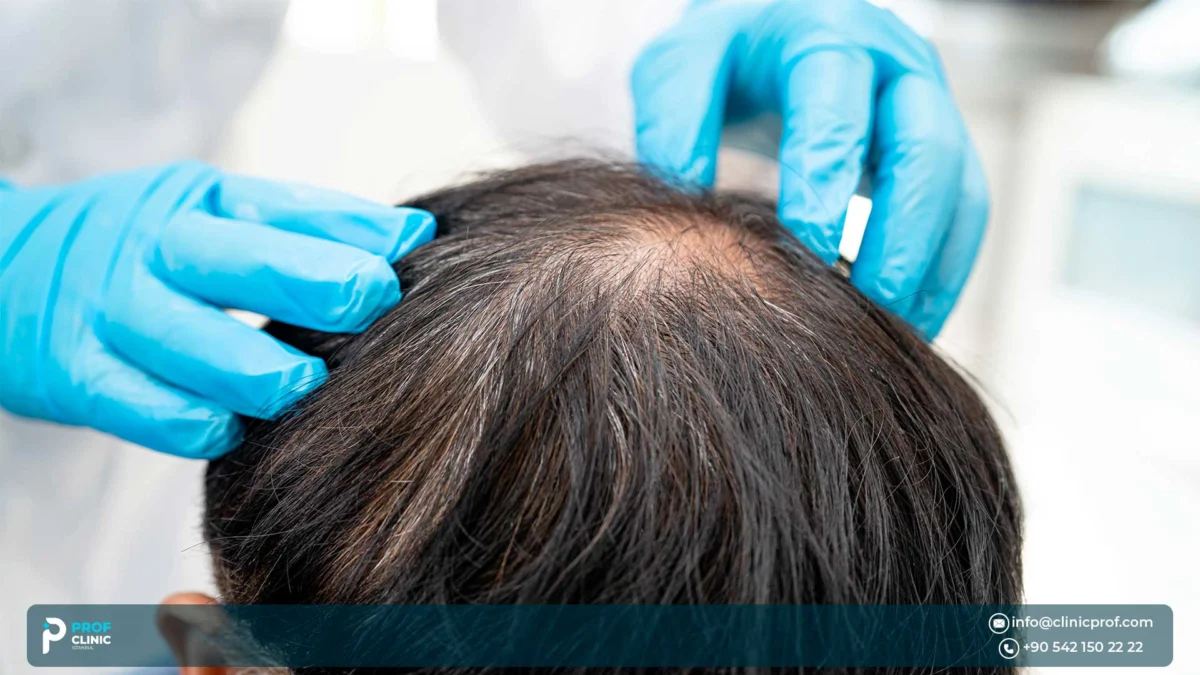
Is It Safe to Get a Hair Transplant in Turkey?
Yes, it can be, provided you choose the clinic for its doctor, its planning and its follow-up rather than its price. The procedure itself is generally low-risk when it is properly done. Safety comes from the clinic you choose, not the passport stamp.
Before you pay a deposit, check these points:
- The doctor and the incisions: who assesses you, will you meet them before the day of surgery, and who extracts the grafts and opens the channels, a doctor or a technician?
- The plan: how many grafts are planned, does your donor area support that number now and in the future, and which blood tests and health checks come first?
- The quote: do you have it in writing, with the inclusions and exclusions spelled out?
- The aftercare: who answers your questions after you fly home, and how?
- The insurance: UK guidance notes that standard travel insurance usually doesn’t cover elective surgery abroad or later complications, so check your policy first.
For a longer checklist, see our guide on how to choose a hair transplant clinic in Turkey.
Comparing clinics right now? Send us your questions on WhatsApp and ask who would assess you and who would perform your procedure.
Why Choose Turkey for a Hair Transplant, and When Not To?
People choose Turkey when price, a ready-made package and experienced teams matter most to them, but it is not the right choice for everyone. The decision should rest on your hair loss, your donor area and your ability to travel and follow aftercare, with price as one factor among several.
A trip abroad usually suits you if:
- your hair loss pattern has been reasonably stable for a while;
- your donor area at the back and sides of the scalp looks healthy and dense enough;
- you can spend about two to four days in Istanbul and take one to two weeks off work afterwards, as the NHS suggests;
- you’re comfortable with remote follow-up by photos and messages.
Think twice, or speak to your own doctor first, if:
- your hair loss is still changing quickly, since the NHS notes that hair may keep thinning around the transplant;
- you have a medical condition that needs close monitoring around surgery;
- the cheapest quote is the main reason you’re considering a clinic;
- you expect a specific density that no doctor has promised after seeing your scalp.
Most patients are men with pattern hair loss, and our page on male hair transplant in Turkey explains how assessment and planning work for that group. Comparing countries rather than clinics? See Hair Transplant in Turkey vs Iran and Egypt: Cost, Quality and Safety.
What a Typical Hair Transplant Trip to Istanbul Looks Like
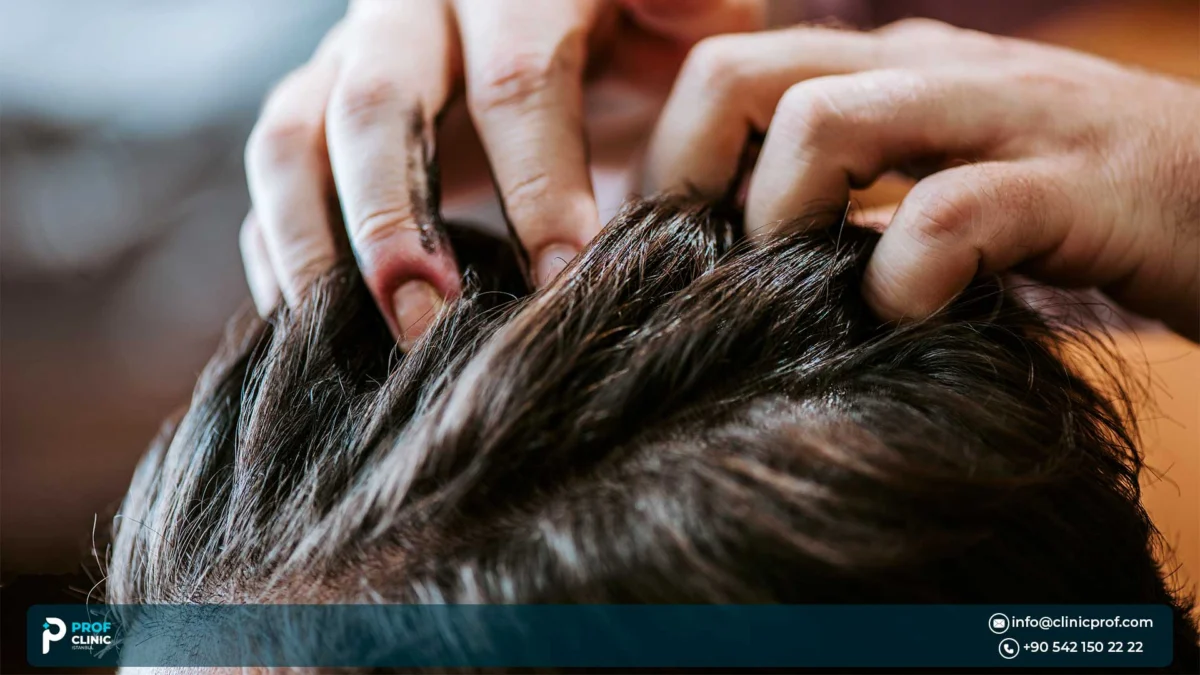
A typical trip runs about two to four days in Istanbul, followed by a year of gradual growth at home. Details differ from clinic to clinic, but the outline is similar:
- Before you fly: you send photos of your hair loss and donor area with a short medical history, and receive a written plan and quote.
- In Istanbul: you are met at the airport, and the consultation and pre-operative tests usually happen on arrival or the next morning. The procedure is done under local anaesthetic and, according to the NHS, usually takes one day with no overnight stay. A check-up follows, where the team checks the grafts, explains aftercare and confirms you’re ready to fly.
- Back home: the NHS notes that the grafts need very careful handling for about the first two weeks, that transplanted hair often falls out after a few weeks, that new hair usually appears after about 4 months and that the full result can take 10 to 18 months.
Treat these as common timeframes rather than a fixed rulebook. Your doctor will confirm the schedule based on your plan, and the shedding phase in the first weeks is a normal part of the hair cycle, not a sign that the transplant has failed. For the full step-by-step process, see our guide to the hair transplant process in Turkey.
Also read: How Many Days Do You Need in Turkey for a Hair Transplant?
See how results develop in real cases in our before-and-after gallery.
Prof Clinic for Hair Transplants in Istanbul: What You Can Check
Prof Clinic is one of the Istanbul clinics that patients travel to, offering both hair and dental treatment. Our hair services cover scalp hair transplants for men and women, afro and curly hair, eyebrows, and beards and moustaches, using FUE, DHI, Sapphire FUE and Micro FUE techniques. You can read more about our approach on the hair transplant in Istanbul service page.
For patients travelling to Istanbul, the medical assessment and treatment plan for hair restoration are in the hands of Spc. Dr. Lütfi Öztürk, an internal-medicine specialist who graduated from Istanbul University Cerrahpaşa Faculty of Medicine in 1992 and completed his specialist training at Şişli Etfal Hospital in 1997. He reviews your photos and medical history, plans the treatment and coordinates follow-up.
Here is what the process involves:
- Written quote first: we send a written price offer after evaluating your photos, so you can see what the package covers before you travel.
- Pre-operative tests: a lower price in Turkey does not mean skipping checks; before surgery we test your blood count, ECG, kidney and liver function, electrolytes and blood sugar, and screen for hepatitis and HIV.
- All-inclusive package: one price covers the procedure, your hotel, transfers between the airport and your hotel, and post-operative care, which is a large part of Turkey’s appeal.
- Follow-up after you fly home: our coordination team stays in touch and gives advice over WhatsApp.
Expected density is discussed individually and is not promised in advance, because it depends on your donor area and the pattern of your hair loss.
Ready to see whether a transplant suits you? Book a free online consultation and send your photos for an initial assessment.
Frequently Asked Questions
Why are hair transplants so cheap in Turkey?
Mainly because running a clinic costs less there. The ISHRS links Turkey’s lower prices to strong competition between clinics, lower operating costs and cheaper labour. High patient volume and package pricing spread fixed costs further. A low price is not always a warning sign, but a price far below the usual range deserves questions about who will actually perform the surgery.
Are hair transplants in Turkey safe?
They can be, when the clinic is properly run. The NHS describes hair transplantation as generally safe, with small risks such as bleeding, infection and a scar. The bigger risk abroad is an unqualified operator or poor follow-up. Meet the doctor before surgery, ask who makes the incisions, and get a written plan for complications.
How long do I need to stay in Turkey for a hair transplant?
Most patients plan about two to four days in Istanbul. That usually covers arrival, consultation and blood tests, the procedure itself, which the NHS says usually takes one day, and a check-up with aftercare instructions before you fly home. Larger cases split across two sessions may need an extra day or two.
Does travel insurance cover a hair transplant in Turkey?
Usually not. UK government guidance says standard travel insurance usually doesn’t cover elective surgery abroad, and costs from complications afterwards may not be covered either. Check your policy before you book, and ask whether specialist medical-travel cover is available. Also ask the clinic how it handles problems once you are home.
Do people only go to Turkey for hair transplants because it is cheap?
No, although price is the main trigger. Many patients also want one package covering the hotel, transfers and aftercare, clinics that focus on hair, and easy flights to Istanbul. Price alone is a weak reason, though: the Mayo Clinic review notes that large price differences may reflect differences in resources, surgeon experience and safety protocols.
Why do so many men go to Turkey for hair transplants?
Mostly because men make up the large majority of hair transplant patients. In the ISHRS 2022 census, men accounted for 87.3% of surgical hair restoration procedures, and male pattern hair loss is very common. For many of them, Turkey offers a lower price, a ready-made package and a short trip.
Is it worth going to Turkey for a hair transplant?
For many people, yes, if the clinic is chosen for its doctor and its plan rather than its price. The savings can be significant, especially for larger graft numbers. The trade-offs are travel, distance from your clinic during recovery and possible gaps in insurance. Weigh all three before deciding.
Weighing Up Turkey for Your Hair Transplant
The honest answer to why people go to Turkey for hair transplants is value: a lower price, a simple package and clinics that do this work every day. The deciding factor for you, though, is the clinic’s doctor, plan and follow-up, not the country. Choose the place that answers your questions clearly and in writing.
The safest first step isn’t booking surgery; it’s an assessment that tells you what you actually need. Contact Prof Clinic to start there.
Sources
- NHS — Hair transplant
- ISHRS — 2022 Practice Census Results
- ISHRS (Fight the Fight) — The Hidden Risks of Hair Transplants Abroad: A Cautionary Tale
- Aesthetic Plastic Surgery — The Allures and the Alarms of the Hair Transplant Tourism Industry (Haider et al., 2025)
- BAAPS — UK and Turkish Medical Associations Unite to Issue Minimum Guidelines for Hair Transplant Surgery (2023)
- GOV.UK — Turkey travel advice: Health
- GOV.UK — Medical emergencies, treatment and hospitalisation abroad