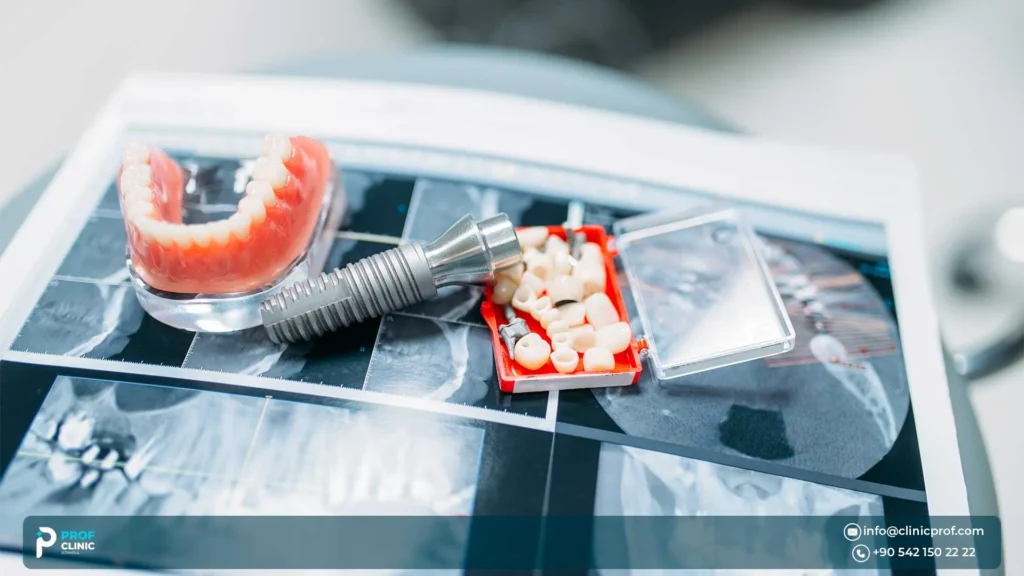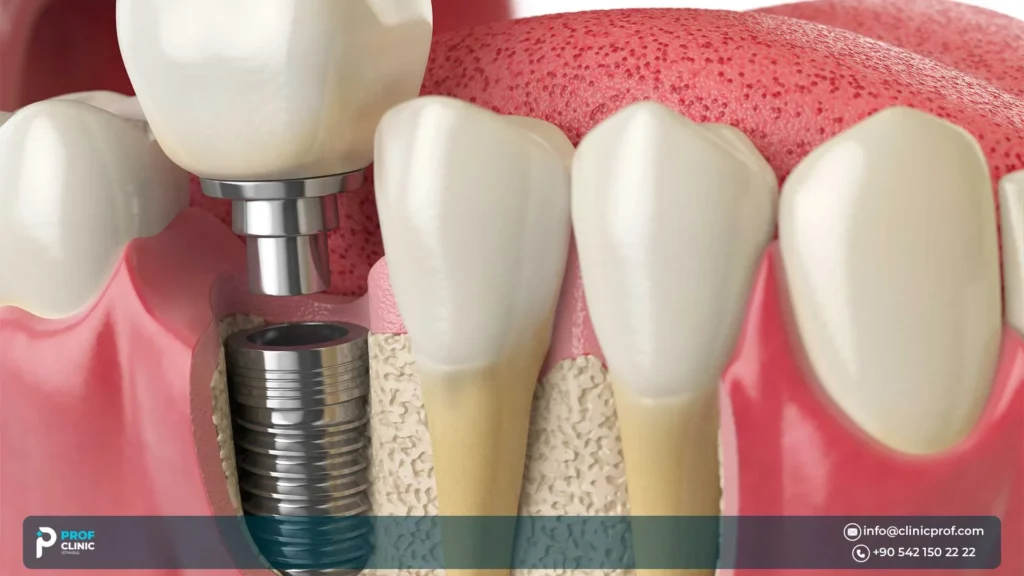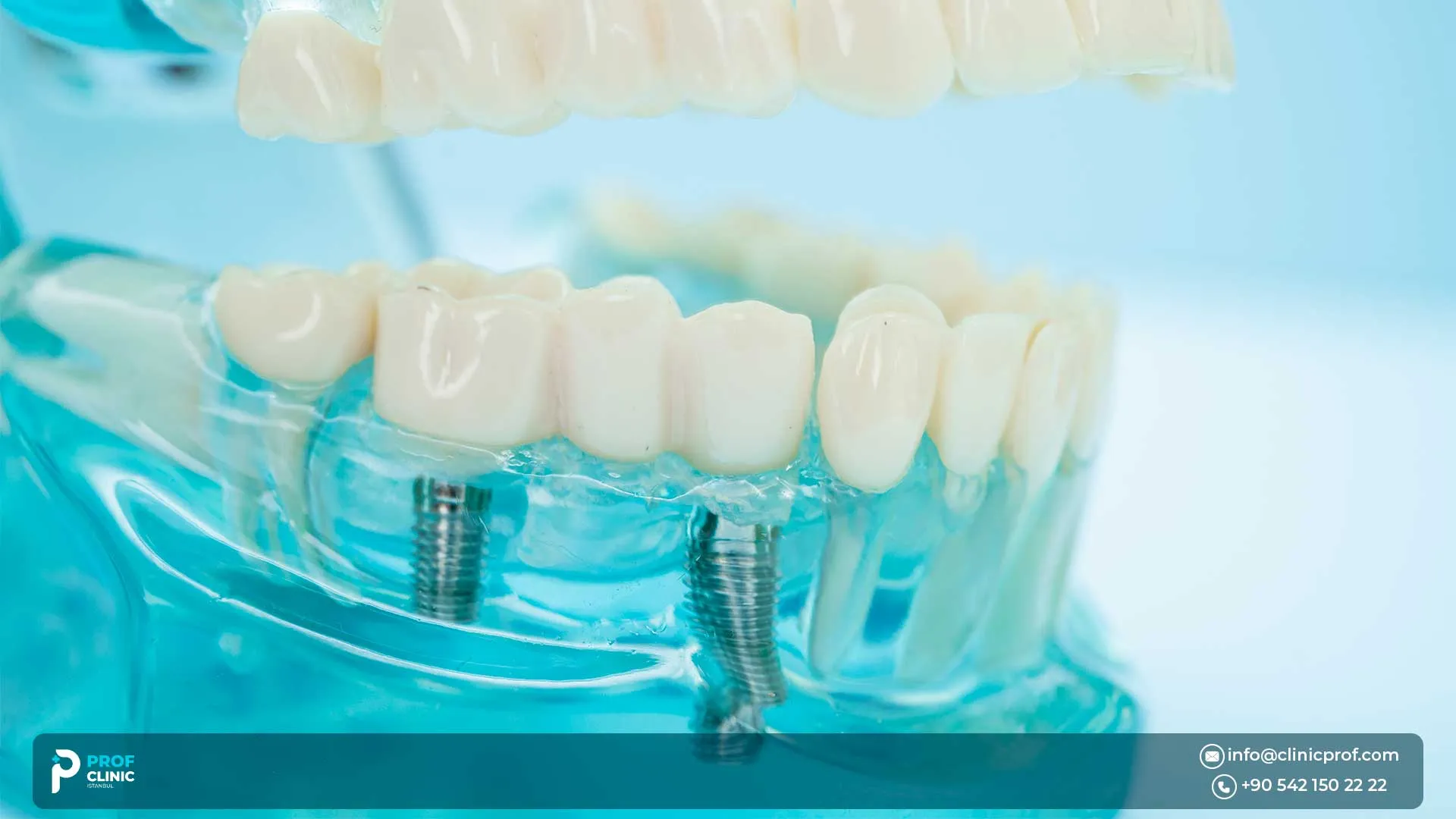
If you’ve ever dealt with dentures that shift while eating, create sore spots, or make you feel self-conscious when you speak or laugh, you’re not alone. Many people searching for implant-supported dentures are trying to answer one practical question: “Will I feel more secure, and is it worth it?”
Here’s the “60-second” framework most people need before they can make a confident decision:
- Traditional dentures: Rest on the gums. No implant surgery. They can work well, but fit and stability can change over time.
- Snap-on dentures implants: A removable denture that snaps onto implants for improved hold and confidence.
- Fixed implant-supported dentures: A non-removable option in many cases; you can’t take it out at home.
Your best option depends on your health, jawbone, expectations, and whether you prefer removable or fixed. A clinical evaluation is what turns a good guess into a clear plan.
This article is for education only and doesn’t replace an in-person dental examination and personalized medical advice.
Traditional vs Snap-on vs Fixed/Hybrid
| Feature | Traditional dentures | Snap-on dentures implants | Fixed implant-supported dentures |
| Stability | Can move, especially lower denture | Usually more stable due to implant retention | Often feels the most “locked-in” (non-removable in many cases) |
| Comfort on gums | More gum pressure; may cause sore spots | Often less movement; fewer friction sore areas | Less movement; cleaning requires more technique/tools |
| Chewing confidence | Can be limited for some foods | Often improves chewing confidence and function | Often strongest bite confidence |
| Cleaning routine | Remove and brush/soak | Remove and brush/soak; clean attachments | Brush like teeth; clean under with special tools |
| Surgery/healing | No implant surgery | Requires implant placement + healing time | Requires implant placement + healing time |
| Best for | Faster, non-surgical path; tight budget | Wants better hold but still prefers removable | Wants a non-removable feel; okay with complex hygiene |
| Trade-off | Retention can change over time | Attachments wear and need upkeep | More demanding daily cleaning; higher complexity |
Want help choosing between removable vs fixed and understanding the likely implant plan for your situation? Explore our Dental Implants service in Turkey and request a personalized evaluation.
Dental Implants vs Dentures: Pros and Cons Explained
People sometimes compare “implants vs dentures” as if there are only two choices. In reality, implant-supported dentures (snap-on or fixed) sit in the middle: you still get a denture-style tooth set, but with implant anchorage.
Dental Implants vs Dentures pros
Traditional dentures
- No implant surgery.
- Often faster to start (especially when immediate stability isn’t the priority).
- A valid option when health factors, timeline, or budget limit implant treatment.
Implant-supported dentures
- Cleveland Clinic notes implant-supported dentures attach to implants in the jaw and can improve stability for chewing and speaking.
- Options exist for removable and fixed designs, so you can match your lifestyle to the plan.
Dental Implants vs Dentures cons
Traditional dentures
- Fit can change as the jawbone and gum shape change over time.
- More likely to move (especially lower dentures), which can affect eating and speech confidence.
Implant-supported dentures
- A surgical phase and healing time; Mayo Clinic emphasizes the overall implant process can take many months, with much of it related to healing.
- Ongoing responsibility: daily cleaning and regular follow-ups matter for long-term success.
What do you often notice first?
- More confidence biting and chewing.
- Less worry about slipping during conversation.
- A clearer sense of “fit” because the denture isn’t relying only on suction/adhesive.
For deeper reading on implant options and how different designs work, read our article about Types of Dental Implants: Complete Guide 2026
Implant-Supported Dentures vs Traditional Dentures
When patients compare implant-supported dentures vs traditional dentures, the clearest approach is to evaluate three options across the same criteria: stability, comfort, chewing, speech, appearance, cleaning, lifespan, and maintenance.
- Traditional dentures: No implant surgery. They can work well, but movement (especially lower dentures) and gum pressure/sore spots are common concerns. Cleaning is straightforward (remove and clean), yet many patients rely on adhesives and may need periodic adjustments/relines as fit changes over time.
- Snap-on dentures implants: A removable denture that attaches to implants for better stability while still being easy to take out for cleaning. Comfort and chewing confidence are often improved for many patients, but expect ongoing attachment maintenance (parts can wear and need servicing).
- Fixed/Hybrid implant-supported dentures: Often non-removable at home, typically offering the most “locked-in” feel for chewing and speaking. The trade-off is more demanding hygiene (cleaning under the prosthesis with special tools) and periodic professional maintenance.
There’s no universal lifespan. Results depend on materials, bite forces, hygiene, and follow-up care. A Prof Clinic evaluation helps match the right design (removable vs fixed) to your priorities and long-term maintenance comfort.
Best for you if:
- Traditional: avoid surgery and faster start.
- Snap-on: want stability and prefer removable cleaning.
- Fixed/Hybrid: want non-removable feel and can commit to detailed hygiene.
Contact our medical team to support your evaluation pathway.
Also read: Best Dental Implants in Istanbul Turkey
How Implant-Supported Dentures Help While Eating and Speaking
Loose dentures are rarely about “you did something wrong.” The most common reasons are mechanical and biological:
- Fit changes over time as the jawbone and gums change shape.
- Lower dentures often have less surface area and suction than upper dentures.
- Saliva, muscle activity, and bite forces can all affect retention.
Implant-supported dentures help you because implants provide a stable anchorage point.
Here are the most common problems with the solution this technique offers:
| Problem | What might help |
| Denture lifts when you talk | Fit check and adjustment; consider overdenture retention if persistent |
| Slips when chewing | Reline; review bite; consider implant-retained option for added stability |
| Sore spots | Don’t push through pain. Get an adjustment; check pressure points |
| You rely on adhesive daily | Adhesives are common; if you need more over time, ask about fit changes and long-term options |
| Clicking while speaking | Practice and adjustment; stability upgrades can help some people |
Using adhesive is not a failure. It’s a tool. The bigger issue is ignoring pain or constantly increasing adhesive to compensate for a poor fit—those are reasons to reassess.
Book an appointment today for a denture-fit assessment and option review.
What Feels Different Day-to-Day with Implant-Supported Dentures and Overdentures?
Comfort is personal, but it usually comes down to five day-to-day experiences:
What to pay attention to
- Do you feel pressure hotspots on the gums?
- Do you avoid certain foods out of fear of slipping?
- Do you bite cautiously because of instability?
- Do you feel anxious speaking or laughing in public?
- Do you wake up with sore spots or irritation?
Can elderly patients get implant-supported dentures?
Often, age alone isn’t the deciding factor. What matters more:
- Overall medical stability (and medication considerations)
- Bone availability (and whether grafting is needed)
- Ability to maintain daily hygiene and attend follow-ups
You need enough jawbone for implants, and grafting can sometimes add volume/density when needed.
If you’re unsure whether you’re a candidate, especially if you’ve been told you have thin bone, ask for a personalized assessment via WhatsApp and explore options like Mini Dental Implants where appropriate.
Permanent Solutions for Loose Dentures
This is where many comparison articles get blurry, so let’s keep definitions clean.
Snap-on dentures implants
Removable implant-supported dentures that snap on to implants and can be removed daily for cleaning.
Who tends to like this option
- People who want better stability but prefer removing the denture to clean.
- People who want a middle option between “classic dentures” and “fixed teeth.”
Maintenance reality
- Attachments and components can wear and may need periodic replacement/servicing.
- You still need professional follow-ups to keep the fit and bite stable.
Fixed implant-supported dentures
Fixed/hybrid dentures as permanently attached; you can’t remove them at home, but your dentist can remove them for maintenance.
Implant-supported dentures can be non-removable and require thorough cleaning underneath.
Who tends to like this option
- People who want the most “non-removable” experience.
- People comfortable with a more detailed daily cleaning routine.
How many implants are needed?
It depends on jawbone quality, arch (upper vs lower), prosthetic design, and your bite. This is exactly why an exam and imaging matter before anyone quotes a plan.
Also read: Best Mini Dental Implants (MDI): pros, cons, cost
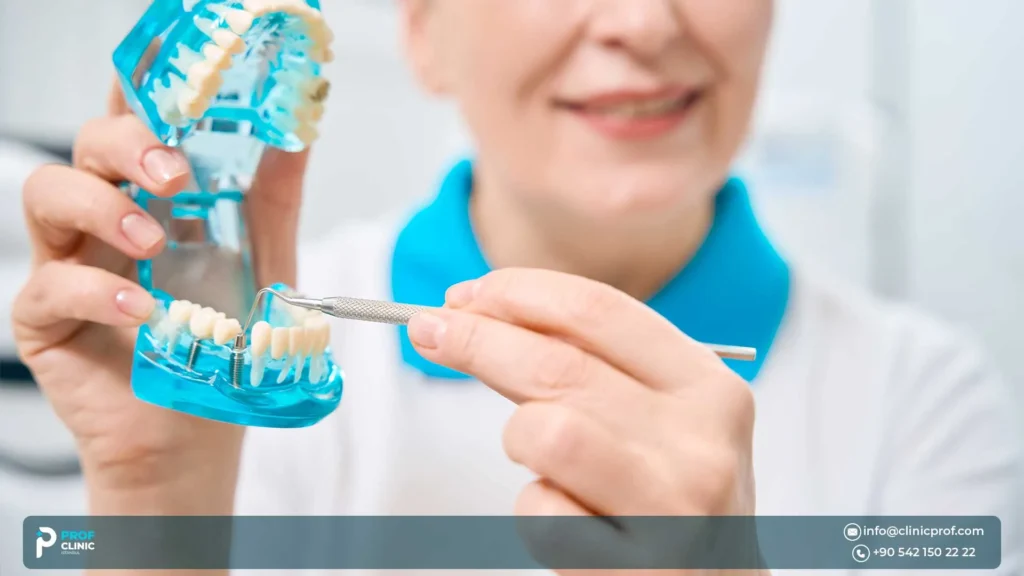
Redefining Comfort and Stability in Denture Treatment
Chewing hard foods without overpromising
A safer way to think about food is not “Can I eat everything?” but:
- How stable is the prosthesis?
- Where are you in healing? (Implant processes can take many months overall.
- How well is the bite adjusted?
With implant-supported dentures, especially when stability is improved, many patients report better chewing ability and confidence compared to conventional dentures.
Still, your dentist will usually guide a gradual progression of textures.
Speech and adaptation
Even with stable dentures, there’s often an adaptation period:
- Practice tricky words out loud
- Read aloud daily for a short time
- Schedule follow-up adjustments
Qualitative function outcomes scorecard
- Traditional dentures: Can work well; may require adhesives/adjustments; movement affects some people more than others.
- Overdentures: Often improves stability and confidence for speech/chewing, while staying removable.
- Fixed/hybrid: Often feels most “tooth-like” for many people, but requires meticulous cleaning.
Cost Comparison of Implant Dentures and Traditional Dentures in Turkey
Cost matters and not just the number you see at the start. A solution that seems cheaper upfront can feel expensive later if it repeatedly limits eating, confidence, or comfort.
At Prof Clinic in Turkey, we encourage patients to compare options using two clear buckets: upfront treatment and long-term ownership costs, so you can choose what fits your lifestyle, not just your budget.
Think in two buckets: upfront vs ongoing
1) Upfront
- Traditional dentures: fabrication, fitting, and bite adjustments.
- Implant dentures (overdenture or fixed/hybrid): implant placement + the final prosthesis design that matches your goals (removable vs fixed).
2) Ongoing Total Cost of Ownership
Even excellent dentures can need upkeep over time. Common ongoing items include:
- Relines or fit adjustments as the mouth changes
- Repairs from daily wear or accidental drops
- Adhesives and cleaning products (more common with traditional dentures)
- Attachment maintenance/servicing for snap-on overdentures
- Routine professional checkups and maintenance visits
What drives implant denture cost the most (without quoting numbers)
Your plan is individual and these factors typically influence overall cost the most:
- Removable overdenture vs fixed/hybrid design (comfort expectations + hygiene preferences)
- Jawbone condition and whether supportive procedures are needed
- Prosthesis materials and technical complexity
- Oral health status and whether treatment is staged in phases
Worth it?
Implant-supported dentures may be worth the extra cost if:
- Denture movement is limiting your diet, speech, or confidence
- You’re stuck in a cycle of repeated refits/adjustments with fading satisfaction
- You want a longer-term stability strategy and you’re ready to commit to daily hygiene and follow-up care
If you want a plan that matches your priorities—removable vs fixed, expected maintenance, and the likely treatment steps. Message us via WhatsApp for a personalized evaluation. You can also review our Cost of Dental Implants in Turkey resource for general context (final costs depend on clinical assessment).
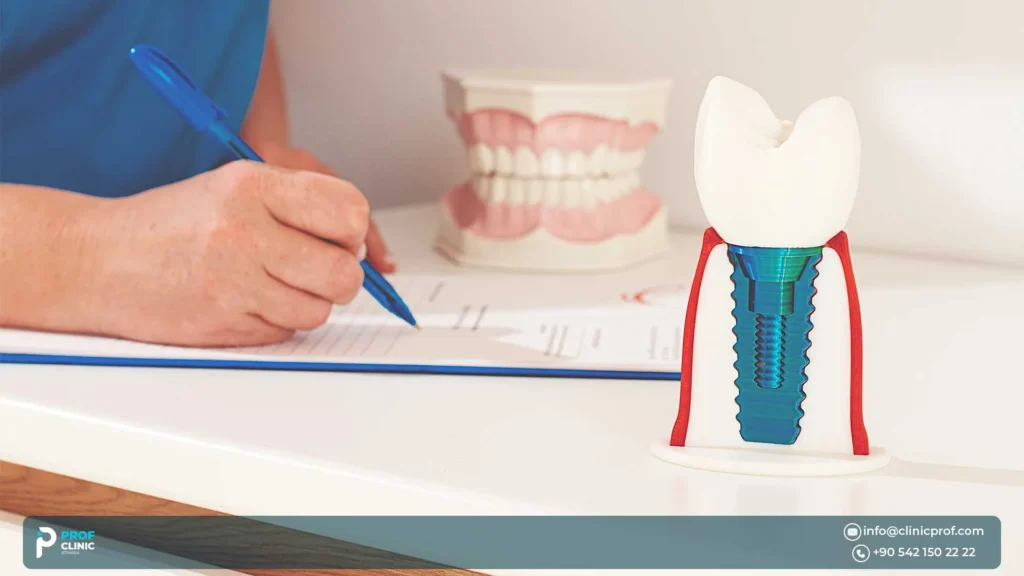
The Truth About Implant-Supported Dentures
Trust matters more than hype, so here’s the realistic view.
Pain: what most people worry about
Implant placement is typically performed with anesthesia, and post-procedure discomfort varies. Some people feel mild soreness; others feel more. What matters is:
- Clear aftercare instructions
- Appropriate pain management guidance
- Prompt follow-ups if swelling, fever, or worsening pain occurs.
Healing time: why it’s not instant
The dental implant process can take many months, largely because of healing and bone changes that support the implant.
Some steps can be combined in certain cases, but the timeline is always individualized.
Disadvantages to know
- Surgery and healing time
- Higher upfront cost
- Daily hygiene responsibility, especially with fixed/hybrid designs
- Maintenance and occasional servicing, especially attachments for overdentures
Can dental implants fail?
Yes, failures can occur. While many patients do well, risks are higher when factors like hygiene challenges, smoking, uncontrolled medical conditions, or gum/implant inflammation are present. Prevention is the goal:
- Consistent home care
- Professional maintenance visits
- Addressing risk factors early instead of waiting
If you have concerns about healing, medical conditions, or past dental complications, start with a free consultation with our team.
Before and After Implant-Supported Dentures
Will do Implant-Supported Dentures look natural?
They can if the design supports your face and bite properly. Natural appearance depends more on:
- Smile design and tooth proportions
- Lip support
- Shade matching and gum contour (when relevant)
- Your bite position and facial profile goals
Visit our Before & After gallery, while being clear that individual results vary.
Cleaning: keep it simple and consistent
The American Dental Association recommends starting denture cleaning by rinsing away loose food and removing denture adhesive, then using a denture cleanser; soaking can help reduce bacterial load and odor.
- Removable (traditional or overdenture): Remove, brush, soak as directed, clean gums/tongue, and keep regular checkups.
- Fixed/hybrid: Brush carefully, and clean underneath with the tools your dentist recommends
Adhesive needs: what changes with implants?
- Traditional dentures often rely on adhesives for daily confidence.
- Overdentures may reduce reliance on adhesive for many people because retention comes from attachments.
Sleeping with dentures
Many clinicians advise removing removable dentures at night to let tissues rest, but advice can vary by case—follow your dentist’s instructions. For fixed/hybrid options, you won’t remove them at home, so nightly cleaning becomes even more important.
Want to see which option fits your goals for stability, natural look, and daily routine? Book a consultation with our doctors and ask for a personalized plan.
Choosing between implant-supported dentures and traditional dentures isn’t about chasing a perfect promise. It’s about matching the solution to your daily life. Traditional dentures can be a valid, non-surgical path. Overdentures often add stability while staying removable. Fixed implant-supported dentures can feel the most secure for many people, but require more advanced cleaning habits.
If your current dentures move while eating or affect your confidence, a personalized evaluation is the fastest way to clarify your options. Visit our Dental Implants service page, then request a consultation to discuss removable vs fixed designs and what a realistic plan could look like for you.
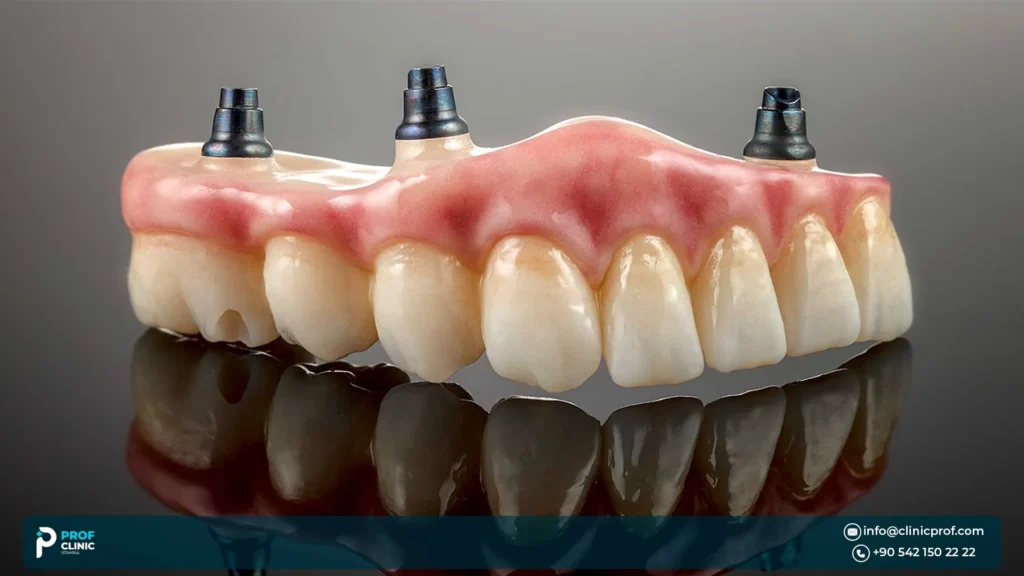
FAQs about implant-supported dentures
Which is better: implant-supported dentures or traditional dentures?
It depends on your priorities. Implant-supported dentures often improve stability for chewing and speaking, while traditional dentures avoid implant surgery and can be faster/less expensive upfront.
Are implant-supported dentures worth the extra cost?
They can be, especially if denture movement affects eating, speech, or confidence. Compare upfront cost, ongoing maintenance, and quality-of-life-impact for your case, not just the initial bill.
Are implant-supported dentures removable or fixed?
Both exist. Removable implant-supported dentures that snap on, and fixed/hybrid options you can’t remove at home.
How long is the healing time for dental implants?
Healing varies, but the overall implant process can take many months, with much of that time for healing and bone changes.
How do you clean implant-supported dentures?
Cleaning depends on whether the denture is removable or fixed. The ADA advises rinsing away debris and removing adhesive first, then using denture cleanser; fixed designs also require cleaning under the prosthesis with special tools.
Can dental implants fail?
Yes, failures can occur. Risk is reduced with good oral hygiene, managing health factors, and consistent professional follow-up.