If you’re searching for all on 4 success rate, you’re probably trying to answer a bigger question: “Will this really last for me, and what does ‘success’ even mean?” The honest answer is that outcomes are often high in long-term studies, but the number you see online can be misleading unless it’s tied to a specific definition and a timeline.
For patients considering All-on-4 treatment in Turkey, success rate matters most when it is linked to real timelines, maintenance needs, and your own risk factors.
This article, by Prof Clinic in Istanbul, is for education only and can’t replace an in-person dental exam. A safe All-on-4 plan typically depends on CBCT imaging, bite analysis, and your medical history.
What does all on 4 success rate mean?
Most clinics quote a single “success rate,” but All-on-4 outcomes are better understood as three layers:
- Implant survival: Are the implants still integrated and functioning?
- Prosthesis/bridge survival: Is the fixed bridge still usable, even if repairs are needed?
- Complications/maintenance: How often do issues happen, and how manageable are they?
Survival vs success
- Survival often means the implant or bridge is still present and functioning.
- Success can be stricter, for example: stable bone levels, no persistent infection, no major complications. Different studies use different criteria, so two “success rates” may not be directly comparable.
Implant-level vs patient-level outcomes
Why does your personal risk feel different? Some research reports outcomes per implant (e.g., 1,884 implants) and per patient (e.g., 471 people).
In an All-on-4 system, one implant problem can affect the whole arch, so patient-level metrics can look lower than implant-level metrics, even when most implants survive.
Why do clinics quote different numbers?
If you’re seeing “95%” in one place and “99%” in another, it may be because they’re talking about different things:
- Upper vs lower jaw
- 2-year vs 10–20-year follow-up
- Implant survival vs bridge survival
- Immediate loading vs staged loading
- Patient mix
Also read: All-on-4 Dental Implants in Turkey: Complete Safety, Cost & Timeline
All on 4 success rate: Typical survival & success ranges (5–10+ Years)
Here’s the “numbers you can trust” approach: tie each number to a timeframe and a definition, and avoid pretending one metric tells the whole story.
Here are some facts in numbers
- Up to 10 years (mandible, immediate function): One widely cited longitudinal study reported patient-related success of 93.8% and implant-related success of 94.8% (up to 10 years), with prosthesis survival of 99.2%.
- 10 to 18 years (mandible, immediate function): A long follow-up study reported prosthetic survival of 98.8%, and implant cumulative survival of 93% (success 91.7%) up to 18 years, while also noting biological and mechanical complications can occur.
- 15 to 20 years (maxilla, four implants with distal tilting): A 2026 retrospective study reported implant cumulative survival 90.7% and success 84.6% up to 20 years, with prosthetic success 98.1%, and high rates of mechanical and biological complications over time.
- Shorter follow-ups: A systematic review reported very high survival beyond 24 months (e.g., 99.8%), but also emphasized limitations like follow-up duration and study quality, so you should not treat short-term numbers as “lifetime guarantees.” (PMC)
General implant survival isn’t All-on-4 specific
For perspective, a large systematic review of dental implants overall reported a 10-year implant-level survival estimate of 96.4%, with a prediction interval showing variability. This helps calibrate expectations, but All-on-4 involves full-arch loading and prosthetic complexity that can change the complication picture.
All-on-4 Performance: Success Retention & Long-Term Stability
| Metric | What It Means for You | Success Retention Rate ( Studies) | How Prof Clinic Exceeds These Standards |
| Foundation Stability | Rock-solid implants for decades | 94.8% – 93% (Up to 18 Years) Link | We use premium global brands and precision CBCT-guided placement. |
| Upper Jaw Reliability | Secure support in complex bone | 90.7% (Up to 20 Years) Link | Custom-tilted designs to maximize every millimeter of your natural bone. |
| Bridge Durability | A beautiful, high-performance smile | 98.1% – 99.2% (Up to 20 Years) Link | Wear, screw loosening, fractures, hygiene access issues |
| Proactive Care | Simple “Service Events” for peak performance | Routine Maintenance Plan (Every 6 Months) Link | Think of this as a “tune-up” for a luxury car—ensuring it runs like new forever. |
Want these numbers translated to your jaw and bite? Book an appointment today for a CBCT-based candidacy check and written plan, including implant positions, temporary vs final teeth, and a follow-up schedule.
Also read: Full Arch Dental Implants: Restoring a Complete Smile
How Long Do All-on-4 Dental Implants Last in Turkey?
Our patients usually ask us this about this comparison: Implants vs Bridge Lifespan, but All-on-4 is a system with parts that age differently.
Foundation vs wear items
- Implants: The foundation is designed for long-term function, but longevity depends on bone health, inflammation control, and load management. Long-term cohorts show viability over 10–20 years with variability by jaw and patient risks.
- Bridge (wear items): The bridge can last a long time, but the teeth may need repairs or replacement due to wear, fractures, or bite changes, especially over many years.
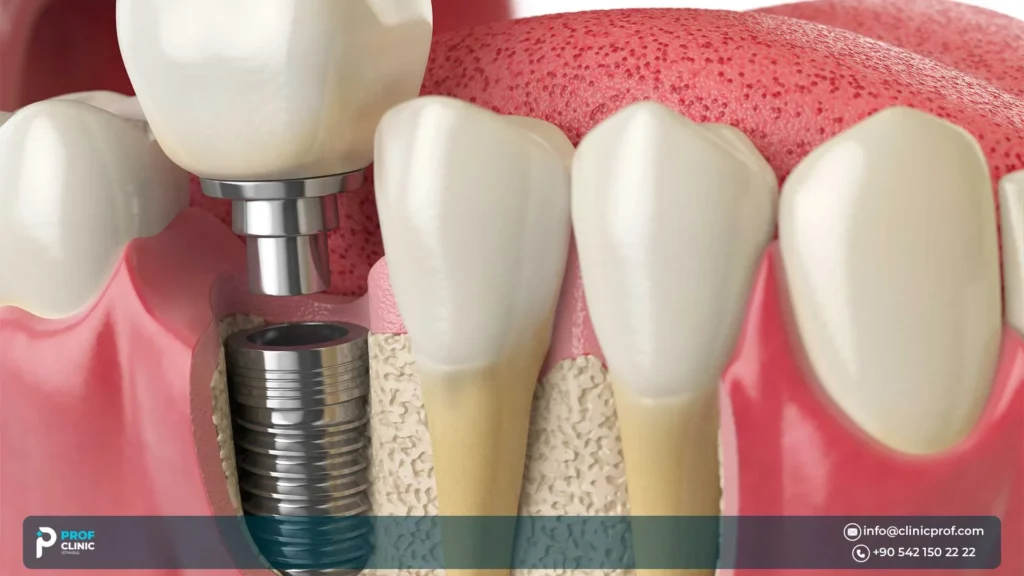
- Screws: These abutment components can require tightening, replacement, or adjustments as part of normal maintenance.
Same-day teeth vs final teeth can affect lifespan expectations
- Same-day often means fixed temporary teeth when stability criteria are met not that your final bridge is placed permanently that day.
- Final teeth are typically fitted after a healing phase when bite and fit can be refined more safely.
Also read: Same-Day All-on-4: Teeth in One Day Possible?
Is All-on-4 permanent and what does permanent mean?
When clinics say permanent teeth, patients often hear no maintenance ever.
In reality:
- Permanent for you as a patient usually means fixed or non-removable day to day.
- But clinically, it still needs professional maintenance; similar to how a high-end car can run for years, but only with servicing.
What can normal maintenance look like over time?
These are not automatically failures; they’re often manageable service events:
- Bite refinement / occlusal adjustments
- Screw tightening or component replacement
- Repair of worn or fractured prosthetic teeth/material
- Professional cleaning under/around the bridge
However, if you notice any of the following, don’t wait:
- Bleeding around implants, red/tender gum tissue, bad taste, or swelling
- A bridge that feels loose or clicks.
- Persistent pain, especially after the early healing phase.
If you have symptoms or you’re planning treatment travel to Istanbul, Turkey and want a clear aftercare plan, schedule a meeting with our team today for more discussion.
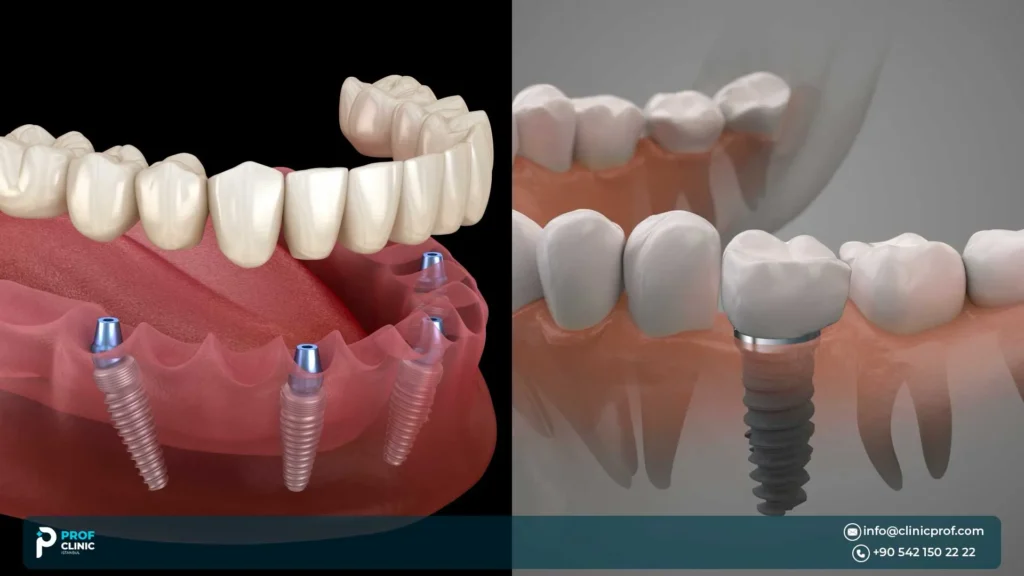
What factors affect the longevity of All-on-4 implants?
Your all on 4 lifespan is not one number; it’s the result of risk factors you can influence and clinical variables your team must plan for.
The biggest longevity levers
- History of gum disease, periodontitis, and plaque control: Prior periodontal disease, poor plaque control, smoking, and diabetes are recognized risk factors for peri-implant diseases.
- Smoking: Associated with worse peri-implant outcomes in long-term data and is consistently treated as a major risk indicator.
- Diabetes control: Hyperglycemia is linked to higher peri-implantitis risk; good control matters.
- Bruxism and bite forces: Overload can drive mechanical complications; a night guard may be recommended depending on your bite and habits.
- Upper vs lower jaw differences: Upper jaw cases can be more demanding in some patients due to anatomy/bone quality and sinus proximity, which can influence planning and stability.
Also read: Upper Jaw All-on-4: Special Considerations
Longevity Checklist
Use this Checklist to self-assess:
Longevity boosters
- You can commit to daily under-bridge cleaning + regular recalls
- You treat gum disease before/alongside implant care (if present)
- You don’t smoke (or you’re willing to stop)
- Diabetes is well controlled (if applicable)
- You accept that repairs/adjustments are part of long-term success
Risk boosters
- Prior periodontitis with inconsistent hygiene
- Smoking + uncontrolled diabetes/hyperglycemia
- Ignoring bleeding, swelling, or a loose bridge
- Heavy grinding with no bite protection plan
Book a free online consultation to discuss your written plan that documents CBCT findings, implant brand/components, temporary vs final teeth timeline, and what happens if you need help after you return home.
Also read: Upper Jaw All-on-4: Special Considerations
Can All-on-4 fail?
Yes. All-on-4 can fail. The goal of good care is to reduce risk, detect problems early, and have a realistic plan if complications happen.
Early vs late problems and why timing matters?
- Early failures: Often related to integration and stability in the first months, especially in higher-risk anatomy.
- Late failures: Often linked to inflammation, hygiene challenges, smoking or diabetes risks, and overload over time.
Common complication categories
- Biological: Inflammation around implants, bleeding, swelling, and bone loss.
- Mechanical/technical: Screw loosening, material wear, bite changes requiring adjustment—often manageable, but part of real-world longevity.
What if one implant fails?
Case-by-case, options may include:
- Replacing the failed implant when bone and healing allow
- Modifying the prosthesis design temporarily
- Adding an implant (moving from All-on-4 toward All-on-5/6 concepts)
- Staged approach if inflammation or bone conditions require it
One implant issue doesn’t automatically mean everything is lost, but it does require prompt evaluation and a coordinated plan.
If you already have an All-on-4 bridge and you’re worried about bleeding, odor, or loosening, book an appointment with our medical team today.
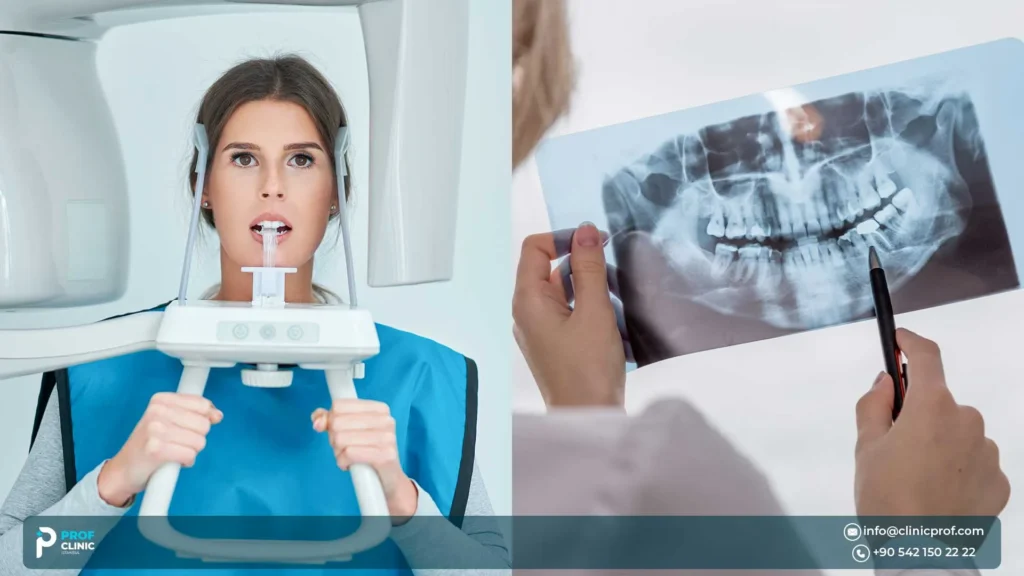
All on 4 success rate vs traditional implants and All-on-6: What Changes?
Traditional implants can mean many things: Single-tooth implants, segmented bridges, more implants per arch, and staged loading.
For full-arch cases, a practical comparison is:
- All-on-4: Fewer implants, strategic placement, often designed to maximize available bone and shorten treatment time in selected cases.
- All-on-6: More support points and sometimes more design flexibility, especially helpful in certain anatomy and bite-force situations.
- Implant-retained overdenture (removable): Easier cleaning for some people, but different stability compared to fixed bridges.
Also read: Implant-Supported Dentures vs Traditional Dentures: Which Is Better for Stability and Comfort?
| Option | What it’s trying to optimize | Why do patients choose it? | Tradeoffs to understand |
| All-on-4 (fixed) | Full-arch fixed teeth with fewer implants | Fixed feel, strategic design | Maintenance and repairs can occur; success depends on planning & hygiene |
| All-on-6 (fixed) | More support points & load distribution in some cases | Added support for certain jaws and bites | More implants; still requires maintenance |
| Implant-retained overdenture (removable) | Cleanability & stability vs traditional dentures | Easier daily cleaning for some | Removable feel; different chewing comfort |
Also read: All-on-4 vs All-on-6: Which is Right for You?
How to Increase the Lifespan of All-on-4 in Turkey?
If you want to protect your all on 4 last, your daily habits and recall routine matter as much as the surgery.
Here is a realistic maintenance plan
At home
- Clean under the bridge consistently
- Brush gently at the gumline and around implant access areas
- If bleeding appears, don’t power through and ignore it. Treat it as a signal to check plaque control and schedule an exam
In clinic
The American College of Prosthodontists recommends in-office implant maintenance appointments at 2–6 month intervals, based on your risk profile.
Travel-Smart Tip for International Patients in Istanbul, Turkey
Before you fly home from Istanbul, Turkey, ask for:
- A written plan of temporary vs final teeth timeline
- Component documentation
- A clear aftercare pathway for issues once you return home
Want to reduce risk long-term? Schedule a meeting to discuss together a personalized maintenance schedule and bite assessment.
Visit our Medical Team page and see our work to learn more about our experts, then book your appointment.
A trustworthy answer to all on 4 success rate isn’t a single percentage; it’s a framework: implant survival, bridge survival, and maintenance/complication reality over 5, 10, and 20 years. Long-term studies support All-on-4 as a viable full-arch option, but they also show that outcomes vary by jaw, health risks, and follow-up and that maintenance is part of success, not a sign of failure.
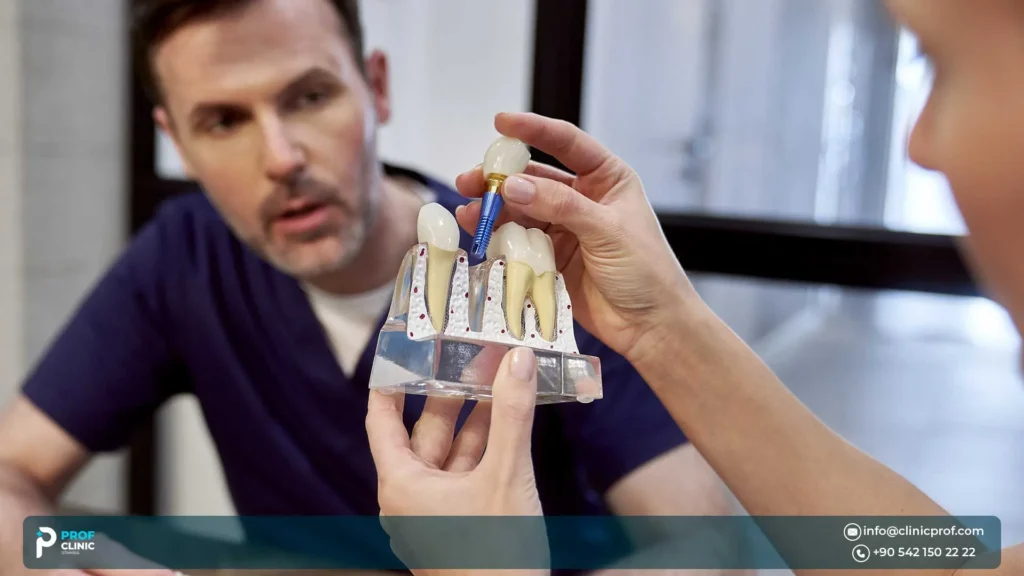
FAQs about all on 4 success rate
What is the failure rate of All-on-4 implants?
All-on-4 generally shows high implant survival in published studies, but the failure rate depends on follow-up time, jaw (upper vs lower), and patient risk factors. Systematic reviews report implant survival around 94–98% over ~6–11 years, which corresponds to roughly 2–6% implant failures over that time window. Importantly, many failures happen early, often related to healing and stability during loading.
How do All-on-4 implants compare to traditional implants in terms of success rate?
When properly planned and maintained, All-on-4 can achieve success rates comparable to full-arch fixed restorations supported by more implants, especially in the mid-term. A large comparative analysis found similar 2- and 5-year survival between four-implant and six-implant full-arch fixed solutions.
How can I increase the lifespan of my All-on-4 implants?
You can significantly improve longevity by focusing on the big three: hygiene, maintenance, and risk-factor control.
- Daily cleaning around the bridge (water flosser, superfloss/interdental tools as advised, and gentle brushing).
- Regular professional maintenance (your dentist/hygienist checks bite, cleans hard-to-reach areas, and monitors early gum inflammation).
- Control risk factors: avoid smoking, keep diabetes well-managed, and treat gum inflammation early—because peri-implant diseases can increase failure risk over time.
If you clench/grind, a night guard and bite adjustments can reduce mechanical stress and repairs.
How often do All-on-4 implants need to be replaced?
The implants themselves are designed to be long-lasting and often do not need routine replacement if they remain healthy and stable. What more commonly needs attention over time is the prosthesis
Are All-on-4 implants worth the investment long-term?
They can be, especially for people who want a fixed, stable solution and are willing to commit to ongoing maintenance. Long-term data support strong durability for many patients. Value tends to be highest if you: (1) are a good candidate, (2) maintain excellent hygiene and follow-ups, and (3) choose durable materials appropriate to your bite habits.
Is All-on-4 suitable for elderly patients in terms of longevity?
Often yes. Age alone usually isn’t a contraindication. The more important factors are overall health, medications, bone quality, smoking status, diabetes control, and the ability to keep the implants clean. Some large datasets show age is associated with a small increase in risk, and certain studies suggest older patients may benefit from designs using more implants in some cases.
In practice, many older adults do very well when treatment is individualized and follow-up care is consistent.
Is All-on-4 more durable than removable dentures?
In most cases, yes. All-on-4 is anchored to implants, so it’s typically more stable for chewing and speaking than removable dentures, and it avoids common denture issues like slipping and frequent relines. However, durability still depends on maintenance, hygiene, and bite forces—and the prosthetic teeth may need occasional repairs over the years.
Sources
- A longitudinal study of the survival of All-on-4 implants in the mandible with up to 10 years of follow-up
- The All-on-4 treatment concept for the rehabilitation of the completely edentulous mandible: A longitudinal study with 10 to 18 years of follow-up
- Immediate Full-Arch Maxillary Rehabilitation Supported by Four Implants: A Retrospective Study with 15 to 20 Years of Follow-Up
- The all-on-four treatment concept: Systematic review
- Long-term (10-year) dental implant survival: A systematic review and sensitivity meta-analysis
- Peri-Implant Diseases
- Maintenance of Full-Arch Implant Restoration