All on 4 recovery time is one of the biggest make-or-break planning questions because you’re not just thinking about healing, you’re thinking about time off work, eating comfortably, speaking confidently, flying home, and when your permanent teeth may be fitted.
In most cases, the intense phase is front-loaded into the first week, while the deeper All-on-4 healing process, bone integration around implants, continues for months.
In this guide by Prof Clinic Istanbul, patients planning All-on-4 treatment in Turkey will find a practical recovery timeline, plus what’s normal vs warning signs, when you can eat more normally, how to clean safely, and how to plan work, exercise, and travel.
This article is for education only and doesn’t replace a clinical exam or your surgeon’s aftercare instructions. If you’re worried about symptoms, contact your clinic urgently.
All-on-4 recovery time
Two quick mindset shifts that make recovery after all on 4 easier to manage:
- Feeling fine doesn’t always mean fully healed. Your bite may feel stable early, but bone integration still takes time.
- Your temporary teeth can look great early, yet still need protection. Hard, crunchy, and sticky foods, and heavy chewing are the usual troublemakers during healing.
Want a timeline tailored to your case? Request a personalized recovery plan based on your CBCT/scan and medical history by starting a free online consultation.
Also read: All-on-4 Dental Implants in Turkey: Complete Safety, Cost & Timeline
All on 4 healing process
| Timepoint | What you may feel | What you can do | Food stage | Cleaning | Follow-up |
| Day 0 (surgery day) | Oozing/spot bleeding, numbness, grogginess, if sedated | Rest, keep head elevated, ice as instructed | Cool liquids | Usually no vigorous rinsing/spitting at first | Contact your clinic if bleeding won’t settle with pressure |
| Day 1 | Tightness, swelling starting | Gentle walking, hydration | Liquids, very soft | Gentle, clinician-approved rinsing | Sleep elevated may help swelling/oozing |
| Days 2–3 | Swelling often peaks; bruising may appear | Light activity only | Smooth soft foods | Gentle brushing away from surgical areas | Call if swelling/pain worsens after day 3 |
| Days 4–7 | Swelling typically trends down; speech improving | Short outings, desk work for some | Soft foods, minimal chewing | Start a simple daily routine | Call if have fever, pus/bad taste, uncontrolled pain |
| Weeks 2–4 | Comfort improves; sore spots may need adjustment | Return to work depends on job | Fork-tender proteins; cautious texture | Clean around andunder bridge carefully | Travel planning: keep follow-up windows |
| Months 2–6 | Bone integration continues | Gradual return of chewing confidence | Gradual texture return | Long-term bridge cleaning habits | Clinic checks determine readiness for final teeth |
| Month 6+ (varies) | Settled bite, fewer pressure points | Normal routines | More normal chewing, case-dependent | Maintenance continues | Final prosthesis timing varies by healing & plan |
What does happen on the first day after All-on-4 surgery?
The first 24 hours are less about doing more and more about not disrupting healing.
What’s commonly normal
Early
- Light bleeding for a short period after surgery can happen. If it’s steady or heavy, you need your clinic’s guidance.
- Swelling starting and a feeling of tightness.
First 24 hours
Do
- Bite gently on gauze if instructed to control bleeding.
- Use ice packs in the early window if your clinic recommends it
- Sleep with your head elevated to reduce throbbing/oozing
- Sip fluids often (dehydration makes everything feel worse).
Avoid
- Vigorous rinsing or spitting early
- Smoking or vaping
- Hot drinks or alcohol if your clinician told you to avoid them.
If you want clinic-wide logistics (appointments, contact paths, travel coordination), our FAQ hub is a good reference point to start from.
What should I expect during the first week after All-on-4 surgery?
This is usually the most emotional week because symptoms can peak before they improve.
What do many patients notice?
- Swelling often peaks around days 2–3 and then gradually reduces.
- Bruising may appear and change color as it resolves (yellow or green shades can be part of normal fading).
- Soreness and pressure points around the gums or under the temporary bridge.
- Speech changes a temporary lisp or feeling bulky that improves with practice.
Day-by-day planning
- Days 2–3: Prioritize rest, cold compresses if advised, and soft foods. Don’t test your bite.
- Days 4–5: Swelling usually starts trending down; short walks help energy.
- Days 6–7: Many patients feel more human, but chewing power still needs patience.
Week One: Normal vs not normal signs
- More likely normal: Symptoms that trend better each day; mild oozing that settles; soreness that’s manageable with prescribed meds.
- Not normal: Swelling that increases after initial improvement, fever, pus/foul taste, uncontrolled bleeding, or severe pain that escalates instead of easing.
How long does swelling last after All-on-4 surgery?
Swelling is most noticeable in the first few days, then it usually starts to ease as the week goes on. Many patients feel a clear “turning point” once swelling begins trending down rather than up. If swelling keeps increasing, returns after improving, or comes with fever or a bad taste/discharge, it’s safer to contact your clinic for a check.
Is bruising common after All-on-4 implants and how long does it last?
Yes, bruising can be common, especially if you had extractions, longer surgery time, or naturally bruise easily. It may show up a day or two after surgery and can shift colors (purple to green oryellow) as it fades. Most bruising gradually improves over the first 1–2 weeks, but it varies by person and by how much swelling you had.
Does swelling peak at a certain time after All-on-4 surgery?
Often, yes. Many patients notice swelling feels worst around days 2–3, then it slowly settles. That peak can be emotionally tough because it happens before improvement starts, so a swelling peak doesn’t automatically mean something is wrong, as long as the trend after that is downward.
How painful is the recovery after All-on-4 implants?
Pain is usually described more as soreness, pressure, and tenderness than sharp pain, especially under the temporary bridge where “hot spots” can develop. Discomfort is typically strongest early and improves as swelling reduces and the bite is adjusted. If pain is severe, sudden, or getting worse instead of better, especially with swelling, fever, or discharge—contact your clinic promptly.
When can I stop taking pain medication after All-on-4 surgery?
This is individualized. Some people taper off within a few days, while others need longer support, especially after multiple extractions or if swelling is significant. The safest approach is to follow your surgeon’s instructions, avoid exceeding recommended doses, and step down only when you can stay comfortable with minimal medication. If you still need strong pain relief late in the first week or your pain is escalating, it’s worth checking in with your dental team to rule out a fit issue or early complication.
For E-E-A-T and clinician accountability with Prof Clinic in Turkey, you can review our Medical Team page.
Also read: Lower Jaw All-on-4: Procedure & Results
Eating timeline during All-on-4 recovery
When can I eat normally after All-on-4 treatment is really two questions:
- When can I eat comfortably?
- When can I chew anything without thinking?
A staged approach that protects implants and temporaries
- Immediate: Cool liquids; avoid hot soups early if advised.
- First week: Smooth soft foods (yogurt, soups, eggs, mashed options).
- Weeks 2–4: Fork-tender proteins, soft pasta, and cooked vegetables.
- Months 2–6: Gradual texture return as cleared. You’re building chewing confidence while integration continues.
What foods should I avoid during All-on-4 recovery?
- Hard/crunchy (nuts, crusty bread): Higher bite forces.
- Sticky/chewy (toffees, gum): Can stress the temporary bridge.
- Seedy/crumbly (popcorn, sesame): Can irritate healing gums.
Food progression table
| Phase | What to focus on | What to avoid |
| Week 1 | Smooth, soft, cool/room temp; protein & hydration | Crunchy, sticky, spicy/irritating, if tender |
| Weeks 2–4 | Fork-tender, minimal chewing; smaller bites | “Testing” tough meats, hard snacks |
| Months 2–6 | Gradual texture return with clinician clearance | Anything that repeatedly causes pain/pressure |
If you’re traveling to Istanbul, Turkey for treatment, ask our coordinators for a travel-friendly aftercare checklist. At Prof Clinic, we highlight structured planning and aftercare, especially important for international patients.
For broader dental implant navigation without getting pulled into cost talk, you can also use our Dental Implants in Turkey service page, and also review our All-Inclusive Dental Package
How long should I follow a soft food diet after All-on-4?
Most patients stay on a soft-food phase for at least the first week, then begin adding texture gradually over the following weeks—but the exact timing depends on your extractions, gum healing, and how stable your temporary bridge feels. A good rule is: move forward only when chewing feels comfortable without pressure spots and your dentist has cleared you to progress. If you’re unsure, it’s safer to stay soft a little longer than to “test” hard foods too early, especially when you’re traveling and want a smooth recovery.
How long does it take to regain full chewing strength after All-on-4?
Chewing strength typically returns in stages, not all at once. Many people feel more comfortable eating everyday soft-to-medium textures within the first few weeks, but “full chewing strength” usually takes longer because the All-on-4 healing process continues for months. Think of it like rebuilding confidence: your bite may feel stable early, yet the safest time to return to truly hard/crunchy foods is usually only after your dentist confirms stability and your final plan is progressing well. If you grind your teeth or feel repeated tenderness when chewing, tell your team—small bite adjustments can make a big difference.
Also read: Upper Jaw All-on-4: Special Considerations

How do I clean my mouth during All-on-4 recovery?
Good hygiene is your quiet superpower during recovery after all on 4, but it must be gentle.
First 24 hours vs after 24 hours oral hygiene guideline
- First 24 hours: Many clinics advise avoiding vigorous rinsing; follow your surgeon’s exact directions.
- After 24 hours: Gentle rinsing is commonly introduced, and brushing resumes carefully.
Brushing and cleaning around a temporary fixed bridge
- Soft toothbrush and gentle technique at the gumline; no aggressive scrubbing
- Cleaning under the bridge may involve special floss/threaders or water flosser on low.
Simple oral hygiene daily routine
- Week 1: Brush gently where permitted, rinse as directed, don’t dig at tender areas.
- Week 2+: Build consistency, cleaning under and around the bridge becomes a daily habit.
For procedure context and our planning approach, you can reference our All-on-4 guide while keeping your focus on aftercare.
When can I start brushing around my All-on-4 implants?
In most cases, brushing returns in a gentle, staged way. Many patients can start using a soft toothbrush on non-surgical areas fairly early, then carefully brush closer to the gumline as tenderness settles—but the exact timing depends on your surgeon’s instructions and whether you had extractions. The key is zero trauma: light pressure, small strokes, and no “scrubbing” around stitches or sore spots. If your temporary bridge feels tight or you notice pressure points, let your clinic know—tiny adjustments can make brushing and eating much easier.
Is bleeding normal after All-on-4 surgery and how long does it last?
A small amount of spot bleeding or mild oozing can be normal in the first day or so, especially after extractions. It should generally settle and trend down, not continue at the same level. What’s not normal is bleeding that won’t calm with the measures your clinic recommended (like gentle pressure with gauze), or bleeding that suddenly becomes heavy. If you’re seeing persistent bright-red bleeding, large clots, or you feel dizzy/weak, contact your clinic urgently.
When can I rinse my mouth normally after All-on-4 surgery?
“Normal rinsing” usually isn’t day one because vigorous rinsing or spitting can irritate healing tissue early on. It is commonly offered gentle rinsing after the first 24 hours, often with a surgeon-approved rinse or saltwater, then gradually return you to a normal routine as the gums calm down. The safest approach is simple: rinse gently, don’t swish aggressively, and follow the exact schedule your surgeon gives you, especially if you have stitches or a temporary fixed bridge.
Also read: All-on-4 Success Rate & Longevity

How Long Does It Take to Recover from All-on-4 Dental Implants in Turkey?
Getting back to normal is the phase where patients usually regain their confidence, while still respecting biology.
When can I return to work after All-on-4 implants?
It depends on:
- Your job: Desk work vs physically demanding work
- Sedation/anesthesia effects: Some people feel foggy for a short window
- Swelling/speech comfort: Client-facing roles may want a little extra cushion
What activities should be done or avoided during All-on-4 recovery?
- Start with walking/light cardio, then progress.
- Delay heavy lifting, intense training, and contact sports until your clinician clears you—overload is the enemy of calm healing.
What Should You Do If You Travel Home After All-on-4 Surgery in Istanbul?
If you’re flying home:
- Don’t leave without a clear follow-up plan, emergency contact route, and instructions for what to do if the temporary bridge feels off. At Prof Clinic in Istanbul, we stress the importance of aftercare planning for our patients who travel.
Can I exercise after All-on-4 surgery?
Yes, but start gently and progress in steps. Most patients do best with light walking first, then gradual return to low-impact cardio as swelling and soreness calm down. Heavy lifting, intense workouts, and contact sports usually need a longer pause because they can increase pressure, bleeding risk, and strain on healing tissues. If you feel throbbing, renewed swelling, or increased tenderness after activity, scale back and check in with your dental team for personalized clearance.
How long should I sleep with my head elevated after All-on-4 surgery?
Many patients find it helpful to sleep with the head elevated for the first few nights, especially while swelling is most noticeable. Elevation can reduce throbbing and may help swelling/oozing feel more manageable. You can usually return to your normal sleeping position once swelling is clearly trending down and you’re comfortable, unless your surgeon advised a specific duration (that guidance should take priority).
When Can I Travel After All-on-4 Surgery in Turkey?
Travel timing depends on your clinical plan and follow-up schedule. In general, it’s smartest not to leave until you’ve had any early post-op check your clinic recommends and you have:
- clear written aftercare instructions,
- the clinic’s emergency contact route,
- your medications organized, and
- a plan for what to do if the temporary bridge feels “off.”
If you’re flying, aim to travel when swelling is settling rather than peaking, and avoid rushing your schedule. Having a small buffer for adjustments can make your recovery much smoother.
Also read: All on 4 Zygomatic Implants in Turkey: Fixed Teeth Without Bone Grafting
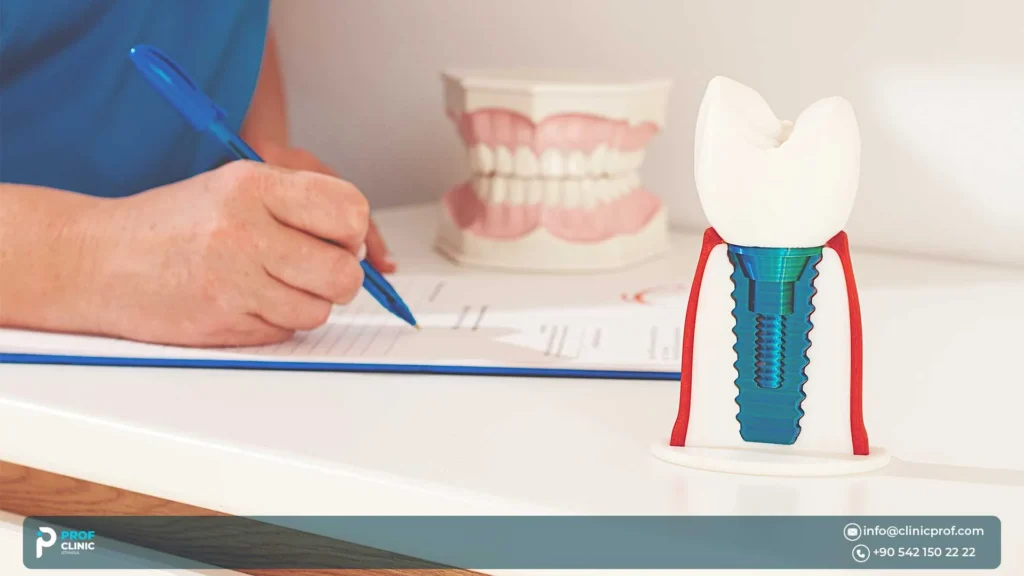
What is the healing timeline for All-on-4 implants month by month?
This is the core of the all on 4 healing process: osseointegration, where the jawbone fuses to the implants over time. Even if you feel good, your body is still doing the deep work.
Healing timeline for All-on-4 implants month by month
- Month 2: Soft tissues usually calmer; bite feels more familiar; still avoid extreme chewing unless cleared.
- Month 3: Integration continues; your clinician may reassess bite and hygiene technique.
- Months 4–5: Gradual increase in confidence with food textures (case-dependent).
- Month 6 and beyond: Many protocols consider final prosthesis planning once stability/healing is confirmed, but timing varies widely.
Why does healing speed vary?
Some factors can slow healing or raise complication risk:
- Smoking: Repeatedly identified as a risk factor for peri-implant disease/complications in the evidence base.
- Diabetes (especially poorly controlled): Associated with higher complication risk and can affect healing; your dentist may request medical clearance.
- History of gum disease: Can influence peri-implant health and maintenance needs.
If you’re comparing treatment designs, keep it simple: use our All-on-4 vs All-on-6 page as a supporting resource, then schedule a meeting with our team to discuss your case.
How long does it take for the implants to fuse with the jawbone in All-on-4?
Implants don’t “lock in” overnight—fusion happens gradually through osseointegration, where bone cells grow and stabilize around the implant surface. For many patients, this integration phase unfolds over several months, even if the smile looks and feels stable much earlier. Your follow-up visits are when your dentist confirms whether healing is progressing as expected for your specific bone quality and bite.
How long does it take for All-on-4 implants to fully heal?
“Fully healed” depends on what you mean. Gums and soreness usually calm down first (often within weeks), while the deeper All-on-4 healing process—bone integration—typically takes months. That’s why many clinics treat the early phase as “functional recovery” and the later phase as “biological healing,” with food and activity progressing only when your clinician confirms stability.
When does the discomfort completely disappear after All-on-4?
For many patients, discomfort improves step-by-step rather than switching off suddenly. The first week is often the most intense, then tenderness and pressure points usually reduce as swelling settles and the temporary bridge is adjusted. Some people feel close to “normal” within a few weeks, while others notice occasional tightness or sore spots longer—especially if the bite needs fine-tuning. A good sign is a steady improving trend; if pain starts escalating again, it’s worth getting checked.
Does smoking affect All-on-4 recovery time?
Yes. Smoking can negatively affect healing and is widely considered a risk factor for implant-related complications. In practical terms, smoking may make recovery slower, increase inflammation, and raise the chance of gum and bone problems around implants. If quitting fully feels hard, ask your clinic for a realistic plan because even short-term changes can support better healing.
Can diabetes affect the healing process after All-on-4?
It can. Diabetes, especially if it’s not well controlled, may slow wound healing and increase the risk of infection or complications, which can influence All-on-4 recovery time. The goal isn’t to exclude people with diabetes; it’s to plan safely. Your dentist may ask for recent medical information and coordination with your physician so your healing environment is as stable as possible during the integration phase.
Also read: Same-Day All-on-4: Teeth in One Day Possible?

Temporary vs permanent teeth after All-on-4 surgery
Temporary teeth are often designed for function and appearance, but they can feel different at first.
What can be normal with temporaries during All-on-4 recovery?
- A feeling of bulkiness
- Minor sore spots
- Bite that needs fine-tuning after swelling changes
What should I do if my temporary teeth feel loose during recovery?
- Don’t self-fix it.
- Avoid chewing on it and contact your clinic for an adjustment. Sometimes it’s a simple bite correction or screw-related issue.
When are the permanent teeth placed after All-on-4 surgery?
Most clinics aim to place final teeth after sufficient healing and stability are confirmed, and the exact timing depends on your protocol and integration progress.
For expectation-setting without guarantees, you can view our Before & After gallery as a visual reference, then book an appointment what’s realistic for your bone, bite, and gum display.
How long does temporary prosthesis discomfort last after All-on-4?
Temporary bridge discomfort is usually most noticeable in the first days to weeks, then improves as swelling goes down and your mouth adapts. In many cases, what feels like “pain” is actually pressure from a high spot or a small area rubbing the gums—something your dentist can often correct with a quick adjustment.
It should trend better, not worse. If soreness keeps returning in the same spot, your speech or bite suddenly feels different, or the bridge feels loose or sharp, don’t push through it—pause chewing on that side and contact your clinic for an adjustment. Small refinements early can make the rest of your recovery much smoother.
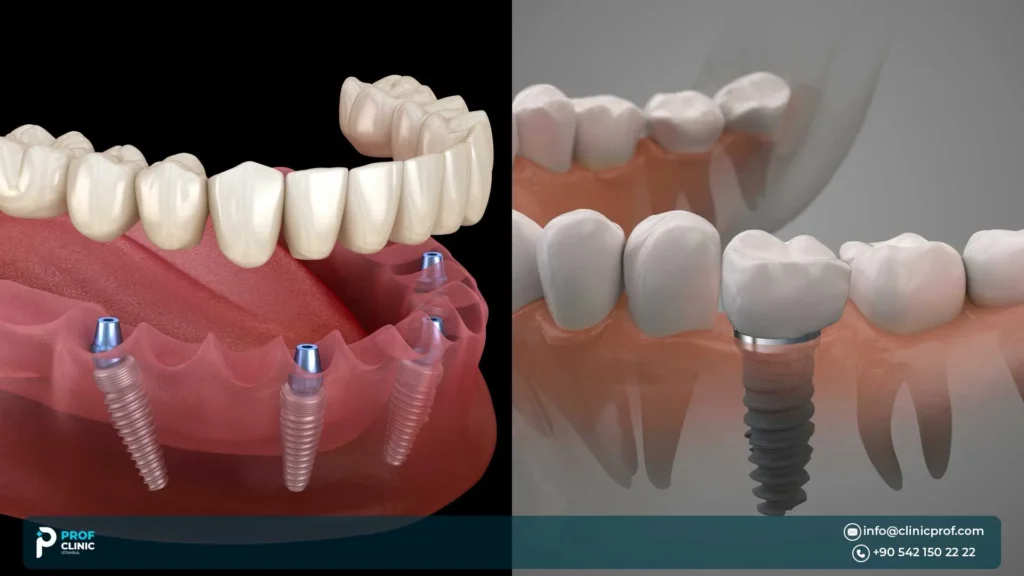
Warning signs of complications during All-on-4 recovery
A safe recovery plan isn’t just what’s normal; it’s what requires action.
What are the warning signs of complications during All-on-4 recovery?
- Swelling that worsens after the first few days or after initial improvement
- Fever, pus, or a persistent foul taste/bad smell
- Bleeding that doesn’t settle with pressure as instructed
- Sudden bite change, bridge fracture, or new movement sensation
- Severe pain that escalates instead of trending down
How often are follow-up appointments scheduled during All-on-4 recovery?
Many plans include:
- An early post-op check to assess healing/fit
- Further reviews during the integration phase
- A decision point for final prosthesis once stability is confirmed
If you’re planning travel or you’re unsure what your symptoms mean, message us via WhatsApp for a follow-up and recovery check plan. Book an appointment with our team today!
FAQs about all on 4 recovery time
Can stress slow down All-on-4 recovery?
Yes. Stress can slow recovery after all on 4 for some people. When you’re stressed, sleep quality often drops and healthy routines get harder to stick to. Both can affect how comfortable your healing feels. The best move: protect your sleep, keep meals simple and protein-rich, and follow your surgeon’s aftercare plan. If you’re traveling to Istanbul, Turkey for treatment, we can help you build a calm, travel-friendly recovery routine.
How does age affect All-on-4 recovery time?
Age doesn’t automatically mean a bad recovery, but it can influence all on 4 recovery time indirectly, mainly through bone quality, gum health, and medical conditions that become more common with age. Many older patients still heal well with the right plan and follow-ups. Your dentist can estimate what your All-on-4 healing process may look like after reviewing your CBCT scan and medical history.
Is it normal to feel numbness after All-on-4 surgery?
It can be normal to feel temporary numbness right after surgery, often from local anesthesia, swelling, or tissue irritation. It should usually improve over time, not get worse. If numbness is strong, spreading, or not improving as days pass (especially if you also notice increasing pain or a bite change), contact your clinic so they can check you and adjust your recovery plan.
How do I know if my healing is progressing normally after All-on-4?
A simple rule: normal healing usually shows an improving trend. Swelling and soreness are often most noticeable early , then they gradually settle. You should feel a little more comfortable week by week, with fewer “pressure spots” as the temporary bridge is adjusted. Warning signs are the opposite trend—new or worsening swelling after improvement, fever, foul discharge/bad taste, uncontrolled bleeding, or pain that escalates instead of easing. If you’re unsure, a quick check-in with your team can prevent small issues from becoming bigger ones.