What are your options when your depleted donor area can no longer cover the bare scalp that is left? The honest answer is that you have fewer choices than before, but not none: a careful assessment, beard or body hair in selected cases, medication to protect the hair you still have, and camouflage can each help, depending on how much usable hair remains and how much still needs covering.
In this guide by Prof Clinic, you’ll learn what depletion actually means, how a donor assessment works, what body and beard hair can and cannot do, where medication and scalp micropigmentation fit, and how to set realistic goals. By the end, you’ll know what to ask before agreeing to another procedure.
What Does a Depleted Donor Area Mean?
A depleted donor area is one that no longer holds enough healthy, stable hair to cover the bare scalp you still want treated. It usually happens in one of two ways: earlier surgery took too many follicles, or your supply was limited from the start. The International Society of Hair Restoration Surgery (ISHRS) describes donor hair as a finite, non-renewable resource, and notes that many patients have lost more hair than their donor area can replace.
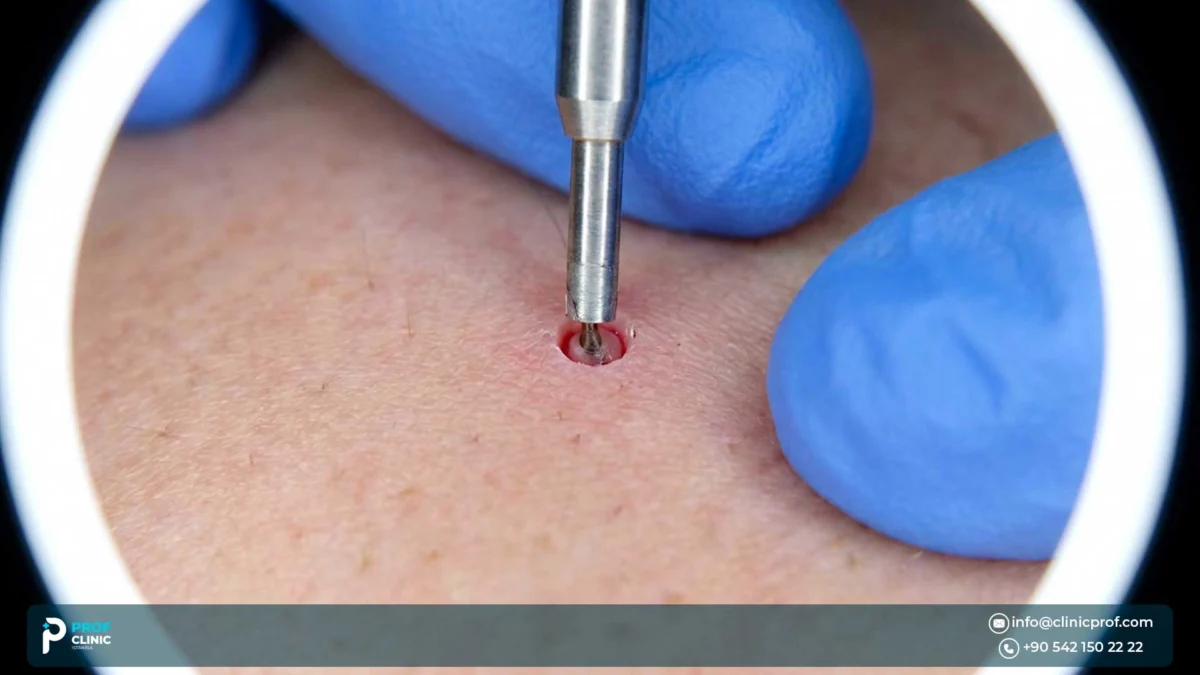
The first route is overharvesting. A recent review in Frontiers in Medicine defines it as excessive extraction of follicular units from the donor area, with signs such as visible thinning, a “moth-eaten” look or a “window” effect, and it links the risk to sessions above 3,000–4,000 grafts and to low donor density. The second route is natural: in men with extensive loss (Norwood stage 5 and above), a study in the Indian Journal of Plastic Surgery notes that scalp donor hair is often not enough to cover every bald area.
It also helps to know what depletion is not. Shedding or thinning in the donor area in the first weeks after surgery is usually temporary; the Frontiers review says donor-site shedding typically starts 2–4 weeks after surgery and usually settles on its own. Our guide to the hair transplant donor area explains how to tell normal healing from true overharvesting.
Once depletion is real, the Frontiers review is blunt that reconstructive options are limited. Every option below pulls one of the three levers:
- Add supply: use hair from somewhere other than the scalp.
- Reduce demand: protect the hair you still have and cover a smaller area.
- Camouflage: make the scalp look fuller without moving any follicles.
Also read: Hair Transplant Donor Area: Healing, Thinning and Limits
Step One: Assess How Much Usable Donor Hair Is Left
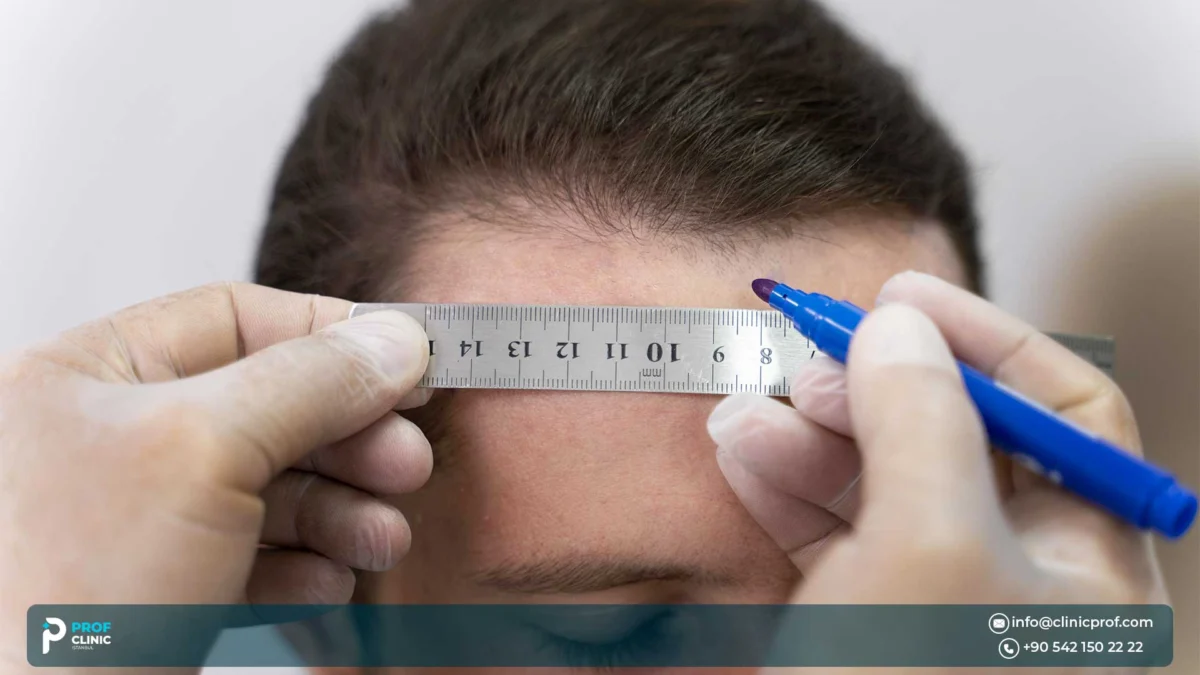
Before choosing any option, you need measurements rather than impressions. The Frontiers review says donor evaluation should combine anatomical mapping with follicular unit density, hairs per graft, shaft diameter and miniaturisation, meaning hairs that are thinning and shrinking. It adds that limited harvesting beyond the classic safe zone may be considered only when trichoscopy shows low miniaturisation and the patient understands the long-term implications. That is an experienced surgeon’s judgement, not a default.
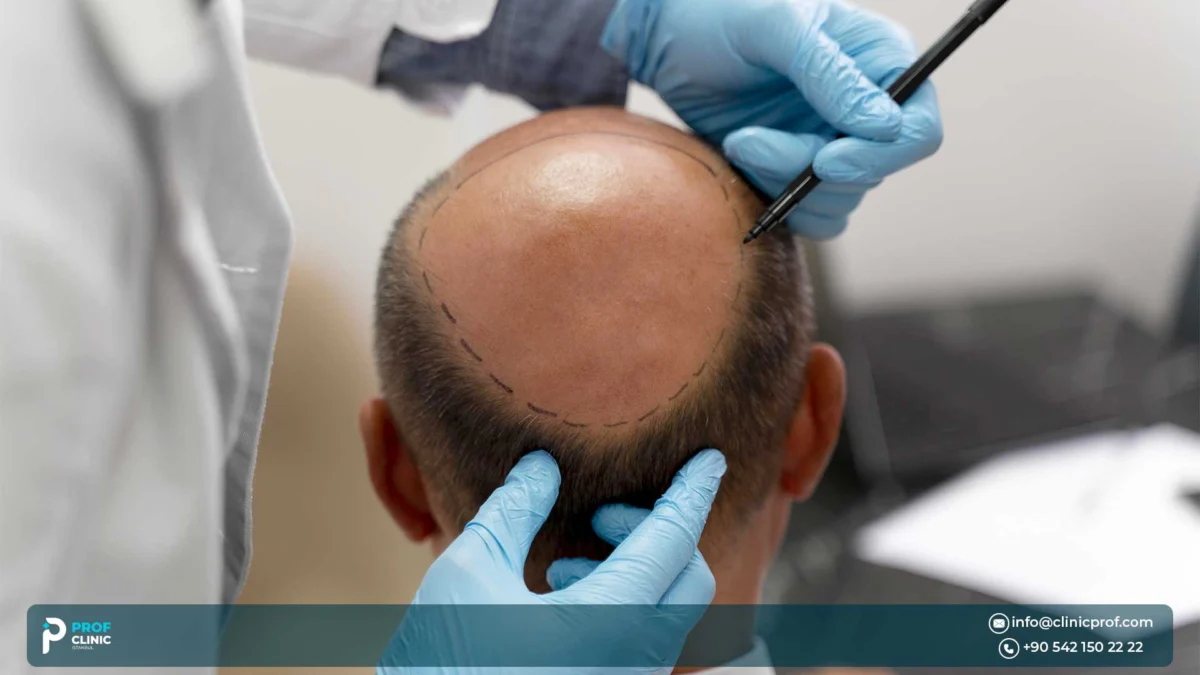
Whether you are planning a hair transplant in Turkey or anywhere else, a good assessment usually covers:
- Photos: clear pictures of the back, sides, top and front.
- Trichoscopy: density per square centimetre, hairs per unit and shaft thickness.
- Miniaturisation: whether hairs in the donor zone are already thinning.
- Surgical history: number of sessions, graft counts, technique and, if you can get it, the operative report.
- Scars and patches: where extraction left visible gaps or marks.
- Your loss pattern: how far hair loss may still advance.
- Other donor hair: beard, chest or body hair, if relevant.
Not sure how much donor you have left? Send photos of the back and sides of your head to our team on WhatsApp, and ask your previous clinic for its operative report before you do.
Option 1: Beard and Body Hair, a Second Supply With Limits
Beard and body hair can add supply when the scalp cannot provide enough, but they do not behave like scalp hair. In the Indian Journal of Plastic Surgery study of 35 men, body and beard hair worked as an additional donor resource, and the hairs kept their original colour, curl and calibre after transplantation, with follow-up from 6 months to 2 years. Body hair does not turn into scalp hair, so planning matters.
The sources also agree that the two are not equal:
- Beard hair is more predictable. An ISHRS article by Dr John Cole says beard transplants typically yield between 60 and 100 per cent. In a small comparison in the Journal of Cutaneous and Aesthetic Surgery, one-year survival was 95% for beard, 89% for scalp and 76% for chest hair.
- Other body hair is less reliable. The same ISHRS article says that about 1 in 4 people who have non-beard body hair transplants get a cosmetically improved result, and that this hair is usually shorter, often not much longer than 3–6 cm, with more hairs resting at any time.
- Texture can clash. Coarse or curly body hair may not match fine, straight scalp hair.
- Selection and testing come first. ISHRS suggests a test procedure, and the Frontiers review advises avoiding body or beard FUE unless a test extraction shows a favourable healing pattern.
Taking beard hair may also thin the beard, so decide how much you are willing to spare. For donor sites, grafts per area and what to expect from chest or back hair, see our dedicated guide.
Also read: Body Hair Transplant (BHT): When Beard or Chest Hair Can Help
Option 2: Protect the Hair You Still Have With Medication
Medication cannot create new donor hair, but it can reduce demand by slowing the loss of the hair around and behind your grafts, so the areas you have already covered don’t thin out again. The American Academy of Dermatology (AAD) says medicine helps because hair loss can continue even after a transplant, and that it can prevent or slow new loss.
The limits are just as important. The NHS says treatments such as minoxidil and finasteride only work for as long as they are used and do not work for everyone, and that women should not use finasteride. ISHRS adds that medicines cannot promise your hair loss will stop completely. Which medicine, dose and monitoring suit you is a doctor’s decision; our guide to Finasteride and Minoxidil for Hair Loss and After a Transplant explains how each one works.
Option 3: Camouflage With Scalp Micropigmentation, Longer Hair or a Hairpiece
Camouflage changes how the scalp looks without moving a single follicle, and when depletion is severe it is often the most realistic way to improve the look of coverage. A 2022 review in the International Journal of Trichology notes that the role of hair transplantation is limited where the donor area has been compromised, and describes camouflage options from hairpieces to scalp micropigmentation. The Frontiers review lists longer hair and micropigmentation as camouflage for depletion.
- Scalp micropigmentation (SMP): a tattoo-style technique that places pigment between the hairs in a stippled pattern resembling closely cut hair. A paper in the Journal of Clinical and Aesthetic Dermatology describes it as a cover-up that creates the illusion of thicker hair, not a way to grow it. It can also conceal scars. Since the pigment is permanent, ask who will treat you and how the result is expected to age. Our guide to Scalp Micropigmentation (SMP): What It Is and When It Suits covers the details.
- Hair length and styling: keeping hair a little longer where the donor is thin can help hide it.
- Hairpieces and wigs: the NHS lists wigs as an option, and says real-hair wigs usually look more natural than synthetic ones. They are non-surgical and removable.
Setting Realistic Goals When Supply Is Limited
With a limited supply, the realistic target is a fuller look, not a full head of hair. The AAD puts it plainly: a full head of hair may be unrealistic, but a fuller one can be the goal. ISHRS adds that surgeons should avoid being too aggressive, because more work may be needed later and donor hair has to be conserved.
In practice, that usually means choosing which areas matter most to you and spending the limited supply there first, rather than covering everything thinly. If you are weighing a male hair transplant, the male hair transplant in Turkey page explains how pattern and donor are assessed together.
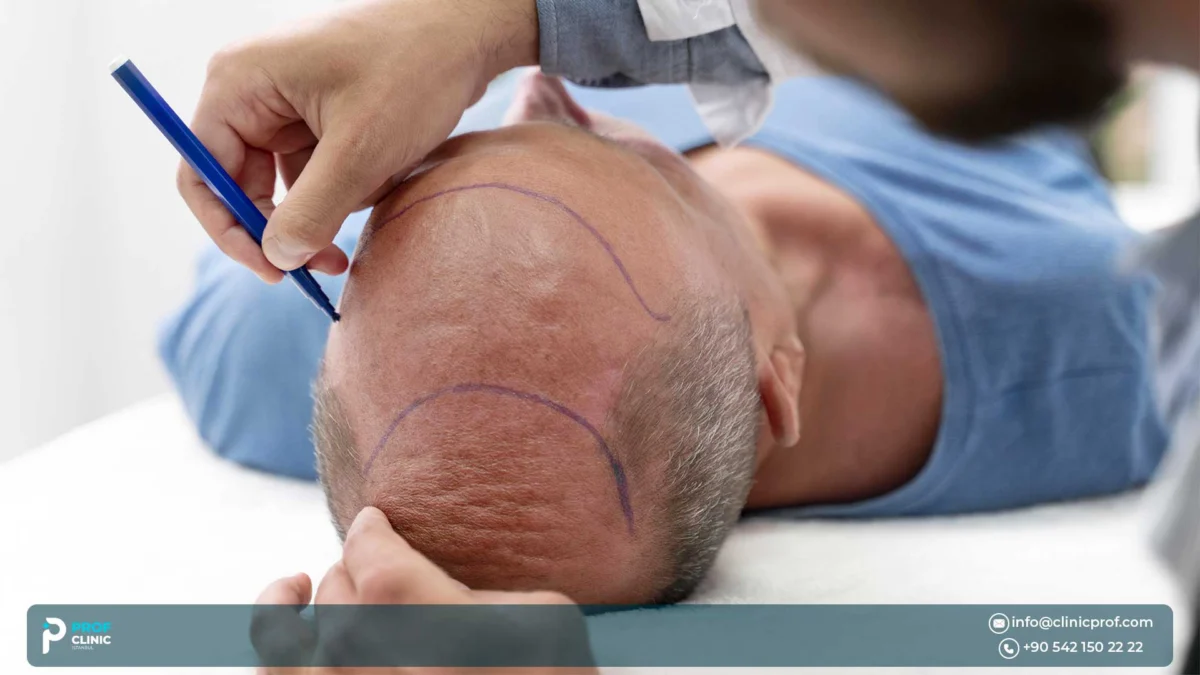
Timing matters too. The Frontiers review says secondary procedures should only be considered once final growth is achieved, typically around 12 months after surgery. Our guide to a Second Hair Transplant Session: When to Do It and How to Add Density explains how to judge whether another session makes sense.
The table sums up which options are usually discussed in which situation.
| Situation | Options usually discussed | Main limit |
|---|---|---|
| Donor thinned by earlier surgery, some stable hair left | Detailed assessment, a smaller session after 12 months in the right case, medication, camouflage | Every graft taken is permanent |
| Extensive loss, limited scalp supply from the start | Beard or body hair in selected cases, prioritising key areas, medication, SMP | Body hair is shorter, slower and less predictable |
| Little usable hair anywhere | SMP, hairpiece, short styling | Camouflage does not grow hair |
| Donor looks thin weeks after surgery | Wait, follow aftercare, review at months rather than weeks | Early shedding is usually temporary |
These are general patterns, not a diagnosis. Your surgeon decides after examining your scalp.
10 Questions to Ask Before You Agree to Another Procedure
Take this list to any consultation:
- Grafts so far: how many grafts have already been taken, and from where?
- Donor density: how many hairs per square centimetre are left, and which method was used to count them?
- Miniaturisation: is any donor hair already thinning?
- This session: how many grafts will it take, and what will be left?
- Safe zone: would you harvest outside it, and why?
- Other donors: could beard or body hair help, and will you test first?
- Realistic density: what will it look like at the planned graft count?
- Protection: how will my existing hair be protected?
- Stopping point: would camouflage suit me better than more surgery?
- Follow-up: who checks my healing after I fly home?
Be cautious about any promise to “regenerate” or “multiply” extracted donor hair, and ask for published evidence. Want to see what limited-donor planning looks like in practice? Browse consented cases in the Prof Clinic before-and-after gallery and compare the starting points with your own.
Donor Assessment at Prof Clinic in Istanbul
At Prof Clinic, a donor question starts with a medical assessment rather than a surgery date. The person who examines your donor area, plans any treatment and coordinates follow-up is Spc. Dr. Lütfi Öztürk, the internal-medicine specialist who leads hair restoration. Whether your remaining donor can support another session, or another option fits better, is decided after that assessment, not before it.
With a donor area that has already been used, a few checks matter even more before you fly:
- Honest density talk: what your remaining donor could achieve is discussed for your case alone, and no density is promised upfront.
- Photo review and written quote: send clear photos of the back and sides of your head; the team assesses them and replies with a written price offer.
- Pre-op tests: a blood count, ECG, kidney and liver function, electrolytes, blood sugar, and hepatitis and HIV screening come before any further surgery.
- Techniques and follow-up: FUE, DHI, Sapphire FUE and Micro FUE are all used at the clinic, and once you are home the coordination team keeps in touch and advises you over WhatsApp.
For a rough budget, scalp hair transplant packages in Istanbul sit at around €1,800–€3,500. This is an approximate 2026 range, not a final price, and cases with a limited donor are quoted individually after assessment. The package covers the procedure, accommodation, airport and hotel transfers, and post-op care.
Want a second opinion on your donor area? Book a free online consultation and share your photos and any earlier surgical details.
Depleted Donor Area FAQs
Can you have a hair transplant with a depleted donor area?
Sometimes, but usually a smaller one, and only after assessment. If stable donor hair remains, a limited session may still be possible; if not, beard or body hair, medication or camouflage may be better choices. A surgeon should confirm how much hair is left before suggesting any graft number.
How do I know if my donor area is overharvested?
Look for visible thinning, a moth-eaten look or a see-through “window” at the back or sides, usually evident weeks to months after surgery. Short hair makes it easier to see. Temporary shedding in the first weeks is different, so ask a surgeon to examine it with trichoscopy before drawing conclusions.
Can an overharvested donor area grow back?
Follicles that were extracted do not regrow, because donor hair is a non-renewable resource. What can recover is temporary shedding of the hairs left behind, which usually settles within months. Whether remaining hair looks thinner permanently depends on how many follicles were taken and how stable the rest are.
Is body hair transplant a good option for a depleted donor?
It can help in selected cases, mainly beard hair and, less reliably, chest or other body hair. Results are less predictable than scalp hair, so a test procedure is usually advised first. Body hair is shorter, grows more slowly and may not match your scalp texture.
Can scalp micropigmentation replace a second transplant?
It can replace the need for one in some cases, but it does not grow hair. SMP creates the look of fuller or closely cut hair by tattooing pigment into the scalp. It suits people who are happy with a short style, and it can also camouflage scars.
How long should I wait before another hair transplant?
Usually about 12 months, once the earlier grafts have finished growing. The Frontiers review says secondary procedures should only be considered after final growth is achieved. Waiting also gives time to see how much donor hair is stable and how your hair loss is progressing.
The Bottom Line on a Depleted Donor Area
With a depleted donor area, the right option depends on three things: how much stable hair is left, how much scalp still needs covering, and how much you want to rely on surgery rather than medication or camouflage. The safest first step is a proper donor assessment, and ideally a second opinion, before you agree to another graft.
If you’re considering a hair transplant in Istanbul after earlier surgery, contact Prof Clinic and send photos of your donor area, along with any records of your earlier procedure.
Sources
- ISHRS — Top 5 Things to Know About Hair Transplantation
- ISHRS — Body Hair Transplant (Cole)
- Frontiers in Medicine — Complications in follicular unit excision hair transplantation: current evidence and practical approaches (Romera de Blas et al.)
- Indian Journal of Plastic Surgery — Use of body and beard donor hair in surgical treatment of androgenic alopecia (Poswal, 2013)
- Journal of Cutaneous and Aesthetic Surgery — Rate of Anagen Effluvium and Survival Rates of Scalp, Beard, and Chest Hair (Gupta et al., 2019)
- International Journal of Trichology — All that a Dermatotrichologist needs to know about Hair Camouflage (Daruwalla et al., 2022)
- Journal of Clinical and Aesthetic Dermatology — Scalp micropigmentation: a concealer for hair and scalp deformities (Rassman et al., 2015)
- American Academy of Dermatology — A hair transplant can give you permanent, natural-looking results
- NHS — Hair loss