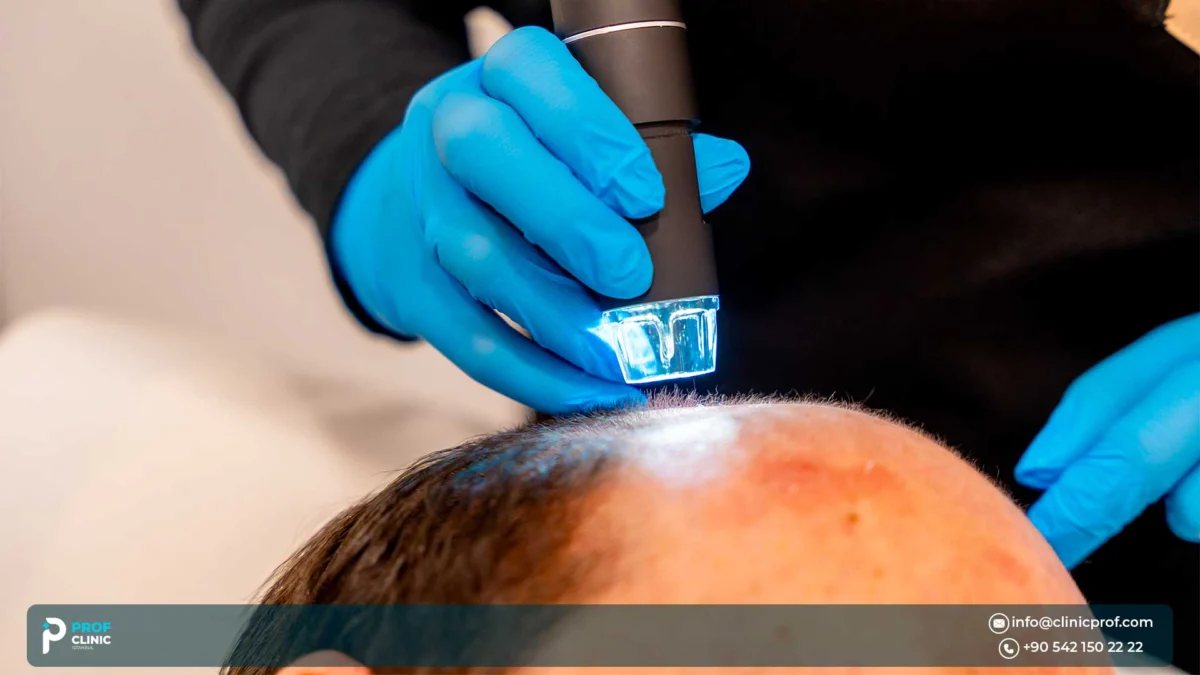
Can you still have a hair transplant if you smoke or have diabetes? In most cases you can, but both slow healing and reduce blood flow to the scalp, so surgeons usually ask smokers to stop for several weeks and want diabetes well controlled before they operate. High blood pressure, blood thinners and some autoimmune scalp conditions work in a similar way: they rarely rule surgery out, but they change how it is planned.
In this guide to smoking and hair transplant safety, you’ll learn what the medical sources say about healing and graft survival, how long to stop smoking, how diabetes and blood pressure are handled, which medicines to disclose, and the questions to ask before you travel.
Who Needs Extra Assessment Before a Hair Transplant?
Anyone with a condition that affects healing, bleeding or the immune system needs a closer medical review, and the list is longer than most people expect. Most of these conditions don’t rule out surgery. They change the timing, the medicines you take around it and, sometimes, the size of the session.
The table groups the main cases and shows what each one is about.
| Condition | Why it matters | What the medical team usually looks at |
|---|---|---|
| Smoking and tobacco | Reduces the blood supply to the scalp and can delay healing | What and how much you smoke, and a stop date several weeks before surgery |
| Diabetes | High blood sugar is linked to slower healing and infection | Recent blood sugar control and input from your own doctor |
| High blood pressure | Can increase bleeding during surgery | Whether your readings are stable and your tablets are taken as prescribed |
| Blood thinners and aspirin | Raise the risk of bleeding | Which drug, why you take it, and whether your prescribing doctor agrees to any change |
| Autoimmune or scarring scalp conditions | Active inflammation can damage grafts or cause scarring | Whether the condition is diagnosed, treated and quiet (scalp examination, sometimes a biopsy) |
| Heavy alcohol use | Increases bleeding risk | Recent intake and any liver problems |
These are general points, not a diagnosis. The International Society of Hair Restoration Surgery (ISHRS) describes diabetes as a condition that may delay healing after surgery, and heavy tobacco and alcohol use as behaviours that can influence the outcome. That is why a careful clinic asks about all of them before it quotes, and why honest answers matter more than a tidy-looking history.
Not sure whether your health history changes your plan? Ask our medical team to review it before you book flights.
Smoking and Hair Transplant: What It Does to Healing and Grafts
Smoking reduces blood supply, and transplanted hair depends on that blood supply to settle in. The ISHRS says smoking can reduce the blood supply to the transplanted hair and so raise the risk of transplant failure, and that the surgeon may ask the patient to stop smoking for several weeks beforehand.
What the Evidence Shows
A recent review of FUE complications in Frontiers in Medicine lists smoking among the conditions that can compromise scalp microcirculation and delay wound healing, and among the factors behind poor or uneven regrowth. The same review describes recipient-site necrosis, meaning tissue loss in the implanted area, as rare, with an unknown true incidence. It names smoking, diabetes and vascular disease as risk factors alongside technical ones such as very dense packing and very large sessions. The World Health Organization (WHO) adds the wider surgical picture: smoking can delay healing and increase the risk of infection at the wound site.
Put plainly, smoking raises the odds of slower healing and weaker growth, but it doesn’t make a poor result certain. The evidence also has limits. In a single-centre study of 621 FUE patients, published in Aesthetic Plastic Surgery in 2024, neither smoking nor diabetes was found to be a risk factor for shock loss, the temporary shedding of your own hair around the grafts; only sex was. So smoking is mainly a healing and blood-supply issue, not the usual cause of the shedding that worries people in weeks 2–8. For that stage, see Shock Loss After Hair Transplant: What Is Normal and When It Returns, which deals with that shedding in detail.
How Long Before Surgery Should You Stop?
The sources point to at least about four weeks. The WHO says smokers who quit around 4 weeks or more before surgery have a lower risk of complications, and the Frontiers review recommends stopping for at least one month before a transplant. The ISHRS uses the looser phrase “several weeks”. Your surgeon sets the exact date for your case.
The window after surgery is less standardised. The NHS asks for great care with the grafts for about the first 2 weeks, which makes those days a poor time to restrict blood flow. Ask for a written instruction on when you can smoke again instead of relying on a number from the internet.
Vaping, Shisha and Nicotine Patches
Most of the research looks at cigarettes. The evidence for shisha (waterpipe), vaping and nicotine replacement in hair transplant patients is thinner, so don’t treat them as a safe workaround. Tell the surgeon exactly what you use and how often, because the advice can differ from case to case.
Smoke shisha or vape, and unsure what applies to you? Message our team on WhatsApp with what you use and ask what to do before surgery.
Also read: Hair Transplant Side Effects and Risks: What’s Normal, What’s Not
Diabetes and Hair Transplant: Control Matters More Than the Label
Having diabetes doesn’t automatically rule out a hair transplant, but poorly controlled blood sugar is the part that worries surgeons. The sources describe diabetes as a risk to manage before surgery rather than a blanket ban: the Frontiers review calls for control of metabolic conditions beforehand, and the ISHRS lists diabetes among conditions that may delay healing.
Why High Blood Sugar Matters for a Scalp Wound
Every graft sits in a tiny wound, and high blood sugar works against wounds. Pre-surgery guidance from an NHS trust says high glucose levels raise the risk of complications during and after surgery, and contribute to infections, poor wound healing and a longer recovery. Infection after FUE is uncommon, below 1% in most studies according to the Frontiers review, but the review names diabetes and immunosuppression among the factors that make it more likely.
What Good Preparation Looks Like
Preparation is mostly about showing that your diabetes is under control and being clear with the team. Here’s what is usually sensible:
- Recent blood tests: bring a recent HbA1c, the test that reflects your average blood sugar over the past few months, plus your usual home readings.
- Your own doctor’s input: ask the doctor who manages your diabetes whether your control suits elective surgery, and share the answer with the clinic.
- A full medicine list: include insulin, tablets and injections, so meal and medicine timing on surgery day can be planned.
- No self-adjusting: never change or stop diabetes medicine on your own; any change comes from the doctor who prescribes it.
- Delay if needed: if your sugar is running high, postponing by a few weeks is usually safer than pressing ahead, and the NHS trust guidance notes that surgery may be delayed until glucose is in a safer range.
Living with diabetes and planning a trip to Istanbul? Book a free online consultation and send your latest blood test results along with your scalp photos.
High Blood Pressure, Blood Thinners and Other Medicines
These matter because of bleeding, which is usually mild in hair transplants but rises with certain conditions and drugs. The Frontiers review says bleeding is typically intraoperative and mild, with postoperative bleeding uncommon, and lists bleeding disorders, anticoagulants, antiplatelet drugs, NSAIDs, supplements and hypertension among the factors that raise the risk.
High Blood Pressure
Controlled blood pressure is usually manageable; uncontrolled blood pressure is the concern. The Frontiers review recommends blood pressure control and a medication review before surgery, and notes that stable pressure and good pain control keep bleeding down. Keep taking your tablets exactly as prescribed unless your own doctor says otherwise, and tell the team about them, because the numbing and tumescent solutions used on the scalp often contain a small amount of epinephrine (adrenaline), which acts on blood vessels.
Blood Thinners, Aspirin and Anti-Inflammatories
Never stop a blood thinner on your own. The Frontiers review says that for patients on anticoagulant or antiplatelet therapy, the risks of bleeding and clotting should be assessed individually to decide whether a temporary pause is appropriate. The ISHRS adds that a patient on warfarin with a moderate-to-high INR is usually not a good candidate for any surgical procedure, and that patients taking aspirin are advised to suspend it for a period before and after surgery. The decision involves your surgeon and the doctor who prescribed the drug, because the reason you take it, such as atrial fibrillation or a heart valve, may matter more than the transplant.
Ibuprofen and naproxen can also increase bleeding risk at higher doses or with frequent use, according to the ISHRS. Tell the team about every painkiller you take regularly, including over-the-counter ones, and about drugs you stopped recently, because some effects last for days to weeks after the last dose.
Supplements, Herbs and Alcohol
Products that look harmless can still affect bleeding. The ISHRS lists garlic, ginger, ginkgo, ginseng and saw palmetto among herbal products that can affect it, and notes that many surgeons ask patients to stop vitamin E supplements several weeks before surgery. It also says heavy long-term drinking is a bleeding risk, and that stopping for days to weeks beforehand may reduce it. Put every supplement on your list, even the ones you think of as natural. The same ISHRS page adds that bleeding risk is minimal to none for most patients, so this is about care, not alarm.
Hair-loss medicines such as finasteride and minoxidil have their own rules around surgery, covered in Finasteride and Minoxidil: Hair Loss Treatment and After a Hair Transplant if you take either one.
Autoimmune and Scarring Scalp Conditions: When Surgery Waits
An active inflammatory scalp condition is one of the clearer reasons to hold off, because a transplant needs a stable scalp to work on. The NHS notes that hair loss from causes other than the inherited type, such as alopecia areata, is generally not a good match for a transplant. The Frontiers review warns that undiagnosed scarring (cicatricial) alopecia can be linked to late inflammatory reactions after surgery, recommends a careful clinical and trichoscopic (magnified scalp) evaluation beforehand, and lists immunosuppression among the factors that raise infection risk.
In practice, that means a scalp examination and a clear diagnosis before a date is set. If you take immune-suppressing medicine for another condition, tell the team which one and who prescribes it. For patchy autoimmune hair loss in particular, see Alopecia Areata and Hair Transplant: Who Is Not a Good Candidate.
What to Tell Your Surgeon: A 10-Point Medical History Checklist
The most useful thing you can bring to a consultation is a complete, honest history. Before you travel, write down:
- Smoking and nicotine: what you use, how much, and the date you will stop.
- Diabetes details: type, medicines, recent HbA1c and who manages it.
- Blood pressure: your usual readings and the tablets you take.
- Blood thinners and aspirin: names, doses and why they were prescribed.
- Painkillers: ibuprofen, naproxen and similar drugs, and how often you use them.
- Supplements and herbs: vitamin E, ginkgo, ginseng, garlic and anything else.
- Alcohol: your typical weekly intake and the date of your last drink.
- Scalp and immune conditions: diagnoses such as alopecia areata, immune-suppressing medicines, and any previous scalp surgery or radiotherapy.
- Recently stopped medicines: anything you stopped in the last few weeks.
- Allergies: including any past reaction to a local anaesthetic.
Take this list to your consultation and keep a copy on your phone. For the practical steps in the weeks before surgery, from medicines to travel, read Hair Transplant Preparation Checklist: What to Do Before Surgery.
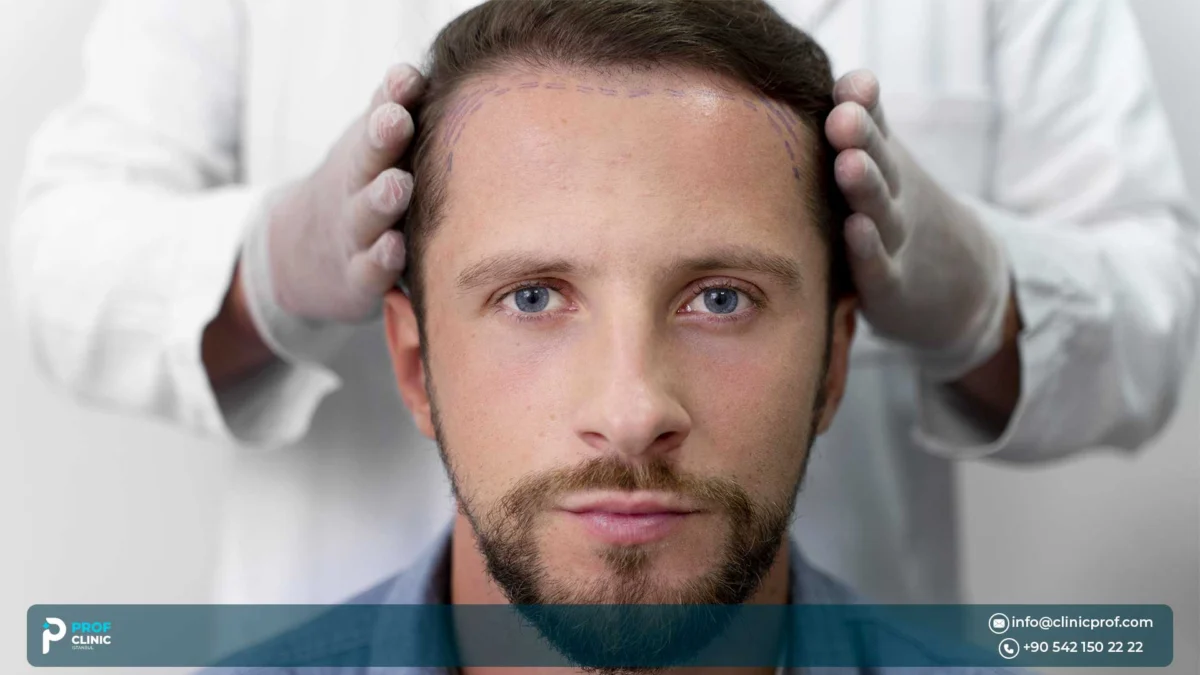
Medical Assessment Before Surgery at Prof Clinic in Istanbul
At Prof Clinic, the medical history comes before the hairline. Our hair transplant in Turkey service starts with a photo review and medical assessment, and Spc. Dr. Lütfi Öztürk leads hair restoration and, as an internal-medicine specialist, handles the medical assessment and treatment planning, then coordinates follow-up. If you are a man comparing options, our male hair transplant in Turkey page explains the techniques and what the process involves.
If you smoke or have diabetes, these are worth confirming before you travel:
- Pre-op tests: blood sugar, especially relevant if you have diabetes, is checked before surgery alongside a blood count, ECG, kidney and liver function, electrolytes, and hepatitis and HIV screening.
- Your records: ask the team what they would want from your own doctor, such as recent results, before a date is confirmed.
- Techniques: FUE, DHI, Sapphire FUE and Micro FUE, chosen for your hair and donor area.
- Honest expectations: nobody quotes you a density in advance; it is discussed for your own case.
- A written quote: you receive it after your photos are reviewed; the package covers the procedure, accommodation, airport and hotel transfers, and post-op care.
- Follow-up after you fly home: questions during healing go to the coordination team on WhatsApp, who stay in contact and advise you.
For budgeting, a scalp hair transplant package in Istanbul is roughly €1,800–€3,500. Treat that as an approximate 2026 figure rather than a final price, since your case after assessment decides it and the written quote confirms it. A trip to Istanbul typically takes 2–4 days.
FAQs About Smoking, Diabetes and Hair Transplant
Can I get a hair transplant if I smoke?
Usually yes, but your surgeon will ask you to stop smoking for several weeks first. Smoking reduces blood supply and can slow healing, which may affect how well the grafts settle. The WHO and a recent Frontiers in Medicine review point to about 4 weeks or one month as a sensible minimum, and your surgeon confirms the date after assessment.
How long should I stop smoking before a hair transplant?
At least about 4 weeks is the usual guidance. The WHO says quitting around 4 weeks or more before surgery lowers complication risk, and the ISHRS says “several weeks”. Ask your surgeon for the exact date, and for a written instruction on when you can restart afterwards.
Can diabetics have a hair transplant?
Often yes, when diabetes is well controlled, but it is assessed case by case. High blood sugar is linked to slower healing and infection, so surgeons usually want recent test results and your own doctor’s input. If your sugar is running high, surgery may be postponed until it is in a safer range.
Can I have a hair transplant with high blood pressure?
Usually yes, if your blood pressure is controlled. Uncontrolled pressure increases bleeding, so keep taking your tablets as prescribed and tell the team about them. A medication review is part of the assessment, and your own doctor should decide on any change to your treatment.
Do I need to stop blood thinners or aspirin before a hair transplant?
Not on your own. Your surgeon and the doctor who prescribed the drug decide together whether a pause is safe, because the reason you take it matters. The ISHRS says patients are usually advised to suspend aspirin before and after surgery, and warfarin needs an INR review.
Can I smoke after a hair transplant?
Ask your surgeon for a written window, and avoid smoking at least while the grafts settle. The NHS advises handling the grafts very carefully for about 2 weeks, and the WHO says smoking can delay healing and raise infection risk at a wound. No single universal period applies, so follow your surgeon’s instruction.
Smoking and Hair Transplant: The Bottom Line Before You Book
When you weigh smoking and hair transplant surgery together with diabetes and blood pressure, the deciding factor is control rather than the label: stop nicotine for several weeks, bring recent results, and list every medicine and supplement. Share all of it with your surgeon and your own doctor before you commit to a date. If you’re planning a hair transplant in Istanbul and want your history reviewed first, contact Prof Clinic and ask for a written plan.
Sources
- ISHRS — Smoking, Drinking, Medications and Herbal Products Can All Affect the Course of Your Hair Restoration Surgery
- ISHRS — Your Medical Treatment History: Important Information to Share With Your Hair Restoration Physician
- World Health Organization — Smoking greatly increases risk of complications after surgery
- NHS — Hair transplant
- Calderdale and Huddersfield NHS Foundation Trust — Diabetes (preparing for surgery)
- Frontiers in Medicine — Complications in Follicular Unit Excision Hair Transplantation: Current Evidence and Practical Approaches (Romera de Blas et al.)
- Aesthetic Plastic Surgery — An Analysis of Risk Factors of Recipient Site Temporary Effluvium After Follicular Unit Excision: A Single-Center Retrospective Study (Okochi et al., 2024)