If you have coily or tightly curly hair, you’ve probably seen clinics argue about “FUE vs DHI.” Here is the reality: both can work, but the label of the Afro Hair Transplant Techniques matters less than how well the team protects your curved follicles and matches your natural angles.
This guide by Prof Clinic helps you choose the best type of hair transplant for afro hair safely, know what to ask, and avoid the common marketing traps—especially if you are traveling for treatment.
If you want a personalized plan, send clear photos of your hairline, crown, and donor area for an online assessment before you book travel.
How Afro Hair Follicles Affect Afro Textured Hair Transplant Procedures
Your curl pattern is not only above the scalp. In many Afro-textured donors, the follicle also curves under the skin. That is why extraction requires a modified approach.
A good clinic will check for a few decision-makers before recommending FUE or DHI:
- How tight the follicle curves under the skin (not just how it looks above the scalp).
- Whether your donor area truly has enough supply (coily hair can hide limited donor density).
- Any history of thick scars or keloids, and how you healed from prior skin injuries.
- Whether your hair loss is compatible with surgery (for example, traction-related loss or scarring alopecia may need a different plan first).
Do not let a clinic sell you a method before they confirm your diagnosis and donor capacity.
Choosing Between FUE Hair Transplant Afro Hair and DHI Afro Hair Transplant
To keep it simple:
- FUE describes how grafts are extracted (micro-punch harvesting).
- DHI often describes how grafts are implanted (using an implanter pen).
- Many clinics combine them: FUE-style extraction with DHI-style placement.
So the best question is not “Which is better?” It is: “Which workflow will protect my follicles and deliver my hairline goals?”
A practical way to decide
Use these factors to guide your consultation. They are the ones that change the outcome in real life:
- Coverage size: larger zones usually need a streamlined workflow and strong graft handling discipline.
- Hairline detail: if your priority is a refined hairline with tight angle control, implanter-based placement may help in experienced hands.
- Native hair: adding density between existing hairs can require more precision and slower placement.
- Scar tendency: share any prior keloids or hypertrophic scars early—before you commit.
- Styling plans: if you wear shorter cuts, scar management and donor preservation matter even more.
Quick comparison you can scan in 10 seconds:
| Factor | FUE (Afro hair) | FUE (Afro hair) |
| What is different | Extraction with micro-punches | Implantation using an implanter pen (often after FUE extraction) |
| Where extra skill is needed | Punch angle/depth to follow curved follicles | Angle/depth control during placement + protecting delicate grafts |
| Best fit in many cases | Broader coverage areas | Detailed hairline work or small zones (when the team is highly experienced) |
| Main risk if done poorly | Higher transection risk in tightly coiled follicles | Pen marketing” without real Afro-hair extraction expertise |
| What to ask | How they reduce transection; which punch approach/tools they use | Who implants; how they match direction/angle to your curl pattern |
What Happens During an Afro Hair Transplant Procedure
Most clinics follow the same core stages. Knowing them helps you compare providers on substance, not branding.
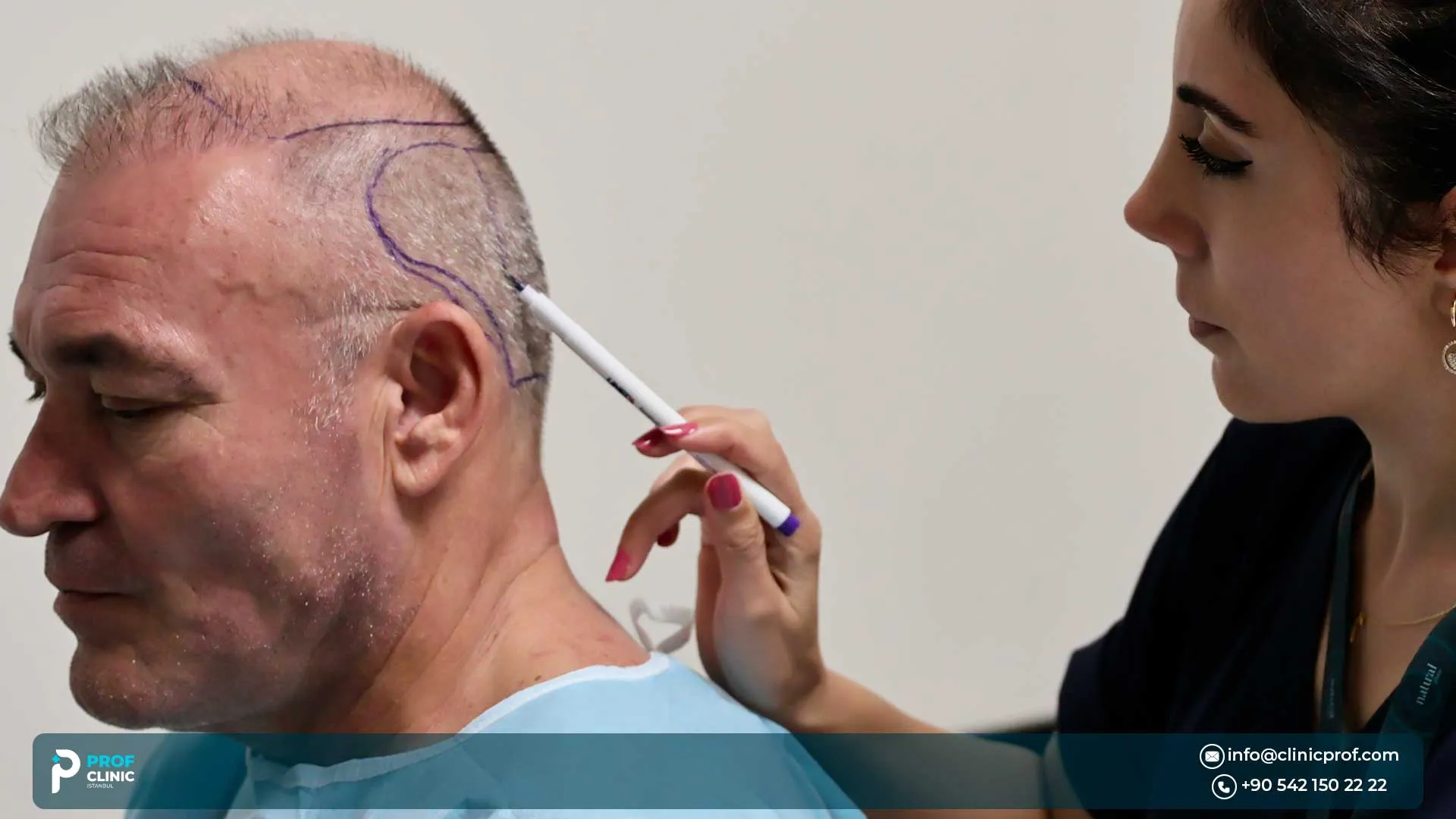
- Assessment and design: confirm diagnosis, measure donor capacity, and design a hairline that fits your facial structure and curl direction.
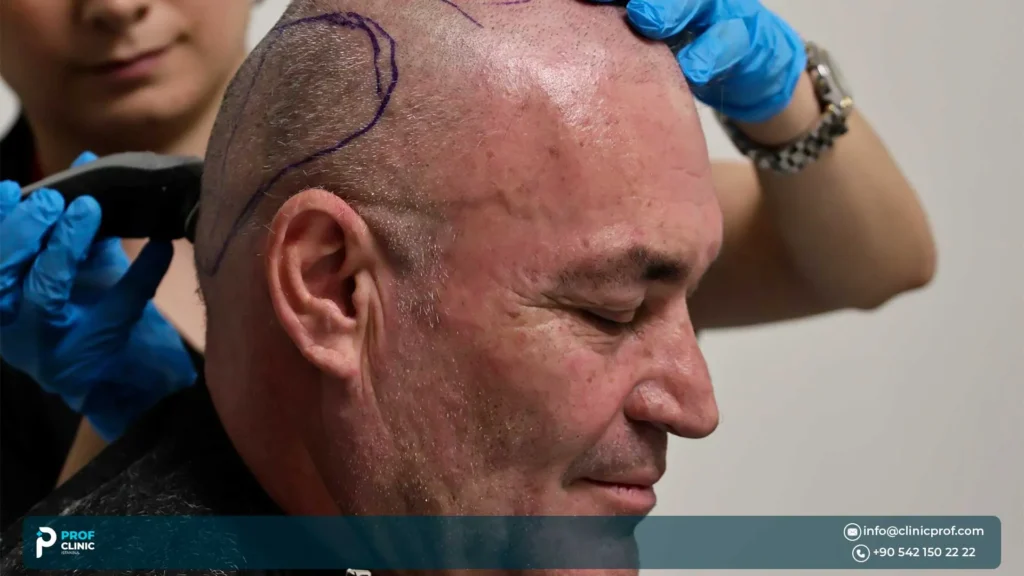
- Donor preparation: trimming and local anesthesia, then marking a safe harvest zone.
- Extraction: removing follicular units with a strategy adapted to curved follicles.
- Graft protection: sorting and hydration to reduce handling damage.
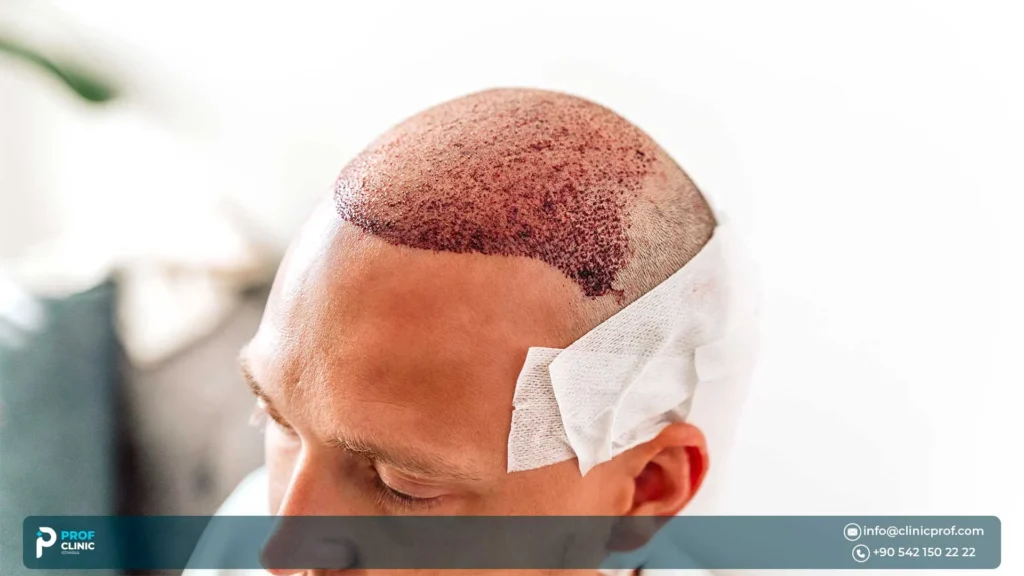
- Recipient creation and implantation: placing grafts at angles that match how your hair naturally exits the scalp.
- Discharge and aftercare: written washing instructions, medication guidance, and follow-up plan.
Why Extraction Is Different in Afro Hair Transplant Surgery
For Afro hair, extraction is often the highest-risk step because the follicle path under the skin can be unpredictable.
An Afro hair teansplant clinic that truly works with coily follicles should be able to explain their strategy clearly—without hiding behind slogans.
Ask these questions and listen for specific, technical answers:
- How do you map the follicle’s curve before harvesting?
- What punch type and punch motion do you use for tightly coiled follicles?
- Do you perform a small test extraction to confirm graft integrity in difficult donors?
- What is your plan to protect the donor area so it still looks natural at short lengths?
Red flag: the clinic of hair transplant in Turkey focuses on the device name, but cannot explain how they reduce transection in coily follicles
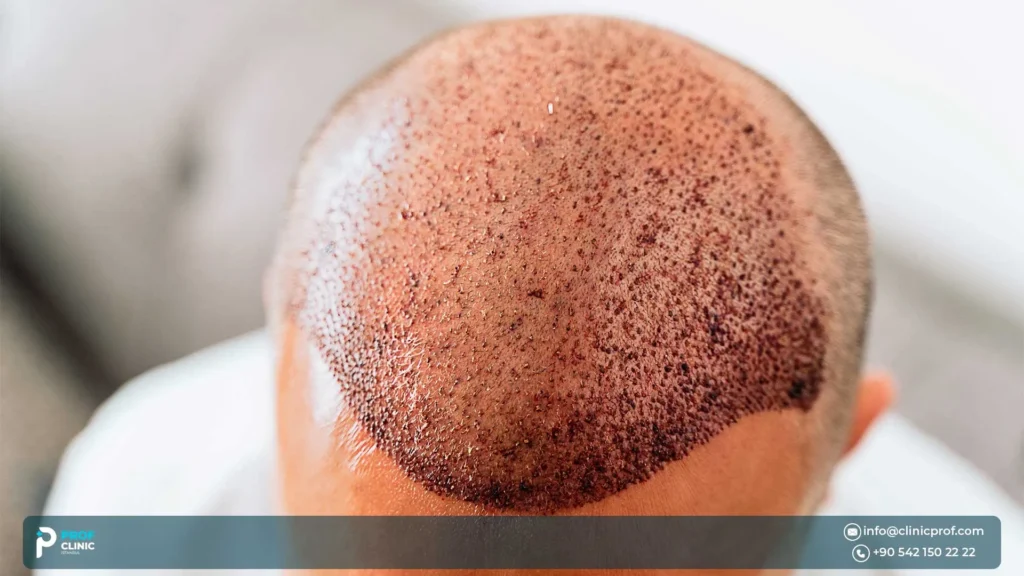
How DHI Afro Hair Transplant Can Support Natural Hairline Design
A natural Afro hairline is not a perfectly straight line. It is a soft transition with micro-irregularities and a direction pattern that looks unforced.
When used correctly, an implanter-based approach can help with:
- Angle and direction control (to avoid an upright, “pluggy” look).
- Consistent depth (to reduce pitting or elevated grafts).
- Efficient placement in small zones where precision matters most.
Healing and Aftercare for Afro Textured Hair Transplant Procedures
Healing is mostly about protecting grafts early, then staying patient during the quiet months.
Your surgeon’s protocol comes first. The points below are general expectations, not personal medical advice.
Early priorities that matter for coily hair
- Avoid friction: no tight hats, aggressive brushing, or rubbing the recipient area.
- Avoid tension: skip tight protective styles until your surgeon clears you.
- Avoid harsh chemicals: relaxers and strong dyes should wait until you get explicit approval.
- Keep washing gentle and predictable: follow the clinic’s written instructions and never pick crusts.
| Timeframe | What you may notice | What to do |
| Days 1–3 | Tender donor area; possible swelling precautions | Protect grafts; sleep as advised; take prescribed meds |
| Days 4–14 | Small crusts gradually shed | Gentle washing per protocol; no picking |
| Weeks 2–8 | Possible temporary shedding (“shock loss”) | Possible temporary shedding (“shock loss”) |
| Weeks 10–16+ | Early regrowth starts | Track progress with monthly photos; report concerns early |
Ask ClinicProf for a pre-travel and aftercare checklist so you know exactly what supplies, washing steps, and follow-up timing to plan for.
FAQs about Afro hair transplant techniques
Is DHI or FUE better for afro hair?
Neither is universally “better.” Afro hair success depends on protecting curved follicles during extraction and matching natural angles during placement; the surgeon’s Afro-hair experience is often the deciding factor.
What is the best hair transplant method for afro hair?
For many patients, the best hair transplant for afro hair is the method the clinic can perform safely with low graft damage and a natural hairline plan. Ask what they do differently for curved follicles and whether they’ve treated your curl type before.
Why is FUE preferred for African American hair?
Many patients prefer FUE because it avoids a long linear scar and is considered minimally invasive compared to strip harvesting, which can matter for shorter hairstyles.
Does afro hair need special extraction techniques?
Yes. The follicle’s curvature under the skin often requires technique adjustments, and studies discuss specialized approaches/tools designed to reduce transection in tightly curled follicles.
What makes afro hair transplant more challenging?
The hidden curve of the follicle increases transection risk, donor assessment can be visually misleading due to curl, and scarring tendencies (like keloid history) must be considered carefully.