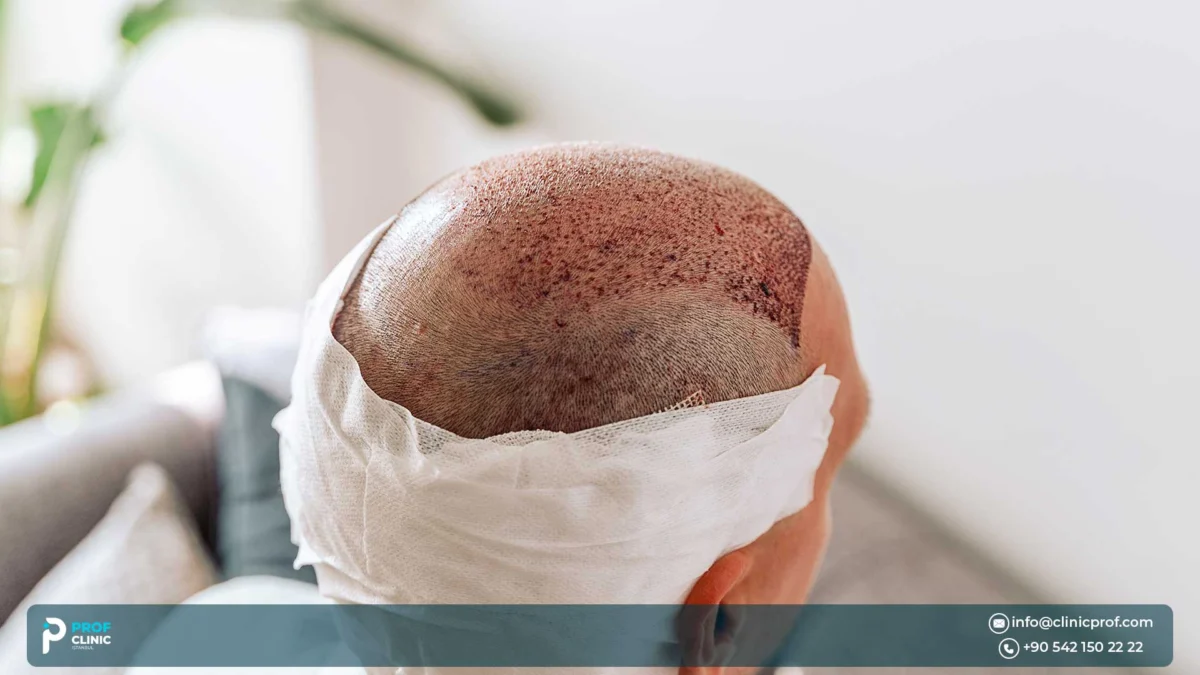
What belongs on a hair transplant preparation checklist, and what actually changes the outcome? Most of the preparation is a medical conversation rather than a shopping list: tell your surgeon about every medicine you take, cut out smoking and alcohol in good time, and follow the clinic’s written instructions on hair length, washing and clothing. The details below are timed against medical sources, not internet folklore.
In this checklist by Prof Clinic, you’ll find a countdown timeline, the medicines and supplements to raise with your doctor (and the ones you should never stop on your own), what to avoid before a hair transplant, what to do with your hair, how to plan the trip to Istanbul and what the last 24 hours look like. By the end, you’ll know what to ask your clinic to put in writing.
How to Prepare for a Hair Transplant: A Timeline of What to Do and When
Preparation works best as a countdown, because different substances leave your body at different speeds and each has its own cut-off. Think of it as the Countdown Method: habits and medical review in the weeks before, supplements and painkillers in the last week, and alcohol plus any paused medicine in the last few days.
| When | What to do | Why it matters |
|---|---|---|
| 3–6 weeks before | Stop smoking if you smoke. Send photos and your medical history to the clinic. | Smoking affects blood circulation, and one review advises stopping 3–6 weeks before surgery |
| 2–4 weeks before | Have every medicine and supplement reviewed by the surgeon | Vitamin E in particular is often stopped several weeks ahead |
| 1 week before | Pause vitamins, herbal products and anti-inflammatory painkillers only if your surgeon says so | These can increase bleeding; one review gives about 7 days |
| 3–4 days before | No alcohol. Any prescribed blood thinner is paused only on your doctors’ instruction | Reviews give about 3 days for alcohol and 72–96 hours for anticoagulants |
| The day before | Wash your scalp as instructed, check the hair-length instruction, pack, sleep | Clean, calm and organised beats last-minute rushing |
| Morning of surgery | Shower, wear a button-up top, eat unless told to fast, bring your medication list | Clothes that don’t pull over the head protect the treated area |
These are typical windows reported in medical sources, not fixed rules. Surgeons set their own cut-offs, so the written list from your own clinic always wins over a general table. If the two disagree, follow your clinic’s list and ask why.
Medical Check and Medicines: What to Tell Your Doctor First
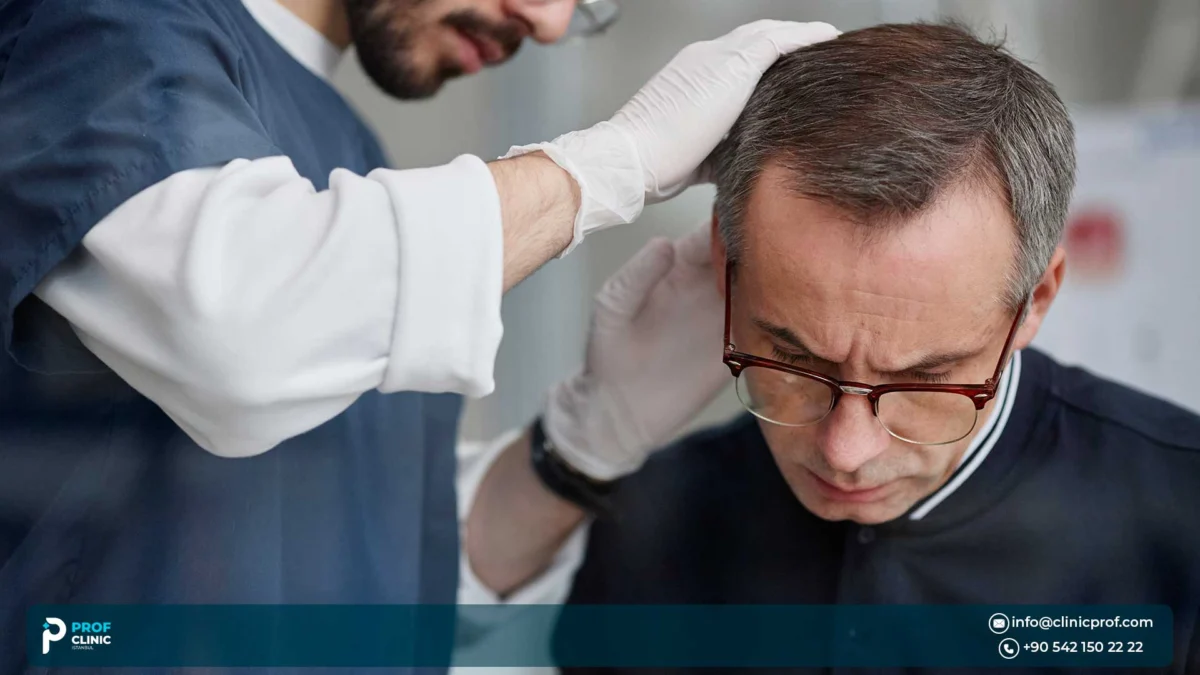
The most useful preparation is full honesty about your health and medicines, because several common drugs and supplements increase bleeding or affect healing. The American Academy of Dermatology (AAD) says a transplant consultation includes a thorough scalp exam and sometimes a blood test to find the cause of hair loss, and the ISHRS says no information should be withheld because it feels embarrassing or irrelevant.
Share Your Full Medical History
Tell the clinic about diabetes, thyroid disease, skin conditions, previous surgery and any allergies, especially to anaesthetics, which the NHS lists among the small risks of a transplant. Mention treatments you stopped recently too, because some drugs keep acting for days or weeks after the last dose. The ISHRS singles out isotretinoin, warfarin, clopidogrel and aspirin.
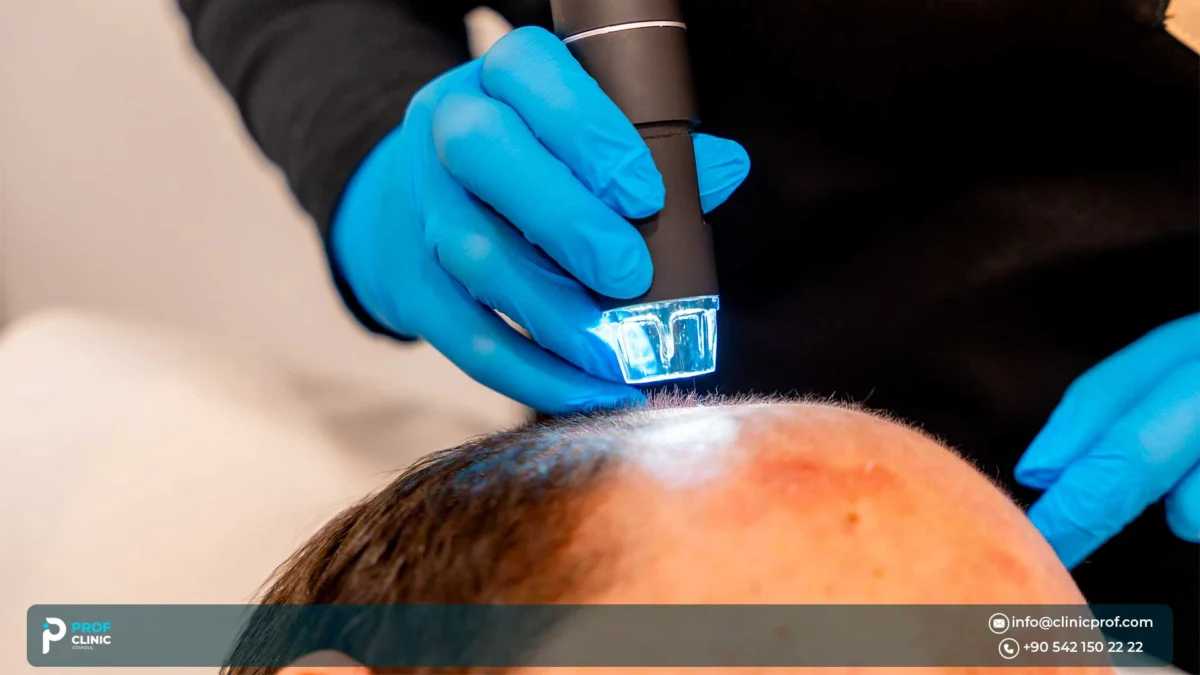
Expect tests as well. Prof Clinic’s male hair transplant page lists a blood count, ECG, kidney and liver function, electrolytes, blood sugar and hepatitis and HIV screening before surgery, and a StatPearls review describes a similar set, including platelets and clotting tests. Bring any recent blood results with you.
Blood Thinners, Aspirin and Painkillers
If you take a prescribed anticoagulant or antiplatelet such as warfarin or clopidogrel, do not stop it yourself. The NHS says to make sure everyone treating you knows about the medicine and to stop it only on the advice of your GP or another healthcare professional. A StatPearls review notes that these drugs are usually discontinued 72–96 hours before a transplant, but that is a joint decision for your prescriber and your surgeon, because the reason you were prescribed it matters.
Aspirin is the item people forget. The ISHRS notes that it has potent effects on platelets and that many people take it almost daily without thinking to mention it, so put it on your list. Whether to stop it is a separate question: StatPearls says low-dose aspirin does not require discontinuation, while Prof Clinic’s male page lists aspirin among the medicines to stop two weeks before surgery. Because sources and clinics differ, the decision is individual.
Anti-inflammatory painkillers such as ibuprofen and naproxen may increase bleeding risk at higher doses or with frequent use, according to the ISHRS, and StatPearls suggests stopping them 7 days before. Prof Clinic’s male page lists aspirin and anti-inflammatories two weeks before surgery. The windows vary, so ask which painkiller you can use for headaches in the meantime.
Blood pressure, heart and mental-health medicines need extra care. Some lists mention them, but StatPearls says antihypertensive medicines should be continued, and the right answer depends on why you take them. Never stop them without the doctor who prescribed them.
Not sure whether something on your medication list matters? Send your list to our team on WhatsApp so it can be checked before you change anything.
Vitamins, Supplements and Herbal Products
Supplements are the most overlooked item because people regard them as health foods, not drugs. The ISHRS reports that vitamin E, especially in large doses, can increase bleeding risk, and that many surgeons ask patients to stop it several weeks before surgery. It lists garlic, ginger, ginkgo, ginseng, saw palmetto, danshen, feverfew and flaxseed among herbal products that can affect clotting.
StatPearls gives a simpler rule of thumb: discontinue vitamin supplements and herbal preparations 1 week before. Write down everything you take, including capsules, powders and teas, and hand the list to the clinic.
Minoxidil and Finasteride Before a Hair Transplant
Surgeons handle hair-loss medicines differently, so this is a question for your surgeon rather than a rule. StatPearls advises continuing finasteride throughout the perioperative period and stopping minoxidil about 1 week before the procedure, while the AAD notes that a dermatologist may recommend hair-loss medicine to get the best results from a transplant. Don’t start, stop or change either on your own. Our guide to finasteride and minoxidil before and after a hair transplant covers the longer-term picture.
What to Avoid Before a Hair Transplant: Smoking, Alcohol and Caffeine
Smoking and alcohol matter most because they affect circulation and bleeding, while caffeine is a smaller question about nerves and sleep. Of the three, smoking needs the longest lead time, so it is the first item to act on.
Smoking
The ISHRS explains that nicotine and other chemicals in smoked tobacco may cause or contribute to circulation problems, and that surgeons may ask patients to stop for several weeks before surgery. A StatPearls review suggests stopping 3–6 weeks before and staying off tobacco for the same time afterwards. Some clinics set a shorter minimum, and Prof Clinic’s male page, for example, asks for at least 24 hours, but earlier is better for healing. If you can’t quit completely, tell your surgeon honestly: the ISHRS notes that surgery may be delayed until risk factors are reduced. The risks for smokers and people with diabetes are covered in smoking, diabetes and hair transplant.
Alcohol and Recreational Drugs
A single episode of drinking can raise bleeding risk within one to two hours, according to the ISHRS, and stopping for days to weeks before surgery may reduce it. StatPearls advises avoiding alcohol and recreational drugs for 3 days before. The ISHRS also warns that cocaine can dangerously enhance the effects of lidocaine, the local anaesthetic commonly used. So skip the farewell drink on the night before.
Caffeine
No major medical body publishes a hair-transplant-specific caffeine rule, so use general guidance. Mayo Clinic says up to 400 mg of caffeine a day seems safe for most adults, that caffeine can worsen anxiety and keep you from sleeping, and that stopping suddenly can cause headaches and tiredness for a few days. In practice, keep your usual moderate amount, avoid extra cups if nerves are already high, and ask your clinic whether it has its own rule.
Haircut and Hair Care Before a Hair Transplant
Don’t trim, shave or restyle your hair on your own initiative before the procedure; follow the length your clinic specifies. Practice differs: StatPearls describes the head being trimmed or shaved the day before, leaving the donor area at about 0.5–1.5 mm, while Prof Clinic’s male page says not to cut your hair beforehand so the donor area stays intact. Ask which applies to you and who does the trimming.
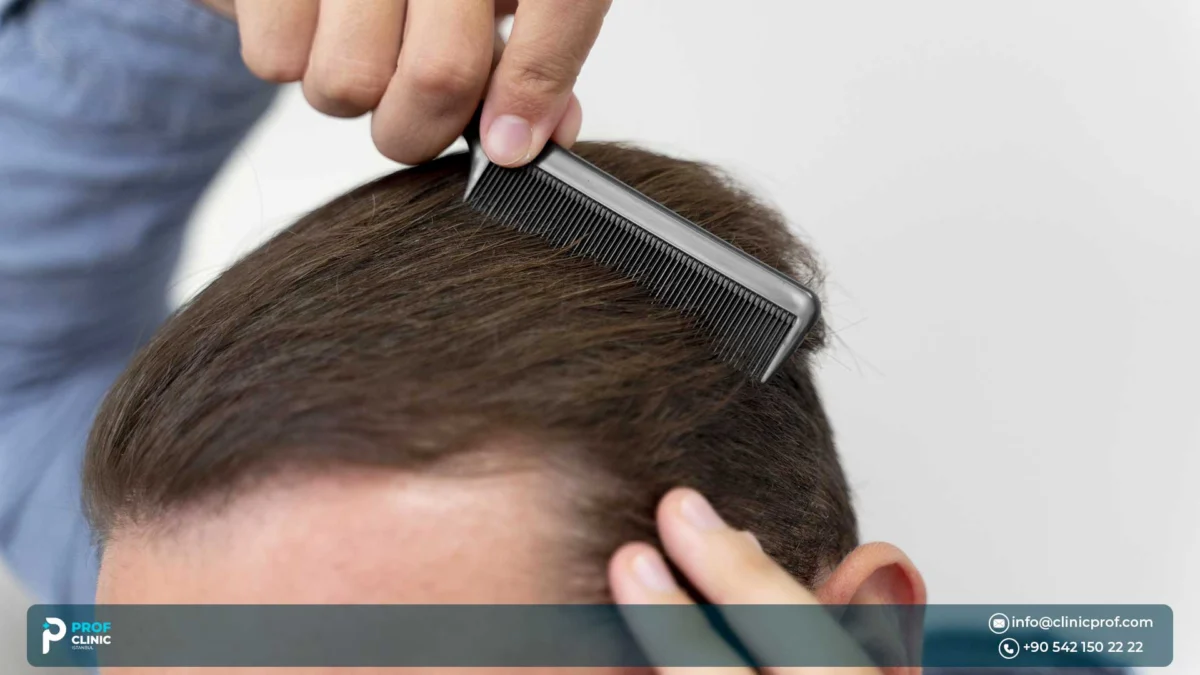
If you want to keep longer hair, ask early whether an unshaven approach is realistic for your case. The guide to the unshaven hair transplant explains who it suits and what changes.
For washing, StatPearls describes showering with shampoo, or in some protocols 4% chlorhexidine shampoo, the night before and on the morning of surgery. Do exactly what your clinic says and don’t try new products in the final days. Prof Clinic’s male page also suggests gentle scalp massage for 1–2 weeks before surgery to soften the skin and improve circulation, so ask whether your surgeon wants that.
Travel, Documents and Time Off for a Hair Transplant in Istanbul
A hair transplant is usually done in a single day without an overnight hospital stay, according to the NHS, and large areas may need two or more sessions on different days. Most overseas patients plan a short stay, typically 2–4 days, and the NHS says you may need 1–2 weeks off work, listing temporary scabbing among the common side effects. If you are planning a hair transplant in Istanbul, sort out these items first:
- Identity and cover: passport, travel insurance and your booking confirmation.
- Licence check: confirm the clinic and doctor are licensed with the Turkish Ministry of Health, and ask who will actually perform the procedure.
- Written quote: keep the quote showing what is included, such as accommodation, transfers and aftercare.
- Medical papers: your medication list, recent blood results and a letter from your doctor if you take blood thinners or heart medicines.
- Photos: clear pictures of the front, sides, crown and donor area, which are what the clinic reviews for an initial assessment.
- Clothing: loose button-up or zip-front tops rather than anything pulled over the head.
- Work and return flight: agree your return date with the clinic and tell your employer how long you’ll be away.
Also read: How Many Days Do You Need in Turkey for a Hair Transplant?
Want the instructions and travel plan in one document? Ask our team for a written instruction sheet so you aren’t working from memory.
The Night Before and the Morning of Your Hair Transplant
On the night before you shower as instructed, set out your clothes and sleep; on the morning you eat unless told otherwise, take only the medicines you agreed on and arrive for your tests. The NHS says a transplant is usually done under local anaesthetic with sedation, so you stay awake and should not feel pain once the area is numb.
What to Wear, Eat and Bring
- Wear: a button-up or zip-front top, because StatPearls advises avoiding clothing that must be pulled over the head.
- Eat: normally, unless your clinic says otherwise. StatPearls notes that fasting is not required unless IV sedation is used, in which case about 6 hours is advised.
- Avoid: alcohol, extra caffeine if you are anxious, and hair products on the scalp.
- Bring: your medication list, ID and anything the clinic has asked for.
Check Your Hairline Before You Start
The hairline is usually drawn on your scalp before the procedure, and this is the moment to speak up. Ask to see it in a mirror, ask how it will frame your face as you age, and ask what density is realistic: the answer is worked out for your case alone, and no figure is promised before the procedure.
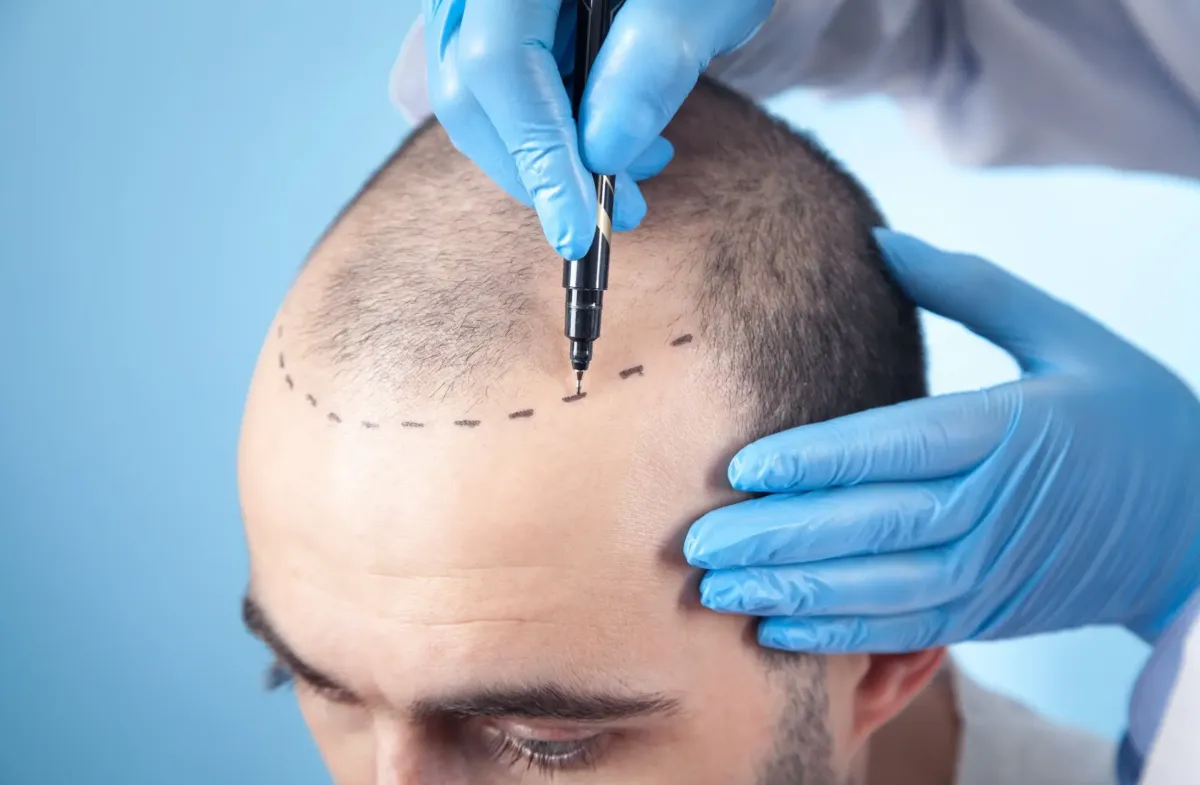
Once surgery starts, your focus shifts to protecting the grafts. Those rules are separate from preparation and are covered in the aftercare guide linked below, so keep it ready for the flight home.
Back home, our day-by-day aftercare plan for the first month takes over where this checklist stops.
Hair Transplant Preparation at Prof Clinic in Istanbul
What follows is what Prof Clinic states on its own pages, so you can check it against any clinic you compare:
- Medical assessment: Spc. Dr. Lütfi Öztürk, an internal-medicine specialist, is the medical lead for hair restoration. His role includes assessment and treatment planning, and the review considers hair-loss pattern, donor-area quality, medical history and medication use. See his doctor profile.
- Pre-surgery tests: blood count, ECG, kidney and liver function, electrolytes, blood sugar and hepatitis and HIV screening.
- Techniques: FUE, DHI, Sapphire FUE and Micro FUE, chosen after assessment. See the male hair transplant in Turkey page for the preparation steps listed there.
- Written quote: once the team has reviewed your photos, the price comes to you in writing, so you know the cost before you book flights. Packages cover the procedure, accommodation, airport and hotel transfers and post-operative care.
- Follow-up: the coordination team advises over WhatsApp after the procedure.
Whichever clinic you choose, ask for the medication rules in writing and check licensing with the Ministry of Health.
Ready to start with an assessment? Book a free online consultation and send photos and your medication list.
FAQs About Preparing for a Hair Transplant
Can I drink coffee before a hair transplant?
In most cases a normal amount is fine. Mayo Clinic says up to 400 mg of caffeine a day seems safe for most adults, but caffeine can worsen anxiety and sleep, so avoid extra cups on the morning of surgery if you feel nervous. Ask your clinic whether it has its own rule.
How long before a hair transplant should I stop smoking and drinking?
Stop smoking as early as possible: a StatPearls review suggests 3–6 weeks before surgery and the same time afterwards. For alcohol, avoid it for at least 3 days before, because one drinking episode can raise bleeding risk within hours. Your clinic’s written list sets the exact cut-off.
Can I take ibuprofen or aspirin before a hair transplant?
Ask first. Anti-inflammatories such as ibuprofen may increase bleeding risk, and guidance ranges from about 7 to 14 days before surgery, depending on the surgeon. Low-dose aspirin is debated between sources. If a doctor prescribed aspirin or a blood thinner, never stop it without their advice.
Should I stop minoxidil or finasteride before a hair transplant?
Not on your own. StatPearls suggests continuing finasteride and stopping minoxidil about 1 week before, but surgeons differ. Tell your clinic exactly what you use and follow its instruction for your case.
Should I shave or cut my hair before a hair transplant?
Usually not unless your clinic tells you to. Some protocols trim the head the day before, others keep the donor area intact until you arrive. Ask how short the hair should be and who does the trimming before you visit a barber.
What should I wear and eat on the day of a hair transplant?
Wear a button-up or zip-front top so nothing is pulled over your head, and eat normally unless your clinic says to fast. StatPearls notes fasting is only needed if IV sedation is used. Skip alcohol and hair products.
Your Hair Transplant Preparation Checklist in Short
The safest way to prepare for a hair transplant is to treat your surgeon’s written list as the final word and use the timings above to ask better questions. Print this short preparation checklist for the week before you travel:
- List every medicine, supplement and herbal product, and share it with the clinic.
- Never stop a prescribed medicine without your prescriber’s advice.
- Stop smoking as early as you can, and avoid alcohol for at least 3 days.
- Ask what hair length is expected on arrival.
- Pack documents, test results and button-up tops.
- Confirm your travel dates and time off work.
If something on your list is unclear, ask before you fly, and plan your hair transplant in Turkey around a written plan rather than guesswork.
Sources
- ISHRS — Smoking, drinking, medications and herbal products can all affect the course of your hair restoration surgery
- ISHRS — Your medical treatment history: important information to share with your hair restoration physician
- StatPearls (NCBI Bookshelf) — Hair Transplantation
- NHS — Hair transplant
- NHS — Anticoagulant medicines: Considerations
- American Academy of Dermatology — A hair transplant can give you permanent, natural-looking results
- Mayo Clinic — Caffeine: How much is too much?