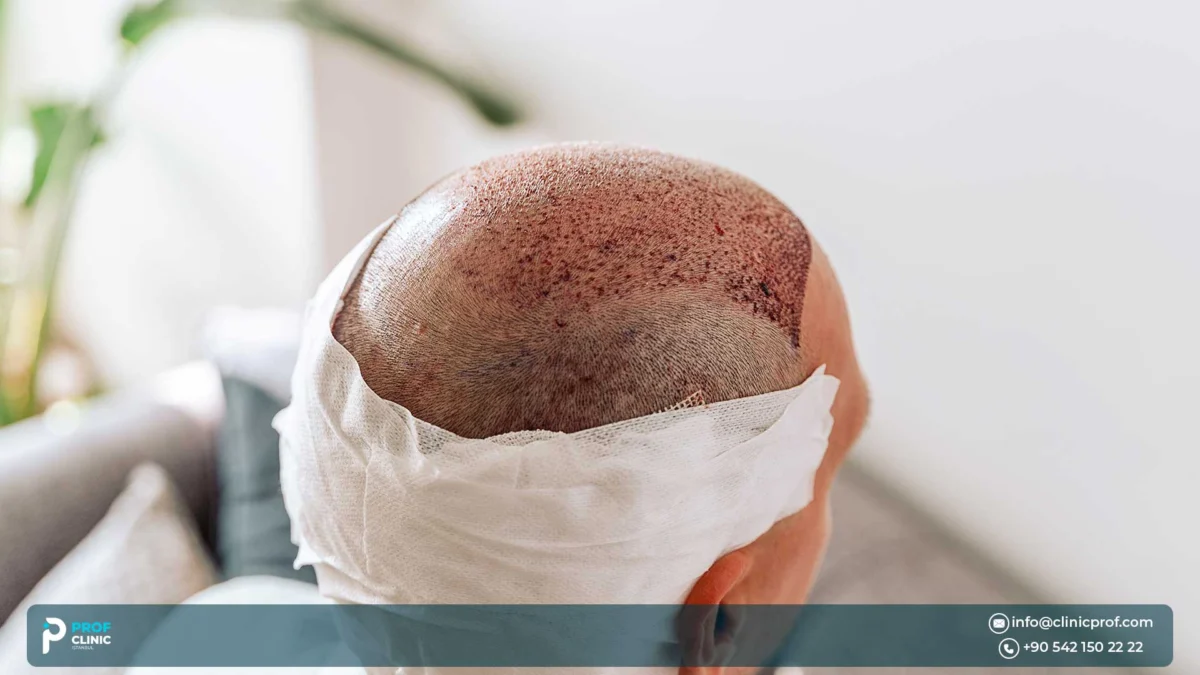
Searching for the best hair transplant in Istanbul usually brings up hundreds of clinics, each claiming to be the top choice. The honest answer is that no independent body ranks them, so “best” is something you judge case by case: a strong hair transplant looks natural, grows reliably, leaves your donor area healthy and still makes sense as your hair keeps changing. What decides that is the medical plan and the team, more than the city or the technique name on the package.
In this guide by Prof Clinic, you’ll learn why so many patients choose Istanbul, the six things that separate a strong result from a disappointing one, what a typical stay in the city looks like, what prices to expect and how to judge a result once it has grown. By the end, you’ll know what “best” should mean for your own hair.
What Does “Best Hair Transplant in Istanbul” Really Mean?
It means the best plan for your scalp, not a place on someone’s ranking. Two patients can have surgery at the same clinic on the same day and need very different plans, because their hair loss, donor supply and age differ. A useful way to judge any offer is what we call the four-test rule. A strong hair transplant passes all four:
- It looks natural up close: the hairline is soft and irregular, and the hairs point in the direction your own hair grows.
- It grows as planned: most transplanted grafts survive and produce hair over the following year.
- It protects the donor area: the back and sides of your scalp still look full after extraction, with no thin or patchy zones.
- It ages well: the design still fits your face in ten or twenty years, even if the hair around it keeps thinning.
A clinic that talks only about graft numbers, prices or hotel stars is answering a different question. Keep these four tests in mind as you read the rest of this guide; every section below comes back to them.
The same goes for online lists of the “best hair transplant clinics in Istanbul”. Some are published by clinics or agencies with something to sell, so use a list to build a shortlist and then test each name against the four tests. The full checklist is in our guide on how to choose a hair transplant clinic in Turkey.
Why Istanbul Became a Hub for Hair Transplants
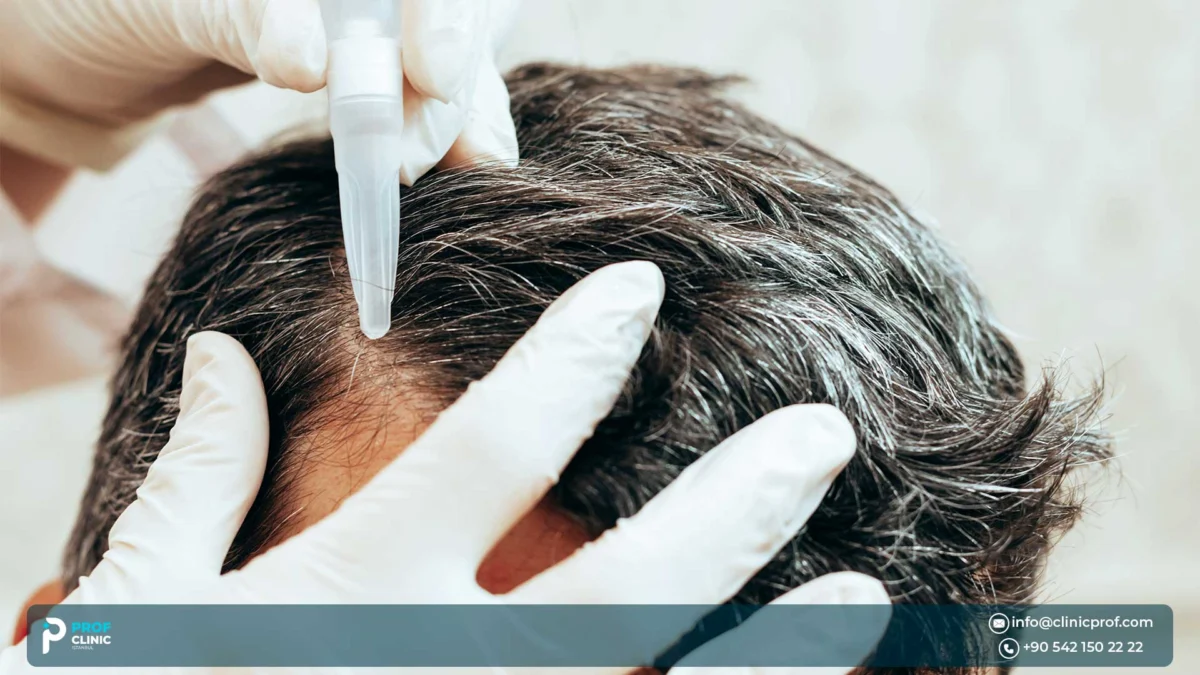
Istanbul became a hub because it combines a large, experienced hair transplant sector with prices that are often lower than in many Western European cities, and it is easy to reach. For hair transplantation in Istanbul, that mix of volume, cost and access is the main draw. It also means quality varies widely, which is why the city’s reputation alone tells you little about a single clinic.
What Istanbul Offers International Patients
For most international patients, the practical advantages come down to a few points:
- Experience in volume: hair restoration is a well-established field in the city, so teams see a wide range of hair types and stages of loss.
- Package pricing: many clinics quote one price that bundles the procedure with tests, medication, a hotel and transfers.
- Short travel times: Istanbul has direct flights to many cities in Europe, the Middle East and beyond, which keeps the trip to a few days.
- A city you can rest in: hotels and transfers are easy to arrange close to clinics, which helps in the first days after surgery.
What Popularity Doesn’t Tell You
Popularity attracts good teams and poor ones alike. The International Society of Hair Restoration Surgery (ISHRS) has warned about black-market hair transplant clinics in Turkey where unlicensed technicians perform the surgery, and it advises patients to ask whether anyone not licensed will make incisions or harvest grafts. So the city is a reasonable place to look, but the checks you run on a specific clinic matter far more than the address.
Also read: Hair Transplant Process in Turkey: Steps, Timeline & What’s Included
What Makes a Strong Hair Transplant in Istanbul
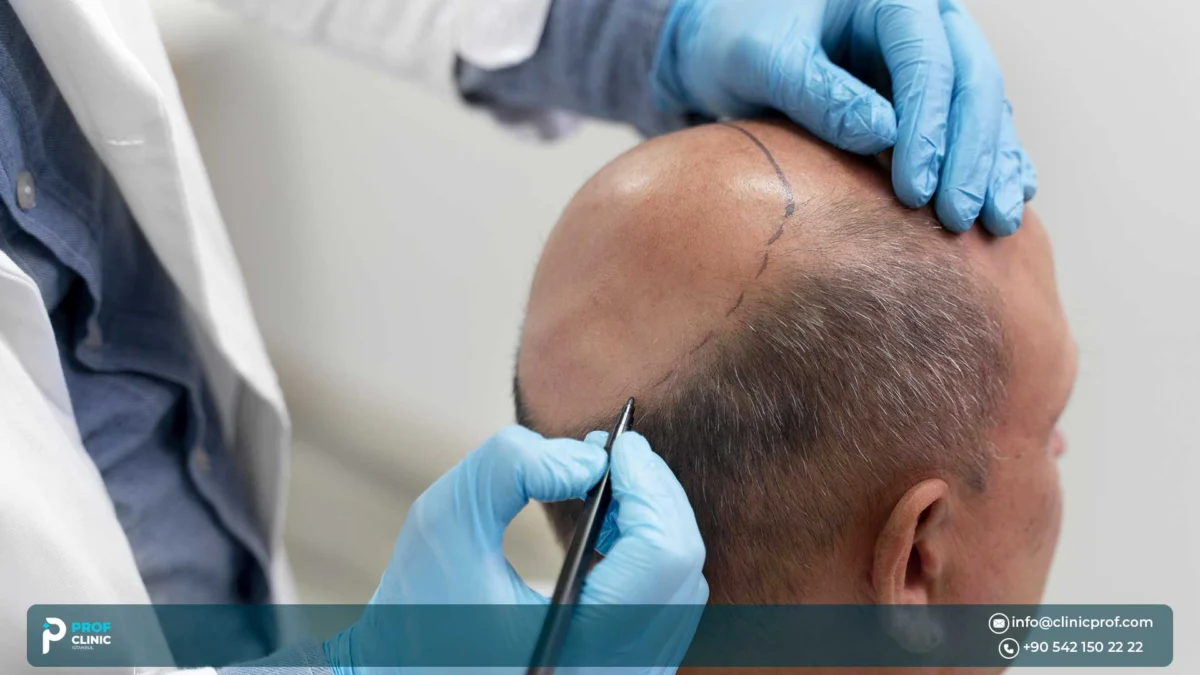
A strong hair transplant comes from six things working together: a doctor-led plan, a protected donor area, an age-appropriate hairline, careful graft handling, natural placement and a plan for future loss. A 2018 review of complications in the Journal of Cutaneous and Aesthetic Surgery concludes that most hair transplant complications are avoidable with a detailed history, proper counselling and planning before surgery. Each point below is a place where that planning shows.
A Doctor-Led Plan
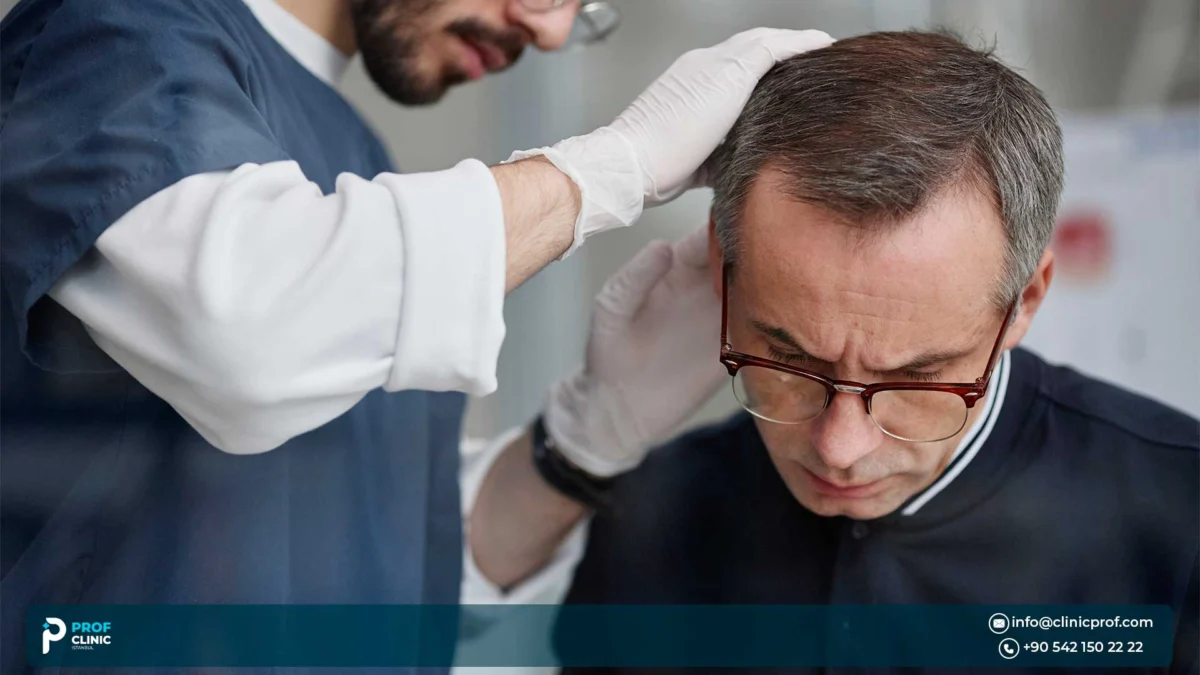
The ISHRS says a properly trained, licensed physician should handle the diagnosis and consultation, surgery planning, donor harvesting, hairline design and recipient-site creation, and should perform all surgical incisions. Assistants can help with tasks such as preparing grafts, but the medical decisions belong to a doctor. Before you book, ask who examines you, who designs the plan and who makes the incisions on the day.
A Protected Donor Area
Your donor area is a limited supply, and a strong transplant spends it carefully. The same 2018 review warns that overharvesting can permanently thin the donor area and leave patchy hair loss, and its authors advise against extracting more than about one in four follicular units from a zone. A plan that promises an unusually high graft count in one session should prompt a question: how much will be left for the future?
A Hairline Designed for Your Age
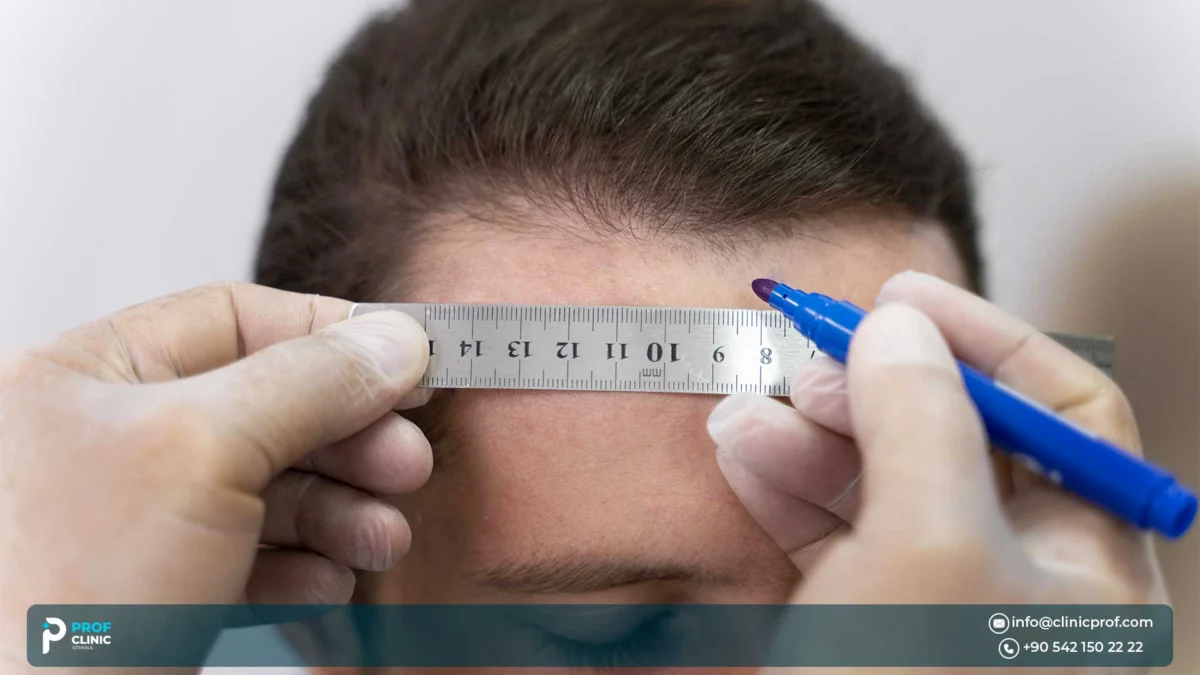
The review calls the hairline “the surgeon’s signature”. A hairline placed too low, or with filled-in temples, can look artificial and become a problem as hair loss continues behind it. A strong design respects your age, your face and the hair you are likely to lose later, even if that means a slightly higher line than you hoped for.
Careful Graft Handling
Grafts are living tissue, and rough handling costs growth. According to the review, poor growth can follow trauma to the grafts during dissection or placement, or grafts drying out, and can also be linked to heavy smoking, diabetes and sun damage. That’s why a long day of surgery needs a well-organised team, not just speed.
Natural Angle, Direction and Density
The right angle and direction of each hair are critical to a natural look, especially at the hairline and front. The review describes placing single-hair grafts in the first row with two-hair grafts behind them as key to a soft edge. Density is planned in zones, heavier where it frames the face and lighter further back, rather than spread evenly across the scalp.
A Plan for Future Hair Loss
A transplant moves hair; it doesn’t stop the hair around it from thinning. The American Academy of Dermatology (AAD) notes that hair loss can continue after a transplant, which is why a dermatologist may recommend hair loss medicine. A strong plan explains what may happen to your native hair over time and leaves room for it.
FUE, DHI or Sapphire: Does the Technique Decide the Result?
The technique alone rarely decides the result. FUE, DHI and Sapphire FUE are all ways of extracting and placing follicular units, and the four tests above depend more on the team’s planning and skill than on the label. In broad terms, FUE places grafts into incisions the team makes, Sapphire FUE uses sapphire-tipped blades to make those incisions, and DHI loads grafts into an implanter pen that places them directly.
If a clinic recommends one technique, a good answer explains why it fits your hair, your donor supply and your hairline plan. A choice made only because it costs more or sounds newer is not a reason. For a side-by-side look at who each method usually suits, see FUE vs DHI vs Sapphire FUE: Which Technique Fits You?
Are You a Good Candidate for a Hair Transplant in Istanbul?
You are usually a good candidate if your hair loss is the inherited, pattern type and you have enough healthy donor hair. The NHS says a hair transplant suits people with permanent baldness that runs in families, and is not usually suitable for other types such as alopecia areata. The AAD adds that you need enough healthy hair to transplant and a scalp that can still grow hair in the thinning area.
A proper assessment checks more than photos. The AAD notes that a dermatologist gives a thorough scalp exam and may order a blood test, or occasionally a biopsy, to look for an underlying cause. You may need to wait, or start medical treatment first, if your hair loss is changing quickly, if you are very young, or if a health condition needs attention.
Planning Your Stay: A Typical Istanbul Hair Transplant Timeline
Most patients spend about 2–4 days in Istanbul for a scalp hair transplant. The NHS says the procedure usually takes a day, while larger areas may need two or more sessions on different days. Here’s a typical pattern; your own plan depends on the area treated and how you feel afterwards.
| Day | What usually happens | What it means for you |
|---|---|---|
| Day 1 | Arrival, transfer to the hotel, consultation and pre-op tests | The plan and graft range are confirmed after your scalp is examined |
| Day 2 | The procedure under local anaesthetic, usually lasting most of the day | Rest at the hotel afterwards; the scalp may feel tight and sore |
| Day 3 | Check-up and aftercare instructions | Ask any questions about washing, sleeping and medication |
| Day 4 | Flight home, if your doctor agrees | Plan 1–2 weeks off work, as the NHS suggests |
These are typical timings, not fixed rules. A two-session plan, or a second area such as the crown, can add a day or two.
Booking flights around your procedure? Ask the Prof Clinic team for a day-by-day plan before you choose your travel dates.
Recovering in Istanbul: What to Skip in the First Days
The first days are for resting, not sightseeing. The NHS advice on surgery abroad is clear that after a procedure you should rest and avoid alcohol, lying in the sun, sightseeing and going in the water. In Istanbul, that means a few local temptations can wait:
- Hammams and saunas: heat, steam and scrubbing are hard on fresh grafts and healing skin.
- Bosphorus swims and hotel pools: keep your scalp out of the water until your doctor clears it.
- Long days in the sun: summer sun on a fresh scalp is best avoided; ask whether a loose hat is allowed.
- Crowded tours and heavy walking: sweating and bumping your head in crowds are best avoided at first. The NHS also says you may be told to cut down on exercise for the first month.
If you’d like to see the city, plan it for a later trip, or for the end of a longer stay once your doctor is happy with how the scalp is healing.
Hair Transplant Cost in Istanbul: What Shapes the Price
A scalp hair transplant package in Istanbul costs about €1,800–€3,500 as a general 2026 average. These are approximate ranges, not final prices: your own figure depends on your case after assessment, and the clinic confirms it in a written quote after reviewing your photos. For comparison, the NHS puts the cost of a hair transplant in the UK anywhere between £1,000 and £30,000.
The main factors that move the price are:
- The area and graft range: a hairline alone needs fewer grafts than the front, top and crown together.
- Your hair type: afro and curly hair takes longer to extract, so packages run at about €2,500–€4,500, while female hair transplants cost about €2,000–€3,800.
- The number of sessions: a plan split over two days may cost more.
- What the package includes: packages usually include the procedure, pre-op blood tests, medication and an aftercare kit, a hotel, and VIP airport and hotel transfers.
When you compare quotes, compare what’s inside them, not only the total. Ask whether follow-up after you return home and any extra treatments are included or billed separately. For what a package should list line by line, see What Is Included in a Hair Transplant Package in Turkey?
Want a figure based on your own scalp? Book a free online consultation and send photos for a written quote.
When Will You See Results, and What Does a Strong Result Look Like?
New hair usually starts to appear after about 4 months, and the NHS says the full result should be visible after 10–18 months. The AAD notes that the transplanted hairs fall out between two and eight weeks after surgery, which is normal, and that most patients see results at six to nine months, with some taking 12 months.
That timeline matters when you judge your result. At three months, almost everyone looks as if nothing has happened. Judge your hairline and density only after the first year, and compare photos taken in the same light and from the same angles. For a fuller guide to what to expect at each stage, see Hair Transplant Results: What to Expect and When to Judge Them, which shows how to read your progress month by month.
How to Recognise a Strong Result in Photos and Reviews
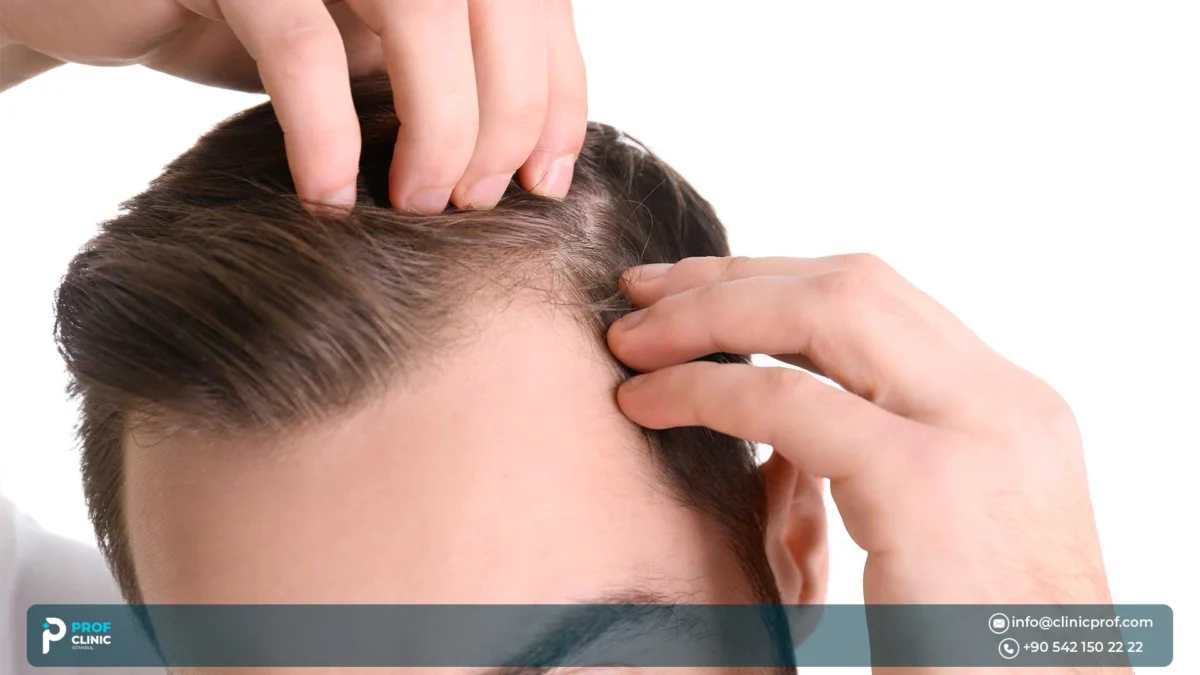
Hair transplant in Istanbul reviews and before-and-after photos are useful only when they show the right things: a close-up of the hairline with single hairs at the edge, a donor area that looks even after healing, and dated photos taken 12 months or more after surgery, in matching light and from matching angles. Earlier photos show growth in progress, not the result, and wet hair or a new haircut can change how dense hair looks.
Reviews tell you about communication and care; they can’t tell you how your own hair will grow. Treat them as one input alongside your assessment, and read Hair Transplant Reviews: How to Read Patient Stories and Spot Fakes to learn how to spot fake ones.
Curious how results look a year on? Browse dated, consented cases in our before-and-after gallery.
Is a Hair Transplant in Istanbul Safe?
For healthy candidates treated by a licensed, well-organised team, a hair transplant is generally a low-risk procedure. The NHS lists a tight, achy and swollen scalp for a few days and temporary scabbing as common side effects. It names bleeding, infection and allergic reaction to the anaesthetic as small risks, along with a small chance that the transplant doesn’t take or leaves a noticeable scar. The 2018 review puts minor and serious infections at under 1%.
Most of the risk sits in who performs the surgery and how it is planned, which brings us back to the ISHRS warning about unlicensed technicians. Before you travel, check that the clinic is licensed by the Turkish Ministry of Health, who will operate, and how problems are handled after you fly home. The NHS also reminds patients going abroad to plan what happens if something goes wrong, and to check what insurance covers.
Also read: How to Choose a Hair Transplant Clinic in Turkey: What to Check
Prof Clinic: Hair Transplants in Istanbul With a Named Medical Lead
Based in Istanbul, Prof Clinic treats both hair and teeth. Its hair transplant services in Turkey cover scalp transplants for men and women, afro and curly hair, and eyebrow, beard and moustache transplants, using FUE, DHI, Sapphire FUE and Micro FUE, with no-shave options offered especially for women. When you compare clinics, these are the points you can verify before travelling:
- A named medical lead: Spc. Dr. Lütfi Öztürk, an internal-medicine specialist who graduated from Istanbul University Cerrahpaşa Faculty of Medicine in 1992 and specialised at Şişli Etfal Hospital in 1997, does the medical assessment and treatment planning, and coordinates follow-up.
- Tests before surgery: a strong result starts with a safe patient, so you are checked first with a blood count, ECG, electrolytes, blood sugar, kidney and liver function, and hepatitis and HIV screening.
- A written quote: the clinic sends a written price offer after evaluating your photos, with an all-inclusive package covering the procedure, accommodation, airport and hotel transfers, and post-op care.
- Honest expectations: what density you can realistically reach is discussed with you individually, never promised in advance.
- Follow-up after you leave: while your result grows in, the coordination team keeps in contact and offers advice on WhatsApp.
For men with pattern hair loss, the male hair transplant in Turkey page explains the techniques and the pre-surgery steps in more detail.
Have a question about your own hair before you decide? Message our team on WhatsApp and send a few photos of your scalp.
FAQs: Best Hair Transplant in Istanbul
Which is the best hair transplant clinic in Istanbul?
No independent body ranks hair transplant clinics in Istanbul, so any claim to top such a list is marketing. The clinic that suits you is the one whose plan passes the four tests for your hair: a natural design, reliable growth, a protected donor area and a result that ages well. Ask who examines you, who operates and how follow-up works.
How many days do I need to stay in Istanbul for a hair transplant?
Most patients stay about 2–4 days. A typical trip covers arrival, consultation and tests on day 1, the procedure on day 2, a check-up on day 3 and the flight home after that, if your doctor agrees. Larger areas treated over two sessions can add a day or two.
How much does a hair transplant cost in Istanbul?
A scalp hair transplant package in Istanbul costs about €1,800–€3,500 as a general 2026 average. This is an approximate range, not a final price. The figure depends on the area, your hair type and the number of sessions, and is confirmed in a written quote after a photo assessment.
Is Istanbul a good place to get a hair transplant?
It can be, for the right clinic. Istanbul has an experienced hair transplant sector, package pricing and easy flights, which is why many international patients go there. Quality still varies, and the ISHRS has warned about unlicensed technicians in Turkey, so check the clinic’s licence and who will perform your surgery.
Can I go sightseeing in Istanbul after a hair transplant?
Not in the first days. NHS advice for surgery abroad is to rest and avoid sightseeing, sun, alcohol and going in the water straight after a procedure. That rules out hammams, pools and long walking tours at first. If you want to explore the city, plan it for a later trip or ask your doctor when it’s safe.
Can I trust “top hair transplant clinics in Istanbul” lists?
Treat them as a starting point, not a verdict. No independent body ranks clinics, and some lists may be published by clinics or agencies with something to sell. Use a list to build a shortlist, then check each clinic’s licence, who will operate, what the package includes and dated results photos before you book.
Choosing Istanbul With Clear Expectations
The best hair transplant in Istanbul is the one planned around your hair: a doctor-led assessment, a donor area spent carefully, a hairline that suits your age and a realistic view of how your hair will change. The city makes the trip easier; it doesn’t make the decision for you. Start with an assessment of your scalp, then compare plans on the four tests rather than on price alone. If you’d like a clear starting point, contact Prof Clinic about a hair transplant in Istanbul and ask for a written plan for your case.
This article is for general information and does not replace a medical consultation. Suitability, technique and graft numbers can only be decided after an examination by a qualified doctor.
Sources
- NHS — Hair transplant
- NHS — Cosmetic surgery abroad
- American Academy of Dermatology — A hair transplant can give you permanent, natural-looking results
- ISHRS — Consumer Alert
- ISHRS — Buyer Beware: Medical Tourism for Hair Transplants Can Have Costly Consequences
- Journal of Cutaneous and Aesthetic Surgery — Complications in Hair Transplantation (Kerure & Patwardhan, 2018)