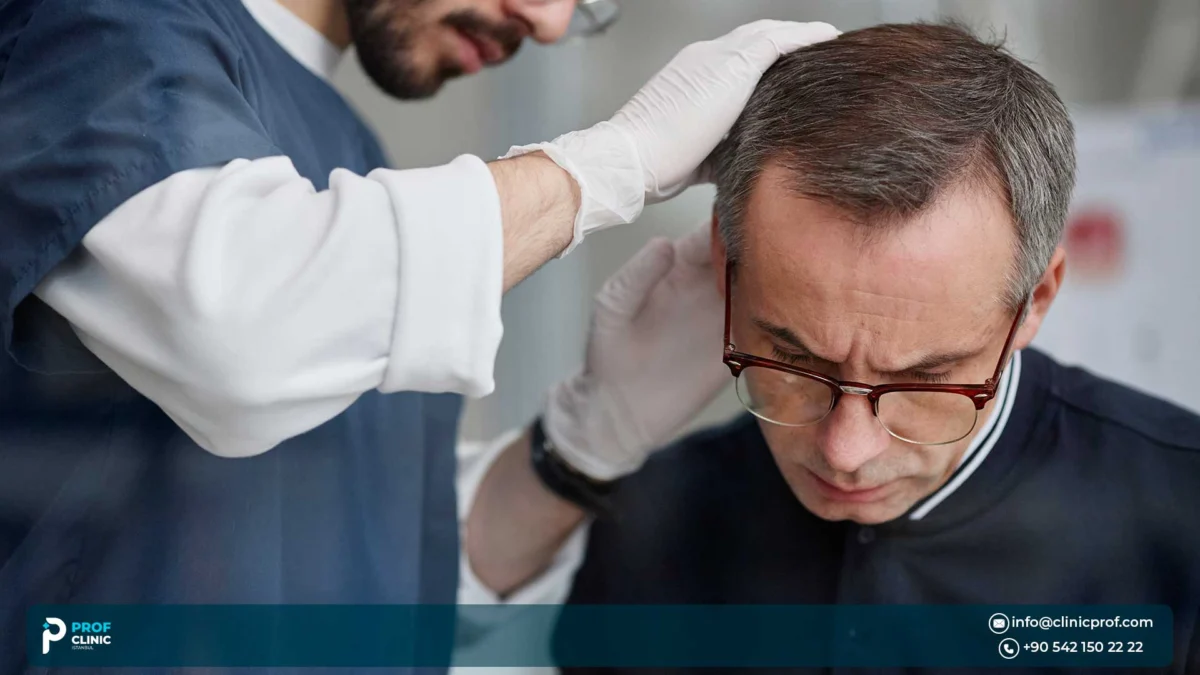
How do you choose a hair transplant clinic in Turkey when so many of them promise natural results at a fraction of the price back home? Start with the question most adverts never answer: who will actually diagnose you, plan your hairline and make the incisions on the day. Once that is clear, the rest of the decision (licensing, the consultation, the technique, the written quote and the follow-up) becomes much easier to judge.
In this guide by Prof Clinic, you’ll learn how to choose a hair transplant clinic in Turkey step by step: which credentials to check, what a proper consultation covers, how to read before-and-after photos and prices, and the red flags that should make you walk away. By the end, you’ll have a short list of questions that reveal how a clinic really works.
Why the Clinic Matters More Than the Country
Turkey can be a sensible place for a hair transplant, but the country itself doesn’t decide your result; the team and the planning do. The ISHRS (International Society of Hair Restoration Surgery) warns that unlicensed personnel are performing a growing share of hair restoration surgery worldwide, and that patients are misled when a clinic advertises a doctor’s credentials but hands the surgery to staff who are not licensed to perform it.
That is why two clinics in the same street can produce very different outcomes. Titles such as “hair transplant specialist” or “coordinator” on a website don’t tell you who holds the instruments. The UK government’s Travel Aware campaign gives the same advice for any surgery abroad: choose the facility and medical team on the quality of treatment, not on the appeal of the destination.
Why So Many Patients Still Look at Turkey
The reasons are practical. Prices are usually lower than in the UK, Western Europe or the US, packages often bundle accommodation and transfers, and hair restoration is a large, experienced field in cities such as Istanbul. Many clinics also work in English, Arabic and other languages, which matters because the NHS advises making sure the surgeon can explain the procedure in a language you understand.
None of these advantages replaces due diligence. They make Turkey worth considering; they don’t make every clinic there a safe choice.
If you want the fuller picture of cost, skill and risk, our guide on why people travel to Turkey for hair transplants covers it in detail.
Who Will Actually Perform Your Surgery?
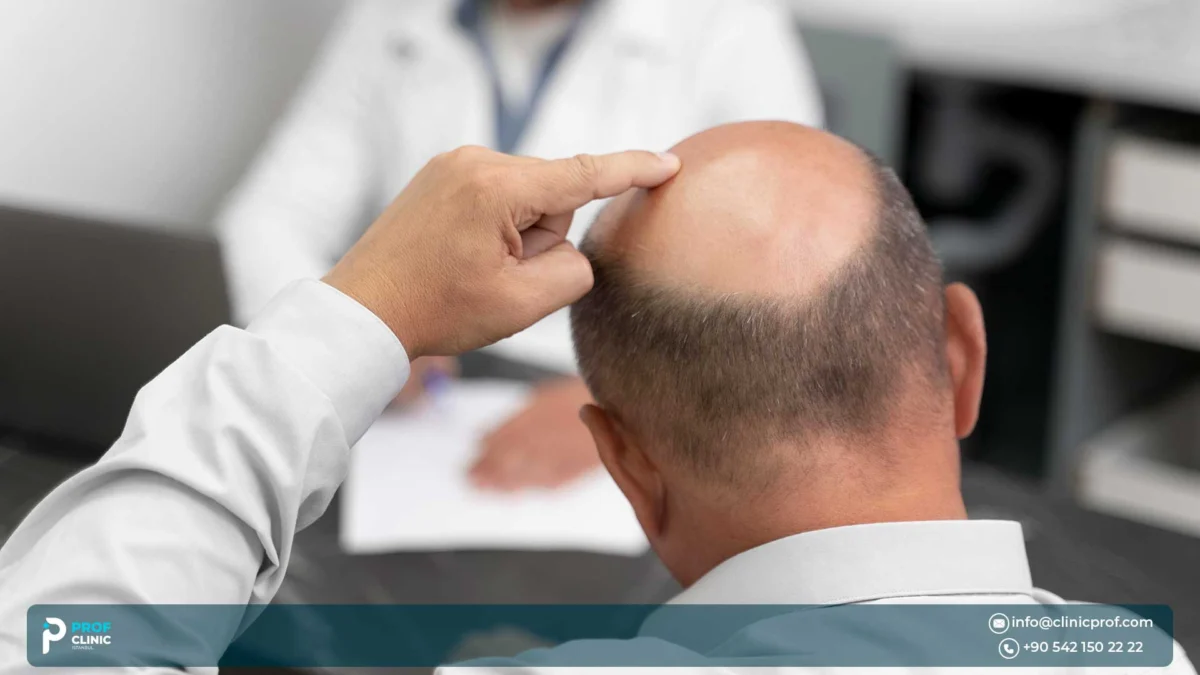
This is the single most important question when choosing a hair transplant clinic in Turkey. According to the ISHRS, diagnosis, surgical planning and the surgery itself are tasks for licensed physicians, and a licensed provider who understands hair restoration should make all the incisions. Trained assistants can help, for example with sorting and preparing grafts, but they should not be the ones running the operation.
The ISHRS calls the pattern to watch for a “bait and switch”: you are shown a doctor’s profile during the sales process, then someone else performs most of the procedure. One of the surgeons quoted in its medical tourism warning advises confirming that an experienced doctor, not a stand-in, carries out every part of the surgery from start to finish.
Questions That Reveal How a Clinic Works
Ask these in writing, and keep the answers:
- Who assesses my hair loss, and what is their medical training and licence?
- Who performs each step: marking the hairline, extracting grafts, opening the channels and placing the grafts?
- Will anyone without a medical licence make incisions or harvest grafts during my surgery?
- How many procedures does the doctor oversee in a day, and will they be present throughout mine?
- Which technique do you recommend for me, and why? The NHS suggests asking this, along with how many transplants the surgeon has done and how many had complications.
A trustworthy clinic answers clearly and doesn’t take offence. Vague replies, or a promise that “our team handles everything”, tell you something too.
Checking a Doctor’s Credentials
Ask for the doctor’s full name, medical school, specialty and the facility where you will be treated, then check what you can. Travel Aware recommends checking a practitioner’s details through the host country’s official sources and confirming that the doctor you consult is the one who will operate. The AAD (American Academy of Dermatology) adds that results depend largely on the surgeon, so look for a doctor who understands hair loss and performs hair transplants regularly. Membership of a professional society such as the ISHRS shows an interest in the field, but it is not a licence.
Licensing, Hygiene and Patient Safety
A safe clinic works inside a licensed medical facility, screens your health before surgery and has a plan for complications. Ask whether the facility is licensed by the Turkish Ministry of Health and authorised to treat international patients, and ask to see the paperwork rather than a logo on a website. The NHS also recommends finding out how surgeons and clinics are regulated in the country you are travelling to and how those standards are enforced.
Hair transplant surgery is generally safe, but it is still surgery. The NHS lists small risks of bleeding, infection and an allergic reaction to the anaesthetic, and notes that the transplant may not take or a noticeable scar may form. A review in the Journal of Cutaneous and Aesthetic Surgery describes serious infection as rare, under 1%, and says most complications can be avoided with proper technique and wound care.
Here’s what a careful clinic usually does before and during surgery:
- Pre-op screening: blood tests and a review of your medical history and medicines, so problems such as uncontrolled diabetes or a bleeding risk are found before the day.
- Sterile set-up: single-use or properly sterilised instruments, a clean procedure room and clear hygiene routines you can ask about.
- A plan for emergencies: a doctor on site throughout, and a clear answer to “what happens if I react badly to the anaesthetic?”
- Honest scar information: the ISHRS warns against “scarless surgery” claims, because any incision deeper than the most superficial layer leaves a scar. FUE leaves tiny dot scars; FUT leaves a line.
For a closer look at what is normal after surgery and what isn’t, read Hair Transplant Side Effects and Risks: What’s Normal, What’s Not.
What a Proper Consultation Should Include
A proper consultation decides whether you should have surgery at all, not just how many grafts you can buy. The AAD explains that candidacy depends on two things: having enough healthy hair to transplant, and being able to grow hair in the thinning area. Only a medical assessment can tell you both.
Most international patients start with an online assessment based on photos, then meet the doctor in person before surgery. Whatever the format, a good consultation should cover:
- Your diagnosis: is it pattern hair loss, or something else, such as alopecia areata or a scarring condition, that needs treatment first?
- Stability: how fast your hair loss is progressing, and what is likely to happen to the hair around the transplant.
- The donor area: its density and how many grafts can be taken safely without thinning it.
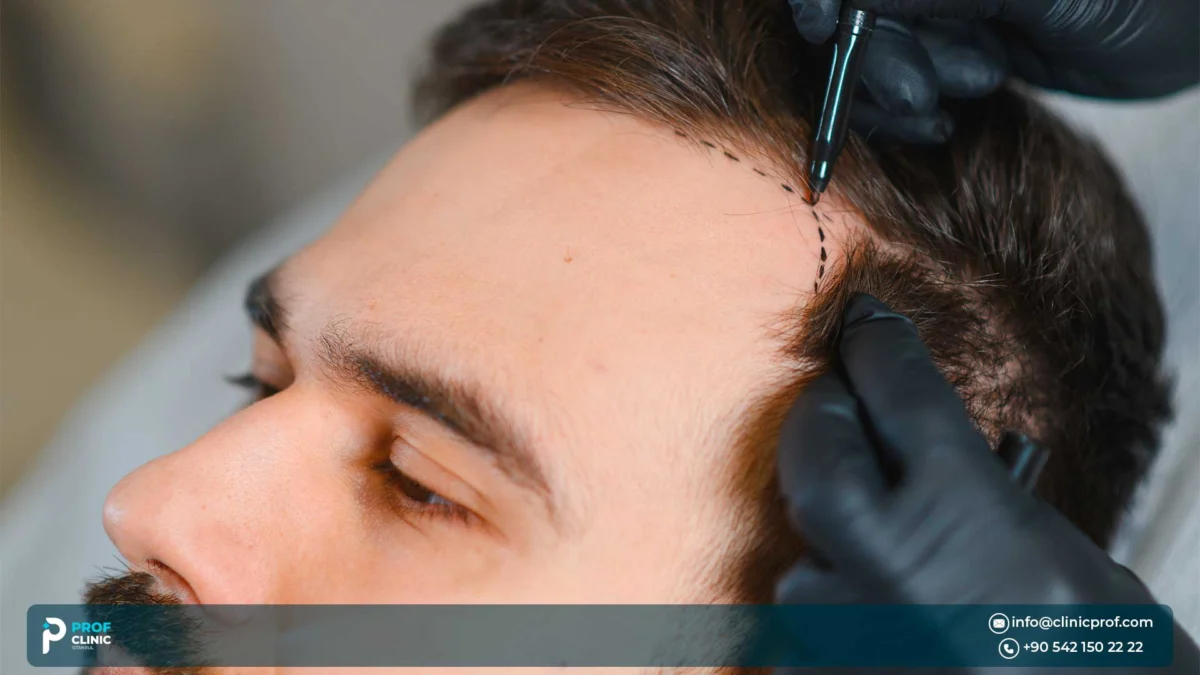
- The design: a hairline that suits your age and face, drawn and agreed before surgery.
- Medical history: conditions, medicines, smoking and anything else that affects healing.
- Expectations: what density is realistic for you and how long growth takes.
What it means in real life: a clinic that quotes a graft number from one photo, without asking about your health or your hair loss history, is selling a product rather than planning a treatment.
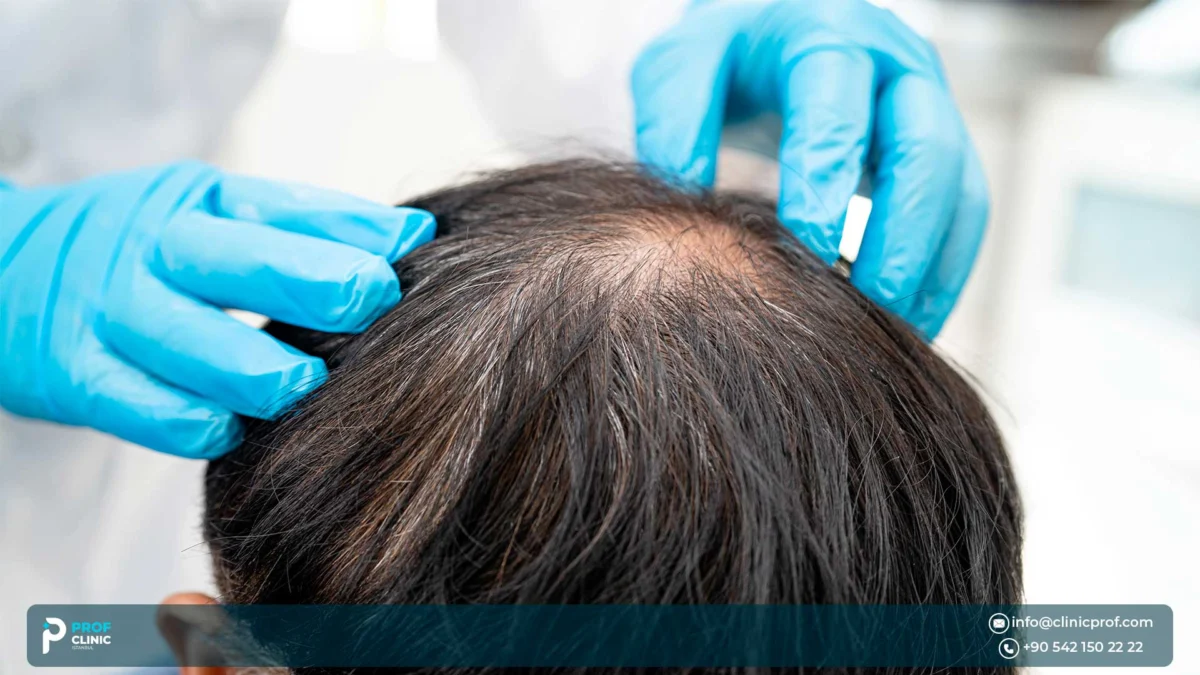
Want an honest first opinion on your case? Send clear photos of your hairline, crown and donor area on WhatsApp and ask what an assessment would look at.
Choosing a Technique That Suits Your Hair
The right technique depends on your hair, your donor area and your goals, not on the newest name in an advert. Most clinics in Turkey work with FUE and its variations, and many also offer DHI. Ask why a method is recommended for you, and be wary of a clinic that offers only one technique and presents it as right for everyone.
| Technique | How it works | Usually suits | Points to discuss |
|---|---|---|---|
| FUE (Follicular Unit Extraction) | Grafts are taken one by one from the donor area with a small punch, then placed into channels in the thinning area | Most men with pattern hair loss who want to wear their hair short | Leaves tiny dot scars; the donor area usually needs shaving |
| Sapphire FUE | An FUE variation in which the channels are opened with sapphire-tipped blades rather than steel ones | Patients having FUE; the blade is a tool choice made by the doctor | Results still depend on planning and placement, not the blade alone |
| DHI (Direct Hair Implantation) | Grafts are loaded into an implanter pen and placed directly, often without opening channels first | Hairline work, smaller areas and some unshaven cases | Can take longer in large sessions; ask who loads and uses the pens |
| FUT (strip method) | A narrow strip of donor skin is cut out and separated into individual grafts | Some patients who need many grafts and keep longer hair at the back | Produces a line-shaped scar and is chosen less often nowadays |
Device-assisted FUE, such as motorised or robotic systems, is another extraction tool rather than a different kind of transplant. The review in the Journal of Cutaneous and Aesthetic Surgery stresses that FUE is not “scarproof”, and that over-harvesting the donor area can leave permanent patchy thinning; the authors suggest not taking more than one in four follicular units. Ask any clinic how it protects your donor area, especially if you may need a second procedure later.
Matching the Clinic to Your Hair Type
Some hair types need specific experience, so ask to see cases like yours:
- Afro and tightly curled hair: the follicle curves under the skin, so extraction is slower and needs a team used to it. Our guide on choosing a clinic for afro hair in Turkey covers the extra checks.
- Women: female hair loss is often diffuse, so the diagnosis matters even more, and an unshaven technique may be discussed.
- Repair cases: after a previous transplant, the donor area may be limited, which changes what is realistic.
- Men with standard pattern hair loss: a well-planned male hair transplant in Turkey usually starts with how your hair loss is likely to progress, not just the area that is bald today.
How to Read Before-and-After Photos and Reviews
Before-and-after photos and reviews help only when you know what you are looking at. A useful “after” photo has the same angle, light and hair length as the “before” and was taken at least 10 to 12 months after surgery: the NHS says new hair usually appears after about 4 months and full results can take 10 to 18 months, so a three-month photo shows very little.
When you look through a clinic’s gallery, apply three quick tests:
- Similar starting point: look for patients with a similar age, hair type and degree of hair loss to yours.
- The donor area, too: a dense new hairline means little if the back of the head looks over-harvested.
- Consistency: several ordinary results tell you more than one spectacular case.
Reviews and forum threads need a different kind of reading. A friend’s recommendation, a star rating or a thread online is a starting point, never a verdict: look at how a clinic responds to complaints, and be careful when many short, similar reviews appear in a short time. Our guides explain how to judge real before-and-after results and how to read hair transplant reviews and spot fake ones in detail.
Curious how results look at 12 months? Browse our before-and-after gallery and look for cases with a starting point close to yours.
Price, Packages and What “All-Inclusive” Should Mean
A fair price is one you understand line by line. As a general guide, a scalp hair transplant package in Istanbul (FUE, DHI or Sapphire) costs about €1,800–€3,500, an afro or curly hair transplant about €2,500–€4,500, and a female hair transplant about €2,000–€3,800. These are approximate 2026 ranges, not final prices; your price depends on your case after assessment and should be confirmed in a written quote.
A clear quote usually shows the items below, and our guide to what a hair transplant package in Turkey includes explains each one:
- The procedure and the technique, with the planned graft range rather than an open-ended “maximum grafts” promise.
- Pre-op blood tests, medicines and the aftercare kit.
- Hotel nights, airport and hotel transfers, and any interpreter support.
- Follow-up after you fly home, and what happens if you need a medical review.
- What is not included, such as flights or extra nights.
A price far below the usual range is a reason to ask more questions, not to book faster. Lower costs can come from shorter consultations, very high daily patient numbers or less doctor time per patient. If you are thinking about payment in instalments, ask about it before you travel and get the terms in writing.
Also read: Hair Transplant Cost in Turkey 2026: Average Prices & Drivers
What a “Luxury” Clinic Should Offer Beyond the Hotel
A comfortable hotel and VIP transfers make the trip easier, but they say nothing about the surgery. In a clinic that markets itself as luxury, look for the medical extras first: more time with the doctor, a smaller number of patients per day, a written plan, and a named contact for follow-up. The NHS advises caution with websites that sell surgery as part of a holiday, and suggests not paying for a surgeon you haven’t met. Travel Aware adds that you shouldn’t let anyone pressure you into a quick decision.
Booking Through an Agency or Directly With a Clinic
Either can work, as long as you know who is medically responsible for you. An agency can help with travel, but your medical relationship is with the clinic and the doctor. The NHS recommends a consultation with the surgeon rather than only with a salesperson. If you book through a third party, ask for the clinic’s name and address, the doctor’s name, a quote issued by the clinic, and the number you’ll call if something goes wrong after surgery.
Comparing quotes right now? Ask our team for an itemised quote that shows what is included and what isn’t.
Aftercare and Long-Term Follow-Up
The clinic’s job doesn’t end when you leave Istanbul. The NHS advises being very careful with the transplanted hair for about the first 2 weeks, and notes that you may need 1 to 2 weeks off work. It also warns that overseas clinics may not provide follow-up to the same standard as at home, so agree before you travel who will review your progress and how.
Before you book, make sure you know:
- Who to contact, and how quickly they reply, if you notice spreading redness, pus, a fever or pain that gets worse.
- How progress is checked: for example, photos at set months, reviewed by the medical team.
- What paperwork you get: Travel Aware recommends asking for a full medical report in English to take to your own doctor.
- Insurance: the NHS notes that standard travel insurance doesn’t normally cover problems from planned surgery, so ask what cover applies.
Long-term care matters as much as the first month. The AAD explains that hair loss can continue after a transplant, and that medicine can prevent or slow new thinning. A clinic that discusses how to protect your native hair is thinking about your result in ten years, not just in twelve months. Most patients see results between 6 and 9 months, according to the AAD, and for some it takes 12 months.
Istanbul, Ankara or Izmir: Does the City Matter?
The city matters less than the team and the follow-up plan. Hair transplant clinics operate in Istanbul, Ankara, Izmir and other Turkish cities, and the same checks apply in each. Istanbul is where many international patients arrive, which keeps travel simple, but a clinic in any city should show you who operates, what the quote includes and how it stays in touch after you return home.
Also read: Best Hair Transplant in Istanbul? What Makes a Strong Result
Red Flags: When to Walk Away
Walk away when a clinic can’t, or won’t, answer basic medical questions. The checklist below sums up what to ask, what a reassuring answer sounds like and what should worry you.
| What to ask | Reassuring answer | Red flag |
|---|---|---|
| Who will make the incisions and place the grafts? | A named, licensed doctor, with clearly described roles for assistants | “Our experienced team” with no names |
| Is the facility licensed for surgery and for international patients? | Yes, with documents you can see | A logo or badge, but no paperwork |
| How many grafts do I need? | A range, given after reviewing your donor area and hair loss | A fixed high number from one photo, or “unlimited grafts” |
| Will it leave scars? | Small dot scars with FUE, a line with FUT, usually hidden by hair | “No scars” or “scarless” |
| What result can I expect? | A realistic density range and a 12-month timeline | Promised density or a “perfect” success rate |
| What happens if I have a problem at home? | A named contact, a photo review process and a medical report | No clear answer, or “that never happens” |
Pressure is a red flag on its own: discounts that expire today, a surgery date offered before anyone has looked at your health, or a deposit demanded before you know who your doctor is.
Prof Clinic for Hair Restoration in Istanbul: What You Can Check
If you are shortlisting clinics, you can apply every question above to Prof Clinic. Our hair transplant clinic in Istanbul treats men and women, including afro and curly hair, and also performs eyebrow, beard and moustache transplants, using FUE, DHI, Sapphire FUE and Micro FUE, with no-shave options described especially for women.
These are the points you can confirm about Prof Clinic before travelling:
- A named medical lead: Spc. Dr. Lütfi Öztürk, an internal-medicine specialist who graduated from Istanbul University Cerrahpaşa Faculty of Medicine in 1992, does the medical assessment and treatment planning and coordinates follow-up.
- Pre-op tests: a clinic should test before it operates, and here that means a blood count, ECG, kidney and liver function, electrolytes, blood sugar, and hepatitis and HIV screening.
- A written quote after photo assessment: the quote lists what the package covers, namely the procedure, accommodation, airport and hotel transfers, and post-op care.
- Honest expectations: ask any clinic how it handles density; here it is assessed patient by patient, and no figure is promised beforehand.
- Follow-up after you fly home: after your return, the coordination team keeps checking in and offers advice on WhatsApp.
Ready to put your questions to us? Book a free online consultation and ask exactly who would be involved in your procedure.
FAQs: How to Choose a Hair Transplant Clinic in Turkey
Is there one “best” hair transplant clinic in Turkey?
Not one that is best for everyone, and online rankings are often paid or based on marketing. The right clinic for you is one where a licensed doctor assesses you, plans your hairline and performs the key steps of surgery, with a clear written quote and a follow-up plan. Compare two or three clinics on those criteria, not on star ratings alone.
What should I look for in a luxury hair transplant clinic in Turkey?
Look for medical luxury before hotel luxury: more time with the doctor, fewer patients per day, a written treatment plan and named follow-up support. A five-star hotel and VIP transfers are pleasant extras, but they don’t affect graft survival or hairline design. Ask the same safety and credential questions you would ask any clinic.
How can I check who will perform my hair transplant?
Ask the clinic in writing for the doctor’s full name, licence and specialty, and who will make the incisions and place the grafts. The ISHRS says diagnosis, planning and surgery are tasks for licensed physicians. Confirm that the doctor you consult is the one who will operate, and that they will be present throughout your procedure.
What licences and accreditations should a hair transplant clinic in Turkey have?
A clinic should work in a facility licensed by the Turkish Ministry of Health and authorised to treat international patients, and the doctor should be a licensed physician. Ask to see the documents and check them through official sources rather than trusting a logo or badge. Memberships such as the ISHRS and extra accreditations show interest in the field, but they don’t replace a licence.
How much does a hair transplant cost in Turkey?
As a general guide, a scalp hair transplant package in Istanbul costs about €1,800–€3,500 in 2026. Afro and curly hair, female hair loss and larger sessions can cost more. These ranges are approximate and not final; your price depends on your case and is confirmed in a written quote after assessment.
How do I verify a clinic’s success rate?
There is no public registry of hair transplant success rates, so treat a headline figure such as “98% graft survival” with caution. Ask instead how many procedures the doctor performs, how many had complications and what happens when a result disappoints, as the NHS suggests. Then compare before-and-after photos taken at least 12 months after surgery.
Final Thoughts
Knowing how to choose a hair transplant clinic in Turkey comes down to a few checks: a licensed doctor who assesses you and performs the key steps, a licensed facility, a consultation that looks at your diagnosis and donor area, honest photos, a written quote and a clear follow-up plan. Price and comfort come after those, not before.
Whichever clinic you lean towards, the safest move is to get assessed before you book anything. Contact Prof Clinic with your photos and questions, and ask for a written plan for your hair transplant in Turkey.
Sources
- ISHRS — Consumer Alert
- ISHRS — Buyer Beware: Medical Tourism for Hair Transplants Can Have Costly Consequences
- NHS — Hair transplant
- NHS — Cosmetic surgery abroad
- American Academy of Dermatology — A hair transplant can give you permanent, natural-looking results
- Journal of Cutaneous and Aesthetic Surgery — Complications in Hair Transplantation (Kerure & Patwardhan, 2018)
- UK Government (Travel Aware) — Surgery abroad