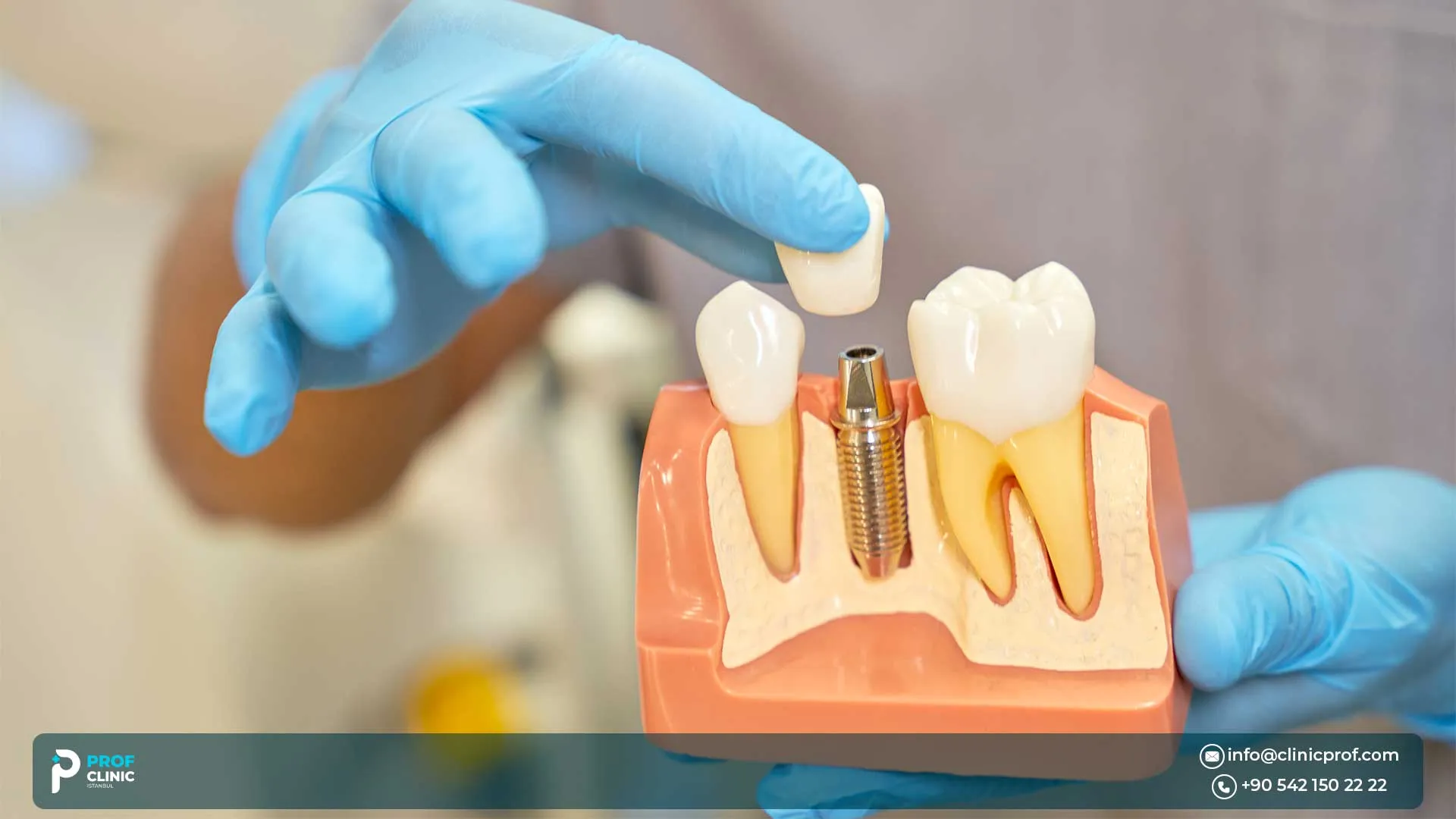
If you’re missing a tooth, the decision isn’t just “Should I get an implant?” It’s also how your implant will be placed and healed. That’s where one-stage vs two-stage implants matters. The difference can affect how many surgical steps you need, how your gums heal, how much protection the implant gets during the critical early months, and how confidently you can plan your schedule—especially if you’re trying to avoid surprises.
In this article by Prof Clinic, you’ll learn what a one-stage implant is versus a two-stage implant, the real difference between Stage 1 and Stage 2, when second-stage surgery is actually needed, and how dentists choose between single-stage implants and two-phase implants based on stability, bone grafting needs, and bite forces. By the end, you’ll know the right questions to ask in your consultation so you can choose the safest, most predictable path for your specific case.
How Many Stages of Implants are There?
If you’ve been researching dental implants, stages can sound confusing, because people use the word in two different ways. Once you separate them, everything becomes much clearer (and you’ll know exactly what to ask in your consultation).
1) The surgical stages
Think of surgery as Stage 1 and sometimes Stage 2:
- Stage 1 (implant placement): The implant is placed in the jawbone. This is the foundation step for every implant case.
- Stage 2 (uncovering the implant): Only needed in some plans. It’s a small follow-up step where the dentist “reveals” the implant and connects a healing piece so the gum can shape correctly around it.
This is where the comparison of one-stage vs two-stage implants starts to matter:
- With single-stage implants, the healing piece is usually placed at Stage 1, so there may be no separate Stage 2.
- With two-phase implants, the implant is often left covered under the gum first, then a separate visit is scheduled for Stage 2.
The restorative stages
Separate from surgery, you also have the steps to get your final tooth/teeth:
- A temporary tooth
- The final crown/bridge after healing
So when someone says “implants take two stages,” they might mean two surgeries, or they might mean surgery + final teeth. They’re not the same thing.
Before you choose a plan, ask your dentist one simple question: “In my case, do you mean two surgical stages, two restorative stages, or both?”
If you want a clear timeline based on your scans and your bite, you can request a free consultation with our team and get a step-by-step plan tailored to your case.
Also read: Dental Implant Procedure Time
What is a one-stage implant?
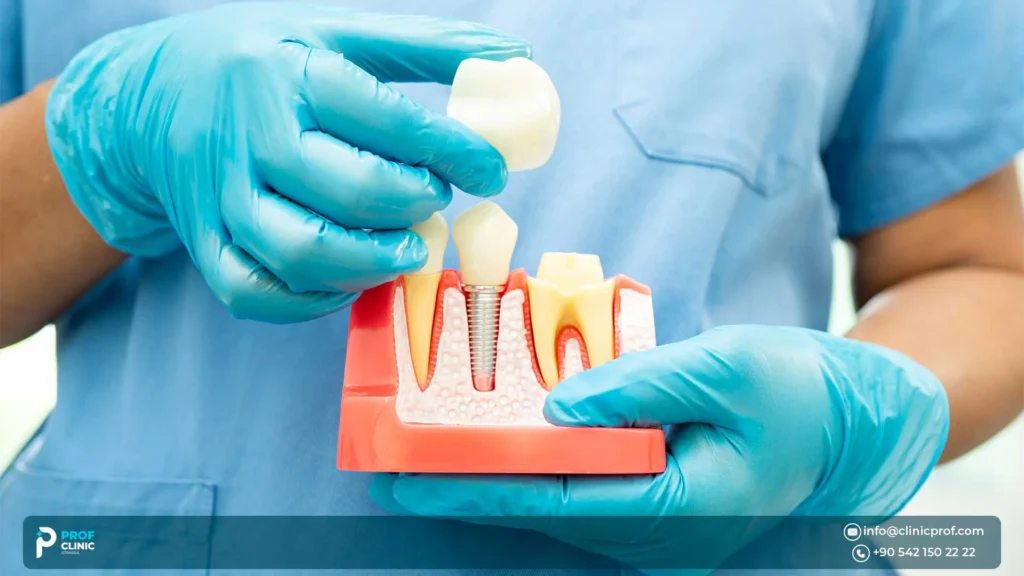
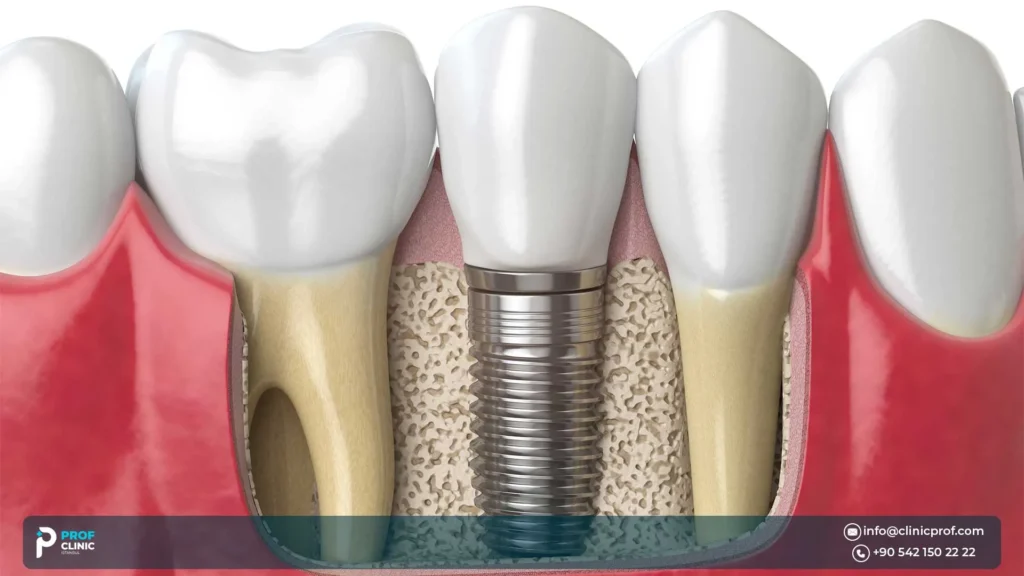
A single-stage dental implants is an implant plan where the dentist places the implant and attaches a small healing component that sits above the gum in the same appointment. That means your gum heals around that healing piece without needing a separate “uncovering” procedure later.
Why this matters to you:
- Fewer surgical steps: many patients prefer it because it can mean one surgical event instead of two.
- Simpler healing experience: you won’t usually need a second appointment to “expose” the implant later (if healing goes as planned).
- But it requires the right conditions: your implant needs good initial stability, and you must be able to protect it from heavy biting/pressure while the bone bonds to it (osseointegration).
One-stage does not automatically mean “same-day teeth.” Same-day/Immediate-load is a separate decision based on your bone quality, bite forces, and stability—some people qualify, others don’t.
If you want to know whether you’re a candidate for single-stage implants, book an appointment and share your scans/photos so your plan is based on your bone and bite not generic advice.
Also read: Immediate Load Dental Implants: Pros, Cons & Candidacy
What is a two-stage implant?
A two-phase implants is a plan where the implant is placed and left covered under the gum during healing. After the implant bonds to the bone, a second, usually smaller visit is done to uncover the implant and connect the healing component.
Why your dentist might choose this for you:
- Extra protection during healing: because the implant is covered, it’s less exposed to early forces while the bone is integrating.
- Helpful in more demanding cases: For example when stability is borderline, when the bite is heavy, or when additional steps are needed to support the site.
What it means in real life:
- You’re trading one extra step/visit for a more “protected” healing phase.
- The total timeline can still be very reasonable, but it’s more structured because the plan includes that second-stage step.
If you’ve been told you need two-phase implants, ask for a clear written timeline: Stage 1 date, expected healing window, and when Stage 2 is planned, so you can plan work/travel confidently. You can request that plan via WhatsApp.
What is the difference between Stage 1 and Stage 2 implants?
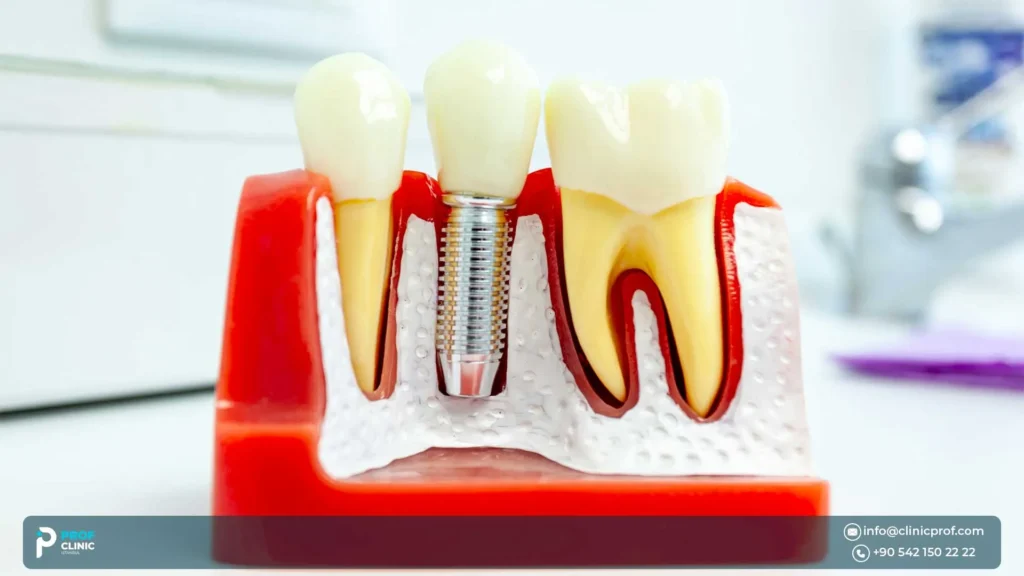
Stage 1 and Stage 2 are steps in the treatment, not different “types” of implants.
| Comparison point | Stage 1 (Implant Placement) | Stage 2 (Implant Uncovering / Healing Abutment) |
| Main goal | Place the implant into the jawbone (create the foundation). | Expose the implant (if it was covered) and connect a healing abutment to shape the gum for the final tooth. |
| When it happens | First surgical visit. | After healing/osseointegration, only if your protocol requires it. |
| What the dentist does | Places the implant; may close the gum over it (two-stage) or leave a healing component above the gum (one-stage). | Makes a small opening in the gum and attaches the healing abutment (or prepares the implant for the restoration). |
| Is it always needed? | Yes. Every implant case has Stage 1. | No. It’s mainly needed in two phase implants; many single stage implants plans don’t require a separate Stage 2. |
| Procedure intensity | The “main” surgical step. | Usually a smaller, simpler follow-up step. |
| What you feel as a patient | More swelling/tenderness is expected compared to Stage 2 (varies by case). | Often milder recovery; many patients find it easier than Stage 1. |
| Why a dentist chooses it | Essential to start implant treatment. | Used when the implant was intentionally left protected under the gum during early healing. |
| How it relates to one stage vs two stage implants | In one stage vs two stage implants, Stage 1 is the same foundation step for both. | The need for Stage 2 is a key difference: two-stage protocols typically include it; one-stage protocols often avoid it by placing the healing piece at Stage 1. |
When to do second-stage implant surgery?
Second-stage implant surgery (often called uncovering) is done after the implant has had enough time to bond with the bone, and your dentist is ready to place a healing abutment, the small connector that helps shape the gum for the final crown.
Typical timing
Most patients have the second stage about 3 to 6 months after the implant is placed. As a general guide:
- Lower jaw: often around 3–4 months
- Upper jaw: often around 4–6 months
These are typical ranges not fixed rules. Your dentist will confirm the timing based on how your site is healing.
What affects the timing in your case?
The exact timing depends on several practical factors, including:
- Initial stability (how solid the implant was on day one)
- Bone quality and implant location (upper vs lower jaw; front vs back)
- Whether you needed bone grafting or a sinus lift (often requires more healing time)
- Bite forces or teeth grinding (bruxism) that could overload the implant early
- Smoking, diabetes control, and gum health, which can slow healing
How does it relate to one stage vs two stage implants
This is one of the key differences in one stage vs two stage implants:
- With many single stage implants, the healing abutment is placed during the first surgery, so you may not need a separate second-stage procedure.
- With two phase implants, the implant is left covered under the gum during healing, so the second stage is planned to uncover it once integration is solid.
Which type of implants are better?
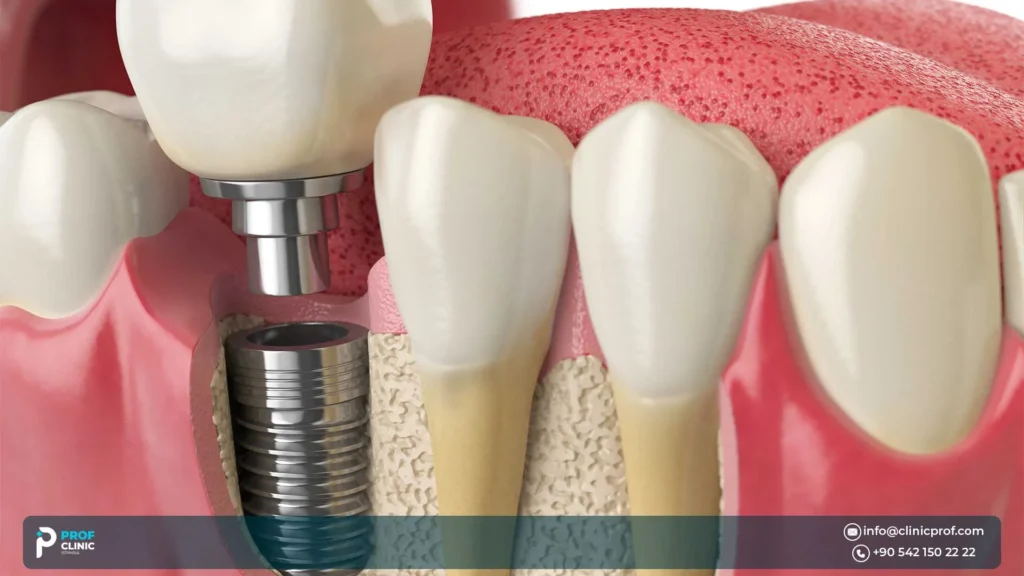
When people ask “Which type of implants are better?”—especially while comparing one stage vs two stage implants, the most accurate answer is that neither option is universally better.
The better choice is the one that matches your bone quality, implant stability on the day of surgery, gum conditions, bite forces, and whether you need any supportive procedures like grafting. In many straightforward cases with good stability, a one-stage approach can be a convenient option because it often reduces surgical steps and keeps the process simpler.
On the other hand, a two-stage approach is commonly chosen when the dentist wants the implant to heal more protected under the gum, such as when stability is borderline, when grafting is involved, or when a temporary tooth could accidentally put pressure on the implant during healing.
If you’re trying to decide, don’t rely on generic advice, ask for a plan based on your scans and bite. Book a free consultation and request a clear recommendation that states which protocol is best for your case and why, along with a realistic timeline from surgery to the final crown.
Also read: Computer-Guided Implant Surgery: Precision Placement
What type of implants last the longest?
People often assume the “longest-lasting” implant depends on whether the treatment is one stage vs two stage implants, but in most well-planned cases the long-term survival can be very similar. The real difference is why your dentist chooses Stage 1 only versus Stage 1 + Stage 2 because that choice can reduce early risks that affect longevity.
Stage 1 is the foundation in every case
- The implant is placed in the bone.
- Long-term success starts here: correct position, stability, and protection during healing matter more than the label “one-stage” or “two-stage.”
Stage 2 can support longevity when extra protection is needed
- Stage 2 (uncovering) is typically part of two phase implants, where the implant heals covered under the gum.
- This can help in situations where early pressure is a concern (borderline stability, heavy bite forces, grafting, or a temporary denture that might press on the site).
- Single stage implants can last just as long in the right case
What actually determines longest-lasting
- Good bone support + healthy gums (no uncontrolled gum disease).
- No smoking (or stopping), and good diabetes control if applicable.
- Managing grinding/clenching (often with a night guard).
- Excellent daily cleaning + professional maintenance visits.
If your goal is the longest-lasting result, don’t just ask “one stage or two stage?”—ask: “Do I need Stage 2 for added protection in my case, and what factors are driving that choice?” Book a consultation and request a clear written plan that explains the protocol and the maintenance steps that will protect your implant long term.
What is the advantage of One Piece Implants?
One-piece implants can be a very practical option in the right case because the implant and abutment are a single unit and that simplicity brings a few real advantages:
- Fewer components, simpler workflow: There’s no separate abutment connection to choose, tighten, or replace later, which can make the restorative process more straightforward in selected cases.
- No implant–abutment micro-gap at the connection: Because it’s one piece, there isn’t the same type of implant–abutment junction found in two-piece systems. In theory, this can reduce a potential area where bacteria could colonize at the connection level.
- Potentially fewer surgical/restorative steps: In many designs, the transgingival portion is present from day one, which can sometimes reduce the need for a separate “uncovering” step—similar to the logic behind some single stage implants workflows.
- Helpful in select space- or anatomy-limited situations: Depending on the system and case, one-piece designs may be useful when prosthetic space is tight or when a simplified approach is preferred—but case selection is critical.
- Often cost-efficient in certain treatment plans: Fewer parts can sometimes translate to lower component costs
Also read: Titanium vs Zirconia Implants: Which is Better for Your Smile?
FAQ about one stage vs two stage implants
Who is a better candidate for one-stage dental implants versus two-stage dental implants?
In one stage vs two stage implants, a patient is often a good candidate for single stage implants when the implant can be placed with strong initial stability, the site is straightforward, and it can be protected from early pressure while healing. A two-stage approach (two phase implants) is more commonly chosen when stability is borderline, the case is more complex, or the dentist wants the implant to heal fully protected under the gum.
Does one-stage vs two-stage dental implants change the success rate, or is case selection more important?
For one stage vs two stage implants, the success rate is often similar when cases are properly selected and the treatment is well planned. In most real-world situations, case selection (bone quality, stability, gum health, bite forces, and patient habits) matters more than whether you choose single stage implants or two phase implants.
When is second-stage implant surgery needed in a two-stage approach, and what does it involve?
In one stage vs two stage implants, second-stage surgery is mainly part of two phase implants and is needed when the implant was left covered under the gum during healing. It typically involves a small opening to uncover the implant and attach a healing abutment so the gum can shape properly for the final crown, and it’s usually simpler than the first surgery.
How do dentists decide between single stage implants and two phase implants if bone grafting or heavy bite forces are involved?
In one stage vs two stage implants, bone grafting or strong bite forces often make two phase implants the safer choice because covered healing helps protect the implant from early loading while the bone integrates. Single stage implants may still be possible if stability is excellent and the site can be reliably protected, but dentists usually choose the protocol that reduces risk during the most critical early healing period.