Missing a tooth is obvious. But what matters most is where the implant is placed. A few millimeters can change how your final crown looks, feels, and cleans and even affect long-term stability. That’s why many patients ask about guided implant surgery: a plan-first method that uses 3D planning to place the implant more predictably.
In this article, you’ll learn what computer guided implants really mean, how 3D implant planning works, what happens step by step on surgery day, and how guided vs non-guided approaches compare in real-life decision-making. You’ll also see the advantages and limitations of guided dental implant surgery, plus a simple checklist for choosing the right clinic, especially if you’re considering treatment in Turkey and want fewer unknowns before you travel.
Is Guided Dental Implant Surgery?
Guided surgery for dental implants is an approach where your implant is planned before treatment using 3D imaging, then placed according to that plan—so the surgeon isn’t “estimating” the angle or depth in real time.
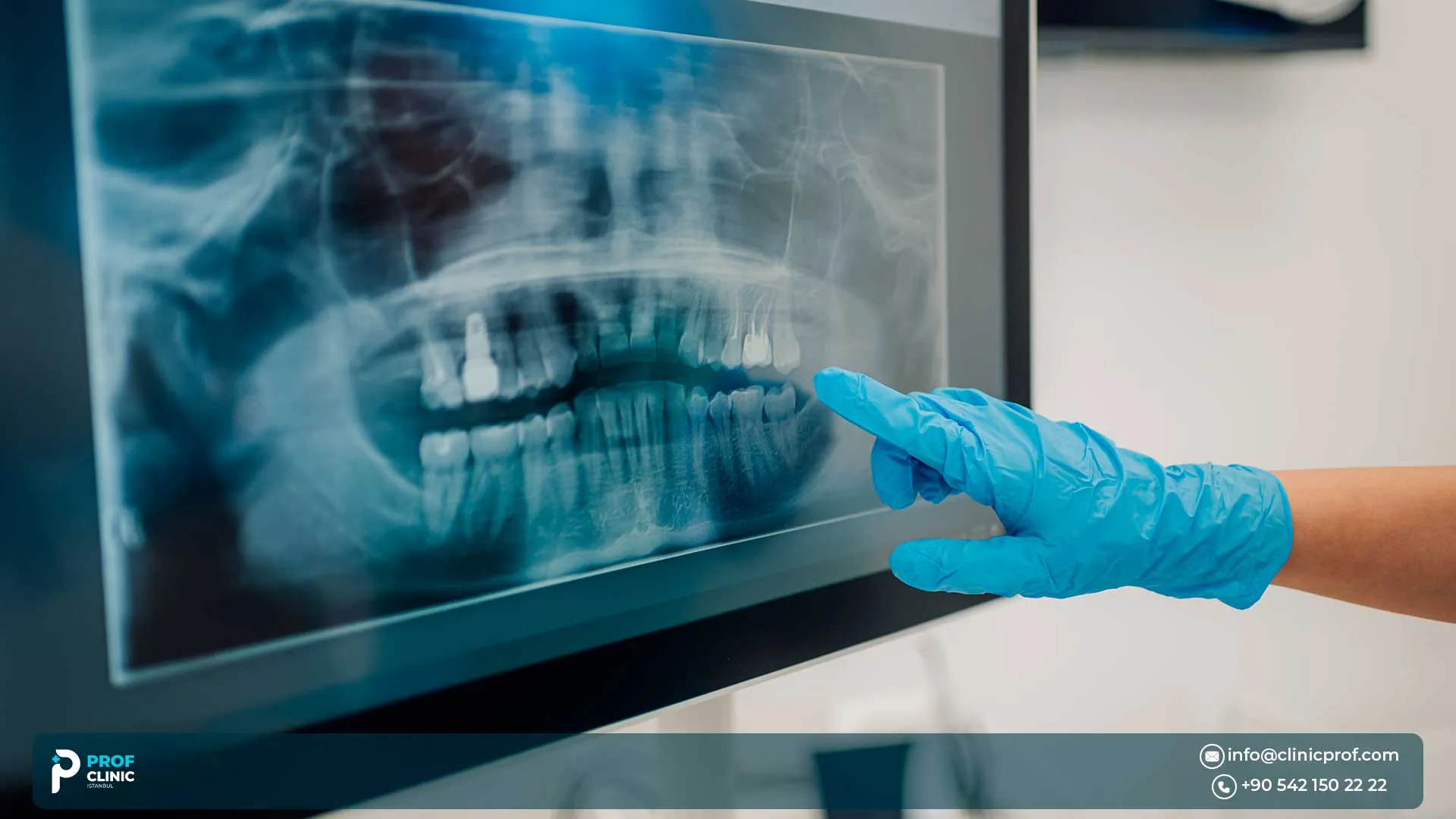
In practice, this usually means 3D implant planning (often from CBCT data) and then transferring that plan to the procedure using a digitally designed workflow—commonly a 3D-printed surgical guide for computer guided implants.
The goal of guided dental implant surgery is simple: precision placement that respects your anatomy and your final tooth position—especially in cases where a few millimeters can affect safety, aesthetics, or long-term function.
Who is it best for Guided Dental Implant Surgery?
Guided placement is especially relevant if you’re:
- Replacing a visible tooth and want predictable aesthetics (front teeth, smile line).
- Placing multiple implants (bridges / full-arch cases) where alignment matters for bite and prosthetics.
- Dealing with limited bone or complex anatomy, where a pre-planned path improves predictability.
- Traveling internationally for treatment and want fewer surprises—because a digital plan lets you understand the approach, timeline, and options before you book flights. Prof Clinic’s model is built for international patients, including treatment coordination and packages that can include accommodation and VIP transfers.
If you’re deciding whether guided surgery fits your case, the most useful next step is a scan-based evaluation and a clear plan. At our Clinic in Istanbul, you can start with a free consultation and share your details to receive a personalized treatment direction before committing.
Also read: Titanium vs Zirconia Implants: Which is Better for Your Smile?
Technology behind guided surgery
Guided implant surgery isn’t “one gadget.” It’s a digital workflow that reduces uncertainty by translating a pre-approved plan into controlled placement. What matters for you (especially if you’re comparing clinics internationally) is whether the provider can show a clear chain from diagnosis to planning to guide design to execution without vague promises.
Computer guided implants
When people say computer guided implants, they usually mean a “plan-first, place-second” workflow—most commonly static guidance using a custom surgical guide.
The system, in plain terms:
Data capture
A high-quality workflow begins with CBCT 3D imaging to visualize bone volume and key anatomy. Many modern protocols also combine CBCT with an intraoral/surface scan to create a more accurate “digital twin” for planning. We describe this full-digital approach (CBCT & scanners) as part of its implant-related workflows.
Digital planning in software
The clinician virtually chooses implant position, angulation, and depth—before surgery—so decisions are made with visibility rather than “in-the-moment estimation.Our team explicitly describes AI/digital mapping and virtual planning language in its implant pages.
Guide design & manufacturing
The plan is transferred to surgery via a surgical guide (often 3D-printed). The guide’s support type (tooth-supported vs mucosa-supported), manufacturing method, and design details (sleeves/fixation) can influence accuracy—so you’re evaluating a protocol, not just the word “guided.”
Surgical execution and verification
Guided dental implant surgery still requires surgeon expertise: fit must be confirmed, soft tissue managed, and the team must know what to do if intra-operative realities differ from the plan. Accuracy in the literaturSurgical execution and verificatione is commonly discussed as the deviation between planned vs placed implant position/angle.
Ask the clinic to show you
- Your 3D plan (why that exact position was chosen),
- How they stabilize/verify the guide, and
- What a protocol is if conditions differ from the digital plan.
3D implant planning and precision placement
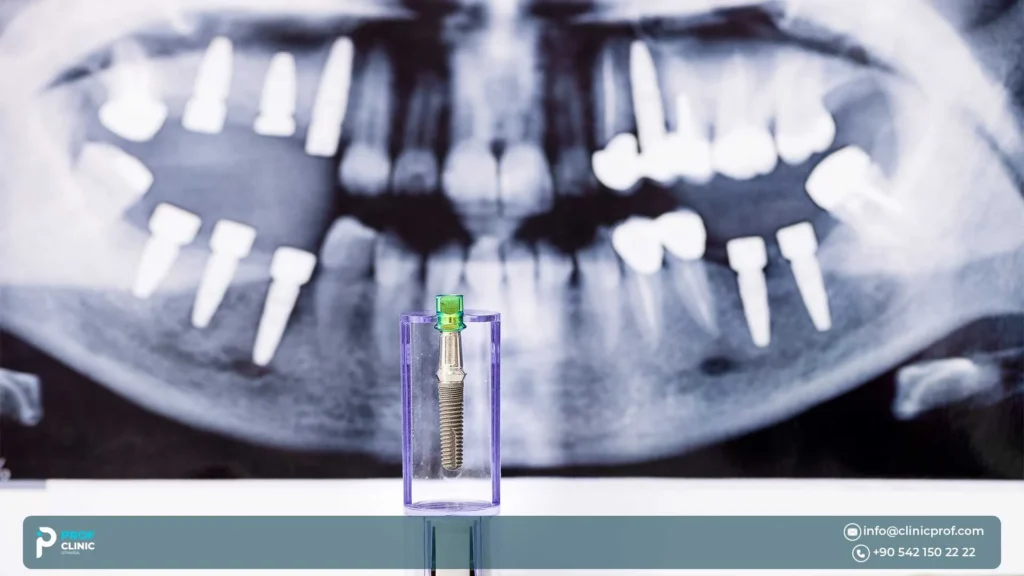
3D implant planning is where guided implant surgery becomes genuinely valuable: it aligns the implant with your final tooth position, not just the available bone—so “precision placement” becomes measurable rather than marketing.
A strong plan typically includes:
- Prosthetic-driven positioning: The implant is planned to support the final crown/bridge trajectory and bite forces—then validated against bone volume and anatomy.
- Safety-first anatomical mapping: CBCT-based evaluation helps visualize constraints and set safety margins. At our clinic, we repeatedly frame implant planning around CBCT/digital mapping in its workflows.
- Measurable accuracy standards: Research commonly quantifies accuracy using deviations at the entry point, apex, and angular deviation between the planned and placed implant.
- Reality check: precision depends on protocol quality: Even with guidance, accuracy is influenced by image acquisition, guide support type, design (sleeves/fixation), and the surgical protocol—so the team’s method matters.
- Better decision-making for faster timelines (when appropriate): If you’re exploring immediate-load/same-day concepts, planning quality and stability criteria become even more important. We describe using surgical guides (3D-printed templates) in these workflows.
If you want fewer unknowns before committing to travel, book an appointment to see your 3D plan and the guide approach that would be used in your case.
Also read: Flapless Dental Implant Surgery: Minimally Invasive
The guided surgery process step by step
Pre-op planning and digital workflow
In guided implant surgery, most of the “precision” happens before you sit in the chair. A reliable clinic, linke our clinic, is able to show you the workflownot just tell you they do guided dental implant surgery.
- Clinical evaluation & goals
You discuss what you’re replacing (single tooth vs multiple teeth), aesthetic priorities, and bite/load expectations because the plan should serve the final tooth, not just “available bone.” - 3D imaging and digital records
A CBCT scan is used to map bone volume and anatomy, forming the base for 3D implant planning. - 3D implant planning (virtual placement)
The implant position, angle, and depth are planned virtually. If a faster pathway is being considered (e.g., immediate load), a responsible plan includes candidacy checks based on measured stability/bone factors. - Patient-facing clarity (important for international patients)
In the consideration stage, you should expect: a clear treatment plan, timeline, and what’s included.
Ask the clinic to show you the 3D plan (even as screenshots) and explain why that exact position was chosen for your bite and aesthetics. This is the fastest way to judge whether “guided” is real or just a label.
Surgery day: guide placement and implant insertion
On the day of surgery, the goal of computer guided implants is controlled execution: the plan is translated into the mouth with fewer variables.
- Verification before drilling
The surgical guide (when used) must seat securely and be verified because guide stability is what makes the guidance meaningful. - Guided osteotomy and implant insertion
The team follows a structured drilling protocol through the guide (when applicable), then places the implant to the planned depth/angulation. Even with guidance, the surgeon still makes intra-operative decisions—guided doesn’t mean “automatic.” - Immediate tooth vs healing phase
If immediate load is part of the plan, it’s done only when stability criteria are met; otherwise, healing is prioritized. Prof Clinic explains the “teeth-in-a-day” concept and contrasts it with traditional staged timelines.
If you’re traveling, ask for a written day-by-day schedule during the consultation step. We offer a free consultation intake that’s built for remote starts.
Post-op follow-up and expected recovery
Recovery isn’t just “how you feel tomorrow”—it’s the structured follow-up that protects long-term success.
- First days (typical expectations): Mild swelling/discomfort is common; your clinic should give you clear hygiene, diet, and medication instructions tailored to your case.
- Short-term follow-up: You need a review visit to assess healing and ensure the implant site is stable and clean.
- Osseointegration timeline (the biologic anchor): Many protocols allow a healing window where bone integrates with the implant before final teeth. Prof Clinic references a 3–6 month healing phase in its implant education content.
- International patient practicality: If your plan involves two visits, you should know exactly what happens on each visit and what “support” is included. Prof Clinic mentions follow-up and complimentary services within its implant pricing/guide content—use it as a checklist when comparing clinics.
Also read: Computer-Guided Implant Surgery: Precision Placement
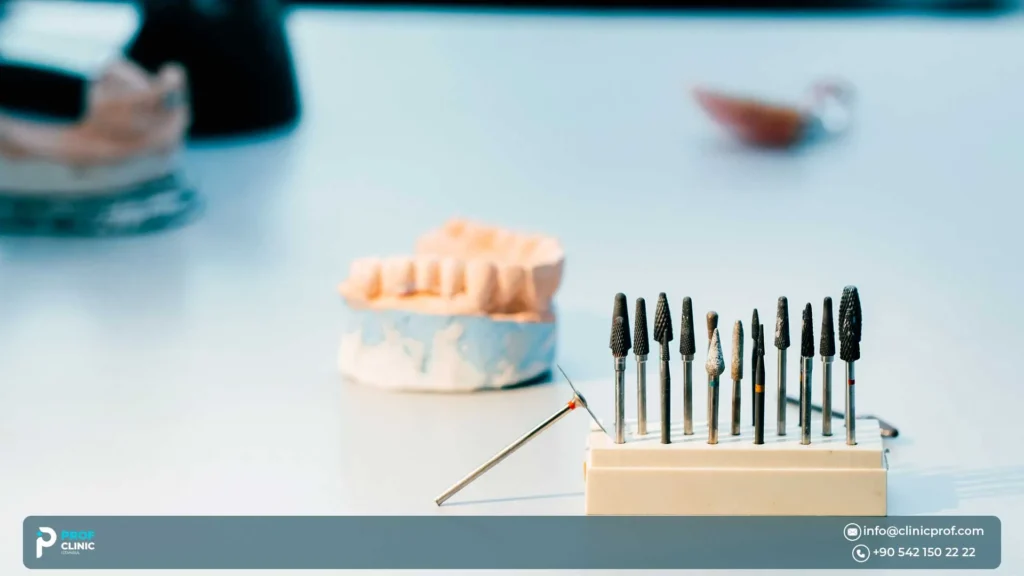
Guided vs non guided implant surgery
| Point | Guided implant surgery | Non-guided (freehand) implant surgery |
| How it works | 3D plan first, then placement follows the plan (often with a surgical guide). | Placement is done by the surgeon’s judgement without a guide controlling the drill path. |
| Precision & predictability | Typically more predictable when diagnostics, planning and guide stability are done well. | Can be very good, but more operator-dependent, especially in complex cases. |
| Best for | Aesthetic zone, multiple implants, tight anatomy, patients who want a clear plan before traveling. | Straightforward single implants with ample bone, cases where intra-op flexibility is useful. |
| Flexibility during surgery | Lower (the guide constrains the path). | Higher (surgeon can adapt instantly). |
| Time & cost | More pre-op planning; may add cost for planning/guide fabrication. | Simpler workflow; often lower planning overhead. |
If you want planned precision placement and fewer unknowns, guided is often the better fit. If the case is simple and the surgeon is highly experienced, non-guided may be sufficient.
Why choose guided surgery?
If you’re already committed to replacing missing teeth, the real decision is how predictable you want the placement to be—especially when aesthetics, safety margins, or travel logistics are part of the picture. Guided implant surgery is chosen for one reason: it shifts critical decisions from “in the chair” to a controlled, visible plan you can review beforehand.
When guided surgery is especially recommended
Guided dental implant surgery tends to be most valuable when you need predictability, not just an implant:
- Aesthetic zone cases (front teeth / smile line) where placement affects appearance and emergence profile.
- Multiple implants / bridges / full-arch planning, where alignment drives function and long-term maintenance.
- Complex anatomy or limited bone, where planning reduces surprises and helps choose the safest path.
- If you’re considering same-day/immediate load, because candidacy should be decided by measured stability and bone factors—not marketing.
- International patients, because a digital plan and “virtual surgery” style pre-planning can reduce uncertainty before you travel.
- andIf you want to assess whether guided placement is truly beneficial in your case, start with a digital assessment and request to see (1) your 3D plan, (2) whether a guide is indicated, and (3) the expected timeline before you book travel.
What are the disadvantages and advantages of guided implant surgery?
Advantages of guided implant surgery
- More predictable placement: 3D implant planning helps control implant position, angulation, and depth more consistently.
- Better safety planning: CBCT-based visualization improves awareness of anatomy and planned safety margins before surgery.
- Prosthetic-driven outcomes: Planning is often based on the final crown/bridge, improving restorative alignment and emergence profile.
- Streamlined surgery day: A guided sequence can simplify drilling and placement steps and reduce intra-op guesswork.
- Strong fit for complex cases: Useful in the aesthetic zone, multiple implants, limited bone/anatomy challenges, and travel patients who want a clear plan.
- Clearer pre-op communication: Easier to show patients the plan, options, and expected timeline before committing.
Disadvantages of guided implant surgery
- Workflow-dependent accuracy: Results depend on scan quality, planning skill, data merging, and guide stability—“guided” is not one uniform standard.
- Diagnostic weak link risk: If CBCT/scan protocols or planning are poor, the whole outcome can be compromised.
- Garbage-in, garbage-out: If the prosthetic plan is wrong, guidance can reproduce that mistake very precisely.
- Less intra-op flexibility: When anatomy or conditions differ from the plan, the guide may limit real-time adjustments.
- Not always necessary: For a straightforward single implant with ample bone and good visibility, guidance may add little value.
- More steps and often higher cost: Requires extra pre-op appointments, digital planning, and guide fabrication.
- Expectation risk: Marketing can imply “perfect” accuracy; in reality it reduces deviation but does not eliminate it.
Also read: Basal Implants: Immediate Loading Without Bone Graft
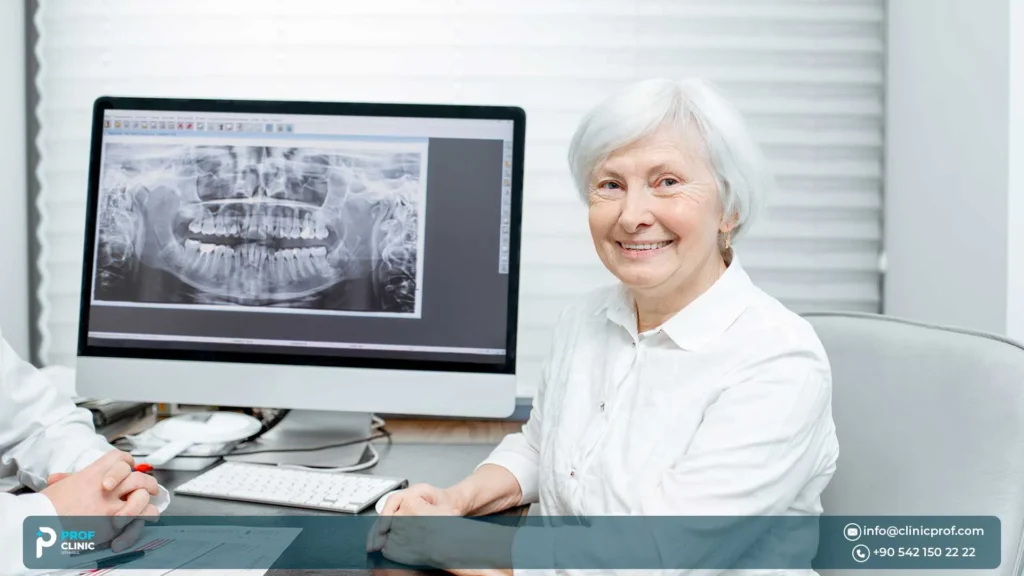
How to Choose a Clinic for Guided Surgery in Turkey
Don’t pick a clinic because it says “guided.” Pick it because it can show you the workflow.
- Ask to see your 3D plan. If they can’t show the plan (even screenshots) and explain why that exact position was chosen, you’re not really evaluating guided implant surgery.
- Confirm proper 3D diagnostics (CBCT). Guided placement starts with CBCT-based mapping. No 3D diagnostics = weak foundation for “precision.”
- Ask what type of guide they use and how they verify stability. Guided varies (tooth-supported vs mucosa-supported). Stability/verification is what makes guidance reliable.
- Listen for honesty about limits. A trustworthy clinic says guided surgery improves predictability, but it’s not “perfect” and not needed in every simple case.
- If you’re traveling: demand clarity on timeline. You should receive a written plan, what’s included, and how follow-ups are handled before you book flights.
If you want fewer unknowns before traveling, start with a digital consultation and request your 3D plan and guided approach. Prof Clinic supports an online start so you can evaluate the plan before committing.
Why Choose Prof Clinic Istanbul for Guided Surgery in Turkey
If you’re traveling for treatment, you’re not just choosing a surgeon—you’re choosing a repeatable system that reduces surprises. Here’s what makes Prof Clinic a strong fit for guided implant surgery in Istanbul:
A true digital workflow
At Prof Clinic, we describe a full pre-op chain built on CBCT and intraoral scanning to create a “digital twin,” followed by digital/AI mapping and virtual planning before surgery.
Guidance you can validate
Our implant workflows explicitly reference using 3D-printed surgical guides (templates) to control placement, especially relevant when you care about precision placement and predictability.
Planning & execution for time-sensitive cases
For “same-day / immediate load” pathways, our team explains a structured protocol: digital blueprint, measured primary stability (torque verification), and guided placement—then a temporary restoration path.
In-house production support
We describe an on-site CAD/CAM laboratory and the ability to craft temporary teeth quickly as part of certain workflows—useful when you’re traveling and timing matters.
International-patient logistics built in
We promote a travel-ready model: free consultation intake, all-inclusive package options, and VIP transfer support in our materials, so you can organize the trip around a defined plan.
Start with the free consultation and request two things up front: (1) your 3D plan screenshots, and (2) whether your case will be guided and what type of guide/support they’ll use. That’s the fastest way to judge if the “guided” promise is real.
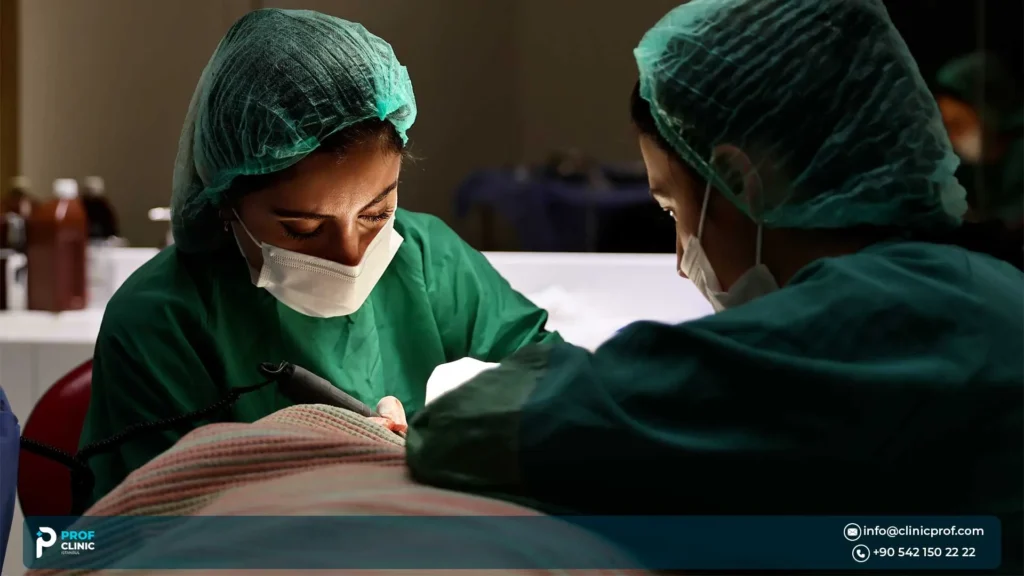
FAQs about Computer-Guided Implant Surgery
What is Guided Dental Implant Surgery?
Guided dental implant surgery (also called guided implant surgery) is a digital workflow where the implant is planned in advance using 3D implant planning, then placed according to that plan—often with a custom surgical guide as part of computer guided implants. The goal is more predictable positioning (angle, depth, and final tooth alignment), especially when aesthetics, multiple implants, or complex anatomy make precision placement important.
Which Type of Implant Surgery is Better – Guided or Non-Guided?
Non-guided (freehand) implant surgery is placed without a surgical guide controlling the drill path. The surgeon relies on clinical assessment, imaging, and intra-operative judgement to position the implant. In straightforward cases with adequate bone and access, non-guided placement can be an excellent option, but outcomes depend more heavily on operator technique and real-time conditions.
What is Non-Guided Dental Implant Surgery?
Non-guided (freehand) implant surgery is placed without a surgical guide controlling the drill path. The surgeon relies on clinical assessment, imaging, and intra-operative judgement to position the implant. In straightforward cases with adequate bone and access, non-guided placement can be an excellent option, but outcomes depend more heavily on operator technique and real-time conditions.