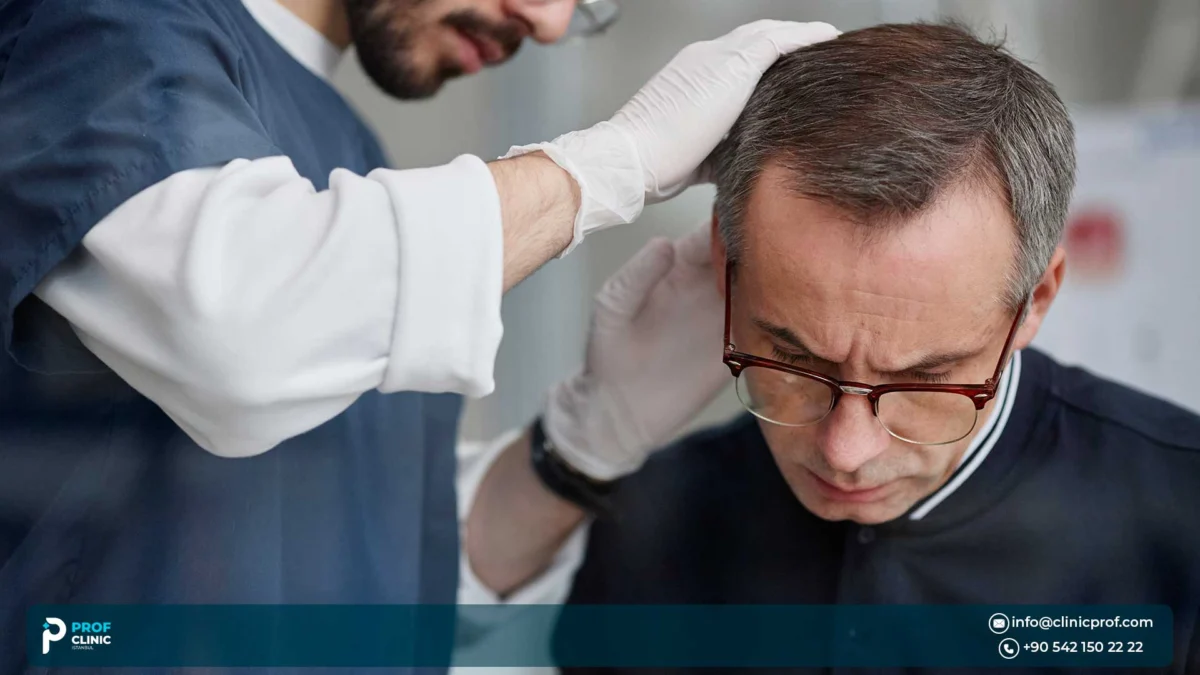
The hair transplant Turkey vs UK question usually starts with price and ends with trust: is the saving real, and is it safe to fly to Istanbul instead of booking a clinic at home? The saving is real. The NHS puts UK hair transplant costs anywhere between £1,000 and £30,000, while a scalp package in Istanbul typically costs about €1,800–€3,500, including the hotel and transfers. Safety depends far more on the clinic and the doctor than on the country, because both countries have skilled teams and operators to avoid.
In this guide by Prof Clinic, you’ll see what each option typically costs and includes, why prices differ, how clinics are regulated in the UK and in Turkey, what the trip from Britain involves and how aftercare works once you’re home. By the end, you’ll know which checks to make before you pay a deposit anywhere.
Turkey vs UK at a Glance
The biggest differences are the price, the way it’s packaged and how easy follow-up is; the techniques and the growth timeline are the same in both countries. The table sums up what changes, and what doesn’t, when a UK patient compares the two.
| What you compare | UK | Turkey (Istanbul) |
|---|---|---|
| Typical price | £1,000–£30,000, according to the NHS | About €1,800–€3,500 for a scalp package (approximate, 2026) |
| How it’s priced | Usually per graft or per session; you travel locally | Most often a package with hotel and transfers |
| NHS cover | Not available on the NHS, as it’s classed as cosmetic surgery | Not covered either; you pay the clinic directly |
| Common techniques | FUE and FUT | Mainly FUE, often as DHI or Sapphire FUE; FUT is rarer |
| Checking the provider | CQC registration (England) and the GMC register | Ministry of Health licensing and the named doctor’s role |
| Time away | A local day procedure, then 1–2 weeks off work is often advised | Typically 2–4 days in Istanbul, then the same recovery at home |
| Follow-up | In-person visits are easy to arrange | Mostly by photos and messages once you fly home |
| Results timeline | Regrowth usually starts around month 4, with the final look at 10–18 months | Identical, since grafts grow at the same pace in Istanbul |
What it means in real life: the operation itself is the same on both sides of the Channel. You’re choosing between paying more for a clinic you can drive to, or paying less and taking on the planning that treatment abroad involves.
Hair Transplant Cost: UK vs Turkey
A hair transplant in Turkey usually costs much less than a comparable plan in the UK, even after you add flights. The gap comes from how each market prices the procedure and what the price includes, so compare the two line by line rather than headline to headline. Here is how the main cost items compare:
| Cost item | UK clinic | Istanbul package |
|---|---|---|
| Procedure and doctor | Usually quoted per graft or per session | Included in the package price |
| Pre-op tests, medication, aftercare kit | Ask whether they are included or billed separately | Usually included in the package |
| Hotel and transfers | Not needed if you live nearby | Usually included (hotel, VIP airport and hotel transfers) |
| Flights | None | Paid by you (return ticket) |
| Follow-up appointments | Ask whether they are included or billed separately | Mostly by photos and messages once you fly home |
| Time off work | 1–2 weeks is often advised (NHS) | The same recovery, plus the days of travel |
How Much Does a Hair Transplant Cost in the UK?
The NHS says a hair transplant in the UK can cost anywhere between £1,000 and £30,000. Where you land in that range depends on how much hair you’ve lost, the type of procedure, and the clinic and team you choose. Hair transplants aren’t available on the NHS, because they’re classed as cosmetic surgery, so the full cost is yours.
UK clinics often quote per graft or per session, and large areas may need two or more sessions, which the NHS also points out. When you compare UK quotes, ask whether consultations, medication, aftercare products and follow-up appointments are included or billed separately.
How Much Does a Hair Transplant Cost in Turkey?
On average, the hair transplant cost in Turkey for a scalp procedure in Istanbul is about €1,800–€3,500 for a package using FUE, DHI or Sapphire FUE. Unlike most UK quotes, that figure normally bundles the procedure, pre-op blood tests, medication and an aftercare kit, the hotel, and VIP airport and hotel transfers. Afro or curly hair, female patients and FUT are priced differently, and the guide linked below breaks down what drives the price. To see what a package normally covers, read What Is Included in a Hair Transplant Package in Turkey?
Treat these euro figures as rough 2026 guides for budgeting in pounds, not as a final price. Your price depends on your case after assessment, especially the number of grafts your donor area can safely give, and it’s confirmed in a written quote. If you’re unsure where you might sit, our guide How Many Grafts Do I Need? Graft Count by Norwood Stage explains how graft estimates are made.
Also read: Hair Transplant Cost in Turkey 2026: Average Prices & Drivers
The Real Total for a UK Patient
The package price isn’t the whole bill when you travel from Britain. Before you compare totals, add the costs that sit outside any Turkish quote:
- Flights: a return ticket to Istanbul, plus checked luggage if you need it.
- Time off work: the days in Istanbul, the travel days and the 1–2 weeks of recovery the NHS says you may need anyway.
- Extras: meals, a companion’s travel and any extra nights you choose to add.
- Insurance: the NHS warns that travel insurance doesn’t normally cover you if things go wrong in surgery, and the UK Foreign Office (FCDO) notes that the GHIC and EHIC aren’t valid in Turkey. Check what your policy covers, and what the clinic’s own cover includes, before you book.
Even with these added, the total for most UK patients stays well below a typical UK quote for a similar graft count. The practical takeaway: compare what each quote includes, not just the number at the bottom.
Comparing a UK quote with a Turkish one? Put them side by side line by line: ask Prof Clinic for an itemised quote showing every inclusion and exclusion.
Why Is a Hair Transplant Cheaper in Turkey?
Mostly because it costs less to run a clinic in Istanbul, not because the surgery is different. Staff wages, rent and day-to-day running costs are lower than in London or Manchester, and many Turkish clinics treat a high volume of international patients, which spreads fixed costs across more procedures. Packages also bundle the hotel and transfers through local partners at local prices.
A low cost base isn’t the whole story, though. In a 2025 review in Aesthetic Plastic Surgery, Haider and colleagues describe Turkey’s hair transplant industry as generating about US$1 billion a year, driven by substantially lower costs. They also warn that large price differences may reflect differences in resources, surgeon experience and safety protocols, and they document the growing role of unsupervised technicians in some clinics.
A lower price is only good news if the same things are covered. When you read a Turkish quote, check what is missing from it, and be cautious if you see:
- A quote that undercuts other established Istanbul clinics by a wide margin and nobody can say why.
- No doctor’s name on the plan, or a doctor you only meet on the consultation call.
- A fixed graft number quoted before anyone has seen photos of your donor area.
- Being rushed to send a deposit from the UK so a “special price” doesn’t expire.
FUE vs FUT: The Techniques Used in Both Countries
The core techniques are the same in the UK and Turkey; what differs is how often each is used. UK clinics offer both FUT and FUE, while most Turkish clinics work mainly with FUE and its variations. The NHS describes the two main methods like this:
| Aspect | FUT (strip method) | FUE (follicular unit extraction) |
|---|---|---|
| How grafts are taken | A strip of scalp is removed from the back of the head and divided into small grafts | Individual grafts are removed one at a time |
| Scarring | A linear scar, usually hidden unless hair is worn very short | Many tiny scars that are usually not very noticeable |
| Shaving | Only the strip area is trimmed | The back of the head is shaved |
| Anaesthetic | Usually local anaesthetic with sedation | Usually local anaesthetic with sedation |
| Stay | Usually done in a day, without an overnight stay | Usually done in a day; large areas may need more than one session |
| Usually suits | Patients who keep their hair longer at the back and need many grafts | Patients who want to wear their hair short or avoid a linear scar |
DHI and Sapphire FUE, both widely offered in Istanbul, are variations of FUE. In DHI, an implanter pen places each graft straight into the scalp; in Sapphire FUE, the channels are opened with sapphire-tipped blades. Neither is better for everyone; the right choice depends on your hair loss, your donor area and the surgeon’s experience with that method. For a side-by-side of the Istanbul techniques, see FUE vs DHI vs Sapphire FUE: Which Technique Fits You?. The NHS also notes that a transplant suits permanent, inherited baldness and usually isn’t suitable for other types of hair loss, such as alopecia areata.
Quality and Safety: How Each Country Regulates Clinics
The clinic matters more than the country. Both the UK and Turkey have skilled hair restoration teams, and both have operators who shouldn’t be doing surgery. The International Society of Hair Restoration Surgery (ISHRS) reports in its 2025 Practice Census that 59% of its members see black-market hair transplant clinics in their cities, up from 51% in 2021, and that an average of about 10% of the repair work its members see now traces back to a black-market procedure.
The ISHRS position is clear: any procedure that cuts the scalp is surgery and should be performed by a licensed, trained physician. Ask who will do each step of your procedure, whichever country you choose.
Checking a UK Clinic: CQC, GMC and BAHRS
In England, the NHS says every independent provider of cosmetic surgery must be registered with the Care Quality Commission (CQC), so check the clinic on the CQC website. Then check that the surgeon is on the General Medical Council (GMC) register with a licence to practise. The NHS also suggests looking for full or affiliate membership of the British Association of Hair Restoration Surgery (BAHRS), and warns that some clinics pay for their place in online search listings.
Checking a Clinic in Turkey: Licensing and the Doctor’s Role
In Turkey, health facilities are licensed by the Ministry of Health, and the FCDO notes that the Ministry’s approved providers for international patients are listed on the HealthTürkiye website. The FCDO also warns that standards can vary widely, even within one country. It advises discussing your plans with your UK doctor first, and remembering that booking companies have a financial interest in selling you treatment.
Licensing sets a minimum standard; it doesn’t pick your surgeon for you. Ask for the doctor’s name, their qualifications and exactly what they will do on the day, and get the answers in writing.
Results: Same Biology, Same Timeline
A flight home to Britain doesn’t change how fast grafts grow. According to the NHS, transplanted hair often falls out after a few weeks, new hair usually appears after about 4 months, and the full result is typically visible after 10 to 18 months. The NHS also lists a small chance that the graft won’t take, and the possibility that your own hair keeps thinning around the transplant.
Where the outcome really differs is in the work around the surgery: the quality of the donor-area assessment, the care taken when grafts are extracted and stored, the hairline design, and your own aftercare. If a clinic, in London or Istanbul, promises a fixed success rate before it has seen your scalp, treat that as a warning sign.
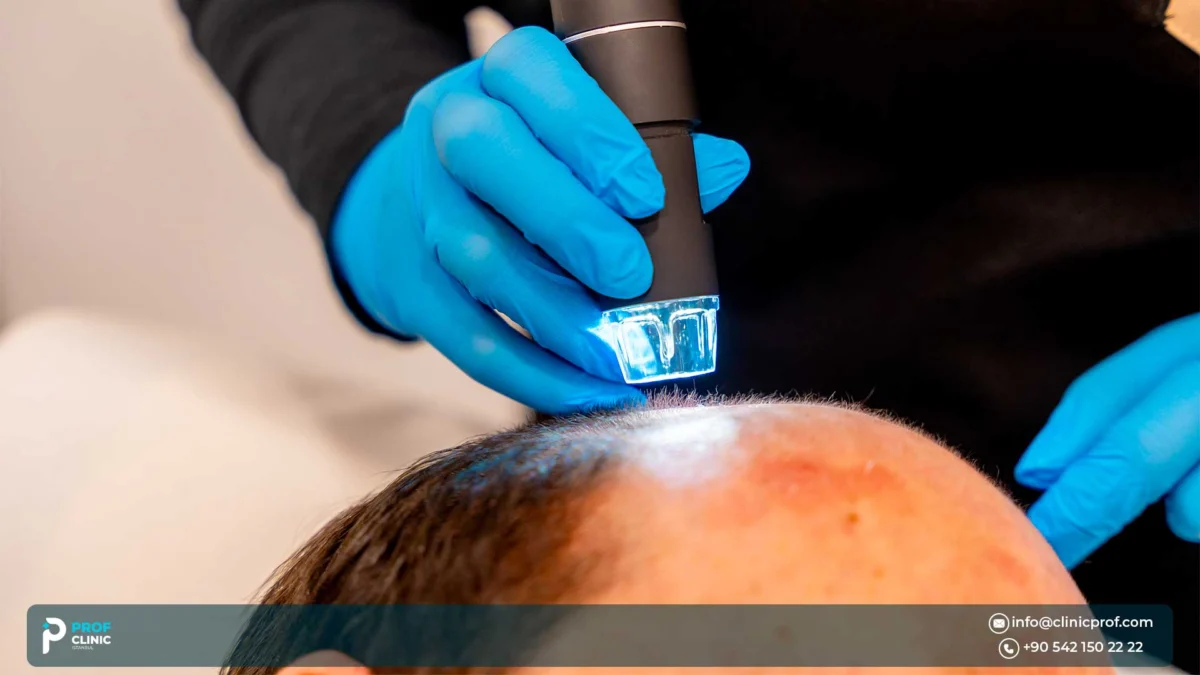
Curious what months 4, 10 and 18 can look like? Our before-and-after gallery shows real patients at several points of their growth.
Hair Transplant in the UK: Pros and Cons
The UK’s main strength is proximity: your surgeon is a train ride away if you have a question or a problem. Its main drawback is cost, which the NHS range shows can climb steeply for larger sessions.
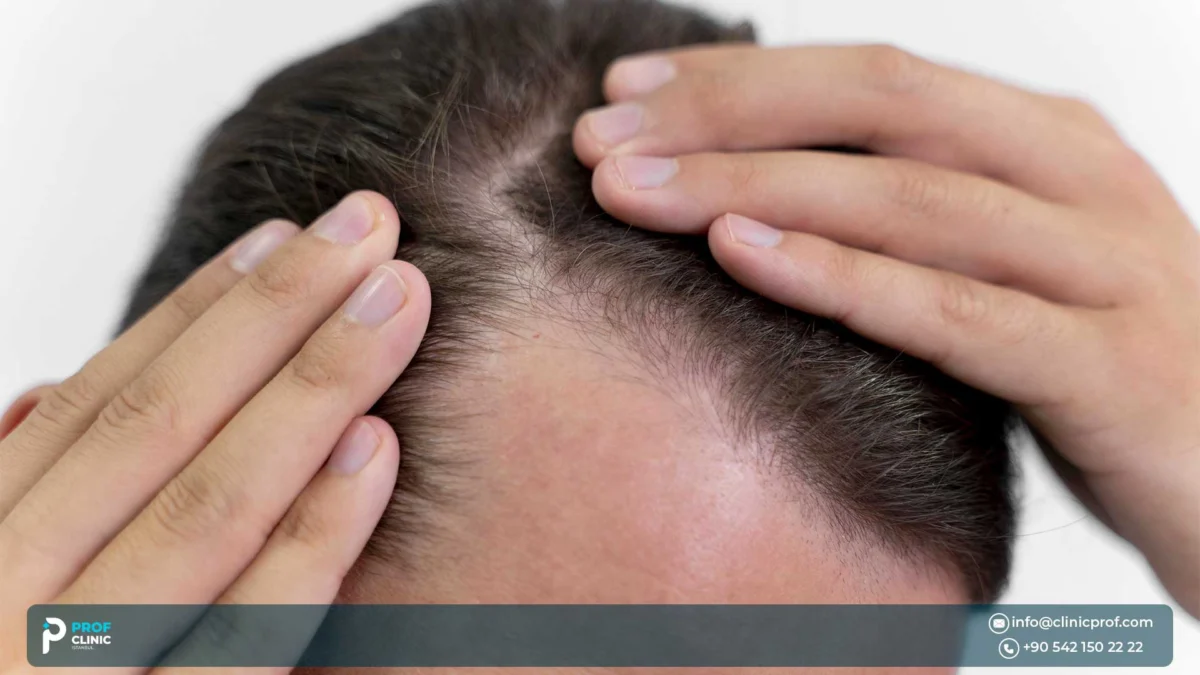
- Pro, easy follow-up: the NHS notes that in the UK your surgeon is responsible for follow-up care, and in-person check-ups are simple to arrange.
- Pro, clear checks: CQC registration, the GMC register and BAHRS membership are quick to look up.
- Pro, no travel: no flights, no hotel and no time spent away from home.
- Pro, your own language: you can discuss the plan, and any concerns later, without a language barrier.
- Con, higher price: a similar plan usually costs more, even though you save on flights and a hotel.
- Con, quality still varies: a UK address doesn’t replace checking who performs the surgery.
Hair Transplant in Turkey: Pros and Cons
Turkey’s main strength is value: a full package often costs less than a UK procedure alone. Its main drawback is distance, which makes careful clinic choice and reliable remote follow-up essential.
- Pro, lower total cost: packages usually bundle the procedure, tests, hotel and transfers.
- Pro, short flight: Istanbul is a direct flight of around four hours from London and other UK airports.
- Pro, a specialised field: hair restoration is a large sector in Istanbul, and many teams work mainly with FUE-based techniques.
- Con, follow-up at a distance: once you’re home, aftercare is mostly by photos and messages.
- Con, more checking: licences and roles take more effort to confirm, and quality varies widely between clinics.
- Con, communication: the NHS advises choosing a surgeon who can explain the procedure in a language you understand, so test this before you book.
Travelling From the UK to Istanbul: What to Plan
Flying from Britain to Istanbul is straightforward, but unlike a clinic down the road it needs a plan. These are the points to settle before you book flights:
- Entry rules: according to the FCDO, British citizens can visit Turkey without a visa for up to 90 days in any 180-day period, and the passport must have an expiry date at least 150 days after arrival. Rules can change, so check again before you travel.
- Nights in Istanbul: a stay of typically 2–4 days covers pre-op tests, the procedure and an early check before you leave. Prof Clinic’s service page notes that FUE sessions usually last 7–8 hours and may be spread over more than one day, which can lengthen the stay. Our guide How Many Days Do You Need in Turkey for a Hair Transplant? goes through the stay day by day.
- No holiday straight after: the NHS advises against planning a holiday right after cosmetic surgery; rest, and avoid alcohol, sun, sightseeing and swimming.
- Flying home: ask your doctor when it’s safe for you to fly, and protect the grafts from knocks and pressure on the journey.
- A local backup: know where you would go in the UK if a problem appeared, such as your GP.
Aftercare Once You’re Back in the UK
The first two weeks are when communication counts most. The NHS notes that the grafts need great care for about the first 2 weeks, that bandages usually come off after 2 to 5 days, and that you may be advised to limit exercise for the first month. Before you book, ask:
- Who will be my contact after I fly home, and how do I reach them?
- Will I get written aftercare instructions in English?
- How quickly does the team reply to photos or questions?
- What happens if I develop signs of infection once I’m back in the UK?
If you have severe pain or symptoms you didn’t expect, the NHS advice is to contact the clinic as soon as possible; abroad, there may be no UK healthcare professional linked to your clinic, so agree the plan in advance.
Have questions before you commit? Message our team on WhatsApp and ask who will follow up with you after you fly home.
Turkey vs Poland, Germany, Greece and Other Options
The same checklist applies wherever you look. UK patients often compare Turkey with Poland, Hungary, Greece or Germany, usually because of price or a shorter trip. Prices and standards vary from clinic to clinic within each country, so a country-level comparison only gets you so far.
When you compare any two destinations, look at:
- Total cost: the package plus flights, nights and time off work.
- Verifiable credentials: whether you can confirm the doctor’s licence and role.
- Experience with your case: how often the team treats hair loss like yours, including curly or Afro hair.
- Follow-up: how the clinic stays in touch once you’re home, and in which language.
Also read: Hair Transplant Cost Turkey vs USA: Price, Quality and Safety
If you’re also considering Asia, our comparison of hair transplants in Thailand vs Turkey applies the same criteria.
Hair Transplant Poland vs Turkey
Patients who search for hair transplant Poland vs Turkey are usually weighing a shorter flight against a lower package price. From the UK, the flight to Poland is generally shorter than the flight to Istanbul, but there’s no reliable country-level price comparison from a medical source, and prices vary widely between clinics in both countries. Compare itemised quotes instead: the graft count, the technique, who performs each step, what is included (hotel, transfers, medication, follow-up) and how the clinic answers questions once you’re home. A lower headline price is only a saving if the same things are included.
Germany, Greece and Hungary vs Turkey
The same logic applies to Germany, Greece and Hungary: you’re trading a familiar or shorter trip against the package price and the way follow-up works. Ask each clinic for the doctor’s name and licence, a written quote and a named contact for aftercare. Be cautious with any claim that one country is “the cheapest” or “the safest”, because quality depends on the clinic and on who operates, not on the name of the country.
How to Choose a Clinic: A Checklist for UK Patients
A good decision rests on the same few checks in London or Istanbul. The NHS suggests asking about the surgeon’s qualifications and experience, how many transplants they’ve done and how many had complications, which method they recommend and why, and what follow-up to expect if things go wrong. For surgery abroad, it also recommends two consultations before you commit, noting that a 2-week cooling-off period is the norm in the UK.
- A proper assessment first: the doctor should review your pattern of hair loss, your donor area, your age and your medical history before suggesting a graft number.
- A named doctor and clear roles: the ISHRS advises asking for the surgeon’s name and licence, and who will personally perform each step.
- Donor protection: you only have so much donor hair, and taking too much in one session can leave the back of the head thin and limit what any UK or Turkish clinic can do for you later.
- A long-term plan: transplanted hair usually keeps growing, but the hair around it may keep thinning, so the design should suit you in ten years, not just today.
- Written terms: an itemised quote, written aftercare instructions and a named contact for follow-up.
For the longer version of this list, written for anyone booking from abroad, read how to choose a hair transplant clinic in Turkey.
Ready for an assessment of your own hair? Book a free online consultation and ask for a written plan that explains the technique and graft estimate for your case.
Prof Clinic for UK Patients Planning a Hair Transplant in Istanbul
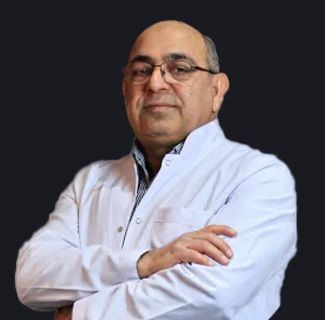
If you contact Prof Clinic from the UK, your hair transplant in Turkey begins with a medical review of your case before any flight is booked. That review is done by Spc. Dr. Lütfi Öztürk, the clinic’s medical lead for hair restoration and an internal-medicine specialist who graduated from Istanbul University Cerrahpaşa Faculty of Medicine in 1992. He plans the treatment and also coordinates your follow-up after you return to Britain.
Points to confirm before you book a flight from the UK:
- Services and techniques: the clinic treats the scalp in men and women as well as Afro and curly hair, eyebrows, beards and moustaches, with FUE, DHI, Sapphire FUE and Micro FUE; male patients will find more detail under male hair transplant in Turkey.
- A written quote in advance: you send your photos from home, the team assesses them, and the written price covers the procedure, accommodation, airport and hotel transfers, and post-op care, so you can compare it with UK quotes in pounds before you commit.
- Pre-op tests in Istanbul: on arrival, before surgery, you have a blood count, ECG, kidney and liver function tests, electrolytes and blood sugar, plus screening for hepatitis and HIV.
- Honest expectations: nobody promises you a set density beforehand; what is realistic for your hair is discussed with you individually.
- Follow-up after you fly home: once you’re back in the UK, the coordination team keeps in contact and answers your questions on WhatsApp (+90 542 150 2222).
Prices follow the approximate 2026 ranges in the cost section above, and your own price is confirmed only in the written quote after assessment.
FAQs About Hair Transplant Turkey vs UK
How much is a hair transplant in the UK compared with Turkey?
The NHS says a UK hair transplant can cost anywhere between £1,000 and £30,000, depending on how much hair you’ve lost, the procedure and the clinic. In Istanbul, a scalp package typically costs about €1,800–€3,500, including the hotel and transfers. These Turkish figures are approximate 2026 ranges, and your final price depends on your assessment.
Is it still cheaper to have a hair transplant in Turkey once you add flights?
For most UK patients, yes. A return flight to Istanbul and a few extra days off work usually cost far less than the gap between a UK quote and a Turkish package for a similar graft count. Add insurance, meals and any companion’s travel before you decide, and compare what each quote includes.
Is it safe to have a hair transplant in Turkey from the UK?
Yes, for UK patients who vet the clinic properly. Risks such as infection, bleeding or poor graft survival exist in any country, and the FCDO warns that standards vary widely. Check the clinic’s Ministry of Health licence, the doctor’s name and role, and how follow-up works once you’re back in the UK.
Is Turkey good for a hair transplant?
Turkey can be a good choice if you choose the clinic carefully. It has a large hair restoration sector and packages that often cost less than a UK procedure, but a 2025 review in Aesthetic Plastic Surgery also warns about unsupervised technicians and uneven safety standards. Check the licence, the named doctor’s role and the written aftercare plan before you book.
Is a hair transplant in Poland cheaper than in Turkey?
There’s no reliable country-level answer, because prices vary widely between clinics in both countries. Compare itemised quotes that state the graft count, the technique, who performs each step and what is included, such as hotel, transfers, medication and follow-up. Poland is usually a shorter flight from the UK, while Istanbul packages often bundle the stay.
Can I get a hair transplant on the NHS?
No. The NHS says hair transplants aren’t available on the NHS because they’re classed as cosmetic surgery. That applies whether you have the procedure in the UK or abroad. If you develop urgent symptoms after returning, contact your clinic straight away and seek medical help in the UK if you need it.
How long do I need to stay in Istanbul for a hair transplant?
Most UK patients stay typically 2–4 days: arrival and pre-op tests, the procedure, and an early check before flying home. FUE sessions can last 7–8 hours and may be spread over more than one day, which lengthens the stay. Ask how many nights your package includes before you book flights.
Do British citizens need a visa for a hair transplant in Turkey?
Usually not for a short trip. The FCDO says British citizens can visit Turkey without a visa for up to 90 days in any 180-day period, with a passport valid for at least 150 days after arrival. Other British passport types may need a visa, so check the latest rules before you travel.
Final Thoughts
The hair transplant Turkey vs UK decision is less about the flag on the clinic door and more about the trade-off: a lower total price and a well-organised trip on one side, proximity and easy in-person follow-up on the other. Whichever you choose, the result depends on a proper assessment, a licensed doctor who is involved in your surgery, careful handling of your donor area, and aftercare you can actually reach.
Before you compare flights or pay a deposit anywhere, find out what your own scalp needs. Talk to Prof Clinic, send your photos from home and ask for a written plan for your hair transplant in Istanbul.
Sources
- NHS — Hair transplant
- NHS — Cosmetic surgery abroad
- ISHRS — New Survey Finds Younger Adults, More Women Seeking Treatment for Hair Loss (2025 Practice Census)
- ISHRS — Safe Hair Transplant Surgery Starts Here (Fight the FIGHT)
- Aesthetic Plastic Surgery — The Allures and the Alarms of the Hair Transplant Tourism Industry (Haider et al., 2025)
- GOV.UK (FCDO) — Turkey travel advice: Health
- GOV.UK (FCDO) — Turkey travel advice: Entry requirements