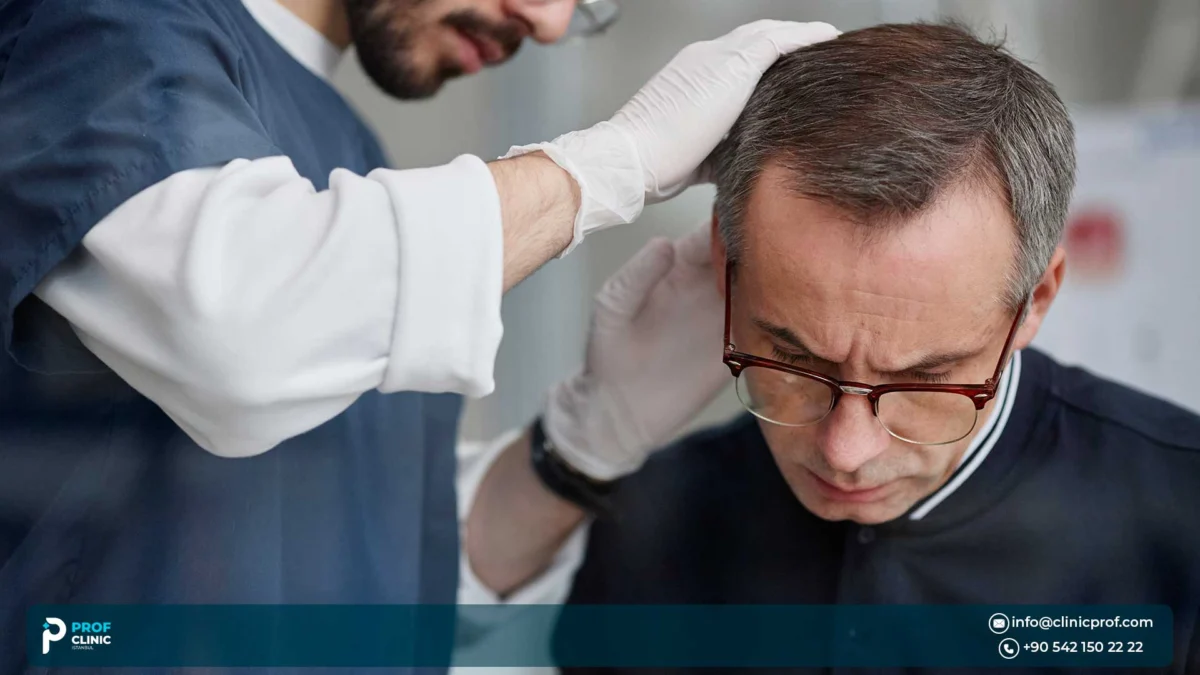
If you’re comparing a hair transplant in Thailand vs Turkey, you’re really asking two things: which country gives you better value, and whether you give up anything on quality to get it. An all-inclusive package in Istanbul often works out cheaper once hotel and transfers are counted, while Thailand is often closer and easier to reach if you live in Australia or East Asia. Quality depends far less on the country than on the clinic, because the techniques are the same in both and the result rests on who plans and performs your surgery.
In this guide by Prof Clinic, you’ll see how prices are quoted in each country, who actually does the work, what the trip and entry rules involve, and how follow-up works once you’re home. By the end, you’ll have a short checklist to judge any clinic, in Bangkok or Istanbul.
Thailand vs Turkey at a Glance
The main differences are how the price is packaged and how far you have to travel; the surgery itself and the growth timeline don’t change. The table sums up what a patient usually compares.
| What you compare | Thailand | Turkey (Istanbul) |
|---|---|---|
| How it’s priced | Often per graft or per session; hotel and transfers usually extra | Usually one package price that already includes the hotel and transfers |
| Typical price | Varies widely between clinics and hospitals; no independent average | About €1,800–€3,500 for a package (approximate 2026 range) |
| Common techniques | FUE and FUT | FUE and its variations (DHI, Sapphire FUE); FUT less often |
| Closer for | Australia, New Zealand and East Asia | Europe, the Middle East and North Africa |
| Entry for short visits | Visa-free stays cut to 30 days for eligible nationalities (since 15 September 2026) | Depends on nationality: visa-free, e-Visa or embassy visa |
| Follow-up | Mostly remote once you fly home | Mostly remote once you fly home |
| Results timeline | New growth from about month 4; full result at 10–18 months | Identical, since grafts grow at the same pace in either country |
What it means in real life: you aren’t choosing between two kinds of surgery. You’re choosing between two travel plans and two ways of pricing the same procedure, and then choosing a clinic within that country.
Hair Transplant Cost: Thailand vs Turkey
The hair transplant cost in Thailand vs Turkey is hard to compare from headline prices, because the two markets quote in different ways. Turkish clinics usually sell a package that bundles the procedure with hotel and transfers, while Thai clinics and private hospitals more often quote the procedure on its own. Comparing the full bill is the only fair test.
How Much Is a Hair Transplant in Thailand?
There’s no single price, and no independent body publishes an average for Thailand. Clinics in Bangkok, Phuket and Chiang Mai set their own fees, often per graft or per session, and the final figure depends on how many grafts you need, the technique, and whether you’re treated in a standalone clinic or a private hospital.
When you collect Thai quotes, ask whether the price includes blood tests, medication, the first wash and check-up, the hotel and airport transfers. If these are billed separately, add them before you compare with a Turkish package. A low per-graft figure can grow quickly once a 2,500-graft plan and a week’s accommodation are added.
How Much Is a Hair Transplant in Turkey?
A scalp hair transplant package in Istanbul costs about €1,800–€3,500 using FUE, DHI or Sapphire FUE. Where a Thai quote often lists the procedure alone, an Istanbul package usually bundles it with pre-op blood tests, medication and an aftercare kit, the hotel, and VIP airport and hotel transfers. Other cases sit in different ranges:
- Afro or curly hair transplant: about €2,500–€4,500, as the extraction is slower and the session runs longer.
- Female hair transplant: about €2,000–€3,800.
- FUT (strip method): about €1,500–€3,000, though it’s less commonly chosen today.
Treat these as rough 2026 figures to set against Thai quotes, not as final prices: what you pay is set for your case after assessment and confirmed in writing. For a line-by-line view of what a package should cover, see What Is Included in a Hair Transplant Package in Turkey?
Comparing the Real Total, Not the Headline Price
Whichever country you choose, the clinic’s price isn’t the whole bill. Before you decide which is cheaper, put both quotes into the same format:
- Flights: a return ticket, which depends heavily on where you live.
- Nights away: the hotel nights that aren’t in the quote, plus any extra days you choose to add.
- Time off work: the travel days and the 1–2 weeks off that the NHS says you may need after a hair transplant.
- Care at home: the CDC warns that follow-up care for complications after treatment abroad can be expensive and might not be covered by your health insurance.
The practical takeaway: a Turkish package often comes out lower once hotel and transfers are counted, but Thai quotes vary widely, so compare itemised totals rather than one number against another.
Comparing quotes right now? Ask Prof Clinic for an itemised quote that lists what’s included and what isn’t.
Also read: Hair Transplant Cost Turkey vs USA: Price, Quality and Safety
Why Prices Differ Between the Two Countries
Most of the gap comes from how each market is organised, not from different surgery. Turkey’s hair transplant sector is built around high volumes of international patients, so clinics spread fixed costs over many procedures and buy hotel nights and transfers locally at local prices. In a 2025 review in Aesthetic Plastic Surgery, Haider and colleagues describe the Turkish industry as generating about US$1 billion a year, driven by substantially lower costs.
The same review also warns that large price differences may reflect differences in resources, surgeon experience and safety protocols, and it documents the growing role of unsupervised technicians in some clinics. That warning applies to cheap offers anywhere, Bangkok included. Be cautious when you see:
- A price far below other established clinics, with no clear explanation.
- No named doctor, or a doctor who only appears at the consultation.
- A fixed graft number before anyone has seen photos of your donor area.
- Pressure to pay a deposit quickly to “hold” a discount.
Who Performs the Surgery in Thailand and Turkey?
In both countries, the person who matters is the one holding the instruments on the day. Thailand and Turkey both have experienced hair restoration doctors, and both have clinics where most of the work is handed to technicians. The International Society of Hair Restoration Surgery (ISHRS) reports in its 2025 Practice Census that 59% of its members see black-market hair transplant clinics in their cities, up from 51% in 2021, and that on average about 10% of members’ repair cases now follow a black-market procedure.
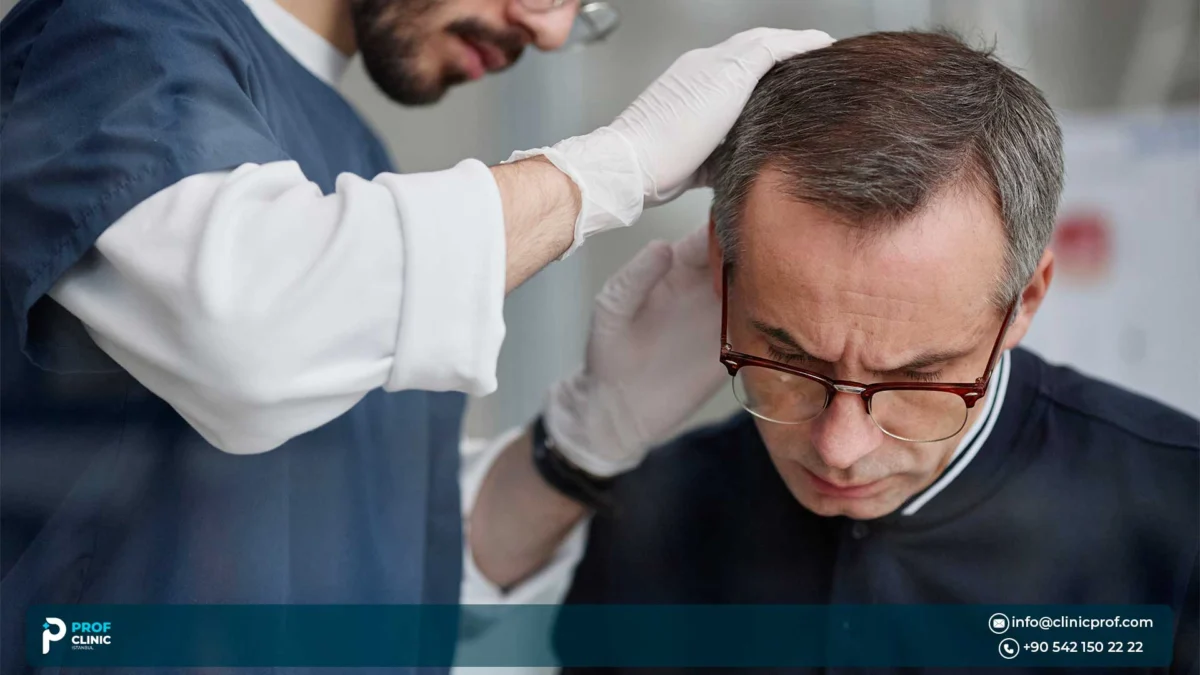
The ISHRS position is that any procedure that cuts the scalp is surgery and should be performed by a licensed, trained physician. Ask every clinic for the doctor’s name, licence and role in each step, from extraction to implantation.
How to Check a Clinic in Each Country
The checks are similar, but the authorities are different. In Thailand, the Medical Council of Thailand encourages patients to confirm that a doctor is properly licensed before treatment, and the health authorities ask the public to check clinic licences online. In Turkey, the Regulation on International Health Tourism and Tourist Health, published in the Official Gazette (Resmî Gazete) on 26 April 2025, requires health facilities that treat international patients to hold an authorisation certificate from the Ministry of Health and intermediary agencies to hold one issued by USHAŞ; facilities must also provide an itemised breakdown with the invoice.
Rules set a minimum standard, but they don’t pick your surgeon for you. As the CDC points out, accreditation does not promise a good outcome, so check the qualifications of the person who will actually treat you. Our guide on how to choose a hair transplant clinic in Turkey goes through these checks in more detail.
Techniques and Results: The Same Biology in Both Countries
The techniques are the same in Thailand and Turkey, so the result depends on planning and handling rather than location. The main difference is emphasis: FUE and its variations dominate in Turkey, while Thai clinics offer both FUE and the strip method.
FUE, DHI, Sapphire FUE and FUT
The NHS describes the two main methods this way:
- FUT (strip method): a thin strip of skin with hair is removed from the back of the head, divided into grafts, and the donor site is closed with stitches, leaving a linear scar.
- FUE: individual grafts are removed one by one, leaving many tiny scars that are less noticeable.
DHI and Sapphire FUE are variations of FUE. DHI uses an implanter pen to place each graft directly, while Sapphire FUE uses sapphire-tipped blades to open the channels. Neither technique is better for everyone; the right choice depends on your hair loss, your donor area and the surgeon’s experience with that method. For a side-by-side comparison of the three, read FUE vs DHI vs Sapphire FUE: Which Technique Fits You?
Growth Timeline and Success Rates
Your hair grows on the same schedule wherever the grafts are placed. According to the NHS, new hair usually starts to appear after about 4 months, and the full result should be visible after 10 to 18 months. The NHS also notes a small risk that the transplant will not take and the hair falls out, or that a noticeable scar forms.
What changes the outcome is the work behind the scenes: how carefully the donor area is assessed, how gently grafts are extracted and stored, how naturally the hairline is designed, and how closely you follow aftercare. Be wary of any clinic, in either country, that quotes a fixed success rate before it has examined you. If you want to understand what a poor result looks like and how it’s repaired, read Failed Hair Transplant: Signs, Causes and How to Repair It.
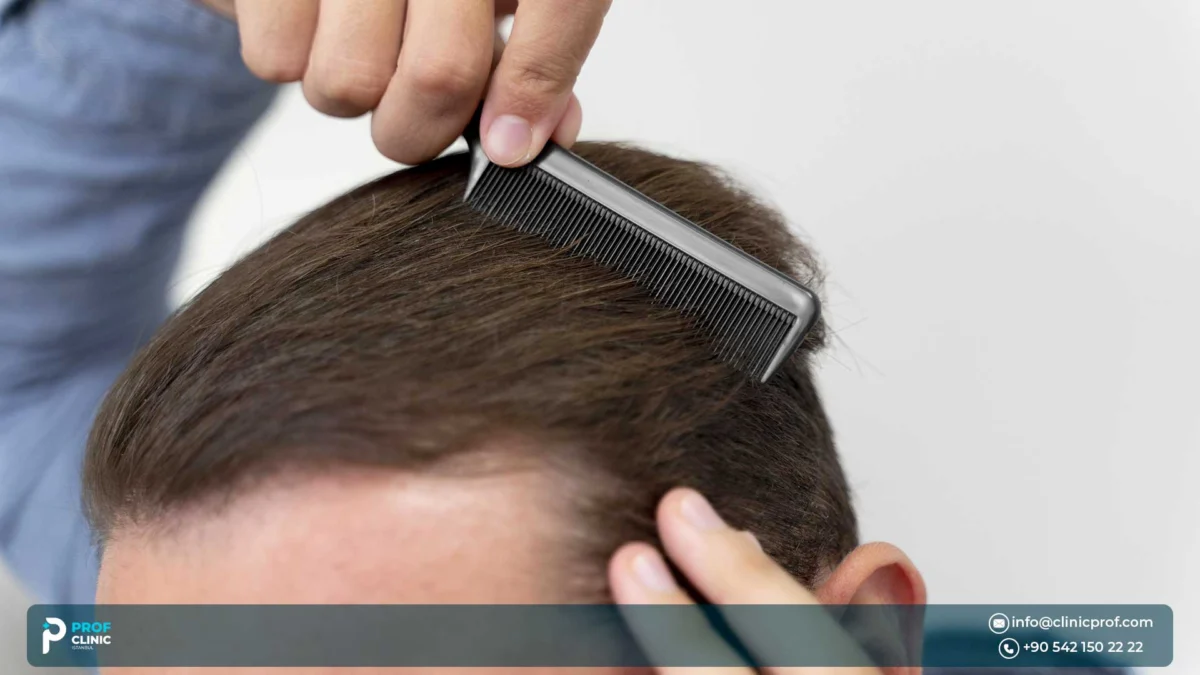
Want to see how results develop over the months? Browse our before-and-after gallery to see real cases at different stages.
Travel, Entry Rules and Recovery Abroad
Distance is often the deciding factor. Istanbul is a short flight from most of Europe and the Middle East, while Bangkok is closer for patients in Australia, New Zealand and East Asia. Both cities are major airline hubs, so the question is how long you want to sit on a plane a few days after surgery.
Visas and Entry Rules
Entry rules depend on your passport, and they change. Thailand shortened its visa-free stay for eligible nationalities from 60 to 30 days with effect from 15 September 2026, and the exemption is described as being for tourism, so ask the Thai embassy whether a medical visit needs a medical-treatment visa. Turkey lets some nationalities enter visa-free, while others apply online through the official e-Visa system or at an embassy. Check the official government site for your nationality before you book.
How Long to Stay and When to Fly Home
A hair transplant trip typically needs 2–4 days on the ground: arrival and pre-op tests, the procedure, and an early check before you leave. The NHS says a hair transplant usually takes a day, while Prof Clinic’s male hair transplant page notes that FUE sessions usually last 7–8 hours and may be spread over more than one day for larger cases. To map out each day of the trip, read how many days to plan in Turkey for a hair transplant.
The CDC notes that flying after surgery can increase the risk of blood clots, and advises getting copies of your medical records before you return home. Ask your doctor when it’s safe for you to fly, and walk and stretch during the flight.
Combining Treatment With a Holiday
Both countries are tempting places to rest, but the first weeks belong to your grafts. The NHS says you need to be very careful with transplanted hair for about the first 2 weeks, and you may be told to cut down on exercise for the first month. The CDC also suggests finding out which activities to avoid around a procedure, such as swimming or hiking. If you want beaches in Phuket or a cruise on the Bosphorus, plan the sightseeing before surgery, not after.
Have questions about timing your trip? Message our team on WhatsApp and ask how many days your plan needs.
Pros and Cons: Thailand vs Turkey for a Hair Transplant
Neither country is better for everyone. The honest comparison is about trade-offs, and the right choice depends on where you live, your budget and how comfortable you are with remote follow-up.
| Aspect | Thailand | Turkey |
|---|---|---|
| Main advantage | Shorter trip from Australia and East Asia | Packages that bundle procedure, hotel and transfers |
| Price structure | Procedure often quoted on its own | All-inclusive package in most cases |
| Choice of clinics | Standalone clinics and private hospitals, mainly in Bangkok and Phuket | A large market with many clinics dedicated to hair restoration |
| Language | English is common in clinics for international patients, but the level varies | English is common in clinics for international patients, but the level varies |
| Main risk to watch | Paying more than expected once extras are added | Choosing on price and ending up with a technician-led clinic |
| Usually suits | Patients in Australasia or Asia who want a shorter flight | Patients in Europe, the Gulf or the Middle East who want a packaged trip |
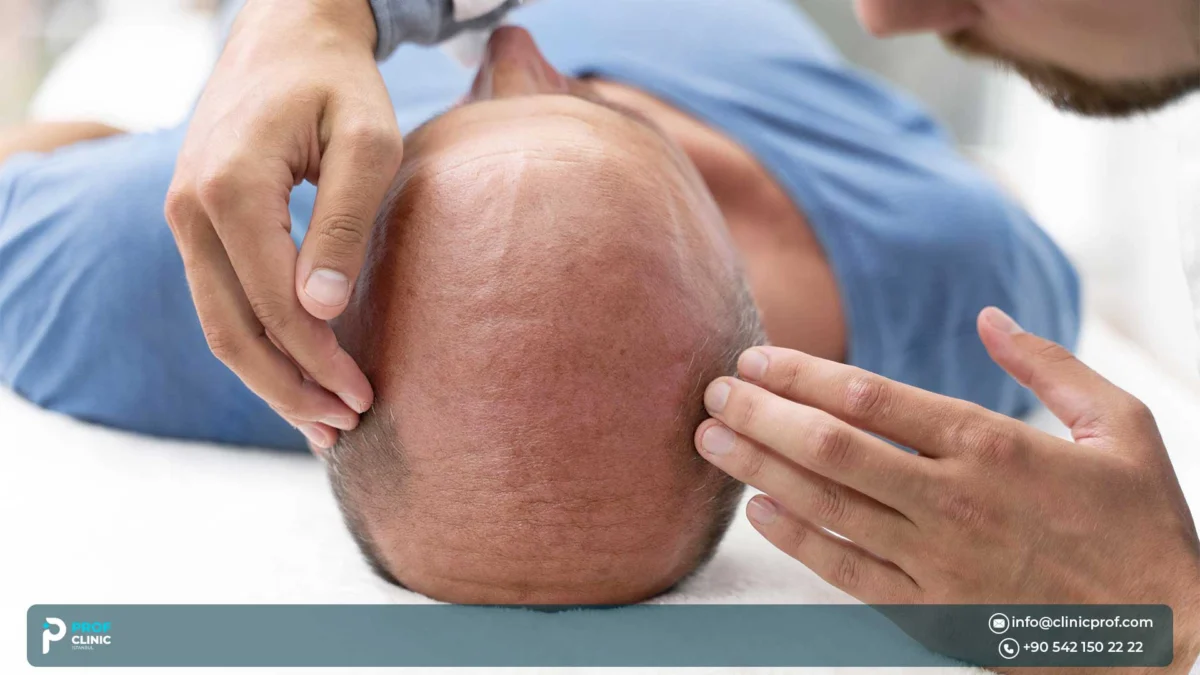
Thailand or Turkey for a Hair Transplant: How to Decide
Start with the clinic, then the country. The same five checks decide the result wherever you have surgery:
- A proper assessment first: the doctor should look at your pattern of hair loss, your donor area, your age and your medical history before suggesting a number of grafts.
- Natural design: the hairline should suit your age and face, and the plan should account for your hair type, colour and curl.
- Protecting the donor area: donor hair is limited, and over-harvesting can thin the back of the head and leave fewer options later.
- A long-term view: transplanted hair usually keeps growing, but the hair around it can keep thinning, so a good plan looks ten years ahead.
- Follow-up you can reach: a named contact and scheduled check-ups, by photo if you’ve flown home.
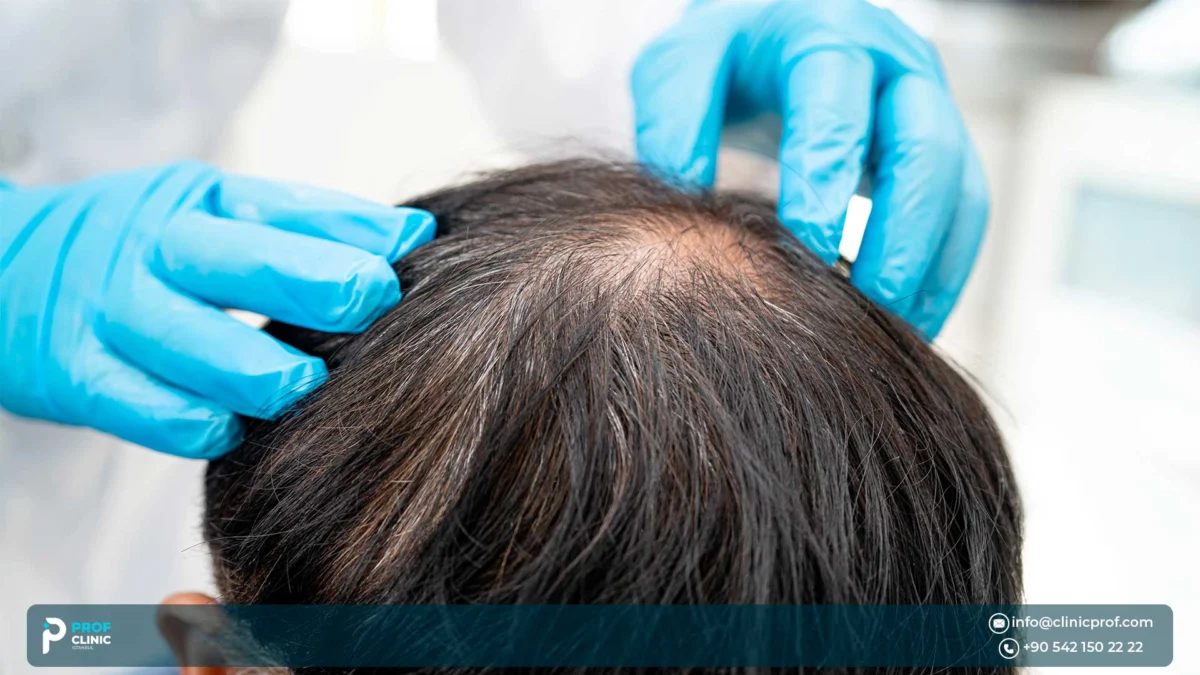
Then ask direct questions. The NHS suggests asking about the surgeon’s qualifications, how many transplants they’ve done, how many involved complications, and what follow-up to expect if things go wrong. Add the ISHRS question: who will personally perform each step of my surgery?
Ready to see what your own case needs? Book a free online consultation and ask for a written plan with the technique and graft estimate.
What About India, Taiwan and Other Destinations?
The same checklist works for any destination. Patients searching Thailand vs Turkey often add India, Taiwan, Poland or Mexico to the list, usually for price or a shorter flight. Prices and standards vary from clinic to clinic within every country, so a country-level ranking only gets you so far.
When you compare any two destinations, look at the total cost including flights and nights, the travel time after surgery, whether you can verify the doctor’s licence and role, how often the team treats cases like yours, and how follow-up works once you’re home.
Which Destination Is Cheapest Once Flights Are Included?
There’s no single cheapest country, because the answer depends on the airport you fly from. The fair way to compare is to price the whole trip: the clinic’s itemised quote, a return flight from your own airport, the hotel nights the quote doesn’t cover, and the days off work. A Turkish package that already includes the hotel and transfers can beat a lower headline price elsewhere, and a short flight can beat both if you live in East Asia or Australia.
Be careful with the phrase “high success rates”. We aren’t aware of any independent source that publishes hair transplant success rates by country. The NHS and the ISHRS both put the emphasis on the surgeon’s qualifications, so treat a country-level success figure as marketing and judge the clinic instead.
Turkey vs Taiwan, South Korea and India
Searches for Turkey vs Taiwan or South Korea mostly come from East Asia, where the shorter flight is the main argument, just as it is for Thailand. India is usually added for price. As with Thailand, no independent source publishes a national price average for these countries, so the same method applies: ask each clinic for an itemised quote, the doctor’s name and licence, and who performs each step, then add flights and nights. If a nearer clinic passes those checks, distance is a perfectly good reason to choose it.
Poland, Mexico and Other Nearer Alternatives
Patients in the UK and the rest of Europe often look at Poland for the short flight, and patients in the USA and Canada look at Mexico for the same reason. Distance is a real advantage, but it doesn’t replace the checks: confirm that a licensed doctor performs the key steps, ask how many grafts are planned and why, and find out how follow-up works once you’re home.
Also read: Hair Transplant Turkey vs UK: Cost, Safety and Aftercare Compared
Prof Clinic for Patients Weighing Istanbul Against Bangkok
At Prof Clinic in Istanbul, a hair transplant in Turkey starts with a medical assessment, not a booking. Hair restoration is led by Spc. Dr. Lütfi Öztürk, an internal-medicine specialist and graduate of Istanbul University Cerrahpaşa Faculty of Medicine. It is his job to assess you, plan your treatment and coordinate follow-up, the same roles you should be able to name at any clinic in Bangkok.
Here’s what you can check before you choose:
- Services and techniques: scalp procedures for men and women, Afro and curly hair, eyebrows, beard and moustache, using FUE, DHI, Sapphire FUE and Micro FUE. Men can read more on the male hair transplant in Turkey page.
- Pre-op tests: on arrival you have a blood count and an ECG, with checks of kidney and liver function, electrolytes and blood sugar, plus hepatitis and HIV screening, all before surgery.
- A written quote: you get it once your photos have been reviewed, and unlike many per-graft Thai prices, the package already covers the procedure, accommodation, airport and hotel transfers, and post-op care.
- Honest expectations: no density figure is promised before you are seen; it is talked through for your own case once your donor area has been assessed.
- Follow-up after you fly home: the coordination team stays in touch and gives advice over WhatsApp (+90 542 150 2222).
Whichever country you lean towards, compare our written plan with the others you receive, item by item.
FAQs About Hair Transplant Thailand vs Turkey
Is Thailand good for hair transplants?
It can be, if you choose the clinic carefully. Thailand has qualified hair restoration doctors and well-equipped private hospitals, and it’s a shorter trip for patients in Australia and Asia. As in Turkey, standards vary between clinics, so check the doctor’s licence, who performs each step, and how follow-up works after you leave.
Is a hair transplant cheaper in Turkey or Thailand?
Turkey often works out cheaper once you compare like for like, because most Istanbul packages include the hotel and transfers. In Istanbul, a scalp package costs about €1,800–€3,500 (approximate 2026 range). Thai prices vary widely and often cover the procedure only, so compare itemised totals, including flights and nights, before deciding.
How long do I need to stay for a hair transplant abroad?
Typically 2–4 days in either country: arrival and pre-op tests, the procedure, and an early check before you fly. Larger sessions can be split over two days and need a longer stay. Ask how many nights your plan includes, and confirm with your doctor when it’s safe for you to fly home.
Do I need a visa for a hair transplant in Thailand or Turkey?
It depends on your nationality. Since 15 September 2026, Thailand’s visa-free stay for eligible nationalities is 30 days and is described as being for tourism, so check whether you need a medical-treatment visa. Turkey offers visa-free entry to some nationalities and an online e-Visa to many others. Always confirm on the official government site.
How often do hair transplants fail?
Not often when the procedure is well planned and performed. The NHS describes a hair transplant as generally safe, with a small risk that the grafts don’t take or that a noticeable scar forms. Poor results are more likely when technicians work unsupervised or the donor area is over-harvested, which is why the clinic matters more than the country.
Which is better for a hair transplant, Thailand or Turkey?
Neither is better in every case. Turkey usually suits patients from Europe, the Middle East and North Africa who want an all-inclusive package and a short flight; Thailand usually suits patients in Australia, New Zealand and East Asia. In both, the surgeon, the plan and the follow-up matter more than the country, so compare itemised quotes and ask who performs each step.
Final Thoughts
The hair transplant Thailand vs Turkey choice comes down to distance, the way the price is packaged and, above all, the clinic you pick. Turkey usually offers the simpler all-inclusive trip for patients from Europe and the Middle East; Thailand is the shorter journey from Australia and much of Asia. In either country, insist on a proper assessment, a licensed doctor involved in your surgery and follow-up you can actually reach.
The safest first step is an assessment that tells you what you need. Before you settle on Bangkok or Istanbul, talk to Prof Clinic and request a written plan for a hair transplant in Istanbul that you can set beside any Thai quote.
Sources
- NHS — Hair transplant
- ISHRS — New Survey Finds Younger Adults, More Women Seeking Treatment for Hair Loss (2025 Practice Census)
- ISHRS — Safe Hair Transplant Surgery Starts Here (Fight the FIGHT)
- Aesthetic Plastic Surgery — The Allures and the Alarms of the Hair Transplant Tourism Industry (Haider et al., 2025)
- CDC — Medical Tourism: Travel to Another Country for Medical Care
- Resmî Gazete (Official Gazette of Türkiye), 26 April 2025, No. 32882 — Uluslararası Sağlık Turizmi ve Turistin Sağlığı Hakkında Yönetmelik (Regulation on International Health Tourism and Tourist Health)