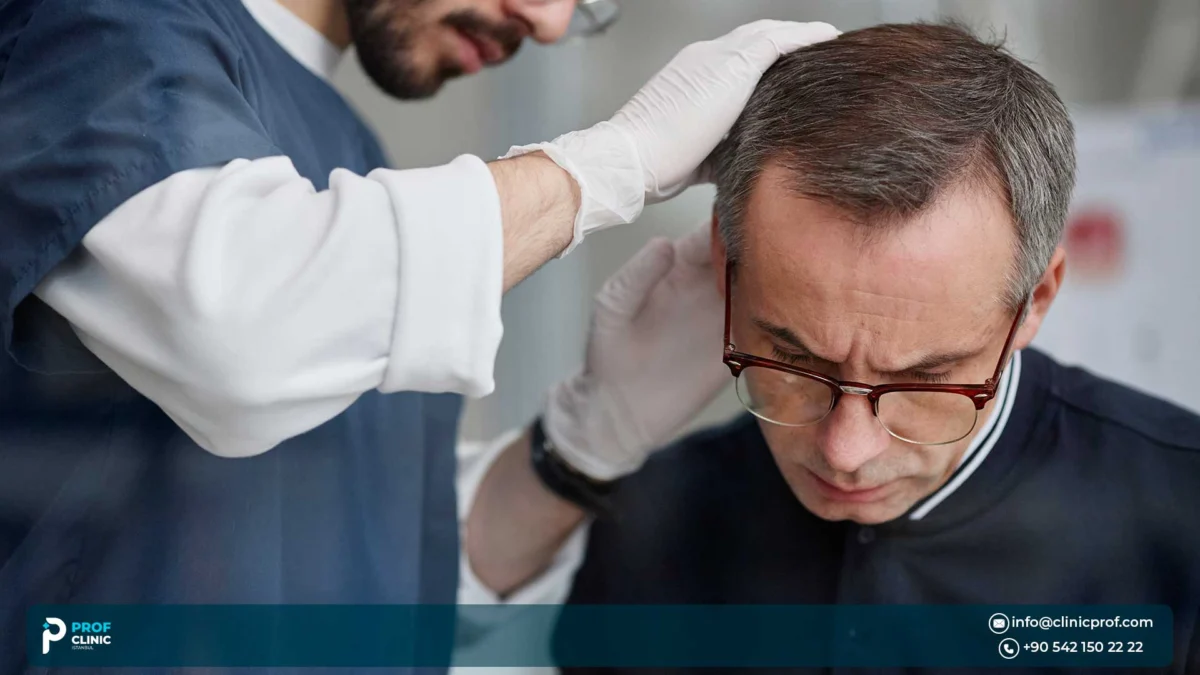
What does the hair transplant process in Turkey actually look like, from the first photo you send to the day you see the final result? In short: an online assessment and written plan, a stay of about 2–4 days in Istanbul with the procedure on one of them, then roughly a year of gradual growth at home. Most of the work happens in a single day under local anaesthetic, but the planning before and the patience after matter just as much.
In this practical overview by Prof Clinic, you’ll see each step in order, the main techniques at a glance, what a typical Istanbul package includes and what the recovery timeline looks like. Where a topic deserves more depth, we point you to the dedicated guide.
The Hair Transplant Process in Turkey at a Glance
A hair transplant moves healthy follicles from a donor area, usually the back and sides of the head, to areas that have thinned or gone bald. For an international patient travelling to Istanbul, the whole process usually follows six stages:
- Online assessment: you send photos and a short medical history, and the doctor estimates what is realistic for your hair loss and donor area.
- Written plan and quote: you receive a proposed technique, an approximate graft range and a price that lists what the package covers.
- Arrival and pre-op checks: an in-person consultation, hairline design and blood tests, usually on arrival day or the next morning.
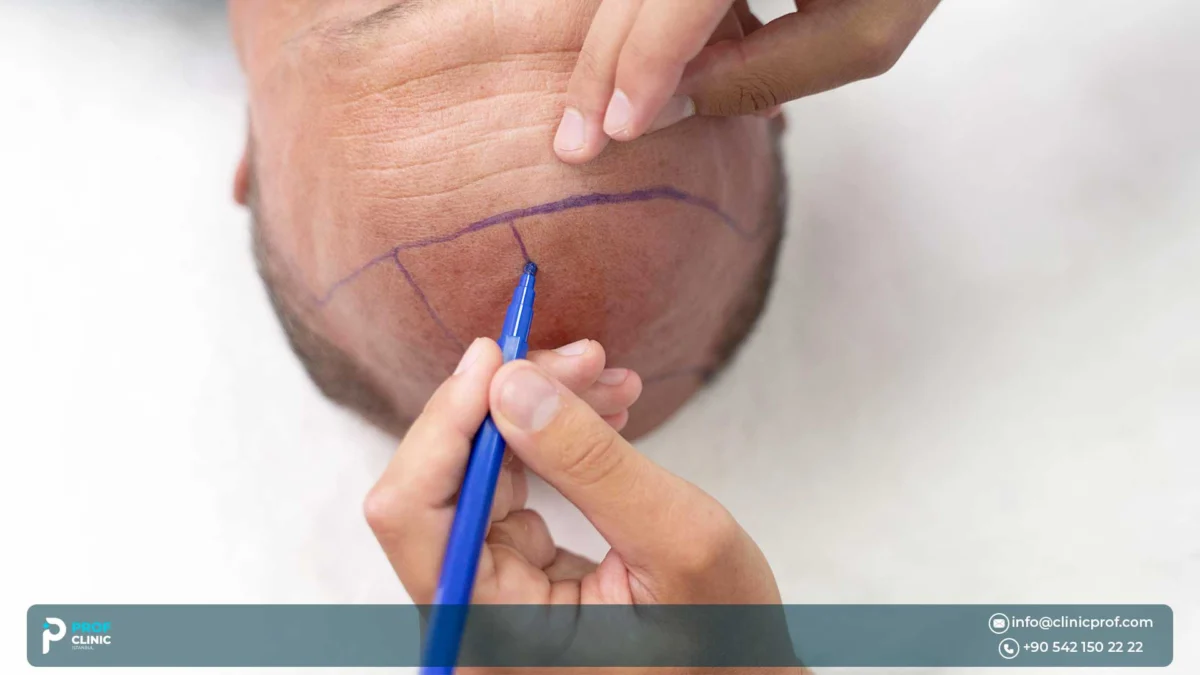
- Procedure day: extraction and implantation under local anaesthetic, typically lasting most of the day.
- Check-up and first wash: the team reviews the grafts and explains aftercare before you fly.
- Recovery at home: healing in the first two weeks, shedding in the first months, then new growth that matures over about a year.
What it means in real life: you only spend a few days in Turkey, but the result is decided across twelve months or more. A good plan covers the whole span, not just the operating day.
If you are still weighing up the trip itself, our article on why so many people choose Turkey for a hair transplant looks at cost, skill and risks.
Who Is a Good Candidate for a Hair Transplant?
You are usually a good candidate if your hair loss has a stable pattern and your donor area has enough healthy hair to move. The American Academy of Dermatology (AAD) says men and women of all races can be good candidates, provided they have enough transplantable hair and can grow hair in the thinning area. A transplant redistributes your own hair; it does not create new follicles.
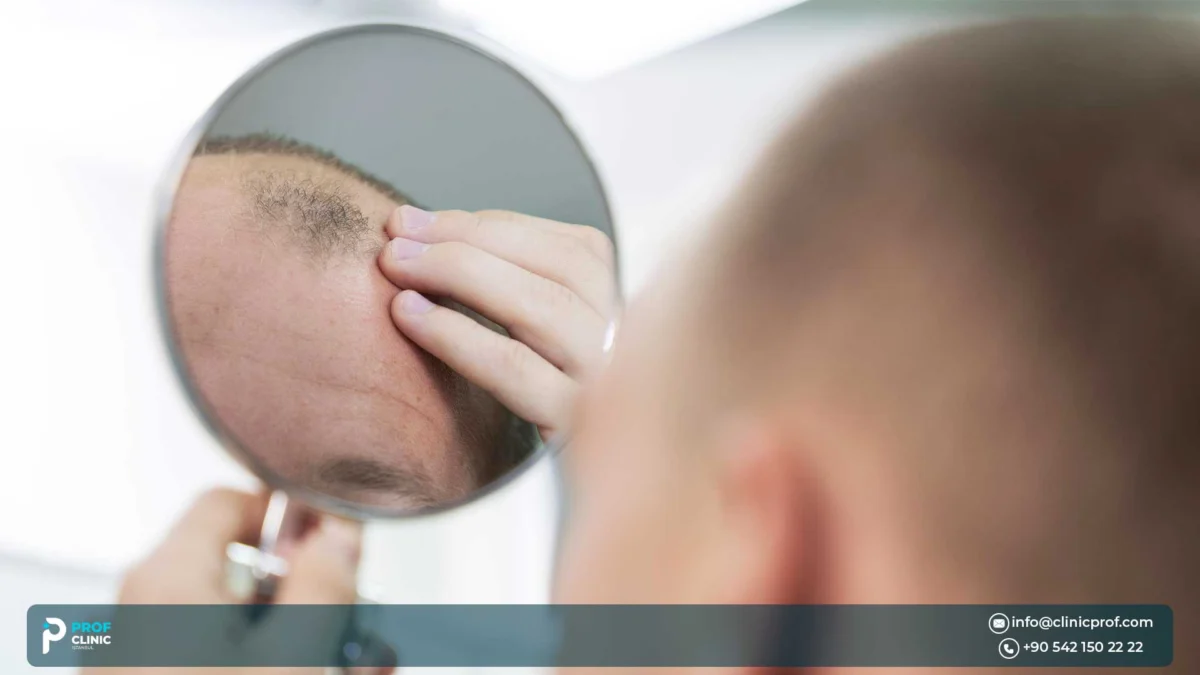
A few situations call for a closer look before any surgery is planned:
- Very young patients: hair loss in the early twenties can still progress unpredictably, which makes long-term hairline planning harder.
- A weak or thin donor area: this limits how many grafts can be taken safely, whatever the technique.
- Hair loss with an unclear cause: patchy loss, sudden shedding or scalp disease needs a diagnosis first, because a transplant does not treat the cause.
- Health conditions: uncontrolled diabetes, bleeding disorders or blood-thinning medication need to be discussed and managed with your doctor.
Hair Loss Treatment in Turkey Without Surgery
Not everyone who searches for hair loss treatment in Turkey needs a transplant. The AAD lists minoxidil, which can help early hair loss but cannot regrow a whole head of hair, and finasteride, which is approved for male pattern hair loss and takes about four months to show improvement. It also notes that studies show PRP can be a safe and effective treatment, and that laser devices have promising but limited evidence. Medication is often useful even after surgery, because the AAD points out that hair loss can continue around the transplanted area.
Before You Travel: Assessment, Plan and Preparation
Most of the decisions about your hair transplant are made before you board a plane. A careful online assessment saves you from arriving with the wrong expectations, and a written plan gives you something concrete to compare.
What to Send for an Online Assessment
Clear photos are the starting point. Send the front, top, crown and both sides, plus the back of the head, in good daylight and with dry hair. Add your age, how long you have been losing hair, any treatments you have used, your medications and any medical conditions. With these, a doctor can usually give an approximate graft range and say whether your donor area looks sufficient.
Questions to Settle Before You Book
Minimum guidelines published jointly by UK and Turkish plastic surgery associations, announced by BAAPS, recommend that patients consult the doctor who will perform the surgery and are told at the first consultation whether a doctor or a technician will make the incisions. They also advise two weeks to consider the plan and consent form before paying. Before you book, it’s worth asking:
- Which doctor will plan and perform my procedure, and which steps will technicians carry out?
- Which technique do you recommend for my hair, and why?
- How many grafts do you estimate, and how much donor reserve will remain for the future?
- What happens if there is a complication after I fly home?
Preparing in the Weeks Before Surgery
Preparation is simple but worth taking seriously. Clinics typically ask you to stop smoking and avoid alcohol for some days before surgery, and not to cut your hair short beforehand. Some medications and supplements that affect bleeding may need to be paused, but only change prescribed medication with your own doctor’s approval. Plan time off work and avoid booking business meetings for the days straight after your return.
Want to know what each step would look like for your hair? Send your photos to our team on WhatsApp for an initial assessment.
Hair Transplant Techniques in Turkey at a Glance
Most hair transplants in Turkey today are variations of follicular unit extraction (FUE), with FUT used far less often. The ISHRS describes FUE as a method of harvesting grafts one by one, which avoids the linear scar left by strip surgery, and notes that it is the most common harvesting method worldwide. It also warns that many clinics give standard FUE new names, and that DHI describes implanting grafts with sharp implanters rather than a separate transplant method.
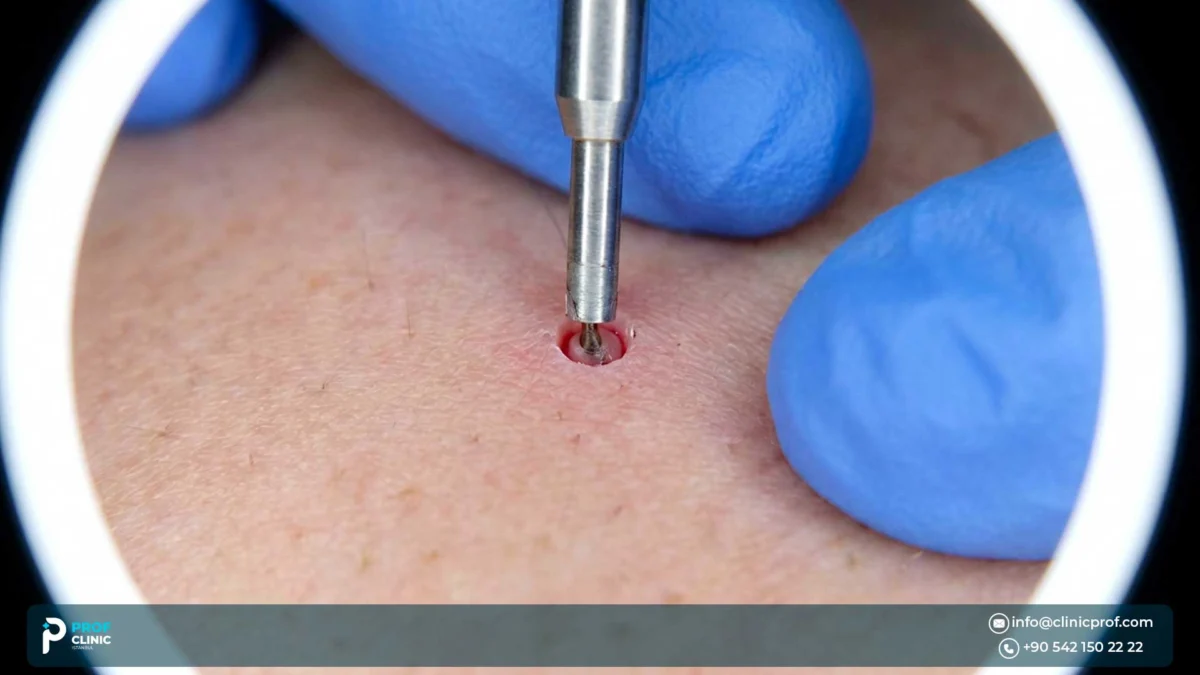
The table below summarises the options you are most likely to see on a quote.
| Technique | How grafts are taken and placed | Usually suits | Points to weigh |
|---|---|---|---|
| FUE | Grafts extracted one by one; placed into small incisions made beforehand | Most pattern hair loss in men and many women | Donor area is usually shaved; leaves tiny dot scars |
| Sapphire FUE | FUE in which the recipient incisions are made with sapphire-tipped blades | The same patients as FUE | A variation in the incision tool, not a different transplant |
| DHI | Grafts extracted by FUE, then implanted with a pen-like implanter | Hairline work and denser packing in limited areas | Can take longer in large sessions; suitability varies |
| FUT | A strip of scalp removed, then divided into grafts | Some patients needing many grafts who wear their hair longer | Leaves a linear scar; less commonly chosen today |
No technique is universally better. Your hair type, the size of the area and the doctor’s experience matter more than the label. To compare the options side by side, read FUE vs DHI vs Sapphire FUE: Which Technique Fits You? For detail on each method, see our guides to FUE hair transplant in Turkey and the DHI Choi pen method. Patients with Afro or tightly curled hair need extra planning, because curved roots make extraction slower.
What About “Laser” or “Organic” Hair Transplants?
You may see terms like laser hair transplant or organic hair transplant in Turkey. Neither is a recognised separate transplant technique. Low-level laser therapy is a non-surgical treatment that may support existing hair, and “organic” is a marketing word, not a medical term. If a clinic uses a branded name, ask which harvesting and implantation methods it actually involves.
Your Days in Istanbul: A Typical Schedule
A typical stay in Istanbul lasts about 2–4 days, and only one of them is spent in the procedure room. Here is how the days usually unfold, though your own schedule depends on the plan agreed with your doctor:
| Day | What usually happens | What to bring or plan |
|---|---|---|
| Arrival | Airport transfer, hotel check-in, consultation and hairline design | Medication list, previous test results, comfortable clothing |
| Pre-op (same or next morning) | Blood tests and health checks; final graft plan confirmed | A light meal, unless told otherwise |
| Procedure day | Local anaesthetic, extraction, then implantation, with breaks | A button-up shirt, headphones, a lift back to the hotel |
| Check-up | Graft check, first wash or wash demonstration, aftercare kit and instructions | Questions about sleeping, washing and flying |
Want the day-by-day detail, and how the length of stay changes with the size of the case? Read How Many Days Do You Need in Turkey for a Hair Transplant?
What Happens on the Procedure Day
The procedure is done while you are awake. The AAD says most patients only need anaesthesia that numbs the scalp, sometimes with a mild sedative, and that a transplant usually takes four to eight hours; larger cases may need a return visit the next day. The donor area is numbed first and the grafts are extracted, then the recipient area is numbed and the grafts are placed according to the design you agreed. Most people feel the injections at the start and then pressure rather than pain.
Flying Home
Most patients fly home after the check-up. Ask your doctor when it’s safe to travel in your case, and how to protect the grafts on the journey: the NHS advises taking great care of the grafts for about the first two weeks. A loose, soft hat or hood and a travel pillow that keeps the back of your head off hard surfaces can help, if your doctor agrees.
What a Hair Transplant Package in Turkey Usually Includes
An Istanbul hair transplant package usually bundles the medical and practical parts of the trip into one price. Inclusions vary between clinics, so always read the written quote line by line. A typical package covers:
- The procedure itself: with the agreed technique and graft range.
- Pre-op tests: blood tests and health checks before surgery.
- Medication and an aftercare kit: for the first days of recovery.
- Accommodation: hotel nights for the length of the stay.
- Transfers: airport–hotel–clinic transport.
- Post-op care: the check-up and remote follow-up after you return.
Flights, extra nights, longer-term hair loss medication and add-on treatments such as PRP are often not included, so ask whether each is covered or charged separately. As an approximate guide only, scalp hair transplant packages in Istanbul (FUE, DHI or Sapphire) are generally around €1,800–€3,500 in 2026. Afro or curly hair, female hair transplants and FUT have their own ranges. These are averages, not final prices: the final figure depends on your case and comes in a written quote after photo assessment.
For a line-by-line checklist of what to look for in a quote, see What Is Included in a Hair Transplant Package in Turkey?
Comparing quotes right now? Ask us for an itemised quote that shows what’s included and what isn’t.
Also read: Hair Transplant Cost in Turkey 2026: Average Prices & Drivers
Recovery and Growth Timeline After You Fly Home
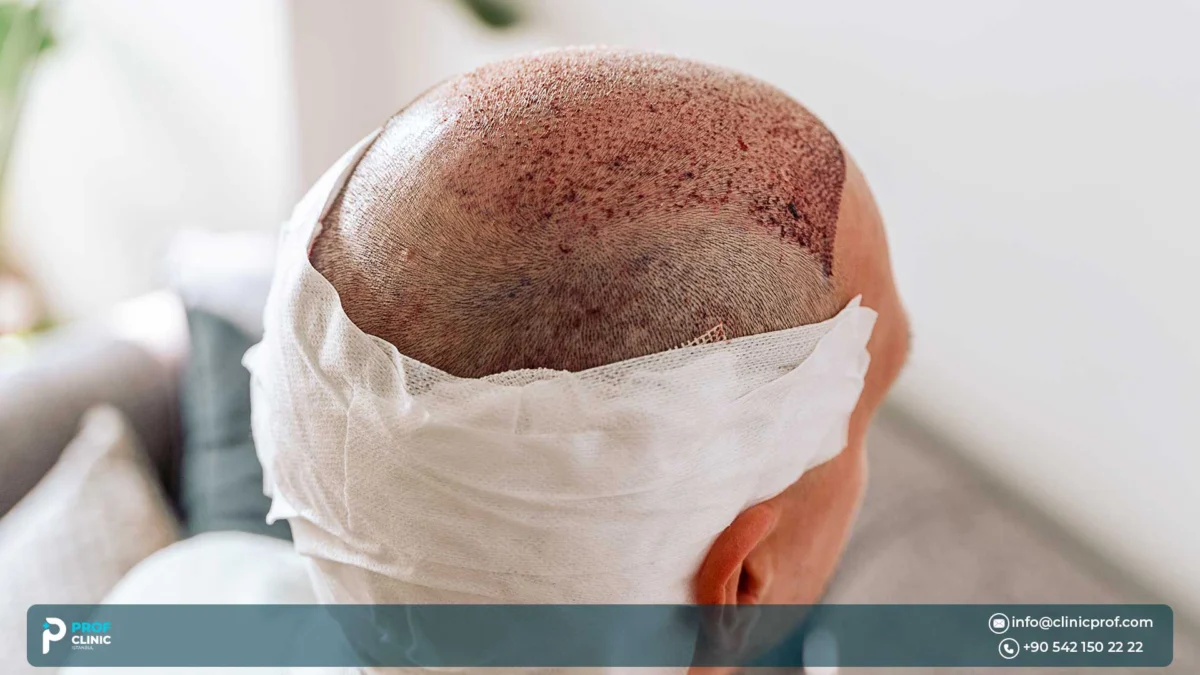
Recovery has two parts: the skin heals within about two weeks, while the transplanted hair takes around a year to show its full effect. Confusing the two is the most common source of worry. The NHS says transplanted hair often falls out and later grows back, that new hair usually appears after about 4 months and that the full result should be seen after 10 to 18 months.
| Period | What’s normal | What to focus on |
|---|---|---|
| Days 1–14 | Redness, small scabs, some forehead swelling, a tight or numb donor area | Gentle washing as instructed; no scratching or pressure on grafts |
| Weeks 2–8 | Transplanted hairs shed; the AAD puts this between two and eight weeks | Don’t judge the result; the follicles stay in place |
| Months 3–4 | Area may look thinner than before; fine new hairs begin to appear | Patience; continue any hair loss medication your doctor advised |
| Months 6–12+ | Hair thickens and gains texture; the AAD says most see results at six to nine months, some at 12 | Compare photos taken in the same light and angle |
Read these as common ranges rather than fixed deadlines. The crown, curly hair and larger sessions often take longer. For a month-by-month breakdown, see Hair Transplant Timeline Month by Month: Growth and Shock Loss.
General aftercare advice from medical sources focuses on protecting the grafts while they settle. The NHS lists bleeding, infection and allergic reaction to the anaesthetic among the small risks of any hair transplant, so contact your clinic if pain increases after the first few days, redness spreads, or you notice pus or a fever.
See how growth develops over the months in real, consented cases in our before-and-after gallery.
Prof Clinic’s Hair Transplant Process in Istanbul
At Prof Clinic, the process follows the same steps described above. We are a hair and dental clinic in Istanbul, and our hair services cover scalp transplants for men and women, Afro and curly hair, eyebrows, and beards and moustaches, using FUE, DHI, Sapphire FUE and Micro FUE techniques. You can read more on our hair transplant in Turkey page, or on the male hair transplant in Turkey page if you are planning a hairline or crown restoration.
Each medical step of the process is overseen by Spc. Dr. Lütfi Öztürk, who leads assessment and treatment planning for hair restoration. An internal-medicine specialist, he graduated from Istanbul University Cerrahpaşa Faculty of Medicine in 1992 and completed his specialisation at Şişli Etfal Hospital in 1997. He reviews your history, plans the treatment and coordinates follow-up.
- Written quote after photo review: we send a written price offer once your photos have been evaluated.
- Pre-op tests: on the day before or the morning of your procedure, your work-up covers a blood count, ECG, kidney and liver function, electrolytes, blood sugar, and hepatitis and HIV screening.
- All-inclusive package: one price covers the procedure, your accommodation, airport and hotel transfers, and post-op care.
- Follow-up after you return: our coordination team stays in touch and answers questions over WhatsApp.
Expected density is discussed individually and cannot be promised in advance, because it depends on your donor area and hair characteristics. If you would like to see how this works for your case, our hair transplant clinic in Istanbul can review your photos first.
Hair Transplant Process in Turkey: Frequently Asked Questions
How long do I need to stay in Turkey for a hair transplant?
Most patients stay about 2–4 days in Istanbul. That usually covers arrival, the consultation and pre-op tests, the procedure day and a check-up before flying home. Very large cases split over two sessions can add a day, so confirm the schedule in your written plan before booking flights.
Is FUE or DHI better for a hair transplant in Istanbul?
Neither is better for everyone. Both take grafts one by one from the donor area; the difference is mainly how they are placed. DHI uses an implanter pen, while classic and Sapphire FUE place grafts into small pre-made incisions. Your hair, the area to cover and the doctor’s assessment should decide.
Does a hair transplant hurt?
The procedure is done under local anaesthetic, so most people feel the injections at the start and then pressure rather than pain. The NHS notes it is usually done under local anaesthetic and sedation. Soreness, tightness and some swelling are common for a few days afterwards and are usually managed with prescribed painkillers.
When can I go back to work after a hair transplant in Turkey?
According to the NHS, you may need 1 to 2 weeks off work. Many people with desk jobs return sooner if they are comfortable with visible redness and scabs. Jobs involving heavy lifting, heat, dust or helmets usually need a longer break, so ask your doctor what applies to you.
Is laser hair transplant in Turkey a real procedure?
No, not as a transplant. Low-level laser therapy is a separate, non-surgical treatment that may help some people with early thinning, and the AAD notes it needs many sessions. It does not move follicles, so it cannot replace a hair transplant in bald areas. Sometimes it is offered alongside other treatments.
Planning Your Hair Transplant in Istanbul
The hair transplant process in Turkey takes a few days in Istanbul and about a year at home. The decisions that shape your result come first, in an honest assessment of your donor area, a clear plan for who does what, and a quote that spells out what’s included. Start there, and the rest of the trip becomes far easier to plan. Book a free online consultation and send your photos to get a written plan for your case.
Sources
- NHS — Hair transplant
- American Academy of Dermatology — A hair transplant can give you permanent, natural-looking results
- American Academy of Dermatology — Hair loss: Diagnosis and treatment
- ISHRS — Why FUE Is So Confusing
- BAAPS — UK and Turkish Medical Associations Unite to Issue Minimum Guidelines for Hair Transplant Surgery
- NHS — Cosmetic surgery abroad